
Dottyback Dynasty: Mastering Pseudochromis Breeding & Delicate Larval Care

Welcome to Aquarium Mastery!
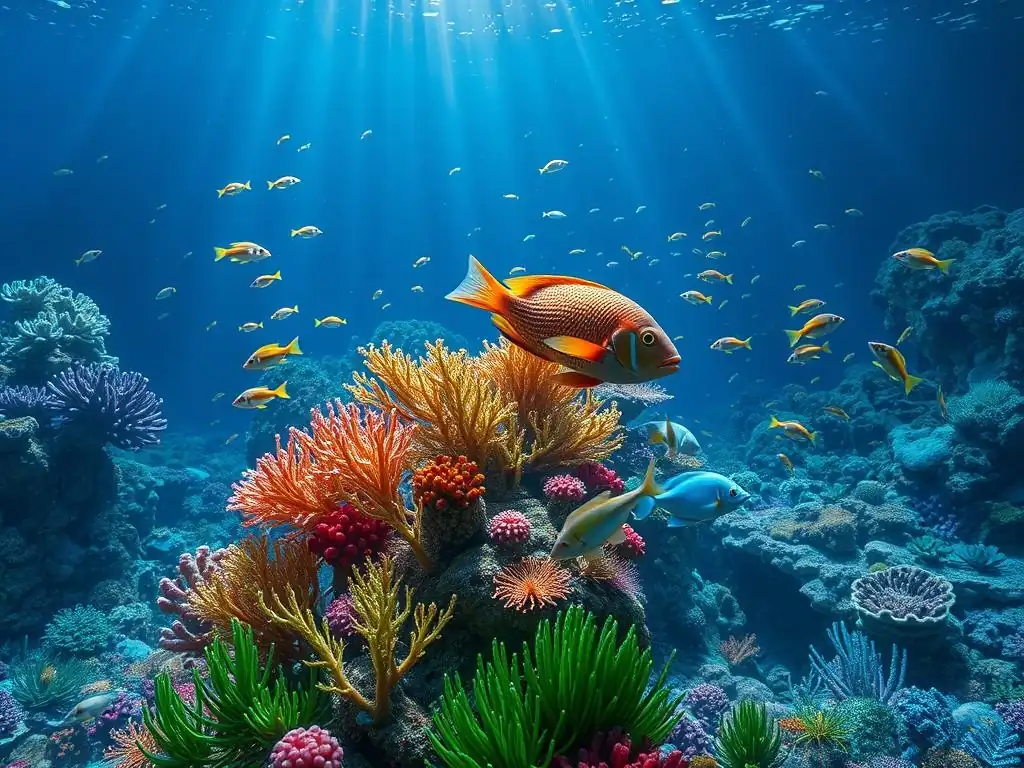
Ever wondered how to unlock the secrets of breeding the vibrant and fascinating Pseudochromis? These colorful saltwater fish can bring a whole new level of enjoyment to your aquarium hobby. But successful breeding requires specific knowledge and meticulous care, especially when it comes to those tiny, delicate larvae. Dive in to discover our essential Pseudochromis breeding care tips and learn how to nurture a thriving dottyback dynasty in your own saltwater haven! Ready to become a Pseudochromis breeding master?
- Introduction to Pseudochromis Breeding: A Rewarding Challenge
- Preparing Your Dottyback Breeding Setup: Key Considerations
- Triggering Spawning in Dottybacks: Environmental Cues and Diet
- Dottyback Egg Care and Hatching: A Critical Stage
- Pseudochromis Larval Rearing: The Delicate Art
- Common Challenges in Pseudochromis Breeding and Larval Rearing
- Post-Larval Care and Grow-Out: Ensuring Healthy Development
- Conclusion: The Joys of Successful Pseudochromis Breeding
-
Frequently Asked Questions
- How difficult is it to breed Pseudochromis dottybacks in a home aquarium?
- What are the key water parameters to maintain for successful Pseudochromis breeding?
- What type of food is best for Pseudochromis larvae?
- How do I encourage a pair of Pseudochromis to spawn?
- What are some common challenges encountered when raising Pseudochromis fry?
- Final Reflection: Nurturing the Future of Reefs
- Unleash Your Inner Dottyback Breeder!
Introduction to Pseudochromis Breeding: A Rewarding Challenge
Why Breed Dottybacks? Understanding the Appeal
Breeding dottybacks, members of the Pseudochromis family, offers a unique and highly rewarding challenge for advanced aquarists. Beyond the inherent satisfaction of witnessing the life cycle of these vibrant marine fish, successful Pseudochromis breeding contributes significantly to the sustainability of the hobby. Many popular species, such as the Orchid Dottyback ( Pseudochromis fridmani) or the Royal Dottyback ( Pictichromis paccagnellae), are highly sought after for their striking colors and relatively small size, making them ideal inhabitants for reef tanks. By mastering Pseudochromis breeding care tips, hobbyists can reduce the demand for wild-caught specimens, easing pressure on natural reef ecosystems.
Furthermore, captive-bred dottybacks often exhibit greater resilience and adaptability to aquarium conditions compared to their wild counterparts. They are typically healthier, more accustomed to prepared foods, and less prone to stress or disease upon introduction to a new tank. This makes them a more reliable choice for aquarists, leading to higher success rates in long-term maintenance. The process of understanding their complex reproductive behaviors and providing meticulous Pseudochromis larval rearing environments truly elevates one's aquarist skills.
The Importance of Responsible Pseudochromis Breeding
Responsible Pseudochromis breeding goes beyond simply producing offspring; it involves a commitment to genetic diversity, ethical practices, and the long-term health of the species. Over-reliance on a small number of broodstock can lead to inbreeding, resulting in weaker, less vibrant, and more disease-prone fish. Therefore, it is crucial for breeders to source their initial pairs from diverse genetic lines and to periodically introduce new bloodlines to maintain vigor within their breeding colony. This careful genetic management is a cornerstone of effective Pseudochromis breeding care tips.
Moreover, responsible breeding necessitates providing optimal conditions for both the adult breeders and their delicate larvae. This includes pristine water quality, a highly nutritious diet, and appropriate tank environments that minimize stress and promote natural behaviors. Ensuring that the offspring are robust and healthy before being offered to other hobbyists or retailers is paramount. This ethical approach not only benefits the fish but also enhances the reputation of the breeder and contributes positively to the overall marine aquarium industry, fostering a sustainable future for these captivating fish.
Preparing Your Dottyback Breeding Setup: Key Considerations
Selecting the Right Pseudochromis Pair for Breeding
Identifying Mature and Compatible Dottyback Pairs
Identifying a mature and compatible Pseudochromis pair is the foundational step in successful breeding. Most dottyback species are protogynous hermaphrodites, meaning they are born female and can transition to male. This makes pairing challenging, as two females may co-exist peacefully until one transitions, often leading to aggression.
For many species, such as Pseudochromis fridmani, a mature breeding male will typically be larger and more robust than the female, often exhibiting more intense coloration, especially during courtship. A good indicator of compatibility is observing two fish that consistently interact without significant aggression, perhaps even sharing a preferred hiding spot or cave.
To form a pair, it's often recommended to introduce a smaller, presumably female, individual to a larger, established male, or to introduce two juveniles together and allow them to naturally pair as they mature. The process can take several weeks to months. Observe their behavior closely: any consistent chasing, nipping, or aggressive displays from one fish towards the other, especially if the smaller fish is unable to find refuge, indicates incompatibility and necessitates separation to prevent injury or death. Patience and close observation are crucial Pseudochromis breeding care tips for pair formation.
Quarantine Procedures for Breeding Dottybacks
Rigorous quarantine procedures are absolutely vital before introducing any new Pseudochromis individuals into a breeding setup. Even seemingly healthy fish can carry parasites, bacteria, or viruses that could devastate an entire breeding colony or compromise the health of future larvae. A dedicated quarantine tank, separate from the main breeding system, should be established for at least four to six weeks. This tank should be equipped with a heater, filtration, and basic hides.
During the quarantine period, observe the fish daily for any signs of disease, such as fin rot, ich (Cryptocaryon irritans), velvet (Amyloodinium ocellatum), or bacterial infections. Prophylactic treatments for common parasites might be considered, but always research species-specific sensitivities. Feeding high-quality, vitamin-enriched foods during quarantine also helps to boost the fish's immune system. Only after the quarantine period is successfully completed, with no signs of illness, should the fish be transferred to the breeding tank, ensuring the health and safety of your Pseudochromis breeding program.
Setting Up the Breeding Tank: Mimicking the Natural Environment
Optimal Tank Size and Water Parameters for Pseudochromis
The optimal tank size for Pseudochromis breeding varies slightly by species but generally ranges from 10 to 30 gallons (approximately 38 to 114 liters) for a single pair, with larger tanks preferred for more aggressive species or multiple pairs if managed carefully. A 20-gallon long tank (76 liters) is often ideal, providing ample swimming space while allowing for stable water parameters. Maintaining stable and pristine water parameters is paramount for successful Pseudochromis breeding. Specific gravity should be kept between 1.023 and 1.026, mimicking natural reef conditions.
Temperature is also critical, typically maintained between 78-82°F (25.5-27.8°C), as slight increases can sometimes trigger spawning. pH should be stable between 8.0 and 8.4. Ammonia, nitrite, and nitrate levels must be undetectable (ammonia and nitrite) or kept very low (nitrate, below 10 ppm). Regular small water changes, typically 10-20% weekly, are essential to maintain water quality and remove metabolic waste, directly impacting the success of Pseudochromis breeding care tips related to water chemistry.
Substrate and Aquascaping for Dottyback Breeding
Dottybacks are cave-dwelling fish, and providing ample hiding spots and potential spawning sites is crucial for successful breeding. The breeding tank should be aquascaped with plenty of live rock formations, PVC pipes, or ceramic caves that offer secluded, dark crevices. These structures serve multiple purposes: they provide security for the female, a designated spawning site for the pair, and visual barriers to reduce aggression, especially important if the male becomes overly protective.
A bare-bottom tank is often preferred for larval rearing due to ease of cleaning, but for the breeding pair, a thin layer of fine sand or crushed coral (1-2 inches or 2.5-5 cm) can be beneficial, offering a more natural feel and potentially aiding in the maintenance of beneficial bacteria. However, the primary focus for aquascaping should be on creating secure, dark caves where the male can guard the egg clutch. The male will often choose a very tight, enclosed space, sometimes even a small piece of PVC pipe, to lay and guard the eggs.
Essential Equipment for Pseudochromis Larval Rearing
The equipment for Pseudochromis larval rearing is specialized and critical for high survival rates. A dedicated larval rearing tank, typically 5-10 gallons (19-38 liters), is essential. This tank should be bare-bottom for hygiene and feature gentle aeration, often achieved with an air stone connected to an air pump set at a very low flow, or a sponge filter. Strong water flow must be avoided as it can harm delicate larvae.
Temperature control is paramount, requiring a reliable heater. Lighting should be dim and consistent, often provided by a small LED light. For feeding, precise dosing equipment for live foods like rotifers is necessary. A microscope is invaluable for monitoring rotifer cultures and assessing larval gut fill. Finally, a system for frequent, small water changes, often involving siphoning and drip-fed fresh saltwater, is crucial for maintaining pristine water quality in these sensitive environments, embodying key Pseudochromis breeding care tips for larval survival.
Triggering Spawning in Dottybacks: Environmental Cues and Diet
Maintaining Ideal Water Quality for Spawning
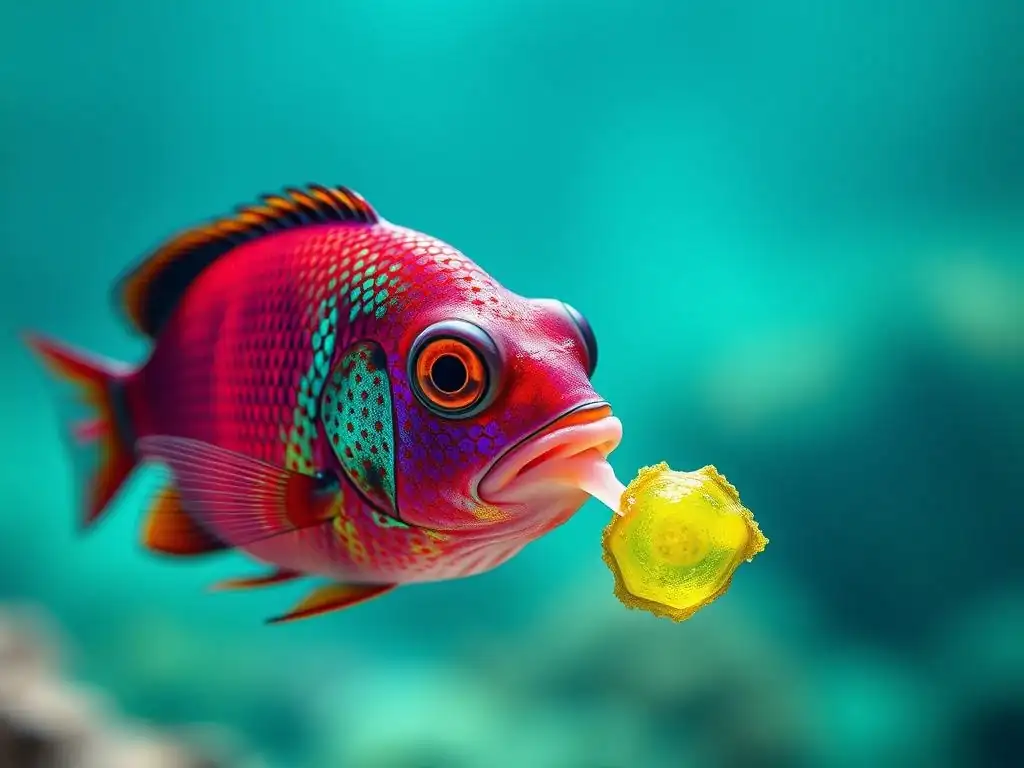
Maintaining impeccable water quality is arguably the most critical environmental cue for triggering spawning in Pseudochromis. Consistent parameters, free from fluctuations, signal to the fish that conditions are stable and favorable for reproduction. This means keeping ammonia and nitrite at zero, and nitrates as close to zero as possible, ideally below 5 ppm. Regular, small water changes (e.g., 10-15% twice a week) with freshly mixed, high-quality saltwater are more effective than large, infrequent changes, as they minimize stress and replenish essential trace elements.
Beyond chemical parameters, water flow and oxygenation play a role. A gentle, consistent flow within the breeding tank, mimicking natural reef currents, can stimulate activity. Ensuring adequate oxygen saturation, especially in warmer water, is also important. Some breeders report success by slightly increasing the water temperature (e.g., from 78°F to 80°F or 25.5°C to 26.7°C) or performing a larger, cooler water change to simulate a natural rain event, which can sometimes act as a spawning trigger. These subtle adjustments to water conditions are integral Pseudochromis breeding care tips.
Dietary Needs of Breeding Dottybacks: Enhancing Fertility
Live Food Options for Conditioning Breeders
A high-quality, varied diet is paramount for conditioning Pseudochromis breeders and enhancing their fertility. Live foods are particularly effective as they provide superior nutritional value and stimulate natural feeding behaviors. Mysis shrimp, enriched brine shrimp, and copepods are excellent choices. Mysis shrimp are rich in protein and fatty acids, crucial for egg development. Feeding live foods two to three times a day, in small portions, ensures the fish receive consistent nutrition without fouling the water.
Other beneficial live food options include blackworms and small feeder fish (for larger Pseudochromis species, though less common for typical aquarium varieties). The goal is to provide a diet that is not only rich in protein but also in essential fatty acids (like DHA and EPA) and vitamins. Observing the fish's fullness and coloration is a good indicator of successful conditioning; a well-fed female will appear plump, especially in the abdominal region, signaling readiness to spawn. This diligent approach to nutrition is a cornerstone of effective Pseudochromis breeding care tips.
Supplementing with Vitamins and Minerals
While live foods provide excellent nutrition, supplementing the diet of breeding Pseudochromis with additional vitamins and minerals can significantly boost fertility and the viability of their eggs. Products specifically designed for marine fish, rich in Vitamin C, Vitamin E, and B vitamins, are highly beneficial. These can be added to the frozen or dry foods before feeding, allowing the food to soak up the nutrients. For live foods like brine shrimp, a process called "gut loading" can be employed, where the live food itself is fed a nutrient-rich supplement before being offered to the fish.
Calcium and iodine are also important minerals for marine fish health and reproductive success. While these are typically maintained through high-quality salt mixes and regular water changes, ensuring their presence in adequate levels can support overall fish health and egg development. A balanced and enriched diet not only promotes spawning but also ensures the resulting larvae are robust and have a stronger chance of survival, making it a vital aspect of Pseudochromis breeding care tips.
Identifying Spawning Behavior in Pseudochromis
Identifying spawning behavior in Pseudochromis requires keen observation, as their courtship can be subtle and often occurs within the confines of their chosen cave. Typically, the male will begin to "clean" or prepare a specific crevice or cave for egg deposition, often by fanning water through it or pushing out debris. The female will then approach the male, and they may engage in a "shivering" or "quivering" dance, often with the male displaying his most vibrant colors to entice the female into the spawning site.
Once inside the cave, the female will lay a sticky egg mass, often adhering it to the roof or walls of the cave, while the male immediately fertilizes them. The entire process can take several hours. After spawning, the male will typically become highly protective of the egg clutch, fanning them vigorously to ensure proper oxygenation and guarding them against any perceived threats. The female may remain nearby or retreat to another part of the tank. Knowing these specific behaviors is crucial for successful Pseudochromis breeding care tips, allowing breeders to anticipate and prepare for the next stages.
Dottyback Egg Care and Hatching: A Critical Stage
Protecting the Eggs from Predators
Once the Pseudochromis eggs have been laid, their protection becomes the male's primary duty. In a dedicated breeding tank, the main "predators" are often the female herself, other tank inhabitants if present (though a single-pair breeding tank is recommended), or even the male if he feels overly stressed or the clutch is compromised. The male dottyback will diligently guard the egg mass, fanning them with his pectoral fins to ensure oxygenation and remove debris.
To further ensure the safety of the clutch, it's paramount to minimize disturbances to the breeding tank. Avoid sudden movements, loud noises, or unnecessary tank maintenance during this critical period. If the male is particularly aggressive towards the female post-spawning, or if you suspect he might consume the eggs due to stress, a divider can be used to separate the pair while still allowing water flow. However, most male dottybacks are excellent egg guardians. These protective measures are key Pseudochromis breeding care tips for maximizing hatch rates.
Understanding Dottyback Egg Development
Pseudochromis eggs are typically small, adhesive, and often laid in a compact, oval or pear-shaped clutch. The development time varies slightly by species and water temperature but generally ranges from 3 to 7 days. At a temperature of 79-80°F (26-27°C), many species, like Pseudochromis fridmani, will hatch around day 5-7. During this period, observing the eggs with a magnifying glass can reveal fascinating developmental stages.
Initially, the eggs will appear opaque. As development progresses, you may start to see the formation of eye spots, which are a clear sign of healthy embryonic development. Towards the final stages, the larvae inside may become more visible, and the clutch might appear to "wiggle" as the larvae prepare to hatch.
Any eggs that turn opaque white or develop a fuzzy appearance are likely infertile or fungused and should ideally be removed by the male or siphoned out if accessible, though disturbing the male often outweighs the benefit. Understanding these developmental cues is vital for effective Pseudochromis breeding care tips.
Hatching Process and Initial Larval Stage
The hatching of Pseudochromis larvae typically occurs at night, often just after the tank lights have gone out, or in the very early morning hours. The larvae are incredibly small, often less than 2-3 mm in length, and are positively phototactic, meaning they will swim towards light. They are also planktonic, drifting in the water column, making them highly susceptible to strong currents.
Upon hatching, the larvae possess a small yolk sac, which provides initial nutrition for the first 24-48 hours. This yolk sac is quickly absorbed, after which the larvae must begin feeding on external food sources. It is crucial to have the larval rearing tank prepared and the first foods (typically rotifers) ready before hatching occurs, as the window for first feeding is very narrow. Successfully transitioning from yolk-sac nutrition to external feeding is the most challenging aspect of Pseudochromis larval rearing.
Pseudochromis Larval Rearing: The Delicate Art
Setting Up the Larval Rearing Tank
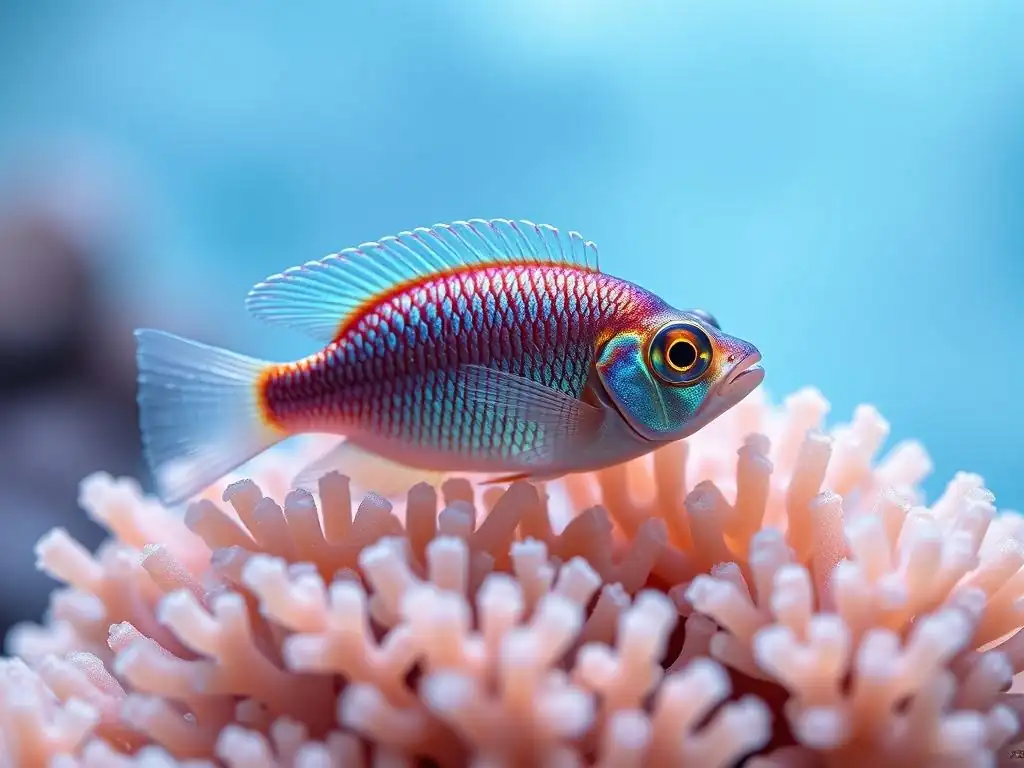
Setting up the larval rearing tank requires meticulous attention to detail to maximize the survival rate of delicate Pseudochromis larvae. A bare-bottom tank, typically 5 to 10 gallons (19-38 liters), is preferred for ease of cleaning and monitoring. Water flow must be extremely gentle; often, a small air stone producing very fine bubbles or a tiny sponge filter is sufficient. Avoid powerheads or strong filters that can easily suck in or damage the fragile larvae.
Lighting should be dim but consistent, often provided by a low-wattage LED light positioned above the tank. This helps the larvae locate their food. A black background and bottom can help make the tiny, translucent larvae more visible for observation. The tank should be filled with water from the breeding tank or freshly mixed, aged saltwater with identical parameters. Having the tank set up and stabilized days before hatching is crucial for successful Pseudochromis larval rearing.
First Foods for Dottyback Larvae: Size and Nutritional Value
Culturing Live Rotifers: A Staple Food
Live rotifers ( Brachionus plicatilis or Brachionus rotundiformis) are the indispensable first food for nearly all marine fish larvae, including Pseudochromis. Their small size (typically 50-250 microns) and slow swimming speed make them perfectly digestible for newly hatched larvae. It is absolutely essential to have a thriving, dense culture of rotifers ready before the larvae hatch, as they will need to feed within 24-48 hours of yolk sac absorption.
Rotifers should be "enriched" with highly nutritious algal pastes or commercial enrichment products high in DHA and EPA (essential fatty acids) for at least 12-24 hours prior to feeding. This process, known as bio-encapsulation, ensures that the rotifers themselves become packed with the vital nutrients required for larval growth and development. Maintaining a high density of enriched rotifers in the larval tank (e.g., 10-15 rotifers per mL) is critical to ensure the larvae encounter enough food to survive. This precise feeding strategy is a cornerstone of Pseudochromis breeding care tips for larval survival.
Introducing Copepods for Enhanced Growth
While rotifers are crucial for initial survival, introducing copepods, particularly smaller species like Parvocalanus crassirostris or nauplii of larger copepods, can significantly enhance the growth and development of Pseudochromis larvae. Copepods offer a broader nutritional profile, including higher levels of certain lipids and proteins, and their erratic swimming patterns can stimulate a stronger feeding response in the larvae. They are typically introduced a few days after first feeding on rotifers, once the larvae have grown slightly.
The key is to match the size of the copepod to the gape size of the larvae. As the larvae grow, they can consume larger copepod stages. Culturing copepods can be more challenging than rotifers but is highly rewarding for larval rearing success. A mixed diet of enriched rotifers and appropriately sized copepods provides the diverse nutrition necessary for robust growth and reduces the risk of nutritional deficiencies, making it a valuable addition to Pseudochromis breeding care tips.
Maintaining Water Quality in the Larval Rearing Tank: Preventing Losses
Frequent Water Changes and Filtration
Maintaining pristine water quality in a larval rearing tank is paramount and often the most challenging aspect of Pseudochromis larval rearing. Due to the high density of microscopic food organisms and the rapid metabolism of the larvae, waste products accumulate quickly. Frequent, small water changes are far more effective and less stressful than large, infrequent ones. Daily water changes of 10-20% are common, sometimes even more if food density is very high.
The water should be siphoned gently from the bottom of the tank, avoiding disturbance to the larvae. A small air line hose can be used for precise siphoning. Replenishment water should be aged, temperature-matched, and have identical parameters to the tank water. Filtration is typically minimal; sponge filters or simple air stones provide aeration without excessive flow. Some advanced setups use specialized larval kreisel tanks designed for optimal flow and waste removal. This diligent maintenance is a non-negotiable aspect of Pseudochromis breeding care tips.
Monitoring Ammonia, Nitrite, and Nitrate Levels
Strict monitoring of ammonia, nitrite, and nitrate levels is absolutely critical in a larval rearing tank. Larvae are extremely sensitive to even trace amounts of these nitrogenous compounds. Ammonia and nitrite should always be undetectable (0 ppm). Nitrate levels should be kept as low as possible, ideally below 5 ppm, though even 1-2 ppm can be detrimental to very young larvae. Regular testing, ideally daily, is necessary to catch any spikes before they become lethal.
If ammonia or nitrite are detected, immediate action is required, usually in the form of a larger water change (e.g., 25-50%). Reducing the feeding density of live foods slightly might also be necessary. Maintaining stable pH (around 8.1-8.3) and salinity (1.024-1.025) is also important, as fluctuations can stress larvae. Proactive water quality management is perhaps the most important of all Pseudochromis breeding care tips for high larval survival.
Gradually Introducing Larger Food Items
Brine Shrimp Enrichment for Larval Growth
As Pseudochromis larvae grow, typically after 7-10 days, their gape size increases, allowing them to consume larger food items. Newly hatched brine shrimp nauplii ( Artemia salina) are the next logical step after rotifers and small copepods. However, it is crucial that these brine shrimp are enriched before feeding. Freshly hatched brine shrimp are nutritionally poor; they must be gut-loaded with a high-quality enrichment product (rich in DHA/EPA) for 12-24 hours.
This enrichment process significantly boosts their nutritional value, providing the essential fatty acids necessary for the rapid growth and development of the juvenile dottybacks. Brine shrimp should be fed several times a day, in small quantities, to maintain a constant food source without fouling the water. Gradually transitioning from rotifers to enriched brine shrimp ensures continuous, appropriate nutrition for the growing larvae, a key component of Pseudochromis breeding care tips.
Transitioning to Prepared Foods
The ultimate goal of larval rearing is to transition the juvenile Pseudochromis to prepared foods, making them robust and easy to maintain for future owners. This transition typically begins when the fish are around 3-4 weeks old, or when they are large enough to readily accept finely crushed flakes or small pellets. Start by offering very small amounts of high-quality, marine-specific dry food while still feeding live foods (enriched brine shrimp).
Gradually increase the proportion of prepared foods while decreasing the live food offerings over several days to weeks. Observe the fish closely to ensure they are actively consuming the dry food. Some breeders also introduce frozen mysis or cyclop-eeze, finely chopped, as an intermediate step before dry foods. Patience and persistence are key during this transition phase, ensuring the juvenile dottybacks are well-rounded eaters. This successful transition is a hallmark of effective Pseudochromis breeding care tips.
Common Challenges in Pseudochromis Breeding and Larval Rearing
Preventing and Treating Diseases in Dottyback Larvae
Identifying Early Signs of Illness
Preventing disease in Pseudochromis larvae is far easier than treating it, given their extreme fragility. Maintaining impeccable water quality, providing optimal nutrition, and ensuring a stress-free environment are the best preventative measures. However, if disease does occur, identifying early signs is critical for any chance of successful intervention. Look for changes in swimming behavior, such as erratic movements, spiraling, or lethargy.
Other indicators include a loss of appetite, darkening of the body, or visible lesions or white spots. The presence of undigested food in the gut (visible through their translucent bodies) can indicate a digestive issue. Unfortunately, once larvae show overt signs of illness, their chances of recovery are slim, highlighting the importance of prevention and rapid response. Observing larvae under a magnifying glass or low-power microscope can help detect subtle issues early, reinforcing diligent Pseudochromis breeding care tips.
Safe Medications for Larval Treatment
Treating diseases in Pseudochromis larvae is extremely challenging due to their delicate nature and high sensitivity to most medications. Many common fish medications, especially those containing copper or strong antibiotics, are lethal to larvae. Therefore, chemical treatments are generally a last resort and should be approached with extreme caution. If a bacterial infection is suspected, very dilute solutions of broad-spectrum antibiotics, specifically those deemed "reef safe" or with known applications for larval culture, might be considered, but always with careful research and lower-than-recommended dosages.
For external parasites, freshwater dips (briefly placing larvae in temperature-matched freshwater) can sometimes be effective, but this is highly stressful and risky for larvae. The most effective approach remains prevention through excellent husbandry. If a disease outbreak occurs, isolating affected larvae (if possible) and performing large, immediate water changes with clean, sterile saltwater are often the safest initial steps, emphasizing the difficulty in applying traditional Pseudochromis breeding care tips for sick larvae.
Addressing Aggression in Breeding Pairs
Aggression is a common challenge in Pseudochromis breeding pairs, as many species are territorial and can be highly assertive. While a certain level of chasing and nipping is normal courtship behavior, excessive aggression, where one fish is constantly harassed, unable to eat, or suffers physical injury, requires intervention. The male, especially after spawning, can become overly protective of the eggs and direct aggression towards the female.
Solutions include providing ample hiding spots and visual barriers within the breeding tank to allow the female to escape. If aggression persists, a tank divider can be used to separate the pair while still allowing them to see each other and maintain water flow. In extreme cases, the female may need to be removed to a separate tank for her safety. Monitoring the pair's dynamics closely is essential, as managing aggression is a vital aspect of long-term Pseudochromis breeding care tips.
Overcoming Feeding Challenges in Larval Rearing
Overcoming feeding challenges in Pseudochromis larval rearing is often the primary hurdle to success. The most common issues include insufficient food density, larvae not recognizing food, or nutritional deficiencies. To ensure adequate food density, it's crucial to maintain a high concentration of appropriately sized live food (rotifers, then copepods, then brine shrimp) in the larval tank at all times. This often means adding food several times a day, even every few hours.
If larvae are present but not eating, verify the food size matches their gape and ensure the food is enriched. Sometimes, adjusting the lighting (dim, consistent light helps larvae spot food) or water flow (too strong can prevent feeding) can help. Nutritional deficiencies can be prevented by consistently enriching live foods. If larvae appear to be "starving with a full gut," it may indicate a digestive issue or a need for different food types. Persistence and meticulous observation are key Pseudochromis breeding care tips for successful feeding.
Post-Larval Care and Grow-Out: Ensuring Healthy Development
Transitioning Juveniles to a Grow-Out Tank
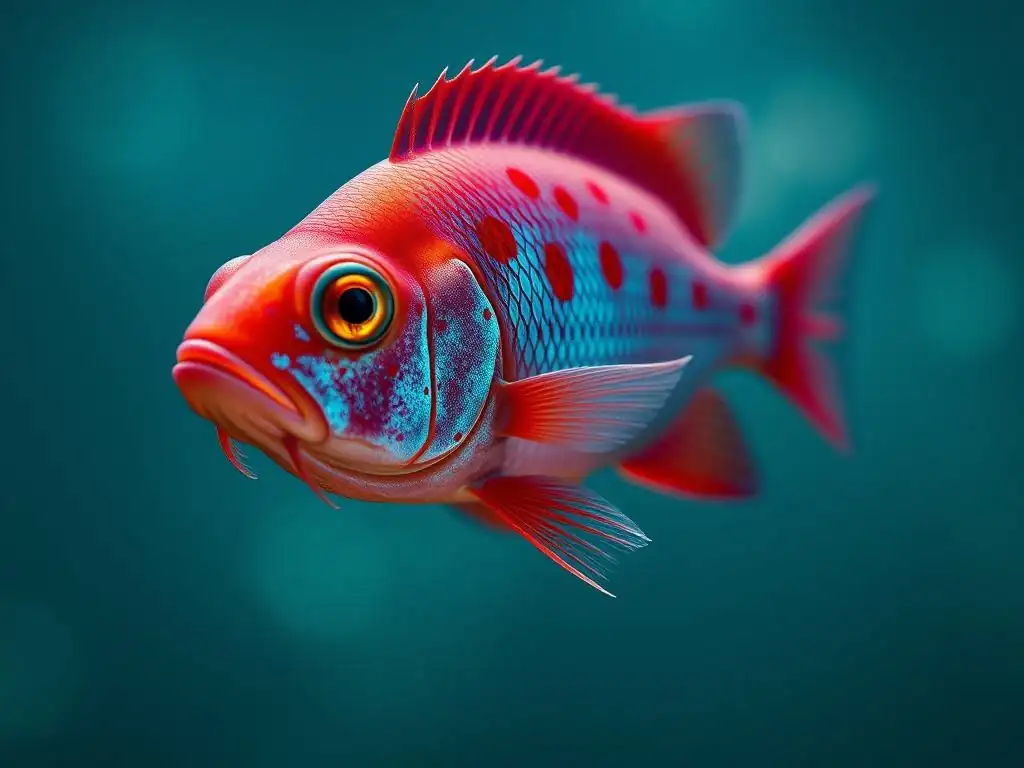
Once Pseudochromis larvae have successfully metamorphosed into juvenile fish (typically around 3-4 weeks post-hatch, depending on the species and growth rate) and are consistently feeding on prepared foods, they are ready to be transitioned to a larger "grow-out" tank. This tank should offer more space for growth and activity, often a 20-40 gallon (76-151 liter) aquarium, depending on the number of juveniles. The grow-out tank should be fully cycled and stable, with parameters identical to the larval rearing tank to minimize stress during transfer.
The transfer itself should be done carefully, using a small container or cup to scoop the juveniles, avoiding nets which can damage their delicate fins and bodies. It's often beneficial to transfer them in batches to reduce overcrowding in the grow-out tank initially. Providing plenty of hiding spots in the grow-out tank is still important, as juvenile dottybacks can be territorial even among siblings. This smooth transition is a crucial phase in Pseudochromis breeding care tips.
Diet and Feeding Strategies for Growing Dottybacks
As juvenile Pseudochromis grow, their dietary needs evolve. While they should be fully transitioned to prepared foods, a varied and high-quality diet remains essential for optimal growth and coloration. Continue to offer a mix of finely crushed marine flakes, small pellets, and high-quality frozen foods like enriched mysis shrimp, brine shrimp, and cyclop-eeze. Feeding should occur multiple times a day (3-4 times), in small quantities, to support their rapid metabolism and growth.
Rotate food types to ensure a complete nutritional profile. Supplementation with vitamins and probiotics can also be beneficial, boosting their immune system and digestive health. Observing their feeding response and ensuring all fish are getting enough food is important, as some individuals may be more aggressive eaters than others. A consistent, nutrient-rich feeding regimen is a cornerstone of Pseudochromis breeding care tips for healthy development.
Maintaining Optimal Water Parameters for Juvenile Growth
Maintaining optimal water parameters in the grow-out tank is just as critical as in the breeding and larval tanks. Stable temperature (78-80°F or 25.5-26.7°C), salinity (1.024-1.025), and pH (8.1-8.3) are crucial for healthy growth and development. Ammonia and nitrite must remain at zero, and nitrates should be kept very low, ideally below 10 ppm, through regular water changes.
The grow-out tank should have robust filtration, such as an adequately sized hang-on-back filter or a sump system, to handle the increased bioload from growing fish and more frequent feedings. Protein skimming is highly recommended to remove dissolved organic waste. Regular testing of water parameters (at least weekly) is essential to catch any deviations quickly. Consistency in water quality is a foundational aspect of all Pseudochromis breeding care tips, extending through the grow-out phase.
Preventing Aggression in the Grow-Out Tank
Even among siblings, aggression can become an issue in a grow-out tank as Pseudochromis mature and establish territories. This is particularly true for larger grow-out groups or if the tank lacks sufficient hiding spots. To prevent excessive aggression, ensure the grow-out tank is adequately sized for the number of juveniles and provides a multitude of visual barriers and hiding places using live rock, PVC pipes, or ceramic caves.
Spreading out feeding locations can also help reduce competition. If specific individuals show persistent bullying behavior, they may need to be isolated or moved to a separate tank to prevent harm to their tank mates. Monitoring the group dynamics and being prepared to intervene is an important aspect of managing a successful Pseudochromis breeding care tips program.
Conclusion: The Joys of Successful Pseudochromis Breeding
Contributing to the Sustainability of the Aquarium Hobby
Successfully breeding Pseudochromis species is more than just a personal achievement; it's a significant contribution to the sustainability and ethical practices of the marine aquarium hobby. By propagating these vibrant fish in captivity, hobbyists directly reduce the reliance on wild-caught specimens, thereby alleviating pressure on delicate coral reef ecosystems. This practice helps conserve natural populations and promotes a more responsible approach to keeping marine fish. Every captive-bred dottyback sold or traded represents one less fish taken from the ocean, embodying the true spirit of advanced Pseudochromis breeding care tips.
Moreover, captive-bred fish are often hardier, more adaptable to aquarium life, and less susceptible to common diseases, leading to higher success rates for fellow aquarists. This not only benefits the fish but also fosters a more positive and rewarding experience for hobbyists, encouraging more people to engage in sustainable practices. The dedication to mastering Pseudochromis larval rearing techniques directly contributes to a healthier, more responsible future for the entire industry.
Further Resources for Dottyback Breeding and Care
For aquarists embarking on the rewarding journey of Pseudochromis breeding, continuous learning and access to reliable resources are invaluable. Online forums and dedicated groups focused on marine fish breeding, such as those on Reef2Reef or Marine Breeders Initiative (MBI), offer a wealth of shared experiences, troubleshooting advice, and direct support from experienced breeders. These communities are excellent places to ask specific questions about Pseudochromis breeding care tips, share successes, and learn from challenges.
Additionally, academic papers and publications from institutions involved in aquaculture and marine biology can provide deeper scientific insights into the reproductive biology and larval development of Pseudochromis species. Books on marine fish breeding, while sometimes broad, often contain foundational principles applicable to dottybacks. Attending local aquarium club meetings or larger industry conferences can also provide networking opportunities and access to specialized knowledge, further enhancing one's expertise in Pseudochromis breeding and care.
Frequently Asked Questions
How difficult is it to breed Pseudochromis dottybacks in a home aquarium?
Breeding Pseudochromis can be challenging but rewarding. It requires a dedicated setup and careful monitoring of water parameters, especially during the larval stage.
What are the key water parameters to maintain for successful Pseudochromis breeding?
Maintaining stable water parameters is crucial. Aim for a salinity of 1.025, a pH of 8.1-8.4, and a temperature between 78-82°F. Nitrate and ammonia levels should be kept as close to zero as possible.
What type of food is best for Pseudochromis larvae?
Pseudochromis larvae are very small and require live foods such as rotifers and copepods during their initial stages. Later, you can introduce enriched brine shrimp.
How do I encourage a pair of Pseudochromis to spawn?
Provide a suitable cave or crevice for nesting. Maintain excellent water quality and offer a varied diet of high-quality frozen and live foods. Consistent conditions are key to success.
What are some common challenges encountered when raising Pseudochromis fry?
Common challenges include maintaining water quality, providing adequate food, and preventing predation by other tank inhabitants. Larval mortality is often high.
Final Reflection: Nurturing the Future of Reefs
The intricacies of Pseudochromis breeding revealed in this article are not merely academic exercises; they represent a crucial step towards sustainable reef keeping and the preservation of these vibrant fish in the face of increasing environmental pressures. Understanding and implementing these care tips is vital, not just for the hobbyist, but for the long-term health of our coral reefs, offering a tangible way to contribute to their resilience.
This journey into the delicate world of dottyback larvae has profoundly underscored the interconnectedness of our actions and the well-being of marine ecosystems. It's a reminder that even seemingly small contributions, like mastering Pseudochromis breeding, can have a significant ripple effect. In the end, we will conserve only what we love; we will love only what we understand; and we will understand only what we are taught.
- Baba Dioum. This quote perfectly encapsulates the importance of sharing knowledge and fostering a deeper appreciation for the wonders of the reef.
Now, armed with these insights and practical tips, I encourage you to reflect on your own role in the future of our reefs. Consider how you can apply these lessons, whether you're a seasoned aquarist or simply a passionate advocate for marine conservation. Let's work together to ensure that the vibrant colors and intricate lives of Pseudochromis, and all reef inhabitants, continue to thrive for generations to come.
Unleash Your Inner Dottyback Breeder!
Thank you for diving deep into the fascinating world of dottyback breeding! We hope you've gained valuable insights into successfully raising these vibrant fish. Now, it's time to put that knowledge into action and see those tiny larvae thrive!
Here's how you can take the next step:
- Commit to a Brood: Dedicate a tank and resources to raising a single brood of dottybacks. This focused approach will maximize your learning and success.
- Share Your Insights: Document your breeding journey on aquarium forums or social media to help other aquarists. Include both successes and failures!
- Try Something Unexpected: Experiment with different live food cultures beyond rotifers. See if copepods or newly hatched brine shrimp improve larval growth and survival rates.
Ready to start your dottyback dynasty? What specific element of larval care are you most excited (or nervous!) to master?