
Selecting for Success: Choosing Prime Genetic Saltwater Broodstock


Welcome to Aquarium Mastery!
Ever wondered how to unlock the secrets to saltwater fish breeding success? The key might lie deeper than you think, nestled within the genetics of your broodstock. Dive in to discover how selecting for prime genetic traits can revolutionize your breeding program and lead to healthier, more vibrant offspring. Ready to explore the fascinating world of Saltwater fish breeding genetics and learn how to choose the best breeders for your aquarium? Let's get started!
- Selecting for Success: Choosing Prime Genetic Atlantic Cod Broodstock
- Understanding the Importance of Atlantic Cod Breeding Genetics
- Key Traits to Evaluate in Potential Atlantic Cod Broodstock
- Genetic Considerations for Atlantic Cod Breeding Programs
- Practical Steps for Selecting Prime Atlantic Cod Broodstock
- Optimizing the Breeding Environment for Genetic Success
- Advanced Techniques for Genetic Improvement in Atlantic Cod
- Documenting and Tracking Broodstock Performance
- Common Mistakes to Avoid in Atlantic Cod Broodstock Selection
- The Future of Atlantic Cod Breeding: Genetics and Technology
-
Frequently Asked Questions
- What factors should I consider when selecting saltwater broodstock for breeding?
- How important is genetic diversity in saltwater fish breeding programs?
- How can I identify saltwater fish with superior genetic potential for breeding?
- What are the ethical considerations when breeding saltwater fish?
- Where can I find reliable information about the genetics of specific saltwater fish species?
- Final Reflection: Cultivating the Future of Saltwater Aquaculture
- Ignite Your Breeding Program!
Selecting for Success: Choosing Prime Genetic Atlantic Cod Broodstock
Understanding the Importance of Atlantic Cod Breeding Genetics
Why Genetic Selection Matters in Atlantic Cod Aquaculture
Genetic selection plays a pivotal role in shaping the success and sustainability of Atlantic Cod aquaculture. By carefully choosing broodstock with superior traits, aquaculturists can significantly enhance key performance indicators such as growth rate, feed conversion efficiency, and disease resistance. For instance, selective breeding programs have demonstrated the potential to improve growth rates in Atlantic Cod by 10-15% per generation, directly translating to shorter production cycles and increased profitability. This focused approach ensures that resources are invested in fish lines that offer the highest return on investment.
Beyond immediate economic gains, genetic selection contributes to the long-term viability of the industry. Stocks bred for enhanced disease resistance, for example, require fewer chemical treatments, reducing operational costs and environmental impact. This also mitigates the risk of large-scale mortality events, which can devastate an aquaculture operation. Ultimately, prioritizing saltwater fish breeding genetics leads to a more robust, efficient, and environmentally responsible production system, critical for meeting growing market demands for Atlantic Cod.
The Impact of Broodstock Quality on Offspring Health and Vigor
The quality of broodstock directly dictates the health and vigor of their offspring, particularly in the delicate larval and juvenile stages of Atlantic Cod. Superior broodstock transmit desirable genetic traits, resulting in fry that are more resilient to common stressors encountered in hatchery environments. This is crucial for Atlantic Cod, where larval survival rates can be notoriously low, often falling below 5% in early rearing phases without optimal conditions. Genetically robust offspring exhibit higher survival rates, reducing the number of eggs needed and improving overall production efficiency.
Furthermore, offspring from prime broodstock often demonstrate improved immune responses and better stress tolerance during critical periods such as handling, grading, and transport. This translates to stronger, faster-developing juveniles that are less susceptible to opportunistic infections. For example, offspring from genetically selected parents may show a 20-30% higher survival rate through the critical weaning period compared to those from unselected stock, significantly impacting the final yield of marketable fish and underscoring the importance of sound saltwater fish breeding genetics.
Key Traits to Evaluate in Potential Atlantic Cod Broodstock
Assessing Physical Attributes for Breeding Potential
Body Conformation and Overall Health Indicators
When selecting Atlantic Cod broodstock, assessing physical attributes is foundational. Ideal candidates exhibit a robust, streamlined body conformation, free from any deformities such as spinal curvatures, fin erosion, or gill damage. A healthy Atlantic Cod should also display clear, bright eyes, intact fins, and vibrant, unblemished skin, indicative of overall well-being and genetic soundness. These external indicators often correlate directly with internal health and the absence of genetic predispositions to skeletal or developmental abnormalities.
Beyond structural integrity, look for signs of vitality and active swimming behavior. A healthy broodstock fish will be alert and responsive, demonstrating strong swimming capabilities. Attention to these subtle signs can help identify individuals that are not only aesthetically superior but also genetically primed for reproductive success. For instance, a mature, healthy Atlantic Cod typically reaches lengths exceeding 100 cm and can weigh over 15 kg, with good body conformation being a key predictor of optimal fillet yield and overall saltwater fish breeding genetics quality.
Identifying Desirable Growth Rate and Fillet Yield
Desirable growth rate is a paramount economic trait in Atlantic Cod aquaculture, as faster-growing fish reach market size more quickly, reducing production costs and increasing throughput. Genetically superior cod can achieve market size (e.g., 2-3 kg) several months ahead of average stock, potentially shortening the grow-out period by 20-30%. This efficiency gain is directly linked to the genetic potential for rapid growth and efficient nutrient utilization, making it a primary target for saltwater fish breeding genetics programs.
Fillet yield, the proportion of edible muscle tissue relative to total body weight, is equally critical for market value. Broodstock should be selected for high fillet yield, which can range from 35-40% in unselected stock to 40-45% or more in genetically improved lines. This involves evaluating body depth, muscle mass, and bone structure, as these characteristics directly influence the amount of marketable product. Selecting for both accelerated growth and superior fillet yield maximizes the economic return from each fish produced.
Evaluating Behavioral Characteristics for Broodstock Selection
Spawning Synchrony and Fecundity
Behavioral characteristics are crucial for efficient broodstock management and successful reproduction. Spawning synchrony, where a group of broodstock releases gametes simultaneously or within a narrow window, is highly desirable for streamlined egg collection and larval rearing operations. Cod broodstock that exhibit consistent and predictable spawning patterns simplify hatchery scheduling and optimize resource allocation. This predictability is often influenced by genetics, alongside environmental cues.
Fecundity, the number of eggs produced, is another vital trait. A prime female Atlantic Cod can produce millions of eggs over a spawning season, often releasing them in batches over several weeks. However, quantity must be balanced with quality; high-quality eggs with strong viability are paramount. Selecting broodstock that not only produce a large number of eggs (e.g., 2-3 million for a large female) but also consistently yield high fertilization and hatching rates is essential for maximizing larval production and ensuring the success of saltwater fish breeding genetics efforts.
Stress Tolerance and Disease Resistance
Stress tolerance is a critical behavioral trait for Atlantic Cod in captive breeding environments. Fish that are genetically predisposed to handle the stresses of handling, confinement, and environmental fluctuations (e.g., transport, water quality shifts) are less likely to succumb to secondary infections or reproductive failures. This innate resilience reduces the need for interventions and contributes to a more stable and productive broodstock population, directly impacting the economic viability of the operation.
Disease resistance, though often a physiological trait, manifests behaviorally through a fish's ability to resist and recover from pathogens. Genetically resistant broodstock pass on this resilience to their offspring, significantly reducing susceptibility to common cod diseases such as vibriosis ( Vibrio anguillarum) or atypical furunculosis ( Aeromonas salmonicida). Breeding for these traits dramatically lowers mortality rates in production tanks and minimizes the reliance on costly antibiotic treatments, making it a cornerstone of sustainable saltwater fish breeding genetics programs.
Genetic Considerations for Atlantic Cod Breeding Programs
Understanding Heritability and Genetic Variation in Atlantic Cod
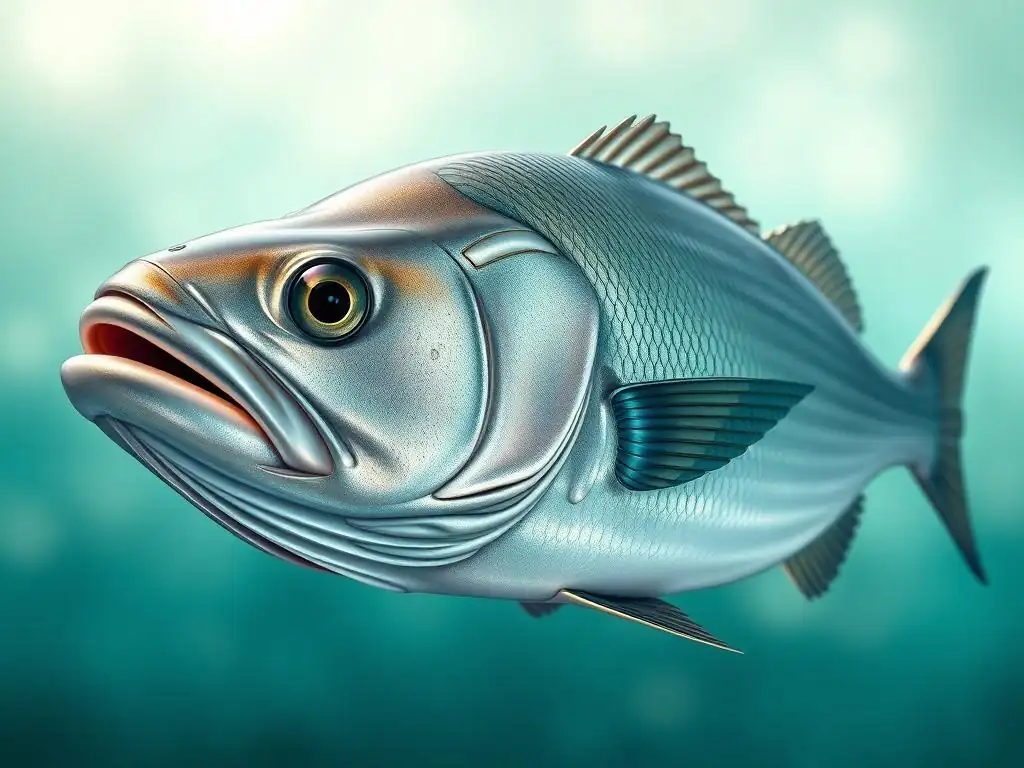
Heritability refers to the proportion of phenotypic variation in a population that is attributable to genetic variation, rather than environmental factors. For Atlantic Cod, economically important traits like growth rate and disease resistance typically exhibit moderate to high heritability. For instance, growth rate in cod can have a heritability estimate ranging from 0.25 to 0.45, meaning a significant portion of the observed differences in growth among individuals is due to their genetic makeup. This makes these traits highly amenable to improvement through selective breeding.
Genetic variation, the diversity of genes within a population, is the raw material upon which selective breeding operates. A broad genetic base is crucial for the long-term success of any breeding program, as it provides the necessary diversity for continuous improvement and adaptation to changing environmental conditions or new disease challenges. Conversely, low genetic variation limits the potential for future gains and increases the population's vulnerability, highlighting a key principle in saltwater fish breeding genetics.
Avoiding Inbreeding Depression in Atlantic Cod Populations
Inbreeding depression, a reduction in fitness and vigor due to the mating of closely related individuals, poses a significant threat to captive Atlantic Cod populations. This phenomenon can manifest as reduced growth rates, lower fecundity, increased susceptibility to diseases, and a higher incidence of deformities in offspring. For example, studies have shown that a 5% increase in the inbreeding coefficient can lead to a 1-2% reduction in growth rate and significantly higher larval mortality in some aquaculture species.
The consequences of inbreeding depression are profound, leading to decreased productivity and economic losses. In severe cases, it can compromise the long-term viability of a breeding program. Therefore, careful management of pedigrees and genetic relationships is paramount to prevent the accumulation of deleterious recessive alleles and maintain the overall health and productivity of the Atlantic Cod broodstock, a fundamental aspect of responsible saltwater fish breeding genetics.
Strategies for Maintaining Genetic Diversity in Captive Breeding Programs
Maintaining genetic diversity is crucial for the long-term health and adaptability of captive Atlantic Cod populations. A primary strategy involves establishing the breeding program with a sufficiently large number of founder individuals, ideally 50-100 unrelated individuals, to capture a broad spectrum of genetic variation from the outset. Furthermore, implementing rotational breeding schemes and carefully designed mating plans that avoid pairing close relatives are fundamental to minimizing inbreeding.
Advanced strategies include the cryopreservation of gametes (sperm and eggs) from diverse wild populations or distinct aquaculture lines. This creates a "genetic bank" that can be used to introduce new genetic material into the breeding program as needed, counteracting genetic drift and erosion over generations. By periodically introducing fresh genetic material, breeders can ensure the sustained health, vigor, and adaptive potential of their Atlantic Cod stock, a proactive approach to saltwater fish breeding genetics.
Practical Steps for Selecting Prime Atlantic Cod Broodstock
Sourcing Potential Broodstock: Wild-Caught vs. Captive-Bred
The initial sourcing of potential Atlantic Cod broodstock presents a choice between wild-caught and captive-bred individuals, each with distinct advantages and disadvantages. Wild-caught broodstock typically offer maximum genetic diversity, providing a broad genetic base for a new breeding program. However, they come with higher risks of introducing novel pathogens into the facility and require a more intensive adaptation period to the captive environment, often exhibiting initial stress responses.
Captive-bred broodstock, conversely, are generally pre-adapted to hatchery conditions and may have already undergone some level of disease screening. Their known genetic background can also be an advantage, provided the original stock was well-managed. However, relying solely on captive-bred stock without careful management can lead to a rapid reduction in genetic diversity over generations. Many successful Atlantic Cod breeding programs initiate with a mix of wild-caught individuals from diverse geographical locations (e.g., different regions of the North Atlantic) to maximize initial genetic breadth, complemented by carefully selected captive-bred lines.
Quarantine Procedures and Health Screening for New Broodstock
Implementing stringent quarantine procedures and comprehensive health screening is non-negotiable for any new Atlantic Cod broodstock. All incoming fish must be isolated in a dedicated quarantine system for a minimum of 30-60 days, separate from the main broodstock population. This isolation period allows for observation of any signs of disease and provides a window for diagnostic testing before potential pathogens can spread.
During quarantine, a rigorous health screening protocol should be followed. This includes prophylactic treatments for common external parasites, if applicable, and thorough diagnostic tests such as PCR screening for major viral pathogens (e.g., Nodavirus, Iridovirus), bacterial cultures, and gill/skin biopsies for microscopic analysis. Blood tests for stress indicators or specific antibodies can further inform health status. This meticulous approach is critical to prevent the introduction of diseases that could devastate a valuable broodstock population and undermine saltwater fish breeding genetics efforts.
Implementing a Broodstock Rotation Strategy
A key strategy for long-term genetic improvement and maintenance of diversity in Atlantic Cod breeding programs is the implementation of a systematic broodstock rotation. This involves the regular replacement of older or less productive broodstock with younger, genetically superior individuals identified through performance tracking. This prevents over-reliance on a limited number of individuals and ensures continuous genetic progress within the population.
A typical rotation strategy might involve replacing 15-20% of the active broodstock population annually. This decision is based on comprehensive performance metrics, including individual fecundity, egg quality, fertilization rates, and offspring survival and growth. By consistently introducing new, high-performing genetics, a broodstock rotation strategy safeguards against genetic stagnation and helps maintain the vitality and productive capacity of the Atlantic Cod breeding stock, a dynamic aspect of saltwater fish breeding genetics.
Optimizing the Breeding Environment for Genetic Success
Environmental Factors Influencing Spawning and Larval Survival
Temperature, Salinity, and Lighting Considerations
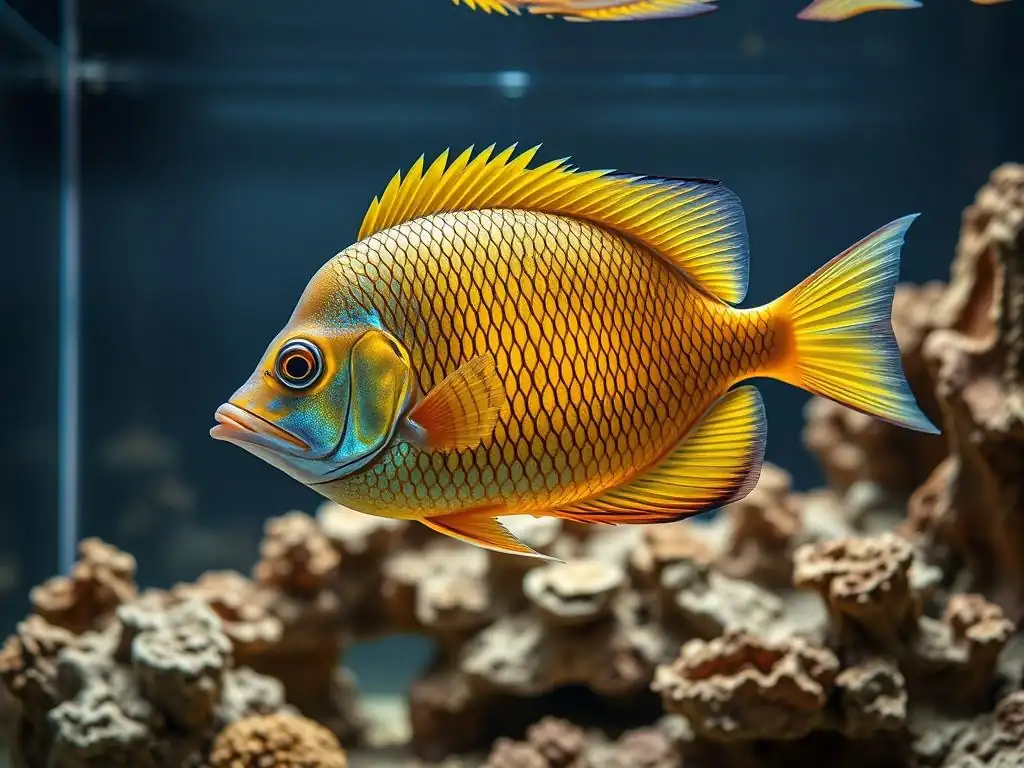
Optimal environmental conditions are paramount for inducing successful spawning and ensuring high larval survival in Atlantic Cod. As a cold-water species, cod require precise temperature control for reproduction, typically ranging from 5-8°C (41-46°F). Deviations outside this narrow range can significantly impair gamete quality, reduce fertilization rates, and lead to developmental abnormalities in embryos. Stable salinity, generally maintained between 32-35 parts per thousand (ppt), is equally critical for egg buoyancy and larval osmoregulation.
Lighting plays a crucial role in stimulating gonadal maturation and inducing spawning. A photoperiod that mimics natural seasonal changes, particularly a gradual increase in daylight hours, is often employed to trigger reproductive cycles. For example, increasing the light period from 8 hours light/16 hours dark to 16 hours light/8 hours dark over several weeks can effectively synchronize spawning in mature cod. These precise environmental controls are fundamental to successful saltwater fish breeding genetics.
Water Quality Parameters for Optimal Breeding
Pristine water quality is non-negotiable for optimal Atlantic Cod breeding success. Ammonia and nitrite levels must be undetectable (0 ppm), as even trace amounts can be highly toxic to eggs and larvae. Nitrate levels should be kept below 20 ppm to prevent chronic stress. High dissolved oxygen saturation, ideally above 90% (or greater than 6 mg/L), is vital for both broodstock respiration and the metabolic demands of developing embryos and larvae.
Maintaining a stable pH, typically within the range of 7.8 to 8.2, is also essential. Fluctuations can cause stress and negatively impact physiological processes. Robust filtration systems, combining mechanical, biological, and protein skimming capabilities, along with regular water changes (e.g., 10-20% daily), are necessary to prevent the accumulation of waste products and ensure a consistently healthy environment conducive to spawning and larval development. These parameters are meticulously managed in advanced saltwater fish breeding genetics facilities.
Nutrition and Feeding Strategies to Enhance Broodstock Condition
High-quality, balanced nutrition is paramount for enhancing broodstock condition and reproductive output in Atlantic Cod. Diets should be rich in highly digestible proteins, typically 50-60%, and contain essential fatty acids, particularly DHA and EPA, which are critical for egg quality and larval development. Adequate levels of vitamins (especially A, C, and E) and minerals are also crucial for gonadal maturation and overall health.
Feeding strategies should involve multiple small meals throughout the day rather than a single large one, mimicking natural feeding patterns and ensuring optimal nutrient absorption. Overfeeding can lead to obesity and reduced reproductive performance. For instance, some facilities feed broodstock 1-2% of their body weight daily, adjusted based on activity and reproductive stage. Supplementation with live feeds enriched with specific nutrients can further boost egg quality and larval viability, directly impacting the success of saltwater fish breeding genetics.
Advanced Techniques for Genetic Improvement in Atlantic Cod
Selective Breeding Programs for Desirable Traits
Selective breeding programs represent the cornerstone of genetic improvement in Atlantic Cod aquaculture. This process involves identifying individuals with superior traits, such as faster growth rates, higher fillet yield, or enhanced disease resistance, breeding them, and then selecting the best offspring from each generation to become the parents of the next. Through this iterative process, cumulative genetic gains can be achieved over multiple generations.
For example, sustained selective breeding efforts in Norwegian cod aquaculture have led to significant improvements, with reported gains in growth rate of 10-15% per generation. These programs often target resistance to specific diseases like Vibrio anguillarum, demonstrating the power of targeted selection. By continuously identifying and propagating individuals with the most desirable characteristics, selective breeding systematically improves the genetic potential of the entire population, a testament to effective saltwater fish breeding genetics.
Genomic Selection for Improved Growth and Disease Resistance
Genomic selection is an advanced breeding technique that utilizes DNA markers across the entire genome to predict an individual's breeding value with greater accuracy than traditional pedigree-based methods. This approach allows breeders to make more precise selection decisions, especially for complex traits like disease resistance or feed conversion efficiency, which are difficult or costly to measure directly.
The advantage of genomic selection in Atlantic Cod breeding is its ability to identify genetically superior individuals at a younger age, even before they phenotypically express the desired traits. This can significantly accelerate the rate of genetic gain, potentially by 20-30% compared to conventional selective breeding, by reducing the generation interval and increasing selection intensity. By leveraging comprehensive genomic data, saltwater fish breeding genetics can be optimized for traits like improved growth and innate disease resistance, leading to more efficient and resilient aquaculture production.
Documenting and Tracking Broodstock Performance
Maintaining Detailed Records of Spawning Events and Offspring Traits
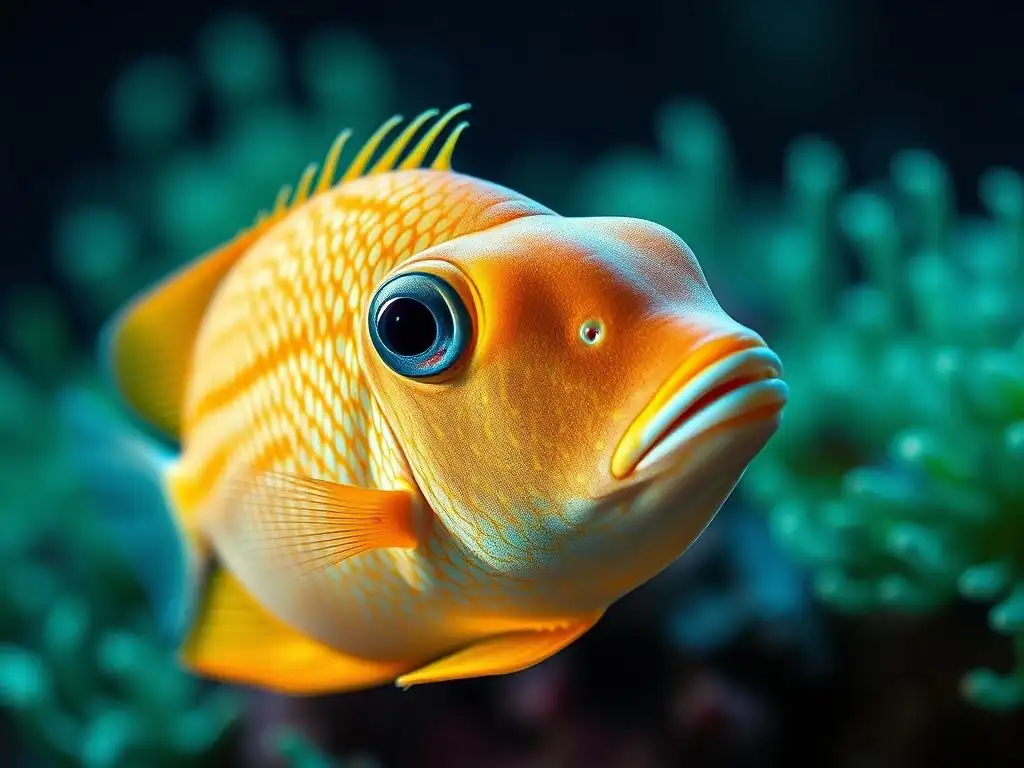
Meticulous record-keeping is indispensable for any successful Atlantic Cod breeding program. Comprehensive documentation should include precise details for each broodstock pair, such as the date of spawning, the total number of eggs produced, fertilization rates, hatching rates, and larval survival percentages at various developmental stages. These data points are critical for evaluating the reproductive efficiency of individual pairs.
Beyond initial spawning metrics, it is vital to track offspring traits throughout their development. This includes periodic measurements of growth rates (e.g., at 30, 60, and 90 days post-hatch), feed conversion ratios, and any observed incidences of deformities, stress responses, or disease outbreaks. These detailed records allow breeders to identify the most productive and genetically valuable broodstock lines, informing future selection decisions and refining saltwater fish breeding genetics strategies.
Utilizing Genetic Markers for Pedigree Analysis
Genetic markers, such as microsatellites or Single Nucleotide Polymorphisms (SNPs), are powerful tools for precise pedigree analysis in Atlantic Cod breeding programs. These specific DNA sequences vary between individuals and can be used to accurately determine parentage, even in large collective spawning tanks where direct observation of mating pairs is impossible. This capability is crucial for managing complex breeding populations.
The utility of genetic markers extends to preventing inbreeding, ensuring optimal genetic diversity, and accurately calculating estimated breeding values for individual fish. For instance, by analyzing a panel of 10-20 highly informative SNP markers, parent-offspring relationships can be identified with over 99% certainty within a large population. This robust pedigree information is fundamental for making informed selection decisions, avoiding deleterious inbreeding, and maximizing genetic gains within saltwater fish breeding genetics programs.
Common Mistakes to Avoid in Atlantic Cod Broodstock Selection
Ignoring the Importance of Genetic Diversity
One of the most critical mistakes in Atlantic Cod broodstock selection is to overlook or undervalue the importance of genetic diversity. A narrow genetic base, often resulting from starting with too few founder individuals or aggressive selection on a limited number of traits, inevitably leads to inbreeding depression. This manifests as reduced vigor, lower reproductive success, increased susceptibility to diseases, and a diminished capacity to adapt to changing environmental conditions or new pathogens.
The long-term consequences of neglecting genetic diversity can be devastating, potentially undermining the entire breeding program. Instances from other aquaculture species have shown that populations with low genetic diversity can suffer significant setbacks due to widespread disease outbreaks or inability to cope with environmental shifts. Therefore, actively managing and maintaining a broad genetic base is paramount for the resilience and sustainability of saltwater fish breeding genetics efforts.
Overlooking Subtle Signs of Poor Health or Genetic Defects
Another common pitfall is overlooking subtle signs of poor health or underlying genetic defects in potential broodstock. While outwardly appearing robust, individuals may harbor issues such as chronic low-grade infections, internal deformities, or genetic predispositions to stress. Subtle indicators like slightly dull coloration, infrequent feeding, or atypical swimming patterns can be early warnings.
Breeding individuals with unaddressed health issues or hidden genetic defects can lead to the propagation of undesirable traits, resulting in offspring with higher mortality rates, reduced growth, or increased incidence of deformities. This not only wastes valuable resources but also dilutes the genetic quality of the entire stock. Vigilant, experienced observation, combined with thorough health screening, is essential to avoid these costly mistakes in saltwater fish breeding genetics.
Neglecting Proper Quarantine and Health Screening Protocols
Neglecting proper quarantine and health screening protocols for new Atlantic Cod broodstock is a high-risk mistake that can have catastrophic consequences. Inadequate quarantine procedures are the primary pathway for introducing new pathogens, parasites, or diseases into an otherwise healthy breeding facility. A single infected individual, if not isolated and screened, can rapidly spread disease throughout the entire broodstock population and subsequently to millions of vulnerable larvae.
The economic and biological impact of such an oversight can be immense. A major disease outbreak, such as Viral Nervous Necrosis (VNN) or a severe bacterial infection like Vibrio anguillarum, can wipe out entire cohorts of larvae, compromise the health and reproductive capacity of mature broodstock, and lead to significant financial losses. Adhering to strict, multi-stage quarantine and health screening is a fundamental safeguard in saltwater fish breeding genetics to protect the investment and the health of the stock.
The Future of Atlantic Cod Breeding: Genetics and Technology
Application of CRISPR Technology for Trait Improvement
The advent of CRISPR (Clustered Regularly Interspaced Short Palindromic Repeats) technology offers revolutionary potential for trait improvement in Atlantic Cod breeding. This powerful gene-editing tool allows for highly precise modifications to an organism's DNA, enabling scientists to target and alter specific genes responsible for desirable or undesirable traits. This level of precision far surpasses traditional selective breeding methods, which rely on natural genetic variation and slower, multi-generational processes.
Potential applications in Atlantic Cod aquaculture are vast. CRISPR could be used to enhance resistance to specific viral or bacterial pathogens, significantly reducing disease burden. It might also improve feed conversion efficiency, leading to more sustainable production, or even increase the content of beneficial omega-3 fatty acids in fillets, enhancing market value. While still in research and regulatory development for many aquaculture species, CRISPR holds immense promise for accelerating genetic gains and revolutionizing saltwater fish breeding genetics.
Development of Automated Phenotyping Systems
The future of Atlantic Cod breeding will increasingly rely on advanced technologies like automated phenotyping systems. These systems utilize a combination of sensors, high-resolution cameras, and artificial intelligence (AI) to continuously monitor and measure physical and behavioral traits of fish without direct human intervention. This can include tracking individual growth rates, body conformation, activity levels, feeding behavior, and even subtle indicators of stress or disease.
The development of such systems offers unprecedented benefits for saltwater fish breeding genetics. They can collect vast amounts of precise data on large populations of fish, enabling more accurate and rapid selection of superior broodstock. For example, automated vision systems could quickly measure thousands of fish daily for growth and body shape, providing real-time insights into genetic potential. This continuous, high-throughput data collection will accelerate genetic improvement cycles, leading to more efficient and productive Atlantic Cod aquaculture operations.
Frequently Asked Questions
What factors should I consider when selecting saltwater broodstock for breeding?
When selecting broodstock, prioritize individuals with desirable traits such as vibrant coloration, robust health, and proven breeding history. Avoid fish exhibiting signs of disease or genetic deformities.
How important is genetic diversity in saltwater fish breeding programs?
Maintaining genetic diversity is crucial to prevent inbreeding depression and improve the overall health and resilience of offspring. Introducing new, unrelated individuals can revitalize the gene pool.
How can I identify saltwater fish with superior genetic potential for breeding?
Look for individuals displaying exceptional growth rates, resistance to common diseases, and consistent spawning behavior. Consider researching the lineage or origin of the fish if possible.
What are the ethical considerations when breeding saltwater fish?
Responsible breeding practices include providing optimal care for both broodstock and offspring, avoiding overpopulation, and preventing the release of non-native species into the wild.
Where can I find reliable information about the genetics of specific saltwater fish species?
Consult scientific literature, reputable aquarium publications (like AquariumMastery.com!), and experienced breeders for species-specific genetic information and breeding techniques.
Final Reflection: Cultivating the Future of Saltwater Aquaculture
The insights shared throughout this article on selecting prime genetic saltwater broodstock are not merely academic; they are vital to the sustainable future of saltwater aquaculture. As wild fish populations face increasing pressure, our ability to selectively breed resilient and high-yielding saltwater species becomes paramount, ensuring both food security and the preservation of marine ecosystems. The choices we make today in our breeding programs will directly shape the health and productivity of tomorrow's aquaculture industry.
This exploration into saltwater fish breeding genetics has profoundly underscored the delicate balance between scientific advancement and environmental responsibility. The meticulous selection process, the understanding of genetic markers, and the commitment to ethical breeding practices are all crucial elements in fostering a sustainable and thriving aquaculture ecosystem. As the renowned marine biologist Sylvia Earle once said: Even if you never have the chance to see or touch the ocean, the ocean touches you with every breath you take, every drop you drink, every bite you consume. Everyone, everywhere is inextricably connected to and utterly dependent upon the existence of the sea.
Now, consider the profound impact you can have. By embracing the principles of selective breeding and prioritizing genetic diversity, you can contribute to a more sustainable and resilient future for saltwater aquaculture. Let us all strive to be responsible stewards of our marine resources, ensuring that future generations can benefit from the bounty and beauty of the ocean. Take the knowledge gained here and apply it to your own practices, becoming a champion for responsible and innovative saltwater fish breeding.
Ignite Your Breeding Program!
Thanks for diving into the world of genetic selection! Now that you understand the key factors in choosing your saltwater broodstock, let's put that knowledge into action. Here are a few ways to level up your breeding game:
- Start building your dream team: Commit to selecting at least one potential broodstock candidate this week, focusing on the traits most valuable to your breeding goals.
- Delve deeper: Research specific genetic markers related to desired traits in your chosen species.
- Spread the knowledge: Share this article with fellow aquarists who are passionate about selective breeding.
What specific trait are you most excited to improve in your future generations of saltwater fish?