
Celestial Pearl Danio Tank Mates: Friends for Your Starry Nano Fish

Welcome to Aquarium Mastery!
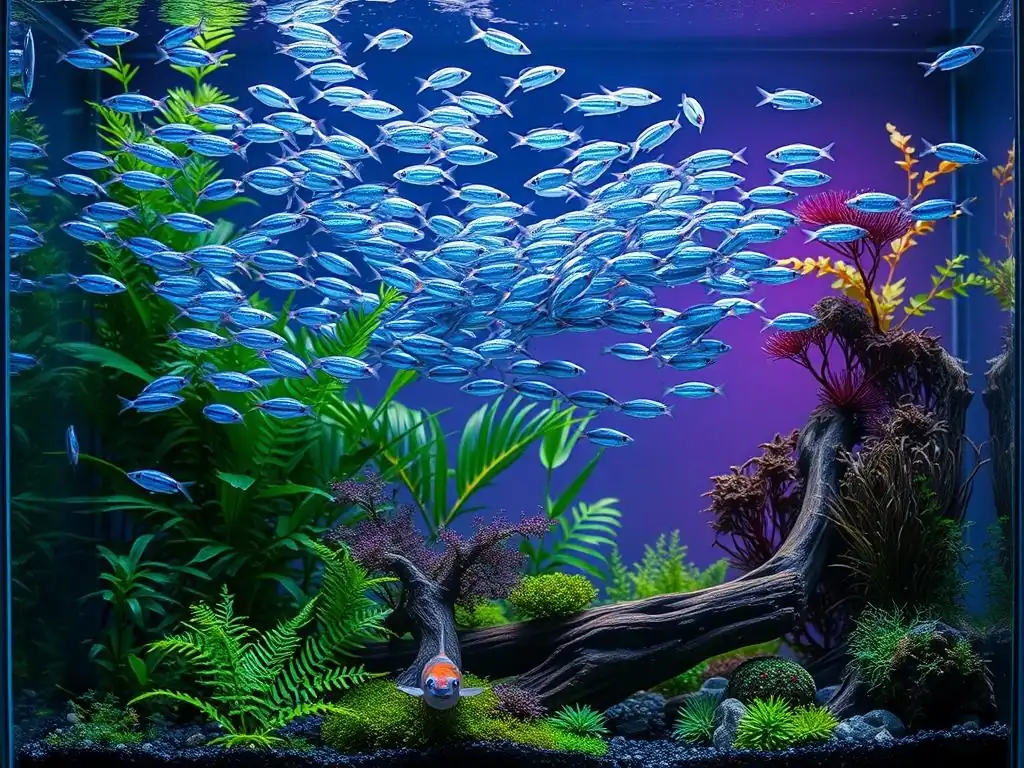
Ever wondered which fish can truly thrive alongside the dazzling Celestial Pearl Danio in your nano aquarium? Discover the secrets to a harmonious underwater community! This article dives deep into the best Celestial Pearl Danio compatible fish, offering expert guidance on creating a vibrant and balanced ecosystem. Keep reading to unlock the perfect tank mates and ensure a happy, healthy life for your starry little friends…
- Introduction to Celestial Pearl Danios and Suitable Tank Companions
- Ideal Celestial Pearl Danio Compatible Fish: A Species Guide
- Less Ideal, But Possible Celestial Pearl Danio Tank Mates (With Caution)
- Fish to Avoid as Celestial Pearl Danio Tank Mates
- Setting Up Your Tank for Celestial Pearl Danios and Their Tank Mates
- Feeding Your Celestial Pearl Danios and Their Companions
- Observing Your Celestial Pearl Danios and Tank Mates for Compatibility
- Troubleshooting Common Issues with Celestial Pearl Danio Tank Mates
- Conclusion: Creating a Harmonious Community Tank for Your Celestial Pearl Danios
-
Frequently Asked Questions
- What makes a fish a good tank mate for Celestial Pearl Danios?
- What are some examples of compatible fish species for Celestial Pearl Danios in a community tank?
- Are there any fish that should absolutely be avoided when keeping Celestial Pearl Danios?
- How many Celestial Pearl Danios should I keep in a school for their well-being?
- What water parameters are ideal for both Celestial Pearl Danios and their tank mates?
- Final Reflection: A Symphony of Scales
- Unleash Your Celestial Pearl Danio Paradise!
Introduction to Celestial Pearl Danios and Suitable Tank Companions
Understanding Celestial Pearl Danio Temperament and Compatibility
Celestial Pearl Danios, often affectionately called CPDs, are captivating nano fish renowned for their vibrant, iridescent spotted patterns. These diminutive fish typically reach a maximum size of 0.75 to 1 inch (approximately 2 to 2.5 cm), making them among the smallest inhabitants suitable for community aquariums. Their temperament is overwhelmingly peaceful and shy, thriving best in well-planted environments where they feel secure. They are schooling fish by nature, and keeping them in groups of at least six to eight individuals is crucial to reduce stress and encourage their natural behaviors, such as playful chasing and displaying their full coloration.
Given their delicate nature and small stature, the compatibility of Celestial Pearl Danio tank mates is paramount. CPDs are easily intimidated by larger, more boisterous, or aggressive fish. They prefer stable water conditions within a temperature range of 72-79°F (22-26°C) and a slightly acidic to neutral pH of 6.5-7.5, with moderate hardness (GH 5-10 dGH, kH 2-8 dKH). Any potential companion must share these environmental preferences and not pose a threat through predation, excessive competition for food, or constant harassment, which can lead to chronic stress, fin nipping, and even death for these sensitive fish.
Why Choosing the Right Tank Mates is Crucial for CPDs
The selection of appropriate Celestial Pearl Danio compatible fish is not merely about aesthetic appeal; it is fundamental to the health and longevity of your entire aquarium ecosystem. Incorrectly chosen tank mates can introduce undue stress, leading to suppressed immune systems and increased susceptibility to common fish diseases like Ich or fin rot. For instance, larger or faster-eating fish can easily outcompete slow-feeding CPDs for food, leading to malnourishment and stunted growth. Aggressive species, even those only slightly larger, may constantly nip at the CPDs' fins, causing injury and chronic anxiety.
Conversely, a carefully curated selection of tank mates fosters a harmonious environment where Celestial Pearl Danios can truly flourish. When surrounded by peaceful, similarly sized companions, CPDs exhibit their most vibrant colors and engage in their natural schooling behaviors, swimming confidently throughout the mid-water column. A well-matched community reduces stress, promotes natural foraging, and contributes to the overall stability and beauty of the nano aquarium. This meticulous approach ensures that your starry nano fish not only survive but thrive, showcasing their full potential and enriching your aquatic display.
Ideal Celestial Pearl Danio Compatible Fish: A Species Guide
Peaceful Community Fish for a CPD Tank
Ember Tetras: A Vibrant Addition to Your Nano Aquarium
Ember Tetras ( Hyphessobrycon amandae) are an excellent choice for a Celestial Pearl Danio tank due to their similar size and exceedingly peaceful disposition. These brilliant orange-red fish typically grow to about 0.8 inches (2 cm), making them perfectly suited for nano aquariums. Like CPDs, Ember Tetras are schooling fish that thrive in groups of six or more, and their preference for densely planted tanks with subdued lighting creates a comforting environment for both species. They primarily occupy the mid-water column, gracefully weaving through foliage without disturbing their tank mates.
Compatibility between Ember Tetras and CPDs is high, as both species share similar water parameter requirements, preferring temperatures between 73-80°F (23-27°C) and a pH range of 6.0-7.0. Their small mouths and gentle feeding habits mean they won't aggressively compete with CPDs for food, especially if a variety of micro-pellets and small frozen foods are offered. The striking contrast between the CPDs' starry blue bodies and the Ember Tetras' fiery hues also creates a visually stunning and active display, enhancing the overall appeal of your community tank.
Pygmy Corydoras: Bottom-Dwelling Friends for CPDs
Pygmy Corydoras ( Corydoras pygmaeus) are tiny, peaceful catfish that make ideal bottom-dwelling Celestial Pearl Danio tank mates. Reaching an adult size of approximately 1 inch (2.5 cm), these schooling fish are known for their calm demeanor and charming habit of "perching" on plant leaves or driftwood. They are primarily scavengers, diligently sifting through the substrate for uneaten food particles and detritus, which helps maintain tank cleanliness without disturbing other inhabitants. Their small size ensures they pose no threat to the delicate CPDs.
The excellent compatibility stems from Pygmy Corydoras occupying a different ecological niche within the aquarium, primarily the bottom layer, thereby reducing direct competition for swimming space with mid-water dwelling CPDs. They share similar water parameter preferences, thriving in temperatures of 72-79°F (22-26°C) and a pH of 6.0-7.5. Keeping them in groups of at least six is crucial for their well-being, as they are a schooling species. Their presence adds a fascinating dynamic to the tank, contributing to a balanced and active community of Celestial Pearl Danio compatible fish.
Chili Rasboras: Matching the CPD's Nano Tank Needs
Chili Rasboras ( Boraras brigittae) are perhaps the quintessential nano fish, growing to an astonishingly small size of just 0.7 inches (1.8 cm). Their vibrant red coloration, often with a distinct black spot, makes them a visually striking addition to any nano setup. Like Celestial Pearl Danios, Chili Rasboras are extremely peaceful, schooling fish that thrive in soft, acidic water and heavily planted environments. Their timid nature means they are unlikely to bother any other tank inhabitants, making them perfect companions for the equally shy CPDs.
The near-perfect size and temperament match between Chili Rasboras and CPDs make them highly compatible. They both appreciate similar water conditions, typically preferring temperatures between 72-79°F (22-26°C) and a pH range of 6.0-7.0. Their tiny mouths require micro-pellets or crushed flakes, and they are slow, deliberate eaters, ensuring that the CPDs will not be outcompeted for food. Integrating a school of Chili Rasboras alongside your CPDs creates a truly miniature aquatic masterpiece, where both species can exhibit their natural schooling behaviors without stress.
Invertebrates as Celestial Pearl Danio Tank Mates
Shrimp (Cherry, Amano): Peaceful Cleaners for Your Aquarium
Freshwater shrimp, particularly Cherry Shrimp ( Neocaridina davidi) and Amano Shrimp ( Caridina multidentata), are highly recommended as Celestial Pearl Danio tank mates. Cherry Shrimp are popular for their vibrant colors (red, yellow, blue, etc.) and typically grow up to 1.5 inches (3.8 cm), while Amano Shrimp are larger, reaching about 2 inches (5 cm), and are prized for their exceptional algae-eating abilities. Both species are non-aggressive, peaceful, and primarily scavenge for biofilm, algae, and uneaten food, effectively acting as the tank's cleanup crew.
These shrimp species are excellent Celestial Pearl Danio compatible fish because they occupy different ecological niches and do not compete for primary food sources. They thrive in similar water parameters, with Cherry Shrimp preferring temperatures of 70-78°F (21-26°C) and a pH of 6.5-7.5, and Amano Shrimp tolerating a slightly wider range. Providing ample hiding spots, such as Java Moss or small caves, is crucial for shrimp, especially during their vulnerable molting periods. Their presence adds movement and a unique functional aspect to the tank, contributing to a cleaner and more balanced ecosystem.
Snails (Nerite): Algae Control and Companionship
Nerite Snails ( Neritina natalensis) are an outstanding choice for algae control and peaceful companionship in a Celestial Pearl Danio tank. These snails, which typically grow up to 1 inch (2.5 cm), are renowned for their voracious appetite for various types of algae, including diatom (brown) algae and green spot algae, without harming live plants. They come in attractive patterns and colors, adding visual interest to the aquarium substrate and decor. A significant advantage of Nerite Snails is their inability to reproduce in freshwater, meaning you won't face an overpopulation issue.
Nerite Snails are completely peaceful and pose no threat to CPDs or other fish, making them ideal Celestial Pearl Danio compatible fish. They are slow-moving and primarily inhabit the tank surfaces, such as glass, rocks, and plant leaves, ensuring no competition for space with the mid-water swimming danios. While they prefer slightly harder water (pH 6.5-8.5, temp 72-80°F), they are generally adaptable to the parameters suitable for CPDs. Their continuous grazing contributes significantly to maintaining pristine water quality and a clean environment, benefiting all inhabitants of the nano aquarium.
Less Ideal, But Possible Celestial Pearl Danio Tank Mates (With Caution)
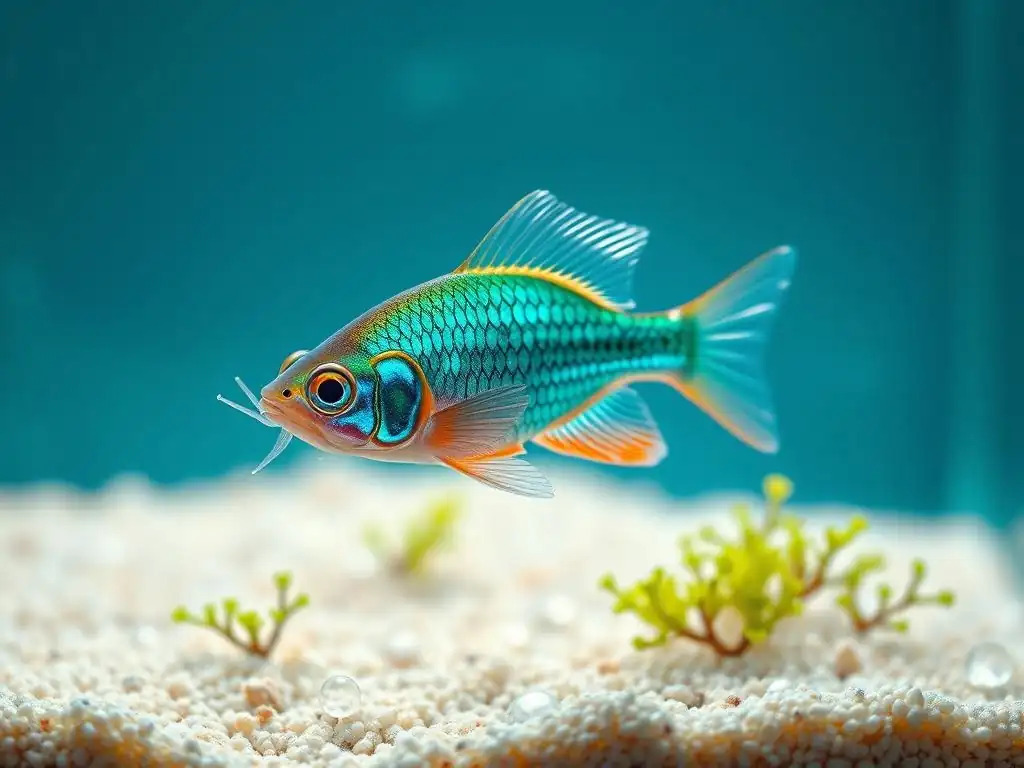
Small, Non-Aggressive Fish That Require Careful Monitoring
Otocinclus Catfish: Effective Algae Eaters, But Need Stability
Otocinclus Catfish ( Otocinclus affinis or similar species), often called "Oto cats," are small, peaceful algae eaters, typically reaching 1.5-2 inches (3.8-5 cm). They are highly effective at grazing on soft algae from plant leaves and tank surfaces, making them valuable members of a cleanup crew. Their calm demeanor generally makes them non-threatening to CPDs, as they primarily occupy the lower regions of the tank and have different dietary needs. They are schooling fish and prefer to be kept in groups of at least three to five individuals to feel secure.
However, caution is advised when pairing Otocinclus with Celestial Pearl Danios. Otos are almost exclusively wild-caught and can be very sensitive to fluctuating water parameters and uncycled tanks. They require extremely stable, mature aquariums with consistent water quality and ample biofilm/algae to graze on. If a tank is too new or lacks sufficient food sources, Otos can quickly become stressed and decline, potentially impacting the overall tank stability. While they don't compete for traditional fish food, ensuring they have enough algae or supplemental blanched vegetables/algae wafers is crucial for their survival and the balance of the community.
Sparkling Gourami: Requires Careful Monitoring for Food Competition
Sparkling Gouramis ( Trichopsis pumila) are small, iridescent fish that grow to about 1.5 inches (3.8 cm). They are known for their unique "sparkling" appearance and the croaking sounds they can produce. While generally considered peaceful, they are labyrinth fish, meaning they can breathe atmospheric air, and males can exhibit territorial behavior, especially during breeding. Their small size makes them visually compatible with CPDs, and they tend to inhabit the mid to upper levels of the tank.
Despite their size, Sparkling Gouramis require careful monitoring when kept with Celestial Pearl Danios. While not typically aggressive fin-nippers, a dominant male might become territorial, especially in smaller tanks, potentially stressing the more timid CPDs. More critically, Sparkling Gouramis can be slow and deliberate feeders, but they are generally more assertive than CPDs when it comes to food.
This can lead to competition, with the gouramis potentially outcompeting the more delicate danios for food, particularly if not enough food is provided or if it's not distributed widely. Close observation is necessary to ensure all Celestial Pearl Danio compatible fish are well-fed and stress-free.
Fish to Avoid as Celestial Pearl Danio Tank Mates
Fish That are Too Large or Aggressive for CPDs
Betta: Potential Aggression Towards CPDs
Betta fish ( Betta splendens), particularly male splendens, are widely recognized for their striking beauty and often, their aggressive temperament. While their flowing fins and vibrant colors are appealing, they typically grow to 2.5-3 inches (6-7.5 cm) and are highly territorial. Despite some anecdotal successes in larger, heavily planted tanks, Bettas are generally unsuitable as Celestial Pearl Danio tank mates. Their predatory instincts and tendency to nip fins pose a significant threat to smaller, slower-moving fish like CPDs.
The risk of aggression from a Betta towards CPDs is simply too high. Betta fish may view the small, active CPDs as competition for space, or even as potential food, leading to constant chasing, fin nipping, and severe stress for the danios. This chronic stress can weaken the CPDs' immune systems, making them highly susceptible to disease and ultimately shortening their lifespan. Prioritizing the well-being of the delicate Celestial Pearl Danios means avoiding the introduction of any Betta fish into their habitat.
Angelfish: Predatory Risks to Small Fish
Angelfish ( Pterophyllum scalare) are majestic and popular cichlids known for their graceful swimming and distinctive triangular shape. However, despite their often calm appearance, they are predatory by nature and can grow quite large, easily reaching 6 inches (15 cm) in height or more. This significant size difference, combined with their predatory instincts, makes them highly incompatible with tiny fish like Celestial Pearl Danios.
Angelfish will readily predate on any fish small enough to fit into their mouths, and at 0.75-1 inch, CPDs are well within this range. Even a young Angelfish, which might seem harmless initially, will quickly grow into a formidable predator. Introducing Angelfish into a tank with Celestial Pearl Danios is a recipe for disaster, as the danios will likely be seen as a food source rather than Celestial Pearl Danio compatible fish. The risk of predation is simply too great to consider this pairing.
Larger Tetras (e.g., Serpae): Known Fin Nippers and Bullies
While many tetra species are peaceful community fish, certain larger or more active tetras are notoriously aggressive fin nippers and can be highly stressful tank mates for Celestial Pearl Danios. Examples include Serpae Tetras ( Hyphessobrycon eques), Black Skirt Tetras ( Gymnocorymbus ternetzi), and even some larger varieties of Red Eye Tetras. These fish often grow to 1.5 inches (3.8 cm) or more and are known for their boisterous schooling behavior and tendency to harass smaller, slower, or long-finned fish.
The active and sometimes aggressive nature of these larger tetras creates a hostile environment for the timid Celestial Pearl Danios. CPDs, with their relatively delicate fins and shy demeanor, become easy targets for fin nipping, leading to injuries, chronic stress, and susceptibility to bacterial infections. Their constant darting movements and competitive feeding can also intimidate CPDs, preventing them from accessing food and causing them to hide excessively. For the health and well-being of your CPDs, it is best to avoid these more aggressive tetra species.
Setting Up Your Tank for Celestial Pearl Danios and Their Tank Mates
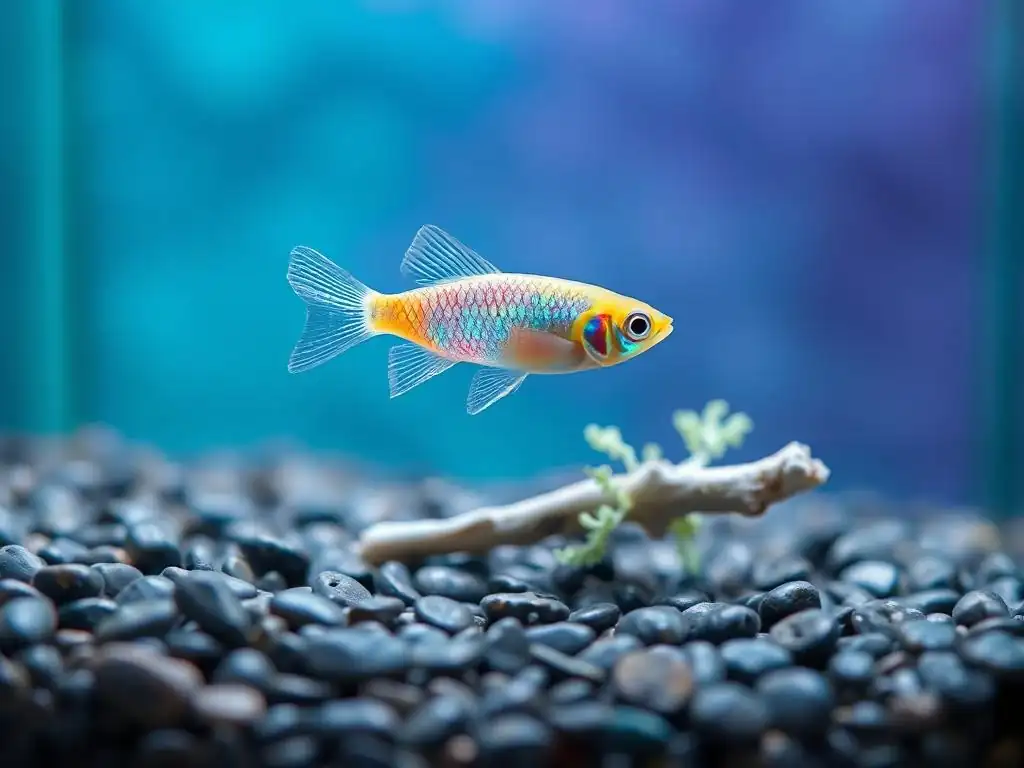
Tank Size and Water Parameters for a Thriving Community
Establishing the correct tank size is crucial for creating a thriving community of Celestial Pearl Danios and their compatible tank mates. While a single school of 6-8 CPDs can technically survive in a well-maintained 5-gallon tank, a minimum of 10 gallons is highly recommended for a stable and harmonious community setup that includes other Celestial Pearl Danio compatible fish.
A 10-gallon tank provides more swimming space, increased water volume for greater stability, and ample room for decor and plants, which are vital for these shy fish. Larger tanks (e.g., 20 gallons long) are even better, offering more territory and reducing potential conflicts.
Maintaining stable and appropriate water parameters is equally important for these sensitive nano fish. Celestial Pearl Danios thrive in temperatures between 72-79°F (22-26°C), with a slightly acidic to neutral pH range of 6.5-7.5. The water should be moderately hard, ideally with a general hardness (GH) of 5-10 dGH and carbonate hardness (kH) of 2-8 dKH. Consistency is key; sudden fluctuations in temperature or pH can be highly stressful. Utilizing a reliable heater and thermometer, along with regular water testing, ensures these critical parameters remain within the optimal range for the entire community.
Providing Ample Hiding Places and Planted Areas
Celestial Pearl Danios, being naturally shy and somewhat timid, rely heavily on their environment for security and comfort. Providing ample hiding places and densely planted areas is not just a recommendation; it's a necessity for their well-being and to encourage their natural behaviors. Dense vegetation, particularly fine-leaved plants like Java Moss ( Taxiphyllum barbieri), Hornwort ( Ceratophyllum demersum), and various Cryptocorynes, offers a sense of security and allows them to retreat when feeling stressed or intimidated. Floating plants can also help diffuse light, creating a more subdued and comfortable environment.
Beyond live plants, incorporating driftwood, small caves made from rocks, or ceramic decor provides additional retreats and breaks up lines of sight, which is beneficial in a community tank. This allows weaker or submissive CPDs to escape from more dominant individuals or other tank mates, reducing overall stress. A well-scaped tank with plenty of cover not only minimizes aggression and stress but also enhances the natural beauty of your aquarium, allowing your Celestial Pearl Danio compatible fish to display their full potential in a secure habitat.
Maintaining Water Quality for Sensitive Nano Fish
Pristine water quality is paramount for the long-term health and vitality of Celestial Pearl Danios and their companions. These nano fish are sensitive to pollutants, particularly ammonia and nitrite, which should always be at zero parts per million (ppm). A robust and fully cycled filtration system is essential; sponge filters or small hang-on-back (HOB) filters with gentle flow are often ideal for nano tanks, as strong currents can stress CPDs. Regular testing for ammonia, nitrite, and nitrate levels is critical to monitor the nitrogen cycle.
Consistent and routine water changes are the cornerstone of maintaining high water quality. Weekly water changes of 20-30% are generally recommended to dilute nitrates (keeping them below 20 ppm) and replenish essential minerals. Always use a high-quality water conditioner to neutralize chlorine and chloramines in tap water before adding it to the tank. Neglecting water quality can lead to weakened immune systems, increased susceptibility to disease, and ultimately, a shortened lifespan for your sensitive Celestial Pearl Danio compatible fish.
Feeding Your Celestial Pearl Danios and Their Companions
Choosing the Right Food for Small-Mouthed Fish
Celestial Pearl Danios are micropredators in their natural habitat, meaning their diet consists primarily of tiny insects and invertebrates. In the aquarium, their very small mouths necessitate similarly small food particles. High-quality micro-pellets specifically designed for nano fish are an excellent staple, as they are nutritionally complete and sink slowly, allowing the CPDs time to eat. Finely crushed flakes can also be offered, but ensure they are truly pulverized to a size that the danios can easily consume.
To ensure a balanced diet and promote vibrant coloration and health, supplement their staple diet with a variety of frozen or live foods. Options like frozen daphnia, cyclops, and baby brine shrimp are ideal due to their small size and high nutritional value. Live foods, such as microworms or vinegar eels, can also be offered periodically to stimulate natural hunting behaviors. When selecting food for your Celestial Pearl Danio compatible fish, always consider the size of their mouths and ensure the variety caters to all species within the community, providing sinking wafers for bottom dwellers like Pygmy Corydoras.
Avoiding Overfeeding and Maintaining Water Quality
Overfeeding is one of the most common pitfalls in aquarium keeping and can quickly lead to detrimental water quality issues, especially in smaller nano tanks. Excess food breaks down, releasing ammonia and nitrite, which are highly toxic to fish. Even if your filtration system can handle the initial spike, chronic overfeeding leads to consistently high nitrate levels, excessive algae growth, and bacterial blooms, all of which stress sensitive fish like Celestial Pearl Danios.
To prevent overfeeding, offer small amounts of food two to three times a day, ensuring that all food is consumed within two to three minutes. It is better to underfeed slightly than to overfeed. Observe your fish during feeding to ensure all Celestial Pearl Danio compatible fish are getting their share, especially the shyer CPDs. Removing any uneaten food after a few minutes with a small net or siphon is a good practice. Proper feeding habits directly contribute to stable water parameters, a cleaner tank, and the long-term health and vibrancy of your entire aquatic community.
Observing Your Celestial Pearl Danios and Tank Mates for Compatibility
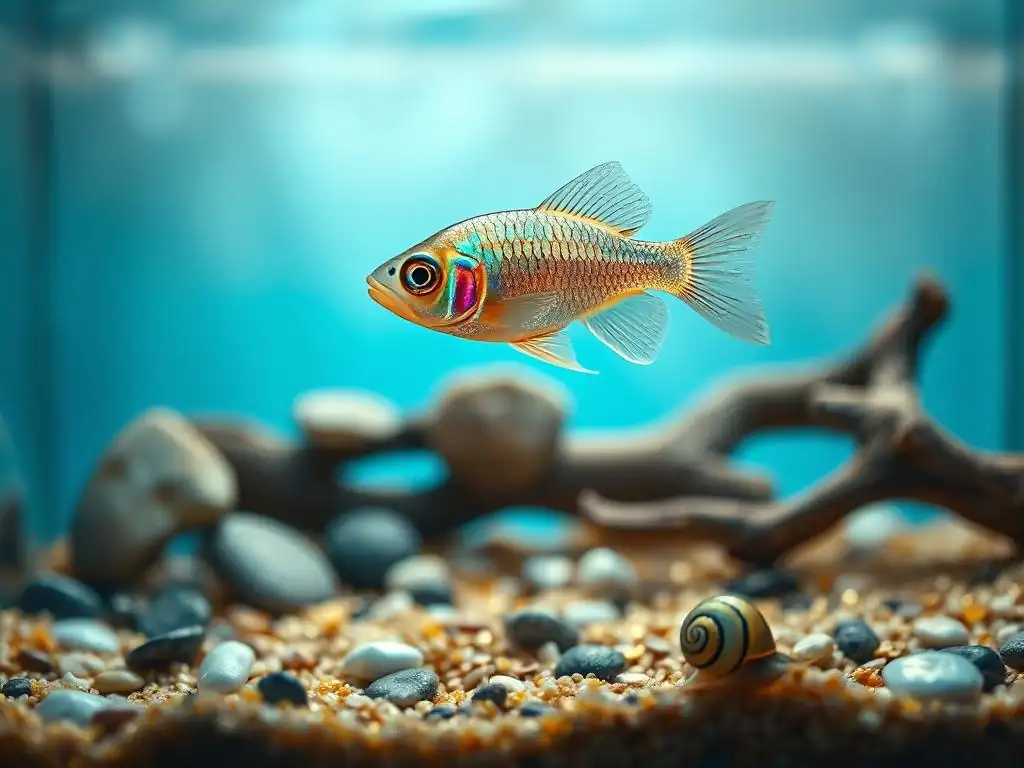
Signs of Stress or Aggression in CPDs
Vigilant observation of your Celestial Pearl Danios is crucial for identifying early signs of stress or aggression, which can indicate incompatibility with tank mates or environmental issues. Stressed CPDs may exhibit clamped fins, rapid breathing, or a noticeable fading of their vibrant coloration. They might hide excessively, spending most of their time tucked away in plants or decor, rather than swimming openly. Other signs include erratic darting movements, refusal to eat, or becoming unusually lethargic. Any of these behaviors suggest that the fish are not comfortable in their environment.
Aggression from tank mates often manifests as fin nipping, torn fins, or constant chasing. While CPDs are generally peaceful, they can become stressed if consistently harassed. If you notice a particular Celestial Pearl Danio compatible fish consistently bullying or chasing others, or if a CPD shows physical signs of injury, it's a clear indicator of a compatibility issue. Early detection allows for timely intervention, whether it's adjusting the tank environment or rehoming problematic fish, to prevent chronic stress and potential fatalities within the community.
Adjusting Your Tank Setup or Tank Mates as Needed
Should you observe signs of stress or aggression in your Celestial Pearl Danios, prompt action is necessary to restore harmony to your aquarium. The first step is often to evaluate the tank's physical setup. Adding more dense planting, driftwood, or small caves can provide additional hiding spots and break up lines of sight, which may alleviate territorial disputes among Celestial Pearl Danio compatible fish.
Rearranging existing decor can also disrupt established territories and create new, neutral spaces. Ensure the school size of your CPDs is adequate (at least 6-8 individuals), as a larger group can make them feel more secure and less prone to being singled out.
If environmental adjustments do not resolve the issue, or if a specific tank mate is clearly the aggressor, rehoming that particular fish may be the only solution. It is vital to prioritize the well-being of the entire community. Sometimes, even seemingly compatible fish can develop individual aggressive tendencies.
Conversely, if your CPDs are the ones showing signs of stress despite a seemingly peaceful community, consider whether the tank is too busy or if subtle competition for food is occurring. Flexibility and a willingness to adapt your tank setup or inhabitants are key to maintaining a successful and harmonious Celestial Pearl Danio community.
Troubleshooting Common Issues with Celestial Pearl Danio Tank Mates
Fin Nipping and Bullying Prevention
Fin nipping and bullying are common issues in community tanks, particularly when delicate fish like Celestial Pearl Danios are housed with less suitable tank mates. Prevention starts with careful selection: avoid any fish known for aggression or fin-nipping tendencies, such as Bettas, many larger Tetras, or certain Gourami species. Ensuring an adequate school size for your CPDs (at least 6-8 individuals) can also deter bullying, as they feel more secure in numbers and are less likely to be singled out. Overcrowding can exacerbate aggression, so ensure your tank size is appropriate for all inhabitants.
If fin nipping or bullying occurs despite careful planning, immediate action is required. First, observe closely to identify the culprit. Sometimes, a single fish is the aggressor. Adding more plants, driftwood, or rockwork can create visual barriers and hiding spots, allowing bullied fish to escape and reducing opportunities for aggression. If the problem persists, and the aggressive fish is identified as a consistent threat, it may need to be rehomed to a different tank or returned to the pet store. Prioritizing the safety and well-being of your Celestial Pearl Danio compatible fish is paramount.
Addressing Competition for Food and Resources
Celestial Pearl Danios are relatively slow and deliberate eaters, making them susceptible to being outcompeted for food by faster or more aggressive tank mates. This competition can lead to malnourishment, stunted growth, and increased stress for the CPDs. To address this, ensure that food is distributed widely across the water surface, rather than in a single spot, allowing all fish a chance to feed.
Feeding small amounts multiple times a day can also help. Consider feeding the CPDs first with a small pinch of micro-pellets, allowing them a few minutes to eat before introducing food for the rest of the community.
Competition for resources extends beyond food to physical space and hiding spots. If certain Celestial Pearl Danio compatible fish are hogging prime territories or hiding spots, it can lead to stress and reduced activity for the CPDs. Adding more decor, such as additional plant clumps, driftwood branches, or small caves, can increase the available resources and break up existing territories. In some cases, if competition remains severe despite environmental adjustments, increasing the tank size or rehoming a particularly dominant tank mate might be necessary to ensure all fish have adequate space and feel secure.
Conclusion: Creating a Harmonious Community Tank for Your Celestial Pearl Danios
Creating a harmonious community tank for your Celestial Pearl Danios is a rewarding endeavor that hinges on careful planning and diligent observation. The key to success lies in selecting Celestial Pearl Danio compatible fish that mirror their peaceful temperament, small size, and specific environmental needs. By prioritizing species such as Ember Tetras, Pygmy Corydoras, Chili Rasboras, and various peaceful shrimp and snails, you lay the foundation for a thriving and stress-free aquatic environment. Avoiding larger, aggressive, or fin-nipping species is equally crucial to prevent undue stress and harm to these delicate nano fish.
Beyond species selection, the physical setup and ongoing maintenance of your aquarium play a vital role. Providing a generously sized tank (at least 10 gallons), maintaining stable water parameters, and offering abundant hiding places through dense planting are essential for the security and well-being of your CPDs.
Consistent feeding practices and vigilant observation for any signs of stress or aggression ensure that you can promptly address issues and maintain a balanced ecosystem. With thoughtful consideration, your Celestial Pearl Danios will not only survive but truly flourish, displaying their captivating starry patterns and natural behaviors in a beautiful and harmonious community tank.
Frequently Asked Questions
What makes a fish a good tank mate for Celestial Pearl Danios?
A good tank mate should be peaceful and small. Avoid larger, aggressive fish that might bully or eat the Danios.
What are some examples of compatible fish species for Celestial Pearl Danios in a community tank?
Ember Tetras, Pygmy Corydoras, and Chili Rasboras are generally considered safe and suitable companions. These fish share similar water parameters and temperaments.
Are there any fish that should absolutely be avoided when keeping Celestial Pearl Danios?
Yes, larger, more aggressive fish like Betta splendens, Cichlids, or larger Tetras should be avoided. They can stress or prey on Celestial Pearl Danios.
How many Celestial Pearl Danios should I keep in a school for their well-being?
Celestial Pearl Danios are shoaling fish and thrive in groups. A minimum of six is recommended to ensure they feel secure and exhibit natural behaviors.
What water parameters are ideal for both Celestial Pearl Danios and their tank mates?
Generally, a temperature of 72-78°F (22-26°C), a pH of 6.0-7.5, and soft to moderately hard water are suitable. Maintaining stable water chemistry is crucial.
Final Reflection: A Symphony of Scales
The delicate dance of life within our aquariums mirrors the intricate ecosystems of the natural world, and understanding the harmonious coexistence of species is paramount to responsible fishkeeping. As we've explored the ideal tank mates for Celestial Pearl Danios, it becomes clear that creating a thriving community is not just about aesthetics, but about fostering a balanced and enriching environment for these captivating nano fish.
This journey into compatibility has underscored the profound impact of informed choices on the well-being of our aquatic companions. The careful selection of tank mates, considering temperament, size, and environmental needs, directly influences the quality of life for these miniature stars. The greatness of a nation and its moral progress can be judged by the way its animals are treated.
- Mahatma Gandhi. This quote, though not directly about fish, perfectly encapsulates the responsibility we bear as caretakers of these living creatures.
Now, as you consider adding new members to your Celestial Pearl Danio's world, I encourage you to reflect on the principles of compatibility we've discussed. Let your decisions be guided by empathy and a genuine desire to create a thriving, balanced ecosystem within your glass box. By doing so, you not only enhance the beauty of your aquarium, but also contribute to the well-being and happiness of these remarkable little fish.
Unleash Your Celestial Pearl Danio Paradise!
Thank you for diving into the world of Celestial Pearl Danios and their perfect tank mates! We hope you found inspiration for creating a harmonious and thriving aquarium. Now, let's transform that knowledge into action!
- Start Planning Your Dream Tank: Identify potential tank mates based on compatibility and availability and map out your aquarium design!
- Share this article with fellow aquascaping enthusiasts to spark inspiring conversations and expand the circle of hobbyists!
- Consider a less common approach: Dedicate a small journal to track the behaviours of your danios and their tank mates, documenting surprising or interesting interactions!
What unique aquascaping idea will you implement to create the most natural and stimulating environment for your Celestial Pearl Danios?