
Rasboras and Shrimp: A Guide to Peaceful Coexistence in a Planted Tank

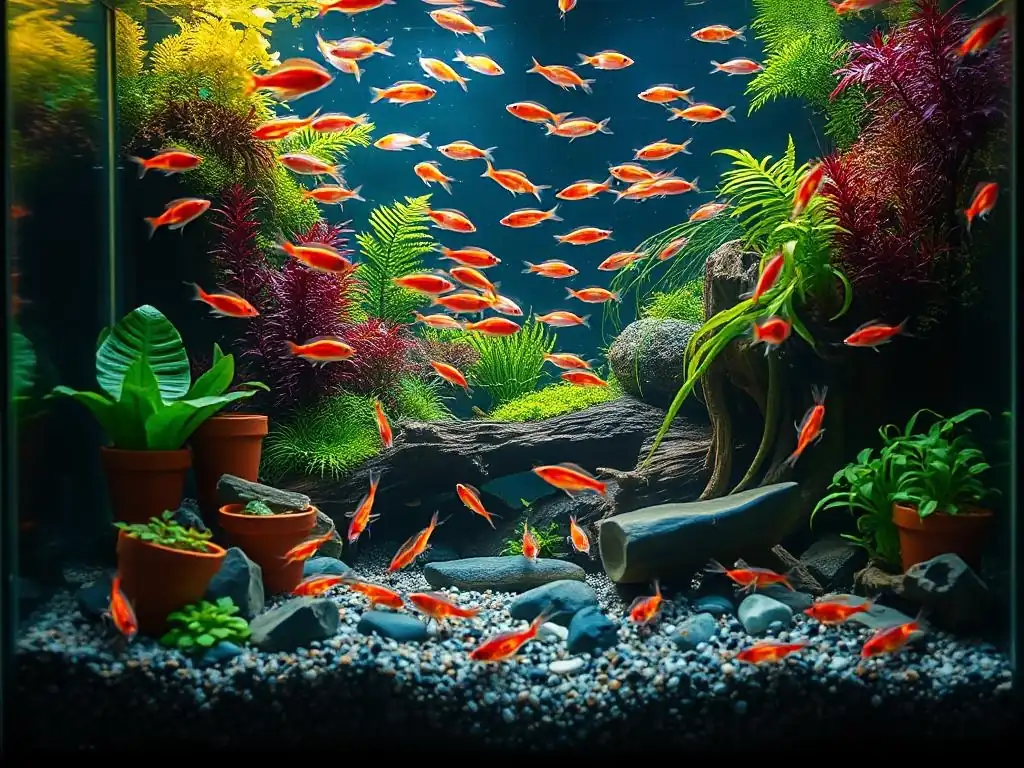
Welcome to Aquarium Mastery!
Ever dreamed of a serene underwater world where vibrant rasboras dart gracefully amongst colorful shrimp, all thriving in a lush, planted tank? Our guide to a peaceful rasbora shrimp tank setup unveils the secrets to creating this harmonious ecosystem. Dive in and discover how to choose the right species, maintain optimal water parameters, and design a scape that fosters tranquility for your aquatic companions. Ready to unlock the beauty of a balanced freshwater aquarium? Let's get started!
- Creating a Thriving Peaceful Rasbora Shrimp Tank Setup
- Selecting the Right Rasbora Species for a Shrimp Tank
- Choosing Compatible Shrimp Species for a Rasbora Tank
- Setting Up Your Peaceful Rasbora Shrimp Tank
- Planting Your Rasbora Shrimp Tank
- Maintaining a Healthy Rasbora Shrimp Tank Environment
- Breeding Rasboras and Shrimp in a Community Tank
- Troubleshooting Common Issues in a Rasbora Shrimp Tank
- The Benefits of a Peaceful Rasbora Shrimp Tank
-
Frequently Asked Questions
- How many rasboras can I keep with shrimp in a planted tank?
- What types of rasboras are best suited for a peaceful shrimp tank setup?
- What tank parameters are crucial for a successful rasbora shrimp tank setup?
- What kind of plants are best for a rasbora shrimp tank?
- How can I minimize the risk of rasboras eating my shrimp?
- Final Reflection: Harmony in Miniature Worlds
- Ignite Your Planted Tank: Cultivate Harmony Today!
Creating a Thriving Peaceful Rasbora Shrimp Tank Setup
Understanding the Compatibility of Rasboras and Shrimp
The compatibility between rasboras and shrimp largely hinges on the adult size of the rasbora species and the available hiding places within the aquarium. While most dwarf rasboras are known for their peaceful temperament and small mouths, making them generally safe for adult dwarf shrimp, caution is still advised for newly hatched shrimplets. A well-designed tank with abundant plant cover is crucial to minimize any potential predation, even from the most benign fish.
Key factors influencing this peaceful coexistence include the rasbora's maximum size, its natural diet, and its activity level. For instance, tiny Boraras species, measuring less than an inch, pose virtually no threat to adult Neocaridina or Caridina shrimp. Their mouths are simply too small to consume anything larger than the smallest of shrimplets, and even then, dense plant cover provides ample refuge.
The Appeal of a Community Planted Tank with Rasboras and Shrimp
A community planted tank featuring rasboras and shrimp offers a truly captivating and dynamic aquatic display. The vibrant schooling behavior of rasboras, often flashing brilliant colors, contrasts beautifully with the industrious, intricate movements of shrimp as they constantly forage among the plants and substrate. This combination creates a miniature ecosystem that is both aesthetically pleasing and biologically balanced.
Beyond the visual appeal, the integration of these species promotes a healthier tank environment. Shrimp act as invaluable clean-up crews, consuming algae, detritus, and uneaten food, thereby contributing to superior water quality. Rasboras add liveliness and a sense of natural harmony, making a peaceful rasbora shrimp tank setup a popular choice for aquarists seeking a low-maintenance yet highly rewarding aquatic experience.
Selecting the Right Rasbora Species for a Shrimp Tank
Ideal Rasbora Varieties for Shrimp Tankmates
When planning a peaceful rasbora shrimp tank setup, selecting the right rasbora species is paramount. The primary considerations are their adult size, temperament, and feeding habits. Smaller, more docile species are always preferred to ensure the safety and well-being of your shrimp colony, especially the vulnerable shrimplets.
The best choices typically belong to the Boraras genus or the smaller Trigonostigma species, as their diminutive size and peaceful nature significantly reduce the risk of predation. These species thrive in well-planted environments, which also benefits the shrimp by providing ample hiding spaces and foraging grounds.
Chili Rasboras (Boraras brigittae): A Shrimp-Safe Option
Chili Rasboras, also known as Mosquito Rasboras, are arguably the safest choice for a shrimp tank due to their incredibly small size, typically reaching only about 0.8 inches (2 cm) in length. Their mouths are so tiny that they cannot consume adult dwarf shrimp, and even larger shrimplets are generally safe, especially in a heavily planted environment. Their striking red coloration makes them a beautiful addition to any nano tank.
These delicate fish thrive in soft, acidic water with a pH range of 6.0-7.0 and temperatures between 72-78°F (22-26°C). They are schooling fish and should be kept in groups of at least 8-10 individuals to encourage natural behavior and reduce stress. Their non-aggressive feeding habits further solidify their status as an ideal inhabitant for a peaceful rasbora shrimp tank setup.
Espei Rasboras (Trigonostigma espei): Known for Peaceful Behavior
Espei Rasboras, or Lambchop Rasboras, are another excellent choice, growing slightly larger than Chilis, typically up to 1 inch (2.5 cm). Despite their slightly larger size, they possess a very peaceful demeanor and are generally considered safe for adult dwarf shrimp. Their vibrant copper-orange bodies, accented by a distinct black "lambchop" marking, add a beautiful splash of color to the aquarium.
Like Chili Rasboras, Espei Rasboras are schooling fish and should be kept in groups of at least 6-8 individuals to ensure their comfort and display their natural behaviors. They prefer similar water parameters: soft to medium-hard water with a pH of 6.0-7.5 and temperatures ranging from 72-78°F (22-26°C). Their calm nature makes them a reliable choice for a harmonious peaceful rasbora shrimp tank setup.
Lambchop Rasboras (Trigonostigma heteromorpha): Considerations for Shrimp
The common Lambchop Rasbora, Trigonostigma heteromorpha, is often confused with the Espei Rasbora but is a distinct species. They grow slightly larger, reaching up to 1.2 inches (3 cm), and exhibit the characteristic "lambchop" marking. While generally peaceful and a popular community fish, their slightly larger size compared to Boraras species means there's a marginally increased, though still low, risk to very tiny, newly hatched shrimplets.
However, adult shrimp are perfectly safe with Trigonostigma heteromorpha. The key to success with this species in a shrimp tank is providing an abundance of dense plant cover, such as Java Moss, where shrimplets can hide effectively. Maintaining stable water conditions (pH 6.0-7.5, temp 72-78°F or 22-26°C) and ensuring a school of 6+ individuals will contribute to their peaceful behavior within a peaceful rasbora shrimp tank setup.
Rasbora Species to Avoid in a Shrimp Tank
While many rasboras are suitable for a peaceful rasbora shrimp tank setup, it's important to be aware of species that are not. Generally, any rasbora that grows significantly larger than 1.5 inches (approximately 3.8 cm) or exhibits a more boisterous temperament should be avoided. Their larger mouths and more active hunting instincts make them a definite threat to shrimp, particularly juveniles and fry.
Specific examples of rasboras to avoid include Harlequin Rasboras ( Trigonostigma heteromorpha, though sometimes kept with large adult shrimp, they can predate on shrimplets), Scissortail Rasboras ( Rasbora trilineata), and Brilliant Rasboras ( Rasbora borapetensis). These species can reach sizes of 2-4 inches (5-10 cm) and are far too large and opportunistic to be considered safe tankmates for a thriving shrimp colony. Prioritizing the smallest, most docile species ensures a truly peaceful rasbora shrimp tank setup.
Choosing Compatible Shrimp Species for a Rasbora Tank
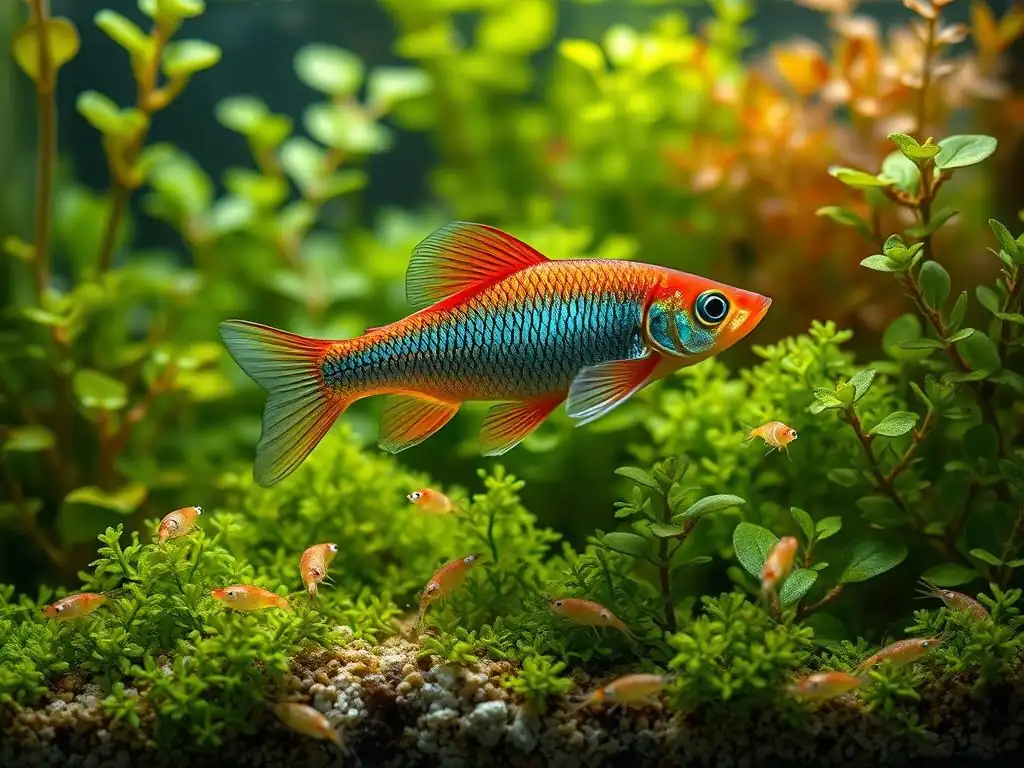
Best Shrimp Species for a Peaceful Rasbora Aquarium
Selecting the right shrimp species is just as critical as choosing the rasboras for a peaceful rasbora shrimp tank setup. The ideal shrimp are hardy, prolific, and large enough as adults to not be considered prey by even the smallest rasbora. Their ability to tolerate a range of water parameters similar to those preferred by dwarf rasboras also makes them excellent candidates.
Focusing on species that are known for their resilience and breeding success in community tank environments will ensure a thriving and self-sustaining shrimp population. This helps offset any minimal, opportunistic predation on the smallest shrimplets that might occur.
Cherry Shrimp (Neocaridina davidi): Hardy and Prolific
Cherry Shrimp are perhaps the most popular and recommended shrimp for a peaceful rasbora shrimp tank setup. They are incredibly hardy, adaptable to a wide range of water parameters (pH 6.5-8.0, temp 65-80°F or 18-27°C), and famously prolific breeders. An adult Cherry Shrimp typically reaches about 1 inch (2.5 cm) in size, making them too large for even the smallest rasbora to consume.
Their rapid breeding rate means that even if a few shrimplets are occasionally predated upon, the population can quickly rebound and establish a thriving colony. Available in a spectrum of colors including red, yellow, blue, and black, they add vibrant movement and significant cleaning power to the aquarium.
Amano Shrimp (Caridina multidentata): Excellent Algae Eaters
Amano Shrimp are renowned for their exceptional algae-eating capabilities and are an ideal, completely safe choice for any peaceful rasbora shrimp tank setup. Growing larger than Neocaridina species, up to 2 inches (5 cm), they are far too big for any dwarf rasbora to consider as prey. Their transparent bodies with small spots or dashes allow them to blend seamlessly into a planted environment.
Unlike Neocaridina shrimp, Amano shrimp do not breed in freshwater aquariums; their larvae require brackish water to develop. This means you won't have an exploding population, but also no concerns about predation on their offspring. They are incredibly diligent cleaners and will actively graze on most types of algae, contributing significantly to tank maintenance.
Ghost Shrimp (Palaemonetes paludosus): A Budget-Friendly Option
Ghost Shrimp are a very affordable and widely available option for a peaceful rasbora shrimp tank setup. They are translucent, making them somewhat less visually striking than Cherry or Amano shrimp, but they are excellent scavengers and contribute to tank cleanliness. They typically grow up to 1.5 inches (3.8 cm) and are generally quite hardy.
While often sold as feeder shrimp, Palaemonetes paludosus are peaceful and make good tank mates. It is crucial, however, to ensure you are getting true Ghost Shrimp and not other, more aggressive species sometimes mislabeled as such. They are adaptable to a wide range of water conditions and will readily consume detritus and leftover food, making them a practical addition to a community tank.
Shrimp Species That May Not Thrive With Rasboras
While most dwarf shrimp can coexist with small rasboras, certain shrimp species may not thrive in a community tank setting, particularly alongside fish, even peaceful ones. Highly sensitive Caridina species, such as Crystal Red Shrimp ( Caridina cantonensis) or Bee Shrimp, often prefer very specific and stable water parameters (e.g., lower pH, softer water, cooler temperatures) that might not perfectly align with the optimal range for rasboras.
Moreover, these delicate and often expensive shrimp are more susceptible to stress from any potential fish activity, however minimal. While rasboras may not actively hunt them, the presence of fish can still cause stress, potentially impacting their breeding success or overall health. For these specialized shrimp, a species-only tank is often recommended to maximize their well-being and breeding potential, rather than a peaceful rasbora shrimp tank setup.
Setting Up Your Peaceful Rasbora Shrimp Tank
Tank Size and Dimensions for a Balanced Ecosystem
The appropriate tank size is fundamental for a thriving peaceful rasbora shrimp tank setup. While dwarf rasboras and shrimp are small, they still require adequate space for swimming, schooling, and establishing territories. For a small school of 6-8 dwarf rasboras and a starting colony of 10-15 dwarf shrimp, a minimum tank size of 10 gallons (approximately 38 liters) is recommended.
However, a 20-gallon long tank (approximately 76 liters) is often considered ideal. Its elongated footprint provides more horizontal swimming space for schooling rasboras and a larger surface area for planting, which greatly benefits shrimp by offering more foraging grounds and hiding spots. Larger tanks also offer greater water volume, leading to more stable water parameters and reducing the impact of minor fluctuations.
Essential Equipment: Filter, Heater, and Lighting
For a peaceful rasbora shrimp tank setup, selecting the right equipment is crucial for maintaining stable and healthy conditions. A gentle filtration system is paramount; sponge filters are highly recommended as they provide excellent mechanical and biological filtration without posing a risk to tiny shrimplets being sucked in. Alternatively, a hang-on-back (HOB) filter with a pre-filter sponge on the intake can work effectively.
A submersible heater is necessary to maintain a consistent temperature, typically between 72-78°F (22-26°C), which suits both dwarf rasboras and most common dwarf shrimp. Lighting is vital for plant growth; a full-spectrum LED light with adjustable intensity is ideal. Aim for 8-10 hours of light daily to support healthy plant growth without encouraging excessive algae, ensuring a balanced ecosystem.
Substrate Selection for Planted Tank Success
The choice of substrate significantly impacts the success of a planted peaceful rasbora shrimp tank setup. For optimal plant growth, a nutrient-rich aquasoil is highly recommended. Aquasoil provides essential nutrients directly to plant roots and often helps buffer the water to a slightly acidic pH, which is beneficial for many dwarf rasboras and Caridina shrimp species.
If aquasoil is not preferred, a fine-grained inert substrate like sand or very fine gravel (1-3mm) can be used, ideally capped over a layer of fertilized substrate. Fine substrates are beneficial for shrimp as they can easily sift through it for detritus and biofilm. Avoid coarse or sharp gravel, which can injure delicate shrimp legs and make foraging difficult.
Hardscape and Decoration: Creating Hiding Places for Shrimp
Strategic use of hardscape and decorations is essential in a peaceful rasbora shrimp tank setup to provide security and enrichment for both fish and shrimp. Driftwood pieces and various types of aquarium-safe rocks (e.g., Seiryu stone, lava rock) should be incorporated to create visual barriers, naturalistic structures, and surfaces for biofilm growth, which shrimp love to graze on.
Crucially, hardscape provides numerous crevices and hiding spots for shrimp, especially during molting periods or when they are carrying eggs. These safe havens reduce stress for the shrimp and protect vulnerable shrimplets from any opportunistic predation by the rasboras. Arranging these elements thoughtfully also enhances the overall aesthetic appeal of the aquascape.
Planting Your Rasbora Shrimp Tank
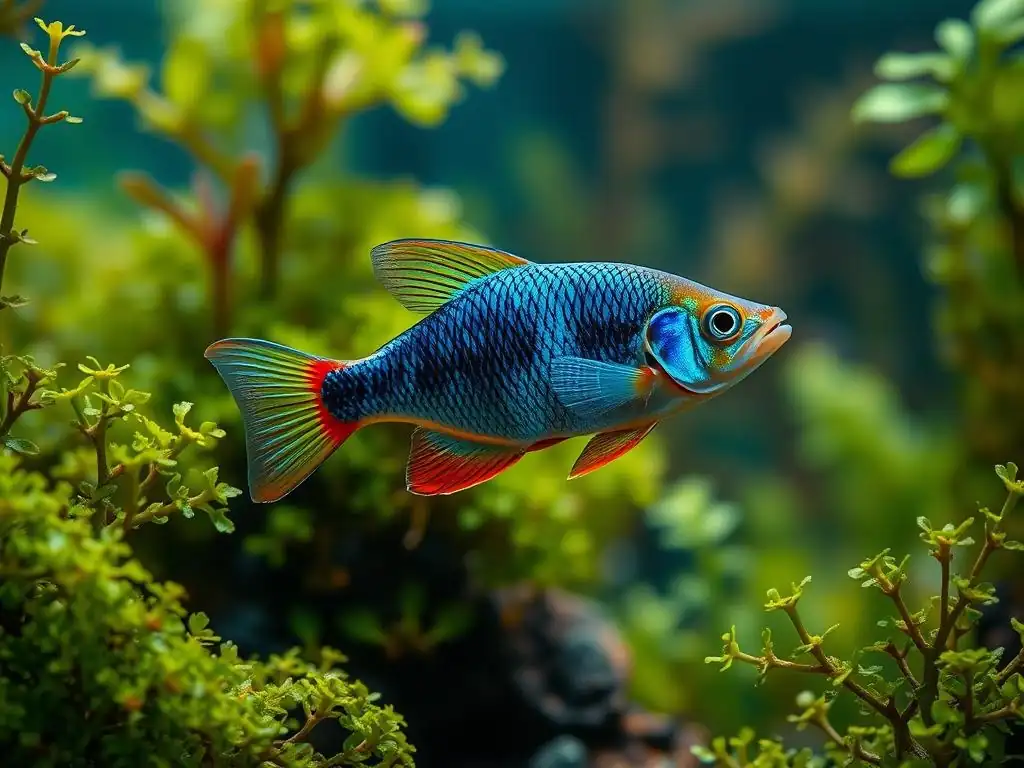
Choosing the Right Aquatic Plants for Shrimp and Rasboras
Live plants are the backbone of a thriving peaceful rasbora shrimp tank setup. They play multiple vital roles: providing natural filtration by absorbing nitrates, oxygenating the water, offering crucial hiding places for shrimp and fish fry, and providing surfaces for biofilm growth which shrimp graze on. When selecting plants, consider those that are relatively easy to care for and thrive in similar water parameters as your chosen inhabitants.
Dense planting is particularly important for shrimp, as it offers a sense of security and numerous foraging opportunities. Focus on a variety of plant types, including foreground carpets, mid-ground bushes, and background stem plants, to create a lush, multi-layered environment that mimics natural habitats and supports a robust ecosystem.
Java Moss (Taxiphyllum barbieri): A Shrimp Favorite
Java Moss is an absolute staple for any peaceful rasbora shrimp tank setup due to its incredible versatility and benefits for shrimp. It is extremely easy to grow, tolerates a wide range of water parameters, and can thrive in low to moderate light. Its dense, tangled structure makes it an unparalleled hiding spot for newly hatched shrimplets, protecting them from potential predation.
Beyond providing shelter, Java Moss acts as a natural food source for shrimp. It accumulates detritus and grows biofilm, which shrimp constantly graze on. It can be easily attached to driftwood or rocks, or simply allowed to float, creating a natural, bushy haven for your aquatic inhabitants.
Anubias: Low-Maintenance and Shade-Providing
Anubias species, such as Anubias barteri and Anubias nana, are excellent choices for a peaceful rasbora shrimp tank setup due to their hardiness and low-maintenance requirements. They are slow-growing, require minimal light, and can be attached to hardscape elements like driftwood or rocks rather than being planted in the substrate. This makes them versatile for aquascaping.
Their broad, sturdy leaves provide ample resting spots for shrimp and offer shade beneath, which can help reduce algae growth on the substrate in shaded areas. Anubias are highly durable and generally unpalatable to most algae-eating fish, making them a long-lasting and beneficial addition to your tank's ecosystem.
Water Sprite (Ceratopteris thalictroides): Provides Cover for Fry
Water Sprite is a fast-growing, highly adaptable aquatic plant that can be rooted in the substrate or allowed to float on the surface. Its delicate, feathery leaves create a dense, bushy structure that provides excellent cover and security for both rasbora fry and tiny shrimplets. This rapid growth also means it's highly effective at absorbing excess nitrates from the water, contributing to better water quality.
When floating, Water Sprite diffuses light, creating a softer environment that many rasboras and shrimp appreciate. Its ability to quickly fill vertical space offers continuous hiding opportunities, making it an invaluable plant for promoting natural breeding and ensuring higher survival rates for offspring in a peaceful rasbora shrimp tank setup.
Plant Placement and Aquascaping Tips
Effective plant placement and aquascaping are vital for creating a functional and aesthetically pleasing peaceful rasbora shrimp tank setup. The goal is to design a landscape that offers open swimming areas for rasboras while simultaneously providing abundant, secure hiding spots for shrimp. Taller plants should generally be placed at the back and sides of the tank, creating a lush background and sense of depth.
Mid-ground plants can be used to transition to foreground carpets or open spaces. Crucially, create dense "shrimp zones" using mosses, fine-leaved stem plants, or overlapping hardscape with plants. Ensure there are enough continuous paths of cover for shrimp to move safely across the tank. Thoughtful aquascaping not only looks good but directly contributes to the well-being and natural behaviors of your aquatic inhabitants.
Maintaining a Healthy Rasbora Shrimp Tank Environment
Water Parameters: Temperature, pH, and Hardness
Maintaining stable and appropriate water parameters is paramount for the health and longevity of a peaceful rasbora shrimp tank setup. For most dwarf rasboras and Neocaridina shrimp, a temperature range of 72-78°F (22-26°C) is ideal. pH levels should be kept slightly acidic to neutral, typically between 6.5-7.5. Consistency in these parameters is often more important than hitting exact target numbers.
Regarding hardness, aim for a General Hardness (GH) of 4-8 dGH and Carbonate Hardness (KH) of 2-6 dKH. GH is crucial for shrimp molting and overall health, while KH helps buffer pH fluctuations. Regular testing with a reliable liquid test kit is essential to monitor these parameters and make small, gradual adjustments as needed to avoid shocking your delicate inhabitants.
Regular Water Changes and Tank Cleaning
Regular water changes are a cornerstone of maintaining a healthy peaceful rasbora shrimp tank setup. Performing weekly or bi-weekly water changes of 10-20% helps to remove accumulated nitrates, replenish essential minerals, and maintain overall water quality. It is crucial to always use a dechlorinator when adding tap water to neutralize chlorine and chloramines, which are highly toxic to both fish and shrimp.
During water changes, gently gravel vacuum the substrate surface to remove detritus and uneaten food, but be careful not to disturb the substrate too much, especially in a heavily planted tank. Avoid large, sudden water changes, as drastic shifts in water parameters can stress or even kill sensitive shrimp. Regular wiping of the tank glass also helps prevent excessive algae buildup.
Feeding Rasboras and Shrimp: A Balanced Diet
A balanced diet is essential for the vitality of both rasboras and shrimp in a community tank. Dwarf rasboras are omnivores and will readily accept high-quality micro pellets, finely crushed flakes, and small live or frozen foods such as daphnia, cyclops, or baby brine shrimp. Feed them small amounts 1-2 times daily, ensuring all food is consumed within a few minutes.
Shrimp are primarily detritivores and grazers, constantly foraging on biofilm, algae, and any leftover fish food. While they benefit from fish food, overfeeding the rasboras can lead to excess nutrients in the water, potentially causing algae blooms or even harmful ammonia/nitrite spikes, which are particularly detrimental to shrimp health.
Feeding Rasboras Without Overfeeding Shrimp
To prevent overfeeding, which can harm your shrimp and water quality, feed your rasboras small portions that they can consume entirely within 2-3 minutes. Observe their feeding behavior closely to determine the correct amount. If you notice a significant amount of food sinking to the bottom, reduce the portion size for subsequent feedings.
This controlled feeding strategy ensures the rasboras receive adequate nutrition while minimizing the amount of excess food that could decompose and foul the water. It also encourages shrimp to continue their natural grazing on biofilm and algae, contributing to the tank's cleanliness rather than relying solely on prepared foods. A balanced approach is key to a thriving peaceful rasbora shrimp tank setup.
Supplementing Shrimp Diet with Algae Wafers
While shrimp are excellent scavengers, supplementing their diet is beneficial, especially in very clean tanks where natural biofilm and algae might be scarce. High-quality algae wafers or specialized shrimp pellets can be offered 2-3 times a week. These foods are formulated to provide the necessary minerals and nutrients for healthy shrimp growth and successful molting.
You can also offer blanched vegetables like zucchini slices, spinach, or kale occasionally as a treat and a source of additional nutrients. Always remove any uneaten prepared foods or vegetables after a few hours (e.g., 2-4 hours) to prevent them from decaying and negatively impacting water quality.
Monitoring Water Quality and Preventing Problems
Consistent monitoring of water quality is crucial for a healthy peaceful rasbora shrimp tank setup. Regularly test your water parameters using a reliable liquid test kit for ammonia, nitrite, nitrate, pH, GH, and KH. Ammonia and nitrite should always be zero, as even small amounts are highly toxic to both fish and shrimp. Nitrates should be kept below 20 ppm through regular water changes.
Beyond chemical tests, observant daily checks of your tank inhabitants are vital. Look for any signs of distress in fish (e.g., clamped fins, labored breathing, discolored patches) or shrimp (e.g., lethargy, failed molts, unusual swimming). Early detection of issues allows for prompt intervention, whether it's a water change, parameter adjustment, or addressing a specific health concern, minimizing stress on your delicate ecosystem.
Breeding Rasboras and Shrimp in a Community Tank
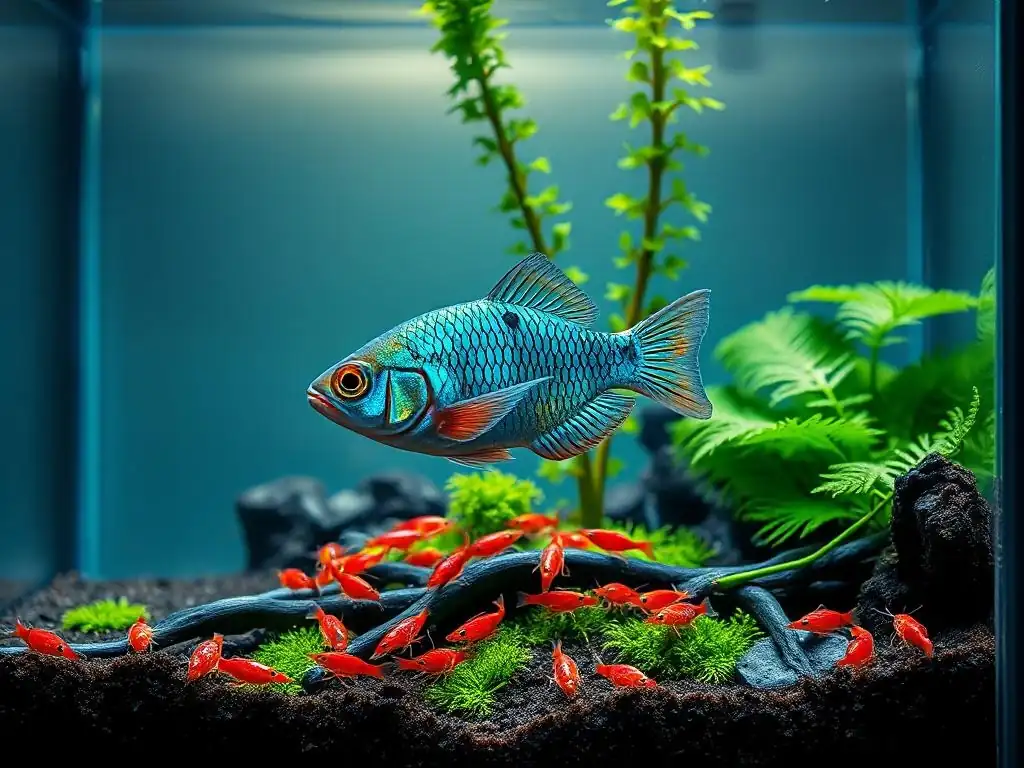
Creating Breeding Conditions for Rasboras
Many dwarf rasboras are egg scatterers, meaning they will deposit their eggs randomly among fine-leaved plants. To encourage breeding in a peaceful rasbora shrimp tank setup, ensure the tank is heavily planted with species like Java Moss or spawning mops, which provide ideal surfaces for egg deposition. A slight increase in temperature (e.g., 78°F or 26°C) and a small, cool water change can sometimes trigger spawning behavior.
However, in a community tank setting, the survival rate of rasbora fry is typically very low. Both adult rasboras and shrimp will opportunistically predate on eggs and newly hatched fry. For serious breeding efforts and higher yields, a dedicated breeding tank with specialized care for the fry is usually required, as the community environment is too challenging for widespread survival.
Protecting Shrimp Fry From Predation
While the smallest rasboras are generally safe for adult shrimp, newly hatched shrimplets are tiny (often less than 2mm) and can be seen as potential food by almost any fish, including dwarf rasboras. Therefore, protecting shrimp fry is paramount in a peaceful rasbora shrimp tank setup. The most effective method is providing an abundance of dense plant cover, particularly fine-leaved plants like Java Moss, Guppy Grass, or even floating plants.
These plants create countless hiding spots where shrimplets can take refuge from fish and forage on microscopic organisms and biofilm. Ensuring the tank is not overstocked and that the rasboras are well-fed will also reduce any inclination for predation. A mature tank with plenty of established biofilm and crevices naturally offers better survival chances for shrimp fry.
Increasing Shrimp Population in Your Tank
To encourage a thriving and growing shrimp population in your peaceful rasbora shrimp tank setup, focus on consistent water quality and stable parameters. Ensure adequate calcium and magnesium levels (reflected in your GH) for successful molting, as failed molts are a common cause of shrimp mortality. Providing a varied diet, including specialized shrimp pellets or mineral supplements, also supports their health and reproductive success.
A mature aquarium with plenty of surfaces for biofilm growth (plants, driftwood, porous rocks) will naturally support a larger shrimp colony. Avoid aggressive substrate vacuuming that might remove beneficial biofilm and detritus that shrimp feed on. With optimal conditions and minimal stress, your shrimp colony should steadily increase in numbers, showcasing the true success of a balanced community tank.
Troubleshooting Common Issues in a Rasbora Shrimp Tank
Algae Blooms and Control Methods
Algae blooms are a common issue in any aquarium, including a peaceful rasbora shrimp tank setup, and are typically indicative of an imbalance in light, nutrients, or both. Excessive lighting duration (more than 8-10 hours per day) or intensity, coupled with high nitrates or phosphates, often fuels algae growth. To control algae, first reduce your lighting period and ensure your fertilizers (if used) are balanced.
Perform more frequent or larger water changes to reduce nutrient levels. Introduce algae-eating shrimp like Amano Shrimp ( Caridina multidentata) or snails like Nerite Snails, which are excellent at keeping surfaces clean. Manual removal of algae during water changes is also effective. Addressing the root cause of the imbalance is key to long-term algae control, rather than just treating the symptoms.
Dealing with Planaria or Hydras
The appearance of Planaria (small, triangular-headed flatworms) or Hydras (tiny, stinging polyps) in a peaceful rasbora shrimp tank setup often signals overfeeding or an accumulation of excess organic matter. These organisms thrive on decaying food and detritus. The primary control method is to significantly reduce feeding amounts and ensure thorough, regular substrate cleaning through gentle gravel vacuuming.
While chemical treatments exist, many can be harmful to shrimp. Natural predators like certain snail species might help with Planaria, but addressing the underlying cause of overfeeding is the most effective and safest long-term solution. For severe Hydra infestations, a shrimp-safe treatment like "No Planaria" (Fenbendazole-based) can be used, but always follow instructions carefully and monitor your shrimp closely.
Addressing Fish Diseases and Shrimp Health Problems
Preventing fish diseases and shrimp health problems in a peaceful rasbora shrimp tank setup primarily involves maintaining pristine water quality and minimizing stress. Common fish diseases like Ich (white spot disease) or Fin Rot often arise from poor water conditions, sudden temperature fluctuations, or the introduction of infected new fish without proper quarantine. Always quarantine new fish for 2-4 weeks before adding them to your main tank.
Shrimp health issues, such as failed molts or lethargy, are frequently linked to unstable water parameters (especially GH and KH), mineral deficiencies, or the presence of copper in the water. Copper, even in trace amounts, is highly toxic to shrimp. Avoid medications containing copper and ensure stable parameters. Regular observation allows for early detection, enabling prompt action to mitigate issues before they become severe.
The Benefits of a Peaceful Rasbora Shrimp Tank
Creating a Visually Stunning and Balanced Ecosystem
A peaceful rasbora shrimp tank setup offers an unparalleled visual spectacle. The vibrant colors and synchronized schooling of dwarf rasboras against a backdrop of lush, verdant aquatic plants create a living art piece. This dynamic scene is further enhanced by the constant, intricate movements of the shrimp, diligently foraging and interacting with their environment.
Beyond aesthetics, this type of aquarium represents a truly balanced miniature ecosystem. The plants naturally filter the water by absorbing nitrates, while the shrimp act as efficient clean-up crews, consuming detritus and algae. This symbiotic relationship results in a healthier, more stable environment that requires less intervention, allowing you to simply enjoy the beauty of nature's harmony.
Promoting Natural Behaviors in Your Aquatic Inhabitants
A well-designed peaceful rasbora shrimp tank setup goes beyond mere coexistence; it actively promotes the natural behaviors of both fish and shrimp. Rasboras, being schooling fish, thrive when kept in appropriate numbers (typically 6-10+), displaying their coordinated movements and reducing individual stress. The abundant plant cover and hiding spots allow them to feel secure and exhibit their natural curiosity.
Similarly, shrimp, with their constant foraging and unique molting processes, behave more naturally in an environment where they feel safe and have ample food sources. This stress-free environment fosters stronger immune systems, more vibrant coloration, and increased breeding success for both species, allowing you to observe their fascinating natural instincts unfold daily.
Enjoying the Beauty and Tranquility of a Planted Aquarium
Ultimately, the greatest benefit of establishing a peaceful rasbora shrimp tank setup is the immense beauty and tranquility it brings to any space. The gentle sway of plants, the graceful movements of schooling fish, and the diligent work of the shrimp create a serene and meditative focal point. This living display offers a unique opportunity for relaxation and stress reduction in our busy lives.
Beyond the therapeutic qualities, maintaining such an aquarium is a rewarding hobby that combines elements of biology, chemistry, and art. It provides a continuous learning experience and the profound satisfaction of nurturing a thriving, balanced ecosystem. The quiet elegance and constant activity of a planted tank with rasboras and shrimp truly transform a simple glass box into a captivating underwater world.
Frequently Asked Questions
How many rasboras can I keep with shrimp in a planted tank?
A good rule of thumb is to keep the rasbora population relatively small to avoid overwhelming the shrimp. A ratio of 6-8 rasboras per 10 gallons is generally considered safe, provided the tank is heavily planted. Overcrowding can lead to stress and increased predation on shrimp fry.
What types of rasboras are best suited for a peaceful shrimp tank setup?
Smaller, more docile rasbora species are ideal. Consider Chili Rasboras (Boraras brigittae) or Ember Rasboras (Hyphessobrycon amandae). These species are less likely to predate on baby shrimp compared to larger, more active rasboras.
What tank parameters are crucial for a successful rasbora shrimp tank setup?
Maintaining stable and appropriate water parameters is vital. Aim for a temperature between 72-78°F (22-26°C), a pH between 6.5-7.5, and a KH (carbonate hardness) between 2-8 dKH. Consistent water changes are essential.
What kind of plants are best for a rasbora shrimp tank?
Plants provide shelter and breeding grounds for shrimp, as well as help maintain water quality. Java moss, Anubias, and floating plants are excellent choices. These plants offer hiding places for shrimp and create a natural environment.
How can I minimize the risk of rasboras eating my shrimp?
Provide plenty of hiding places for the shrimp, especially the shrimp fry. Dense vegetation and leaf litter can significantly improve their survival rate. Regular feeding of the rasboras also reduces their inclination to hunt shrimp.
Final Reflection: Harmony in Miniature Worlds
The delicate balance of a peaceful rasbora shrimp tank setup extends far beyond the glass walls of our aquariums. It mirrors the intricate ecosystems found in nature and, more importantly, reflects our own capacity to create harmonious environments. Understanding the needs of these tiny creatures, from water parameters to suitable tank mates, underscores the importance of mindful stewardship and responsible interaction with the natural world, a lesson increasingly vital in our current climate.
This journey into the world of rasboras and shrimp has not only illuminated the practical aspects of creating a thriving ecosystem but has also highlighted the profound beauty of interconnectedness. Witnessing the vibrant colors of the rasboras darting amongst the lush greenery, while the shrimp diligently clean and maintain the substrate, is a constant reminder of the elegance of symbiotic relationships. In nature, nothing exists alone.
- Rachel Carson. This quote perfectly encapsulates the essence of a successful rasbora shrimp tank, where each element contributes to the overall health and well-being of the community.
Now, as you embark on your own journey to establish a peaceful rasbora shrimp tank, remember that patience and observation are your greatest allies. Consider the lessons learned about compatibility, water quality, and the importance of a well-planted environment. Let the principles of balance and harmony guide your decisions, not just in your aquarium, but in all aspects of your life. Strive to create spaces, both physical and metaphorical, where diverse elements can coexist and thrive, fostering a world that reflects the beauty and resilience of a perfectly balanced ecosystem.
Ignite Your Planted Tank: Cultivate Harmony Today!
Thank you for diving into the world of rasboras and shrimp! We hope this guide has illuminated the path to creating a thriving, peaceful ecosystem in your planted tank. Now, let's bring that knowledge to life.
Here are a few steps you can take right now:
- Reimagine your tank! Choose at least one plant species recommended in the article and plan where it will flourish in your current setup to improve hiding places and water quality.
- Share your newfound wisdom! Post a picture of your tank setup (or planned setup) on social media, tagging a fellow aquarium enthusiast and challenging them to create their own peaceful rasbora-shrimp paradise.
- Explore unconventional pairings. Research a less common, but compatible species of algae eater, like the Otocinclus catfish, to add even more biodiversity and balance to your planted tank!
What's one small adjustment you can make this weekend to better ensure the safety and happiness of your shrimp with rasboras?