
Pregnant Platy Signs: How to Tell and What to Do Next

Welcome to Aquarium Mastery!
Curious about your platy's plump figure? Discover the secrets to successful Platy pregnancy care in our comprehensive guide. Learn how to spot the telltale pregnant platy signs and ensure a healthy, happy delivery for your fishy friend. Dive in and unlock the mysteries of platy breeding! What awaits these precious fry, and how can you prepare for their arrival? Let's find out!
- Pregnant Platy Signs: How to Tell and What to Do Next | AquariumMastery.com
- Introduction to Platy Pregnancy: A Complete Care Guide
- Spotting the Signs: Is Your Platy Pregnant?
- Confirming Platy Pregnancy: Observation and Careful Monitoring
- Platy Pregnancy Care: Ensuring a Healthy Birth
- Preparing for the Fry: Setting Up a Safe Environment
- Post-Birth Care: Caring for Platy Fry
- Common Issues During Platy Pregnancy and Birth
- Advanced Platy Breeding: Tips for Selective Breeding
- Conclusion: Ensuring Success with Your Pregnant Platy and Fry
- Frequently Asked Questions
- Final Reflection: Nurturing New Life in Your Aquarium
- Nurture New Life: Become a Platy Parent Today!
Pregnant Platy Signs: How to Tell and What to Do Next | AquariumMastery.com
Introduction to Platy Pregnancy: A Complete Care Guide
Understanding Platy Reproduction: Livebearing Fish Explained
Platies (Xiphophorus maculatus) are fascinating livebearing fish, meaning they give birth to live, fully formed fry rather than laying eggs. This reproductive strategy is shared with other popular aquarium species such as guppies and mollies, making them relatively easy to breed in a home aquarium setting. Unlike egg-laying fish, the fertilization of platy eggs occurs internally, and the female carries the developing embryos within her body until they are ready to hatch and emerge as miniature versions of the adults.
The reproductive cycle of platies is remarkably efficient. A female platy can produce a new batch of fry approximately every 24 to 30 days, depending on environmental factors like water temperature and diet. Furthermore, a unique characteristic of livebearers is their ability to store sperm for several months after a single mating. This means a female platy can give birth to multiple batches of fry even if no male has been present in her tank for an extended period, making a comprehensive platy pregnancy care guide essential for any owner.
Why Breeding Platies is Popular Among Aquarists
Breeding platies offers a uniquely rewarding experience for aquarists of all levels, from beginners to seasoned hobbyists. Their vibrant colors, peaceful temperament, and relatively simple care requirements make them an ideal choice for community tanks. The joy of observing the entire life cycle, from tiny fry to mature fish, is an educational and engaging aspect of the hobby that many aquarists find deeply satisfying.
Beyond the intrinsic satisfaction, breeding platies can also serve practical purposes. It allows aquarists to naturally replenish their tank populations, observe genetic variations in offspring, and even selectively breed for specific color patterns or fin types. While not typically a commercial venture for hobbyists, the sheer ease and frequency of platy births make them a perpetually interesting subject for observation and a cornerstone for any platy pregnancy care guide.
Spotting the Signs: Is Your Platy Pregnant?
The Obvious Sign: The Gravid Spot and its Changes
The most reliable and often first visible indicator that your platy is pregnant is the development and darkening of the "gravid spot." This is a dark, often black or brownish, triangular or oval-shaped area located on the female platy's abdomen, just above the anal fin and near the vent. In non-pregnant platies, this area is usually present but much lighter and less pronounced.
As the pregnancy progresses and the developing fry grow inside the female, the gravid spot becomes significantly larger and much darker. This darkening is due to the pigmentation of the fry's eyes becoming visible through the translucent skin and muscle layers of the mother. Monitoring the gravid spot's size and color is a primary method for tracking the progress of a platy pregnancy, a key component of any platy pregnancy care guide.
Understanding the Gravid Spot: Color and Size Variations
The visibility and exact shade of the gravid spot can vary significantly depending on the platy's natural coloration. For instance, in lighter-colored platies such as red, orange, or yellow varieties, the gravid spot will be strikingly obvious, often appearing as a deep black or dark brown mark against their vibrant bodies. This stark contrast makes pregnancy detection quite straightforward in these fish.
Conversely, in darker-colored platies like black or blue variations, the gravid spot might be much harder to discern due to their already dark pigmentation. In these cases, close observation under good lighting is necessary, and the gravid spot might only appear as an even darker patch within their existing coloration. Regardless of color, the spot will physically expand and become more distended as the pregnancy nears its term, sometimes appearing almost square in shape just before birth, which is a crucial detail for effective platy pregnancy care.
Physical Changes: A Swollen Abdomen in Pregnant Platies
Beyond the gravid spot, another prominent physical sign of platy pregnancy is a noticeable swelling of the abdomen. Initially, this swelling might be subtle, but as the fry grow within the female, her belly will become increasingly distended and rounded. When viewed from above, a pregnant platy will often appear "boxy" or "square" rather than streamlined, especially in the later stages of her approximately 24 to 30-day gestation period.
This abdominal distension is a direct result of the growing number and size of the developing fry. In the final days leading up to birth, the swelling becomes quite pronounced, and the area around the vent (where the fry will emerge) may also appear slightly bulged. This physical transformation is a strong indicator of impending birth and is a vital sign for anyone following a platy pregnancy care guide.
Behavioral Clues: Changes in Activity and Appetite
While less definitive than physical signs, changes in a platy's behavior can also signal pregnancy or an impending birth. Some pregnant platies may become more reclusive, seeking out hiding spots among plants or decor, especially as they get closer to their due date. Others might exhibit increased activity, perhaps swimming more erratically or searching for food more frequently.
It's important to note that these behavioral changes are often subtle and can also be indicative of other issues, such as stress or illness. Therefore, they should always be considered in conjunction with the more obvious physical signs like the gravid spot and abdominal swelling. Close, consistent observation of your platy's typical behavior will help you identify any significant deviations, which are key for successful platy pregnancy care.
Increased Hiding: A Sign of Approaching Birth?
As the time for birth approaches, many pregnant platies will instinctively seek out secluded and secure areas within the aquarium. This often involves retreating to dense plant thickets, behind decorations, or into quiet corners of the tank. This behavior is a natural maternal instinct, providing the female with a sense of safety and privacy during the birthing process and offering immediate cover for the newborn fry.
This increased hiding behavior can be a strong indicator that birth is imminent, potentially within the next 24 to 48 hours. If you observe your visibly pregnant platy spending more time tucked away, it's a good sign to prepare the fry's nursery, whether that involves a breeding box or a heavily planted area. This preparation is a critical step in providing comprehensive platy pregnancy care.
Increased Appetite: Feeding a Pregnant Platy
The process of developing and carrying multiple fry requires a significant amount of energy and nutrients from the mother platy. Consequently, many pregnant platies will exhibit a noticeable increase in appetite, consuming more food than usual. They may appear more eager during feeding times and actively forage for scraps between meals.
To support the demanding nutritional needs of both the mother and her developing offspring, it is crucial to provide a high-quality and varied diet during this period. Offering small, frequent meals of nutrient-rich foods will help ensure she has the energy and building blocks required for a healthy pregnancy and successful birth, making proper feeding a cornerstone of any platy pregnancy care guide.
Confirming Platy Pregnancy: Observation and Careful Monitoring
How Long are Platies Pregnant? Gestation Period Details
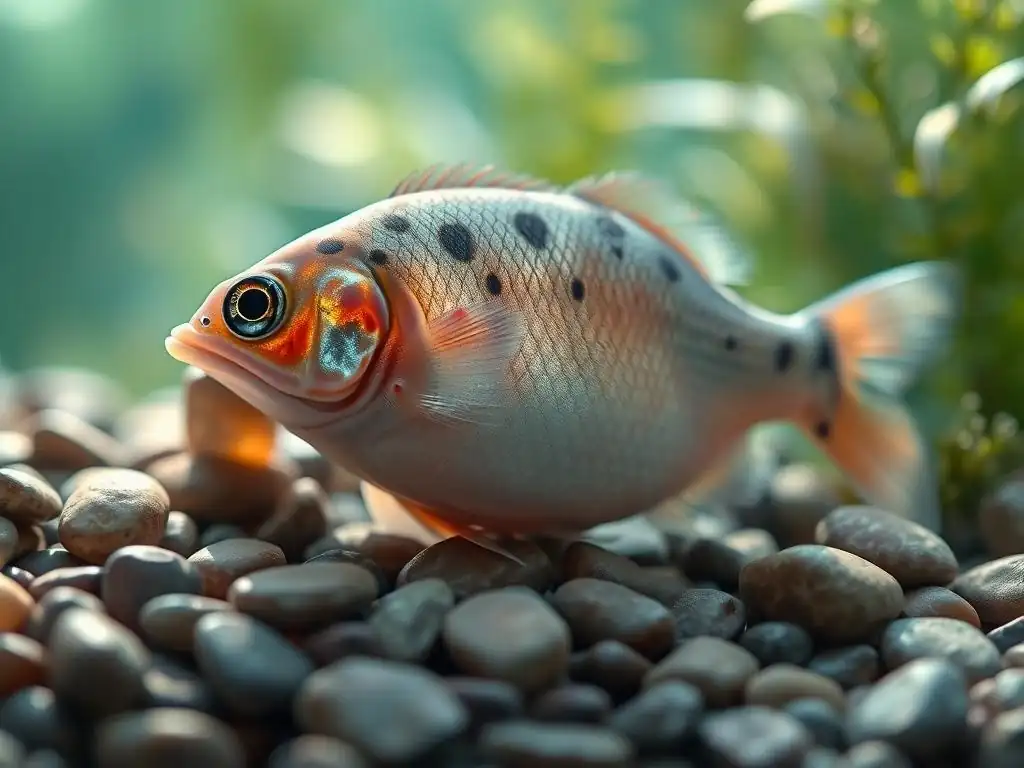
The typical gestation period for platies is approximately 24 to 30 days. This timeframe can, however, fluctuate slightly based on several environmental factors, including water temperature, the mother's diet, and her overall health. Consistent monitoring of your platy throughout this period, observing the progression of the gravid spot and abdominal swelling, is key to anticipating the birth.
Warmer water temperatures, generally within the higher end of their ideal range (e.g., 78-80°F or 25.5-26.7°C), can sometimes slightly shorten the gestation period. Conversely, cooler temperatures might extend it. Maintaining stable and optimal water parameters is crucial not only for the duration of the pregnancy but also for the health of both the mother and the developing fry, emphasizing the importance of a detailed platy pregnancy care guide.
Ruling Out Other Causes of Swelling: Differentiating Pregnancy from Disease
While abdominal swelling is a primary sign of pregnancy, it is important for aquarists to differentiate it from other potential causes of swelling in fish, which could indicate a serious health issue. Conditions such as dropsy, constipation, or internal tumors can also cause a fish's abdomen to distend. Understanding the distinctions is crucial for proper intervention and effective platy pregnancy care.
Dropsy, for instance, is often characterized by "pineconing" scales (scales protruding outwards) and is typically accompanied by lethargy, loss of appetite, and labored breathing, signs not usually associated with a healthy pregnancy. Constipation might be relieved by feeding blanched peas. Pregnancy swelling, in contrast, is typically symmetrical, progressive, and, most importantly, accompanied by the visible darkening and enlargement of the gravid spot, which is absent in disease-related swelling.
Platy Pregnancy Care: Ensuring a Healthy Birth
Optimizing Water Parameters for Pregnant Platies
Maintaining pristine and stable water conditions is paramount for the health and well-being of a pregnant platy and for ensuring a successful birth. High water quality significantly reduces stress on the mother, minimizing the risk of complications such as premature birth or stillbirths. Regular, small water changes, typically 20% weekly, are highly recommended to keep nitrate levels low and prevent the buildup of toxins.
Ideal water parameters for platies include a pH range of 6.8 to 8.0, with ammonia and nitrite levels at 0 parts per million (ppm), and nitrates consistently below 20 ppm. While specific numbers are helpful, consistency is even more vital; sudden fluctuations in pH, temperature, or hardness can be highly stressful to a gravid female. A stable environment is a cornerstone of effective platy pregnancy care.
Maintaining Ideal Temperature and Water Quality
For pregnant platies, maintaining a stable water temperature within their optimal range of 72-78°F (22-25.5°C) is crucial. Fluctuations outside this range, particularly sudden drops, can induce stress, potentially leading to premature birth or other complications. A reliable aquarium heater with a thermostat is essential to ensure consistent warmth.
Beyond temperature, impeccable water quality is non-negotiable. This involves not only regular water changes but also adequate filtration and aeration. A good filtration system will remove physical debris and process harmful nitrogenous wastes. Regularly testing your water with a quality liquid test kit will help you monitor ammonia, nitrite, and nitrate levels, allowing for prompt adjustments and safeguarding the platy pregnancy care environment.
Nutritional Needs: Feeding a Balanced Diet to a Pregnant Platy
A pregnant platy's nutritional requirements are significantly elevated due to the energy demands of developing fry. Providing a high-quality, varied, and protein-rich diet is essential to support her health and the proper development of her offspring. Good staple foods include premium flake foods or micro-pellets formulated for tropical fish.
Supplementing the staple diet with live or frozen foods is highly beneficial. Options such as brine shrimp, daphnia, bloodworms, and even finely chopped spirulina provide essential proteins, vitamins, and minerals. Feeding smaller amounts multiple times a day (e.g., 2-3 times) rather than one large meal can ensure consistent nutrient uptake and prevent overfeeding, which can lead to poor water quality. This feeding strategy is a critical part of a comprehensive platy pregnancy care guide.
Reducing Stress: Creating a Calm Environment for Your Platy
Stress is a significant factor that can negatively impact a platy's pregnancy, potentially leading to complications such as stillbirths, miscarriages, or even premature labor. Common stressors in an aquarium environment include aggressive tank mates, fluctuating water parameters, excessive noise or vibrations, and over-handling. Creating a calm and secure environment is paramount for a successful birth.
To minimize stress, ensure your tank mates are peaceful and compatible with platies. Provide ample hiding spots using live plants, caves, or other decorations where the pregnant female can retreat and feel secure. Avoid sudden changes in tank lighting or decor, and handle the fish only when absolutely necessary. A tranquil setting is a key element in providing optimal platy pregnancy care.
Preparing for the Fry: Setting Up a Safe Environment
Option 1: Using a Breeding Box or Trap
A breeding box, also known as a breeder net or trap, is a small, often clear, plastic or mesh container that floats inside the main aquarium. Its primary purpose is to safely separate the pregnant female from the rest of the tank inhabitants, and crucially, to separate her from her newborn fry immediately after birth. The design typically allows the fry to fall through slots or a grid at the bottom, out of reach of the mother, who would otherwise predate on them.
To use a breeding box effectively, move the pregnant platy into it when her gravid spot is very dark and square, and she begins exhibiting signs of impending birth, such as increased hiding or restlessness. Once the fry are born, the mother should be promptly removed and returned to the main tank to prevent further stress and ensure the fry's safety. This method offers a high fry survival rate and is a common recommendation in any platy pregnancy care guide.
Pros and Cons of Using a Breeding Box
Using a breeding box offers several distinct advantages for platy pregnancy care. The most significant benefit is the nearly guaranteed high survival rate of the fry, as they are completely isolated from all potential predators, including their own mother and other tank mates. This setup also makes it very easy for the aquarist to monitor the birth process and to provide targeted feeding for the tiny fry.
However, breeding boxes also come with notable drawbacks. The confined space can be highly stressful for the mother platy, potentially leading to premature birth or other complications. Poor water circulation within the small box can also lead to rapid deterioration of water quality if not meticulously managed. Furthermore, keeping fry in these small spaces for extended periods can stunt their growth and negatively impact their development, making a separate grow-out tank a better long-term solution.
Option 2: Creating a Heavily Planted Tank
An alternative, often less stressful, method for protecting platy fry is to create a heavily planted environment within the main aquarium. This approach relies on providing ample natural hiding spots for the newborn fry immediately after birth. While it may not guarantee 100% fry survival (as some may still be predated upon), it significantly increases their chances compared to a bare tank and minimizes stress on the pregnant female.
In a densely planted tank, the tiny platy fry will instinctively seek refuge among the foliage, utilizing the intricate network of leaves and stems to escape larger fish. This method also allows the mother to give birth in a more natural and less confined setting, reducing the stress associated with being moved to a separate breeding box. It's an excellent strategy for those prioritizing the well-being of the adult fish while still aiming for a good number of surviving fry, an important aspect of a holistic platy pregnancy care guide.
Choosing the Right Plants for Fry Protection
When opting for a heavily planted tank to protect platy fry, selecting the right types of plants is crucial. Plants with dense, fine foliage provide the best cover for the tiny newborns. Excellent choices include Java Moss (Taxiphyllum barbieri), which forms thick, bushy clumps; Hornwort (Ceratophyllum demersum), a fast-growing, free-floating or rooted plant with dense needles; and Guppy Grass (Najas guadalupensis), known for its intricate, branching structure.
Other suitable options include various types of Anacharis (Egeria densa) and floating plants like Dwarf Water Lettuce or Frogbit, whose extensive root systems offer additional hiding spots near the water surface. These plants not only offer physical protection but also cultivate micro-organisms (infusoria) on their surfaces, which can serve as an initial food source for the newly hatched fry, further enhancing their chances of survival in this natural platy pregnancy care setup.
Post-Birth Care: Caring for Platy Fry
Feeding Platy Fry: What to Feed and How Often
Platy fry are born incredibly small, requiring very fine food particles that they can easily consume. They are typically able to eat within hours of birth. Providing appropriate nutrition from the outset is critical for their rapid growth and development.
Due to their high metabolism and rapid growth rate, platy fry should be fed small amounts frequently throughout the day, ideally 3 to 5 times. Overfeeding should be avoided, as uneaten food can quickly foul the water, which is detrimental to the sensitive fry. Consistent, small feedings are a key aspect of successful platy pregnancy care focused on the fry.
Suitable Fry Food Options: Infusoria, Liquid Fry Food, and More
For the first few days of life, when platy fry are at their smallest, microscopic food sources are ideal. Infusoria, a culture of tiny aquatic microorganisms, is an excellent initial food. Alternatively, commercially available liquid fry foods are specifically designed with particle sizes suitable for newly hatched fry.
As the fry grow, typically after a few days to a week, their diet can be expanded. Finely crushed high-quality flake food, powdered spirulina, or specialty fry pellets are good next steps. The most beneficial food for promoting rapid growth and vibrant coloration is newly hatched brine shrimp (Artemia nauplii), which are highly nutritious and eagerly consumed by slightly larger fry. This progression of diet is a core element of effective platy pregnancy care for the offspring.
Maintaining a Clean and Healthy Fry Tank
Maintaining impeccable water quality is even more critical in a fry tank than in an adult tank, as young platies are highly susceptible to poor conditions. Due to the frequent feedings and the small volume of water, ammonia and nitrite can build up quickly. Daily small water changes, typically 10-15% of the tank volume, are often necessary to keep parameters stable and healthy.
When performing water changes, use a small siphon or airline tubing to gently remove debris and uneaten food from the bottom of the tank, being careful not to suck up any fry. A gentle sponge filter is ideal for fry tanks as it provides biological filtration without creating strong currents that could harm the tiny fish. Ensure adequate aeration with an air stone if the filter doesn't provide sufficient surface agitation. These practices are fundamental to a comprehensive platy pregnancy care guide for fry.
Separating Fry from Adults: Preventing Predation
A crucial step in ensuring the survival of platy fry is to separate them from adult fish, including their own mother. Despite the parental bond often observed in other species, adult platies, like most livebearers, will readily predate on their offspring. This is a natural instinct and not a sign of aggression.
There are two primary methods for separation: either move the pregnant female to a dedicated breeding tank just before she gives birth, then remove her after the fry are born, or carefully net the fry after they emerge in the main tank and transfer them to a separate "grow-out" tank. A dedicated fry tank allows for controlled feeding, optimal water quality, and an environment free from predators, which is essential for successful platy pregnancy care and rearing.
Common Issues During Platy Pregnancy and Birth
Stillbirths and Miscarriages: Potential Causes and Prevention
Unfortunately, stillbirths (fry born dead) and miscarriages (premature expulsion of undeveloped or partially developed fry) can occur during platy pregnancy. These events are often distressing for the aquarist. Potential causes include severe stress on the mother, consistently poor water quality, nutritional deficiencies during gestation, or underlying internal bacterial or parasitic infections that weaken her.
Prevention primarily focuses on providing the best possible platy pregnancy care throughout the entire gestation period. This means maintaining pristine and stable water parameters, offering a consistently high-quality and varied diet, and minimizing any potential stressors in the aquarium environment. While genetic predispositions can sometimes play a role, ensuring optimal environmental conditions is the most effective preventative measure.
Difficulties Giving Birth: Identifying and Addressing Problems
While platies are generally prolific and have relatively easy births, occasionally a female may experience difficulties, a condition known as dystocia. Signs of a difficult birth might include a prolonged period of labor without any fry appearing, or the mother appearing to struggle excessively, possibly swimming erratically or pressing against tank objects. This is a rare occurrence but can be life-threatening.
Intervention is generally not recommended unless the platy is clearly in severe distress and all other environmental factors are optimal. Attempting to assist can often cause more harm than good, leading to internal injuries or further stress. The best approach for platy pregnancy care is to ensure the tank environment is calm, water quality is impeccable, and the mother is well-nourished, as these factors contribute most to a smooth birthing process.
Diseases and Infections: Protecting Pregnant Platies
Pregnant platies are under significant physiological stress, which can compromise their immune system and make them more susceptible to various diseases and infections. Common issues that might arise include fungal infections, bacterial diseases like fin rot, or parasitic infestations such as Ich (white spot disease). These conditions can be particularly dangerous during pregnancy due to the added strain on the fish.
Proactive measures are the best defense. Always quarantine new fish for at least 2-4 weeks before introducing them to your main tank to prevent the spread of pathogens. Maintain rigorous water quality standards, as poor conditions are a primary trigger for disease. Provide a highly nutritious diet to bolster the mother's immune system. If a disease does occur, treatment can be challenging during pregnancy, so prevention and early detection are key elements of a comprehensive platy pregnancy care guide.
Advanced Platy Breeding: Tips for Selective Breeding
Understanding Platy Genetics and Color Variations
Platies exhibit an astonishing array of color patterns, fin shapes, and body types, a testament to their diverse genetic makeup. Understanding basic platy genetics involves recognizing how different genes control traits like body color (e.g., red, orange, blue, black), pattern (e.g., wagtail, sunset, coral), and fin variations. Many of these traits are inherited through simple dominant or recessive genes, while others involve more complex polygenic inheritance.
For example, the "wagtail" pattern, characterized by black fins on a colored body, is a dominant trait. By carefully observing the parents and their offspring, aquarists can begin to predict the likely outcomes of various crosses. This knowledge forms the foundation for targeted breeding efforts, allowing for the development of specific strains and making platy pregnancy care an even more fascinating endeavor.
Selective Breeding for Specific Traits
Selective breeding is the intentional pairing of platies that possess desirable traits with the goal of producing offspring that inherit and ideally enhance those characteristics. This might involve breeding for more vibrant coloration, specific fin shapes (like high-fin varieties), increased hardiness, or even unique patterns. It requires a dedicated approach and meticulous record-keeping.
To engage in selective breeding, aquarists typically need separate breeding tanks for chosen pairs or trios, along with dedicated grow-out tanks for the fry. Maintaining detailed logs of each spawning, including parentage, number of fry, and the traits expressed in the offspring, is crucial. This systematic approach allows breeders to refine their strains over generations, demonstrating the depth of a comprehensive platy pregnancy care guide.
Conclusion: Ensuring Success with Your Pregnant Platy and Fry
Key Takeaways for Platy Pregnancy Care
Navigating platy pregnancy is a rewarding journey that enriches the aquarium hobby. The key to success lies in recognizing the distinct signs of pregnancy, particularly the gravid spot and abdominal swelling, which become increasingly apparent as birth nears. Providing optimal environmental conditions is paramount: stable, pristine water parameters, a consistent temperature within the ideal range, and a calm, low-stress environment are non-negotiable.
Equally important is a high-quality, protein-rich diet to support the mother's energy demands and the development of her fry. Finally, preparing a safe haven for the newborn fry, whether through a breeding box or a heavily planted tank, is crucial for their survival. With diligent observation and proactive care, you can ensure a healthy outcome for both your pregnant platy and her prolific offspring, making your platy pregnancy care efforts a success.
Further Resources for Platy Care and Breeding
While this platy pregnancy care guide provides comprehensive information on identifying pregnancy, providing care, and preparing for fry, the world of platy husbandry and breeding is vast and continuously evolving. For ongoing support and to delve deeper into advanced techniques, aquarists are encouraged to explore additional reputable resources.
Consulting specialized aquarium forums and online communities can provide insights from experienced platy breeders and allow for problem-solving specific to your situation. Joining local fish clubs offers opportunities to connect with fellow enthusiasts, share knowledge, and even acquire unique platy strains. Additionally, detailed species-specific care sheets and books on livebearer breeding can offer more in-depth scientific information and advanced strategies for long-term success with your platies.
Frequently Asked Questions
How can I tell if my platy is pregnant?
Look for a gravid spot near her anal fin, which will darken as the fry develop. She may also appear rounder in the abdomen and become more reclusive.
What are the key signs of late-stage platy pregnancy?
In late stages, the gravid spot will become very dark, almost black. You might even be able to see the fry's eyes inside the mother. Square-shaped belly is also an important sign.
What kind of environment should I provide for a pregnant platy?
Maintain a stable and clean aquarium environment with appropriate water parameters. Consider a breeding box or heavily planted area to protect the fry after birth.
How long is a platy's gestation period?
Platy gestation typically lasts 24 to 30 days, but can vary depending on water temperature and the individual fish's health. Regular observation is key to timing the birth.
What should I feed baby platies (fry)?
Feed fry specialized fry food, infusoria, or finely crushed flake food. Ensure they receive frequent, small feedings throughout the day for optimal growth.
Okay, here's a final reflection designed to close your "Pregnant Platy Signs: How to Tell and What to Do Next" article, optimized for emotional connection and future engagement, while keeping the "Platy pregnancy care guide" keyword in mind:
Final Reflection: Nurturing New Life in Your Aquarium
The journey of observing a pregnant platy, as we've explored, is a microcosm of the larger cycle of life itself. Understanding the subtle signs and providing the right care is not just about keeping fish alive; it's about fostering a thriving ecosystem within your own home. The knowledge shared here empowers you to become a responsible and attentive guardian of these delicate creatures.
This experience, from spotting that first gravid spot to witnessing the birth of tiny fry, resonates far beyond the confines of an aquarium. It teaches us patience, observation, and the profound responsibility that comes with caring for another living being. The greatness of a nation and its moral progress can be judged by the way its animals are treated.
- Mahatma Gandhi. This quote, while broad, speaks to the core of our interaction with all life, including the platies in our care. It reminds us that even seemingly small acts of kindness and attention contribute to a more compassionate world.
Now, armed with this "Platy pregnancy care guide," I invite you to reflect on the wonder of life's beginnings. Consider how you can apply the principles of attentive care and responsible stewardship not only to your aquarium, but also to the broader world around you. Let the experience of nurturing pregnant platies inspire you to cultivate a deeper appreciation for the delicate balance of nature and your role in preserving it.
Nurture New Life: Become a Platy Parent Today!
Thank you for diving into the world of pregnant platies! We hope you’ve gained the knowledge and confidence to care for your expectant fish. Now, let's take that knowledge and turn it into action!
Here's what you can do next:
- Set up a dedicated breeding tank or a safe birthing environment within your main tank immediately. This is the most critical step to protect the fry from being eaten.
- Observe your platy closely for the next few days, noting any changes in behavior or appearance. Consider taking daily photos to document her progress!
- Share your experiences and photos with other platy keepers in online forums. Helping others is a great way to solidify your own understanding!
What unique strategies are you considering to maximize fry survival in your platy tank?