
Decoding Tiger Barb Behavior: Understanding Their Nips, Chases, and Social Dynamics


Welcome to Aquarium Mastery!
Ever wondered why your Tiger Barbs are more nip than swim? Dive into "Decoding Tiger Barb Behavior" below to unlock the secrets to understanding their social dynamics and, more importantly, discover practical tiger barb aggression solutions that will bring peace and harmony to your freshwater tank. Are you ready to transform your aquarium from a battleground to a blissful aquatic paradise? Read on!
- Understanding Tiger Barb Behavior: An Aquarium Mastery Guide
- Why Are My Tiger Barbs So Aggressive? Exploring the Roots of Nipping and Chasing
- Tiger Barb Aggression Solutions: Maintaining a Peaceful Aquarium
- Choosing the Right Tank Mates for Tiger Barbs: Compatibility Considerations
- Water Quality and Its Impact on Tiger Barb Temperament
- Tiger Barb Feeding Strategies: Preventing Food-Related Aggression
- Recognizing and Addressing Tiger Barb Bullying: Intervention Strategies
- Long-Term Strategies for Managing Tiger Barb Aggression: Prevention is Key
- Tiger Barb Fin Nipping Explained: Causes and Treatments
- Advanced Tiger Barb Care: Beyond Basic Aggression Management
- Conclusion: Mastering the Art of Keeping Peaceful Tiger Barbs
-
Frequently Asked Questions
- How do I know if my Tiger Barbs are displaying normal social behavior or aggression?
- What tank size is recommended to minimize aggression in Tiger Barbs?
- How does the number of Tiger Barbs in a school affect their aggression levels?
- What types of tank mates should I avoid when keeping Tiger Barbs?
- What are some immediate steps I can take to reduce Tiger Barb aggression in my aquarium?
- Final Reflection: Embracing Harmony in the Aquarium
- Unleash Your Inner Tiger Barb Whisperer!
Understanding Tiger Barb Behavior: An Aquarium Mastery Guide
Tiger Barbs ( Puntigrus tetrazona ) are among the most popular and vibrant freshwater fish in the aquarium hobby, known for their striking orange and black stripes and energetic schooling behavior. While their lively antics can be captivating, their reputation for nipping and chasing often leads to questions about their compatibility and overall temperament. Understanding the nuances of Tiger Barb behavior is crucial for any aquarist aiming to maintain a harmonious tank environment.
This comprehensive guide from Aquarium Mastery delves into the intricate social dynamics of Tiger Barbs, exploring the underlying causes of their seemingly aggressive tendencies. By dissecting their natural instincts and environmental needs, we aim to provide effective Tiger barb aggression solutions, ensuring these captivating fish can thrive peacefully alongside suitable tank mates.
Why Are My Tiger Barbs So Aggressive? Exploring the Roots of Nipping and Chasing
Tiger Barbs, despite their small size, possess a strong schooling instinct and a distinct social hierarchy, which can sometimes manifest as aggressive behavior. This aggression isn't always malicious; often, it's a natural expression of their pecking order, territoriality, or even boredom. Identifying the root cause is the first step toward implementing effective Tiger barb aggression solutions.
Identifying Normal Tiger Barb Activity vs. Problematic Aggression
Tiger Barbs are naturally active and boisterous fish. Within a healthy school, it's common to observe short, quick nips and brief chases among individuals. This behavior is often a way for them to establish and maintain their social hierarchy, similar to playful sparring. These interactions are usually fleeting, result in no sustained damage, and are a normal part of their lively schooling dynamic. For instance, a quick dart and a gentle nudge between two barbs during feeding time is generally not cause for concern.
However, problematic aggression goes beyond these typical interactions. Signs of genuine aggression include persistent chasing of a specific tank mate, constant nipping that results in visible fin damage (e.g., frayed, torn, or missing fins), or one fish being relentlessly bullied and driven into hiding. If other fish in the tank show signs of chronic stress, such as clamped fins, faded coloration, refusal to eat, or prolonged hiding, it's a clear indicator that the Tiger Barbs' behavior has become detrimental and requires immediate Tiger barb aggression solutions.
The Role of Tank Size in Tiger Barb Aggression
Tank size plays a pivotal role in mitigating or exacerbating Tiger Barb aggression. Inadequate space directly contributes to stress, territorial disputes, and heightened aggressive behavior. When confined to a small tank, Tiger Barbs lack sufficient room to establish individual territories or escape from dominant individuals, leading to constant, unavoidable confrontations. For example, attempting to keep a school of 6-8 Tiger Barbs in a 10 or 15-gallon tank is almost guaranteed to result in severe stress and aggression, as the limited space intensifies all interactions.
Conversely, a larger tank provides ample swimming room, allowing the fish to disperse and reducing the frequency of aggressive encounters. For a healthy school of 6-8 Tiger Barbs, a 20-gallon long (approximately 75 liters) is often considered the bare minimum, but a 30-gallon (113 liters) or larger aquarium is significantly better for long-term peace and stability. In a spacious environment, any aggressive outbursts are diluted across a larger area, giving targeted fish the opportunity to retreat and reducing the overall stress levels for all inhabitants, making it a fundamental Tiger barb aggression solution.
Within a school of Tiger Barbs, a distinct social hierarchy, or "pecking order," naturally develops. There is typically a dominant individual, often a male, who asserts control through displays of fin flaring, chasing, and occasional nipping. This hierarchy helps maintain order within the school and dictates access to resources like food and prime territories. Aggression is frequently directed at submissive individuals within the school, or at smaller, slower, or long-finned tank mates who are perceived as weak or easy targets.
Aquarists must recognize this inherent social structure to effectively manage aggression. The "alpha" Tiger Barb's behavior often sets the tone for the entire school; if this individual is overly aggressive, it can lead to widespread stress. Understanding this dynamic allows for targeted Tiger barb aggression solutions, such as increasing school size to spread out aggression, or providing ample hiding spots for less dominant fish. Observing who targets whom and the intensity of these interactions provides valuable clues for intervention.
Tiger Barb Aggression Solutions: Maintaining a Peaceful Aquarium
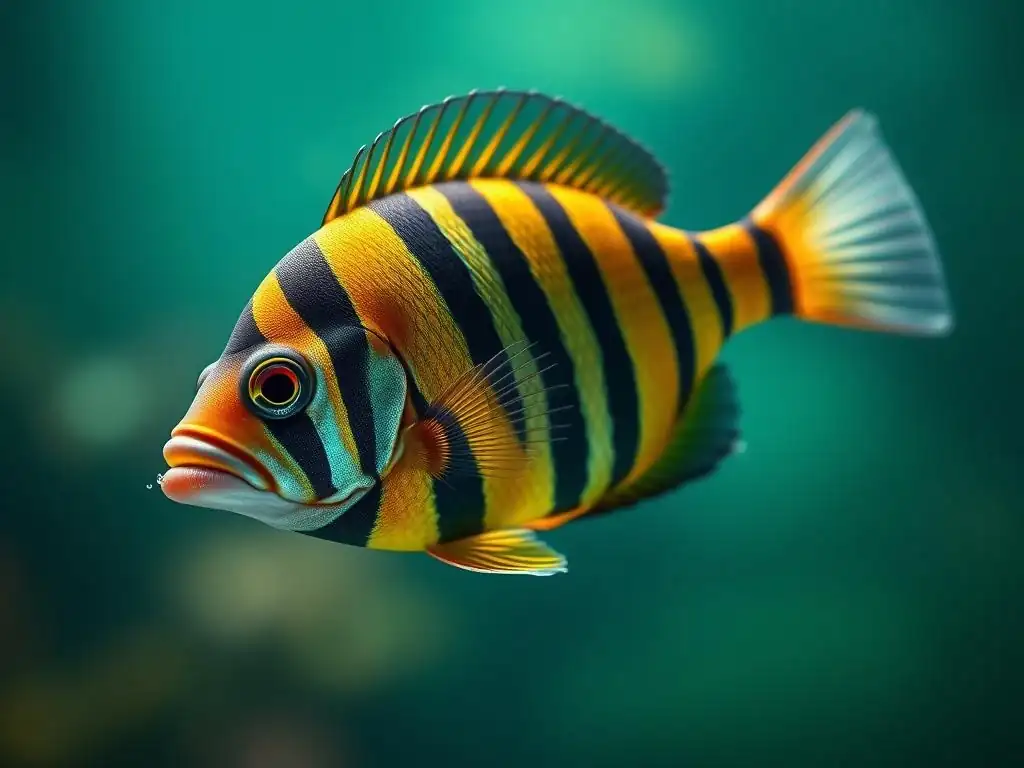
Implementing proactive strategies is key to fostering a peaceful environment for your Tiger Barbs and their tank mates. These solutions focus on addressing the root causes of aggression, rather than just treating the symptoms.
Increasing School Size: A Key Strategy for Reducing Aggression
One of the most effective Tiger barb aggression solutions is to increase the size of their school. Tiger Barbs are obligate schooling fish, meaning they thrive in large groups. When kept in small numbers (e.g., 3-4 individuals), their aggression tends to be concentrated on one or two weaker individuals, leading to relentless bullying and stress.
By contrast, in a larger school of 6-8 or more individuals, their natural aggression is "diluted" across the group. This "safety in numbers" principle means that no single fish bears the brunt of the aggression, as the nipping and chasing are spread out among many.
For instance, a school of 10 Tiger Barbs in a 55-gallon tank will generally exhibit significantly less individual aggression than 4 Tiger Barbs in a 20-gallon tank. Their natural instinct when in a large group is to school tightly for protection, which inherently reduces intra-species aggression and shifts their focus away from harassing other tank mates. Aiming for at least 6-8 individuals, and ideally 10 or more in larger aquariums, is a cornerstone strategy for maintaining a harmonious Tiger Barb community.
Tank Size Matters: Providing Adequate Space for Tiger Barbs
As previously highlighted, the physical dimensions of the aquarium are paramount in managing Tiger Barb aggression. A larger tank provides not only more swimming space but also allows for the creation of more distinct territories and numerous visual barriers. This ample space is essential for reducing stress and preventing constant, unavoidable interactions that can escalate into aggression. For example, upgrading a school of Tiger Barbs from a 20-gallon tank to a 40-gallon breeder tank can dramatically reduce instances of nipping and chasing simply by offering more room to maneuver and escape.
The benefits of sufficient tank volume are manifold: it minimizes territorial disputes, provides ample room for submissive fish to escape dominant individuals, and generally contributes to better water quality due to the larger water volume diluting waste products. While a 30-gallon (113 liters) tank is often cited as a minimum for a small school, a 55-gallon (208 liters) or larger aquarium is ideal for a thriving community of Tiger Barbs and their compatible tank mates. Providing adequate space is a foundational Tiger barb aggression solution.
Optimizing Tank Décor: Creating Visual Barriers and Break Lines
Strategic placement of aquarium décor is a highly effective method for mitigating Tiger Barb aggression. By creating visual barriers and break lines, you prevent fish from having a constant line of sight to each other. This reduces the likelihood of continuous chasing and allows weaker or targeted fish to retreat and find refuge, thereby significantly lowering their stress levels and contributing to overall tank peace.
Décor such as dense planting, carefully arranged rocks, and driftwood can effectively divide the tank into distinct zones. These elements provide physical hiding spots and interrupt open swimming areas, forcing dominant fish to break off pursuits. This environmental enrichment is a crucial Tiger barb aggression solution, mimicking the varied landscapes found in their natural habitats.
Using Plants to Reduce Tiger Barb Chasing
Aquatic plants are invaluable for breaking up lines of sight and providing essential cover for Tiger Barbs and their tank mates. Fast-growing, dense plant species such as Java Fern, Anubias, Amazon Swords, and various Cryptocoryne species can be strategically planted to create lush "forests" or thickets. For instance, a dense wall of Vallisneria along the back or sides of the tank offers extensive cover, allowing fish to disappear from view and escape aggressive encounters.
Beyond providing visual barriers, plants contribute to a healthier and more natural environment. They absorb nitrates, provide additional oxygen, and make the tank feel more secure for all inhabitants, which can reduce stress-induced aggression. Consider adding floating plants like Dwarf Water Lettuce or Frogbit to diffuse overhead light and offer additional top-level cover, further enhancing the sense of security and contributing to effective Tiger barb aggression solutions.
Incorporating Rocks and Wood for Territorial Definition
Hardscape elements such as smooth rocks and driftwood are equally important for optimizing tank décor and managing aggression. These items can be arranged to form caves, tunnels, and distinct territorial zones within the aquarium. For example, a large, intricate piece of driftwood spanning the tank can effectively divide the space, creating multiple smaller "territories" or simply providing numerous nooks and crannies for fish to hide.
The strategic placement of rocks and wood offers secure hiding spots for less dominant fish and breaks up the tank's open spaces, making it more challenging for a bully to maintain a continuous chase. These elements provide a sense of structure and security, allowing fish to establish small, temporary territories or find immediate refuge when feeling threatened. This thoughtful use of hardscape is an essential component of comprehensive Tiger barb aggression solutions.
Choosing the Right Tank Mates for Tiger Barbs: Compatibility Considerations
Selecting appropriate tank mates is perhaps one of the most critical aspects of managing Tiger Barb aggression. Their notorious fin-nipping tendencies mean that not all fish are suitable companions. Successful Tiger barb aggression solutions often hinge on creating a community of fish that can either withstand their boisterous nature or deter their aggressive impulses.
Best Tank Mates for Tiger Barbs: Temperament and Size Considerations
When selecting tank mates for Tiger Barbs, prioritize fish that are similarly sized, fast-moving, and robust enough to handle their energetic nature. Ideal companions are typically active, schooling fish that are not easily intimidated and do not possess long, flowing fins that might tempt a nip. Good choices include other active barb species such as Cherry Barbs, Rosy Barbs, and Denison Barbs, which share similar activity levels and social structures.
Larger, fast-moving tetras like Congo Tetras or Black Skirt Tetras, robust rainbowfish (e.g., Boesemani Rainbowfish, Neon Rainbowfish), and certain loaches (such as Clown Loaches or Kuhli Loaches) can also coexist peacefully. These species are typically quick enough to evade nips and are generally not easily stressed by the Barbs' antics.
For instance, a school of 6 Tiger Barbs often coexists well with 6 Congo Tetras in a 55-gallon tank due to their similar temperament and size. Larger, bottom-dwelling fish like Bristlenose Plecos are also generally safe, as their armored bodies and preferred habitat keep them out of the Barbs' way.
Fish to Avoid: Incompatible Species That Trigger Tiger Barb Aggression
To prevent the need for extensive Tiger barb aggression solutions, it is crucial to avoid housing Tiger Barbs with incompatible species. Any slow-moving fish, species with long, flowing fins, or timid, delicate fish are prime targets for relentless nipping and harassment. Common examples of fish to avoid include Angelfish, Guppies, Bettas, Gouramis (especially those with long, delicate feelers), Discus, and very small, docile tetras like Neon Tetras.
The long, flowing fins of Angelfish or Bettas are irresistible targets for Tiger Barbs, leading to constant stress, severe fin damage, and a high likelihood of secondary infections. Small, slow-moving fish will be perpetually harassed, preventing them from feeding properly and leading to chronic stress, illness, and ultimately, premature death. Understanding these incompatibilities is a fundamental step in preventing Tiger Barb aggression from becoming a serious issue in your aquarium.
Water Quality and Its Impact on Tiger Barb Temperament
Maintaining pristine water quality is paramount for the health and temperament of all aquarium fish, including Tiger Barbs. Poor or fluctuating water parameters can significantly increase stress levels, making fish more irritable and prone to aggressive behavior. Consistent water quality is therefore a non-negotiable component of effective Tiger barb aggression solutions.
Monitoring and Maintaining Optimal Water Parameters for Tiger Barbs
Tiger Barbs thrive in stable water conditions within specific ranges: a temperature of 74-79°F (23-26°C), a pH between 6.0 and 7.5, and a water hardness of 5-12 dGH. Regular and consistent monitoring of these parameters is essential. Weekly testing for ammonia (should always be 0 ppm), nitrite (should always be 0 ppm), and nitrate (ideally below 20 ppm) is crucial for identifying potential issues before they become problematic.
To maintain these optimal parameters, consistent partial water changes are necessary. Performing a 25-30% water change weekly helps dilute nitrates and replenish essential minerals. For example, a 25% weekly water change in a 55-gallon tank removes approximately 13.75 gallons of water, effectively preventing the buildup of harmful compounds. Adequate filtration (mechanical for debris, biological for ammonia/nitrite, chemical for clarity/odor) and avoiding overfeeding also contribute significantly to stable, high-quality water, directly impacting the fish's well-being and reducing the likelihood of stress-induced aggression.
The Link Between Poor Water Quality and Increased Aggression
Suboptimal water parameters exert chronic stress on fish, making them more susceptible to disease and significantly impacting their behavior. When exposed to poor water quality, Tiger Barbs, like many other fish, become irritable, lethargic, or, conversely, overly aggressive. For instance, elevated levels of ammonia or nitrite, even if not immediately fatal, cause gill damage and respiratory distress, leading to a constant state of discomfort and anxiety. This physiological stress can manifest as increased nipping, chasing, and overall heightened aggression within the tank.
High nitrate levels, while less acutely toxic than ammonia or nitrite, can also contribute to chronic stress and a weakened immune system over time. A Tiger Barb experiencing the effects of poor water quality is far more likely to lash out at tank mates, highlighting the direct link between environmental conditions and temperament. Therefore, meticulous water quality management is not just about health; it's a fundamental Tiger barb aggression solution that promotes a calmer, more peaceful aquarium environment.
Food competition is a common trigger for aggression in many fish species, and Tiger Barbs are no exception. Their energetic nature can lead to intense skirmishes during feeding times if not managed properly. Implementing smart feeding strategies is a simple yet effective Tiger barb aggression solution.
Regular Feeding Schedules: Minimizing Competition for Food
Inconsistent or insufficient feeding can heighten the competitive drive among Tiger Barbs. When food is scarce or unpredictable, fish become more aggressive in their pursuit of sustenance. To minimize this competition, it's best to feed small amounts 2-3 times a day rather than a single large meal. This approach ensures that all fish have ample opportunity to eat without a frantic scramble.
When Tiger Barbs learn that food is consistently available at regular intervals, their urgency and competitive tendencies naturally decrease. For example, offering a high-quality flake food in the morning and a small portion of frozen brine shrimp in the evening can significantly reduce instances of food-related nipping and chasing. Distributing the food across the surface of the tank, rather than in one concentrated spot, also allows more fish to access it simultaneously, further reducing competition and promoting a more peaceful feeding experience.
Variety in Diet: Satisfying Tiger Barb Nutritional Needs
Tiger Barbs are omnivores and thrive on a varied and balanced diet. Relying solely on one type of food, even a high-quality one, can lead to nutritional deficiencies and overall stress, which can contribute to aggression. Their diet should include a high-quality staple flake or pellet food, supplemented regularly with live or frozen foods such as bloodworms, brine shrimp, daphnia, and spirulina flakes.
A varied diet ensures that all their nutritional needs are met, contributing to their overall health, vitality, and reduced stress levels. For instance, offering frozen bloodworms twice a week provides essential proteins and fats, while spirulina flakes offer vital plant-based nutrients. When Tiger Barbs are well-nourished and their dietary needs are fully satisfied, they are generally less prone to boredom-induced aggression or territorial disputes arising from perceived resource scarcity. This holistic approach to feeding is a proactive Tiger barb aggression solution.
Recognizing and Addressing Tiger Barb Bullying: Intervention Strategies
Despite all preventative measures, sometimes a Tiger Barb may become an excessive bully, or a specific tank mate may become a persistent target. Recognizing these situations early and knowing when and how to intervene is crucial for the well-being of all fish in the aquarium.
Identifying Target Fish: Signs of Excessive Nipping
Identifying a target fish is the first step in addressing bullying. Look for specific signs that differentiate normal, brief nips from problematic, sustained aggression. A fish that is being excessively bullied will often show visible physical damage, such as severely torn, frayed, or missing fins. Beyond physical signs, observe behavioral cues: the target fish may appear stressed, exhibiting pale or faded coloration, clamped fins, or constantly hiding in a corner or behind décor, refusing to come out even for food.
In severe cases, the bullied fish may stop eating entirely, becoming emaciated and highly susceptible to disease. Unlike occasional nips that are quickly forgotten, sustained bullying involves one or more Tiger Barbs relentlessly pursuing a specific individual, preventing it from resting or feeding. When these signs become apparent, it indicates a need for immediate Tiger barb aggression solutions to prevent further harm.
Isolation and Quarantine: Temporarily Separating Bullies
If a specific Tiger Barb is identified as a persistent bully, temporarily removing it from the main tank can be an effective intervention. This strategy, often referred to as "time-out," breaks the bully's established dominance in the main tank and allows the bullied fish to recover and de-stress. The aggressive individual should be moved to a separate quarantine or "time-out" tank, typically a 5-10 gallon aquarium equipped with a heater and filter.
Keep the bully isolated for a period of 3-7 days. During this time, the social hierarchy in the main tank may shift, and the other fish can regain their confidence. This temporary separation serves as a direct Tiger barb aggression solution, providing immediate relief for the targeted fish and an opportunity for the main community to re-establish a more peaceful dynamic without the dominant individual.
Reintroducing Bullies: Monitoring for Continued Aggression
When the time comes to reintroduce the isolated bully, approach it carefully. To increase the chances of a successful reintroduction, consider rearranging the main tank décor just before returning the aggressive fish. This disrupts established territories and can make the returning fish feel like it's entering a new environment, potentially reducing its immediate urge to re-establish dominance aggressively.
After reintroduction, closely monitor the tank for the next few days. Observe whether the aggression resumes with the same intensity or if the fish integrates more peacefully. If the bullying behavior quickly returns and targets the same individuals, it may indicate that the specific Tiger Barb is simply too aggressive for your community setup. In such cases, permanent separation, rehoming the aggressive individual, or even considering a species-only tank for the Barbs might be the necessary long-term Tiger barb aggression solution.
Long-Term Strategies for Managing Tiger Barb Aggression: Prevention is Key
While immediate interventions are sometimes necessary, the most effective approach to managing Tiger Barb aggression is through long-term preventative strategies. By consistently providing an optimal environment and attentive care, you can significantly reduce the likelihood of aggression becoming a persistent problem.
Maintaining a Stable and Enriching Aquarium Environment
Consistency and enrichment are cornerstones of long-term aggression management. Maintaining stable water parameters (temperature, pH, ammonia, nitrite, nitrate) through regular water changes and proper filtration reduces chronic stress, which is a primary driver of aggression. A consistent feeding schedule with a varied diet ensures nutritional needs are met, preventing food-related conflicts and general irritability. Furthermore, a well-planted and appropriately sized tank provides the necessary space and visual barriers that diminish opportunities for prolonged chasing and bullying.
An enriching environment goes beyond basic needs; it involves providing varied hiding spots, open swimming areas, and a diverse landscape that keeps the fish mentally stimulated. When Tiger Barbs are in an environment that caters to their natural behaviors and reduces stress, they are far less likely to exhibit excessive aggression. This holistic approach is a continuous Tiger barb aggression solution, creating a thriving habitat where these active fish can express their natural behaviors without causing harm.
Observing and Adapting: Continuously Assessing Tank Dynamics
Successful long-term management of Tiger Barb aggression requires ongoing observation and a willingness to adapt. Regularly spending time watching your fish's behavior allows you to detect early signs of increased nipping, stress, or shifts in the social hierarchy. Early detection means you can intervene before minor issues escalate into major problems. For example, noticing one fish constantly hiding or exhibiting clamped fins might signal the need to add more cover or increase the school size.
Be prepared to adjust your strategies based on your observations. If a new tank mate introduces unforeseen conflicts, or if a particular Tiger Barb consistently acts as a bully despite all efforts, you may need to re-evaluate tank mates, modify décor, or even consider rehoming certain individuals. The aquarium is a dynamic ecosystem, and continuous assessment and adaptation are vital for maintaining harmony. This proactive and flexible mindset is a key long-term Tiger barb aggression solution, ensuring the well-being of your entire aquatic community.
Tiger Barb Fin Nipping Explained: Causes and Treatments
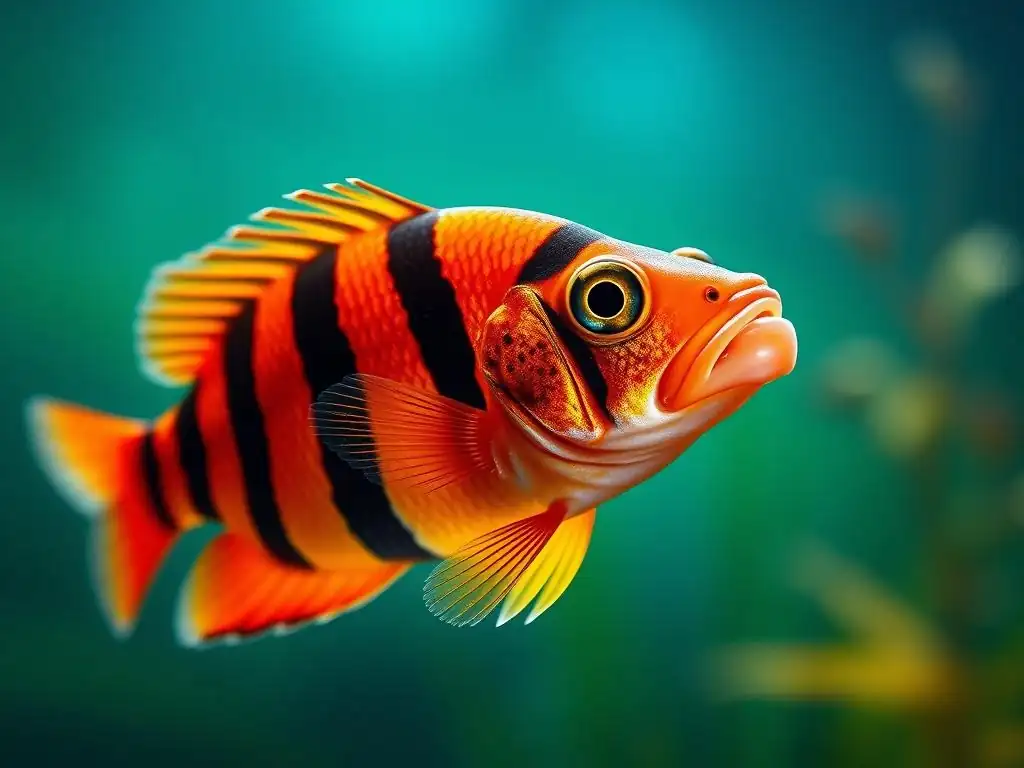
Fin nipping is a common behavior associated with Tiger Barbs, often causing distress to aquarists. Understanding why they nip and how to treat the resulting damage is crucial for maintaining a healthy and peaceful community tank.
Understanding Fin Nipping Behavior in Tiger Barbs
Tiger Barbs are notorious fin nippers, a behavior that stems from several factors. Primarily, it's a manifestation of their highly active and boisterous nature, often a way to establish dominance within their school or assert their presence. In a healthy, large school, some internal fin nipping might occur, but it's usually brief and rarely results in significant damage. However, when Tiger Barbs are kept in insufficient numbers (e.g., fewer than 6) or in tanks that are too small, their aggression becomes concentrated, leading to more persistent nipping, especially on tank mates.
Beyond natural social dynamics, fin nipping can also be a sign of boredom or stress if the aquarium environment is not stimulating enough, lacks adequate hiding spots, or if water quality is poor. They are "opportunistic" nippers, meaning that long, flowing fins or slow-moving fish present an irresistible target. Persistent fin nipping on other species (like Angelfish, Bettas, or Guppies) is a clear indicator of an unsuitable environment or tank mate selection, signaling an urgent need for Tiger barb aggression solutions.
Treating Damaged Fins: Preventing Secondary Infections
If your fish's fins have been nipped, the immediate priority is to prevent secondary bacterial or fungal infections, which are common complications of fin damage. The most crucial step is to maintain pristine water quality. Perform daily or every-other-day partial water changes (e.g., 25% of the tank volume for a week) to keep ammonia, nitrite, and nitrate levels at zero or very low. Clean, stable water significantly aids in the healing process and reduces the risk of pathogens taking hold.
In severe cases where fin damage is extensive or signs of infection (e.g., white fuzzy growth, red streaks, further deterioration) are present, a broad-spectrum antibacterial or antifungal medication may be necessary. Products like Furan-2 or API Melafix (ensure it's safe for your specific fish and follow dosage instructions precisely) can help. Always move the affected fish to a separate quarantine tank for treatment if possible, to avoid medicating the entire main tank. Crucially, while treating the symptoms, the underlying cause of the nipping must be addressed to prevent recurrence, making this a two-pronged Tiger barb aggression solution.
Advanced Tiger Barb Care: Beyond Basic Aggression Management
Once you've mastered the art of managing Tiger Barb aggression, you might consider delving into more advanced aspects of their care, such as breeding or recognizing and treating common diseases. These areas further enhance your understanding and ability to provide a thriving environment for these dynamic fish.
Breeding Tiger Barbs: Understanding Spawning Behaviors
Breeding Tiger Barbs can be a rewarding experience, showcasing another facet of their natural behavior. To encourage spawning, a separate breeding tank of 10-20 gallons (38-75 liters) is typically required. The water in this tank should be soft (around 5 dGH) and slightly acidic (pH 6.0-6.5), with a temperature around 78°F (25.5°C). Provide fine-leaved plants like Java Moss or a spawning mop for the eggs to adhere to, as Tiger Barbs are egg scatterers.
Males become more intensely colored and exhibit increased chasing behavior during courtship. Spawning usually occurs in the morning, with the female scattering hundreds of small, clear eggs among the plants, which the male then fertilizes. It is crucial to remove the adult fish immediately after spawning, as they will readily consume their own eggs. The eggs typically hatch within 36-48 hours, and the fry become free-swimming a few days later, requiring infusoria or specialized fry food.
Recognizing and Treating Common Tiger Barb Diseases
Despite their hardiness, Tiger Barbs can be susceptible to common freshwater fish diseases, especially if water quality is poor or they are under stress from aggression. Key diseases to recognize include Ich (White Spot Disease), Fin Rot, Fungal Infections, and Dropsy. Ich presents as small white spots resembling salt grains on the body and fins, often accompanied by scratching against décor.
Fin Rot causes fins to appear ragged, frayed, or to melt away, often with a reddish or white edge. Fungal infections manifest as cotton-like growths on the body or fins, while Dropsy causes the fish's scales to protrude, making it look like a pinecone, often due to internal organ failure.
Upon noticing symptoms, immediately quarantine the affected fish to prevent the spread of disease and to allow for targeted treatment. For Ich, gradually raise the tank temperature to 82-84°F (28-29°C) (if compatible with tank mates) and use an Ich-specific medication. Fin Rot and fungal infections typically respond well to improved water quality and broad-spectrum antibacterial or antifungal medications. Dropsy is often difficult to treat successfully, but improving water quality and offering medicated food might help in early stages. Always correctly diagnose the disease and follow medication instructions precisely, remembering that prevention through excellent husbandry is the best cure.
Conclusion: Mastering the Art of Keeping Peaceful Tiger Barbs
Tiger Barbs, with their vibrant colors and dynamic energy, can be a fantastic addition to the right freshwater aquarium. While their reputation for aggression can be daunting, it's crucial to understand that this behavior is largely manageable and often a symptom of environmental deficiencies or unsuitable tank mates. By recognizing their natural schooling instincts and providing an optimal habitat, aquarists can largely mitigate their aggressive tendencies.
Achieving a Harmonious Aquarium with Tiger Barbs
Achieving a harmonious aquarium with Tiger Barbs hinges on a multi-faceted approach centered on proactive care. This includes providing an adequately sized tank (ideally 30 gallons or more for a school of 6-8), maintaining a large school of at least six individuals to dilute aggression, and carefully selecting robust, fast-moving tank mates while avoiding slow, long-finned species.
Furthermore, meticulous attention to water quality through regular changes and effective filtration, coupled with consistent and varied feeding strategies, significantly reduces stress-induced aggression. By understanding their natural behaviors and diligently implementing these comprehensive Tiger barb aggression solutions, aquarists can enjoy these captivating fish in a thriving, peaceful community tank for years to come.
Frequently Asked Questions
It's often difficult to tell. Normal social interaction involves some nipping and chasing, but excessive or persistent harassment of other fish, especially those of different species, indicates problematic aggression. Monitor for signs of stress in the bullied fish.
What tank size is recommended to minimize aggression in Tiger Barbs?
Tiger Barbs need ample space to swim and establish territories. A larger tank, ideally 30 gallons or more, is crucial for diluting aggression and providing enough room for fish to escape conflicts.
How does the number of Tiger Barbs in a school affect their aggression levels?
Tiger Barbs are schooling fish and thrive in groups. Keeping them in larger schools (6 or more) can actually reduce aggression. The aggression gets distributed among themselves, rather than focused on a single individual or other species.
What types of tank mates should I avoid when keeping Tiger Barbs?
Avoid keeping Tiger Barbs with long-finned or slow-moving fish, such as bettas or guppies. Their flowing fins are often irresistible targets for Tiger Barb nipping behavior, leading to stress and injury.
What are some immediate steps I can take to reduce Tiger Barb aggression in my aquarium?
Consider adding more hiding places like plants, rocks, or driftwood to offer refuge. You can also try rearranging the tank decor which can disrupt established territories and temporarily reduce aggression.
Final Reflection: Embracing Harmony in the Aquarium
The insights shared within this article, focusing on understanding and mitigating Tiger Barb aggression, are more relevant than ever in today's aquascaping world. As hobbyists increasingly seek to create thriving, balanced ecosystems within their tanks, the ability to decode the nuanced behaviors of species like the Tiger Barb becomes paramount to preventing conflict and fostering a harmonious aquatic environment.
This journey into the social dynamics of Tiger Barbs has underscored the importance of responsible fishkeeping and the profound impact we have on the lives of these creatures. It's not just about aesthetics; it's about creating an environment where they can thrive, express their natural behaviors, and coexist peacefully. The greatness of a nation and its moral progress can be judged by the way its animals are treated.
- Mahatma Gandhi. This quote, while broad, resonates deeply when considering our role as caretakers of these miniature ecosystems.
Now, as you step away from this article, I invite you to reflect on your own aquascaping practices. Consider how you can apply these insights to create a more enriching and peaceful environment for your Tiger Barbs, or indeed, any fish under your care. By understanding their needs and addressing potential sources of aggression, you can transform your aquarium from a potential battleground into a vibrant testament to the beauty of balanced aquatic life.
Unleash Your Inner Tiger Barb Whisperer!
Thanks for diving deep into the captivating world of Tiger Barbs! We hope you've gained a new appreciation for their complex social lives and unique behaviors. Now, let's turn that knowledge into action to ensure your Tiger Barbs thrive.
Here's how you can become the ultimate Tiger Barb caregiver:
- Implement the strategies discussed in the article to reduce aggression, such as increasing their numbers and providing ample hiding spots. Observe and adjust as needed to find the sweet spot for your specific tank.
- Share your insights! Engage with other aquarists on forums or social media to exchange experiences and tips on keeping Tiger Barbs happy.
- Get creative! Experiment with different tank setups, decorations, and even feeding schedules to observe how these changes affect your Tiger Barbs' behavior. Document your findings!
What's one small change you'll make in your tank this week to better accommodate your Tiger Barbs' needs?