
Congo Tetra Tank Mates & Schooling: Creating a Stunning Riverine Spectacle

Welcome to Aquarium Mastery!
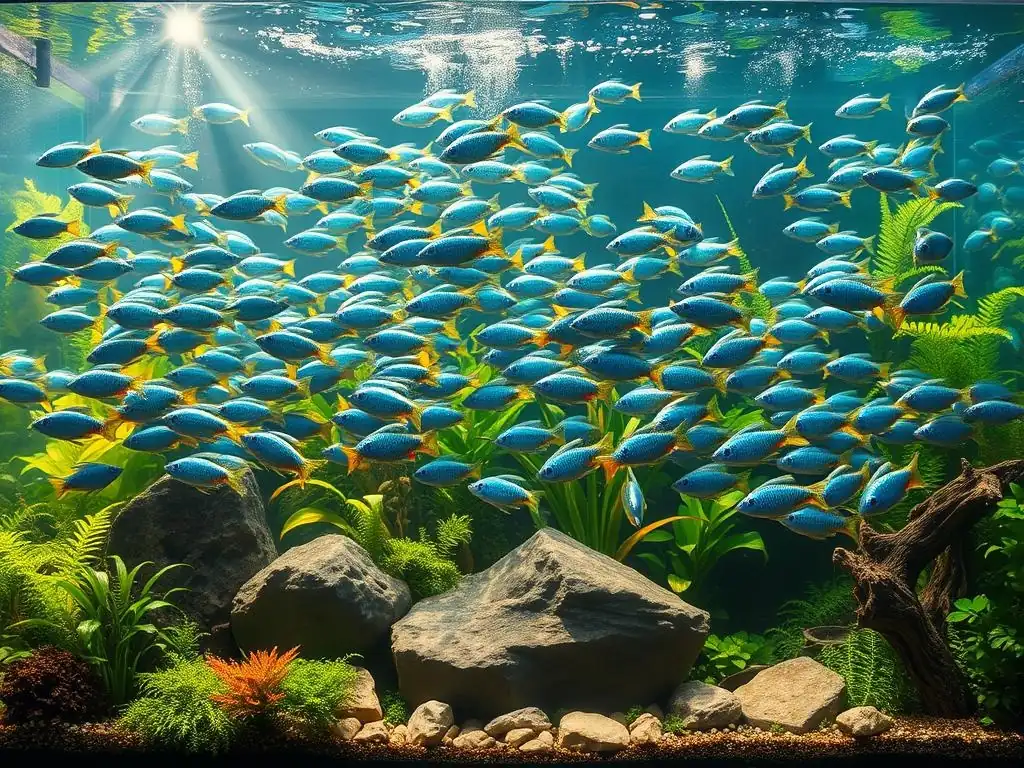
Dive into the captivating world of freshwater aquariums and discover the secrets to creating a thriving ecosystem. Ever wondered if your Congo Tetras are truly living their best lives? In this guide, we unravel the mysteries of Congo Tetra Tank Compatibility, revealing the perfect tank mates and schooling dynamics to transform your aquarium into a stunning riverine spectacle. Curious to learn which fish make the best companions? Let's explore!
- Understanding the Congo Tetra: A Riverine Jewel for Your Aquarium
- Optimizing Your Tank for Congo Tetra Compatibility
- Congo Tetra Tank Compatibility: Choosing the Right Tank Mates
- Best Congo Tetra Tank Mates: A Detailed Guide
- Problem Tank Mates: Fish to Avoid with Congo Tetras
- Maintaining a Healthy Congo Tetra School
- Enhancing Congo Tetra Schooling Behavior
- Breeding Congo Tetras: A Challenging but Rewarding Experience
- Creating a Stunning Riverine Spectacle: Tips and Tricks
- Congo Tetra Care: Ensuring a Long and Healthy Life
- Frequently Asked Questions
- Final Reflection: Embracing Harmony in the Aquarium
- Reimagine Your Aquarium: Unleash the Congo Tetra's Full Potential!
Understanding the Congo Tetra: A Riverine Jewel for Your Aquarium
Congo Tetra Profile: Size, Appearance, and Lifespan
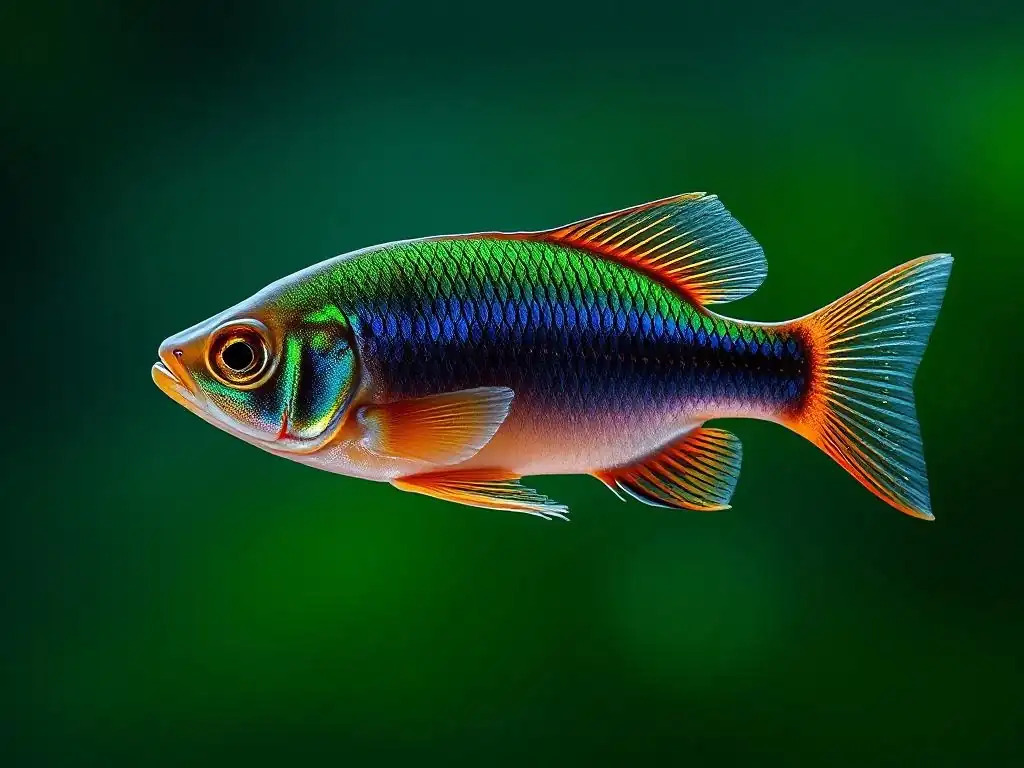
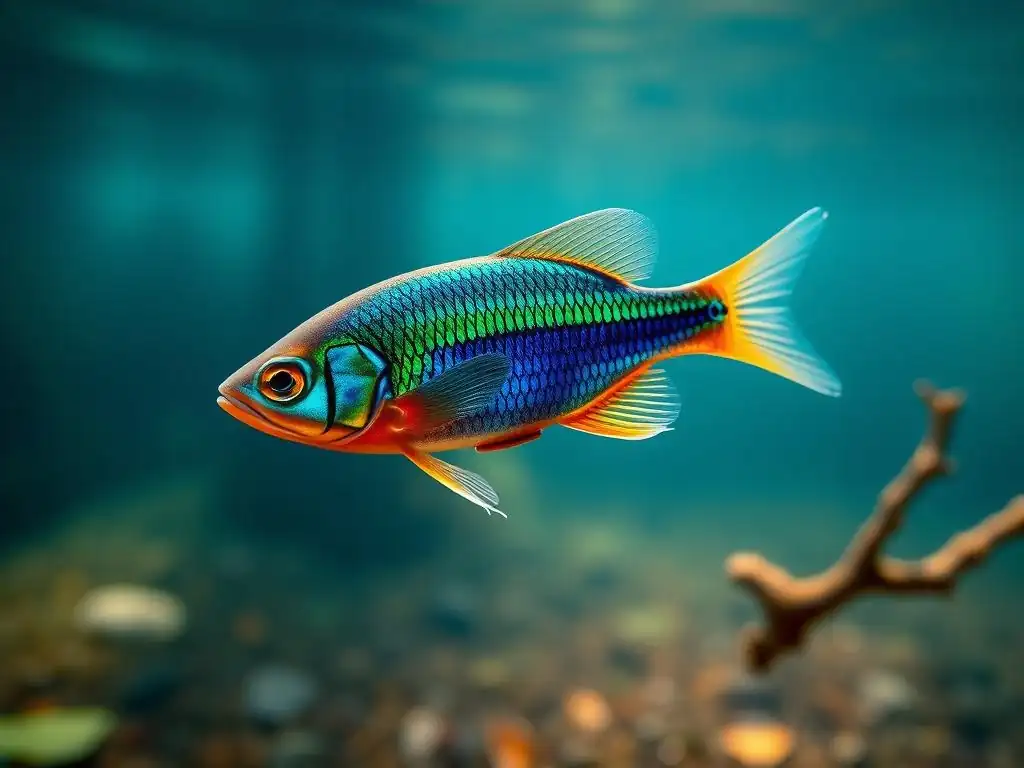
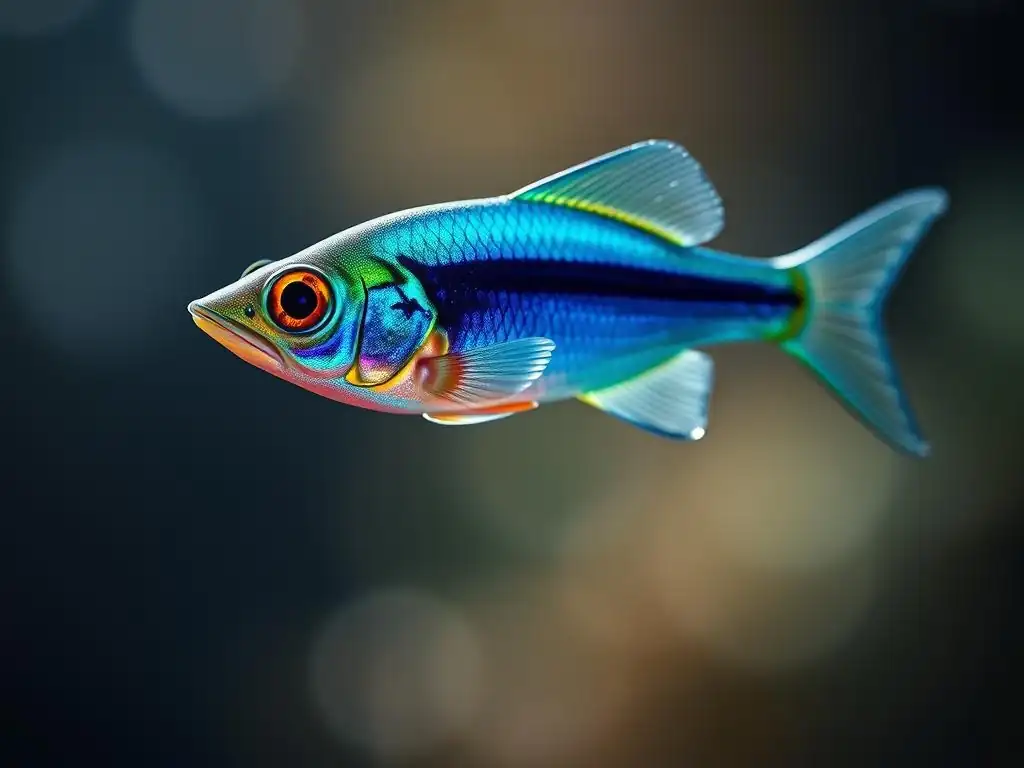
The Congo Tetra, scientifically known as Phenacogrammus interruptus, is a stunning freshwater fish celebrated for its iridescent beauty. Males, typically larger and more vibrant, display a spectrum of colors including blue, green, orange, and purple hues, often with elongated dorsal and caudal fins that give them a flowing, elegant appearance. Females are generally smaller, reaching about 2.5 to 3 inches (6-7.5 cm), and possess a more subdued, silvery-gold coloration, though still quite attractive. Males can grow up to 3.5 inches (9 cm) in length.
These active and peaceful fish typically have a lifespan of 3 to 5 years in a well-maintained aquarium, with some individuals living up to 6 years under optimal conditions. Their active schooling nature and dazzling colors make them a focal point in any community tank, provided their specific needs for space and compatible Congo Tetra tank mates are met. Their unique appearance and lively demeanor contribute significantly to the aesthetic appeal of a freshwater setup.
Natural Habitat and Behavior of Congo Tetras
Congo Tetras originate from the Congo River basin in Central Africa, primarily found in the Stanley Pool region and its surrounding tributaries. Their natural habitat consists of slow-moving, heavily vegetated waters, often with sandy or muddy substrates and an abundance of submerged roots and driftwood. This environment provides both open swimming areas and ample cover, mimicking the conditions necessary for their well-being in an aquarium.
In the wild, Congo Tetras are diurnal, actively foraging for small insects, insect larvae, crustaceans, and some plant matter. Their innate schooling behavior serves as a crucial defense mechanism against predators, allowing them to move as a unified group to confuse and deter threats. Understanding these natural behaviors is fundamental to providing appropriate care and selecting suitable Congo Tetra tank compatibility options, ensuring a stress-free environment that promotes their natural schooling instincts.
Congo Tetra Schooling Behavior: Why It Matters
Congo Tetras are obligate schooling fish, meaning they absolutely thrive and feel secure when kept in groups. A minimum school size of 6 to 8 individuals is recommended, though a group of 10 or more is ideal to truly observe their natural behaviors and vibrant colors. When kept in insufficient numbers, Congo Tetras can become shy, stressed, and prone to illness, often hiding and losing their characteristic luster.
A larger school provides a sense of security, reduces individual stress levels, and minimizes potential aggression, especially among males vying for attention. Observing a large school of Congo Tetras swimming synchronously is one of the most captivating sights in the aquarium hobby. This strong schooling instinct is a key factor when considering Congo Tetra tank compatibility, as their comfort and confidence directly impact their interactions with other species.
Optimizing Your Tank for Congo Tetra Compatibility
Ideal Congo Tetra Tank Size and Setup
For a healthy school of 6-8 Congo Tetras, a minimum tank size of 30 gallons (approximately 113 liters) is recommended. However, to truly allow for ample swimming space, robust schooling behavior, and the successful inclusion of compatible Congo Tetra tank mates, a 40 to 55-gallon (150-200 liters) aquarium is highly preferred. These fish are active swimmers and require significant horizontal space to display their natural schooling patterns.
The tank setup should balance open swimming areas in the mid-water column with densely planted sections along the sides and back. This provides security and hiding spots without impeding their movement. A secure lid is essential, as Congo Tetras are known to be jumpers, especially when startled. The substrate can be fine sand or smooth, dark gravel, which also helps to highlight their vibrant coloration.
Water Parameters for a Thriving Congo Tetra School
Maintaining stable and appropriate water parameters is paramount for the health and vibrancy of Congo Tetras. They thrive in soft to moderately hard, slightly acidic to neutral water. Ideal temperature ranges from 73-80°F (23-27°C), with a pH between 6.0 and 7.5, and a general hardness (GH) of 4-18 dGH. Consistency in these parameters is far more important than hitting exact numbers, as sudden fluctuations can cause significant stress.
Pristine water quality is non-negotiable. Ammonia and nitrite levels must be zero, and nitrates should be kept below 20 ppm through regular water changes and efficient filtration. A well-cycled biological filter is crucial for breaking down waste products. Optimal water parameters directly influence Congo Tetra tank compatibility, as healthy fish are less susceptible to stress-related behaviors or diseases that could impact tank dynamics.
Essential Plants and Decorations for a Congo Tetra Biotope
To replicate their natural riverine environment and enhance Congo Tetra tank compatibility, select plants that provide cover while leaving ample swimming space. Hardy, broad-leaved plants like Anubias, Java Fern, and various species of Amazon Swords are excellent choices. Taller background plants such as Vallisneria or Cryptocoryne species can create lush green walls, offering security without cluttering the foreground. Floating plants like Frogbit or Dwarf Water Lettuce can also be beneficial, diffusing overhead light and mimicking the shaded areas of their natural habitat.
Beyond live plants, incorporating natural decorations like smooth river rocks and various types of driftwood (e.g., Malaysian or Manzanita wood) is highly recommended. Driftwood not only offers additional hiding spots and visual interest but also slowly releases tannins into the water. These tannins can slightly lower the pH and create a natural, tea-stained appearance, which is beneficial for Congo Tetras and contributes to a more authentic biotope feel. This thoughtful landscaping reduces stress and promotes natural behaviors.
Congo Tetra Tank Compatibility: Choosing the Right Tank Mates
Peaceful Community Fish for Congo Tetra Tanks
When selecting tank mates for Congo Tetras, the primary consideration is their peaceful temperament and similar size. Ideal companions are non-aggressive species that won't nip fins or compete excessively for food. This includes other medium-sized tetras, various rasboras, most species of Corydoras catfish, and peaceful plecos like the Bristlenose. The key to successful Congo Tetra tank compatibility lies in choosing species that share similar water parameter requirements and activity levels, ensuring a harmonious community.
It is crucial to avoid fish that are either too small and could be seen as prey, or those that are overly boisterous or territorial. Even within peaceful categories, individual fish personalities can vary, so careful observation during the initial introduction period is essential. A well-chosen community enhances the overall health and display of your Congo Tetras, allowing them to exhibit their vibrant colors and natural schooling behavior without undue stress.
Compatible Tetra Species for a Diverse Aquarium
Congo Tetras can coexist beautifully with other medium-sized, peaceful tetra species, creating a diverse and visually appealing community. Excellent choices for Congo Tetra tank compatibility include Emperor Tetras ( Nematobrycon palmeri), Lemon Tetras ( Hyphessobrycon pulchripinnis), Rummy Nose Tetras ( Hemigrammus bleheri), and even certain peaceful varieties of Black Skirt Tetras ( Gymnocorymbus ternetzi). These species generally occupy similar mid-water columns but are not aggressive towards one another.
While these tetras are largely compatible, it's important to maintain appropriate school sizes for each species. For instance, Rummy Nose Tetras also benefit from being in groups of 6 or more to reduce stress and display their iconic red noses. Observing feeding dynamics is also important to ensure all fish get their share, as some tetras can be faster eaters. By ensuring adequate space and school sizes for all inhabitants, you foster excellent Congo Tetra tank compatibility and a thriving multi-species environment.
Avoiding Aggressive or Fin-Nipping Fish with Congo Tetras
Despite their relatively robust size, Congo Tetras possess delicate, flowing fins, particularly the elongated fins of the males. This makes them vulnerable to fin-nipping species. Therefore, it is imperative to avoid notorious fin-nippers such as Tiger Barbs ( Puntigrus tetrazona) or Serpae Tetras ( Hyphessobrycon eques), unless they are kept in a very large school of their own in an exceptionally spacious tank and observed constantly. Even then, the risk to Congo Tetras remains high.
Furthermore, overly aggressive cichlids, such as many African Cichlids or larger South American cichlid species like Oscars ( Astronotus ocellatus), are entirely unsuitable for Congo Tetra tank compatibility. These species can cause severe stress, physical injury, or even prey upon Congo Tetras. Similarly, highly territorial fish or those that grow significantly larger than Congo Tetras should be avoided to prevent harassment and ensure the well-being of your school.
Best Congo Tetra Tank Mates: A Detailed Guide
Top 5 Peaceful Tank Mates for Congo Tetras
Selecting the right companions is crucial for the well-being and display of your Congo Tetras. The top 5 peaceful tank mates for excellent Congo Tetra tank compatibility are: Emperor Tetras, Lemon Tetras, Sterbai Corydoras, Bristlenose Plecos, and Harlequin Rasboras. These species are chosen for their non-aggressive nature, similar water parameter requirements, and their tendency to occupy different tank levels, minimizing direct competition for space.
These recommended tank mates contribute to a balanced and visually appealing aquarium without posing a threat to the delicate fins or peaceful disposition of the Congo Tetras. Their presence can even encourage the Congo Tetras to be more active and display their full range of natural behaviors, making them an ideal choice for a thriving community setup.
Emperor Tetra: Profile and Compatibility
The Emperor Tetra ( Nematobrycon palmeri) is a visually striking fish native to the Atrato and San Juan River basins in Colombia. Males are particularly handsome, featuring a distinctive trident-shaped caudal fin and iridescent blue-purple bodies with a prominent black stripe. They typically grow to about 2 inches (5 cm) and have a lifespan of 3-5 years. Like Congo Tetras, they are peaceful schooling fish and thrive in groups of 6 or more.
Emperor Tetras exhibit excellent Congo Tetra tank compatibility. Their similar size and calm temperament ensure they won't harass or nip at the Congo Tetras' fins. They tend to occupy the mid-to-upper levels of the tank, while Congo Tetras are often found in the mid-to-lower regions, which helps to reduce direct competition for swimming space. Their complementary beauty and peaceful nature make them a superb addition to a Congo Tetra community.
Lemon Tetra: Profile and Compatibility
The Lemon Tetra ( Hyphessobrycon pulchripinnis) hails from Brazil and is known for its subtle yet captivating beauty. These tetras possess a pale yellow, translucent body, often with a hint of green, and striking red eyes that stand out. They remain relatively small, reaching about 1.5-2 inches (4-5 cm) in length, and typically live for 3-4 years. Lemon Tetras are renowned for their peaceful demeanor and are active schooling fish.
Their gentle nature makes them highly compatible as Congo Tetra tank mates. They are not fin-nippers and will not bother the larger Congo Tetras, sharing similar preferences for soft, slightly acidic water conditions. Their schooling behavior complements that of the Congo Tetras, adding another layer of dynamic movement and subtle color to the aquarium without creating any conflict.
Sterbai Corydoras: Profile and Compatibility
Sterbai Corydoras ( Corydoras sterbai) are charming bottom-dwelling catfish originating from Brazil. They are easily recognizable by their distinctive black and white spotted pattern and bright orange pectoral fins. Growing to about 2.5 inches (6 cm), these peaceful scavengers can live for 5-8 years. They are highly social and should be kept in schools of at least 6 individuals.
These corydoras are a perfect choice for Congo Tetra tank compatibility because they occupy an entirely different niche in the aquarium. They spend their time sifting through the substrate for food particles, never interfering with the mid-water swimming Congo Tetras. Their peaceful nature ensures they pose no threat, and they actively contribute to keeping the tank clean, making them an invaluable member of a community setup.
Bristlenose Pleco: Profile and Compatibility
The Bristlenose Pleco ( Ancistrus spp.) is a popular and beneficial algae-eating catfish native to South America. Unlike many larger pleco species, Bristlenoses remain relatively small, typically reaching 4-5 inches (10-13 cm) in length, and can live for 5-10 years. Males develop characteristic fleshy "bristles" on their snout. They are primarily nocturnal and spend their days grazing on algae and biofilm.
Bristlenose Plecos offer excellent Congo Tetra tank compatibility. They are peaceful, non-aggressive, and do not bother other fish. As bottom-dwellers and algae-eaters, they do not compete for food or swimming space with the mid-water dwelling Congo Tetras. Their presence helps maintain a cleaner tank by consuming algae, making them a practical and harmonious addition to the aquarium.
Harlequin Rasbora: Profile and Compatibility
The Harlequin Rasbora ( Trigonostigma heteromorpha) is a small, attractive schooling fish from Southeast Asia, particularly Malaysia, Singapore, and Thailand. They are characterized by their reddish-orange body with a distinctive black, wedge-shaped mark on their side. Harlequins grow to about 1.5-2 inches (4-5 cm) and have a lifespan of 5-6 years. They are known for their peaceful temperament and active schooling behavior.
While slightly smaller than Congo Tetras, Harlequin Rasboras are an excellent choice for Congo Tetra tank compatibility due to their calm disposition and shared preference for soft, slightly acidic water. They are not fin-nippers and will not harass the larger tetras. Their schooling patterns add another layer of visual interest to the tank, and their peaceful nature ensures a stress-free environment for all inhabitants.
Problem Tank Mates: Fish to Avoid with Congo Tetras
Aggressive Fish That Can Harm Congo Tetras
Introducing aggressive fish into a tank with Congo Tetras is a recipe for disaster. Species such as most large cichlids (e.g., Oscar, Jack Dempsey, Flowerhorn) or larger predatory fish (e.g., Arowana) are completely unsuitable. Even some semi-aggressive species, if not properly managed or if the tank is too small, can pose a significant threat. These fish often view Congo Tetras as potential prey or simply as competitors for territory.
The risks associated with keeping aggressive species include direct physical attacks, severe fin damage, and constant harassment. This ongoing stress can weaken the Congo Tetras' immune systems, making them highly susceptible to diseases, and ultimately leading to their demise. Such pairings severely compromise Congo Tetra tank compatibility and should be avoided at all costs to ensure the well-being of your Congo Tetras.
Fin-Nippers That Stress Congo Tetras
Congo Tetras are particularly vulnerable to fin-nipping fish due to their delicate, flowing fins, especially the elongated dorsal and caudal fins of the males. Common culprits include Tiger Barbs ( Puntigrus tetrazona), Serpae Tetras ( Hyphessobrycon eques), and sometimes even certain species of Danios if not kept in very large schools themselves. These fish are known for their tendency to nip at the fins of slower-moving or long-finned tank mates.
The consequences of fin-nipping extend beyond mere aesthetic damage. Constant nipping causes chronic stress, leading to a weakened immune system and increased susceptibility to bacterial and fungal infections. This continuous harassment can also make Congo Tetras shy, withdrawn, and reluctant to school, diminishing their natural beauty and significantly impacting their overall health and enjoyment in the aquarium. Avoiding these species is crucial for maintaining good Congo Tetra tank compatibility.
Fish That Compete for Food with Congo Tetras
While Congo Tetras are active feeders, they can be outcompeted by extremely fast-eating or dominant species. This can include some larger, very active livebearers (such as certain Molly or Swordtail varieties if they are overly aggressive during feeding) or highly boisterous barb species. If tank mates consume all the food before the Congo Tetras have a chance to eat sufficiently, it can lead to malnutrition and reduced vitality for your tetras.
It's important to observe feeding dynamics closely in a community tank. If you notice that your Congo Tetras are not getting enough food, consider strategies like feeding small amounts multiple times a day, or offering food at different levels of the tank simultaneously. Ensuring all fish receive adequate nutrition is vital for their health and contributes to a balanced environment where Congo Tetra tank compatibility remains high.
Maintaining a Healthy Congo Tetra School
Feeding Your Congo Tetras: Diet and Nutrition
Congo Tetras are omnivorous, requiring a varied and balanced diet to maintain their vibrant colors and overall health. A high-quality flake food or small pellet food should form the staple of their diet. To supplement this, offer live or frozen foods such such as bloodworms, brine shrimp, daphnia, or mosquito larvae 2-3 times a week. This variety mimics their natural diet and provides essential nutrients that enhance their immune system and coloration.
It is best to feed Congo Tetras small amounts 2-3 times a day, only what they can consume within 2-3 minutes. Overfeeding can lead to excess waste, which degrades water quality and contributes to health issues. A well-fed Congo Tetra school is more active, displays brighter colors, and is better equipped to resist disease, contributing to long-term Congo Tetra tank compatibility.
Regular Water Changes and Tank Maintenance
Consistent and diligent tank maintenance is the cornerstone of a healthy Congo Tetra aquarium. Weekly or bi-weekly water changes of 25-30% are crucial for removing accumulated nitrates and other waste products. During water changes, use a gravel vacuum to siphon out detritus from the substrate, paying attention to areas under decorations. Always use dechlorinated water that is temperature-matched to the aquarium to prevent shock.
Regularly check and clean your filter media, rinsing sponges and mechanical media in old tank water to preserve beneficial bacteria. Avoid cleaning all filter media simultaneously, and never rinse biological media in chlorinated tap water, as this can crash your nitrogen cycle. Consistent monitoring of water parameters (ammonia, nitrite, nitrate, pH, temperature) and proactive maintenance prevent stress and disease, which are vital for successful Congo Tetra tank compatibility.
Identifying and Treating Common Congo Tetra Diseases
Early detection of disease is key to successful treatment and preventing widespread outbreaks in your Congo Tetra school. Common ailments include Ich (Ichthyophthirius multifiliis), characterized by white spots resembling salt grains; Fin Rot, which causes frayed or disintegrating fins; and various fungal or bacterial infections, often seen as fuzzy growths or red sores. Observe your fish daily for signs of lethargy, clamped fins, loss of appetite, dull coloration, abnormal swimming, or visible lesions.
If disease is suspected, it is often beneficial to quarantine affected fish in a separate hospital tank to prevent spread and allow for targeted treatment. Use appropriate aquarium medications following the manufacturer's instructions carefully. However, the best defense against disease is prevention: maintaining pristine water quality, providing a balanced diet, and ensuring ideal Congo Tetra tank compatibility to minimize stress, which can suppress their immune systems.
Enhancing Congo Tetra Schooling Behavior
Optimizing Tank Conditions for Schooling
To encourage robust schooling behavior, ensure your tank meets the specific needs of Congo Tetras. Providing a sufficiently large aquarium, ideally 40-55 gallons (150-200 liters) for a school of 8-10 or more, is paramount. Ample space allows them to form tight, cohesive schools without feeling cramped or stressed. A larger school size also naturally makes individual fish feel more secure, prompting them to school more readily.
Maintaining stable and optimal water parameters (temperature 73-80°F, pH 6.0-7.5, GH 4-18 dGH) is also critical. Fluctuations in water quality or temperature can stress Congo Tetras, causing them to break schooling patterns, become reclusive, or exhibit erratic behavior. A consistently clean and stable environment, along with good Congo Tetra tank compatibility, fosters their natural schooling instincts.
Encouraging Natural Schooling with Tank Design
Thoughtful tank design can significantly enhance the schooling behavior of Congo Tetras. Create open swimming areas in the middle and front of the tank, allowing them unobstructed space to move as a group. Complement this with dense planting along the sides and back, providing secure hiding spots and a sense of cover. This balance encourages them to school in the open while knowing they have safe retreats.
A gentle water flow, mimicking their natural riverine environment, can also subtly encourage schooling. Avoid strong, turbulent currents that might exhaust them or force them to constantly fight the flow. Incorporating driftwood and other natural décor can also provide visual breaks and landmarks, guiding their schooling paths and contributing to a more natural and stimulating environment that supports Congo Tetra tank compatibility.
Observing and Addressing Schooling Problems
If your Congo Tetras are not schooling, or if individuals appear isolated, lethargic, or stressed, it's a clear indication that something is amiss in their environment. The first step is always to check all water parameters immediately for any deviations. Common culprits for poor schooling include insufficient school size, poor water quality, unsuitable or aggressive tank mates, or a lack of adequate hiding spots.
Addressing these underlying issues promptly is crucial. This might involve increasing the school size to at least 8-10 individuals, performing a partial water change to improve water quality, re-evaluating Congo Tetra tank compatibility to remove any problematic fish, or adding more plants and décor to provide security. Restoring ideal conditions will help alleviate stress and encourage your Congo Tetras to resume their natural, captivating schooling behavior.
Breeding Congo Tetras: A Challenging but Rewarding Experience
Setting Up a Breeding Tank for Congo Tetras
Breeding Congo Tetras can be a challenging but rewarding endeavor, requiring a dedicated breeding setup. A separate 15-20 gallon (57-75 liter) aquarium is ideal for this purpose. The breeding tank should be equipped with soft, acidic water, ideally with a pH between 6.0-6.5 and a general hardness (GH) of 2-4 dGH, and maintained at a temperature of 77-80°F (25-27°C). Dim lighting is preferred, as bright light can deter spawning.
To provide a substrate for egg laying, incorporate fine-leaved plants like Java Moss or artificial spawning mops. A sponge filter is recommended for filtration, as it provides gentle aeration without risking harm to delicate eggs or fry. Once spawning has occurred, it is essential to remove the adult fish, as they will readily consume their own eggs. This specialized environment maximizes the chances of successful spawning and fry survival.
Conditioning Congo Tetras for Breeding
To prepare Congo Tetras for breeding, select a healthy, vibrant pair or a trio (one female and two males) from your main display tank. These fish should be conditioned with a high-protein diet for 1-2 weeks prior to introduction into the breeding tank. Excellent conditioning foods include live or frozen bloodworms, brine shrimp, daphnia, and mosquito larvae, provided several times a day.
This enhanced diet helps the female develop her eggs and signals to the male that it is time for courtship and spawning. You may observe the female becoming noticeably plumper, while the male will display more intense coloration and engage in elaborate courtship rituals, such as circling and fin flaring. Observing these signs indicates their readiness to breed.
Caring for Congo Tetra Fry
Congo Tetra eggs typically hatch in about 6 days, and the fry become free-swimming roughly 3-4 days after hatching. The fry are incredibly tiny and initially require infusoria or liquid fry food. After a few days, as they grow slightly, they can be transitioned to newly hatched brine shrimp, which provides essential nutrition for their rapid growth.
Maintaining pristine water quality is paramount for the delicate fry. Perform small, frequent water changes (5-10% daily) using temperature-matched, dechlorinated water. The fry are highly sensitive to water parameter fluctuations and pollutants. While their growth is slow, consistent feeding and meticulous water management are crucial for their survival and development into juvenile Congo Tetras.
Creating a Stunning Riverine Spectacle: Tips and Tricks
Using Lighting to Enhance Congo Tetra Colors
Strategic lighting can dramatically enhance the iridescent colors of your Congo Tetras, transforming your aquarium into a true riverine spectacle. Moderate lighting is generally best for these fish. LED lights with adjustable spectrums are ideal, as they allow you to fine-tune the light to highlight their blues, greens, oranges, and purples. A slightly dimmer setting can also make them feel more secure, which in turn encourages them to display their most vibrant hues.
Avoid overly bright or harsh lighting, which can stress the fish and cause their colors to appear washed out or faded. Some aquarists find that lights designed to promote plant growth, often with a balance of red and blue spectrums, also do an excellent job of bringing out the natural coloration of fish. Experiment with different light intensities and color temperatures to find what best showcases your Congo Tetras.
Choosing the Right Substrate for a Natural Look
The choice of substrate plays a significant role in both the aesthetics and the well-being of your Congo Tetras. A fine-grained sand or smooth, dark gravel is highly recommended. This type of substrate mimics their natural riverbed habitat, allowing them to forage comfortably without damaging their delicate barbels (if you also keep bottom-dwelling fish like Corydoras).
Furthermore, a darker substrate can visually enhance the vibrant colors of your Congo Tetras. Against a dark background, their iridescent scales appear more brilliant and defined, whereas lighter substrates can sometimes make fish look washed out. A natural-looking substrate contributes to a cohesive biotope feel, complementing the overall Congo Tetra tank compatibility with their environment.
Adding Driftwood and Leaf Litter for a Biotope Feel
To truly emulate the natural habitat of Congo Tetras and foster their comfort, incorporate plenty of driftwood and leaf litter. Various types of driftwood, such as Malaysian, Manzanita, or Spider Wood, provide excellent hiding spots, break up lines of sight, and create a complex, naturalistic environment. This replication of their wild home reduces stress and encourages more natural behaviors.
Additionally, dried Indian Almond Leaves (Catappa leaves) or other safe leaf litter can be added to the substrate. As these leaves decompose, they release tannins, which gently tint the water a natural amber hue, slightly lower the pH, and possess mild antibacterial properties. This not only enhances the biotope feel but also contributes to the overall health and well-being of your Congo Tetras, promoting a truly authentic and thriving environment.
Congo Tetra Care: Ensuring a Long and Healthy Life
Preventing Common Health Issues
The most effective way to prevent common health issues in Congo Tetras is to consistently maintain stable and pristine water parameters. Avoid sudden fluctuations in temperature, pH, or hardness, as these can severely stress fish. Always quarantine new fish for at least 2-4 weeks in a separate tank before introducing them to your main display, which helps prevent the introduction of diseases.
Beyond water quality, providing a balanced and varied diet prevents nutritional deficiencies, and avoiding overfeeding reduces organic waste. Ensuring excellent Congo Tetra tank compatibility by choosing appropriate tank mates minimizes stress from aggression or competition. A clean, well-maintained, and stress-free environment is the cornerstone of disease prevention and long-term health for your Congo Tetras.
Recognizing Signs of Stress in Congo Tetras
Recognizing signs of stress early can prevent minor issues from escalating into serious health problems for your Congo Tetras. Look for clamped fins, rapid breathing (gilling), loss of appetite, dull or faded coloration, excessive hiding, or erratic swimming patterns. These behaviors often indicate that something in their environment is amiss.
Common stressors include poor water quality (e.g., high ammonia/nitrite, high nitrates), unsuitable or aggressive tank mates, insufficient school size, or a lack of adequate hiding spots and cover. Addressing the source of stress promptly—whether it's through a water change, adjusting parameters, adding more school members, or re-evaluating Congo Tetra tank compatibility—is crucial for their recovery and long-term well-being.
Providing a Stimulating and Enriching Environment
A stimulating and enriching environment is vital for the psychological well-being and natural display of Congo Tetras. This includes a well-scaped tank with a balance of open swimming areas and dense plant cover, along with driftwood and other natural décor that provides visual interest and hiding spots. A strong, stable school of 8 or more individuals is essential, as their social structure significantly contributes to their confidence and activity levels.
Regular observation of their behavior allows you to understand their needs and react quickly to any signs of distress. A well-maintained and stimulating environment, combined with proper Congo Tetra tank compatibility and consistent care, ensures these vibrant and active fish thrive, displaying their full beauty and captivating schooling behaviors for many years in your aquarium.
Frequently Asked Questions
What makes Congo Tetras a good choice for a community aquarium?
Congo Tetras are generally peaceful and compatible with many other fish due to their temperament. However, they require specific water parameters and a larger tank, so careful selection of tank mates is essential to ensure compatibility and well-being.
What size tank is recommended for keeping Congo Tetras?
A minimum of a 40-gallon tank is recommended for Congo Tetras. This allows them ample swimming space and facilitates the maintenance of stable water parameters, crucial for their health.
What are some ideal tank mates for Congo Tetras?
Good tank mates include other peaceful, similarly sized fish like dwarf gouramis, corydoras catfish, and rasboras. Avoid aggressive or fin-nipping species, as they can stress the Congo Tetras and damage their flowing fins.
Do Congo Tetras need to be kept in schools?
Yes, Congo Tetras are schooling fish and thrive in groups of at least six. Keeping them in smaller numbers can lead to stress and shyness, impacting their overall health and displaying less vibrant colors.
What water parameters are ideal for Congo Tetras?
Congo Tetras prefer slightly acidic to neutral water with a pH of 6.0-7.0 and a temperature of 73-81°F (23-27°C). Maintaining stable water parameters through regular testing and water changes is vital for their long-term health.
Final Reflection: Embracing Harmony in the Aquarium
The vibrant dance of Congo Tetras, as we've explored, is more than just a visual spectacle; it's a microcosm of a balanced ecosystem. Understanding Congo Tetra tank compatibility is not merely about aesthetics, but about fostering a thriving and harmonious environment for these magnificent fish. This understanding extends beyond the glass walls of our aquariums, reminding us of the delicate balance required in any community, whether aquatic or human.
This journey into the world of Congo Tetras has underscored the importance of careful consideration and informed choices. It's a reminder that our actions, even within the seemingly contained world of an aquarium, have far-reaching consequences for the well-being of living creatures. The greatness of a nation and its moral progress can be judged by the way its animals are treated.
- Mahatma Gandhi. This quote resonates deeply, highlighting our responsibility to create environments where all inhabitants can flourish.
Now, as you consider adding Congo Tetras to your aquarium, or perhaps re-evaluating your existing setup, remember the lessons we've learned. Let the principles of compatibility, schooling, and responsible fishkeeping guide your decisions. Create not just a visually stunning display, but a sanctuary where these beautiful fish can truly thrive, reflecting the beauty and balance we strive for in our own lives.
Reimagine Your Aquarium: Unleash the Congo Tetra's Full Potential!
Thank you for diving deep into the fascinating world of Congo Tetras! We hope you've gained a newfound appreciation for their beauty and the intricacies of creating a thriving environment for them. Now, let's turn that knowledge into action!
- Begin crafting your dream Congo Tetra school! Plan your tank size, consider your budget, and research compatible tank mates today.
- Share your Congo Tetra insights! Post your favorite tank setups or tips on aquarium forums. Let's build a community!
- Experiment with biotope-inspired decor. Can you recreate a slice of the Congo River in your home aquarium?
Ready to transform your aquarium into a dazzling spectacle of shimmering Congo Tetras?