
Severum Lifespan Explored: Nurturing Your Cichlid for a Long, Healthy Life

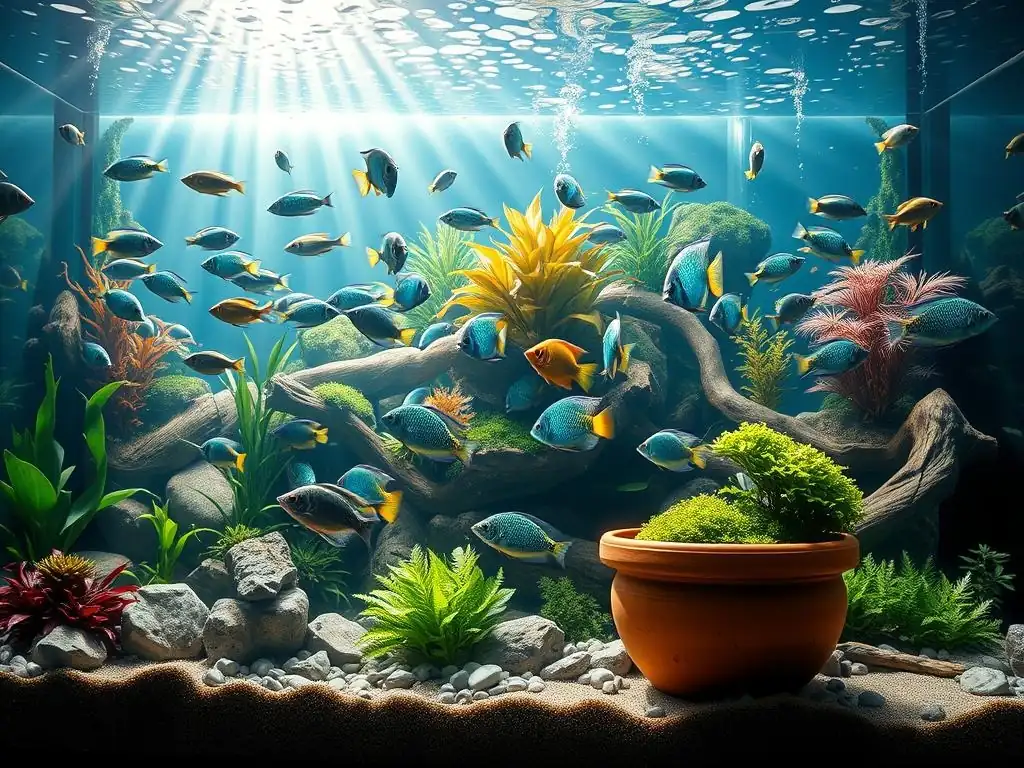
Welcome to Aquarium Mastery!
Ever wondered just how long your beautiful Severum cichlid can thrive? Prepare to dive deep into the secrets of maximizing their lifespan with our guide, Severum Lifespan Explored: Nurturing Your Cichlid for a Long, Healthy Life. Discover crucial care tips and unlock the key to a vibrant, healthy life for your finned friend. Intrigued? Let's explore the fascinating world of Severum longevity together!
- Severum Lifespan: Maximizing Your Cichlid's Health and Longevity
- Factors Influencing Severum Lifespan
- Optimizing Care for Maximum Lifespan
- Severum Behavior and Social Needs: Reducing Stress
- Signs of Aging: Recognizing and Addressing Issues
- Advanced Care Techniques for Extending Lifespan
- Troubleshooting Common Health Problems: Impact on Lifespan
- Summary: Key Takeaways for Long-Term Success.
-
Frequently Asked Questions
- How long do Severums typically live in a home aquarium?
- What are the most important factors affecting a Severum's lifespan?
- What kind of diet promotes a longer lifespan for Severums?
- What size tank is recommended to ensure a healthy and long life for a Severum?
- What are some common health problems that can shorten a Severum's lifespan, and how can they be prevented?
- Final Reflection: The Enduring Legacy of Severum Care
- Unlock Your Severum's Potential: Start Thriving Today!
Severum Lifespan: Maximizing Your Cichlid's Health and Longevity
Factors Influencing Severum Lifespan
Average Lifespan in Captivity
The Severum cichlid ( Heros severus ), a popular choice among New World cichlid enthusiasts, typically enjoys a considerable lifespan when kept in optimal aquarium conditions. On average, a well-cared-for Severum can live anywhere from 8 to 10 years in captivity.
However, it is not uncommon for individuals to thrive for even longer, with some specimens reaching an impressive 12 to 15 years, particularly when their environment consistently meets their specific needs and comprehensive Severum lifespan care tips are followed. This longevity is largely a testament to the stability and controlled nature of a dedicated aquarium environment compared to the unpredictable wild.
Achieving the higher end of this lifespan spectrum heavily relies on diligent husbandry practices. Factors such as consistent water quality, a balanced diet, appropriate tank size, and the absence of undue stress contribute significantly to a Severum's ability to live a full and healthy life. Neglecting any of these crucial aspects can drastically reduce their potential lifespan, often leading to chronic health issues or premature death. Therefore, understanding and implementing effective Severum lifespan care tips from the outset is paramount for any aquarist hoping to enjoy these beautiful cichlids for many years.
Genetics, Environment, and Care
The longevity of a Severum cichlid is a complex interplay between its inherent genetic predispositions, the environmental conditions it lives in, and the quality of care it receives. While robust genetics can certainly provide a Severum with a strong foundation for health, even the most genetically superior fish will suffer and decline in an unsuitable environment or with negligent care. Conversely, a fish with average genetics can still thrive and reach its maximum potential lifespan when provided with impeccable living conditions and attentive husbandry.
The environment encompasses everything from the physical dimensions of the aquarium and its decor to the stability of water parameters and the presence of compatible tank mates. Poor environmental conditions, such as cramped spaces, fluctuating temperatures, or aggressive tank mates, induce chronic stress, which suppresses the immune system and makes the fish more susceptible to disease, thereby shortening its life.
Complementing this, consistent and knowledgeable care, including regular tank maintenance, appropriate feeding, and prompt disease intervention, acts as the final pillar supporting a long and healthy Severum lifespan. Adhering to comprehensive Severum lifespan care tips that address all three areas—genetics, environment, and care—is essential for maximizing a Severum's vitality.
Wild vs. Aquarium Lifespan
Comparing the lifespan of Severum cichlids in their natural Amazonian habitats to those in a well-maintained home aquarium reveals significant differences. In the wild, Severums face a myriad of challenges that typically result in a shorter average lifespan, often estimated to be around 5 to 7 years. These challenges include constant predation from larger fish and birds, fluctuating water conditions due to seasonal changes, fierce competition for limited food resources, and the ever-present threat of disease without intervention. The harsh realities of nature ensure that only the fittest survive, and few fish live to old age.
Conversely, a properly set up and managed aquarium offers a sanctuary where many of these natural stressors are eliminated or significantly mitigated. In an aquarium, Severums are protected from predators, receive a consistent and balanced diet, and live in stable water parameters that are meticulously maintained by the aquarist.
While the wild provides a natural ecosystem, the controlled nature of an aquarium, when managed correctly, can offer a safer and more consistent environment, allowing Severums to often exceed their wild counterparts in terms of longevity. This highlights the profound impact of diligent Severum lifespan care tips on their overall well-being and longevity.
Optimizing Care for Maximum Lifespan
Tank Setup: Recreating Natural Habitat
Tank Size Requirements
Providing an adequately sized aquarium is perhaps one of the most critical Severum lifespan care tips, directly impacting the fish's growth, stress levels, and overall health. For a single adult Severum, a minimum tank size of 50-60 gallons (approximately 190-227 liters) is highly recommended. This size allows for sufficient swimming space and helps dilute the bioload produced by a fish that can reach 8-10 inches (20-25 cm) in length. A larger volume of water also provides greater stability in water parameters, reducing the risk of sudden fluctuations that can stress the fish.
When considering keeping a pair or a small group of Severums, or when planning for tank mates, the tank size should be significantly increased. A tank of 75-100 gallons (284-378 liters) or more becomes necessary to accommodate their territorial needs and waste production. Insufficient tank size leads to stunted growth, increased aggression among tank mates, and rapid accumulation of nitrates, all of which contribute to chronic stress and can significantly shorten a Severum's lifespan. Investing in a generously sized tank is a foundational step towards ensuring a long and healthy life for your cichlid.
Substrate and Decor
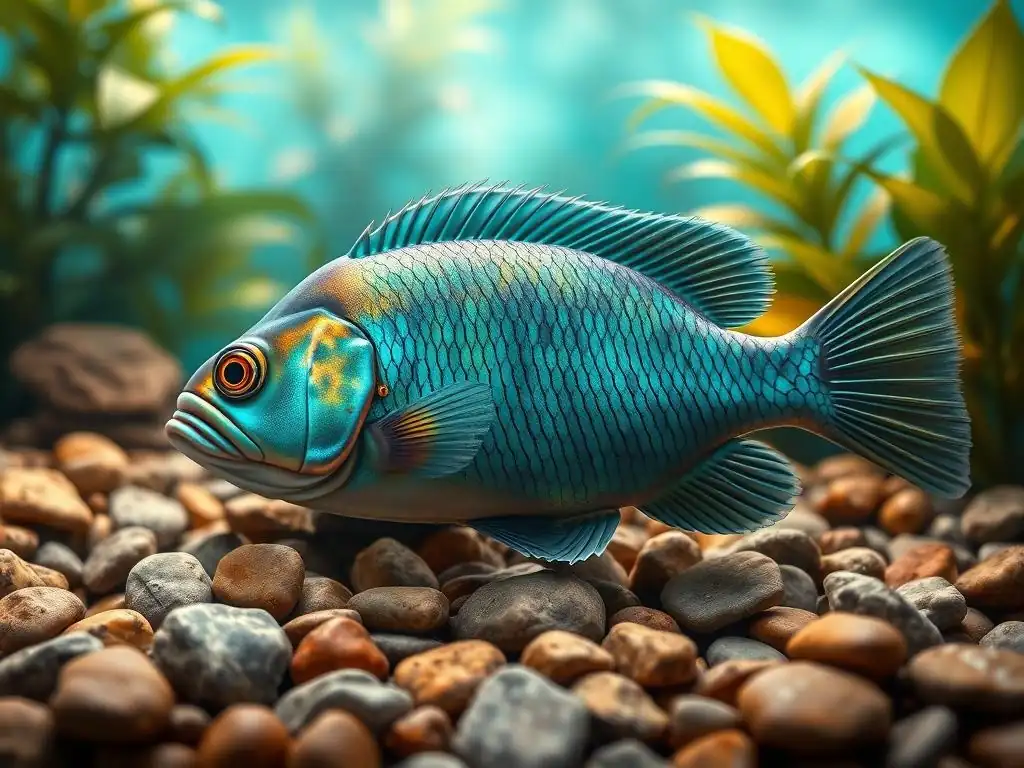
The choice of substrate and decor plays a vital role in recreating a natural and comfortable environment for Severums, which in turn contributes to their long-term health and vitality. A fine to medium-sized gravel or sand substrate is ideal. Severums are known to sift through the substrate in search of food particles and may even dig modest pits, particularly during breeding. A smooth substrate prevents injuries to their delicate mouths and barbels, unlike rough or sharp gravel which can cause abrasions and lead to bacterial infections.
Incorporating appropriate decor, such as driftwood, smooth rocks, and caves, provides essential hiding spots and helps in establishing territories, reducing stress and aggression. Severums appreciate a sense of security, and these structures mimic the submerged roots and rock formations of their natural habitat.
While live plants can be used, it's important to select hardy species like Anubias or Java Fern that can be securely anchored, as Severums are known to uproot softer or poorly planted vegetation. The strategic placement of decor is a key Severum lifespan care tip, as it promotes natural behaviors and minimizes stress, fostering a more peaceful and enriching environment.
Diet and Nutrition: Fueling a Healthy Life
Balanced Diet for Longevity
A balanced and varied diet is fundamental to achieving maximum Severum lifespan and ensuring their vibrant health. Severums are omnivores with a significant dietary requirement for plant matter, reflecting their natural foraging habits. The cornerstone of their diet should be high-quality cichlid pellets or flakes specifically formulated for large omnivorous cichlids, which provide a comprehensive range of vitamins, minerals, and proteins. These should be supplemented regularly with blanched vegetables such as peas (shelled), spinach, zucchini, and spirulina flakes, which aid digestion and provide essential fiber.
To provide a complete nutritional profile, occasional protein-rich foods can be offered sparingly. These include frozen or live bloodworms, brine shrimp, and krill. However, it is crucial to avoid overfeeding protein, as an excessive amount can lead to digestive issues and bloat, a common and often fatal ailment in cichlids. A diet rich in variety not only prevents nutritional deficiencies but also keeps the fish engaged and stimulated, contributing directly to their overall well-being and a robust Severum lifespan.
Feeding Frequency and Portion Control
Proper feeding frequency and portion control are essential Severum lifespan care tips that prevent common health issues like bloat and maintain optimal water quality. For juvenile Severums, feeding 2-3 times a day is appropriate to support their rapid growth. As they mature into adults, the frequency can be reduced to 1-2 times a day. The key is to offer small meals rather than large, infrequent ones.
Portion control is equally vital: only provide an amount of food that your Severums can consume entirely within 2-3 minutes. Any uneaten food will decompose, leading to an increase in ammonia and nitrite levels, which are toxic to fish and significantly degrade water quality. Overfeeding also directly contributes to obesity and digestive problems, which can severely impact a Severum's long-term health and shorten its lifespan. Consistent and mindful feeding practices are paramount for preventing these issues and ensuring your Severum thrives.
Maintaining Water Quality: Crucial for Longevity
Importance of Regular Water Changes
Regular water changes are arguably the most critical Severum lifespan care tip, directly impacting the fish's health by maintaining pristine water quality. Over time, fish waste, uneaten food, and decaying organic matter break down, leading to an accumulation of nitrates, phosphates, and other dissolved organic compounds. While biological filtration converts ammonia and nitrite into less harmful nitrates, nitrates themselves accumulate and can become toxic at high concentrations.
Performing weekly or bi-weekly water changes of 25-30% of the tank volume effectively removes these accumulated pollutants and replenishes essential minerals that are depleted over time. This process dilutes harmful substances, reduces stress on the fish's osmoregulatory system, and prevents chronic exposure to toxins that can weaken the immune system, making the fish susceptible to disease. Consistent water changes are non-negotiable for ensuring a long and healthy Severum lifespan.
Water Parameter Monitoring: Ammonia, Nitrite, and Nitrate
Diligent monitoring of key water parameters is a cornerstone of effective Severum lifespan care tips. Ammonia (NH3/NH4+) and nitrite (NO2-) are highly toxic compounds that should always be at 0 parts per million (ppm) in a cycled aquarium. Even trace amounts can cause severe gill damage and internal organ failure.
Nitrate (NO3-), the end product of the nitrogen cycle, is less toxic but should ideally be kept below 20 ppm, with levels closer to 5-10 ppm being optimal for sensitive cichlids like Severums. Regular testing with a reliable liquid test kit is essential to ensure these parameters remain within safe limits.
Beyond the nitrogenous compounds, maintaining stable pH and temperature is equally crucial. Severums thrive in slightly acidic to neutral water with a pH range of 6.0-7.0 and a consistent temperature between 75-82°F (24-28°C). Sudden fluctuations in these parameters can cause significant stress, leading to a weakened immune system and increased susceptibility to disease. Consistent monitoring and prompt adjustments based on test results are vital for preventing stress-related illnesses and ensuring a robust Severum lifespan.
Preventing and Treating Diseases: A Proactive Approach
Common Diseases and Their Impact
Severums, like all aquarium fish, are susceptible to a range of common diseases, and understanding these conditions is a vital aspect of Severum lifespan care tips. Among the most prevalent are Ich (White Spot Disease), Fin Rot, Bloat, and Hole-in-the-Head disease. Ich, caused by a protozoan parasite, manifests as small white spots on the body and fins, leading to severe irritation and secondary infections if left untreated. Fin Rot, a bacterial infection often triggered by poor water quality or injury, causes the fins to fray and disintegrate, potentially leading to systemic infection.
Bloat, often linked to dietary issues or internal bacterial infections, results in a swollen abdomen and can be rapidly fatal. Hole-in-the-Head disease, characterized by pitting and lesions on the head and lateral line, is frequently associated with poor water quality, nutritional deficiencies, and the presence of Hexamita parasites. Each of these diseases, if not addressed promptly and effectively, can severely compromise a Severum's health, cause irreparable organ damage, and significantly shorten its lifespan. Proactive prevention through excellent husbandry is always preferable to treatment.
Early Detection and Treatment
Early detection and prompt treatment are critical components of effective Severum lifespan care tips when it comes to managing diseases. Daily observation of your Severums is paramount: look for changes in behavior, such as lethargy, loss of appetite, flashing (rubbing against decor), or hiding more than usual. Also, routinely inspect their physical appearance for any signs of spots, lesions, frayed fins, or abnormal swelling. Any deviation from normal behavior or appearance warrants immediate investigation.
Having a dedicated "hospital tank" or quarantine tank is highly recommended for treating sick fish, as it prevents the spread of disease to other tank inhabitants and allows for precise medication dosages without affecting the main display tank's biological filter. When introducing new fish, a quarantine period of at least two to four weeks is essential to prevent the introduction of pathogens. Prompt action, informed by a good understanding of common fish ailments and their treatments, can often mean the difference between a full recovery and a fatal outcome, thereby safeguarding your Severum's long-term health and lifespan.
Understanding Temperament
Understanding the temperament of Severum cichlids is crucial for creating a harmonious environment that supports a long Severum lifespan. Generally, Severums are considered one of the more peaceful large cichlids, especially when compared to their more aggressive New World relatives like Oscars or Flowerhorns. However, they are still cichlids and possess territorial instincts, particularly as they mature or during breeding periods. They can exhibit aggression towards smaller, more timid fish or other Severums if space is limited or if a pecking order is being established.
Their semi-aggressive nature means they thrive best in spacious aquariums with plenty of hiding spots and visual barriers created by decor. This allows individual fish to establish their own territories and retreat if feeling threatened, which significantly reduces stress levels. Chronic stress, often induced by constant harassment from tank mates or insufficient space, can suppress the immune system and make a Severum more susceptible to disease, directly impacting its lifespan. Observing their natural behaviors and providing an appropriate environment is key to minimizing stress.
Choosing Compatible Tank Mates
Choosing compatible tank mates is a critical Severum lifespan care tip that directly influences the stress levels and overall well-being of your cichlid. The ideal tank mates for Severums are fish of similar size and temperament that can hold their own without being overly aggressive. Fish that are too small, such as very tiny tetras, might be viewed as food, while overly aggressive species can constantly harass and injure your Severum.
Good choices for tank mates include other large, peaceful community fish like larger Rainbowfish (e.g., Boeseman's Rainbowfish), peaceful catfish species (such as Plecos, especially bristlenose or rubber lip varieties, and larger Corydoras species), and some larger, robust tetra species (e.g., Congo Tetras). Other compatible cichlids might include Keyhole Cichlids or even other Severums if the tank is very spacious (100+ gallons) and offers ample hiding spots to diffuse potential aggression. Avoiding highly boisterous or nippy fish will ensure a peaceful environment, reducing stress and contributing significantly to a healthy and extended Severum lifespan.
Signs of Aging: Recognizing and Addressing Issues
Physical Changes
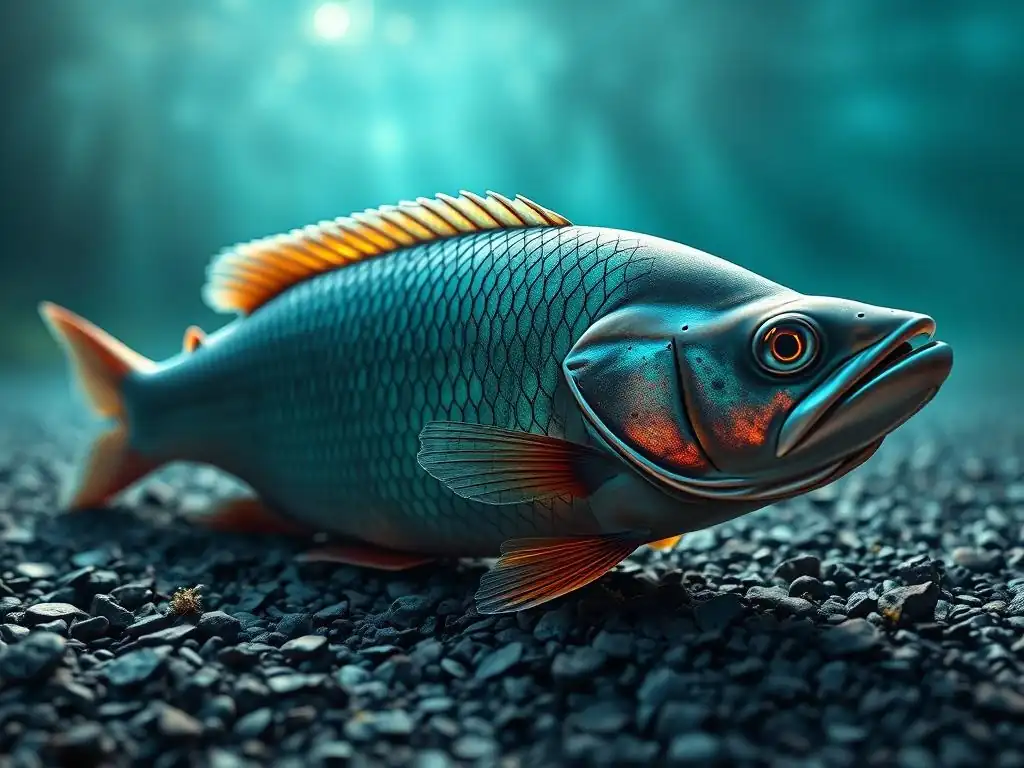
As Severums age, they, like all living creatures, will begin to show various physical changes that indicate the onset of senescence. One of the most noticeable signs is a gradual fading or dulling of their vibrant coloration; the rich greens, reds, and oranges may become muted. Their eyes might appear cloudier or less bright, and their once smooth, pristine fins may show slight fraying or reduced integrity, even in optimal water conditions.
Muscle mass can also diminish, leading to a leaner or more gaunt appearance, particularly around the head and dorsal area. Their movements may become less fluid and more deliberate, and their overall activity level will decrease. While these changes are natural, they can also indicate an increased susceptibility to minor infections or a reduced ability to recover from stress, making vigilant Severum lifespan care tips even more important during this stage. Recognizing these subtle shifts allows aquarists to adapt their care to support their aging fish.
Behavioral Changes
Alongside physical alterations, aging Severums will often exhibit distinct behavioral changes that signal their seniority. A primary indicator is a noticeable reduction in activity; they may spend more time resting at the bottom of the tank or in their favorite hiding spots, showing less interest in exploring or interacting with their environment. Their once eager feeding response might diminish, and they may take longer to approach food or consume smaller portions.
Socially, an older Severum might become less tolerant of tank mates, or conversely, more withdrawn and easily stressed by their presence. Their territorial displays might become less frequent or less intense. It's also common to observe a general decrease in their overall alertness and responsiveness to external stimuli. These behavioral shifts are natural parts of the aging process, and understanding them is key to providing compassionate Severum lifespan care tips that cater to their evolving needs, ensuring their comfort in their twilight years.
Supportive Care for Senior Severums
Providing supportive care for senior Severums is crucial to maximizing their comfort and extending their quality of life. As their immune systems may weaken and their metabolism slows, maintaining impeccable water quality becomes even more paramount; consider slightly more frequent, smaller water changes to keep nitrates consistently low. Their diet may need adjustment: offer easily digestible foods, perhaps softer pellets or finely chopped blanched vegetables, and ensure food is readily accessible near their resting spots.
Reduce strong water currents from filters or powerheads, as an aging Severum may struggle to swim against them. Ensure there are plenty of easily accessible hiding spots and clear pathways to reduce stress. If an older Severum is being bullied by more energetic tank mates, consider moving it to a quieter, dedicated "retirement" tank where it can live out its remaining years in peace. These tailored Severum lifespan care tips focus on minimizing stress and maximizing comfort, allowing your cherished cichlid to age gracefully.
Advanced Care Techniques for Extending Lifespan
Utilizing UV Sterilizers
For aquarists seeking to provide the most advanced Severum lifespan care tips, incorporating a UV sterilizer into the filtration system can offer significant benefits. A UV sterilizer works by passing aquarium water through a chamber containing an ultraviolet light bulb. As water flows past the UV light, the radiation disrupts the DNA of free-floating algae, bacteria, viruses, and parasites, effectively sterilizing the water column. This process does not affect beneficial bacteria living in the filter media or on surfaces within the tank.
The primary advantage of a UV sterilizer is its ability to reduce the overall pathogen load in the water, leading to a healthier environment for your Severums. By minimizing the number of harmful microorganisms, UV sterilization helps prevent outbreaks of common diseases like Ich and bacterial infections, which can severely impact a fish's health and shorten its lifespan. It also improves water clarity by eradicating green water algae. When properly sized for the tank volume and flow rate, a UV sterilizer is a powerful tool for disease prevention and enhancing long-term fish vitality.
Implementing a Consistent Tank Maintenance Schedule
Beyond the regular water changes, implementing a comprehensive and consistent tank maintenance schedule is an advanced Severum lifespan care tip that ensures all aspects of the aquarium are optimally managed. This goes beyond just weekly water changes and includes routine tasks such as cleaning filter media (rinsing sponges and bio-media in old tank water to preserve beneficial bacteria), vacuuming the gravel or sand substrate thoroughly to remove trapped detritus, and scraping algae from tank walls.
A detailed schedule might involve daily visual checks for fish health and equipment function, weekly water parameter testing and water changes, monthly filter cleaning and deep substrate vacuuming, and quarterly or semi-annual checks of heaters, air pumps, and lighting. Consistency in these practices prevents minor issues from escalating into major health crises, reduces chronic stress on the fish, and maintains a stable, pristine environment. A well-adhered-to maintenance schedule is fundamental to preventing illness and significantly extending a Severum's healthy life.
Troubleshooting Common Health Problems: Impact on Lifespan
Addressing Fin Rot
Fin Rot is a common bacterial infection that severely impacts a Severum's well-being and, if left untreated, can significantly shorten its lifespan. It is often triggered by poor water quality, overcrowding, physical injury, or chronic stress. Symptoms include frayed, ragged, or disintegrating fins, often with a white, red, or black discoloration along the edges. The infection can progress rapidly, eroding the fin tissue and potentially leading to systemic infection if the bacteria reach the body.
Immediate intervention is crucial. The first step is always to perform a significant water change (30-50%) and thoroughly clean the tank to remove excess organic matter. Ensure optimal water parameters: 0 ppm ammonia and nitrite, and nitrates below 20 ppm. Mild cases may resolve with improved water quality alone. For more advanced cases, administer a broad-spectrum antibacterial medication specifically designed for aquarium fish, following the manufacturer's instructions precisely. Early and aggressive treatment is key to preventing permanent fin damage and ensuring a full recovery, preserving the Severum lifespan.
Treating Ich (White Spot Disease)
Ichthyophthirius multifiliis, commonly known as Ich or White Spot Disease, is a highly contagious parasitic infection that, if not promptly addressed, can be fatal and drastically impact Severum lifespan. It manifests as small, white spots resembling grains of salt scattered across the fish's body and fins. Infected fish may also exhibit flashing (rubbing against tank decor), clamped fins, and lethargy. The parasite has a complex life cycle, with free-swimming "tomites" infecting the fish, then falling off to reproduce on the substrate.
Treatment typically involves a multi-pronged approach. Gradually raising the water temperature to 82-86°F (28-30°C) over 24-48 hours (if tank mates can tolerate it) accelerates the parasite's life cycle, making it more vulnerable to medication. Concurrently, use an Ich-specific medication available at aquarium stores, following the dosage instructions carefully. Adding aquarium salt (non-iodized) at a concentration of 1-3 tablespoons per 5 gallons can also aid in treatment by irritating the parasite. Consistent treatment for the recommended duration, often 7-10 days, even after visible spots disappear, is essential to eradicate the parasite and prevent re-infection, securing the Severum's longevity.
Managing Bloat
Bloat is a serious and often rapidly fatal condition in cichlids, including Severums, that can severely truncate their lifespan if not managed effectively. It is typically characterized by a noticeably swollen abdomen, sometimes accompanied by lethargy, loss of appetite, and white, stringy feces. Bloat is often caused by dietary issues, such as overfeeding, a diet too rich in protein, or poor-quality foods, which can lead to internal bacterial infections or parasitic infestations that disrupt the digestive system.
Immediate action is critical upon observing bloat symptoms. The first step is to cease feeding for 2-3 days to allow the digestive system to rest. After this fasting period, offer blanched, shelled peas, which act as a natural laxative. If the condition does not improve, or if the fish's condition deteriorates, it likely indicates an internal bacterial infection, requiring treatment with an antibiotic specifically formulated for internal bacterial infections in fish. Maintaining a balanced diet, avoiding overfeeding, and ensuring high water quality are crucial preventative Severum lifespan care tips against this dangerous ailment.
Summary: Key Takeaways for Long-Term Success.
Achieving a long and healthy Severum lifespan is a deeply rewarding endeavor that hinges on consistent, informed care. The most critical Severum lifespan care tips revolve around maintaining stable and pristine water parameters, providing an adequately sized aquarium (at least 50-60 gallons for a single adult), and offering a balanced, omnivorous diet with appropriate feeding frequencies. Proactive disease management, through diligent observation and prompt intervention, is equally vital to prevent minor issues from becoming life-threatening.
Furthermore, understanding their semi-aggressive temperament and selecting compatible tank mates significantly reduces stress, which is a major contributor to a shortened lifespan. Ultimately, the longevity of your Severum cichlid is a direct reflection of the dedication and attention to detail you invest in their well-being.
Frequently Asked Questions
How long do Severums typically live in a home aquarium?
Severums can live for 10-15 years in a well-maintained aquarium environment. Providing proper care and nutrition is crucial for maximizing their lifespan. Some individuals may even exceed this range with exceptional care.
What are the most important factors affecting a Severum's lifespan?
Water quality is paramount, along with a balanced diet and a stress-free environment. Regular water changes and appropriate tank size are also essential.
What kind of diet promotes a longer lifespan for Severums?
A varied diet consisting of high-quality cichlid pellets, frozen foods (like bloodworms and brine shrimp), and occasional vegetable matter is best. Avoid overfeeding to prevent health problems and improve their overall health.
What size tank is recommended to ensure a healthy and long life for a Severum?
A minimum of 55 gallons is recommended for a single Severum, with larger tanks being preferable, especially if keeping multiple fish. This provides enough space for them to swim and reduces stress.
What are some common health problems that can shorten a Severum's lifespan, and how can they be prevented?
Common issues include Ich, Hole-in-the-Head Disease, and bacterial infections, often caused by poor water quality. Regular water changes, proper filtration, and quarantine of new fish can help prevent these problems.
Final Reflection: The Enduring Legacy of Severum Care
The journey we've undertaken in exploring the intricacies of Severum lifespan care culminates in a profound understanding: responsible aquarism is an act of stewardship, not simply ownership. The tips and insights shared throughout this article are not just about extending the life of a fish; they are about fostering a deeper connection with the natural world and recognizing the inherent value of every living creature within our care.
This exploration has underscored how deeply our actions impact the well-being of these magnificent cichlids. It's a reminder that even seemingly small choices, like water quality or dietary habits, can have a monumental effect on their longevity and quality of life. The greatness of a nation and its moral progress can be judged by the way its animals are treated.
- Mahatma Gandhi. This quote resonates deeply, highlighting the ethical responsibility we bear towards the animals we choose to bring into our lives.
Now, as you embark on, or continue, your journey as a Severum keeper, I urge you to reflect on the knowledge you've gained. Let the "Severum lifespan care tips" we've discussed not just be a checklist, but a guiding principle. Embrace the opportunity to create an environment where your Severum can thrive, not just survive. By doing so, you contribute to a world where compassion and respect for all life are paramount, and you'll be rewarded with the enduring companionship of a truly remarkable fish.
Unlock Your Severum's Potential: Start Thriving Today!
Thank you for diving deep into the world of Severum care! We hope you've gained valuable insights to ensure your cichlid enjoys a long and vibrant life. Now, it's time to put that knowledge into action.
Here are a few things you can do to make a real difference:
- Implement a precisely formulated feeding schedule based on your Severum's age and size – the key to their vitality.
- Explore the fascinating world of aquarium botanicals to create a naturally enriching environment for your Severum.
- Share this article with other cichlid enthusiasts and spark a conversation about best practices in Severum care.
What specific dietary change will you implement this week to enhance your Severum's health and longevity?