
Soft Water Secrets: Aquarium Mastery's Guide to Optimal Parameters for Delicate Tetras

Welcome to Aquarium Mastery!
Ever wondered how to unlock the vibrant colors and thriving health of your soft water tetras? You're in the right place! Dive in to discover the secrets to creating the perfect aquarium environment for these delicate beauties. From water chemistry to ideal tank mates, we'll guide you through every step. Get ready to transform your aquarium and witness your tetras flourish! Intrigued? Keep reading to unlock the complete guide to soft water tetras care!
- Understanding the Importance of Soft Water for Tetras
- Key Water Parameters for Successful Soft Water Tetra Care
- Preparing and Maintaining Soft Water for Your Tetra Tank
- Selecting Compatible Tank Mates for Soft Water Tetras
- Feeding Soft Water Tetras for Optimal Health and Color
- Troubleshooting Common Issues in Soft Water Tetra Tanks
- Breeding Soft Water Tetras: Creating Optimal Conditions
- Specific Soft Water Tetra Species and Their Unique Needs
- Advanced Techniques for Maintaining Pristine Soft Water Conditions
-
Frequently Asked Questions
- What are soft water tetras and why do they require specific care?
- What specific water parameters are ideal for soft water tetras?
- How can I soften the water in my aquarium to accommodate soft water tetras?
- What are some common signs that my soft water tetras are not thriving due to incorrect water parameters?
- What type of food and feeding schedule is recommended for soft water tetras?
- Final Reflection: The Delicate Dance of Soft Water
- Unlock the Brilliance: Dive Deeper into Tetra Care!
Understanding the Importance of Soft Water for Tetras
Why Soft Water is Crucial for Tetra Health and Vibrant Colors
Soft water is fundamentally important for the long-term health and vibrant coloration of many popular tetra species, as their physiology is adapted to low mineral content. In their natural habitats, these fish evolved in environments where dissolved minerals, specifically calcium and magnesium, are scarce. This adaptation means their internal osmotic regulation systems are highly efficient at managing water balance with minimal effort in soft water.
When exposed to hard water, which has a high concentration of these minerals, tetras can experience significant physiological stress, as their bodies must expend more energy to maintain proper internal osmotic pressure. This chronic stress weakens their immune system, making them more susceptible to diseases and significantly reducing their lifespan.
Furthermore, the aesthetic appeal of soft water tetras, renowned for their brilliant iridescence and deep hues, is directly linked to their water parameters. In hard water, the stress and imbalance can lead to faded colors, dulling their natural vibrancy. For instance, species like Cardinal Tetras ( Paracheirodon axelrodi ) or Neon Tetras ( Paracheirodon innesi ) are known to lose their intense red and blue stripes when kept in suboptimal hard water conditions.
Beyond coloration, successful breeding of many soft water tetra species is often impossible in hard water, as their eggs require low mineral content to properly develop and hatch, with high hardness preventing fertilization or causing egg mortality. Therefore, understanding and providing the correct soft water parameters is not just about survival, but about allowing these delicate fish to thrive, display their full beauty, and reproduce successfully.
Natural Habitat of Soft Water Tetras: Replicating Their Environment
Many of the most beloved soft water tetras, such as the Neon Tetra, Cardinal Tetra, and Ember Tetra, originate from the vast river systems of South America, particularly the Amazon and Orinoco basins. These environments are characterized by their "blackwater" or "clearwater" conditions, which are naturally very soft and acidic.
Blackwater rivers, like the Rio Negro, are stained dark by humic substances and tannins released from decaying plant matter, resulting in extremely low mineral content (GH often below 3 dGH, KH often undetectable) and a low pH, typically ranging from 4.5 to 6.5. Clearwater rivers, while not as darkly stained, also exhibit very soft water and a slightly acidic to neutral pH.
Replicating these natural conditions is key to successful soft water tetras care. The presence of leaf litter, driftwood, and aquatic plants in their native habitats contributes to the water's chemistry, providing tannins and humic acids that naturally soften the water and lower the pH. These elements also offer shelter and foraging opportunities, mimicking the complex ecosystems these fish evolved in.
For aquarists, understanding this ecological background provides a blueprint for tank setup: using inert substrates, incorporating natural elements like Indian Almond Leaves (Catappa leaves) or driftwood, and utilizing reverse osmosis (RO) or deionized (DI) water to achieve the desired softness. This holistic approach to soft water tetras care not only optimizes water chemistry but also creates a more natural and less stressful environment, encouraging natural behaviors and promoting robust health.
The Risks of Hard Water for Soft Water Tetra Species
Exposing soft water tetra species to hard water poses several significant risks that can severely compromise their health and longevity. The primary danger lies in osmotic stress. Fish constantly regulate the balance of salts and water in their bodies.
In their natural soft water habitats, water naturally enters their bodies, and they efficiently excrete excess water. However, in hard water, the higher concentration of dissolved minerals outside their bodies forces them to expend excessive energy to prevent dehydration and maintain internal equilibrium. This continuous struggle puts a tremendous strain on their kidneys and gills, leading to chronic stress, weakened immune systems, and increased susceptibility to common fish diseases like Ich (white spot disease) or Fin Rot.
Beyond the physiological strain, hard water can also directly impact the reproductive capabilities and overall vitality of soft water tetras. Many species require specific soft water parameters for successful breeding; hard water can prevent eggs from developing properly, leading to low hatch rates or infertile clutches. Additionally, the vibrant colors that make these tetras so appealing often fade in hard water, as the fish are under stress and cannot fully express their natural pigmentation.
For example, a Cardinal Tetra kept in water with a General Hardness (GH) above 10 dGH might appear dull and lethargic compared to one thriving in its ideal range of 1-4 dGH. Therefore, neglecting the soft water requirements is not merely suboptimal; it can be detrimental, leading to a shortened lifespan, chronic illness, and a diminished quality of life for these delicate aquarium inhabitants.
Key Water Parameters for Successful Soft Water Tetra Care
Ideal GH (General Hardness) Levels for Tetra Species
General Hardness (GH) is a crucial parameter for soft water tetras care, representing the concentration of dissolved calcium and magnesium ions in the water. For the majority of popular soft water tetra species, such as Neon Tetras, Cardinal Tetras, Ember Tetras, and Rummy-Nose Tetras, an ideal GH range typically falls between 1 to 5 degrees of General Hardness (dGH). Some particularly delicate species or those intended for breeding may even prefer GH levels as low as 0-2 dGH.
Maintaining GH within this narrow window is vital because these fish have evolved in environments with minimal mineral content. Their internal osmoregulation systems are optimized for these conditions, meaning they expend less energy regulating their internal water balance when the external water is soft.
When GH levels are too high, above 8-10 dGH, soft water tetras experience significant osmotic stress. This forces their bodies to work harder to excrete excess mineral ions and retain water, leading to chronic stress, reduced immune function, and increased susceptibility to disease. Over time, this constant physiological strain can significantly shorten their lifespan and inhibit natural behaviors.
For instance, a group of Black Skirt Tetras ( Gymnocorymbus ternetzi ), while somewhat more adaptable than Neons, will exhibit more vibrant coloration and active schooling behavior in water with a GH of 3-6 dGH compared to a tank with a GH of 12 dGH. Regular testing with an aquarium test kit is essential to monitor GH, and methods like using RO/DI water or peat filtration can help maintain the desired low levels for optimal soft water tetras care.
Maintaining a Low KH (Carbonate Hardness) for Optimal Tetra Health
Carbonate Hardness (KH), also known as alkalinity, measures the concentration of bicarbonates and carbonates in the water, which act as buffers against pH fluctuations. For most soft water tetra species, maintaining a low KH is as important as low GH, with an ideal range typically between 1 to 3 degrees of Carbonate Hardness (dKH). Some particularly sensitive species or breeding setups might even require KH levels as low as 0-1 dKH.
A low KH is characteristic of the blackwater and clearwater environments where these tetras naturally thrive. In these settings, the absence of significant buffering capacity allows the pH to remain naturally acidic due to the presence of humic acids and tannins from decaying organic matter.
While a certain level of KH is beneficial for pH stability in general aquariums, too high a KH can make it challenging to maintain the acidic pH preferred by soft water tetras. For example, if your tap water has a KH of 8 dKH or higher, it will strongly resist efforts to lower the pH, even with the addition of pH-lowering products or natural acids.
This persistent high pH, combined with high hardness, can be detrimental to the health and breeding success of species like the Emperor Tetra ( Nematobrycon palmeri ), which prefer a pH range of 6.0-7.0 and soft, acidic water. Moreover, very low KH (approaching 0 dKH) can lead to rapid and dangerous pH swings, a condition known as "pH crash," if not managed carefully.
Therefore, achieving a stable, low KH, often by diluting tap water with RO/DI water or using buffering materials like peat, is a critical component of successful soft water tetras care, ensuring both appropriate acidity and a degree of pH stability.
The Role of pH in Soft Water Tetra Aquariums
The pH level, a measure of water's acidity or alkalinity, plays a critical role in the overall well-being of soft water tetras. For most of these species, an ideal pH range falls between 5.5 and 6.8. This acidic to slightly acidic range closely mimics the conditions found in their native Amazonian blackwater and clearwater habitats.
Maintaining the correct pH is essential because it directly impacts the fish's physiological processes, including respiration, waste excretion, and enzyme activity. When the pH is outside their preferred range, especially on the alkaline side (above 7.5), tetras can experience stress, leading to a compromised immune system and increased susceptibility to diseases. For instance, a Neon Tetra kept at a pH of 8.0 might show clamped fins, faded colors, and lethargy, indicating severe discomfort and stress.
While a low pH is generally desired, stability is paramount. Rapid or drastic pH fluctuations can be far more detrimental than a slightly off but stable pH. A sudden drop or rise in pH can cause "pH shock," leading to immediate stress, damage to gills, and even death. This is particularly relevant in soft water tanks, where a low KH (carbonate hardness) provides less buffering capacity, making the water more susceptible to pH swings.
Therefore, achieving and maintaining a stable pH within the desired range requires careful management. This often involves using RO/DI water, incorporating natural pH-lowering elements like driftwood and Indian Almond Leaves, and performing consistent, small water changes. Monitoring pH daily or several times a week, especially in newly set up soft water tetra tanks, is crucial to ensure a healthy and stable environment for these delicate fish.
Temperature Considerations for Soft Water Tetra Species
Temperature is another vital parameter for successful soft water tetras care, significantly influencing their metabolism, activity levels, and overall health. Most popular soft water tetra species, originating from tropical regions of South America, thrive in warm, stable water conditions. The ideal temperature range for species like the Cardinal Tetra, Neon Tetra, Rummy-Nose Tetra, and Ember Tetra typically falls between 72°F and 78°F (22°C to 26°C).
Maintaining a consistent temperature within this range is crucial, as fluctuations can cause stress and weaken the fish's immune system, making them vulnerable to diseases. For example, a sudden drop in temperature can trigger Ich (white spot disease), especially in already stressed soft water tetras.
Within this ideal range, specific species might have slight preferences. For instance, Cardinal Tetras, often found in warmer blackwater tributaries, might prefer the upper end of this range (75-78°F), which can also encourage breeding. Conversely, some smaller species might be comfortable at the lower end.
Consistent temperature ensures optimal metabolic rates, supporting digestion, growth, and vibrant coloration. Heaters with reliable thermostats are indispensable for soft water tetra tanks, particularly in climates with fluctuating room temperatures. Monitoring the temperature daily with an accurate thermometer and ensuring minimal swings (ideally no more than 1-2°F over a 24-hour period) are fundamental aspects of providing excellent soft water tetras care, contributing significantly to their long-term well-being and activity.
Preparing and Maintaining Soft Water for Your Tetra Tank
Choosing the Right Substrate for Soft Water Conditions
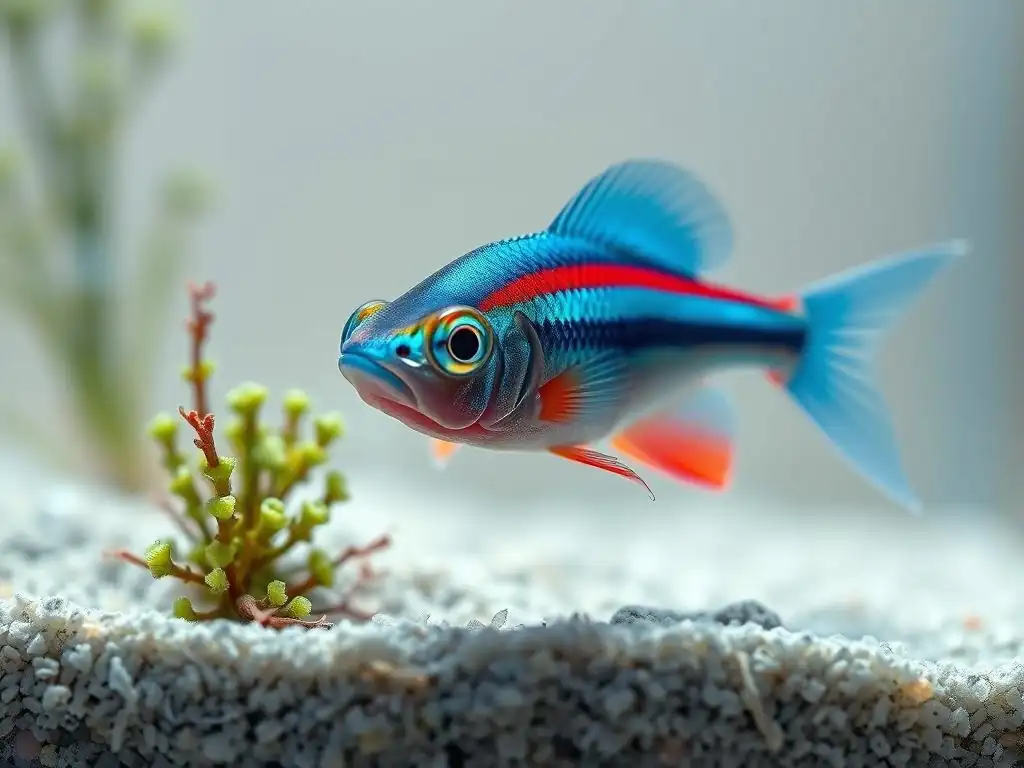
The choice of substrate is a critical, yet often overlooked, aspect of establishing and maintaining ideal soft water conditions for delicate tetras. The primary goal is to select an inert substrate that will not leach minerals into the water, thereby increasing hardness or buffering capacity. Substrates like sand (e.g., inert play sand, pool filter sand, or fine aquarium sand) or fine-grained gravel are excellent choices.
These materials are typically composed of silica or other non-reactive compounds that will not contribute to the GH or KH of the water. For instance, a 2-inch layer of inert fine sand can provide a natural-looking bottom without compromising the carefully maintained soft water parameters.
Conversely, certain substrates must be strictly avoided when aiming for soft water tetras care. These include crushed coral, aragonite, limestone, or any gravel containing calcium carbonate. These materials actively dissolve over time, slowly but consistently releasing calcium and carbonate ions into the water, which will inevitably raise both GH and KH, making it impossible to achieve or maintain the low hardness and acidic pH required by soft water tetras.
Even decorative rocks should be tested for their inertness by placing a few drops of vinegar or muriatic acid on them; if they bubble or fizz, they contain calcium carbonate and should not be used in a soft water setup. Therefore, a careful selection of inert substrate is foundational to successful soft water tetras care, providing a stable base that supports the desired water chemistry.
Using RO/DI Water for Soft Water Tetra Setups
Utilizing Reverse Osmosis (RO) or Reverse Osmosis/Deionized (RO/DI) water is arguably the most effective and reliable method for achieving and maintaining the precise soft water conditions required for delicate tetras. Tap water, in many regions, contains varying levels of hardness (GH and KH) and other dissolved solids that are unsuitable for soft water tetra species. RO/DI units filter out nearly all dissolved minerals and impurities, producing water that is virtually pure, with a GH and KH of 0 and a neutral pH of 7.0 (before CO2 absorption).
This "blank slate" allows aquarists complete control over their water parameters. For example, if your tap water has a GH of 15 dGH and a KH of 10 dKH, diluting it with RO/DI water in a 50/50 ratio would bring those parameters down significantly, making it more suitable for soft water tetras.
While pure RO/DI water is ideal for starting with a clean slate, it lacks essential minerals that fish need. Therefore, it is crucial to remineralize RO/DI water to appropriate levels for soft water tetras. Specialized remineralization products designed for RO water for freshwater aquariums are available, which add back trace elements and minerals in precise quantities without significantly increasing GH or KH beyond the desired range.
For instance, products like "Seachem Equilibrium" can be used to add general hardness without affecting carbonate hardness, allowing for fine-tuning. This method provides unparalleled consistency and precision in soft water tetras care, eliminating the variability often associated with direct tap water use and ensuring a stable, healthy environment for your delicate fish.
Employing Peat Moss for Natural Soft Water Acidification
Peat moss is a natural and effective method for both softening water and naturally lowering its pH, making it an excellent tool for soft water tetras care. When properly prepared and used, peat moss releases humic acids and tannins into the aquarium water. These organic compounds act as natural ion exchangers, binding to calcium and magnesium ions and effectively reducing the water's General Hardness (GH).
Simultaneously, the humic and tannic acids contribute to a lower, more stable pH, mimicking the blackwater conditions found in the natural habitats of many soft water tetra species. For example, adding peat to a tank with a GH of 6 dGH and a pH of 7.5 could gradually bring the GH down to 3-4 dGH and the pH to 6.0-6.5, providing ideal conditions for species like the Rummy-Nose Tetra.
To use peat moss safely and effectively, it should be aquarium-grade and rinsed thoroughly before use to remove fine particles and excess dust. It can be placed in a filter bag within the aquarium's filter system (e.g., canister filter or hang-on-back filter) or directly in the tank as a substrate additive. The amount of peat used will depend on the initial water parameters and the desired effect, so it's crucial to monitor GH, KH, and pH regularly with reliable test kits.
Overuse can lead to overly low pH or excessive tinting of the water. While peat provides a natural solution for soft water tetras care, it's important to note that its effects are gradual and finite; it will eventually exhaust its softening and acidifying properties and need replacement, typically every 4-8 weeks, depending on water changes and initial parameters.
The Benefits of Catappa Leaves (Indian Almond Leaves) for Tetra Aquariums
Catappa leaves, also known as Indian Almond Leaves ( Terminalia catappa ), offer a multitude of benefits for soft water tetra aquariums, extending beyond just water conditioning. When submerged, these leaves slowly release tannins and humic acids into the water, which naturally soften the water, lower the pH, and impart a subtle amber tint, closely mimicking the blackwater environments many soft water tetras originate from.
For instance, in a 20-gallon tank, adding 2-3 medium-sized Catappa leaves can gently lower the pH from 7.0 to 6.5 over several days, while also slightly reducing GH and KH. This natural acidification and softening are highly beneficial for the delicate physiology of soft water tetras, reducing stress and promoting their vibrant coloration.
Beyond their water conditioning properties, Catappa leaves provide significant health benefits. The tannins released possess mild antibacterial and antifungal properties, which can help prevent common fish ailments and support the overall immune system of soft water tetras. This makes them particularly useful during periods of stress, such as after transport or during acclimatization to a new tank.
Furthermore, the decaying leaves provide a natural food source for beneficial microorganisms and can serve as a foraging ground for the tetras themselves, encouraging natural behaviors. The leaves also offer hiding spots and visual barriers, reducing stress in schooling fish. Regular replacement (as they decompose, typically every 2-4 weeks) is necessary to maintain their beneficial effects, making them an excellent, natural addition to any soft water tetras care regimen.
Avoiding Hard Water Sources: Tap Water Considerations
A fundamental step in successful soft water tetras care is to understand and, if necessary, mitigate the impact of your local tap water. In many regions, tap water is naturally hard, meaning it contains high levels of dissolved minerals like calcium and magnesium, often with a General Hardness (GH) exceeding 10 dGH and a Carbonate Hardness (KH) above 5 dKH.
Directly using such hard water for soft water tetra species can lead to chronic stress, weakened immune systems, faded coloration, and an inability to breed successfully. For example, if your tap water has a GH of 15 dGH and you're trying to keep Cardinal Tetras that prefer 1-4 dGH, direct tap water use is simply not an option for optimal health.
To avoid these issues, aquarists keeping soft water tetras must either treat their tap water or use alternative water sources. The most common and effective method is to use Reverse Osmosis (RO) or Deionized (DI) water, which strips out nearly all minerals, allowing you to remineralize to the precise soft water parameters needed.
If RO/DI is not feasible, some aquarists might consider diluting hard tap water with distilled water, though this can be costly and less precise. For those with moderately hard tap water, natural methods like peat filtration or the use of Indian Almond Leaves can help soften the water and lower pH, but their effectiveness is limited against very high hardness.
Ultimately, a thorough understanding of your tap water's parameters, obtained through regular testing, is the first critical step in ensuring you provide the appropriate soft water environment for your delicate tetras, preventing the detrimental effects of hard water exposure.
Selecting Compatible Tank Mates for Soft Water Tetras
Ideal Tank Mates for a Soft Water Tetra Community Tank
Choosing compatible tank mates is crucial for a thriving soft water tetra community tank, ensuring all inhabitants can coexist peacefully and prosper in the specific water parameters. The best companions for soft water tetras are typically other small, peaceful fish that also prefer soft, acidic to neutral water conditions.
This includes a wide array of species, such as other small tetra species (e.g., Ember Tetras with Neon Tetras, or Rummy-Nose Tetras with Black Neon Tetras), small Rasboras (e.g., Harlequin Rasboras, Chili Rasboras), and dwarf Cichlids like Apistogramma species (e.g., Apistogramma cacatuoides, Apistogramma agassizii). For instance, a school of 10 Neon Tetras would do exceptionally well with a group of 8 Harlequin Rasboras and a pair of Dwarf Gouramis (e.g., Honey Gourami) in a well-planted 20-gallon tank maintained at a GH of 3 dGH and a pH of 6.5.
Bottom dwellers that thrive in soft water are also excellent additions. Corydoras catfish (e.g., Panda Cory, Pygmy Cory) are peaceful, schooling fish that prefer soft substrates and soft water, making them ideal clean-up crew members. Otocinclus catfish are another excellent choice for algae control, also preferring soft, clean water.
When selecting tank mates for soft water tetras care, it's essential to consider not only water parameter compatibility but also temperament and size. Avoid any fish that are significantly larger, aggressive, or known fin-nippers, as these can stress or harm the delicate tetras. Prioritizing species with similar environmental needs and peaceful dispositions ensures a harmonious and healthy community where all fish can flourish.
Fish to Avoid When Keeping Soft Water Tetra Species
When planning a soft water tetra aquarium, it's equally important to identify and avoid fish species that are incompatible, either due to differing water parameter requirements or aggressive temperaments. Fish that prefer hard, alkaline water, such as many livebearers (e.g., Guppies, Mollies, Platies) or African Cichlids, should be strictly avoided. For example, attempting to keep a school of Cardinal Tetras (preferring GH 1-4 dGH, pH 5.5-6.8) with Mollies (preferring GH 8-15 dGH, pH 7.5-8.5) would inevitably lead to stress, disease, and a shortened lifespan for one or both groups, as their physiological needs are fundamentally opposed.
Furthermore, avoid any fish that are known to be aggressive, territorial, or significantly larger than soft water tetras, as they can intimidate, injure, or even prey upon the smaller, more delicate tetras. This includes many larger cichlid species, some barbs (e.g., Tiger Barbs can be notorious fin-nippers, especially to long-finned fish like Bettas or even other tetras), and even some larger gourami species. While some larger fish might tolerate soft water, their predatory nature makes them unsuitable.
For instance, a single Angelfish, though it can tolerate soft water, will eventually grow large enough to view even adult Neon Tetras as food. Prioritizing peace and species-appropriate water parameters is paramount for successful soft water tetras care, preventing undue stress and ensuring the safety of your delicate school.
Invertebrate Companions for Soft Water Tetra Aquariums
Invertebrates can be excellent additions to a soft water tetra aquarium, contributing to tank cleanliness and offering interesting behavioral dynamics, provided their specific water parameter needs are met. The most popular invertebrate companions are various species of dwarf shrimp and snails. For soft water tetras care, it's crucial to select invertebrates that can tolerate or even thrive in low GH and KH conditions, and a slightly acidic to neutral pH.
For example, many species of Neocaridina shrimp (like Cherry Shrimp) and Caridina shrimp (like Crystal Red Shrimp) are suitable. While Neocaridina are generally more tolerant of slightly harder water, they can adapt to soft water if calcium is still available for their exoskeletons. Caridina shrimp, conversely, often prefer and thrive in softer, more acidic conditions, making them ideal for dedicated soft water setups.
Snails can also be good companions. Nerite snails, for instance, are excellent algae eaters and can tolerate a wide range of water parameters, including soft water, as long as some calcium is present for shell growth.
However, it's important to note that very low GH (below 1-2 dGH) over extended periods can lead to shell erosion in snails, requiring careful monitoring and potentially a calcium supplement designed for soft water invertebrates. A common issue with soft water tetras care and invertebrates is the potential for tetras to nip at the antennae of snails or prey on very small shrimp fry.
Therefore, providing ample hiding spots with plants and driftwood is beneficial for the invertebrates. A community tank with 10 Ember Tetras and 15 Crystal Red Shrimp in a 15-gallon tank with a GH of 2 dGH and a pH of 6.2 can be a beautiful and thriving example of soft water coexistence.
Feeding Soft Water Tetras for Optimal Health and Color
The Importance of a Varied Diet for Soft Water Tetras
Providing a varied and balanced diet is fundamental to the long-term health, vitality, and vibrant coloration of soft water tetras. While water parameters are crucial, nutrition directly impacts their immune system, growth, and ability to display their full natural beauty. Relying solely on a single type of flake food, even a high-quality one, often leads to nutritional deficiencies over time.
A varied diet ensures that soft water tetras receive a complete spectrum of essential vitamins, minerals, proteins, and fats. For instance, a diet consisting of high-quality flake food supplemented with frozen bloodworms, brine shrimp, and daphnia, along with occasional vegetable matter, provides a much broader nutritional profile than flakes alone.
This diverse nutritional intake directly translates to enhanced coloration. Many tetra species, like the Neon or Cardinal Tetra, derive their brilliant red and blue hues from carotenoid pigments found in their diet. Foods rich in these pigments, such as spirulina-enhanced flakes or frozen krill, can significantly intensify their colors.
Beyond aesthetics, a robust diet strengthens their immune system, making them more resilient to diseases and stress, which is particularly important for delicate soft water tetras. It also supports proper organ function and reproductive health. Therefore, incorporating a rotation of different high-quality foods – including flakes, pellets, frozen, and live options – is an indispensable part of comprehensive soft water tetras care, ensuring these fish not only survive but truly thrive.
Suitable Foods for Enhancing Tetra Color and Vitality
To truly enhance the vibrant colors and overall vitality of soft water tetras, their diet should include specific types of foods rich in color-enhancing pigments and essential nutrients. High-quality flake or micro-pellet foods formulated for small tropical fish should form the base, but look for brands that include ingredients like spirulina, astaxanthin, or other carotenoids. For example, a flake food listing "salmon meal" or "krill meal" high up in its ingredient list will naturally contain more color-enhancing compounds. These pigments are directly absorbed and deposited in the fish's chromatophores, intensifying their reds, blues, and yellows.
Supplementing the staple diet with frozen or live foods is crucial for optimal soft water tetras care. Frozen bloodworms, brine shrimp, and daphnia are excellent sources of protein and provide a more natural feeding experience. Live foods, such as newly hatched brine shrimp or microworms, are particularly beneficial for conditioning breeding pairs due to their high nutritional value and the stimulation they provide.
Daphnia, in particular, are known to act as a natural laxative, aiding digestion. For species that graze on algae or detritus, occasional offerings of blanched zucchini or spirulina wafers can also be beneficial. A feeding regimen that alternates between high-quality staple foods and various frozen/live supplements, offered 2-3 times a day in small amounts, will visibly improve the coloration, activity, and overall health of your soft water tetras, making their colors truly pop.
Feeding Frequency and Portion Control for Soft Water Tetra Species
Proper feeding frequency and portion control are critical aspects of soft water tetras care, directly impacting water quality and fish health. Due to their small size and active metabolism, soft water tetras generally benefit from being fed small amounts multiple times a day, rather than one large meal. A common recommendation is to feed them 2-3 times per day, offering only what they can consume completely within 2-3 minutes.
This approach ensures that all fish get enough food and minimizes waste, which is vital for maintaining pristine soft water parameters. Overfeeding is a common mistake that can quickly degrade water quality, leading to spikes in ammonia and nitrates, which are particularly stressful for delicate soft water tetras.
For example, for a school of 10 Neon Tetras in a 20-gallon tank, a pinch of high-quality flake food that disperses quickly might be sufficient for each feeding. When offering frozen foods like bloodworms, thaw a small portion and use a pipette or small spoon to deliver just a few pieces at a time. Leftover food decomposes rapidly, consuming oxygen and releasing harmful compounds that can compromise the carefully maintained soft water environment.
Regular observation during feeding is key: if food remains on the substrate after a few minutes, you are feeding too much. Adjusting portions based on the number and activity level of your soft water tetras, and consistently removing any uneaten food, will contribute significantly to their health and the stability of their sensitive aquatic habitat.
Troubleshooting Common Issues in Soft Water Tetra Tanks
Addressing pH Fluctuations in Soft Water Aquariums
pH fluctuations are a common and potentially dangerous issue in soft water tetra aquariums, primarily due to the low buffering capacity (low KH) of soft water. In environments with little carbonate hardness, even minor additions of acids (from decaying organic matter, CO2 injection, or fish waste) or bases (from evaporation, some substrates, or water changes) can cause rapid and significant shifts in pH, leading to dangerous "pH crashes" or spikes.
For instance, if a tank with a KH of 1 dKH experiences a sudden increase in CO2 levels (e.g., from a malfunctioning CO2 system), the pH could plummet from 6.5 to 5.0 in a matter of hours, severely stressing or killing delicate soft water tetras like Cardinal Tetras.
To address and prevent pH fluctuations in soft water tetras care, several strategies are crucial. Firstly, consistent monitoring of both pH and KH using reliable test kits is paramount. If KH is consistently at 0-1 dKH, consider very careful remineralization with a product that adds a small amount of carbonate hardness (e.g., a buffer designed for soft water fish) to provide a minimal buffer, aiming for 1-2 dKH. Secondly, perform small, frequent water changes with properly prepared and aged soft water to dilute accumulating acids and maintain stability.
Thirdly, ensure consistency in CO2 injection (if used) and avoid overfeeding, as decaying food contributes to acidity. Lastly, avoid using any pH-adjusting chemicals unless absolutely necessary and with extreme caution, as they can cause rapid swings. Instead, focus on natural methods like Indian Almond Leaves or driftwood, which provide gentle, stable acidification.
Preventing Algae Growth in Soft Water Environments
While soft water conditions are ideal for many delicate tetras, they can sometimes present challenges for algae control, especially in planted tanks. Algae thrives on excess nutrients (nitrates, phosphates) and light. In a soft water setup, if there's an imbalance, algae can quickly become a nuisance.
For instance, if a 30-gallon soft water tank with a GH of 3 dGH and a pH of 6.5 has a light cycle of 12 hours and is overfed, green hair algae or diatoms can rapidly proliferate, indicating an excess of nutrients and light relative to plant uptake. This not only detracts from the aquarium's aesthetics but can also compete with desirable plants for resources.
Effective algae prevention in soft water tetras care involves a multi-pronged approach. First, maintain stringent water quality through regular, consistent water changes (e.g., 20-25% weekly) using properly prepared soft water to keep nutrient levels low. Second, manage lighting: provide 8-10 hours of consistent light per day and consider a siesta period (turning lights off for 2-4 hours midday) to disrupt algae's photosynthetic cycle. Third, ensure adequate plant mass; a heavily planted tank will outcompete algae for nutrients.
Fast-growing plants like Water Wisteria or Rotala can be particularly effective. Fourth, avoid overfeeding, as uneaten food breaks down into algae-feeding nutrients. Finally, introduce algae-eating invertebrates like Nerite snails or Otocinclus catfish, which thrive in soft water, as part of your clean-up crew. By addressing nutrient balance, light, and competition, you can effectively manage algae in your soft water tetra aquarium.
Identifying and Treating Common Tetra Diseases in Soft Water
Even in perfectly maintained soft water environments, tetras can occasionally fall ill. Identifying and promptly treating common diseases is crucial for successful soft water tetras care. Some of the most prevalent diseases include Ich (white spot disease), Fin Rot, Columnaris (Cottonmouth), and various bacterial infections. Ich, caused by the parasite Ichthyophthirius multifiliis, manifests as small white spots resembling salt grains on the fish's body and fins.
It often appears when fish are stressed, for instance, due to temperature fluctuations or poor water quality. Fin Rot, characterized by frayed or deteriorating fins, is typically a bacterial infection often secondary to stress or injury. Columnaris, a bacterial infection, can appear as white or gray patches around the mouth or body, sometimes resembling fungus.
Treatment for these diseases in soft water tetras requires careful consideration. For Ich, a common approach involves gradually raising the tank temperature to 82-84°F (28-29°C) (if compatible with all inhabitants) and adding aquarium salt (approximately 1 tablespoon per 5 gallons, dissolved first), or using an Ich-specific medication. However, salt should be used cautiously with plants and some invertebrates.
For bacterial infections like Fin Rot or Columnaris, broad-spectrum antibacterial medications are often necessary. It's critical to follow dosage instructions precisely and be aware that some medications can negatively impact beneficial bacteria in the filter or sensitive invertebrates. During treatment, maintaining impeccable soft water parameters (GH, KH, pH, temperature) and superior water quality is paramount to reduce stress and support the fish's recovery, reinforcing the importance of diligent soft water tetras care even during illness.
Breeding Soft Water Tetras: Creating Optimal Conditions
Setting Up a Breeding Tank for Soft Water Tetra Species
Setting up a dedicated breeding tank is often essential for successfully propagating soft water tetra species, as it allows for precise control over water parameters and protects delicate eggs and fry from being consumed by adults or other tank mates. A small tank, typically 5-10 gallons, is sufficient for most tetra pairs or small groups. The most critical aspect of a breeding tank for soft water tetras care is the water chemistry.
This tank should be filled with extremely soft, acidic water, often achieved by using 100% RO/DI water remineralized minimally to a GH of 0-2 dGH and a KH of 0-1 dKH, with a pH ranging from 5.5 to 6.5, depending on the specific species. For instance, Cardinal Tetras prefer a pH closer to 5.5-6.0 for optimal breeding.
The tank setup should be sparse but functional. A bare bottom is preferred for easy cleaning and fry collection. Spawning mops made of nylon yarn, fine-leaved plants like Java Moss or Christmas Moss, or spawning grass should be provided for the fish to deposit their eggs. These materials offer a safe substrate for the adhesive eggs and can be easily removed after spawning.
A gentle sponge filter, seasoned in the main tank, is ideal for filtration as it provides biological filtration without creating strong currents that could harm eggs or fry. A small heater to maintain a stable temperature within the species' preferred breeding range (e.g., 76-80°F for Neons) completes the setup. This controlled environment minimizes stress and maximizes the chances of successful spawning and fry survival, making it a cornerstone of advanced soft water tetras care.
Simulating Natural Breeding Triggers for Tetras
To encourage soft water tetras to spawn in a dedicated breeding tank, aquarists often need to simulate the environmental triggers that prompt breeding in their natural habitats. The most effective trigger is typically a combination of very soft, acidic water and a slight drop in temperature followed by a gradual rise, often coupled with specific feeding regimens.
For instance, many tetras in the Amazon basin spawn during the rainy season, when heavy rainfall dilutes the water, making it extremely soft and slightly cooler. Replicating this involves first preparing the breeding tank with water that has a GH of 0-2 dGH, a KH of 0-1 dKH, and a pH between 5.5 and 6.5.
Once the breeding tank is ready and parameters are stable, introduce the conditioned breeding pair or group. Then, perform a small water change (e.g., 10-20%) with slightly cooler, pristine soft water. This mimics the influx of rainwater. For example, if the tank is at 78°F, a water change with 75°F water could trigger spawning.
Immediately after, gradually raise the temperature back to the upper end of their breeding range over several hours (e.g., to 79-80°F for Neon Tetras). Simultaneously, increase feeding with high-protein live foods like newly hatched brine shrimp or microworms, which signal an abundance of food for future fry. Dimming the lights or covering the tank can also provide a sense of security. These combined environmental cues effectively signal to soft water tetras that conditions are ideal for reproduction, significantly increasing the likelihood of a successful spawn as part of advanced soft water tetras care.
Caring for Tetra Fry in Soft Water Conditions
Caring for soft water tetra fry requires meticulous attention to water quality, temperature, and feeding, as they are incredibly delicate and susceptible to parameter fluctuations. Once eggs hatch (typically 24-48 hours after spawning), the fry are often free-swimming within 3-5 days. During this initial period, their primary food source is their yolk sac. The breeding tank's water parameters – extremely soft, acidic, and stable – must be maintained diligently.
Any significant shift in GH, KH, or pH can be fatal. For instance, a pH swing of just 0.5 units could decimate a batch of Cardinal Tetra fry. Regular, small water changes (e.g., 10% daily or every other day) using perfectly matched, aged soft water are crucial to prevent the buildup of nitrates and other pollutants without shocking the fry.
Feeding tetra fry is the most challenging aspect of their care. They are too small to consume traditional fish foods. For the first few days after becoming free-swimming, they require infusoria (microscopic organisms) or specialized liquid fry food. After about a week, they can typically graduate to newly hatched brine shrimp nauplii, which are an ideal first food due to their small size and high nutritional content. For example, a batch of Neon Tetra fry will grow noticeably faster and healthier on a diet of newly hatched brine shrimp fed 2-3 times daily, compared to just liquid fry food. As they grow, they can be transitioned to finely crushed flakes or micro-pellets. Maintaining pristine soft water, stable temperatures (around 76-78°F), and a consistent supply of appropriately sized food are paramount to successfully raising soft water tetra fry, making it the most rewarding yet demanding part of soft water tetras care.
Specific Soft Water Tetra Species and Their Unique Needs
Cardinal Tetra Care in Soft Water: A Detailed Guide
Cardinal Tetras ( Paracheirodon axelrodi ) are among the most stunning and popular soft water tetra species, renowned for their vibrant blue and red stripes that extend the full length of their bodies. Originating from the incredibly soft, acidic blackwater rivers of the Rio Negro and Orinoco basins in South America, their care is intimately tied to replicating these specific conditions. For optimal Cardinal Tetra care, water parameters should be exceptionally soft, ideally with a General Hardness (GH) of 1-4 dGH and a Carbonate Hardness (KH) of 0-1 dKH.
The pH should be acidic, ranging from 4.5 to 6.5, with many experienced breeders aiming for the lower end of this spectrum (5.0-5.5) to encourage spawning. Temperatures should be maintained between 75-80°F (24-27°C), as they prefer slightly warmer water than some other tetras.
Maintaining these precise parameters requires using Reverse Osmosis (RO) or Deionized (DI) water, remineralized minimally, often with the addition of peat filtration or Indian Almond Leaves to naturally lower pH and provide tannins. A heavily planted tank with plenty of driftwood and leaf litter (e.g., Catappa leaves) will provide the secure, dim environment they thrive in, reducing stress and enhancing their colors.
Cardinal Tetras are schooling fish and should be kept in groups of at least 6-10 individuals, preferably more, in a minimum 15-20 gallon tank to allow for proper schooling behavior. Their diet should be varied, including high-quality micro-pellets, flakes, and regular supplements of frozen and live foods like bloodworms and brine shrimp, ensuring robust health and the intensity of their brilliant coloration, making them a prime example of delicate soft water tetras care.
Neon Tetra Care: Maintaining Ideal Water Parameters
Neon Tetras ( Paracheirodon innesi ) are perhaps the most iconic of all soft water tetra species, instantly recognizable by their iridescent blue stripe and a distinct red stripe that runs from mid-body to the tail. While they are often considered hardy, optimal Neon Tetra care, especially for long-term health and vibrant coloration, necessitates maintaining specific soft water parameters. Their natural habitat encompasses the clearwater and blackwater streams of the Amazon basin, where water is soft and acidic.
Ideal General Hardness (GH) for Neon Tetras should be between 1-8 dGH, with a Carbonate Hardness (KH) of 1-4 dKH. The preferred pH range is slightly acidic to neutral, typically 6.0-7.0. Temperatures should be kept stable between 72-78°F (22-26°C).
While Neons can tolerate slightly harder water than their Cardinal cousins, prolonged exposure to very hard or alkaline conditions (e.g., GH above 10 dGH, pH above 7.5) will stress them, leading to faded colors, susceptibility to disease (like Neon Tetra Disease), and a shortened lifespan. To achieve and maintain these parameters, using RO/DI water diluted with some tap water (if tap is moderately soft) or utilizing natural softeners like peat or driftwood is recommended.
Like all soft water tetras, Neons are schooling fish and should be kept in groups of at least 6-10 individuals in a well-planted aquarium of at least 10-15 gallons. A varied diet of high-quality flakes, micro-pellets, and frozen foods like brine shrimp will ensure their vitality and keep their iconic colors shining brightly, embodying the essence of dedicated soft water tetras care.
Ember Tetra Care: Achieving Vibrant Colors Through Soft Water Management
Ember Tetras ( Hyphessobrycon amandae ) are small, captivating soft water tetra species celebrated for their fiery orange to reddish coloration, which truly glows in a well-maintained aquarium. Native to the Araguaia River basin in Brazil, they inhabit very soft, acidic waters, often found in slow-moving tributaries and ponds rich in leaf litter. Achieving their most vibrant colors and ensuring their long-term health is directly dependent on replicating these soft water conditions.
For optimal Ember Tetra care, water should be very soft, with a General Hardness (GH) between 1-5 dGH and a Carbonate Hardness (KH) of 0-3 dKH. The pH should ideally be acidic, ranging from 5.5 to 6.8. Temperatures should be stable within 73-80°F (23-27°C).
In their preferred soft, acidic water, Ember Tetras display an astonishing intensity of color. When kept in harder, more alkaline water, their colors tend to dull, becoming a washed-out orange or even yellowish. To maintain their striking hues, the use of RO/DI water with minimal remineralization, along with natural tannins from Indian Almond Leaves or driftwood, is highly recommended. These elements not only soften the water and lower pH but also provide a visually natural and calming environment.
Ember Tetras are peaceful, active schooling fish and should be kept in groups of at least 8-12 individuals in a tank of 10 gallons or more. Their small size makes them excellent candidates for nano tanks. A varied diet of small, high-quality foods (micro-pellets, flakes, daphnia, baby brine shrimp) will further enhance their color and ensure their health, proving that meticulous soft water tetras care yields stunning results.
Black Skirt Tetra Care: Adapting to Soft Water Environments
The Black Skirt Tetra ( Gymnocorymbus ternetzi ) is a popular and relatively hardy soft water tetra species, recognized by its distinctive tall body shape and the striking black vertical stripes that fade with age. While generally more adaptable to a wider range of water parameters than delicate species like Neons or Cardinals, Black Skirt Tetras still thrive and exhibit their best health and behavior in soft to moderately soft, slightly acidic water, reflecting their origins in the soft water rivers of the Paraguay and Guapore Basins.
For optimal Black Skirt Tetra care, a General Hardness (GH) between 3-10 dGH and a Carbonate Hardness (KH) of 2-6 dKH is ideal. The pH should be maintained between 6.0-7.5, and temperatures stable from 72-79°F (22-26°C).
Although they can tolerate slightly harder water, maintaining them within the softer end of their preferred range (e.g., GH 3-6 dGH, pH 6.5) reduces stress and allows them to display their full potential, especially if breeding is desired. Like most soft water tetras, they are schooling fish and should be kept in groups of at least 6 individuals in a tank of 15 gallons or more. A well-planted tank with open swimming spaces is ideal.
Their diet should be varied, including high-quality flake foods, small pellets, and regular supplements of frozen foods like bloodworms and brine shrimp. While perhaps not as sensitive as some of their cousins, providing them with conditions leaning towards soft water, as part of comprehensive soft water tetras care, will result in more active, healthier, and longer-lived specimens, showcasing their unique charm.
Advanced Techniques for Maintaining Pristine Soft Water Conditions
The Use of CO2 Injection in Planted Soft Water Tetra Tanks
In heavily planted soft water tetra tanks, Carbon Dioxide (CO2) injection is an advanced technique that offers multiple benefits, though it requires careful monitoring. Primarily, CO2 injection provides essential carbon for aquatic plants, promoting robust growth and vibrant coloration.
Strong plant growth is beneficial in a soft water tetra setup because healthy plants actively absorb nitrates and phosphates, helping to maintain pristine water quality and outcompete algae for nutrients. For instance, in a 40-gallon planted tank with a GH of 3 dGH and a pH of 6.5, injecting CO2 at 20-30 ppm can significantly boost plant growth, making the tank more stable and aesthetically appealing.
Beyond plant growth, CO2 injection also naturally lowers the pH of the water. When CO2 dissolves, it forms carbonic acid, which reduces the pH. This can be advantageous in soft water tetra tanks where an acidic pH is desired.
However, this also presents a challenge: in very soft water (low KH), the buffering capacity is minimal, meaning even small fluctuations in CO2 levels can lead to rapid and dangerous pH swings, potentially causing pH shock to delicate soft water tetras. Therefore, precise control with a CO2 regulator and consistent monitoring of pH (using a drop checker or pH controller) is absolutely crucial. While beneficial for plants and pH, the risks associated with pH instability necessitate a highly attentive approach to this advanced aspect of soft water tetras care.
Water Change Strategies for Stable Soft Water Parameters
Maintaining stable soft water parameters for delicate tetras relies heavily on meticulous water change strategies. Unlike hard water tanks where tap water might be directly suitable, soft water aquariums almost always require prepared water for changes.
The most effective strategy involves performing regular, small water changes (e.g., 20-25% weekly) using water that precisely matches the tank's established soft water parameters in terms of GH, KH, pH, and temperature. For example, if your tank is maintained at a GH of 3 dGH, a KH of 1 dKH, and a pH of 6.5, the new water should be prepared to these exact specifications using RO/DI water and appropriate remineralizers and buffers.
The reason for this precise matching and regularity is to prevent "parameter shock." Soft water tetras are highly sensitive to sudden shifts in water chemistry. A large water change with water that differs significantly in pH or hardness can cause severe stress, leading to illness or death. For instance, a 50% water change with water that is 0.5 pH units different or 2-3 dGH harder could be catastrophic for a school of Cardinal Tetras.
Preparing the new water in advance, allowing it to aerate and reach the correct temperature, is also crucial. Utilizing a dedicated water aging barrel or container allows for pre-treatment with dechlorinator and pH adjustment if needed. This consistent, careful approach to water changes is arguably the most critical aspect of long-term soft water tetras care, ensuring the stability vital for their well-being.
Monitoring and Adjusting Water Chemistry for Long-Term Tetra Health
For the long-term health and vitality of soft water tetras, continuous monitoring and precise adjustment of water chemistry are indispensable. This goes beyond just initial setup; it involves a routine of testing and responsive action. Key parameters to monitor regularly include General Hardness (GH), Carbonate Hardness (KH), pH, ammonia, nitrite, and nitrate.
For soft water tetras, weekly testing of GH, KH, and pH is highly recommended, especially in newly established tanks or when making changes to the setup. Ammonia and nitrite should be zero, and nitrates kept below 20 ppm, ideally much lower. For example, using a liquid test kit, if your GH starts creeping up from 3 dGH to 6 dGH over a few weeks, it indicates a need to increase the proportion of RO/DI water in your water change mix or investigate if any tank decorations are leaching minerals.
Adjustments should always be made gradually to avoid shocking the fish. If pH is too high, natural methods like adding more Indian Almond Leaves or driftwood, or performing a small water change with more acidic RO/DI water, are preferred over chemical pH adjusters, which can cause dangerous swings. If KH is too low (approaching 0 dKH), risking a pH crash, a very small amount of a carbonate buffer designed for soft water can be introduced carefully.
The goal is stability within the ideal range, not just hitting a target number once. Keeping a log of water parameters over time can help identify trends and proactively address potential issues before they become problems. This diligent, data-driven approach to monitoring and adjusting water chemistry is the hallmark of advanced soft water tetras care, ensuring a consistent and optimal environment for these sensitive fish.
Frequently Asked Questions
What are soft water tetras and why do they require specific care?
Soft water tetras are delicate fish species that thrive in water with low mineral content. They require specific care because they are adapted to low pH and low kH levels, making them sensitive to changes in water chemistry.
What specific water parameters are ideal for soft water tetras?
The ideal parameters include a pH between 6.0 and 7.0, a kH (carbonate hardness) below 4 dKH, and a gH (general hardness) below 6 dGH. Maintaining stable conditions within these ranges is crucial for their health.
How can I soften the water in my aquarium to accommodate soft water tetras?
You can soften water using methods like reverse osmosis (RO) water, peat filtration, or by using commercially available water softening products. Regularly testing your water is crucial to ensure proper parameters.
What are some common signs that my soft water tetras are not thriving due to incorrect water parameters?
Common signs include lethargy, clamped fins, loss of color, and increased susceptibility to diseases. These indicate stress caused by unsuitable water conditions.
What type of food and feeding schedule is recommended for soft water tetras?
A varied diet of high-quality flake food, small live foods (like daphnia or brine shrimp), and frozen foods is recommended. Feed them small amounts 2-3 times a day, ensuring they consume the food within a few minutes to avoid overfeeding.
Final Reflection: The Delicate Dance of Soft Water
The journey into soft water tetras care reveals more than just optimal parameters; it unveils a delicate ecosystem demanding precision and empathy. Understanding the nuances of pH, hardness, and temperature isn't merely about following instructions; it's about cultivating an environment where these vibrant creatures can truly thrive, reflecting the beauty of their natural habitats within our own homes. This dedication to recreating their ideal world underscores a deeper commitment to responsible aquarium keeping.
This pursuit of aquatic perfection has profoundly influenced my perspective on the interconnectedness of life. Witnessing the subtle shifts in behavior and coloration as parameters align underscores the profound impact of our actions on these fragile beings. In nature, nothing exists alone.
- Rachel Carson. This quote resonates deeply, reminding us that even within the confines of a glass tank, we are participating in a complex web of life, responsible for maintaining its delicate balance.
Now, I invite you to reflect on your own role in this delicate dance. Consider how you can apply the principles of mindful observation and proactive care, not only to your aquarium but also to the broader world around you. Embrace the challenge of creating a harmonious environment, and you'll discover a deeper appreciation for the beauty and fragility of life, both within and beyond the glass.
Unlock the Brilliance: Dive Deeper into Tetra Care!
Thank you for exploring the nuances of soft water and its impact on your delicate Tetras. We hope this guide has illuminated the path to creating a thriving environment for your aquatic friends. Now, let's turn knowledge into action!
Here’s how you can take your Tetra care to the next level:
- Measure and Maintain: Invest in a reliable water testing kit and diligently monitor your aquarium's parameters, paying close attention to pH, KH, and GH. Aim for stability, not perfection!
- Share your Tetra tales: Engage with other hobbyists on forums and social media. By sharing you're experiences, you can learn more, and you can help others do the same!
- Discover the unexpected: Research unconventional methods for achieving soft water conditions, such as using specific types of driftwood or botanicals, and see what works best for your setup.
What unique challenge are you most excited to tackle in your quest to perfect your Tetra's soft water paradise?