
Sunset Variatus Platy: Capturing a Fiery Glow in Your Aquarium

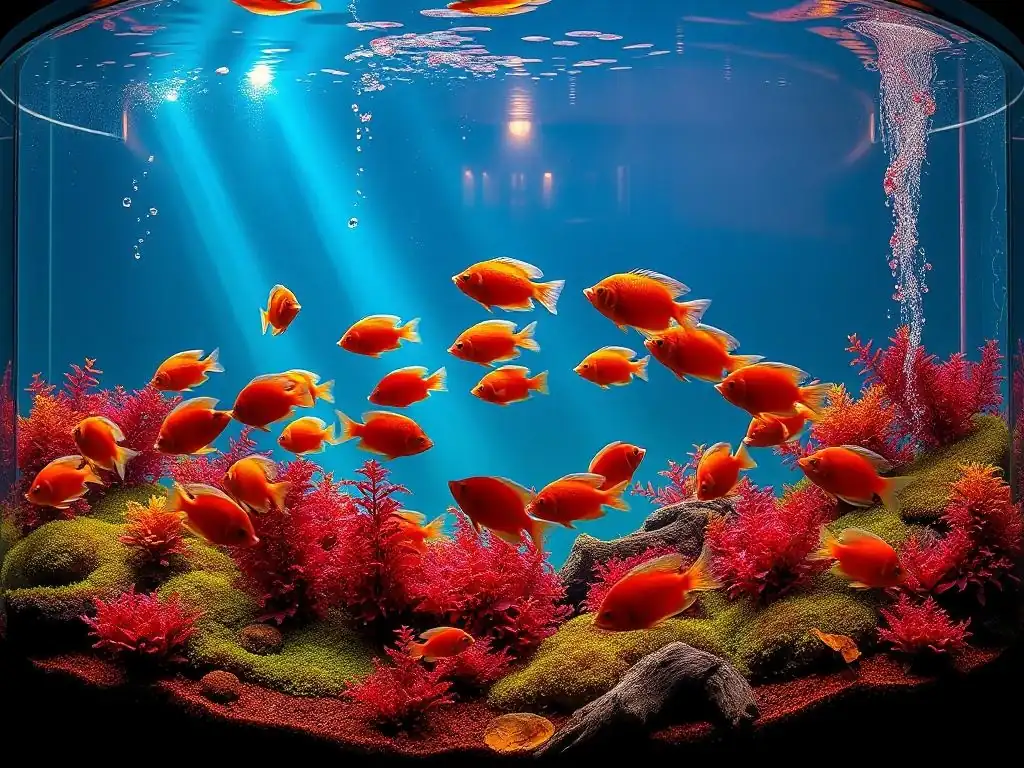
Welcome to Aquarium Mastery, fellow aquarist!
Ever wondered how to bring the vibrant hues of a breathtaking sunset into your very own freshwater tank? Then you're in the right place! Delve into our comprehensive guide and uncover the secrets to thriving Sunset Variatus Platy care tips. Prepare to be amazed as we explore everything from optimal tank conditions to breeding these fiery beauties. Ready to paint your aquarium with living color? Let's dive in!
- Sunset Variatus Platy Care: A Comprehensive Guide to Thriving Aquariums
- Understanding Sunset Variatus Platies: An Introduction
- Essential Sunset Variatus Platy Care Tips for a Thriving Aquarium
- Sunset Variatus Platy Tank Mates: Creating a Peaceful Community
- Breeding Sunset Variatus Platies: A Comprehensive Guide
- Common Sunset Variatus Platy Health Issues and Prevention
- Enhancing the Color of Your Sunset Variatus Platies
- Troubleshooting Common Sunset Variatus Platy Problems
- Sunset Variatus Platies: A Rewarding Addition to Any Aquarium
-
Frequently Asked Questions
- How often should I change the water in my Sunset Variatus Platy tank?
- What size tank is recommended for a school of Sunset Variatus Platies?
- What type of food should I feed my Sunset Variatus Platies?
- What are some common diseases that Sunset Variatus Platies are susceptible to?
- What are the ideal water parameters for Sunset Variatus Platies?
- Final Reflection: Embracing the Sunset's Glow
- Ignite Your Aquarium Passion!
Sunset Variatus Platy Care: A Comprehensive Guide to Thriving Aquariums
Understanding Sunset Variatus Platies: An Introduction
What is a Sunset Variatus Platy? Origins and Appearance
The Sunset Variatus Platy, scientifically known as Xiphophorus variatus, is a captivating freshwater fish belonging to the Poeciliidae family, which also includes popular livebearers like guppies and mollies. Originating from the warm, slow-moving waters of Central America, specifically Mexico and Guatemala, these fish thrive in rivers, streams, and even canals with dense vegetation. Their natural habitat often features moderate water flow and abundant plant life, providing both shelter and a rich food source. The "Variatus" in their name refers to their highly variable coloration, a characteristic that has been enhanced through selective breeding to produce the stunning "Sunset" variety.
This particular strain, the Sunset Variatus Platy, is renowned for its vibrant, fiery coloration, typically showcasing a gradient of orange, red, and yellow hues across its body, often intensifying towards the tail fin. Males are generally smaller and more slender than females, reaching an average size of 1.5 to 2 inches (3.8 to 5 cm), and possess a modified anal fin called a gonopodium, used for reproduction.
Females are larger, growing up to 2.5 inches (6.3 cm), with a more rounded body shape, especially when gravid. Their relatively small size and peaceful demeanor make them an excellent choice for community aquariums, bringing a splash of sunset-like vibrancy to any freshwater setup.
The Allure of Sunset Variatus Platies: Defining Characteristics and Color Variations
The primary allure of the Sunset Variatus Platy lies in its spectacular and consistent coloration, which mimics the warm glow of a setting sun. This distinct color pattern, typically a bright orange to deep red body fading into a yellow or golden tail, is a result of meticulous line breeding.
Unlike some other platy varieties that might have mottled or spotted patterns, the Sunset Variatus often displays a more uniform and intense color saturation, making it a focal point in any aquarium. This specific color morph is highly sought after by aquarists looking to add a vibrant, yet harmonious, color scheme to their tanks.
Beyond their striking appearance, Sunset Variatus Platies are also valued for their lively and active personalities. They are constantly exploring their environment, interacting with tank mates, and displaying their vibrant fins. Their robust nature and adaptability to a range of water conditions make them less demanding than some other ornamental fish, appealing to both novice and experienced aquarists. Furthermore, their peaceful temperament allows them to coexist harmoniously with a wide array of other non-aggressive fish species, contributing to a tranquil and visually appealing community aquarium.
Why Choose Sunset Variatus Platies for Your Freshwater Aquarium?
Choosing Sunset Variatus Platies for a freshwater aquarium offers numerous benefits, making them a popular and rewarding addition. Firstly, their stunning "sunset" coloration provides an instant aesthetic boost, transforming a simple tank into a dynamic display of warm hues. This vibrant color, combined with their active swimming patterns, ensures that they are always a lively and engaging presence in the aquarium, constantly catching the eye with their fiery glow. They are particularly effective at adding visual depth and movement to the mid and upper levels of the water column.
Secondly, Sunset Variatus Platies are known for their hardiness and adaptability, making them an excellent choice for beginners venturing into the world of fishkeeping. They are relatively forgiving of minor fluctuations in water parameters compared to more sensitive species, and their general resilience contributes to a lower incidence of common fish diseases. This makes Sunset Variatus Platy care tips relatively straightforward to implement.
Additionally, their peaceful nature means they integrate well into most community tanks, reducing the likelihood of aggression-related stress for other inhabitants. Their omnivorous diet is also easy to accommodate, further simplifying their care requirements and making them a truly low-maintenance yet high-impact species.
Essential Sunset Variatus Platy Care Tips for a Thriving Aquarium
Optimal Tank Setup for Sunset Variatus Platies
Creating an optimal tank setup is paramount for the health and vibrancy of your Sunset Variatus Platies. These fish thrive in environments that mimic their natural habitat, which includes ample swimming space and plenty of hiding spots. A well-designed aquarium reduces stress, promotes natural behaviors, and significantly contributes to their longevity and overall well-being. Focusing on the right substrate, appropriate decorations, and efficient filtration are key components of a successful setup for Sunset Variatus Platy care tips.
The ideal setup for Sunset Variatus Platies should prioritize stability and comfort. This means providing a stable temperature range, consistent water parameters, and a clean environment. Incorporating live plants not only enhances the aesthetic appeal but also provides natural filtration, oxygenation, and crucial hiding places, especially for fry. A thoughtful layout with open swimming areas contrasted with densely planted sections will allow these active fish to exhibit their full range of natural behaviors, from foraging to schooling.
Ideal Tank Size for a School of Sunset Variatus Platies
While Sunset Variatus Platies are relatively small, a group of them requires adequate space to thrive and exhibit their natural schooling behaviors. For a small group of 5-6 platies, a minimum tank size of 10 gallons (approximately 38 liters) is generally recommended. This size allows for sufficient swimming room and helps to dilute waste products, contributing to more stable water parameters. However, for a truly thriving and less stressed school, especially if you plan on breeding or keeping more than six individuals, a 20-gallon (around 76 liters) long aquarium is far more beneficial.
A larger tank, such as a 20-gallon long, provides more surface area for gas exchange, which is crucial for oxygenation, and offers greater stability in water chemistry. It also allows for more elaborate aquascaping, including dense planting and varied decorations, which can further reduce stress and enhance the fish's natural behaviors. When considering Sunset Variatus Platy care tips, remember that overcrowding can lead to increased aggression, poor water quality, and higher susceptibility to diseases, so always err on the side of providing more space rather than less.
Substrate and Decoration Recommendations for Sunset Variatus Platy Comfort
For Sunset Variatus Platies, a dark-colored substrate is often preferred as it helps to enhance their vibrant "sunset" coloration, making their reds, oranges, and yellows stand out more prominently. Fine to medium-sized gravel or sand are both suitable choices, as platies do not typically burrow and these substrates are easy to clean. Ensure the substrate is inert and will not alter water parameters, as stability is key. A depth of 1-2 inches (2.5-5 cm) is usually sufficient for rooting plants and maintaining beneficial bacteria colonies.
Decorations should provide a balance between open swimming spaces and areas for hiding and exploration. Live plants are highly recommended, such as Java Fern, Anubias, Hornwort, and various types of Ludwigia or Rotala, which offer shelter, improve water quality, and mimic their natural habitat. Floating plants like Water Lettuce or Dwarf Water Hyacinth can also be beneficial, providing cover for fry and helping to diffuse strong lighting. Additionally, smooth rocks, driftwood, and ceramic ornaments can be included to create visual interest and additional hiding spots, but avoid sharp edges that could injure the fish.
Maintaining Proper Water Parameters for Sunset Variatus Platy Health
Maintaining stable and appropriate water parameters is one of the most critical Sunset Variatus Platy care tips for ensuring their long-term health and vibrant coloration. These fish are relatively hardy but thrive within specific ranges. The ideal temperature for Sunset Variatus Platies is between 72°F and 78°F (22°C and 26°C). A reliable aquarium heater with a thermostat is essential to maintain a consistent temperature, preventing stress and susceptibility to illness.
Regarding water chemistry, Sunset Variatus Platies prefer slightly alkaline to neutral water with a pH range of 7.0 to 8.0. They also do best in moderately hard water, with a general hardness (GH) between 10 to 25 dGH (180-450 ppm) and carbonate hardness (KH) between 10 to 20 dKH (180-360 ppm). Regular testing of these parameters using a liquid test kit is crucial.
Ammonia and nitrite levels must always be at 0 ppm, while nitrates should be kept below 20 ppm through consistent maintenance routines. Sudden fluctuations in any of these parameters can cause significant stress and health issues for your platies.
Sunset Variatus Platy Diet and Feeding Guide
A balanced and varied diet is fundamental to the health, growth, and vibrant coloration of your Sunset Variatus Platies. As omnivores, they require a mix of both plant-based and protein-rich foods to thrive. Providing a diverse diet not only ensures they receive all necessary nutrients but also mimics their natural foraging behaviors, keeping them active and engaged. A well-fed platy will display more intense colors and a stronger immune system.
Neglecting dietary variety can lead to nutritional deficiencies, dull coloration, and increased susceptibility to diseases. For instance, a lack of essential vitamins can weaken their immune response, making them prone to common ailments like fin rot or fungal infections. Therefore, understanding what to feed, how often, and in what quantities are vital Sunset Variatus Platy care tips that directly impact their vitality and the intensity of their fiery glow.
What to Feed Your Sunset Variatus Platies: A Balanced Diet
To ensure optimal health and vibrant coloration, Sunset Variatus Platies should be fed a high-quality, balanced diet consisting of a variety of foods. A good staple food is a high-quality flake food or small pellet specifically formulated for omnivorous tropical fish. Look for brands that list spirulina or other plant-based ingredients among the first few components, alongside fish meal or shrimp meal. These provide both necessary plant matter and protein.
Supplementing their staple diet with fresh or frozen foods is highly beneficial. Offer brine shrimp, daphnia, and bloodworms (in moderation) for protein, which promotes strong growth and enhances color. For their plant-based needs, blanched vegetables like zucchini, cucumber, or shelled peas can be offered occasionally. Algae wafers are also a good addition for their plant matter content. Providing this varied diet ensures they receive a full spectrum of nutrients, including essential vitamins and minerals crucial for their overall well-being and the stunning intensity of their "sunset" hues.
Feeding Frequency and Portion Control for Optimal Health
Proper feeding frequency and portion control are crucial Sunset Variatus Platy care tips to prevent overfeeding, which can lead to obesity, digestive issues, and most importantly, poor water quality. Sunset Variatus Platies have small stomachs and a relatively fast metabolism, making frequent, small meals ideal. It is recommended to feed them two to three times a day. Each feeding session should consist of an amount of food that they can consume entirely within 2 to 3 minutes.
Overfeeding is a common mistake that can quickly foul the tank water, leading to spikes in ammonia and nitrite, which are highly toxic to fish. Uneaten food decomposes, contributing to bacterial blooms and algae growth. Observing your platies during feeding is key: if there's food left after a few minutes, you're feeding too much. Adjust the portion size accordingly. A healthy platy will be active and eager to eat, but not constantly begging for food or appearing bloated.
Supplementing Your Sunset Variatus Platy's Diet for Enhanced Coloration
While a high-quality staple diet forms the foundation, specific supplements can significantly enhance the already vibrant coloration of your Sunset Variatus Platies. Foods rich in natural color enhancers, such as carotenoids, are particularly effective. These compounds are responsible for the red, orange, and yellow pigments in fish. Spirulina, a type of blue-green algae, is an excellent source of carotenoids and should be a regular component of their diet, either in flake form or as a supplement.
Other beneficial supplements include foods containing astaxanthin, a powerful antioxidant and pigment found in crustaceans. Brine shrimp and krill are natural sources of astaxanthin, making them valuable additions to their feeding regimen. You can also find specialized color-enhancing flake foods that are fortified with these pigments. Offering these supplements 2-3 times a week, in conjunction with their regular diet, will help to intensify the fiery reds and oranges of your Sunset Variatus Platies, truly making them glow in your aquarium.
Maintaining Water Quality for Sunset Variatus Platies
Maintaining pristine water quality is arguably the single most important aspect of Sunset Variatus Platy care tips, directly impacting their health, stress levels, and lifespan. Poor water quality is the leading cause of disease and premature death in aquarium fish. It involves not only regular physical maintenance but also a deep understanding of the nitrogen cycle and how to manage key water parameters. A consistent routine of water changes, effective filtration, and vigilant monitoring ensures a stable and healthy environment.
The metabolic waste produced by fish, uneaten food, and decaying plant matter all contribute to the accumulation of harmful compounds like ammonia, nitrite, and nitrate. Without proper water quality management, these toxins can quickly reach lethal levels. A clear, well-maintained tank is not just aesthetically pleasing; it is a vital sign of a thriving ecosystem where your Sunset Variatus Platies can flourish and display their full, captivating coloration.
The Importance of Regular Water Changes
Regular partial water changes are fundamental to maintaining excellent water quality for Sunset Variatus Platies. This practice dilutes accumulated nitrates and other dissolved organic compounds that filtration alone cannot remove, replenishing essential minerals simultaneously. For a well-established and moderately stocked aquarium, a weekly water change of 25% of the tank volume is a common recommendation. However, for heavily stocked tanks or those with less efficient filtration, a 30-50% weekly change might be necessary.
Always use a reliable dechlorinator or water conditioner to treat tap water before adding it to the aquarium, as chlorine and chloramines are highly toxic to fish. Ensure the temperature of the new water closely matches the tank water to prevent temperature shock, which can severely stress your platies. Consistent water changes are a cornerstone of effective Sunset Variatus Platy care tips, directly preventing the buildup of toxins and promoting a healthier, more stable aquatic environment.
Filtration Systems Best Suited for Sunset Variatus Platy Tanks
Effective filtration is indispensable for maintaining the water quality necessary for Sunset Variatus Platies. A robust filtration system performs mechanical, chemical, and biological filtration, each playing a crucial role. For tanks housing platies, a hang-on-back (HOB) filter or an internal power filter is typically sufficient for tanks up to 20-30 gallons. Canister filters are excellent for larger tanks or for those seeking superior filtration.
Biological filtration, provided by beneficial bacteria colonizing filter media, is paramount as it converts toxic ammonia into nitrite and then into less toxic nitrate. Mechanical filtration removes physical debris like uneaten food and waste, while chemical filtration (often using activated carbon) removes dissolved impurities and odors. When choosing a filter, ensure its flow rate is appropriate for your tank size, providing adequate circulation without creating excessively strong currents that could stress the platies. A filter rated for a tank size slightly larger than your actual tank can provide an extra margin of safety and efficiency.
Monitoring and Adjusting Water Chemistry: pH, Ammonia, Nitrite, Nitrate
Consistent monitoring of water chemistry is a non-negotiable aspect of successful Sunset Variatus Platy care tips. Regular testing for pH, ammonia, nitrite, and nitrate levels allows you to identify problems early and take corrective action before fish health is compromised. A liquid-based test kit is far more accurate and reliable than test strips for these critical parameters. Test your water at least once a week, or more frequently if you notice any signs of distress in your fish or after significant changes to the tank.
As mentioned, ammonia (NH3/NH4+) and nitrite (NO2-) should always be 0 ppm, as even small amounts are highly toxic. Nitrates (NO3-) should ideally be below 20 ppm. If ammonia or nitrite levels are detectable, perform an immediate partial water change (30-50%) and investigate the cause, which could be overfeeding, overstocking, or a compromised biological filter. If nitrate levels rise above 20 ppm, it indicates the need for more frequent or larger water changes. Adjusting pH should be done carefully and gradually, if at all, as sudden shifts are more detrimental than a stable pH slightly outside the ideal range.
Sunset Variatus Platy Tank Mates: Creating a Peaceful Community
Compatible Fish Species for a Sunset Variatus Platy Aquarium
Sunset Variatus Platies are peaceful and community-oriented fish, making them excellent candidates for a diverse freshwater aquarium. When selecting tank mates, the primary considerations are temperament, size, and water parameter compatibility. Ideal companions are other small, peaceful, and similarly sized fish that thrive in hard, slightly alkaline water. This ensures a harmonious environment where all inhabitants can thrive without undue stress or aggression.
Excellent choices for compatible tank mates include other livebearers like Guppies, Mollies (though Mollies prefer slightly higher salinity), and peaceful Swordtails. Other suitable species are various types of Tetras (e.g., Neon Tetras, Cardinal Tetras, Ember Tetras), Rasboras (e.g., Harlequin Rasboras), Dwarf Gouramis, Corydoras catfish, and Otocinclus catfish. These fish generally share similar water parameter requirements and peaceful dispositions, minimizing the risk of conflict and creating a vibrant, interactive community where your Sunset Variatus Platies can truly shine.
Fish to Avoid: Incompatible Tank Mates for Sunset Variatus Platies
While Sunset Variatus Platies are generally peaceful, certain fish species are incompatible and should be avoided as tank mates to prevent stress, injury, or even death. Aggressive or fin-nipping species pose a significant threat, as platies have flowing fins that can be easily targeted. Larger, predatory fish will view platies as a food source, regardless of their temperament. Additionally, fish with vastly different water parameter requirements will not thrive alongside platies, leading to chronic stress and poor health for one or both parties.
Species to avoid include large Cichlids (e.g., Oscar, Jack Dempsey), which are highly aggressive and territorial predators. Similarly, large Gouramis (e.g., Kissing Gouramis, although Dwarf Gouramis are typically fine), or certain Barbs (e.g., Tiger Barbs) are known fin-nippers and can harass platies. Even some otherwise peaceful species that grow very large, like Common Plecos, can become problematic in smaller tanks. Any fish that requires very soft, acidic water (e.g., Discus, some types of Angelfish) should also be avoided, as their needs conflict with the harder, more alkaline water preferred by Sunset Variatus Platies.
Considerations for Invertebrate Tank Mates with Sunset Variatus Platies
When considering invertebrate tank mates for Sunset Variatus Platies, several factors come into play, primarily the safety of the invertebrates and the potential for platies to nip at smaller, slower-moving creatures. Generally, Sunset Variatus Platies are not aggressive towards invertebrates, but very small or vulnerable species might be at risk, especially if the platies mistake them for food. The size and temperament of both the platy and the invertebrate are crucial.
Larger, peaceful invertebrates are generally good choices. Amano Shrimp and various types of Nerite Snails are excellent additions. Amano Shrimp are efficient algae eaters and are too large for platies to bother. Nerite Snails are also superb at controlling algae and are completely safe from platies.
While Cherry Shrimp can also be kept, their small size means that platy fry or even adult platies might occasionally snack on very young or weak shrimp. Ghost Shrimp are another option, but their transparent bodies offer less visual appeal. Avoid very delicate or expensive shrimp species if your platies are particularly curious, and ensure any invertebrate added is compatible with the platy's preferred water parameters.
Breeding Sunset Variatus Platies: A Comprehensive Guide
Creating Breeding Conditions for Sunset Variatus Platies
Breeding Sunset Variatus Platies is remarkably straightforward, as they are prolific livebearers, meaning they give birth to live, free-swimming fry rather than laying eggs. Creating ideal breeding conditions primarily involves providing a stable, healthy environment and a balanced diet. A well-maintained community tank with appropriate water parameters (temperature 75-78°F or 24-26°C, pH 7.0-7.8, moderate hardness) is often sufficient to encourage breeding, as platies will breed readily if comfortable.
To maximize fry survival, consider setting up a dedicated breeding tank or heavily planting the main tank. A 10-gallon tank can serve as a breeding setup, providing a safe space for the pregnant female and later, the fry. Ensure the tank is densely planted with fine-leaved plants like Java Moss, Hornwort, or floating plants. These provide crucial hiding spots for the newborn fry, protecting them from being eaten by adult fish, including their own parents. A consistent feeding schedule with high-quality, varied foods will also ensure the female is healthy enough to produce viable offspring.
Identifying Pregnant Female Sunset Variatus Platies
Identifying a pregnant female Sunset Variatus Platy is relatively easy due to distinct physical changes that occur during gestation. The most noticeable sign is a significant enlargement and rounding of the female's abdomen, which will become visibly swollen over several weeks. This swelling is particularly pronounced towards the ventral area, just behind the pectoral fins. As she nears delivery, her belly will appear almost square-shaped.
Another key indicator is the development of a "gravid spot," a dark, often black or brown, triangular-shaped spot located near the anal fin. This spot is actually the translucent skin covering the female's internal organs, allowing the developing fry's eyes to become visible through her body wall. The gravid spot becomes larger and darker as the female approaches labor, typically indicating that birth is imminent within a few days to a week. Observing these changes allows aquarists to prepare for the arrival of new fry.
Caring for Guppy Fry: Ensuring a High Survival Rate
Self-correction: The original structure had "Caring for Guppy Fry". I need to change this to "Caring for Sunset Variatus Platy Fry".
Caring for Sunset Variatus Platy Fry: Ensuring a High Survival Rate
Ensuring a high survival rate for Sunset Variatus Platy fry requires specific attention to their environment and diet. Platies are prolific breeders, and a single female can give birth to 20-50 fry every 28-30 days, sometimes even more. However, adult platies and other tank mates will often prey on the tiny, vulnerable fry. Therefore, providing a safe haven and appropriate food are crucial Sunset Variatus Platy care tips for raising them successfully.
The most effective way to protect fry is to either move the pregnant female to a separate breeding tank just before she gives birth, or to heavily plant the main tank with dense vegetation. Once born, the fry are self-sufficient and immediately begin seeking food. Their small size makes them susceptible to being eaten, so providing ample hiding spots is paramount. Their rapid growth depends heavily on frequent, nutritious feedings and immaculate water quality.
Setting Up a Separate Fry Tank or Using Breeding Traps
To maximize the survival rate of Sunset Variatus Platy fry, aquarists often employ one of two strategies: setting up a dedicated fry tank or using breeding traps. A separate fry tank, typically a 5 to 10-gallon aquarium, offers the best environment. The pregnant female can be moved to this tank once her gravid spot is prominent and her belly is squared off.
After she gives birth, she should be removed immediately to prevent her from eating her offspring. The fry tank should be bare-bottomed for easy cleaning, or have a thin layer of sand, and be heavily planted with live or artificial plants to provide hiding spots. It should also have a gentle sponge filter to avoid strong currents that could harm the delicate fry.
Breeding traps, or breeder nets, are smaller, mesh or plastic enclosures that float inside the main aquarium. They are designed to isolate the pregnant female, allowing the fry to swim through slots into a separate compartment, safe from the mother. While convenient, breeding traps can be stressful for the female due to their confined space, and they often offer less optimal water circulation.
If used, the female should only be placed in the trap just before birth and removed immediately afterward. For long-term rearing, transferring the fry to a larger, dedicated fry tank is always preferable for their growth and development.
Feeding Sunset Variatus Platy Fry: Specialized Diets for Growth
Sunset Variatus Platy fry are born relatively large and can immediately consume tiny foods. For their rapid growth and development, a specialized, high-protein diet is essential. Standard adult flake food is too large for them, so it needs to be crushed into a very fine powder. However, this alone is often not sufficient. Live foods are highly recommended for optimal growth and health.
Newly hatched brine shrimp nauplii are considered the gold standard for feeding platy fry. They are highly nutritious, appropriately sized, and their jerky swimming motion attracts the fry. Other suitable options include micro worms, infusoria (for very young fry), or high-quality liquid fry food. Feed the fry small amounts multiple times a day, ideally 4-6 times, to support their fast metabolism. Overfeeding should be avoided, as uneaten food will quickly foul the water. Regular small water changes are also crucial in a fry tank to maintain pristine conditions and ensure their healthy development into vibrant adult Sunset Variatus Platies.
Common Sunset Variatus Platy Health Issues and Prevention
Identifying Signs of Illness in Sunset Variatus Platies
Early detection of illness is crucial for successful treatment and preventing the spread of disease in your Sunset Variatus Platies. Vigilant observation of your fish's behavior and appearance can help identify problems before they become severe. Healthy platies are active, display vibrant coloration, have clear eyes, and their fins are held erect and are free from tears or clamping. They should also show a healthy appetite and swim normally.
Signs of illness often manifest as changes from these normal behaviors and appearances. Look for clamped fins (fins held close to the body), lethargy or unusual swimming patterns (e.g., darting, rubbing against objects, staying at the surface or bottom), loss of appetite, or dulling of colors. Physical symptoms might include white spots (Ich), cotton-like growths (fungus), frayed or rotting fins (fin rot), bloating, or visible parasites. Any deviation from normal indicates a potential health issue requiring immediate attention and investigation into the underlying cause, often related to water quality.
Treating Common Sunset Variatus Platy Diseases: Ich, Fin Rot, and Fungal Infections
Sunset Variatus Platies, like most aquarium fish, can be susceptible to common freshwater diseases, particularly if water quality is poor or they are stressed. Prompt and accurate treatment is vital.
- Ich (White Spot Disease): This is one of the most common parasitic infections, characterized by small, white spots resembling salt grains on the body and fins. Treatment involves gradually raising the tank temperature to 82-84°F (28-29°C) over 24 hours (if compatible with tank mates) and using an Ich-specific medication containing malachite green or formalin. Continue treatment for at least 3-5 days after the last spot disappears to ensure all parasites are eradicated.
- Fin Rot: Caused by bacterial infection, fin rot manifests as frayed, ragged, or disintegrating fins, often with a white or red edge. It's frequently a secondary infection to poor water quality. Treatment involves large daily water changes (25-50%) and broad-spectrum antibacterial medication, such as those containing erythromycin or furan-2. Improving water quality is paramount for recovery.
- Fungal Infections: These appear as white, cotton-like growths on the body, fins, or mouth, often affecting fish that have been injured or are stressed. Fungal infections are typically secondary to bacterial issues or poor water conditions. Treatment involves antifungal medications containing phenoxyethanol or methylene blue, combined with improving water quality and ensuring good tank hygiene. Always remove activated carbon from the filter during medication and follow dosage instructions precisely.
Preventing Disease: Maintaining a Healthy Aquarium Environment
Prevention is always better than cure when it comes to fish health, and this is especially true for Sunset Variatus Platy care tips. The vast majority of fish diseases are stress-related, often stemming from poor water quality, improper diet, or incompatible tank mates. By maintaining a consistently healthy and stable aquarium environment, you significantly reduce the risk of your platies falling ill.
Key preventative measures include:
- Consistent Water Quality: Perform regular partial water changes (e.g., 25% weekly) and ensure your filtration system is adequately sized and maintained. Regularly test water parameters (ammonia, nitrite, nitrate, pH) to ensure they are within ideal ranges.
- Proper Diet: Feed a varied, high-quality diet appropriate for omnivores, avoiding overfeeding. This strengthens their immune system.
- Appropriate Stocking Levels: Avoid overcrowding, as it leads to increased waste, stress, and aggression.
- Quarantine New Fish: Always quarantine new fish in a separate tank for 2-4 weeks before introducing them to your main aquarium. This prevents the introduction of diseases.
- Stable Environment: Maintain stable temperature and water parameters, avoiding sudden fluctuations.
- Cleanliness: Regularly clean the substrate and aquarium decorations to remove decaying organic matter.
- Observation: Spend time observing your fish daily to catch any early signs of illness or stress.
Enhancing the Color of Your Sunset Variatus Platies
Diet and Supplements for Vibrant Coloration
The most significant factor in enhancing the already stunning coloration of your Sunset Variatus Platies is their diet. To truly maximize their fiery reds, oranges, and yellows, focus on foods rich in natural pigments, specifically carotenoids. These pigments are absorbed from food and deposited into the fish's skin cells, intensifying their hues. High-quality flake or pellet foods formulated for color enhancement often contain these ingredients.
Beyond commercial color-enhancing foods, supplementing with natural sources of carotenoids is highly effective. Spirulina, a type of blue-green algae, is an excellent source and can be fed in flake, pellet, or wafer form. Foods like bloodworms, brine shrimp, and krill are also rich in astaxanthin, a powerful carotenoid that promotes red and orange pigments. Offering these supplements 2-3 times a week, in conjunction with their staple diet, will visibly deepen and brighten the "sunset" glow of your platies.
Lighting's Role in Sunset Variatus Platy Color Enhancement
While diet is paramount, the lighting in your aquarium plays a crucial role in how intensely and accurately the colors of your Sunset Variatus Platies are perceived. Proper lighting can make their vibrant hues pop, while inadequate or incorrect lighting can make them appear dull. The type and spectrum of light are key considerations for Sunset Variatus Platy care tips related to aesthetics.
Full-spectrum LED lighting is highly recommended, as it provides a balanced light spectrum that mimics natural sunlight, bringing out the full range of colors in your fish and plants. Lights with a color temperature around 6500K (Kelvin) are often ideal. Some LED fixtures also offer adjustable red and green channels, which can be tweaked to further enhance the red and orange tones of your platies.
Avoid overly dim lighting, which can make fish appear drab, or excessively bright lighting, which can cause stress and promote algae growth. A consistent lighting schedule, typically 8-10 hours a day, is also important for the overall well-being of the fish and the health of the planted aquarium.
Maintaining Optimal Water Parameters for Color Development
Beyond diet and lighting, consistently maintaining optimal water parameters is a foundational Sunset Variatus Platy care tip that indirectly but significantly impacts their color development and intensity. Fish that are stressed or unhealthy due to poor water quality will often display dull, faded colors, regardless of their diet or lighting. Their energy is diverted to coping with environmental stressors rather than maintaining vibrant pigmentation.
Stable temperatures (72-78°F or 22-26°C), appropriate pH (7.0-8.0), and moderate hardness (10-25 dGH) are crucial. Most importantly, consistently low levels of ammonia, nitrite, and nitrate are essential. Zero ammonia and nitrite, and nitrates below 20 ppm, ensure that the fish are not under chronic toxic stress. When platies are in a pristine, comfortable environment, their immune systems are strong, and their bodies can fully dedicate resources to expressing their genetic potential for brilliant coloration, allowing their natural "sunset" glow to truly shine.
Troubleshooting Common Sunset Variatus Platy Problems
Addressing Aggression Issues in Sunset Variatus Platy Tanks
While Sunset Variatus Platies are generally peaceful, aggression can occasionally arise, particularly among males or towards other fish. This typically manifests as chasing, nipping, or fin-flaring. Addressing aggression issues is important for the well-being of all tank inhabitants. The most common cause of aggression in platies is overcrowding, insufficient hiding spots, or an imbalanced male-to-female ratio.
To mitigate aggression, first ensure your tank is not overstocked. A minimum of 10 gallons for a small group, with more space for larger numbers, is crucial. If aggression persists, examine your male-to-female ratio. A ratio of at least 2-3 females per male is highly recommended. This disperses the male's attention, preventing any single female from being overly harassed. Increasing the amount of dense plant cover and decorations also provides visual barriers and hiding spots, allowing bullied fish to escape. In severe cases, removing the most aggressive individual or re-evaluating tank mates might be necessary.
Dealing with Fin Nipping and Bullying
Fin nipping and bullying, while less common with Sunset Variatus Platies than with some other species, can still occur, especially in specific circumstances. This usually involves one fish repeatedly biting or tearing the fins of another, leading to stress, injury, and susceptibility to secondary infections like fin rot. Identifying the aggressor and the underlying cause is key to resolving the issue.
Often, fin nipping is a symptom of aggression due to overcrowding, an improper male-to-female ratio, or incompatible tank mates. If your platies are nipping at each other, revisit the solutions for general aggression: increase tank size, adjust the male-to-female ratio, and add more hiding spots. If the nipping is directed at other species, ensure those tank mates are not slow-moving, long-finned fish that might be tempting targets.
Sometimes, simply rearranging the tank decor can disrupt established territories and reduce conflict. Isolate severely bullied fish in a separate hospital tank to allow them to recover and their fins to heal, while you address the root cause in the main aquarium.
Solving Algae Problems in Sunset Variatus Platy Aquariums
Algae growth is a common issue in aquariums, and while a small amount is natural, excessive algae can be unsightly and indicate an imbalance in the tank. For Sunset Variatus Platy aquariums, common algae problems include green spot algae, hair algae, and brown diatom algae. Solving these issues is a critical part of Sunset Variatus Platy care tips for maintaining a clean and healthy environment.
The primary causes of excessive algae are too much light (duration or intensity), excess nutrients (nitrates and phosphates from overfeeding or infrequent water changes), or a lack of live plants to outcompete the algae. To combat algae, first reduce your lighting period to 8-10 hours a day. Perform larger or more frequent water changes (e.g., 50% weekly) to remove excess nutrients. Reduce feeding amounts to ensure no uneaten food is left.
Introduce algae-eating invertebrates like Nerite Snails or Amano Shrimp. Manual removal of algae during water changes is also essential. In severe cases, a blackout period (2-3 days of complete darkness) can significantly reduce algae, but always address the underlying cause to prevent recurrence.
Sunset Variatus Platies: A Rewarding Addition to Any Aquarium
The Beauty and Benefits of Keeping Sunset Variatus Platies
The Sunset Variatus Platy is truly a gem in the freshwater aquarium hobby, offering a captivating blend of beauty, hardiness, and engaging behavior. Their signature "sunset" coloration, with its vibrant oranges, reds, and yellows, brings an immediate splash of warmth and energy to any tank, making them a focal point and a constant source of visual delight. These active fish are always on the move, exploring their environment and interacting with tank mates, adding dynamic movement to the mid and upper water columns.
Beyond their aesthetic appeal, the benefits of keeping Sunset Variatus Platies extend to their robust nature and ease of care. They are forgiving of minor fluctuations in water parameters, making them an excellent choice for beginners seeking a relatively low-maintenance yet rewarding species. Their peaceful temperament allows them to integrate seamlessly into most community aquariums, coexisting harmoniously with a wide range of other non-aggressive fish. Their prolific breeding also offers an exciting opportunity for aquarists interested in observing the life cycle of fish firsthand, providing a continuous supply of new, vibrant fry.
Continued Learning: Resources for Sunset Variatus Platy Care
To ensure your Sunset Variatus Platies continue to thrive and display their most vibrant colors, ongoing learning and research are invaluable. The world of aquarism is vast, and new insights into fish health, nutrition, and tank management are constantly emerging. Staying informed will help you troubleshoot problems effectively, enhance your fishkeeping skills, and provide the best possible environment for your aquatic companions.
Excellent resources for continued learning include reputable aquarium forums and online communities, where experienced aquarists share their Sunset Variatus Platy care tips, experiences, and advice. Comprehensive aquarium books and dedicated fishkeeping websites (like AquariumMastery.com) offer in-depth guides on species-specific care, water chemistry, disease identification, and breeding techniques. Joining local aquarium clubs can also provide a valuable network for sharing knowledge and resources, offering hands-on learning opportunities and access to experienced mentors. By actively seeking out and utilizing these resources, you can deepen your understanding of Sunset Variatus Platies and ensure their long-term health and vibrancy in your aquarium.
Frequently Asked Questions
How often should I change the water in my Sunset Variatus Platy tank?
Regular water changes are crucial. Aim for a 25% water change every one to two weeks to maintain optimal water quality and prevent the buildup of harmful substances.
What size tank is recommended for a school of Sunset Variatus Platies?
A minimum of 10 gallons is recommended for a small group of Sunset Variatus Platies. For larger groups, consider a 20-gallon tank or larger to provide ample swimming space and reduce stress.
What type of food should I feed my Sunset Variatus Platies?
Sunset Variatus Platies are omnivores. Provide a balanced diet of high-quality flake food supplemented with live or frozen foods like brine shrimp or daphnia for optimal health and coloration.
What are some common diseases that Sunset Variatus Platies are susceptible to?
Sunset Variatus Platies can be susceptible to diseases like ich (white spot disease), fin rot, and fungal infections. Maintaining clean water conditions and providing a stress-free environment are crucial for prevention.
What are the ideal water parameters for Sunset Variatus Platies?
Sunset Variatus Platies thrive in water with a pH of 6.8 to 7.8, a temperature of 72°F to 78°F (22°C to 26°C), and moderate hardness. Regular testing is essential to maintain stable conditions.
Okay, here's a final reflection designed to close your article "Sunset Variatus Platy: Capturing a Fiery Glow in Your Aquarium," optimized for the keyword "Sunset Variatus Platy care tips" and following the structure you provided:
Final Reflection: Embracing the Sunset's Glow
The vibrant hues of the Sunset Variatus Platy, as we've explored, are more than just a visual delight; they represent a microcosm of the beauty and delicate balance we strive for in our aquariums. Understanding and implementing proper Sunset Variatus Platy care tips is not merely about keeping fish alive, but about creating a thriving ecosystem that reflects the fiery beauty of a sunset. This commitment to responsible fishkeeping elevates the hobby from simple pet ownership to a mindful practice of environmental stewardship, even on a small scale.
The allure of these radiant fish has undoubtedly influenced the aquarium hobby, inspiring countless aquarists to seek out and cultivate these living jewels. The joy of watching a school of healthy Sunset Variatus Platies shimmer in the light is a testament to the power of responsible care and the beauty that can be achieved with knowledge and dedication. In every walk with nature, one receives far more than he seeks.
- John Muir. This quote encapsulates the deeper connection we forge with nature through the act of caring for these creatures, a connection that enriches our lives and fosters a greater appreciation for the natural world.
Now, as you close this article, consider the impact you can have on the lives of these beautiful fish. Take the Sunset Variatus Platy care tips you've learned and apply them diligently. Observe, learn, and adapt your approach to ensure the well-being of your aquatic companions. Let the fiery glow of the Sunset Variatus Platy inspire you to create a thriving underwater world, a testament to your dedication and a vibrant reflection of the beauty that exists when we embrace responsible and informed fishkeeping.
Ignite Your Aquarium Passion!
Thanks for diving into the vibrant world of Sunset Variatus Platies! We hope you’re feeling inspired by their fiery beauty and ready to bring that magic to your own aquarium. Now, let's translate that inspiration into action.
Here are a few ways to keep the flame burning:
- Immediately assess your current tank setup: Is it ready for these radiant newcomers? Consider tank size, water parameters, and existing tank mates to ensure a harmonious environment.
- Share this article with fellow aquarium enthusiasts who might also be captivated by the Sunset Variatus Platy's allure. Let's spread the vibrant glow!
- Research unique, color-enhancing foods for your platies! Discover a surprising blend that truly brings out their sunset hues – your platies (and your eyes) will thank you.
What's one small change you can make today to create a more enriching habitat for your potential (or current!) Sunset Variatus Platies?