
Brown Algae Blues? Discover Which Tangs Can Help Restore Reef Balance

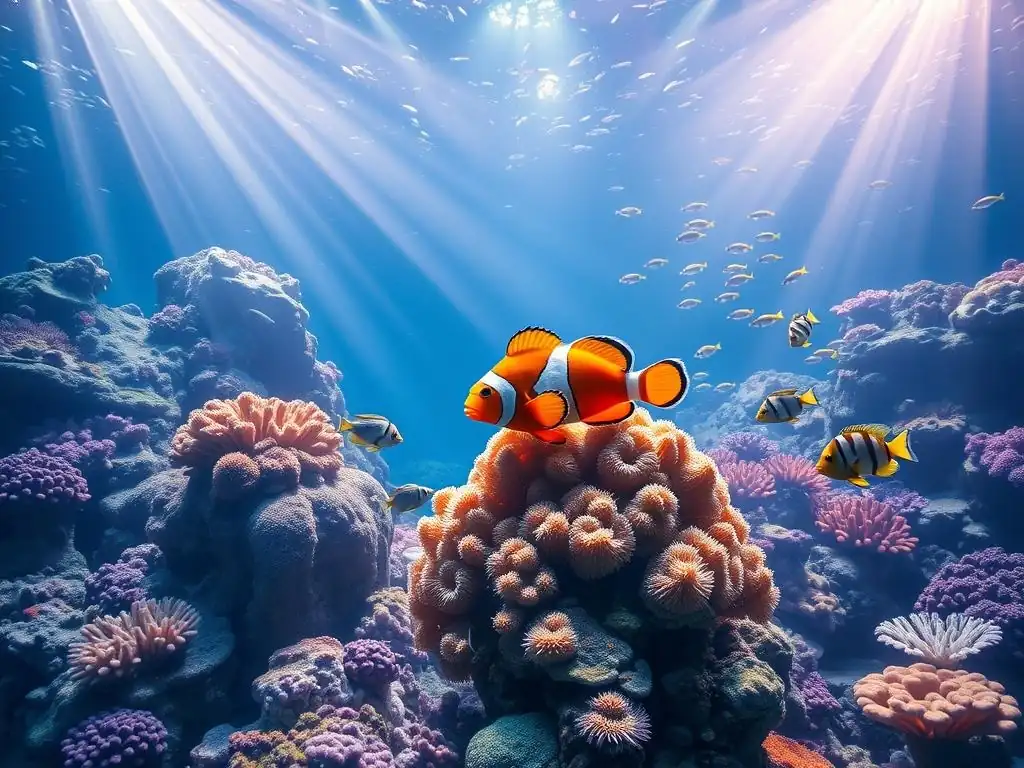
Welcome to Aquarium Mastery, where we dive deep into the fascinating world of aquariums!
Ever wondered how to keep those pesky algae at bay in your saltwater reef tank? You're in the right place! Today, we're exploring the vibrant and vital role that Tangs play in naturally controlling reef algae. Discover which of these stunning fish can help restore balance and beauty to your underwater paradise. Ready to say goodbye to those brown algae blues and hello to a thriving reef? Let's get started!
- Controlling Diatoms in Reef Aquariums: Which Tangs Can Help?
- Understanding Diatoms in Reef Aquariums
- Tangs: Natural Algae Grazers for Reef Aquariums
-
Top Tang Species for Diatom Control
- The Yellow Tang (Zebrasoma flavescens): A Popular Choice for Algae Grazing
- The Kole Tang (Ctenochaetus strigosus): A Dedicated Detritus and Algae Eater
- The Bristletooth Tomini Tang (Ctenochaetus tominiensis): A Peaceful and Effective Algae Grazer
- Other Tang Species That Help Control Algae Growth [e.g., Scopas Tang (Zebrasoma scopas)]
- Integrating Tangs for Algae Control: A Step-by-Step Guide
-
Maintaining a Balanced Reef Ecosystem for Long-Term Algae Control
- Optimizing Water Chemistry to Prevent Algae Blooms
- Implementing Effective Filtration Methods: [Protein Skimmers, GFO Reactors]
- Regular Water Changes: A Key Component of Reef Health
- The Importance of Proper Lighting for Coral Growth and Algae Control
- Avoiding Overfeeding: Reducing Nutrient Input in Your Reef Tank
-
Frequently Asked Questions
- What types of tangs are most effective at controlling brown algae in a reef aquarium?
- How important is the size of the aquarium when choosing a tang for algae control?
- Besides algae control, what other considerations should I keep in mind when selecting a tang?
- How much brown algae can I realistically expect a tang to consume in my reef tank?
- What are some alternative algae control methods I should consider in addition to using tangs?
- Final Reflection: Restoring Reef Harmony
- Transform Your Tank: Become a Reef Restoration Hero!
Controlling Diatoms in Reef Aquariums: Which Tangs Can Help?
Understanding Diatoms in Reef Aquariums
Identifying Common Types of Diatoms in Saltwater Tanks
Diatoms, often misidentified as "brown algae," are in fact single-celled organisms that form a pervasive, dusty brown film on aquarium surfaces. Unlike true algae, diatoms possess intricate cell walls made of silica, known as frustules, which give them a characteristic gritty texture. They commonly appear as a fine, brownish coating on glass, substrate, live rock, and even equipment within the first few weeks or months of a new saltwater aquarium setup.
While many species of diatoms exist in marine environments, in home aquariums, they typically manifest as a uniform, easily wiped-away layer. Common genera such as Navicula or Nitzschia might be present, but from the aquarist's perspective, they all present as the same unsightly brown film. This film can quickly obscure the aesthetic appeal of a reef tank, making corals and vibrant fish appear dull.
Factors Contributing to Diatom Blooms: Silicates and New Tank Syndrome
The primary nutrient source for diatoms is silicate. Silicates can enter the aquarium through various means, including tap water (if not adequately filtered by a high-quality RO/DI unit), some types of sand or rock that leach silica, and even certain salt mixes. Elevated silicate levels, often above 0.5 parts per million (ppm), provide the ideal conditions for a diatom bloom, allowing these organisms to rapidly reproduce and cover tank surfaces.
Diatom blooms are particularly common during what is known as "New Tank Syndrome," typically appearing within the first 1 to 4 weeks after a tank is set up. This phenomenon occurs because the biological filtration is still maturing, and new substrates or rockwork may be leaching silicates into the water. As the tank cycles and beneficial bacteria establish, the initial nutrient spikes and silicate availability often trigger these blooms, which can be a frustrating, albeit often temporary, phase for new aquarists.
The Impact of Diatoms on Reef Health
While diatoms are generally not toxic to fish or corals, their rapid proliferation can significantly impact the aesthetics and overall health of a reef aquarium. A thick layer of diatoms can reduce the amount of light reaching photosynthetic corals, potentially stressing them by lowering the Photosynthetically Active Radiation (PAR) they receive. This light reduction can inhibit coral growth and vibrancy over time.
Furthermore, severe diatom blooms can smother delicate corals or compete for surface area with beneficial organisms like coralline algae, which are crucial for a healthy reef ecosystem. Although diatoms often recede naturally as a tank matures and silicates are depleted or consumed by other organisms, their presence can be a persistent nuisance. Introducing effective grazers, such as certain Tangs control reef algae populations by actively consuming these films, can accelerate their removal and maintain a cleaner, healthier environment.
Tangs: Natural Algae Grazers for Reef Aquariums
The Role of Tangs in Reef Ecosystems: A Natural Algae Control Method
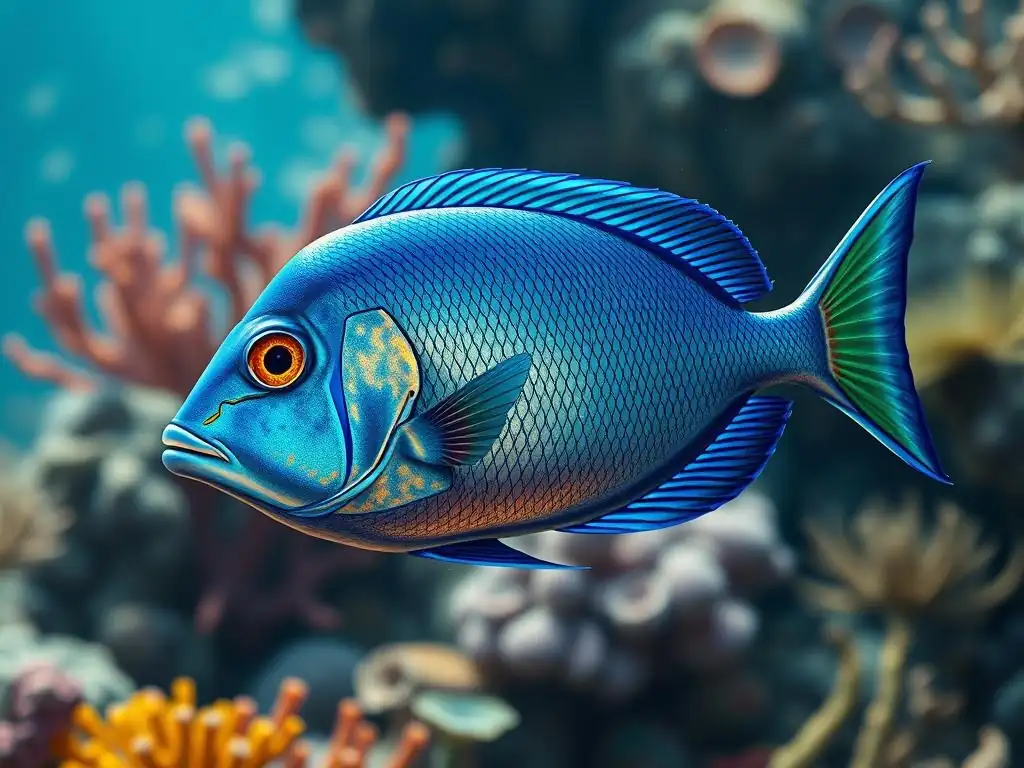
Tangs, also known as surgeonfish, are renowned for their indispensable role as herbivores in natural coral reef ecosystems. They spend the majority of their day constantly grazing on various types of algae, preventing overgrowth that could otherwise smother corals and alter the delicate balance of the reef. This continuous grazing activity is essential for maintaining biodiversity and the health of coral communities in the wild.
In the home aquarium, this natural behavior translates directly into an effective and sustainable method for algae control. By introducing appropriate tang species, aquarists can leverage their innate grazing habits to keep nuisance algae, including diatoms, in check. This biological control method provides a continuous, active solution, making Tangs control reef algae a cornerstone strategy for many successful reef tanks.
Why Tangs are Effective Diatom Eaters
Tangs are particularly effective diatom eaters due to their specialized mouthparts and constant feeding behavior. Their mouths are uniquely adapted for scraping and picking at surfaces, allowing them to efficiently dislodge the thin, dusty film of diatoms from live rock, glass, and even sand beds. Unlike some other grazers, many tang species will actively seek out and consume these microscopic films.
Their high metabolism necessitates almost constant feeding, meaning they are perpetually grazing throughout the day. This consistent pressure on the diatom population prevents these organisms from establishing dense, unsightly layers. The continuous consumption by tangs helps to break the diatom's life cycle, making Tangs control reef algae an active and ongoing process that significantly contributes to a cleaner and more visually appealing reef tank.
Responsible Tang Keeping: Ensuring Proper Tank Size and Care
Responsible tang keeping begins with selecting an appropriately sized aquarium. Tangs are highly active swimmers and can grow quite large, requiring ample space to thrive and exhibit natural behaviors. For instance, a popular Yellow Tang (Zebrasoma flavescens) needs a minimum of 75-100 gallons, while larger species like the Naso Tang (Naso lituratus) require 180 gallons or more. Housing tangs in undersized tanks leads to stress, stunted growth, aggression, and increased susceptibility to disease.
Beyond tank size, maintaining optimal water quality and providing a varied diet are paramount for their health and effectiveness. While tangs actively graze on algae, their diet should be supplemented with high-quality marine pellets, flakes, and various types of seaweed, such as nori, several times a week. Stable water parameters—including a temperature range of 75-80°F (24-27°C), salinity of 1.023-1.026 specific gravity, and pH between 8.1-8.4—are crucial for their long-term well-being and their ability to effectively help Tangs control reef algae.
Top Tang Species for Diatom Control
The Yellow Tang (Zebrasoma flavescens): A Popular Choice for Algae Grazing
The Yellow Tang (Zebrasoma flavescens) stands out as one of the most popular and effective algae grazers in the reef aquarium hobby. Renowned for its vibrant yellow coloration and constant activity, this species is a diligent consumer of filamentous algae and, importantly, the dusty brown film of diatoms. Its widespread availability and general hardiness make it a top choice for aquarists seeking a natural solution for algae management.
A single adult Yellow Tang can make a noticeable difference in a tank, spending its day picking at rockwork, glass, and even sand, consuming a significant amount of algae. Their efficient grazing habits help maintain cleaner surfaces, reducing the visual impact of diatom blooms and contributing to a healthier environment for corals and other inhabitants. When considering how Tangs control reef algae, the Yellow Tang is often the first species that comes to mind for its reliability.
Yellow Tang Temperament and Compatibility
Yellow Tangs are generally peaceful towards most other fish species, but they can exhibit territorial behavior, especially towards other tangs or fish with similar body shapes. It is typically best to keep only one Yellow Tang in tanks under 120 gallons to avoid aggression and stress. Ideal tank mates include clownfish, gobies, wrasses, and other non-tang species that do not compete for the same grazing territory.
If considering multiple tangs, it is crucial to introduce the Yellow Tang last to minimize aggression, or to ensure a very large tank (over 180 gallons) with ample hiding spots to diffuse territorial disputes. Avoid housing multiple Zebrasoma species together in smaller setups, as this often leads to significant stress and fighting. Careful planning of tank mates is essential for a harmonious reef environment.
Maintaining Optimal Water Parameters for Yellow Tangs
Maintaining stable and optimal water parameters is vital for the long-term health and vibrancy of Yellow Tangs. They thrive in temperatures between 75-79°F (24-26°C), a specific gravity of 1.024-1.026, and a pH range of 8.1-8.4. Low nitrate levels (preferably below 10 ppm) and undetectable phosphates (below 0.03 ppm) are crucial not only for coral health but also for preventing stress and maintaining the tang's immune system.
Furthermore, Yellow Tangs require excellent water flow throughout the tank, mimicking their natural reef environment, and plenty of live rock with crevices for grazing and shelter. Regular water changes, typically 10-20% bi-weekly, are essential for replenishing trace elements and diluting accumulated waste, contributing significantly to their overall well-being and effectiveness as algae grazers.
The Kole Tang (Ctenochaetus strigosus): A Dedicated Detritus and Algae Eater
The Kole Tang (Ctenochaetus strigosus), also known as the Yellow Eye Kole Tang, is an exceptional smaller tang species highly valued for its diligent grazing habits, particularly its focus on microalgae and detritus, including diatoms. Its unique, brush-like mouth is perfectly adapted for scraping these fine films from the surfaces of live rock, making it an incredibly efficient cleaner in the reef aquarium.
Unlike some other tangs that might prefer longer filamentous algae, the Kole Tang actively targets the thin, dusty layers often found on rocks and in crevices, which larger grazers might overlook. This specialized diet makes it an excellent complementary grazer in a mixed-reef setup, ensuring that even the most stubborn diatom films are kept in check. Its consistent activity makes it a valuable asset when Tangs control reef algae is the primary objective.
Kole Tang Diet and Feeding Habits
The Kole Tang is primarily a microalgae and detritus feeder, constantly sifting and scraping surfaces with its specialized teeth. In the aquarium, while it will diligently graze on diatoms and other film algae, its diet must be supplemented to ensure complete nutrition. High-quality marine flakes and pellets, particularly those formulated for herbivores, should be offered daily.
Furthermore, various types of seaweed, such as nori or spirulina sheets, provided via a veggie clip, are essential to their diet. It is important to ensure there is enough surface area for the Kole Tang to graze upon naturally. If the tank is exceptionally clean and natural algae growth is sparse, increased supplemental feeding becomes even more critical to prevent malnutrition and maintain its health.
Kole Tang Care Requirements: Tank Size and Water Quality
Despite being one of the smaller tang species, the Kole Tang is an active swimmer and requires a minimum tank size of 70 gallons to thrive. This allows ample space for swimming and provides sufficient live rock for grazing and hiding. Providing a well-established aquascape with numerous crevices and surfaces is crucial for their well-being and grazing efficiency.
Like all tangs, Kole Tangs are sensitive to sudden fluctuations in water parameters. Stable water conditions, including a temperature of 75-79°F (24-26°C), salinity of 1.024-1.026 specific gravity, and a pH of 8.1-8.4, are vital. They are generally hardy once acclimated but require excellent water quality with low nitrates and phosphates to prevent stress and disease, ensuring they remain effective grazers.
The Bristletooth Tomini Tang (Ctenochaetus tominiensis): A Peaceful and Effective Algae Grazer
The Bristletooth Tomini Tang (Ctenochaetus tominiensis) is highly regarded for its relatively peaceful temperament and its exceptional ability to control various types of film algae, including diatoms, in reef aquariums. Its attractive coloration, combining a brown body with vibrant blue and yellow accents, along with its more manageable size, makes it a suitable choice for slightly smaller reef tanks compared to larger tang species.
Like other Bristletooth tangs, the Tomini Tang possesses a unique "bristletooth" mouth structure, perfectly designed for scraping microscopic algae and detritus from complex rockwork and crevices. This allows it to diligently clean areas that other grazers might miss, making it a very thorough and effective cleaner. Its continuous grazing activity renders it a valuable asset for maintaining a clean display and is a strong contender when considering which Tangs control reef algae most effectively in smaller systems.
Tomini Tang Behavior and Tank Mates
The Tomini Tang is considered one of the most peaceful tang species, generally exhibiting less aggression than many of its counterparts. It is typically tolerant of other fish species, making it a good choice for a community reef tank. While it can sometimes be housed with other Ctenochaetus species in very large aquariums (over 150 gallons), it is generally best kept as the sole tang or with tangs of significantly different body shapes to minimize potential territorial disputes.
Good tank mates for the Tomini Tang include blennies, gobies, and various types of wrasses. It is important to avoid housing it with highly aggressive or predatory fish that might bully or stress it. Providing plenty of live rock with caves and hiding spots is crucial for its comfort and security within the reef environment.
Ensuring Adequate Algae Growth for Tomini Tangs
Like all herbivorous tangs, Tomini Tangs require constant access to grazing material to maintain their health and effectiveness. While they are excellent at consuming diatoms and other film algae, if the tank is exceptionally clean and natural algae growth is scarce, supplemental feeding becomes absolutely essential. High-quality marine algae sheets (nori, spirulina) offered via a seaweed clip should be a regular part of their diet, ideally several times a week.
Aquarists might also consider implementing a refugium or a section of the sump dedicated to growing macroalgae. This provides a continuous, natural food source that can be harvested and fed to the Tomini Tang, ensuring it receives adequate nutrition even when nuisance algae in the display tank are low. This proactive approach supports their health and maintains their valuable role as algae controllers.
Other Tang Species That Help Control Algae Growth [e.g., Scopas Tang (Zebrasoma scopas)]
Beyond the most popular choices, several other tang species are excellent at controlling algae growth, including diatoms. The Scopas Tang (Zebrasoma scopas), also known as the Brown Tang, is a close relative of the Yellow Tang and shares many similar care requirements and grazing habits. It is a diligent grazer of filamentous algae and diatoms, often proving to be just as effective as its yellow counterpart. While it can be territorial like other Zebrasoma species, it is sometimes more tolerant of other tangs in very large, well-aquascaped systems.
Other notable species include the Chevron Tang (Ctenochaetus hawaiiensis), whose juveniles are exceptionally effective diatom and detritus eaters, though they grow into very large adults requiring substantial tank space (200+ gallons). Similarly, Sailfin Tangs (Zebrasoma veliferum and Zebrasoma desjardinii) are voracious algae eaters but demand very large aquariums (180+ gallons) due to their impressive adult size. While Tangs control reef algae is a general truth, species selection must always be carefully matched to the aquarium's size and the specific type of algae problem.
Integrating Tangs for Algae Control: A Step-by-Step Guide
Selecting the Right Tang Species for Your Reef Aquarium Size and Algae Problem
The first crucial step in integrating tangs for algae control is to meticulously select a species appropriate for your specific reef aquarium size and the predominant algae issue. For diatom control, Ctenochaetus species like the Kole Tang (minimum 70 gallons) or Tomini Tang (minimum 70 gallons) are excellent choices due to their specialized mouthparts. For general film and filamentous algae, the Yellow Tang (minimum 75-100 gallons) is highly effective. Always consider the tang's adult size and ensure your tank can comfortably accommodate it for its entire lifespan.
Beyond tank size, assess your current algae problem. While most tangs will graze on diatoms, some are more specialized. Also, evaluate your existing tank inhabitants for compatibility. Introducing a tang into an already aggressive tank, or one with too many similar-looking fish, can lead to stress and aggression. Careful research into the chosen tang's temperament and adult size is paramount to ensure a successful and harmonious integration.
Acclimation and Introduction of Tangs to Your Reef Tank
Proper acclimation is critical for the survival and long-term health of any new fish, especially tangs, which can be sensitive to environmental changes. Begin by drip acclimating the new tang over a period of 30-60 minutes to slowly adjust it to your tank's temperature, pH, and salinity. This gradual process minimizes stress and reduces the risk of osmotic shock.
Once acclimated, introduce the tang into your reef tank, ideally with the aquarium lights dimmed or off. This helps reduce initial stress on the new fish and minimizes potential aggression from existing tank inhabitants. Ensure there are plenty of hiding spots and rockwork for the tang to explore and feel secure. Monitor the tang closely for the first few days for signs of stress, disease, or bullying from other fish.
Monitoring Algae Levels and Adjusting Tang Population Accordingly
After introducing your chosen tang, continuously monitor the levels of diatoms and other nuisance algae in your reef aquarium. Observe if the tang is actively grazing and if the brown film is receding. If diatoms persist or worsen despite the tang's presence, it indicates that underlying issues, such as high silicates or excess nutrients, might still be fueling the bloom. In such cases, re-evaluate your source water, filtration, and feeding habits.
It is crucial to avoid overstocking your tank with too many tangs, even if the goal is to have Tangs control reef algae. While adding another tang might seem like a solution to persistent algae, exceeding your tank's capacity can lead to increased bioload, aggression, and poor water quality, ultimately causing more problems than it solves. If the current tang is healthy and actively grazing, but algae persists, focus on addressing the root causes of the algae growth rather than simply adding more fish.
Supplementing Tangs' Diet for Optimal Health and Algae Control: [Norito Algae, Seaweed Clips]
While tangs are excellent natural grazers, relying solely on tank algae for their nutrition is often insufficient, especially as nuisance algae levels decrease. Supplemental feeding is crucial for their optimal health, vibrant coloration, and continued effectiveness as algae controllers. High-quality marine algae sheets, such as nori or spirulina, should be offered regularly, typically 3-5 times a week. These can be secured to the aquarium glass with a seaweed clip, allowing the tangs to graze naturally throughout the day.
In addition to algae sheets, supplement their diet with high-quality marine pellets or flakes specifically formulated for herbivorous fish. A varied diet supports their immune system, reduces the likelihood of nutritional deficiencies, and can even decrease aggression by keeping them well-fed. Ensuring your tangs receive adequate and balanced nutrition is key to their long-term well-being and their ability to continuously help Tangs control reef algae in your system.
Maintaining a Balanced Reef Ecosystem for Long-Term Algae Control
Optimizing Water Chemistry to Prevent Algae Blooms
Maintaining pristine water chemistry is fundamental to preventing algae blooms and ensuring a thriving reef ecosystem. It is crucial to keep nitrates consistently low, ideally below 10 ppm, and phosphates at undetectable levels, typically below 0.03 ppm. Regular testing with reliable kits, such as Hanna Checkers or Salifert test kits, helps monitor these parameters. Crucially, always use high-quality RO/DI (Reverse Osmosis/Deionized) water for all top-offs and water changes, as tap water often contains silicates, phosphates, and other contaminants that fuel algae growth.
Beyond nutrient control, maintaining stable levels of alkalinity (8-12 dKH), calcium (400-450 ppm), and magnesium (1250-1350 ppm) is vital for coral health and overall reef stability. A healthy, balanced reef ecosystem, with robust coral growth and beneficial microbial populations, naturally competes with nuisance algae. This holistic approach supports the efforts of Tangs control reef algae by addressing the underlying conditions that allow algae to proliferate.
Implementing Effective Filtration Methods: [Protein Skimmers, GFO Reactors]
Effective filtration is paramount for nutrient export and preventing algae blooms in a reef aquarium. A properly sized and well-maintained protein skimmer is an indispensable tool, efficiently removing dissolved organic compounds before they break down into nitrates and phosphates. Regular cleaning of the skimmer's collection cup, ideally daily or every other day, ensures its peak performance and consistent removal of waste.
For targeted phosphate removal, a GFO (Granular Ferric Oxide) reactor is highly recommended. GFO media effectively binds phosphates from the water column, significantly reducing one of the primary fuels for nuisance algae. It is important to replace the GFO media regularly, typically every 2-4 weeks, as it becomes saturated over time and can leach phosphates back into the water if left too long. Activated carbon can also be used in conjunction to remove dissolved organic pollutants and improve water clarity.
Regular Water Changes: A Key Component of Reef Health
Regular water changes are a cornerstone of effective reef aquarium maintenance and a critical component in the battle against nuisance algae. Performing routine water changes, such as 10-20% bi-weekly or 10% weekly, serves multiple vital functions: it dilutes accumulated nitrates, phosphates, and other pollutants, replenishes essential trace elements that corals and invertebrates consume, and removes undesirable compounds like silicates that might contribute to diatom blooms.
Always use a high-quality synthetic sea salt mix dissolved in pure RO/DI water for water changes. This ensures that no new contaminants are introduced into the system. Consistent water changes help maintain stable water parameters, reduce the overall nutrient load, and create an environment less conducive to algae growth. This proactive measure significantly complements the grazing efforts of species where Tangs control reef algae is a primary function, by tackling the nutrient source.
The Importance of Proper Lighting for Coral Growth and Algae Control
While diatoms do not rely heavily on intense light, improper or excessive lighting can significantly impact overall tank health and contribute to the growth of other nuisance algae types. Maintaining an appropriate photoperiod, typically between 8-12 hours per day, is crucial. Leaving lights on for extended periods can stress corals and encourage the proliferation of unwanted algae.
Furthermore, ensuring the correct light spectrum and intensity (PAR levels) for your specific corals is important. Old or incorrect bulbs can shift their spectrum, sometimes favoring nuisance algae growth over beneficial coral or coralline algae. Regular bulb replacement for fluorescent or metal halide fixtures, or appropriate adjustments for LED systems, helps maintain optimal conditions for coral health while minimizing the conditions that lead to algae outbreaks.
Avoiding Overfeeding: Reducing Nutrient Input in Your Reef Tank
One of the most common and significant sources of nutrient pollution in a reef aquarium is overfeeding. Excess food that is not consumed by fish quickly breaks down, releasing nitrates and phosphates directly into the water column, which in turn fuels the growth of nuisance algae, including diatoms. To mitigate this, practice feeding small amounts multiple times a day rather than a single large feeding. Ensure that all food offered is consumed within a few minutes, leaving no uneaten particles to decompose.
Reducing nutrient input through careful feeding is a simple yet profoundly effective strategy for long-term algae control. It lightens the load on your filtration system and directly reduces the available nutrients for algae. This practice is essential for maintaining a clean, healthy reef environment and significantly enhances the effectiveness of natural grazers like tangs, whose efforts to Tangs control reef algae are best supported by a low-nutrient system.
Frequently Asked Questions
What types of tangs are most effective at controlling brown algae in a reef aquarium?
Tangs like the Yellow Tang Zebrasoma flavescens and the Bristletooth Tang Ctenochaetus strigosus are known to graze on various algae, including some types of brown algae. Their dietary habits can help control its spread.
How important is the size of the aquarium when choosing a tang for algae control?
Very important! Tangs, especially the popular ones, need plenty of swimming space. A larger tank ensures they have enough room to thrive and effectively graze on algae.
Besides algae control, what other considerations should I keep in mind when selecting a tang?
Consider the tang's temperament and compatibility with other inhabitants. Some tangs can be aggressive towards similar species or other fish in your reef aquarium.
How much brown algae can I realistically expect a tang to consume in my reef tank?
It varies depending on the tang's size, species, and the amount of algae present. Tangs can significantly reduce algae, but they're not a complete solution; good water parameters are also crucial.
What are some alternative algae control methods I should consider in addition to using tangs?
Maintaining good water quality through regular water changes, using a protein skimmer, and ensuring proper lighting are essential for preventing algae blooms. Tangs are part of a holistic approach.
Final Reflection: Restoring Reef Harmony
The insights shared in this article highlight the crucial role Tangs play in maintaining the delicate balance of our coral reefs. Understanding which Tang species are best suited for algae control isn't just about aquarium keeping; it's about recognizing the interconnectedness of marine ecosystems and the impact our choices have on their health, especially in the face of increasing environmental pressures.
This exploration into the algal grazing habits of Tangs underscores the profound influence even seemingly small creatures can have on the larger ecological picture. The responsibility to understand and protect these vital ecosystems rests with each of us, from hobbyists to conservationists. In the end, we will conserve only what we love; we will love only what we understand; and we will understand only what we are taught.
- Baba Dioum. This quote perfectly encapsulates the need for continued education and awareness regarding the importance of reef inhabitants like Tangs.
Now, armed with this knowledge, consider how you can contribute to the preservation of these underwater paradises. Whether you're a seasoned aquarist, a budding marine biologist, or simply a concerned citizen, take a moment to reflect on your actions and how they impact the ocean. Let's all strive to be more informed, more responsible, and more dedicated to ensuring the vibrant future of our coral reefs, one Tang, one action, at a time.
Transform Your Tank: Become a Reef Restoration Hero!
Thank you for diving into the world of tangs and algae control! We hope this article has empowered you with the knowledge to create a healthier, more balanced reef aquarium. Now, let's put that knowledge into action!
Here are a few things you can do right now:
- Identify and introduce the right tang species to your tank. Consider the size and specific algae types present.
- Explore local reef aquarium clubs and share your experiences – you might inspire others to tackle their own algae issues!
- Experiment with reducing nutrient input to further minimize algae growth and observe the long-term effects.
Ready to take the plunge and start restoring your reef's delicate balance? What's one small change you'll make this week to combat algae in your aquarium?