
Butterflyfish Emergency Room: Critical Care When Disaster Strikes

Welcome to Aquarium Mastery!
Ever watched a Butterflyfish seemingly thrive one day, then plummet into distress the next? We understand the panic. This article dives deep into Butterflyfish rapid recovery tips, giving you the crucial knowledge to act swiftly and effectively when disaster strikes. Discover the secrets to bringing these delicate beauties back from the brink, and turn your aquarium into a haven of health. Read on and learn how to become a true Butterflyfish emergency responder!
- Recognizing a Butterflyfish Emergency: Identifying Urgent Care Needs
- Setting Up a Butterflyfish Emergency Quarantine Tank: A Safe Haven
- Rapid Response Protocols: Butterflyfish First Aid Guide
- Butterflyfish Rapid Recovery Tips: Intensive Care Strategies
- Preventing Future Emergencies: Proactive Butterflyfish Healthcare
- Long-Term Care After the Emergency: Ensuring a Full Recovery
- Troubleshooting Common Butterflyfish Recovery Problems
-
Frequently Asked Questions
- How can I quickly identify that my butterflyfish is in distress and needs emergency care?
- What are the most common causes of emergencies in butterflyfish aquariums?
- What immediate steps should I take if my butterflyfish appears to be suffering from a parasitic infection?
- How important is water quality for the rapid recovery of a stressed butterflyfish?
- Besides medication and water quality, what other support can I provide to aid my butterflyfish's recovery?
- Final Reflection: The Resilience of Reef Life
- Dive Deeper: Chart Your Course to Butterflyfish Bliss!
Recognizing a Butterflyfish Emergency: Identifying Urgent Care Needs
Immediate Signs Your Butterflyfish Needs Help: Critical Indicators
Observing your butterflyfish's behavior is the first critical step in identifying a potential emergency. Healthy butterflyfish typically display vibrant colors, active swimming, and a keen interest in their surroundings and food. Urgent signs that demand immediate attention include severe lethargy, where the fish remains motionless at the bottom or surface, or erratic swimming patterns such as darting, spiraling, or rubbing against objects. Rapid gill movement, exceeding 100 breaths per minute, can indicate oxygen deprivation or severe stress, while prolonged hiding or refusal to eat for more than 24 hours are also significant red flags.
Physical changes are equally crucial indicators. Look for fin clamping, where fins are held close to the body, indicating discomfort or stress. Discoloration, such as faded patches, darkening, or unusual blotches, can signal disease or severe stress. The appearance of white spots resembling salt grains (Ichthyophthirius multifiliis, or Ich), a dusty, gold-like coating (Velvet disease), or any lesions, ulcers, or open sores on the body are clear signs of infection. Cloudy eyes or a swollen abdomen also warrant immediate investigation, as these often point to serious internal issues or systemic infections requiring prompt intervention.
Common Butterflyfish Ailments Requiring Immediate Attention
Among the most common and rapidly progressive ailments affecting butterflyfish, Ich and Velvet disease stand out as emergencies. These parasitic infections can quickly overwhelm a fish's immune system, especially in sensitive species like butterflyfish, leading to rapid decline and potential mortality within days if left untreated. Ich manifests as distinct white spots, while Velvet presents as a finer, golden-brown dust. Both parasites reproduce quickly, with a lifecycle that can complete in as little as 3-7 days at warmer temperatures, meaning a small outbreak can escalate into a severe infestation very quickly.
Bacterial infections, such as fin rot, systemic bacterial infections, and septicemia, also demand immediate attention. Fin rot, characterized by frayed or deteriorating fins, can quickly progress to the body if not addressed, leading to secondary infections. Systemic bacterial infections, often indicated by bloating, cloudy eyes, or red streaks on the body, can lead to organ failure if not treated with appropriate broad-spectrum antibiotics swiftly. Severe stress, often induced by poor water quality or aggressive tank mates, can significantly compromise a butterflyfish's immune response, making them highly susceptible to these opportunistic pathogens.
Setting Up a Butterflyfish Emergency Quarantine Tank: A Safe Haven
Essential Equipment for a Butterflyfish Emergency Tank: A Checklist
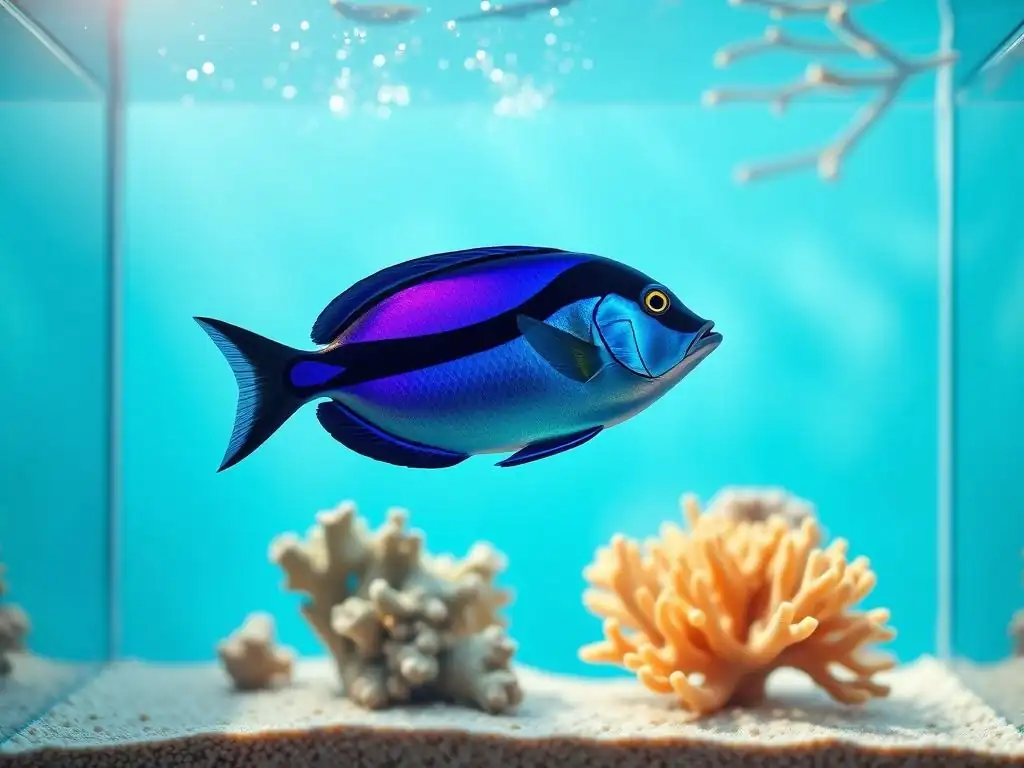
Establishing a dedicated emergency or quarantine tank is paramount for providing critical care to a distressed butterflyfish, serving as a safe, isolated environment for observation and treatment. For most butterflyfish species, a 10 to 20-gallon tank is sufficient as a hospital tank, providing enough space for movement without being overly large, which can make medication dosages difficult. Essential equipment includes a reliable aquarium heater capable of maintaining a stable temperature between 78-82°F, a small air pump with an air stone to ensure adequate oxygenation, and a gentle filtration system.
For filtration, a sponge filter or a small hang-on-back filter with minimal flow is ideal, as these do not remove medications from the water and provide gentle biological filtration. It's crucial to have a separate thermometer for accurate temperature monitoring, along with a complete set of water test kits for ammonia, nitrite, nitrate, pH, and salinity (specific gravity). Additionally, include a few non-porous hiding spots, such as PVC pipes or inert ceramic decorations, to reduce stress. Avoid using substrate or complex decorations that can trap waste or absorb medications.
Preparing the Water: Achieving Optimal Conditions for Recovery
The water in the emergency quarantine tank must be meticulously prepared to provide the best possible conditions for your butterflyfish's recovery. Begin by matching the salinity of the main display tank precisely, typically within the range of 1.020 to 1.025 specific gravity. Sudden changes in salinity can cause severe osmotic stress, hindering recovery. The temperature should be stable and consistent, ideally between 78-82°F, as stable temperatures reduce metabolic stress and support the fish's immune system.
Crucially, ammonia and nitrite levels must be zero, and nitrates kept as low as possible, ideally below 10-20 ppm. If the quarantine tank is not cycled, consider using a small piece of cycled filter media from a healthy, established tank to provide instant biological filtration. Alternatively, be prepared for daily small water changes (10-20%) to maintain pristine water quality and use an ammonia detoxifier product as a temporary measure. Ensure the water is properly dechlorinated and buffered to maintain a stable pH between 8.0 and 8.4, as fluctuations can be highly stressful to a compromised butterflyfish.
Rapid Response Protocols: Butterflyfish First Aid Guide
Addressing Common Butterflyfish Injuries: Fin Tears, Abrasions, and More
Minor physical injuries, such as small fin tears or superficial abrasions from sharp rockwork or tank mate aggression, often heal on their own in a pristine, stress-free environment. However, these injuries can serve as entry points for secondary bacterial or fungal infections, making rapid intervention crucial. If the injury is minor, transferring the butterflyfish to a clean, quiet quarantine tank with optimal water parameters is the primary step. Maintaining zero ammonia and nitrite is paramount, as these toxins can impede healing and promote infection.
For more significant injuries, or to prevent secondary infections, consider a short-term antiseptic bath. A 30-minute dip in a diluted methylene blue solution (following product instructions, often around 1 drop per gallon) can help disinfect external wounds. For deeper cuts or persistent fin rot, a broad-spectrum antibiotic treatment administered in the quarantine tank may be necessary. Products containing active ingredients like nitrofurazone or minocycline can be effective. Always handle the fish minimally and gently during transfers to avoid exacerbating injuries or causing additional stress, which is counterproductive to Butterflyfish rapid recovery tips.
Managing Water Quality Spikes: Ammonia, Nitrite, and Nitrate Control
Water quality deterioration is a frequent trigger for butterflyfish emergencies, and rapid response is essential when ammonia, nitrite, or nitrate levels spike. The immediate priority is to dilute the toxins. Perform a large water change, typically 50% or more, using properly conditioned and salinity-matched water. This drastically reduces the concentration of harmful compounds, providing immediate relief to the stressed fish. For butterflyfish, even low levels of ammonia or nitrite are highly toxic, impacting their ability to absorb oxygen and causing severe gill damage.
Following the initial large water change, continue with daily smaller water changes (10-20%) to maintain optimal conditions. Utilize an ammonia detoxifier product that temporarily neutralizes ammonia and nitrite while biological filtration catches up. Ensure robust aeration in the tank, as high toxin levels reduce oxygen availability and increase the fish's oxygen demand. Adding a beneficial bacteria starter can help re-establish or boost the nitrogen cycle in the emergency tank. Consistent monitoring of parameters every 12-24 hours is vital until levels stabilize, ensuring effective Butterflyfish rapid recovery tips.
Quick Fixes for Stress and Shock: Calming Techniques
When a butterflyfish is in shock or severely stressed, immediate calming techniques can significantly improve its chances of recovery. The primary goal is to reduce environmental stressors. Dim the aquarium lights or turn them off entirely for several hours to reduce visual stimulation. Ensure the quarantine tank has ample hiding spots, such as PVC pipes or inert rock formations, where the fish can retreat and feel secure. Minimize any external disturbances, such as loud noises, sudden movements near the tank, or excessive foot traffic.
Maintaining stable water parameters is a foundational calming technique, as fluctuations are a major source of stress. Ensure temperature, salinity, and pH remain constant without sudden shifts. Consider adding a stress coat product to the water, which contains ingredients that help protect the fish's natural slime coat, reducing irritation and promoting healing. These products often include aloe vera or similar compounds that provide a protective barrier. A calm, stable environment is critical for the fish to expend energy on recovery rather than coping with stress, aiding Butterflyfish rapid recovery tips.
Butterflyfish Rapid Recovery Tips: Intensive Care Strategies
Optimizing Water Parameters for Butterflyfish Healing
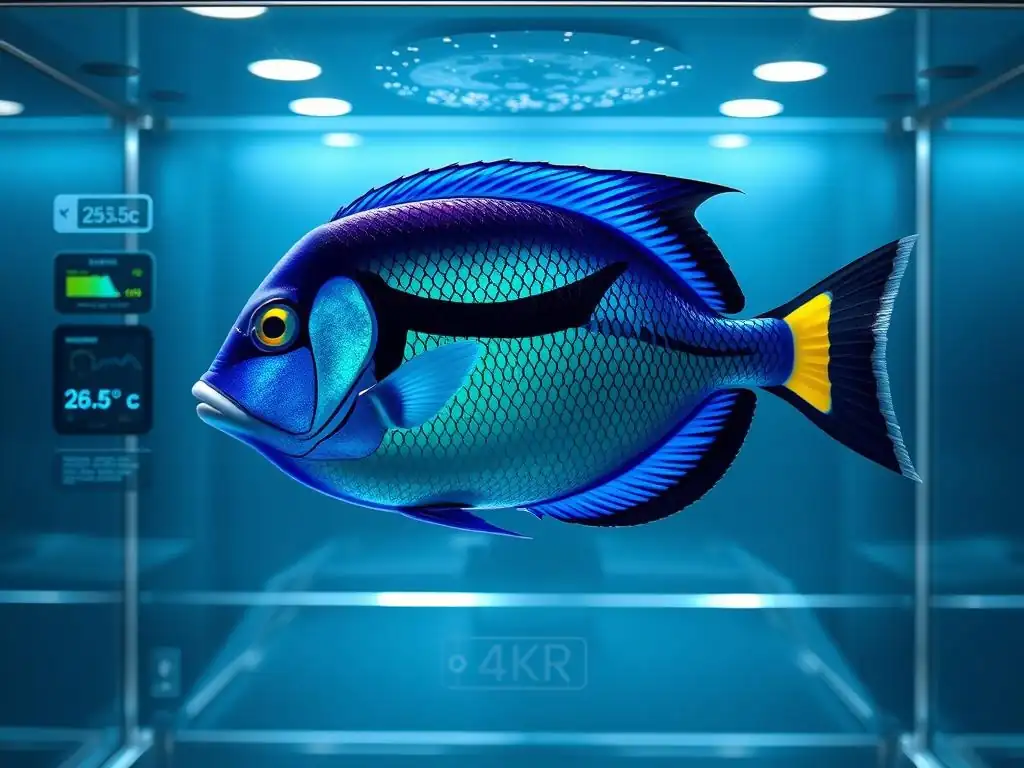
For optimal Butterflyfish rapid recovery tips, maintaining pristine and stable water parameters in the quarantine tank is non-negotiable. Temperature should be consistently held within the range of 78-82°F, as stable warmth supports the fish's metabolism and immune response without causing undue stress. Salinity must be precisely matched to the main tank or adjusted gradually, typically between 1.020 and 1.025 specific gravity, to avoid osmotic shock. pH should remain stable between 8.0 and 8.4, with daily fluctuations kept to a minimum (less than 0.1 pH unit change).
Daily monitoring of ammonia, nitrite, and nitrate levels is crucial. Ammonia and nitrite must remain at zero, and nitrate levels should be kept below 10 ppm, ideally. This often necessitates small, frequent water changes—10-20% daily or every other day—to export accumulated nitrates and replenish trace elements. Consistent water quality reduces physiological stress, allowing the butterflyfish's immune system to focus on combating illness and repairing damaged tissues. This meticulous approach to water chemistry is a cornerstone of effective Butterflyfish rapid recovery tips.
Targeted Medication Strategies: Treating Specific Butterflyfish Diseases
Targeted medication is often essential for Butterflyfish rapid recovery tips, especially when dealing with specific diseases. For parasitic infections like Ich, copper-based medications are highly effective. Administer a precisely measured copper solution (e.g., aiming for 0.25-0.5 ppm copper concentration) for the recommended duration, typically 14-21 days to ensure all life stages of the parasite are eradicated. Crucially, use a reliable copper test kit daily to monitor levels, as both underdosing and overdosing can be ineffective or fatal for delicate butterflyfish.
For bacterial infections, broad-spectrum antibiotics (e.g., those containing nitrofurazone, kanamycin, or erythromycin) should be used according to the manufacturer's instructions. These are often effective against fin rot, bacterial blotches, and internal infections. For velvet disease, which is more resistant to some treatments than Ich, formalin- or quinine-based medications may be more appropriate. Always remove carbon filtration during medication, as it will absorb the active ingredients. Observe the fish closely for signs of improvement or adverse reactions, adjusting treatment as necessary under expert guidance.
Nutritional Support During Recovery: Encouraging Eating and Providing Essential Nutrients
Nutritional support is a vital component of Butterflyfish rapid recovery tips, as a well-fed fish has a stronger immune system and more energy for healing. During recovery, a butterflyfish may be reluctant to eat. Offer a wide variety of high-quality, palatable foods to tempt their appetite. Frozen Mysis shrimp, enriched brine shrimp, and finely chopped, fresh seafood like clam or scallop are often readily accepted. Small, frequent feedings (2-3 times a day) are preferable to large, infrequent meals, as they are easier to digest and reduce water pollution.
To further boost their immune system and provide essential nutrients for tissue repair, fortify the food with liquid vitamin supplements designed for marine fish (e.g., those containing Vitamin C, B vitamins, and Omega-3 fatty acids). Soak the frozen or fresh foods in these supplements for 10-15 minutes before feeding. In some cases, offering live foods like blackworms or copepods can stimulate a feeding response in very finicky or stressed fish, but ensure these are sourced from reputable, disease-free suppliers. Consistent, nutrient-rich feeding significantly accelerates the healing process.
Preventing Future Emergencies: Proactive Butterflyfish Healthcare
Maintaining Optimal Tank Conditions: Key to Long-Term Butterflyfish Health
Proactive maintenance of optimal tank conditions is the cornerstone of preventing future butterflyfish emergencies and ensuring their long-term health. Regular water testing, ideally weekly, for parameters such as ammonia, nitrite, nitrate, pH, and salinity, allows for early detection of imbalances before they become critical. Consistent water changes, typically 20-30% bi-weekly for most established tanks, are essential for diluting accumulated nitrates, replenishing trace elements, and maintaining overall water quality. Proper filtration, including mechanical, biological, and chemical components, is also vital for keeping the water pristine.
Beyond water quality, proper stocking levels and compatible tank mates are crucial. Overcrowding leads to increased waste production, elevated stress levels, and heightened aggression among inhabitants, all of which compromise butterflyfish health. Ensure your tank size is adequate for the species of butterflyfish you keep; most require a minimum of 75-100 gallons to thrive. Research potential tank mates thoroughly to avoid aggressive or overly boisterous species that could harass or outcompete your delicate butterflyfish for food and space, preventing stress-induced illnesses.
Quarantine Procedures for New Butterflyfish: Preventing Disease Introduction
Implementing a strict quarantine procedure for all new butterflyfish, and indeed all new marine inhabitants, is perhaps the most effective preventative measure against disease outbreaks in your main display tank. A dedicated quarantine tank, separate from your main system, allows you to observe new arrivals for signs of illness, treat any latent diseases, and acclimate them to your water parameters without risking the health of your existing fish. A minimum quarantine period of 4-6 weeks is recommended for sensitive species like butterflyfish.
During quarantine, closely monitor the new butterflyfish for any symptoms of disease, such as Ich, Velvet, or bacterial infections. Offer a variety of foods to ensure they are eating well and settling in.
Consider prophylactic treatments for common parasites if you have concerns or a history of specific issues in your main tank, for example, a short freshwater dip to dislodge external flukes or a low-dose copper treatment if no signs of disease are present but you want to be extra cautious against Ich. This proactive step significantly reduces the likelihood of introducing pathogens that could lead to a butterflyfish emergency.
Regular Observation and Early Detection: Recognizing Subtle Changes in Behavior
Consistent, daily observation of your butterflyfish is an invaluable tool for preventing emergencies and is a key aspect of Butterflyfish rapid recovery tips. Familiarize yourself with their normal feeding habits, swimming patterns, coloration, and interactions with tank mates. Any deviation from these norms, no matter how subtle, could be an early indicator of stress or illness. For instance, a healthy Copperband Butterflyfish should be actively picking at rocks and corals throughout the day; reduced activity or lack of interest in food is an immediate red flag.
Maintain a mental or physical log of your water parameters and fish behavior. Noticing a slight increase in gill respiration, subtle fin clamping, or a change in their preferred hiding spot can alert you to a developing issue before it escalates into a full-blown emergency. Early detection allows for intervention at the earliest stages of disease, making treatment simpler and more effective, and significantly improving the chances of a swift and complete recovery. This proactive vigilance is crucial for maintaining the long-term health of these delicate beauties.
Long-Term Care After the Emergency: Ensuring a Full Recovery
Gradual Reintroduction to the Main Tank: Minimizing Stress
Once your butterflyfish has fully recovered from its emergency, is eating well, and has exhibited normal behavior for at least one week without medication, the next step is its gradual reintroduction to the main display tank. This process must be handled carefully to minimize stress, which can trigger a relapse or new health issues. Begin by ensuring the main tank's water parameters (temperature, salinity, pH) are perfectly stable and match those of the quarantine tank. Use a drip acclimation method over several hours to slowly equalize the water chemistry between the two tanks, preventing osmotic shock.
Introduce the butterflyfish to the main tank when the lights are dim or off, as this reduces initial stress and potential aggression from existing tank mates. Observe the fish closely for the first few days post-reintroduction. Look for signs of harassment from other fish, difficulty finding food, or renewed signs of stress such as hiding constantly or fin clamping. If aggression is an issue, consider rearranging some rockwork in the main tank to disrupt established territories, giving the returning butterflyfish a chance to establish its own space.
Continued Monitoring and Observation: Detecting Potential Relapses
Even after a successful reintroduction, continued diligent monitoring and observation are critical for ensuring a complete and lasting recovery for your butterflyfish. For several weeks following its return to the main tank, pay extra attention to its feeding habits, swimming patterns, coloration, and overall demeanor. Relapses can occur, especially if the underlying cause of the emergency was not fully addressed, or if the fish is still recovering its full immune strength. Look for any return of previous symptoms or the development of new ones.
Maintain pristine water quality in the main tank, as a healthy and stable environment is the best defense against re-occurrence of illness. Continue regular water testing and perform consistent water changes. Be prepared to re-isolate the butterflyfish in the quarantine tank at the first sign of a potential relapse. Swift action at this stage, applying the same Butterflyfish rapid recovery tips used previously, can prevent a minor issue from escalating back into a full-blown emergency, safeguarding the fish's long-term well-being.
Building a Butterflyfish-Friendly Environment: Promoting Well-being
Beyond immediate recovery, promoting the long-term well-being of your butterflyfish requires building and maintaining an environment that caters specifically to their needs. Provide ample swimming space, as many butterflyfish species are active swimmers. Crucially, ensure there is plenty of appropriate rockwork with numerous crevices, caves, and overhangs. Butterflyfish appreciate these hiding spots and retreat into them when feeling stressed, threatened, or during rest periods. This sense of security reduces chronic stress.
Careful consideration of tank mates is also paramount. Avoid aggressive or overly boisterous species that could harass or outcompete your delicate butterflyfish for food. Choose peaceful, compatible fish that will not nip fins or cause undue stress. A stable, peaceful environment with consistent water parameters and a varied, nutritious diet is the best preventative medicine. By creating an optimal habitat, you significantly reduce the chances of future emergencies and ensure your butterflyfish thrives, displaying its natural beauty and behavior for years to come.
Troubleshooting Common Butterflyfish Recovery Problems
Butterflyfish Refusal to Eat: Strategies to Stimulate Appetite
A common and concerning problem during butterflyfish recovery is a persistent refusal to eat, which can quickly lead to further weakening and hinder healing. To stimulate appetite, offer a wide variety of high-quality, palatable foods. Start with frozen Mysis shrimp, which is highly nutritious and generally well-accepted by many marine fish. Also try enriched brine shrimp, finely chopped clam, or specialized butterflyfish pellets. Sometimes, offering food at different times of the day, or using a feeding clip for marine algae sheets (if applicable to the species' diet) can entice them.
Ensure that water quality is absolutely impeccable, as poor water parameters can severely suppress a fish's appetite. Test ammonia, nitrite, and nitrate daily, performing small water changes as needed. Consider soaking foods in a liquid vitamin supplement, such as those rich in Omega-3 fatty acids or B vitamins, as these can boost palatability and provide essential nutrients for recovery. In some cases, introducing a small amount of live food, like blackworms or copepods, can trigger a feeding response in very finicky or stressed individuals, but ensure they are disease-free.
Secondary Infections: Recognizing and Treating Complications
During or after treatment for a primary illness, a butterflyfish's immune system may be compromised, making it susceptible to secondary infections. These complications can arise from bacteria, fungi, or other opportunistic pathogens that take advantage of the weakened state. Look for new symptoms that were not present with the initial illness, such as white, fuzzy patches (fungal infections), cloudy eyes, rapid breathing despite improving primary symptoms, red streaks on the body, or new lesions.
If a secondary infection is suspected, it is crucial to identify the type of infection (bacterial, fungal, parasitic) to administer the appropriate treatment. Broad-spectrum antibiotics are typically used for bacterial infections, while specific antifungal medications target fungal growth. Always ensure the fish remains in the quarantine tank for treatment to avoid contaminating the main display and to allow for precise medication dosing. Consult a reputable marine aquarist guide or an experienced fish veterinarian for specific medication recommendations and dosages tailored to the butterflyfish's condition.
Behavioral Changes Post-Emergency: Addressing Lingering Stress or Trauma
Even after physical recovery, some butterflyfish may exhibit lingering behavioral changes indicative of stress or trauma from the emergency experience or the medication process. These can include increased shyness, hiding more frequently, reduced activity levels, or a general lack of enthusiasm that was previously present. This is a sign that the fish is still psychologically recovering and needs a stable, stress-free environment to regain its confidence and normal demeanor.
To address these lingering behavioral issues, maintain a very calm and consistent environment in the main tank. Avoid sudden movements near the aquarium, loud noises, or abrupt changes in lighting. Ensure the tank continues to provide ample hiding spots where the butterflyfish can feel secure. Sometimes, the presence of a few peaceful, non-threatening dither fish (if appropriate for the tank size and species) can help a shy butterflyfish feel more secure and encourage it to be more active. Patience is key; full behavioral recovery can take several weeks, but a stable, predictable environment will greatly assist the process.
Frequently Asked Questions
How can I quickly identify that my butterflyfish is in distress and needs emergency care?
Look for abnormal behavior such as rapid breathing, loss of color, or failure to eat. These are often the first signs indicating a problem requiring immediate attention.
What are the most common causes of emergencies in butterflyfish aquariums?
The most frequent culprits include sudden changes in water chemistry, parasitic infections, and physical injuries sustained during tank aggression or netting. Maintaining stable water parameters is crucial.
What immediate steps should I take if my butterflyfish appears to be suffering from a parasitic infection?
Immediately isolate the affected fish in a quarantine tank. Then, research and apply a suitable medication specifically designed to treat the suspected parasite, following dosage instructions carefully.
How important is water quality for the rapid recovery of a stressed butterflyfish?
Water quality is absolutely critical. Perform a water change in the main tank and quarantine tank. Ensure that the water parameters are within the optimal range for butterflyfish.
Besides medication and water quality, what other support can I provide to aid my butterflyfish's recovery?
Offer easily digestible food to encourage eating, and reduce stress by dimming the lights and minimizing disturbances. Close monitoring is key during the recovery period.
Final Reflection: The Resilience of Reef Life
The delicate beauty of butterflyfish, so vividly explored in this article, underscores a crucial point: even the most resilient ecosystems are vulnerable to sudden shocks. The "Butterflyfish Emergency Room" concept, and the rapid recovery tips we've discussed, are not just theoretical exercises; they represent a proactive approach to safeguarding these vital components of our coral reefs, especially in a world facing increasing environmental pressures.
The plight of the butterflyfish, and our ability to aid their recovery, reflects a broader truth about our relationship with the natural world. It highlights our responsibility to not only appreciate its beauty but also to actively participate in its preservation. We are tied to the ocean. And when we go back to the sea, whether it is to sail or to watch - we are going back from whence we came.
- John F. Kennedy. This quote resonates deeply, reminding us that the health of our oceans, and the creatures within, is inextricably linked to our own well-being.
As you consider the "Butterflyfish Emergency Room" and the rapid recovery tips presented, I invite you to reflect on your own role in protecting our planet's biodiversity. What small changes can you make in your daily life to reduce your impact on coral reefs and the delicate ecosystems they support? Let us all strive to be active participants in the healing process, ensuring that future generations can marvel at the vibrant beauty of the butterflyfish and the coral reefs they call home.
Dive Deeper: Chart Your Course to Butterflyfish Bliss!
Thank you for exploring the delicate world of butterflyfish and their emergency care! We hope this article has equipped you with the knowledge to act swiftly and effectively when these vibrant creatures need your help. Now, let's put that knowledge into action!
Here are some steps you can take to ensure the health and happiness of butterflyfish in your care:
- Immediately assess your butterflyfish's environment: Has anything changed, such as new tank mates, water parameters, or equipment malfunctions, that could be causing distress?
- Consider joining an online aquarium forum dedicated to marine fish to share your experiences and learn from others facing similar challenges.
- Explore the fascinating world of butterflyfish breeding and conservation efforts to understand how you can contribute to their long-term survival.
What's the first small change you can make to improve your butterflyfish's habitat today?