
The Intricate World of Taiwan Bee Shrimp Hybridization

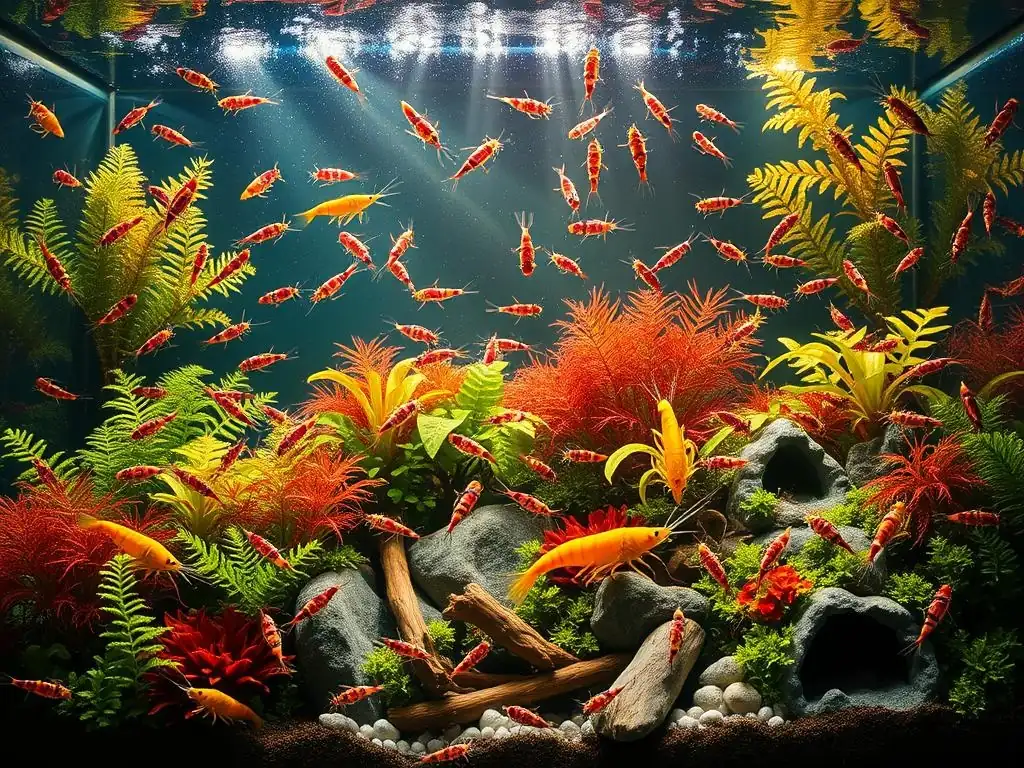
Welcome to Aquarium Mastery, your ultimate guide to the captivating world of aquariums!
Ever been mesmerized by the vibrant colors and delicate dance of Taiwan bee shrimp? These miniature jewels of the freshwater realm hold secrets to breeding that will challenge and delight even the most experienced aquarist. Dive into our in-depth exploration of Taiwan bee shrimp breeding and unlock the mysteries of hybridization. Are you ready to embark on this rewarding journey? Let's get started!
- The Intricate World of Taiwan Bee Shrimp Hybridization: A Guide for Aquarists
- Understanding Taiwan Bee Shrimp Genetics and Breeding
- Hybridization in Taiwan Bee Shrimp: A Deep Dive
- Key Species and Strains in Taiwan Bee Shrimp Hybridization
- The Hybridization Process: A Step-by-Step Guide to Taiwan Bee Shrimp Breeding
- Managing Hybrid Offspring: Selective Breeding and Culling
- Potential Outcomes of Taiwan Bee Shrimp Crossbreeding
- Advanced Techniques in Taiwan Bee Shrimp Breeding
- Ethical Considerations in Taiwan Bee Shrimp Hybridization
- Troubleshooting Common Issues in Taiwan Bee Shrimp Hybridization
- Resources for Further Learning About Taiwan Bee Shrimp Breeding
-
Frequently Asked Questions
- How difficult is Taiwan Bee shrimp breeding for beginners?
- What specific water parameters are crucial for successful Taiwan Bee shrimp breeding?
- What types of shrimp can Taiwan Bee shrimp be hybridized with, and what are the potential outcomes?
- What are the signs that my Taiwan Bee shrimp are ready to breed?
- What steps can I take to improve the survival rate of Taiwan Bee shrimp shrimplets?
- Final Reflection: The Enduring Allure of Taiwan Bee Shrimp Breeding
- Unleash Your Inner Shrimp Breeder!
The Intricate World of Taiwan Bee Shrimp Hybridization: A Guide for Aquarists
Understanding Taiwan Bee Shrimp Genetics and Breeding
What are Taiwan Bee Shrimp? A Profile for Beginners
Taiwan Bee Shrimp are highly prized variants of Caridina cantonensis, originating from selective breeding efforts in Taiwan. They are renowned for their strikingly vibrant colors and intricate patterns, such as the solid black of a Black King Kong, the deep red of a Red Ruby, or the mesmerizing blue of a Blue Bolt. These captivating invertebrates have become a cornerstone of the high-end shrimp hobby, admired for their aesthetic appeal and the rewarding challenge they present in terms of care and Taiwan bee shrimp breeding.
Unlike their more common Neocaridina cousins, Taiwan Bee Shrimp demand very specific and stable water parameters to thrive. Ideal conditions typically include soft, acidic water with a pH range of 5.5-6.5, a General Hardness (GH) of 4-6 dGH, a Carbonate Hardness (KH) of 0-1 dKH, and a Total Dissolved Solids (TDS) range of 90-150 ppm. Maintaining a consistent temperature between 20-24°C (68-75°F) is also crucial. Their sensitivity to nitrates and heavy metals often necessitates the use of reverse osmosis (RO) water remineralized with specialized products like SaltyShrimp GH+ to ensure optimal health and successful Taiwan bee shrimp breeding.
Genetic Basis of Coloration in Taiwan Bee Shrimp
The stunning coloration of Taiwan Bee Shrimp is governed by a complex interplay of multiple genes, a phenomenon known as polygenic inheritance. This means that unlike simple Mendelian traits where a single gene determines a characteristic, the expression of colors like red, black, white, and blue in these shrimp is influenced by several genes working in concert. Recessive genes, in particular, play a pivotal role in revealing some of the rarest and most sought-after patterns, making Taiwan bee shrimp breeding a fascinating genetic puzzle.
Specific pigments contribute to the diverse palette: black coloration is primarily due to melanin, red hues come from carotenoids, and the striking white areas are often attributed to guanine crystals. The intensity and distribution of these colors can be further modified by other genes, leading to variations in opacity and pattern definition. For instance, a strong white gene can overlay and obscure underlying colors, while genetic modifiers can enhance or diminish the vibrancy of red or black. This intricate genetic architecture is what allows for the creation of unique phenotypes through careful Taiwan bee shrimp breeding.
The Importance of Understanding Genetics for Successful Breeding
A foundational understanding of genetics is not merely academic; it is absolutely paramount for successful Taiwan bee shrimp breeding, especially when the goal is to achieve specific traits or embark on hybridization projects. Knowledge of dominant and recessive genes, homozygous and heterozygous states, and how they interact provides breeders with the ability to anticipate potential offspring outcomes. This foresight allows for the strategic planning of breeding pairs, significantly increasing the likelihood of producing desired phenotypes and reducing unpredictable results.
Furthermore, genetic comprehension is indispensable for implementing effective selective breeding programs. For example, if a breeder aims to stabilize a specific pattern, such as the distinct black-and-white bands of a "Panda" shrimp, they must identify parent shrimp that are either homozygous for those traits or carry the necessary recessive genes. This informed selection minimizes the appearance of "throwbacks"—offspring that revert to an ancestral phenotype—and dramatically improves the consistency and quality of the desired line over generations in Taiwan bee shrimp breeding.
Hybridization in Taiwan Bee Shrimp: A Deep Dive
What Does Shrimp Hybridization Mean?
In the context of shrimp keeping, hybridization refers to the process of breeding two distinct genetic lines, subspecies, or even different species to produce offspring that inherit a combination of traits from both parents. For Taiwan Bee Shrimp, this typically involves crossing different cultivated varieties of Caridina cantonensis, such as a Black King Kong with a Red Ruby. While less common, some advanced breeders might attempt inter-species crosses within the Caridina genus, though these often result in infertile offspring or genetic incompatibilities.
The primary objective of hybridization is often to combine desirable characteristics that are present in separate lines. For instance, a breeder might seek to merge the intense coloration of one strain with the unique pattern of another, or to introduce new genetic diversity into a highly inbred population. This deliberate mixing of genetic material is a key strategy for creating novel phenotypes and pushing the boundaries of aesthetic possibilities in Taiwan bee shrimp breeding.
Why Hybridize Taiwan Bee Shrimp? Goals and Motivations
One of the foremost motivations for hybridizing Taiwan Bee Shrimp is the pursuit of novel color morphs and patterns that do not naturally occur in pure, established lines. Breeders might aim to develop entirely new combinations, such as a "Blue Bolt" pattern expressed on a different base color, or to intensify existing hues beyond what is achievable through pure line breeding alone. This artistic drive to create unique and visually stunning shrimp is a significant force behind many advanced Taiwan bee shrimp breeding projects.
Beyond aesthetics, hybridization can also serve practical purposes, such as improving the vigor and resilience of a shrimp line. Highly inbred populations, while stable in their desired traits, can sometimes suffer from reduced vitality, lower fertility, and increased susceptibility to disease. Introducing genetic material from a different, robust line can infuse new genetic diversity, often leading to healthier, more fertile, and more robust offspring. This genetic "refresh" can be vital for the long-term sustainability and vitality of specific lines in Taiwan bee shrimp breeding.
The Risks Associated with Hybridization: What to Consider
Despite its potential rewards, hybridization carries significant risks that every breeder must carefully consider. One major concern is the irreversible loss of genetic purity in established lines. Once a line has been hybridized, it becomes exceedingly difficult, if not impossible, to revert to the original pure genetic makeup from the hybrid offspring. This can diminish the value of a line for purists and potentially impact its market desirability, as maintaining strict genetic purity is a hallmark of high-end Taiwan bee shrimp breeding.
Another substantial risk is the unpredictable nature of hybrid offspring, which can lead to the production of undesirable traits or even infertile individuals. Not all crosses yield viable or aesthetically pleasing results; many hybrid offspring might revert to wild-type coloration, exhibit muted or muddy colors, or display sterility, rendering the breeding effort unproductive. There is also the potential for unforeseen genetic defects to emerge if incompatible genes are combined, complicating future Taiwan bee shrimp breeding efforts and requiring extensive culling.
Key Species and Strains in Taiwan Bee Shrimp Hybridization
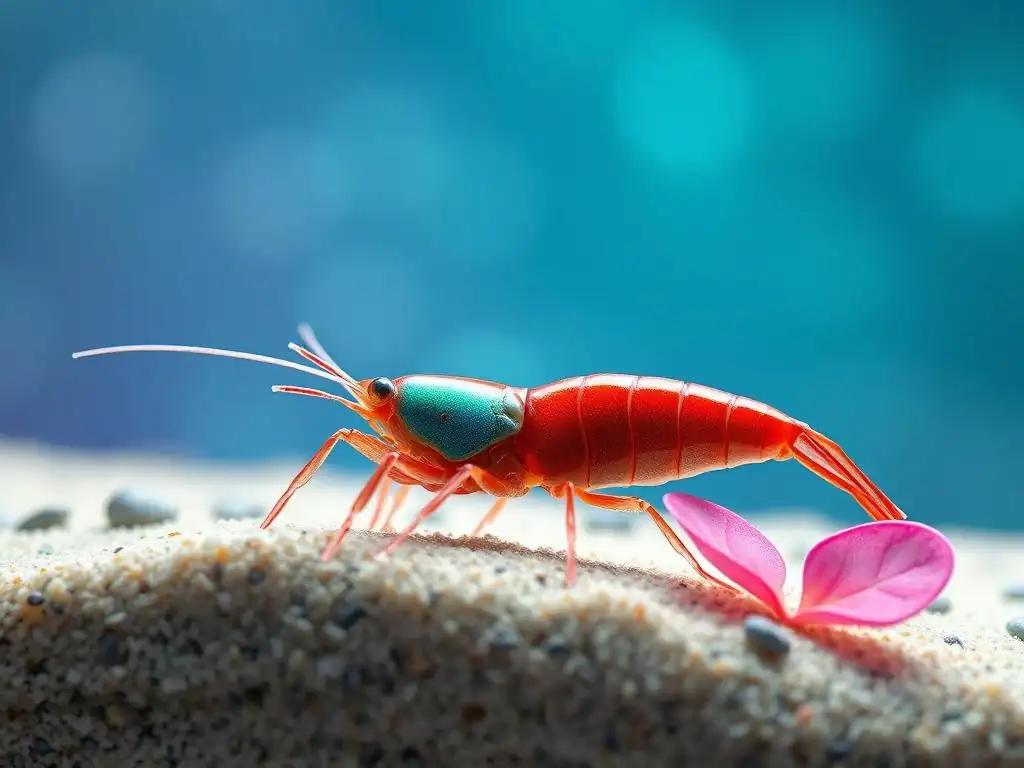
Caridina cantonensis: The Foundation of Taiwan Bee Shrimp Lines
Caridina cantonensis is the fundamental species from which all Taiwan Bee Shrimp varieties have been selectively bred. The original wild-type Cantonensis, commonly known as Bee Shrimp or Crystal Red/Black Shrimp, underwent decades of meticulous selective breeding by dedicated aquarists. This painstaking process gradually refined and intensified their colors and patterns, laying the groundwork for the astonishing diversity and complexity seen in modern Taiwan bee shrimp breeding.
Despite their vastly different appearances and highly specialized traits, all Taiwan Bee Shrimp – including popular varieties like King Kongs, Pandas, Red Rubies, and Blue Bolts – are genetically classified as variants of Caridina cantonensis. This shared genetic ancestry is crucial because it allows for successful interbreeding between these different "strains" without the common issue of infertile offspring that often arises when crossing entirely distinct Caridina species (e.g., Caridina serrata with Caridina cantonensis).
Popular Taiwan Bee Shrimp Varieties: Black King Kong, Red Ruby, and More
Among the myriad of Taiwan Bee Shrimp varieties, several stand out as particularly popular and influential in hybridization projects. The Black King Kong (BKK) is highly sought after for its solid, opaque black body, often accented with varying degrees of intense white. Similarly, the Red Ruby is the red counterpart, prized for its deep, vibrant red and pristine white patterns. These high-grade shrimp often serve as the primary genetic material for ambitious Taiwan bee shrimp breeding endeavors.
Other significant varieties include the Panda shrimp, characterized by its striking black and white patterns, and the Blue Bolt, known for its captivating blue body with white highlights. The Red Wine shrimp, with its opaque, deep red coloration and absence of white markings, is another key player. Each of these varieties carries unique genetic traits that breeders aim to combine, enhance, or isolate through sophisticated selective Taiwan bee shrimp breeding, leading to the continuous development of even more specialized and unique sub-varieties.
Understanding the Genetic Compatibility of Different Strains
While all Taiwan Bee Shrimp belong to the Caridina cantonensis species, understanding their genetic compatibility is vital for predictable breeding outcomes. Not all crosses between different strains will yield the desired results, as the interaction of dominant and recessive genes can be complex. For example, crossing a Black King Kong with a Red Ruby will often produce F1 generation offspring that display mixed or less intense colors, such as dull brown-black or muddy red, requiring further selective Taiwan bee shrimp breeding to stabilize new patterns.
Furthermore, many of the highly desirable traits in Taiwan Bee Shrimp are governed by recessive genes. This means that two copies of the specific gene must be present for the trait to be expressed. For instance, the captivating blue coloration seen in Blue Bolts is a recessive trait; therefore, both parent shrimp must either be Blue Bolts themselves or carry the recessive blue gene to produce blue offspring. This intricate knowledge of genetic inheritance is fundamental for planning successful hybridization projects and mitigating unexpected outcomes in Taiwan bee shrimp breeding.
The Hybridization Process: A Step-by-Step Guide to Taiwan Bee Shrimp Breeding
Setting Up Your Breeding Tank for Hybridization
Establishing the correct breeding tank environment is paramount for successful Taiwan Bee Shrimp hybridization. A tank size of 5-10 gallons (approximately 19-38 liters) is generally sufficient for a small, dedicated breeding colony. The choice of substrate is critical; use an active buffering substrate specifically designed for Caridina shrimp, such as ADA Aqua Soil Amazonia or Brightwell Aquatics Black Venom, which helps maintain the ideal acidic pH range (typically 5.5-6.5). Filtration should be gentle, with a sponge filter being the preferred choice to prevent tiny shrimplets from being drawn in.
Beyond substrate and filtration, stability in water parameters is non-negotiable. Use reverse osmosis (RO) water remineralized to a General Hardness (GH) of 4-6 dGH and a Total Dissolved Solids (TDS) of 90-150 ppm. Maintain a consistent temperature between 20-24°C (68-75°F) using a reliable heater. Providing ample hiding spots and grazing surfaces, such as cholla wood, Indian almond leaves, and various mosses (e.g., Java Moss, Christmas Moss), encourages biofilm growth and provides security for both adult shrimp and delicate shrimplets, optimizing conditions for Taiwan bee shrimp breeding.
Selecting Parent Shrimp for Hybridization: Choosing the Right Traits
The selection of parent shrimp is a critical step that directly influences the success of any hybridization project. Choose only healthy, active, and fully mature shrimp that clearly exhibit the specific desirable traits you intend to combine or enhance. For instance, if your goal is to create a new pattern, select one parent with an exceptional pattern and another with intense, vibrant coloration. It is crucial to avoid any shrimp displaying deformities, faded colors, or signs of poor health, as these undesirable characteristics can be inherited by the offspring, hindering successful Taiwan bee shrimp breeding.
Whenever possible, consider the known genetic background of your parent shrimp. Utilizing shrimp from different, robust bloodlines can introduce beneficial genetic diversity, potentially leading to more vigorous and resilient offspring. Conversely, if your aim is to stabilize a specific recessive trait, it is vital to select parents that are known carriers of that gene, even if they do not overtly express the trait themselves. This meticulous selection process maximizes the probability of achieving the desired phenotypes in the subsequent generations of Taiwan bee shrimp breeding.
Monitoring Water Parameters for Optimal Breeding Success
Continuous and diligent monitoring of water parameters is absolutely essential for achieving optimal breeding success in Taiwan Bee Shrimp. Utilize accurate test kits to regularly check pH, General Hardness (GH), Carbonate Hardness (KH), nitrates, and Total Dissolved Solids (TDS). Perform weekly water changes of 10-20% using properly remineralized RO water to ensure parameters remain stable and nitrates are kept at very low levels, ideally below 10 ppm. Even minor fluctuations can severely stress shrimp, leading to failed molts, reduced fertility, or even mortality, directly impacting Taiwan bee shrimp breeding efforts.
Consistent water quality is directly correlated with high breeding rates and shrimplet survival. Stable parameters promote regular molting cycles in female shrimp, which in turn leads to more frequent berrying (carrying eggs). Optimal conditions also significantly increase the survival rates of delicate shrimplets. Any sudden deviation from ideal parameters, particularly abrupt changes in pH or TDS, can halt breeding activities or result in substantial losses, underscoring the critical importance of meticulous parameter monitoring for successful Taiwan bee shrimp breeding.
Identifying and Separating Hybrid Offspring
The identification of hybrid offspring in the F1 generation can be a nuanced process, as they may not immediately display the desired combined traits. Often, F1 hybrids will appear as mixed forms or even revert to a wild-type coloration, rather than exhibiting a perfect blend of parental characteristics. For example, a cross between a high-grade Black King Kong and a Red Ruby might initially yield brown or dull red/black shrimp. Patience, keen observation, and a detailed understanding of the parental genetics are key during this phase of Taiwan bee shrimp breeding.
Once the shrimplets have grown large enough to be safely handled and moved, typically at 1-2 months of age, it becomes necessary to separate them from the parent tank, especially if you plan to selectively breed them further. This separation prevents accidental back-crossing with the parent generation or interbreeding with siblings, which could dilute the desired genetic traits. Establishing a dedicated grow-out tank for F1 hybrids allows for closer observation, more precise selection of individuals with promising traits, and better management for the next generation of Taiwan bee shrimp breeding.
Managing Hybrid Offspring: Selective Breeding and Culling
The Importance of Selective Breeding for Stabilizing Traits
Selective breeding is the cornerstone of developing new and stable Taiwan Bee Shrimp lines from hybridized offspring. Once the F1 generation is produced, breeders must meticulously choose individuals that exhibit the most desirable combination of traits—such as intense color, precise pattern definition, and robust body shape—to become the parents of the next generation (F2). This exacting process often requires many generations, typically 5-10 or more, to consistently produce shrimp that reliably display the target phenotype, making it a long-term commitment in Taiwan bee shrimp breeding.
Without continuous selective breeding, hybrid lines will inevitably revert to less desirable or even wild-type forms due to the natural processes of genetic recombination. By consistently choosing only the finest individuals to reproduce, breeders effectively "fix" the desired genes within the population. This systematic approach gradually reduces genetic variability within the line, thereby increasing the percentage of high-quality offspring and ensuring the successful establishment of new, stable varieties in subsequent Taiwan bee shrimp breeding generations.
Recognizing Desirable and Undesirable Traits in Hybrid Shrimp
To effectively selectively breed, a breeder must be adept at recognizing specific desirable and undesirable traits in hybrid shrimp. Desirable traits include strong, opaque coloration (e.g., solid red, deep black, bright white), well-defined and consistent patterns (e.g., clear stripes, precise "hino maru" circles, distinct "no entry" signs), and a robust, healthy body shape. Additionally, active behavior and consistent growth rates are strong indicators of good genetic health. For example, a high-grade King Kong should exhibit minimal translucent areas and intense, uniform black pigmentation.
Conversely, undesirable traits necessitate removal from the breeding pool. These include faded or patchy coloration, inconsistent or blurry patterns, translucent or thin shells, and any physical deformities such as bent rostrums, abnormal antennae, or stunted growth. Shrimp that display lethargy or unusual behavior should also be noted. Removing individuals with these traits is crucial for preventing the propagation of unfavorable genes and maintaining the overall quality and vitality of the line in Taiwan bee shrimp breeding.
Culling Techniques for Maintaining High-Quality Bloodlines
Culling is the often-difficult but absolutely critical practice of removing shrimp that do not meet the desired breeding standards from the main breeding tank. This process is essential for maintaining the genetic integrity, purity, and overall quality of a developing shrimp line. Culling can be performed by transferring undesirable shrimp to a separate, well-maintained "cull tank" where they can live out their lives, or by selling them as lower-grade shrimp, clearly disclosing their traits.
The purpose of culling is to prevent undesirable genes from spreading and becoming fixed within the breeding population. If, for instance, a breeder is aiming for a specific color pattern, any shrimp that deviate significantly from that pattern should be culled.
This ensures that only the best examples of the desired phenotype are contributing to the next generation, thereby accelerating the stabilization of traits and significantly improving the success rate of Taiwan bee shrimp breeding programs. For example, if 50% of an F1 generation exhibits undesirable wild-type traits, removing these individuals is vital for improving the quality of the F2 generation.
Potential Outcomes of Taiwan Bee Shrimp Crossbreeding
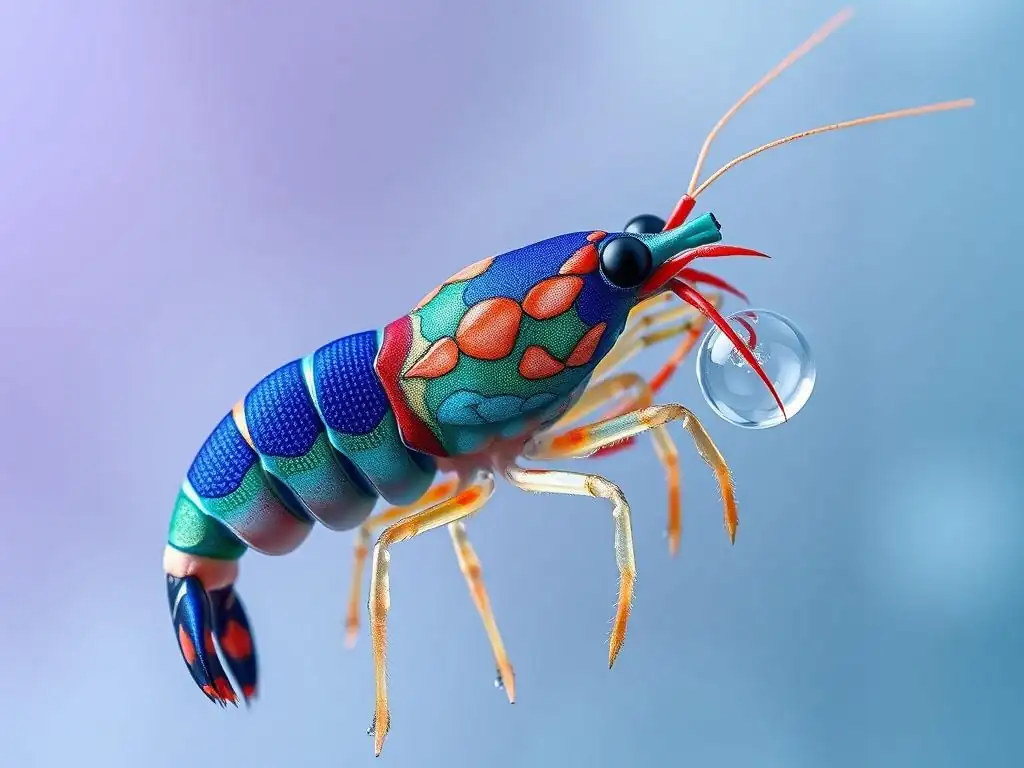
Achieving New Color Morphs and Patterns Through Hybridization
One of the most exciting potential outcomes of Taiwan Bee Shrimp hybridization is the creation of entirely new color morphs and patterns that were previously unseen in pure lines. By strategically combining genetic material from different varieties, breeders can unlock novel aesthetic combinations. For example, specific crosses between black and red Taiwan Bee strains can lead to unique "Red Shadow" or "Black Shadow" patterns, characterized by subtle, layered coloration.
In some rare cases, if specific recessive genes are present, the elusive "Blue Shadow" pattern might even emerge. This creative potential is a major driving force for advanced Taiwan bee shrimp breeding.
Historically, some of the most iconic Taiwan Bee Shrimp varieties are believed to have originated from complex hybridization processes followed by rigorous selective breeding. The striking "Blue Bolt" shrimp, with its vibrant blue body and crisp white highlights, is widely thought to be the result of a series of intricate crosses involving Black King Kongs and other Taiwan Bee shrimp. Similarly, the development of various "Pinto" patterns, such as spotted or zebra-striped shrimp, are direct products of multi-generational crossbreeding and meticulous selective Taiwan bee shrimp breeding, demonstrating the vast and exciting possibilities that hybridization offers.
The Challenges of Maintaining Lineage Purity
While hybridization offers the allure of new creations, it inherently introduces significant challenges in maintaining lineage purity. Once a line has been hybridized, even if a new desirable trait is successfully achieved, the offspring will carry a complex mix of genes from both parent lines. Subsequent generations will continue to express a wide spectrum of phenotypes, making it exceptionally difficult to consistently produce identical, high-grade shrimp without rigorous and long-term selective breeding over many generations.
Furthermore, lineage purity can be compromised by accidental cross-breeding or even the spontaneous appearance of a single "throwback" shrimp within a seemingly pure tank. Breeders must exercise extreme diligence in separating distinct lines and consistently culling any shrimp that deviate from the desired standard to prevent the dilution of specific genetic traits. This constant vigilance and commitment to purity represent a major ongoing challenge in serious Taiwan bee shrimp breeding.
Understanding Genetic Throwbacks and Recessive Genes
"Genetic throwbacks" are a common phenomenon in Taiwan bee shrimp breeding, referring to offspring that revert to an ancestral or wild-type appearance, despite their parents displaying highly refined and specialized traits. This occurs because the parent shrimp, even if they appear pure, may still carry recessive genes from their lineage. When these recessive genes are paired in the offspring, they can be expressed, leading to phenotypes that resemble earlier, less refined generations. For example, two high-grade Black King Kongs might still produce a small percentage of "normal" Bee Shrimp offspring if both parents carry the necessary recessive genes.
The role of recessive genes is central to this phenomenon. Many of the highly desirable traits in Taiwan Bee Shrimp, such as solid white, intense red or black, and blue coloration, are recessive. This means that two copies of the specific recessive gene are required for the trait to be visibly expressed.
If a parent is heterozygous (carrying one dominant and one recessive gene), it will not display the recessive trait but can still pass it on to its offspring. This inherent unpredictability, driven by recessive gene expression, is a significant aspect of Taiwan bee shrimp breeding and underscores why a strong grasp of genetics is absolutely vital for breeders.
Advanced Techniques in Taiwan Bee Shrimp Breeding
Line Breeding and Inbreeding: Strategies for Strengthening Traits
Line breeding is an advanced technique in Taiwan bee shrimp breeding that involves a controlled form of inbreeding, where closely related individuals (e.g., half-siblings, cousins, or parent-offspring) are intentionally bred together. The primary goal of line breeding is to concentrate and "fix" desired genes within a specific lineage, thereby rapidly achieving greater consistency and uniformity in color, pattern, and overall form. For instance, breeding an exceptional male with his highest-quality daughters can effectively solidify those superior traits within the line.
While line breeding can dramatically accelerate the improvement and uniformity of a shrimp strain, it carries inherent risks. Excessive or uncontrolled inbreeding—breeding very closely related individuals over numerous generations—can lead to a significant reduction in genetic diversity. This lack of diversity can manifest as decreased vigor, smaller adult size, lower fertility rates, and an increased susceptibility to diseases. Therefore, a delicate balance must be struck to strengthen desirable traits without compromising the overall health, resilience, and long-term viability of the Taiwan bee shrimp breeding population.
Using Breeding Logs to Track Genetic Lineage
For serious Taiwan bee shrimp breeding, meticulous record-keeping through detailed breeding logs is an indispensable advanced technique. A comprehensive breeding log should meticulously document various pieces of information, including the specific parent shrimp used (noting their source, grade, and unique traits), precise mating dates, berried dates, hatch dates, the approximate number of offspring, and, crucially, the quality and phenotypes observed in the resulting offspring. This systematic data collection allows breeders to precisely track genetic lineage, identify which crosses consistently produce desired results, and avoid problematic or unproductive pairings.
The analytical power of breeding logs extends to informed decision-making. By thoroughly reviewing past breeding outcomes, breeders can identify which pairings consistently yield high-quality offspring with the target traits and which combinations lead to undesirable characteristics or low fertility. This data-driven approach is critical for planning future breeding projects, making precise culling decisions, and gaining a deeper understanding of the inheritance patterns of specific genes, thereby refining and improving Taiwan bee shrimp breeding strategies over time.
Water Parameter Manipulation for Sex Ratios
An advanced and somewhat experimental technique in aquaculture involves attempting to manipulate the sex ratio of offspring, though its efficacy in shrimp, particularly Taiwan Bee Shrimp, is less scientifically documented compared to certain fish species. Some anecdotal reports and limited studies suggest that subtle variations in environmental factors, such as temperature or pH within safe limits, might potentially influence the sex ratio of offspring. For Taiwan Bee Shrimp, however, the paramount focus remains on maintaining consistently stable and optimal water parameters for overall health and robust breeding success.
It is important to acknowledge that while some breeders might cautiously experiment with minor temperature shifts (e.g., slightly warmer water for a potential increase in females, or slightly cooler for more males) or slight pH adjustments, these methods are not definitively proven for shrimp and inherently carry risks. Any deviation from optimal parameters can stress the shrimp, potentially leading to health issues or reduced fertility.
Therefore, for successful Taiwan bee shrimp breeding, the primary emphasis should always be on maintaining consistent, ideal water quality and implementing careful selective breeding of healthy adults, rather than relying on unproven sex ratio manipulation techniques.
Ethical Considerations in Taiwan Bee Shrimp Hybridization
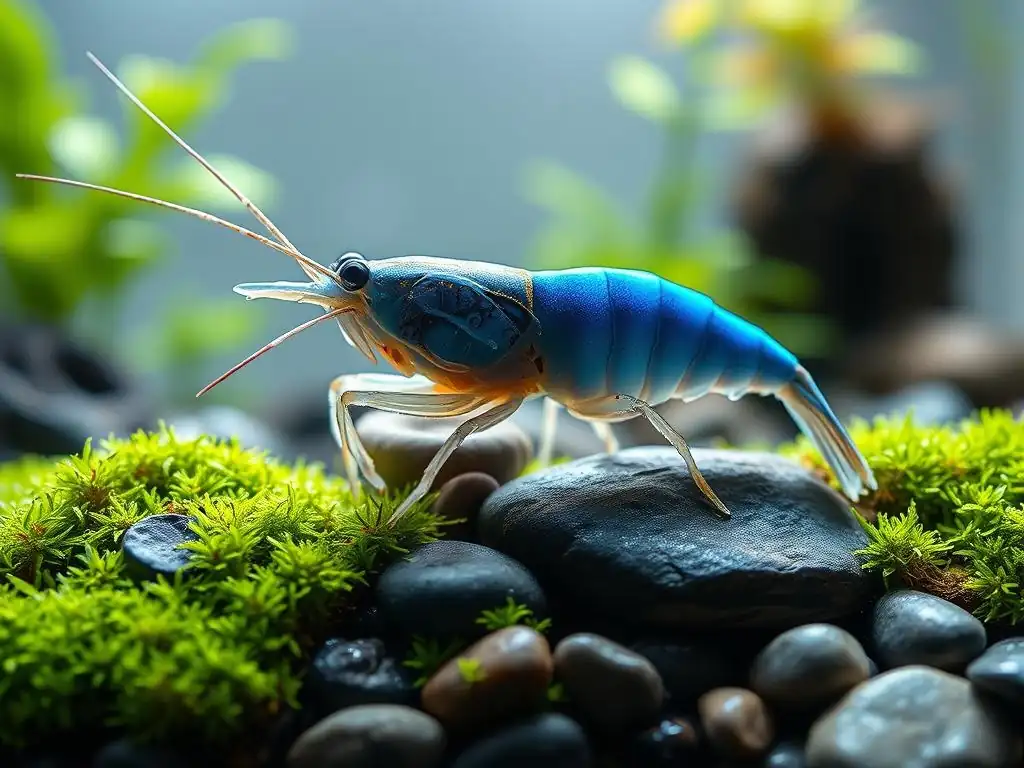
Avoiding Over-Hybridization and Genetic Dilution
An important ethical consideration in Taiwan bee shrimp breeding is the potential for over-hybridization and subsequent genetic dilution. While the creation of novel color morphs is exciting and drives innovation, unchecked and indiscriminate cross-breeding can lead to the erosion and dilution of distinct, established genetic lines. This can result in a hobby landscape where many shrimp become "mutts" with ambiguous lineage and inconsistent quality, potentially undermining the painstaking efforts of dedicated breeders who have spent years stabilizing and perfecting pure lines.
Responsible Taiwan bee shrimp breeding practices necessitate mindfulness of the broader impact of hybridization efforts on the hobby. If a new hybrid line is successfully established, it is ethically crucial to clearly label and market them as such, avoiding any misrepresentation as pure strains. This transparency helps preserve the genetic integrity of existing lines and fosters an environment of trust and honesty within the shrimp keeping community, ensuring that new varieties are introduced responsibly.
Maintaining the Health and Welfare of Your Shrimp
At the core of all ethical Taiwan bee shrimp breeding practices must be an unwavering commitment to the health and welfare of the shrimp themselves. This fundamental responsibility dictates that breeders must consistently provide optimal water parameters, a meticulously clean and stable environment, and a nutritious, varied diet, irrespective of specific breeding goals. Subjecting shrimp to stressful conditions, or employing extreme parameter manipulation for experimental breeding, can severely compromise their health, leading to unnecessary suffering, disease, and premature death.
Furthermore, while selective breeding and culling are necessary tools for improving and refining shrimp lines, these practices must always be conducted humanely. Cull shrimp, those removed from the breeding pool due to undesirable traits, should be transferred to a separate, well-maintained tank where they can live out their lives comfortably, rather than being disposed of. Any breeding efforts that result in consistently high rates of deformities, sickly offspring, or significant mortality indicate potentially unethical or unsustainable practices that must be re-evaluated for the benefit of the shrimp.
Responsible Breeding Practices for the Aquarium Hobby
Responsible Taiwan bee shrimp breeding involves a commitment to positively contribute to the wider aquarium hobby. This includes transparently documenting and sharing information about breeding projects, encompassing both successes and failures. Openness about lineage, hybridization efforts, and the challenges encountered helps other hobbyists make informed decisions, learn from shared experiences, and prevents the spread of misinformation regarding complex breeding techniques.
Moreover, ethical breeders advocate for responsible sales and distribution practices. When selling or trading shrimp, especially hybrids or those from lines with known genetic quirks, breeders should clearly communicate the genetic background and any relevant information to potential buyers. This builds trust within the community, supports a healthy and sustainable hobby, and ensures that new varieties are introduced responsibly, without compromising the genetic health and integrity of the Caridina cantonensis species as a whole.
Troubleshooting Common Issues in Taiwan Bee Shrimp Hybridization
Low Breeding Rates: Identifying and Addressing the Causes
Low breeding rates are a common frustration in Taiwan bee shrimp breeding and can stem from several factors. The most frequent causes are unstable or incorrect water parameters, such as pH being too high or low, imbalanced GH/KH, or elevated nitrate levels. Insufficient or inappropriate food, stress induced by aggressive tank mates, or the use of unhealthy parent shrimp can also significantly impede reproduction. It is crucial to consistently test and maintain ideal parameters: pH 5.5-6.5, GH 4-6 dGH, and TDS 90-150 ppm, using accurate test kits. Ensure a diverse diet of high-quality shrimp-specific foods and ample biofilm.
Other contributing factors to low breeding rates include temperature fluctuations (maintain a stable 20-24°C), a lack of adequate hiding spots which can stress berried females, or an imbalanced male-to-female ratio within the colony. If all environmental parameters are meticulously maintained and optimal, consider the age and genetic vigor of your breeding stock; very young or very old shrimp may exhibit reduced fertility. In some cases, introducing new, unrelated, and healthy bloodlines can provide a genetic refresh, boosting overall vigor and leading to improved breeding rates in your Taiwan bee shrimp breeding program.
Unexpected Color Variations in Offspring
Encountering unexpected color variations in offspring is a very common and often perplexing aspect of hybrid Taiwan bee shrimp breeding. This phenomenon is primarily attributed to the complex polygenic inheritance of traits and the expression of various recessive genes. It is typical for the F1 generation of a hybrid cross to display a wide spectrum of colors and patterns, many of which may not directly resemble the parent shrimp or the desired outcome. For example, two high-grade Black King Kongs might produce a small percentage of Red Ruby offspring if both parents carry the recessive gene for red coloration.
It is important to understand that these variations are not necessarily an indication of a problem, but rather a natural consequence of genetic recombination. To achieve consistency and stabilize a new color morph or pattern, rigorous selective breeding of subsequent generations (F2, F3, and beyond) is absolutely essential. Meticulously culling shrimp that exhibit undesirable colors or patterns is crucial for concentrating the desired traits and progressively moving towards a stable and uniform line in your Taiwan bee shrimp breeding efforts.
Dealing with Genetic Defects and Health Problems
Genetic defects are unfortunate but sometimes unavoidable issues that can arise in Taiwan bee shrimp breeding, often manifesting as physical deformities such as missing antennae, bent rostrums, stunted growth, or abnormal swimmerets. These defects can be a consequence of excessive inbreeding, leading to reduced genetic diversity, or the expression of undesirable recessive genes that become homozygous in the offspring. While minor defects might not significantly impact a shrimp's survival, severe deformities can drastically reduce their quality of life and breeding potential.
When genetic defects or persistent health problems (e.g., unexplained sudden deaths, chronic lethargy, unusual susceptibility to disease) are observed, it is paramount to remove affected shrimp from the breeding pool to prevent them from passing on these undesirable traits. If a specific line consistently produces unhealthy or deformed shrimp, it strongly indicates a fundamental genetic issue. In such cases, it may be necessary to introduce new, unrelated bloodlines to broaden the genetic diversity and improve the overall vigor and resilience of your Taiwan bee shrimp breeding stock, ensuring the long-term health of your colony.
Resources for Further Learning About Taiwan Bee Shrimp Breeding
Recommended Books and Articles on Shrimp Genetics
For those deeply committed to mastering Taiwan bee shrimp breeding, delving into specialized resources on shrimp genetics and selective breeding is highly recommended. While comprehensive books exclusively on Taiwan Bee Shrimp genetics are rare, general texts on invertebrate genetics or selective breeding principles can provide an invaluable foundational understanding.
Articles from reputable online aquarium publications, academic journals, or scientific papers focusing on Caridina cantonensis genetics can offer deeper, more technical insights into the intricate inheritance patterns of these shrimp. For instance, while not solely genetic, resources like "The Caridina Shrimp Guide" by Chris Lukhaup provide excellent overviews of varieties and care.
To gain truly advanced knowledge, consider searching for scientific publications on genetic markers in Caridina species, which often discuss the specific genes responsible for color expression and pattern formation. Look for research that explores polygenic inheritance and the role of recessive traits in various shrimp species. These specialized resources, though sometimes dense, are invaluable for serious hobbyists aiming to push the boundaries of their Taiwan bee shrimp breeding expertise.
Online Forums and Communities for Taiwan Bee Shrimp Enthusiasts
Online forums and dedicated communities are indispensable resources for Taiwan bee shrimp breeding enthusiasts. Platforms such as "Shrimp Keepers Forum," "The Planted Tank" forums, or specialized Facebook groups focused on Taiwan Bee Shrimp provide excellent opportunities to connect with experienced breeders, ask specific questions, share personal experiences, and learn from the collective successes and failures of others. Many members in these communities have dedicated years to perfecting various Taiwan bee shrimp breeding techniques and are often willing to share their invaluable insights.
To maximize the benefit from these communities, actively participate by reading existing threads, utilizing the search function for specific topics, and contributing thoughtfully to discussions. Be respectful of diverse perspectives and approaches. Many seasoned breeders are eager to share their practical advice on optimal water parameters, successful selective breeding strategies, and effective troubleshooting for common issues, offering real-world guidance that complements theoretical knowledge in Taiwan bee shrimp breeding.
Local Aquarium Clubs and Breeders
Engaging with local resources can provide an unparalleled dimension to your Taiwan bee shrimp breeding journey. Joining a local aquarium club often grants access to invaluable hands-on learning opportunities. Many clubs boast members who specialize in shrimp keeping and breeding, and they are frequently willing to mentor aspiring enthusiasts. These clubs might also organize workshops, host swap meets, or arrange presentations on topics directly relevant to Taiwan bee shrimp breeding, offering practical insights and networking opportunities.
Furthermore, connecting directly with local Taiwan Bee Shrimp breeders can be profoundly beneficial. If possible, visiting their setups or purchasing shrimp directly from them can offer unique insights into their specific methods, water parameters, and selective breeding approaches. This personal interaction provides a level of tailored advice and a deeper, more tactile understanding of the practical aspects of Taiwan bee shrimp breeding that online resources simply cannot fully convey, fostering a strong sense of community and shared passion.
Frequently Asked Questions
How difficult is Taiwan Bee shrimp breeding for beginners?
Taiwan Bee shrimp breeding is considered moderately challenging due to their specific water parameter requirements. Beginners should focus on mastering basic shrimp keeping first. Stable water conditions are crucial for success.
What specific water parameters are crucial for successful Taiwan Bee shrimp breeding?
Ideal parameters include a pH of 6.0-6.8, a TDS (Total Dissolved Solids) of 120-180 ppm, and a KH (Carbonate Hardness) of 0-2 dKH. Maintaining a stable and slightly acidic environment is key. Temperature should be kept around 70-74°F (21-23°C).
What types of shrimp can Taiwan Bee shrimp be hybridized with, and what are the potential outcomes?
Taiwan Bee shrimp can be hybridized with other Caridina cantonensis species, such as Crystal Red Shrimp and Crystal Black Shrimp. This can lead to the creation of new color patterns and variants, but also unpredictable offspring. Careful planning is needed for desired genetic traits.
What are the signs that my Taiwan Bee shrimp are ready to breed?
Females will develop a saddle (unfertilized eggs) under their carapace and later carry fertilized eggs under their pleopods (swimmerets). A noticeable increase in activity among males can also indicate breeding readiness. Regular observation is essential.
What steps can I take to improve the survival rate of Taiwan Bee shrimp shrimplets?
Providing a mature and established tank with plenty of biofilm and hiding places is crucial. Using a sponge filter and avoiding sudden water changes helps. Supplementing with baby shrimp food will also increase their chances.
Okay, here's a final reflection designed to close your article "The Intricate World of Taiwan Bee Shrimp Hybridization," optimized for the keyword "Taiwan bee shrimp breeding" and following the structure you outlined:
Final Reflection: The Enduring Allure of Taiwan Bee Shrimp Breeding
The journey into the world of Taiwan Bee shrimp breeding, as we've explored, is far more than just a scientific endeavor; it's a testament to the human desire to create beauty and refine nature's artistry. The current popularity and ever-increasing demand for unique color patterns and genetic traits demonstrate that this niche hobby has blossomed into a vibrant community of passionate aquarists, constantly pushing the boundaries of what's possible in the freshwater aquarium.
The impact of Taiwan Bee shrimp breeding extends beyond the confines of our tanks, shaping the aquascaping community and fostering a deeper appreciation for biodiversity. My own fascination with these tiny creatures has underscored the importance of responsible breeding practices and the ethical considerations that come with manipulating genetics. The beauty of nature lies in its diversity, and the challenge for us is to preserve it, not just exploit it.
This quote resonates deeply as we consider the future of Taiwan Bee shrimp breeding and the responsibility we hold to maintain the health and integrity of these delicate creatures.
As you close this article, I invite you to reflect on your own role in the world of Taiwan Bee shrimp breeding. Whether you're a seasoned breeder or just beginning your journey, consider the impact of your choices and the legacy you wish to leave. Let's strive to cultivate not only stunning shrimp but also a community built on knowledge, respect, and a shared commitment to the well-being of these captivating aquatic gems.
Unleash Your Inner Shrimp Breeder!
Thanks for diving into the captivating world of Taiwan Bee shrimp hybridization! We hope you've discovered some valuable insights to elevate your shrimp keeping game. Now, let's put that knowledge into action.
Here are a few next steps you can take:
- Start Your First Hybridization Project: Armed with the information from this article, identify two compatible shrimp species and begin your adventure into creating unique and stunning hybrids!
- Delve Deeper: Explore related topics such as water parameter optimization or advanced genetics to deepen your understanding.
- Share Your Wisdom: Engage with the Aquarium Mastery community and share your experiences, questions, and successes.
What fascinating crosses are you most excited to experiment with, and what challenges do you anticipate facing?