
Pink Streaked Wrasse (Pseudocheilinops ataenia): Nano Reef Gem and Aiptasia Annihilator?

Welcome to Aquarium Mastery!
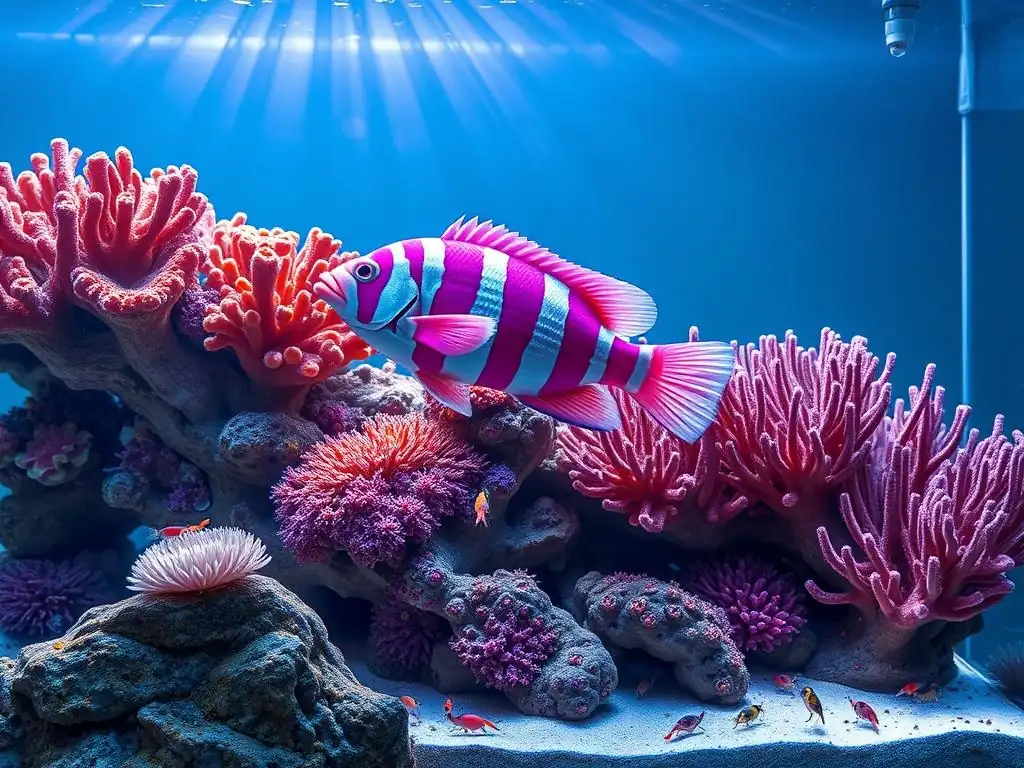
Intrigued by the dazzling Pink Streaked Wrasse? This nano reef gem isn't just beautiful; it's a fascinating addition to any saltwater aquarium. Dive into our comprehensive guide to Pink Streaked Wrasse Care and discover everything you need to know about keeping this Aiptasia-eating wonder thriving. Ready to uncover its secrets and see if it's the perfect fit for your reef? Let's explore!
- Pink Streaked Wrasse (Pseudocheilinops ataenia): Nano Reef Gem and Aiptasia Control
- Introduction to the Pink Streaked Wrasse: A Reef Aquarium Marvel
- Pink Streaked Wrasse Care: Essential Guidelines
- Setting Up a Suitable Habitat
- Behavior and Temperament: Understanding Their Habits
- Identifying and Treating Common Diseases
- Breeding Pink Streaked Wrasses: Challenges
- Purchasing a Healthy Pink Streaked Wrasse
- The Pink Streaked Wrasse: A Sustainable Choice
- Conclusion: Appreciating the Pink Streaked Wrasse
- Frequently Asked Questions
- Final Reflection: Embracing the Tiny Titans of Our Reefs
- Ignite Your Reef Tank's Brilliance!
Pink Streaked Wrasse (Pseudocheilinops ataenia): Nano Reef Gem and Aiptasia Control
Introduction to the Pink Streaked Wrasse: A Reef Aquarium Marvel
Discovering the Beauty of Pseudocheilinops ataenia
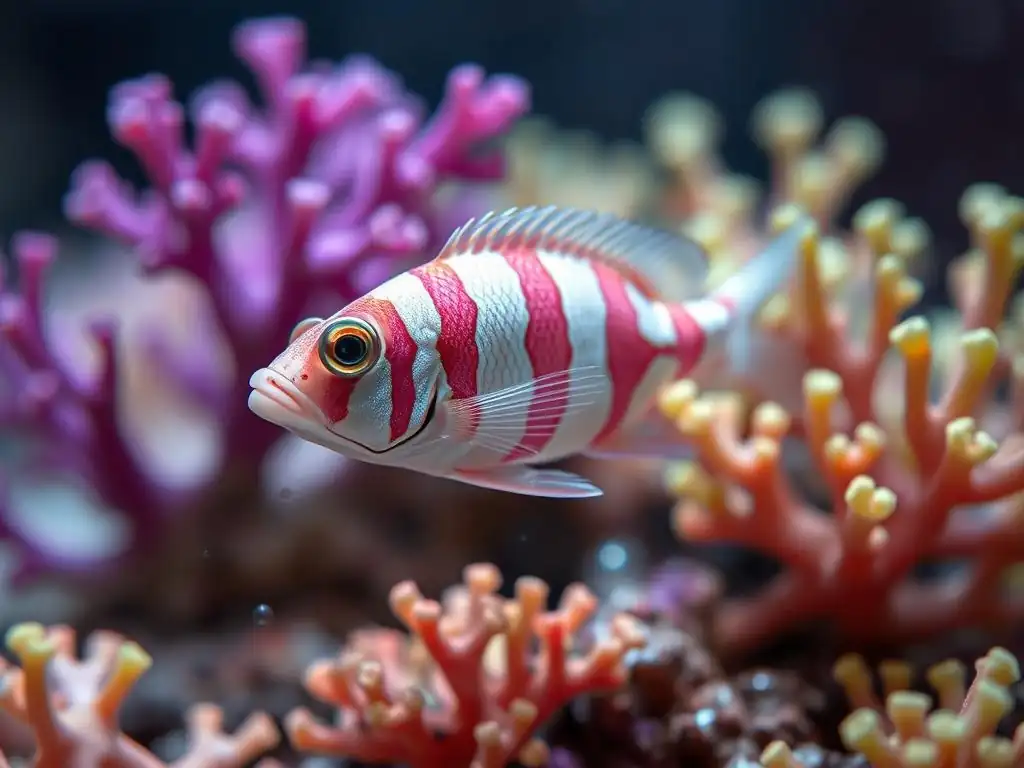
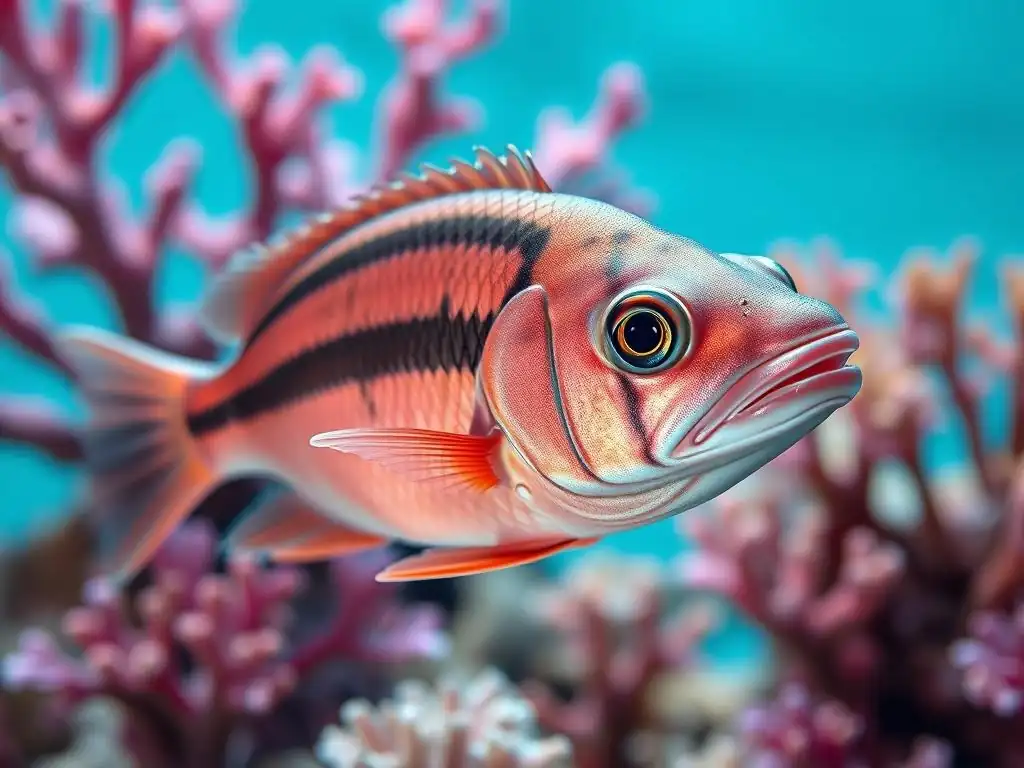
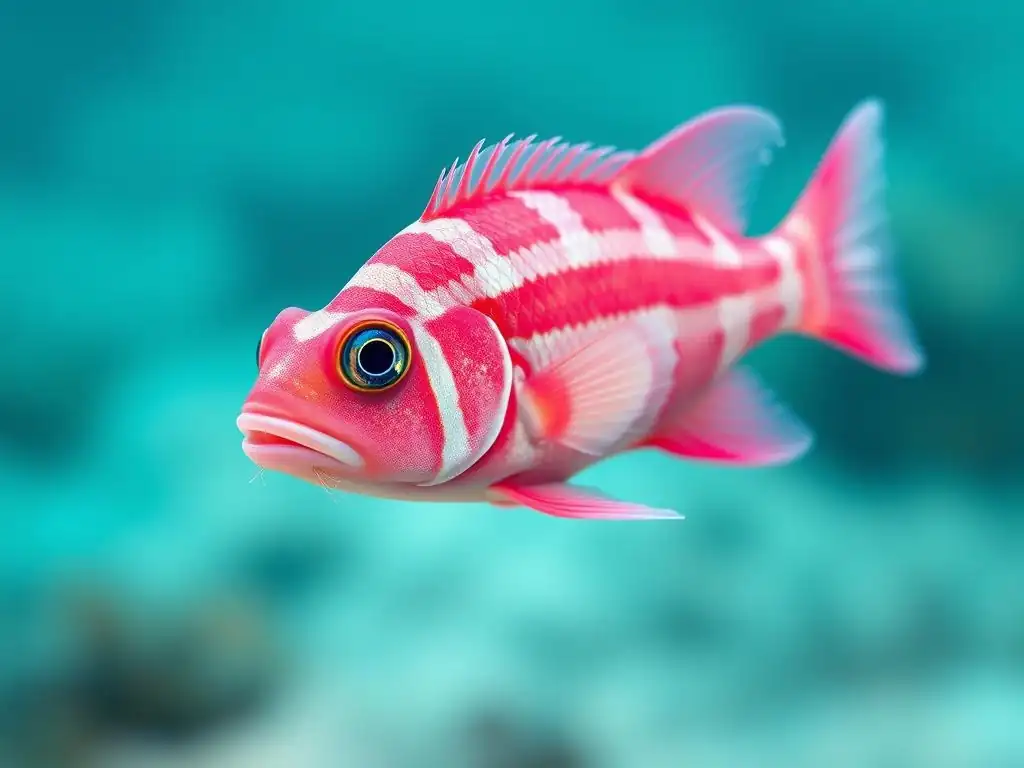
The Pink Streaked Wrasse, scientifically known as Pseudocheilinops ataenia, is a captivating and often sought-after species among marine aquarists. This diminutive fish boasts a slender body, typically reaching an adult size of about 2 inches (approximately 5 cm), making it one of the smaller wrasse species available in the hobby. Its coloration is subtly beautiful, featuring a pinkish or reddish-orange body adorned with fine, iridescent blue or green streaks running horizontally along its flanks, giving it a shimmering appearance under aquarium lighting.
Native to the Indo-Pacific region, Pseudocheilinops ataenia typically inhabits the rubble zones and outer reef slopes at depths ranging from 15 to 100 feet (about 5 to 30 meters). In its natural environment, it is often seen darting amongst the coral and rockwork, diligently foraging for small invertebrates. While somewhat elusive in the wild due to its shy nature and small size, its increasing popularity in the aquarium trade stems from its unique aesthetic and beneficial behaviors, which we will explore further in the context of proper Pink Streaked Wrasse care.
Why the Pink Streaked Wrasse is Ideal for Nano Reefs
One of the primary reasons the Pink Streaked Wrasse is highly regarded is its exceptional suitability for nano reef aquariums. Unlike many larger wrasse species that require expansive tanks, its small adult size means it imposes a minimal bioload on the system. This allows it to comfortably inhabit tanks as small as 10-20 gallons (approximately 38-76 liters) for a single specimen, though a 30-gallon (about 114 liters) tank or larger is always preferable for long-term stability and greater environmental enrichment.
Its generally peaceful disposition is another significant advantage for nano setups, where space is at a premium and aggression can quickly become problematic. The Pink Streaked Wrasse typically coexists well with other small, non-aggressive fish and a wide variety of corals and invertebrates. This makes it a valuable addition for aquarists aiming to create a vibrant, diverse, yet compact reef ecosystem without the concerns of overcrowding or territorial disputes often associated with larger species.
Aiptasia Control with the Pink Streaked Wrasse: A Natural Solution
Beyond its aesthetic appeal and nano reef compatibility, the Pink Streaked Wrasse has gained considerable attention for its potential role in Aiptasia control. Aiptasia anemones are common nuisance pests in reef aquariums, known for their rapid proliferation and ability to sting and harm corals and other sessile invertebrates. Many aquarists actively seek natural predators to manage these unwanted guests, and the Pink Streaked Wrasse has proven to be an effective, albeit not always guaranteed, solution.
Anecdotal evidence from numerous aquarists suggests that Pseudocheilinops ataenia will actively prey upon Aiptasia anemones, often consuming them with surprising efficiency. While it may not eradicate every single Aiptasia in a heavily infested tank, many users report a significant reduction in their population. This natural predation offers an appealing alternative or supplement to chemical treatments or manual removal, making the Pink Streaked Wrasse a beneficial, living clean-up crew member for those struggling with Aiptasia outbreaks.
Pink Streaked Wrasse Care: Essential Guidelines
Optimal Tank Parameters
Water Chemistry: Maintaining Stability
Maintaining stable and appropriate water chemistry is paramount for successful Pink Streaked Wrasse care, just as it is for any marine inhabitant. These wrasses thrive in conditions that mimic their natural reef environment. Key parameters to monitor include pH, alkalinity (dKH), calcium, and magnesium. An ideal pH range for Pseudocheilinops ataenia is between 8.1 and 8.4.
Alkalinity should be kept stable between 8 and 12 dKH, with calcium levels maintained at 400-450 ppm and magnesium at 1250-1350 ppm. Consistent water quality is more important than hitting exact numbers, so regular testing with reliable kits and performing routine water changes (e.g., 10-20% bi-weekly) are crucial for buffering against fluctuations and ensuring the long-term health and vibrancy of your Pink Streaked Wrasse.
Temperature and Salinity
Temperature and salinity are two other critical environmental factors that directly impact the well-being of the Pink Streaked Wrasse. These fish are accustomed to the stable temperatures of tropical reef waters. An optimal temperature range for Pseudocheilinops ataenia is between 76-79°F (approximately 24-26°C), though they can tolerate a slightly wider range of 74-82°F (23-28°C). Sudden temperature swings should be avoided as they can cause significant stress.
Salinity levels are equally important for proper osmoregulation. The specific gravity should be maintained within a tight range of 1.023-1.026. Consistent monitoring with a refractometer or hydrometer is recommended to prevent fluctuations, which can lead to osmotic shock and compromise the fish's immune system. Providing stable temperature and salinity is a fundamental aspect of comprehensive Pink Streaked Wrasse care.
Diet and Feeding: Ensuring Proper Nutrition
Recommended Food Types
The Pink Streaked Wrasse is primarily a carnivorous species, feeding on small invertebrates in its natural habitat. To ensure optimal health and vibrant coloration in the aquarium, their diet should reflect this. High-quality frozen foods are highly recommended, with mysis shrimp and brine shrimp (preferably enriched) being excellent staples. Finely chopped seafood such as clam, scallop, or krill can also be offered periodically to provide variety and essential nutrients.
Furthermore, these wrasses benefit greatly from a diet rich in live copepods and amphipods, which they will readily hunt within the aquarium's rockwork and substrate. While they may occasionally accept high-quality marine flakes or pellets, these should only serve as a supplement and not the primary food source. A varied diet is key to ensuring your Pink Streaked Wrasse receives all the necessary vitamins and minerals for robust health.
Feeding Frequency
Due to their active metabolism and small stomach capacity, Pink Streaked Wrasses require frequent, small feedings throughout the day rather than one large meal. It is generally recommended to feed them 2-3 times per day. This mimics their natural foraging behavior on the reef, where they constantly pick at small organisms.
Providing multiple smaller meals helps to ensure they receive adequate nutrition without overwhelming their digestive system or contributing excessively to water pollution. Consistent and appropriate feeding practices are a vital component of successful Pink Streaked Wrasse care, promoting active behavior and reducing the likelihood of nutritional deficiencies.
Tank Mates: Compatibility Considerations
Ideal Tank Companions
Selecting appropriate tank mates is crucial for the peaceful coexistence and well-being of your Pink Streaked Wrasse. Ideal companions are peaceful, similarly sized fish that will not outcompete the wrasse for food or territory. Good choices often include various species of gobies (like Yellow Watchman Gobies or Diamond Watchman Gobies), blennies (such as Lawnmower Blennies), smaller cardinalfish, and certain peaceful clownfish species.
Most corals and sessile invertebrates are generally safe with Pseudocheilinops ataenia, as their primary diet consists of tiny copepods and other microinvertebrates found on rocks. They are known to be reef-safe, making them excellent additions to mixed reef tanks. When introducing new fish, observe interactions carefully to ensure harmony.
Fish to Avoid
While generally peaceful, certain fish species are incompatible with the Pink Streaked Wrasse and should be avoided. Any large, aggressive, or predatory fish, such as lionfish, large groupers, triggerfish, or aggressive angelfish species, pose a significant threat as they may view the small wrasse as a food source. Similarly, very boisterous or fast-swimming fish, like some tangs in smaller systems, can stress the wrasse by outcompeting it for food or constantly chasing it.
Other wrasse species, especially those of similar size or temperament, can sometimes lead to inter-species aggression, particularly in smaller tanks where territorial disputes are more likely. If considering multiple wrasses, ensure the tank is sufficiently large (e.g., 75 gallons or more) and offers ample hiding spots. Careful consideration of tank mates is a cornerstone of effective Pink Streaked Wrasse care.
Setting Up a Suitable Habitat
Tank Size Recommendations
When planning for a Pink Streaked Wrasse, providing an appropriately sized habitat is fundamental to their long-term health and comfort. While their small adult size of approximately 2 inches (5 cm) makes them suitable for nano aquariums, a minimum tank size of 10-20 gallons (about 38-76 liters) is recommended for a single specimen. This allows for adequate swimming space and stable water parameters.
For aquarists considering keeping multiple Pink Streaked Wrasses, or simply aiming for a more robust and stable environment, a tank of 30 gallons (approximately 114 liters) or larger is highly advisable. Larger tanks offer increased water volume, which inherently provides greater stability in water chemistry and temperature, and allows for more intricate aquascaping that caters to the wrasse's natural behaviors. Adequate space is a key factor in ensuring proper Pink Streaked Wrasse care.
Substrate and Rockwork: Creating a Natural Environment
The choice of substrate and the arrangement of rockwork are critical elements in replicating the Pink Streaked Wrasse's natural habitat and supporting its unique behaviors. Pseudocheilinops ataenia is known for its habit of burying itself in the sand at night or when startled, a natural defense mechanism. Therefore, a deep sand bed is essential; a minimum depth of 2-3 inches (5-7.5 cm) of fine, soft sand (such as aragonite or live sand) should be provided to allow for comfortable burrowing.
Alongside the sand bed, ample live rock should be incorporated into the aquascape. Live rock provides numerous crevices, caves, and overhangs that serve as hiding spots, exploration opportunities, and foraging grounds for the wrasse. Securely stacking the rockwork is important to prevent collapses, especially given the wrasse's occasional digging activities around the base of structures. A well-designed habitat significantly contributes to excellent Pink Streaked Wrasse care.
Lighting and Filtration: Essential Equipment
Appropriate lighting and robust filtration are crucial for maintaining the health of a Pink Streaked Wrasse and the overall stability of its marine environment. For lighting, moderate intensity is generally sufficient for Pseudocheilinops ataenia, as they are often found in shaded or deeper areas of the reef in the wild. If the tank is a reef setup with corals, the lighting choice will primarily be dictated by the coral species' requirements rather than the wrasse's.
Regarding filtration, a high-quality system is indispensable for maintaining pristine water quality, which is vital for all marine fish. This typically includes robust mechanical filtration to remove particulate matter, biological filtration (often provided by live rock and a good filter media) to process ammonia and nitrites, and chemical filtration (such as activated carbon or GFO) to remove dissolved organic compounds. A protein skimmer is also highly recommended, particularly for tanks 20 gallons or larger, as it efficiently removes organic waste before it breaks down, significantly contributing to the overall Pink Streaked Wrasse care regimen.
Behavior and Temperament: Understanding Their Habits
The Pink Streaked Wrasse exhibits fascinating activity patterns and social behaviors that are important for aquarists to understand. They are diurnal, meaning they are active during daylight hours. Throughout the day, you will often observe them constantly patrolling the rockwork and substrate, meticulously searching for small invertebrates, copepods, and amphipods, which constitute a significant part of their natural diet. This constant foraging behavior makes them an engaging addition to a reef tank.
A notable characteristic of Pseudocheilinops ataenia is its burrowing habit. At night, or whenever feeling threatened or stressed, the wrasse will quickly dive into the sand bed and bury itself completely, emerging only when it feels safe again. While they can be kept singly, in very large aquariums (e.g., 75 gallons or more) with abundant hiding spots, a small group can sometimes be maintained if introduced simultaneously and carefully monitored. However, in most home aquariums, a single specimen or a mated pair is recommended to prevent potential squabbles.
Addressing Potential Aggression
Despite their generally peaceful reputation, Pink Streaked Wrasses can exhibit subtle forms of aggression, particularly towards very small, timid, or bottom-dwelling fish if tank space is limited or food competition is high. While serious physical harm is rare, they might occasionally nip or chase tank mates that they perceive as rivals for food or territory. This territoriality is usually more pronounced when the tank is too small or if they are housed with other wrasse species without adequate space.
To mitigate potential aggression, ensure the tank is of appropriate size (at least 10-20 gallons for a single specimen, larger for multiples), and provide plenty of hiding spots and visual barriers within the rockwork. Introducing the wrasse last into a community tank can also help reduce initial territorial displays. Careful observation, especially during the first few weeks after introduction, is part of responsible Pink Streaked Wrasse care to ensure all inhabitants coexist harmoniously.
Identifying and Treating Common Diseases
Recognizing Signs of Illness
Early detection of illness is crucial for successful treatment and the overall health of your Pink Streaked Wrasse. Aquarists should regularly observe their fish for any deviations from normal behavior or appearance. Key signs of illness include a noticeable loss of appetite, lethargy or unusual inactivity, and clamped fins (fins held close to the body). Rapid breathing or gasping at the surface can indicate respiratory distress.
Other visual cues to watch for include discoloration, which might appear as fading or darkening of their vibrant hues. The presence of white spots (indicative of Ich), a dusty, yellowish film (suggesting Velvet disease), cloudy eyes, or frayed and deteriorating fins are also strong indicators of a health issue. Any unusual changes in their typical burrowing patterns, such as staying buried for prolonged periods during the day, should prompt immediate investigation and consideration of appropriate Pink Streaked Wrasse care interventions.
Common Diseases and Treatment Options
Like many marine fish, Pink Streaked Wrasses can be susceptible to common saltwater aquarium diseases, particularly if stressed by poor water quality or aggressive tank mates. Ich (Marine White Spot Disease), caused by Cryptocaryon irritans, manifests as small white spots resembling salt grains on the body and fins. Treatment often involves transferring the fish to a hospital tank for hyposalinity (reducing specific gravity to 1.008-1.009 for 2-4 weeks) or copper-based medications.
Velvet (Amyloodinium ocellatum) is another highly contagious and often lethal parasitic infection, appearing as a dusty, yellowish-brown film over the fish's body. Similar to Ich, it requires immediate treatment in a hospital tank using copper medications or Chloroquine Phosphate. Bacterial infections, such as fin rot or body sores, can arise from poor water quality or injuries. These are typically treated with broad-spectrum antibiotics (e.g., Maracyn, Furan-2) in a separate quarantine or hospital tank. Addressing underlying stressors is paramount for effective Pink Streaked Wrasse care and recovery.
Breeding Pink Streaked Wrasses: Challenges
Understanding Reproductive Behavior
The breeding of Pink Streaked Wrasses ( Pseudocheilinops ataenia) in home aquariums is exceptionally challenging and rarely achieved by hobbyists. In their natural habitat, these wrasses are pelagic spawners, meaning they release their eggs and sperm directly into the water column. This process typically occurs during a "spawning rush" where the male and female rapidly ascend towards the surface, releasing gametes at the apex of their ascent before quickly returning to the reef.
Once the eggs are fertilized, they are buoyant and drift with the ocean currents, undergoing a larval stage where they develop independently. There is no parental care involved after the eggs are released. The specific environmental cues and large, open water volumes required for successful spawning, combined with the extreme difficulty in raising the microscopic and delicate larval fish, make captive breeding a formidable task. Consequently, almost all Pink Streaked Wrasses available in the aquarium trade are wild-caught specimens.
Purchasing a Healthy Pink Streaked Wrasse
Selecting a Reputable Supplier
When acquiring a Pink Streaked Wrasse, the choice of supplier significantly impacts the health and longevity of your new fish. Always prioritize reputable local fish stores or online vendors with a proven track record of ethical sourcing and proper animal husbandry. A good supplier will have clean, well-maintained tanks, and knowledgeable staff who can answer questions about the fish's origin, diet, and specific care requirements.
It is advisable to inquire about their quarantine procedures; ideally, the fish should have been held in their facility for at least 1-2 weeks, showing consistent feeding and no signs of stress or disease. Suppliers who prioritize the health of their livestock will often have robust quarantine protocols in place, reducing the risk of introducing diseases into your established aquarium. This initial step is crucial for successful Pink Streaked Wrasse care.
Assessing Health Before Purchase
Before making a purchase, take the time to carefully observe the Pink Streaked Wrasse in the display tank. A healthy Pseudocheilinops ataenia should be active, alert, and constantly patrolling the rockwork or substrate. Observe its feeding response; a healthy fish will readily accept food offered by the store staff. Check for any visible signs of disease, such as white spots (Ich), a dusty film (Velvet), cloudy eyes, or frayed fins.
Its body should appear full and not emaciated, and its fins should be held erect and not clamped against its body. Avoid any fish that are hiding excessively, breathing rapidly, or appear lethargic. A healthy Pink Streaked Wrasse will also exhibit its characteristic vibrant coloration. A thorough visual inspection and observation of behavior are critical steps to ensure you bring home a robust specimen, setting the foundation for excellent Pink Streaked Wrasse care.
The Pink Streaked Wrasse: A Sustainable Choice
Considerations for Responsible Fish Keeping
The Pink Streaked Wrasse, while a charming and beneficial addition to many reef aquariums, is predominantly a wild-caught species. Responsible fish keeping involves acknowledging the impact of the aquarium trade on wild populations and ecosystems. As aquarists, we have a responsibility to support practices that minimize negative environmental effects. This includes choosing suppliers who can verify the source of their fish and ideally adhere to sustainable collection methods, even if formal certifications for this specific species are rare.
The long-term commitment to providing exemplary Pink Streaked Wrasse care also plays a significant role in sustainability. A fish that thrives in a well-maintained aquarium for many years reduces the demand for replacements, thereby lessening the pressure on wild populations. By ensuring optimal conditions, diet, and tank mates, aquarists contribute to the longevity and well-being of their Pseudocheilinops ataenia, indirectly supporting sustainable practices within the industry.
Supporting Sustainable Collection
While direct certifications for the sustainable collection of Pseudocheilinops ataenia are not as widespread as for some other marine species, aquarists can still make informed choices. Engage with your local fish store or online vendor and ask about their sourcing policies. Inquire if they work with collectors who employ responsible fishing practices, such as hand-netting over destructive methods like cyanide fishing, which is thankfully less common now.
Educating yourself on the broader implications of the marine aquarium trade and supporting businesses committed to ethical practices helps drive the industry towards greater sustainability. By demonstrating a demand for responsibly sourced livestock and by providing outstanding Pink Streaked Wrasse care that leads to long-lived fish, aquarists become part of the solution, contributing to the health of both captive and wild reef environments.
Conclusion: Appreciating the Pink Streaked Wrasse
The Enduring Appeal of Pseudocheilinops ataenia
The Pink Streaked Wrasse ( Pseudocheilinops ataenia) stands out as a truly unique and valuable addition to the saltwater aquarium. Its small stature, vibrant yet subtle coloration, and generally peaceful temperament make it an ideal inhabitant for nano reef systems, allowing aquarists to enjoy the dynamic beauty of a wrasse in a smaller footprint. Beyond its aesthetic charm, its propensity for consuming nuisance Aiptasia anemones adds a practical benefit that many reef keepers highly appreciate.
With diligent Pink Streaked Wrasse care, including stable water parameters, a varied and frequent feeding regimen, appropriate tank mates, and a well-structured habitat with a deep sand bed, this species can thrive. Its endearing burrowing habits and constant foraging provide endless entertainment, and a well-cared-for Pseudocheilinops ataenia can live for 3-5 years or even longer, becoming a long-term, captivating resident of your marine aquarium.
Further Resources
For those looking to deepen their understanding of marine aquariums and the specific needs of their inhabitants, AquariumMastery.com offers a wealth of additional information. Explore our detailed guides on saltwater aquarium setup, advanced water chemistry management, various coral care profiles, and comprehensive disease identification and treatment options to ensure the continued success and enjoyment of your aquatic endeavors.
Frequently Asked Questions
What are the ideal tank parameters for a Pink Streaked Wrasse?
The Pink Streaked Wrasse prefers a stable reef environment with a temperature range of 72-78°F, a specific gravity of 1.023-1.025, and a pH of 8.1-8.4. Good water quality is crucial for their health.
What is the Pink Streaked Wrasse's diet and how often should I feed it?
They are primarily carnivorous and readily accept small meaty foods such as frozen mysis shrimp, brine shrimp, and finely chopped seafood. Feed them 2-3 times a day in small portions.
Is the Pink Streaked Wrasse reef safe?
Generally, yes! The Pink Streaked Wrasse is considered reef safe and won't bother corals. They are even known to eat Aiptasia anemones, making them beneficial for reef tanks.
What size aquarium is recommended for a Pink Streaked Wrasse?
Due to their small size, a 10-gallon aquarium can be suitable for a single Pink Streaked Wrasse. However, a larger tank (20 gallons or more) is always preferable, especially if you plan to keep other fish.
Are Pink Streaked Wrasses compatible with other fish species?
They are generally peaceful and get along well with other non-aggressive reef fish. Avoid keeping them with larger, boisterous fish that may bully them.
Final Reflection: Embracing the Tiny Titans of Our Reefs
The journey into understanding the Pink Streaked Wrasse's unique role in nano reef ecosystems underscores a larger truth: even the smallest creatures can have a profound impact. What began as a quest for optimal Pink Streaked Wrasse care has revealed a fascinating intersection of beauty, functionality, and ecological balance within the microcosm of our aquariums. This tiny fish, with its vibrant hues and voracious appetite for Aiptasia, reminds us that responsible reef keeping is about more than just aesthetics; it's about understanding and respecting the intricate web of life we cultivate.
The enduring appeal of the Pink Streaked Wrasse lies not only in its striking appearance but also in its ability to address a common challenge for reef aquarists. This highlights the importance of responsible research and selection when choosing inhabitants for our tanks, ensuring we prioritize the well-being of the ecosystem as a whole. In the end, we will conserve only what we love; we will love only what we understand; and we will understand only what we are taught.
- Baba Dioum. This quote perfectly encapsulates the responsibility we bear as stewards of these miniature underwater worlds.
As we conclude this exploration of Pink Streaked Wrasse care, let us carry forward a renewed appreciation for the delicate balance within our nano reefs. Consider how you can further optimize your own aquarium environment, not just for the benefit of this particular species, but for the health and vitality of all its inhabitants. Embrace the opportunity to learn, adapt, and contribute to the ongoing evolution of responsible reef keeping, ensuring that these tiny titans continue to thrive and captivate for generations to come.
Ignite Your Reef Tank's Brilliance!
Thank you for diving into the captivating world of the Pink Streaked Wrasse! We hope you've discovered why this nano reef-compatible fish is not just a splash of color but a potential solution for unwanted Aiptasia anemones. Now, let's translate that knowledge into action.
- Introduce a Pink Streaked Wrasse to your nano reef tank and watch Aiptasia populations diminish. This vibrant fish could be the natural solution you've been searching for!
- Explore compatible tank mates for the Pink Streaked Wrasse to ensure a harmonious and thriving reef environment. Consider unusual pairings for optimal ecosystem balance!
- Share this article with fellow reefing enthusiasts who are battling Aiptasia or seeking a stunning, peaceful addition to their nano reef.
What surprising benefit have you observed in your own reef tank ecosystem lately?