
Juvenile to Adult Angelfish: Dramatic Changes in Color & Temperament

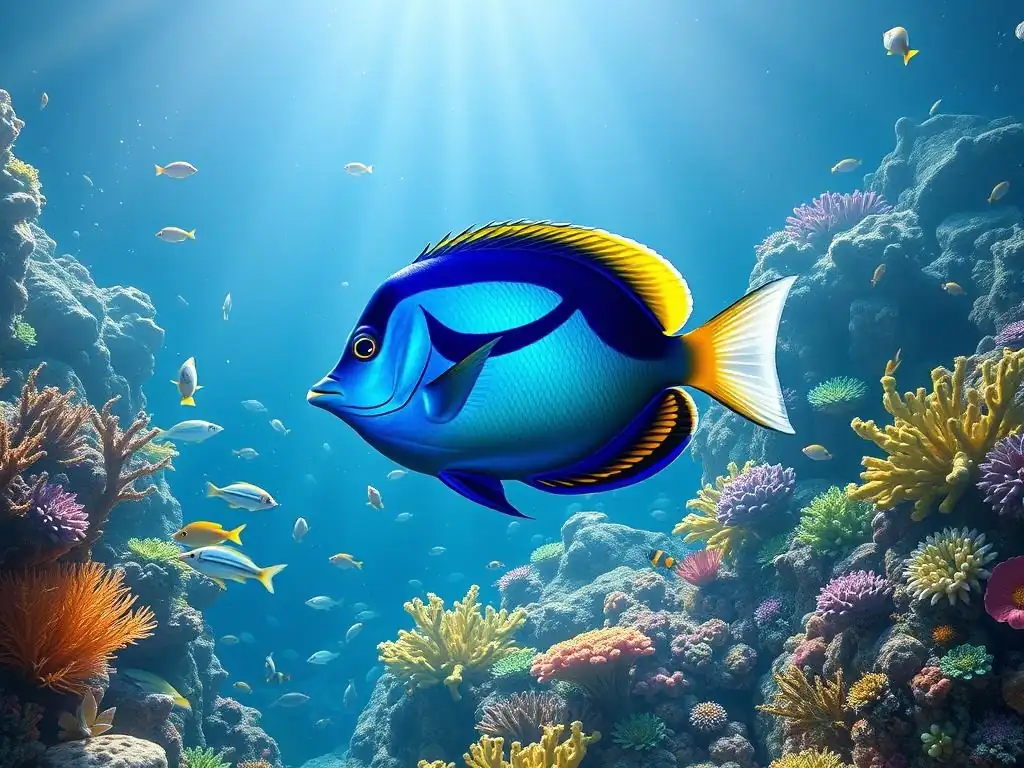
Welcome to Aquarium Mastery!
Ever wondered why your juvenile Angelfish's vibrant colors seem to shift as it matures? Dive into our in-depth guide, " Juvenile to Adult Angelfish: Dramatic Changes in Color & Temperament," and unlock the secrets behind Angelfish color change growth. Discover the fascinating transformations these majestic creatures undergo, and gain expert insights into their unique needs as they transition from playful youngsters to elegant adults. Are you ready to understand the real story behind your Angelfish's evolving beauty? Let's explore!
- Understanding Angelfish Metamorphosis: From Juvenile to Adult
- Angelfish Color Change: A Visual Guide Through Growth Stages
- Angelfish Temperament Shifts: Juvenile Innocence to Adult Assertiveness
- Angelfish Growth and Development: Beyond Color and Behavior
- Maximizing Color and Health During Angelfish Growth
- Common Problems During Angelfish Color Change and Growth
- Ensuring a Successful Angelfish Transformation: A Summary for Aquarists
-
Frequently Asked Questions
- What causes angelfish to undergo color changes during growth?
- How significant are the color changes in angelfish from juvenile to adult?
- Does the environment of the aquarium affect the angelfish's color change?
- At what age do angelfish typically start showing significant color changes?
- Are changes in temperament linked to the color changes during angelfish growth?
- Final Reflection: Embracing the Angelfish Transformation
- Unleash the Beauty: Transform Your Angelfish Journey!
Understanding Angelfish Metamorphosis: From Juvenile to Adult
The Fascinating Journey of Angelfish Development
The journey of an angelfish from its juvenile stage to a fully mature adult is a remarkable biological process, often spanning several months to over a year, depending on the species and environmental conditions. This metamorphosis involves profound morphological and physiological changes, transforming a typically small, often camouflaged juvenile into a larger, vibrant, and distinct adult.
During this period, the Angelfish color change growth is one of the most striking transformations, signaling not only physical maturation but also the onset of sexual maturity and the development of species-specific social behaviors. This process is a testament to their adaptability and complex life cycle within marine ecosystems.
Beyond the visible shifts in coloration and size, angelfish undergo significant internal development, including the maturation of reproductive organs and the strengthening of their skeletal structure. For instance, a juvenile Emperor Angelfish (Pomacanthus imperator) measuring just 1-2 inches will grow to an impressive 15 inches in adulthood, with its internal systems developing to support its larger body mass and increased metabolic demands. This developmental phase is critical for their long-term health and ability to thrive, making the observation of their Angelfish color change growth a key indicator for aquarists.
Why Angelfish Color Transformation Matters to Aquarists
Observing the Angelfish color change growth is more than just appreciating aesthetic beauty; it serves as a crucial diagnostic tool for aquarists. A healthy, well-nourished angelfish kept in optimal water conditions will typically exhibit a smooth and vibrant color transformation. Conversely, stunted growth, dulling colors, or an incomplete transformation can be significant indicators of stress, poor nutrition, disease, or inadequate environmental parameters. For example, a juvenile French Angelfish (Pomacanthus paru) that fails to develop its characteristic adult yellow-edged scales might be suffering from a vitamin deficiency or chronic stress.
Understanding these transformations also aids in species identification, especially for closely related angelfish species that might have similar juvenile patterns but vastly different adult colorations. Furthermore, anticipating the Angelfish color change growth allows aquarists to plan for the fish's future needs, such as increased tank size requirements and potential shifts in temperament. It ensures that the aquarist is providing a habitat that supports the natural progression of the fish's life, leading to a more robust and visually stunning specimen.
Angelfish Color Change: A Visual Guide Through Growth Stages
Identifying Juvenile Angelfish Coloration Patterns
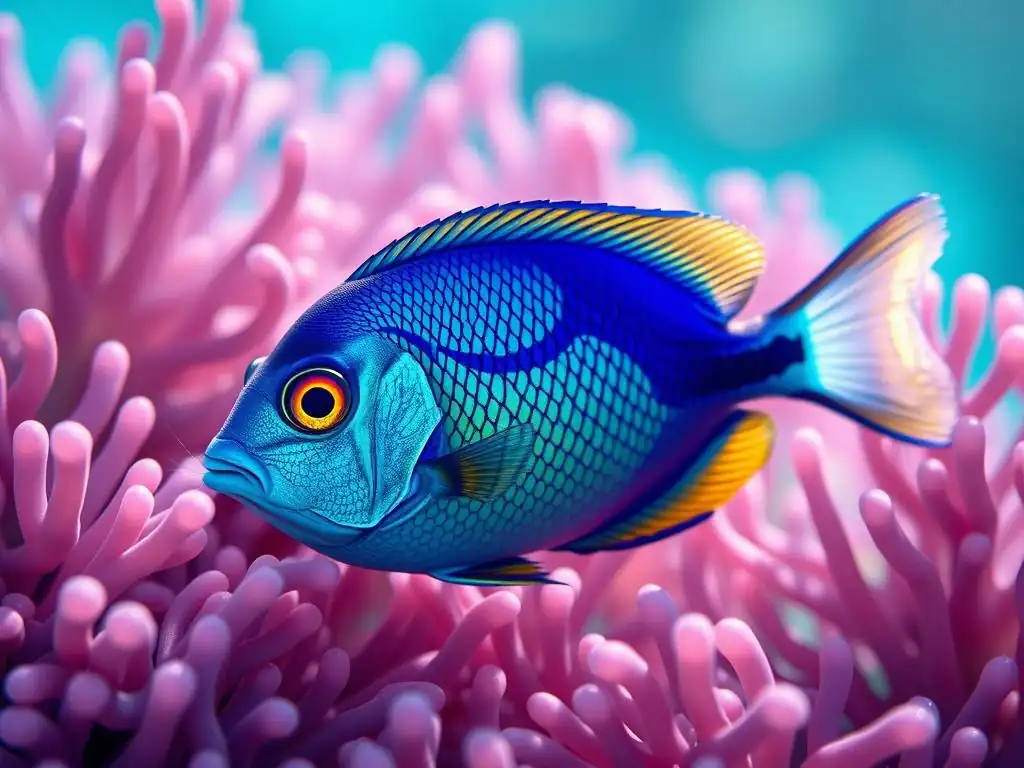
Juvenile angelfish often display coloration patterns that are strikingly different from their adult counterparts, serving primarily as camouflage against predators in their natural reef environments. These patterns typically involve disruptive markings, such as bold vertical or horizontal stripes, large spots, or ocelli (eye-spots), which help break up their outline and mimic less desirable prey. For example, juvenile Emperor Angelfish are deep blue with concentric white and light blue rings, a stark contrast to the adult's yellow and blue stripes.
Similarly, juvenile French Angelfish are black with three to five bright yellow vertical bars. These distinctive patterns usually persist until the fish reaches a size of approximately 2 to 4 inches, though this can vary by species.
The purpose of these juvenile patterns extends beyond camouflage; in some species, they also serve to reduce aggression from adult angelfish, particularly those of the same species. Research suggests that the distinct juvenile patterns may signal "immaturity" to adult fish, thereby minimizing territorial disputes. As the angelfish grows, these patterns gradually fade, replaced by the more complex and often more vibrant adult coloration. Aquarists keen on observing Angelfish color change growth should pay close attention to these initial patterns as a baseline for the upcoming transformation.
Documenting the Stages of Angelfish Color Transition
The process of Angelfish color change growth is a gradual and often protracted affair, not a sudden switch. It typically begins as the angelfish starts to increase significantly in size, often around 3-5 inches for larger species. The juvenile patterns begin to soften and become less defined, while new pigments associated with the adult phase slowly emerge.
For instance, the juvenile stripes might become mottled or fragmented before completely disappearing, replaced by solid blocks of color, intricate lines, or distinct spots. This transition can take anywhere from a few months to over a year, depending on the species, individual genetics, and environmental factors such as diet, water quality, and stress levels.
Aquarists often document this fascinating process through regular photographs, creating a visual timeline of their angelfish's development. This not only allows for a deeper appreciation of the transformation but also helps in identifying any delays or abnormalities in the Angelfish color change growth, which could signal underlying health issues. For example, a healthy Queen Angelfish (Holacanthus ciliaris) will typically begin to show the characteristic "crown" on its forehead around 4-6 months of age, with its blue and yellow body colors intensifying over the subsequent 6-12 months.
Examples of Dramatic Color Shifts in Different Angelfish Species
The Emperor Angelfish Transformation: A Classic Example
The Emperor Angelfish (Pomacanthus imperator) provides one of the most iconic and dramatic examples of Angelfish color change growth. Juveniles are striking with a dark blue body adorned with concentric white and light blue rings, often featuring a distinct eye-spot (ocellus) near the tail. This pattern is believed to mimic a toxic flatworm, deterring potential predators.
As they mature, typically reaching 4-6 inches in length, these rings gradually disappear, replaced by the adult's breathtaking pattern: a vibrant blue body with numerous horizontal yellow stripes, a black mask over the eyes, and a bright yellow caudal fin. The full transformation can take 12 to 18 months, with the adult coloration intensifying over several years.
The Regal Angelfish: Subtle Yet Significant Changes
While less dramatic than the Emperor, the Regal Angelfish (Pygoplites diacanthus) also undergoes a noticeable Angelfish color change growth. Juvenile Regal Angelfish often exhibit a slightly paler yellow body with less defined blue margins on their vertical white and orange bands. They may also possess a small, dark ocellus on their posterior dorsal fin which can be less pronounced than in adults.
As they mature, the yellow body intensifies, becoming a rich, deep hue, and the blue outlines around their white and orange stripes become much more vibrant and sharply defined. The ocellus, if present, typically darkens and becomes more prominent. This transformation is more about the intensification of existing colors and refinement of patterns rather than a complete overhaul, highlighting the nuanced aspects of angelfish development.
The French Angelfish: Juvenile to Adult Comparison
The French Angelfish (Pomacanthus paru) offers another compelling illustration of Angelfish color change growth. Juveniles are instantly recognizable by their jet-black bodies marked with three to five brilliant yellow vertical bars that extend from the dorsal to the anal fin. This bold pattern helps them blend into dark crevices and provides a stark contrast for cleaning stations, where they often act as cleaner fish for larger species.
As they transition into adulthood, which typically occurs around 4-6 inches, the yellow bars gradually fade, and the black body lightens to a dark grey or black with each scale edged in bright yellow, giving a characteristic "chain-mail" appearance. A distinct yellow ring also develops around their eyes. This transformation usually takes 6 to 10 months to complete, resulting in a significantly different, yet equally striking, adult appearance.
Angelfish Temperament Shifts: Juvenile Innocence to Adult Assertiveness
The Factors Influencing Angelfish Behavior as They Mature
As angelfish undergo their physical Angelfish color change growth, their temperament also evolves significantly, driven by a complex interplay of biological and environmental factors. Hormonal changes associated with sexual maturity play a primary role, triggering innate territorial and reproductive instincts. For instance, as a male angelfish matures, its testosterone levels increase, often leading to a heightened sense of territoriality and a drive to establish dominance within its environment.
Environmental factors, such as tank size, the presence of suitable hiding places, the number and species of tank mates, and overall water quality, also heavily influence how these innate behaviors manifest. A crowded tank, for example, can exacerbate aggression in a maturing angelfish, whereas ample space and visual barriers can help mitigate it.
Furthermore, the availability of food and potential mates can dictate behavioral shifts. In the wild, adult angelfish actively defend feeding territories and breeding grounds. In an aquarium setting, these instincts translate into defending specific areas of live rock or even the entire tank. Understanding these underlying factors is crucial for aquarists to anticipate and manage the behavioral changes that accompany the Angelfish color change growth.
Juvenile angelfish, particularly when small, are generally more timid and less aggressive than their adult counterparts. They often exhibit schooling behavior, finding safety in numbers, and are typically more tolerant of other fish, including their own species. This reduced aggression is partly due to their lack of sexual maturity and their vulnerability to larger predators in their natural habitat. For example, a group of juvenile Lemonpeel Angelfish (Centropyge flavissima) might coexist peacefully in a 30-gallon tank, whereas a single adult specimen would likely claim the entire space.
When selecting tank mates for juvenile angelfish, aquarists should prioritize smaller, peaceful, and non-aggressive species that won't outcompete them for food or stress them with constant harassment. Suitable companions might include certain gobies, cardinalfish, or smaller wrasses. However, it's vital to remember that this "juvenile innocence" is temporary, and as the Angelfish color change growth progresses, so too will their assertiveness.
Adult Angelfish: Establishing Dominance and Territoriality
As angelfish mature and complete their Angelfish color change growth, they become significantly more assertive and territorial. This shift is primarily driven by their inherent need to establish dominance, secure breeding rights, and defend perceived resources (food, shelter, mates). Large angelfish species like the Queen Angelfish or French Angelfish are notorious for their territorial nature, often claiming a significant portion of the aquarium as their own. They will actively patrol their chosen area, chasing away perceived intruders, sometimes even fish much larger than themselves.
Understanding Aggression in Mature Angelfish
Aggression in mature angelfish can manifest in various ways, from subtle fin-nipping and chasing to more overt displays like gill-flaring, fin-slapping, and even direct physical attacks that can result in injury or death to tank mates. This aggression is often directed at new introductions, fish with similar body shapes or coloration, or even existing tank mates that venture too close to the angelfish's established territory.
For example, a mature Emperor Angelfish in a 125-gallon tank might relentlessly harass a newly introduced Tang, viewing it as a competitor for grazing space. The intensity of aggression can also vary significantly between species; dwarf angelfish (Centropyge species) are generally less aggressive than their larger Pomacanthus relatives, though they can still be territorial.
Strategies for Managing Angelfish Temperament in the Aquarium
Managing the temperament of adult angelfish requires proactive planning and careful observation. The most critical factor is providing an adequately sized aquarium. A large angelfish, such as a Queen or Emperor, requires a minimum of 180-250 gallons to allow for ample swimming space and the establishment of distinct territories without excessive conflict. Providing plenty of live rock structures with caves, overhangs, and visual barriers can help break up sightlines and create multiple "territories," reducing direct confrontations.
Introducing the angelfish as one of the last fish to the tank, after other residents have established themselves, can sometimes mitigate initial aggression. Careful selection of tank mates – choosing robust, semi-aggressive species that can hold their own, or very peaceful, dissimilar species that won't be perceived as threats – is also crucial. For instance, a mature Emperor Angelfish might coexist better with a Powder Blue Tang than with another angelfish species.
Angelfish Growth and Development: Beyond Color and Behavior
Nutritional Needs for Optimal Angelfish Growth
Optimal Angelfish color change growth and overall development are inextricably linked to a high-quality, varied diet. Angelfish, being omnivores with a significant herbivorous component in their natural diet, require a diverse range of nutrients. Juveniles, in particular, benefit from frequent small feedings (2-3 times daily) to fuel their rapid growth.
A balanced diet should include high-quality marine flake or pellet foods specifically formulated for angelfish, rich in spirulina and marine proteins. Supplementing with frozen foods such such as mysis shrimp, brine shrimp (preferably enriched), finely chopped krill, and various algae-based preparations (e.g., spirulina, Nori seaweed) is essential. For example, feeding spirulina-enriched brine shrimp can provide crucial carotenoids that contribute to vibrant coloration.
It is also vital to ensure that their diet includes essential vitamins and minerals. Vitamin C, for instance, is crucial for immune system health and tissue development, while various carotenoids directly influence the intensity and richness of their colors during the Angelfish color change growth. Some aquarists soak frozen foods in liquid vitamin supplements (e.g., Selcon) to boost their nutritional value.
Tank Size Requirements for Juvenile and Adult Angelfish
Tank size is a paramount factor influencing Angelfish color change growth, overall health, and temperament. While a juvenile angelfish might seem comfortable in a smaller tank initially, its rapid growth necessitates a significantly larger environment. Stunting, a common issue in undersized tanks, can lead to permanent health problems and an incomplete color transformation. For dwarf angelfish (Centropyge species), a minimum of 30-70 gallons is recommended for a single adult. Medium-sized angelfish, like those from the Genicanthus or Chaetodontoplus genera, typically require 75-125 gallons.
However, large angelfish (Pomacanthus, Holacanthus, Pygoplites) demand substantial aquariums. A single adult Emperor Angelfish, for example, requires a minimum of 180 gallons, with 250-300+ gallons being ideal for long-term health and to mitigate aggression, especially if kept with other large fish. Adequate space allows for proper swimming, natural behaviors, and the establishment of territories, all of which contribute to less stress and better overall Angelfish color change growth.
Water Parameters and Their Impact on Angelfish Development
Stable and pristine water parameters are non-negotiable for optimal angelfish development and the successful manifestation of Angelfish color change growth. Fluctuations or poor water quality can induce significant stress, suppress appetite, and leave the fish vulnerable to disease, all of which can impede growth and dull coloration. Key parameters to consistently monitor and maintain include:
- Salinity: 1.023-1.025 specific gravity (SG)
- Temperature: 74-80°F (23-27°C)
- pH: 8.1-8.4
- Ammonia & Nitrite: 0 ppm
- Nitrate: below 20 ppm (ideally below 10 ppm)
Regular water changes (e.g., 10-20% weekly or bi-weekly) are essential to replenish trace elements and remove accumulated nitrates. Robust filtration systems, including protein skimmers, biological filtration (live rock), and mechanical filtration, are crucial for maintaining water purity. Consistent water quality reduces stress, allowing the angelfish to allocate its energy towards growth and the development of vibrant pigments, ensuring a successful Angelfish color change growth.
Maximizing Color and Health During Angelfish Growth
Proper Lighting to Enhance Angelfish Coloration
The right lighting spectrum plays a significant role in enhancing the natural coloration of angelfish and allowing aquarists to fully appreciate their Angelfish color change growth. Full-spectrum lighting that mimics natural sunlight is ideal, typically in the range of 10,000K to 20,000K. Lights with a higher Kelvin rating (bluer light) can often make blue and purple pigments pop, while those with a balanced spectrum will bring out reds, yellows, and oranges. For instance, a 14,000K light fixture might beautifully highlight the deep blues of an Emperor Angelfish while still allowing its yellow stripes to shine.
Beyond aesthetics, appropriate lighting supports the overall health of the aquarium ecosystem, including any photosynthetic organisms like corals or beneficial algae, which contribute to water quality and a more natural environment for the angelfish. Ensuring a consistent photoperiod (e.g., 10-12 hours per day) also contributes to a stable environment, reducing stress and promoting the optimal expression of Angelfish color change growth.
Diet and Supplementation for Vibrant Colors
A well-rounded diet is the cornerstone of vibrant Angelfish color change growth. To truly maximize their coloration, the diet must be rich in specific pigments, particularly carotenoids. These organic compounds, found naturally in many marine foods, are absorbed by the fish and deposited in their skin cells, directly influencing yellow, orange, and red hues. Foods high in spirulina, astaxanthin, and beta-carotene are particularly beneficial. Examples include:
- Spirulina-enriched flakes and pellets: A staple for most angelfish, providing a broad spectrum of nutrients and color enhancers.
- Frozen Mysis Shrimp: A highly nutritious food naturally rich in astaxanthin, which aids in developing reds and oranges.
- Nori Seaweed: A great source of plant-based nutrients and carotenoids, which can be offered via a veggie clip.
- Specialized color-enhancing foods: Many commercial foods are formulated with elevated levels of carotenoids specifically to boost fish coloration.
In addition to food, supplementing with liquid vitamins, such as Selcon, can further enhance nutrient uptake and overall vitality, contributing to the intensity of Angelfish color change growth. These supplements can be soaked into frozen foods before feeding.
Maintaining Optimal Water Quality for Healthy Angelfish Development
Maintaining impeccable water quality is perhaps the single most critical factor for healthy Angelfish color change growth and overall well-being. Poor water quality, characterized by elevated nitrates, phosphates, or fluctuating parameters, directly stresses fish, suppresses their immune system, and can lead to dull coloration and stunted growth. Consistent maintenance practices are paramount:
- Regular Water Changes: Performing 10-20% water changes weekly or bi-weekly helps dilute accumulated nitrates, replenish essential trace elements, and stabilize pH and alkalinity. This fresh, clean water minimizes stress and encourages robust growth.
- Robust Filtration: A comprehensive filtration system is essential. This includes mechanical filtration (filter socks, sponges) to remove particulate matter, biological filtration (live rock, bio-media) to process ammonia and nitrite, and chemical filtration (activated carbon, GFO) to remove dissolved organic compounds and phosphates.
- Protein Skimming: A high-quality protein skimmer is indispensable for saltwater angelfish tanks. It efficiently removes organic waste before it breaks down into harmful nitrates and phosphates, significantly contributing to water clarity and purity.
By diligently adhering to these practices, aquarists create a stable, pristine environment that supports the angelfish's natural metabolic processes, allowing it to fully express its genetic potential for vibrant Angelfish color change growth and robust health.
Common Problems During Angelfish Color Change and Growth
Identifying and Addressing Stunted Growth
Stunted growth is a common and concerning issue during Angelfish color change growth, where the fish fails to reach its expected size for its age, often appearing disproportionately small or emaciated. Symptoms include a noticeably smaller body compared to its head, dull or faded coloration, chronic lethargy, and a general lack of vigor. The primary causes are inadequate nutrition (insufficient quantity or poor quality food), persistently poor water quality (high nitrates, fluctuating pH), overcrowding, and chronic stress from incompatible tank mates or an undersized aquarium.
Addressing stunted growth requires immediate action:
- Improve Diet: Increase feeding frequency for juveniles (3-4 times daily) and ensure a varied, high-quality diet rich in protein and vitamins.
- Optimize Water Quality: Perform larger, more frequent water changes (e.g., 25% twice weekly) and ensure all filtration systems are functioning optimally.
- Increase Tank Size: If the tank is too small for the angelfish's potential adult size, upgrading to a larger aquarium is crucial.
- Reduce Stressors: Remove aggressive tank mates, provide ample hiding spots, and ensure a stable environment. Early intervention is key to reversing stunting, though severe cases may lead to permanent issues.
Recognizing and Treating Color Loss or Fading
Color loss or fading during Angelfish color change growth is a clear indicator of underlying problems. Instead of intensifying into their vibrant adult hues, the angelfish's colors may appear dull, washed out, or even disappear entirely. This can manifest as a vibrant blue turning pale, or yellows becoming muted. Common causes include:
- Stress: From aggression, poor water quality, or inadequate hiding spots.
- Nutritional Deficiencies: Lack of essential vitamins (especially Vitamin A and C) and color-enhancing pigments (carotenoids).
- Disease: Many illnesses can cause a general dulling of colors as a stress response.
- Incorrect Lighting: Insufficient or inappropriate lighting spectrum.
Treatment involves identifying and rectifying the root cause. Enhance the diet with spirulina, astaxanthin, and vitamin supplements. Ensure optimal water parameters are consistently maintained. Check for and treat any signs of disease. Verify that the aquarium lighting provides a full spectrum conducive to vibrant coloration. Reducing overall stress in the tank environment will also significantly contribute to the fish regaining its natural vibrancy during its Angelfish color change growth.
Preventing and Managing Aggression During the Transition
As angelfish mature and complete their Angelfish color change growth, their temperament can shift dramatically from peaceful juveniles to highly territorial adults. Aggression often arises from limited space, competition for resources, or the presence of incompatible tank mates. Signs include fin nipping, constant chasing, gill-flaring, and physical altercations.
Prevention and management strategies include:
- Adequate Tank Size: Provide a tank large enough for the angelfish's adult size (e.g., 180+ gallons for large species) to offer ample territory.
- Ample Hiding Spots and Visual Barriers: Live rock structures with caves and crevices break up lines of sight, allowing less dominant fish to escape aggression.
- Careful Tank Mate Selection: Choose tank mates that are either robust and semi-aggressive enough to hold their own, or very peaceful and dissimilar in shape/coloration to avoid triggering territorial instincts. Avoid keeping multiple angelfish of the same species or similar species unless the tank is exceptionally large and well-designed for pairs/groups.
- Introduction Order: Introduce the angelfish as one of the last fish into a well-established tank, allowing other inhabitants to claim their territories first.
- Target Feeding: Ensure all fish get enough food, as food competition can escalate aggression.
If aggression becomes severe, re-evaluating tank mates or even rehoming the angelfish to a larger, more suitable environment may be necessary to ensure the well-being of all inhabitants.
Ensuring a Successful Angelfish Transformation: A Summary for Aquarists
Key Takeaways for Raising Healthy and Colorful Angelfish
Successfully raising angelfish through their dramatic Angelfish color change growth requires a holistic approach focused on providing an optimal environment. The most critical takeaways for aquarists include:
- Superior Nutrition: A varied diet rich in high-quality marine proteins, spirulina, and carotenoids is fundamental for robust growth and vibrant coloration. Frequent, small feedings are beneficial for juveniles.
- Pristine Water Quality: Consistent maintenance of stable water parameters (salinity, temperature, pH, zero ammonia/nitrite, low nitrates) through regular water changes and robust filtration is paramount. This minimizes stress and supports metabolic processes crucial for development.
- Appropriate Tank Size: Always plan for the angelfish's adult size. An undersized tank will inevitably lead to stunted growth, stress, and exacerbated aggression, hindering the natural Angelfish color change growth.
- Understanding Behavioral Shifts: Be prepared for temperament changes as angelfish mature. Providing ample hiding spots and carefully selecting tank mates can mitigate aggression.
By adhering to these principles, aquarists can ensure their angelfish not only survive but thrive, showcasing their full potential for stunning coloration and healthy development.
Long-Term Care Considerations for Adult Angelfish
Once angelfish complete their Angelfish color change growth and reach adulthood, their care shifts from rapid development to long-term maintenance and longevity. Many large angelfish species can live for 10-15 years or more in a well-maintained aquarium, becoming cherished inhabitants. Long-term considerations include:
- Continued Dietary Excellence: While growth slows, a high-quality, varied diet remains crucial for maintaining vibrant colors, strong immunity, and overall health. Supplementation with vitamins should continue.
- Consistent Water Quality: Regular water changes and vigilant parameter monitoring are essential throughout their lifespan to prevent the accumulation of toxins and maintain a stable environment.
- Behavioral Monitoring: Continuously observe their temperament, especially if introducing new tank mates. Adult angelfish can be very territorial, and their behavior may require adjustments to tank layout or tank mate composition over time.
- Disease Prevention: A healthy environment and proper diet are the best defenses against disease. Be proactive in addressing any signs of illness promptly.
Providing consistent, high-quality care throughout an angelfish's life ensures they remain healthy, colorful, and a captivating centerpiece in any marine aquarium.
Further Resources for Angelfish Care and Understanding
For aquarists seeking to deepen their understanding of angelfish care, particularly concerning their fascinating Angelfish color change growth and complex behaviors, numerous resources are available. Comprehensive guides on marine fish husbandry, species-specific profiles for various angelfish (Pomacanthus, Holacanthus, Centropyge, Genicanthus, etc. ), and detailed information on saltwater aquarium setup and maintenance can provide invaluable insights. Exploring topics such as advanced nutrition, disease identification and treatment, and strategies for managing aggressive species will further enhance your ability to provide an optimal environment for these magnificent fish. Continued learning and observation are key to mastering the art of angelfish keeping.
Frequently Asked Questions
What causes angelfish to undergo color changes during growth?
Angelfish color changes are primarily due to genetic factors and environmental influences. As they mature, their genes express different pigmentation, and factors like water quality and diet can also play a role.
How significant are the color changes in angelfish from juvenile to adult?
The color changes can be quite dramatic, especially in certain varieties. Juvenile angelfish might have subdued colors that intensify or transform into entirely different patterns as they reach adulthood due to maturation and breeding readiness.
Does the environment of the aquarium affect the angelfish's color change?
Yes, the aquarium environment significantly impacts color development. Optimal water parameters and a stress-free environment are crucial for vibrant and healthy coloration. Poor conditions can lead to dullness or even disease.
At what age do angelfish typically start showing significant color changes?
Significant color changes usually begin around 6-9 months of age as they transition from juvenile to sub-adult. This is when hormonal changes related to sexual maturity start influencing pigmentation.
Are changes in temperament linked to the color changes during angelfish growth?
Yes, changes in temperament often accompany color changes. As angelfish mature, they can become more territorial and aggressive, especially during breeding periods, coinciding with the development of their adult coloration.
Final Reflection: Embracing the Angelfish Transformation
The journey from juvenile to adult angelfish, as we've explored, is a testament to the power of biological metamorphosis and adaptation. These dramatic shifts in color and temperament are not merely aesthetic changes; they represent a fundamental evolution, reflecting the angelfish's changing role within its environment and social structure. Understanding this process is crucial for responsible fishkeeping and appreciating the intricate beauty of the natural world.
This angelfish transformation, mirroring growth and change in many aspects of life, has deeply resonated with me. Witnessing such a stark visual and behavioral shift underscores the constant flux inherent in all living things, reminding us that growth is often accompanied by unexpected alterations. The only constant in life is change,
as Heraclitus famously said, and the angelfish's journey vividly illustrates this timeless truth.
Now, consider the lessons learned from the angelfish's dramatic color change and growth. How can you embrace your own personal transformations, accepting the inevitable shifts in perspective and behavior that come with maturity? Let the angelfish's journey inspire you to navigate your own growth with curiosity, resilience, and a deep appreciation for the beauty of change.
Unleash the Beauty: Transform Your Angelfish Journey!
Thank you for diving into the captivating world of angelfish! We hope you've gained valuable insights into their fascinating transformation from juvenile to adult. Now, it's time to take your knowledge to the next level.
Here are a few steps you can take to continue learning, connect, and enjoy your angelfish:
- Carefully Observe Your Angelfish: Pay close attention to the subtle changes in their color patterns, finnage, and behavior. Record your observations in a journal to track their development and identify any potential issues early.
- Share Your Experiences: Engage with fellow angelfish enthusiasts on forums or social media groups dedicated to aquarium keeping. Share pictures and videos of your angelfish and ask for advice or insights from experienced hobbyists.
- Attempt a "Temperament Test": Introduce a small, non-aggressive community fish (like a neon tetra) into your angelfish tank (under close observation) to gauge your angelfish's current temperament. Document the interactions and learn from their behavior. (Be prepared to immediately remove the community fish if aggression is observed!)
What fascinating behavioral change have you observed in your angelfish recently? Share your insights in the comments below!