
Corydoras xinguensis: A Rare Gem from the Xingu River Basin

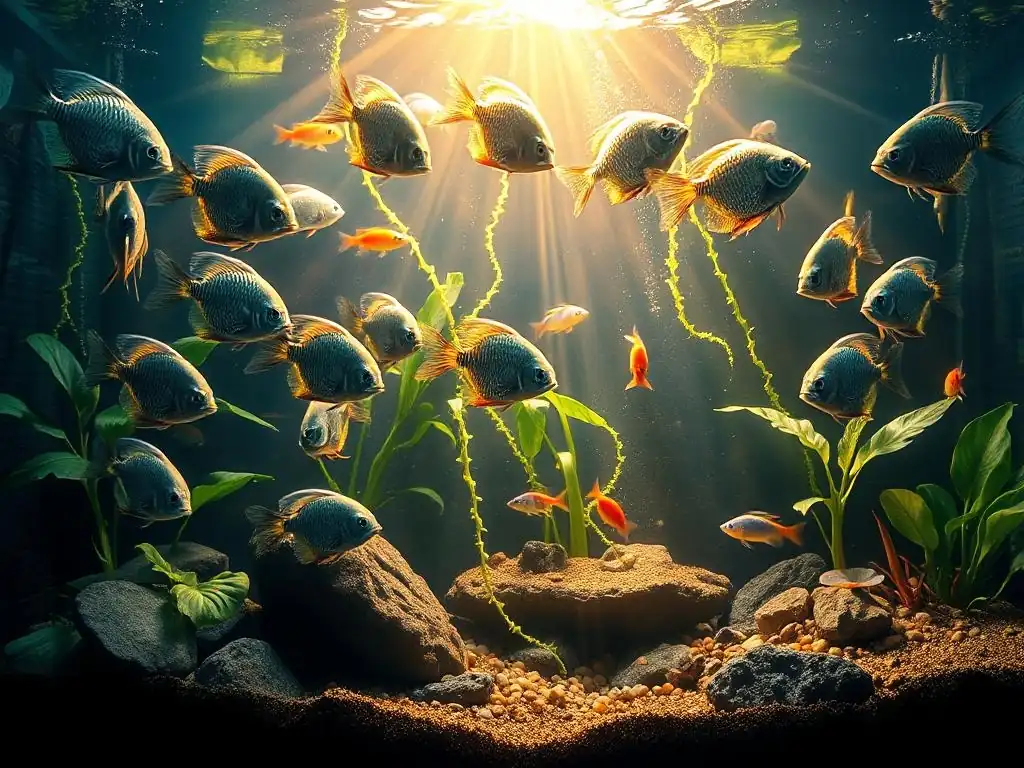
Welcome to Aquarium Mastery!
Ever wondered about the secrets to keeping the elusive Corydoras xinguensis thriving in your aquarium? These rare gems from the Xingu River Basin are a true spectacle. Dive in to discover our comprehensive guide, packed with essential Xinguensis corydoras care tips, and unlock the secrets to successfully keeping these fascinating creatures. Intrigued? Let's explore the enchanting world of the Xinguensis corydoras!
- Unveiling the Xinguensis Corydoras: An Introduction to a Unique Species
- Xinguensis Corydoras Care Tips: Creating the Ideal Aquarium Environment
- Xinguensis Corydoras Tank Mates: Choosing Compatible Companions
- Breeding Corydoras xinguensis: A Challenging but Rewarding Endeavor
- Common Health Issues in Corydoras xinguensis and Their Prevention
- Where to Find Corydoras xinguensis: Availability and Ethical Considerations
- Xinguensis Corydoras: A Summary of Essential Care Guidelines
-
Frequently Asked Questions
- What are the key water parameters for keeping Corydoras xinguensis healthy?
- What is the ideal tank size for a group of Corydoras xinguensis?
- What is the best type of substrate for a Corydoras xinguensis aquarium?
- What should I feed my Corydoras xinguensis to ensure optimal health and coloration?
- What are some common health issues to watch out for with Corydoras xinguensis?
- Final Reflection: Appreciating the Fragility of Beauty
- Unleash Your Inner Aquarist: Dive Deeper into the World of Corydoras!
Unveiling the Xinguensis Corydoras: An Introduction to a Unique Species
The Corydoras xinguensis, often referred to simply as the Xinguensis corydoras, originates from the highly biodiverse Xingu River basin, a major tributary of the Amazon River located in Brazil. This region is renowned for its clear, oxygen-rich waters, often flowing over sandy or fine gravel substrates interspersed with leaf litter, submerged wood, and rocky outcrops. The specific microhabitats these fish inhabit are typically shallow, slow-moving areas, providing both food sources and protection from stronger currents.
Due to the remote and often challenging accessibility of the Xingu River basin, wild collection of Corydoras xinguensis is limited, contributing significantly to its rarity and higher price point in the aquarium trade. This geographical isolation means that specimens available to aquarists are often either captive-bred or responsibly sourced from specific, well-managed collection points, ensuring minimal environmental impact while providing a glimpse into the unique aquatic life of this pristine South American river system.
Distinguishing Features: Identifying the Corydoras xinguensis
The Corydoras xinguensis is a relatively small species, typically reaching an adult size of about 1.5 to 2 inches (3.8 to 5 cm) in length. Its body is adorned with a striking pattern of dark, irregular spots or blotches against a lighter, often olive-green to brownish background, which provides excellent camouflage within its natural sandy and leafy riverbed environment. Like all Corydoras, it possesses bony plates, or scutes, covering its body instead of scales, along with sensitive barbels around its mouth used for foraging in the substrate.
What truly sets the Xinguensis corydoras apart from many other Corydoras species is its distinct patterning and often a more elongated body shape compared to some of its chunkier cousins. While many Corydoras exhibit similar colorations, the specific arrangement and intensity of the dark markings on the C. xinguensis, particularly along its flanks and dorsal fin, allow for its unique identification. Its peaceful demeanor and active bottom-dwelling habits make it a captivating addition for aquarists seeking a rare and visually appealing member of the Corydoras family.
Xinguensis Corydoras Care Tips: Creating the Ideal Aquarium Environment
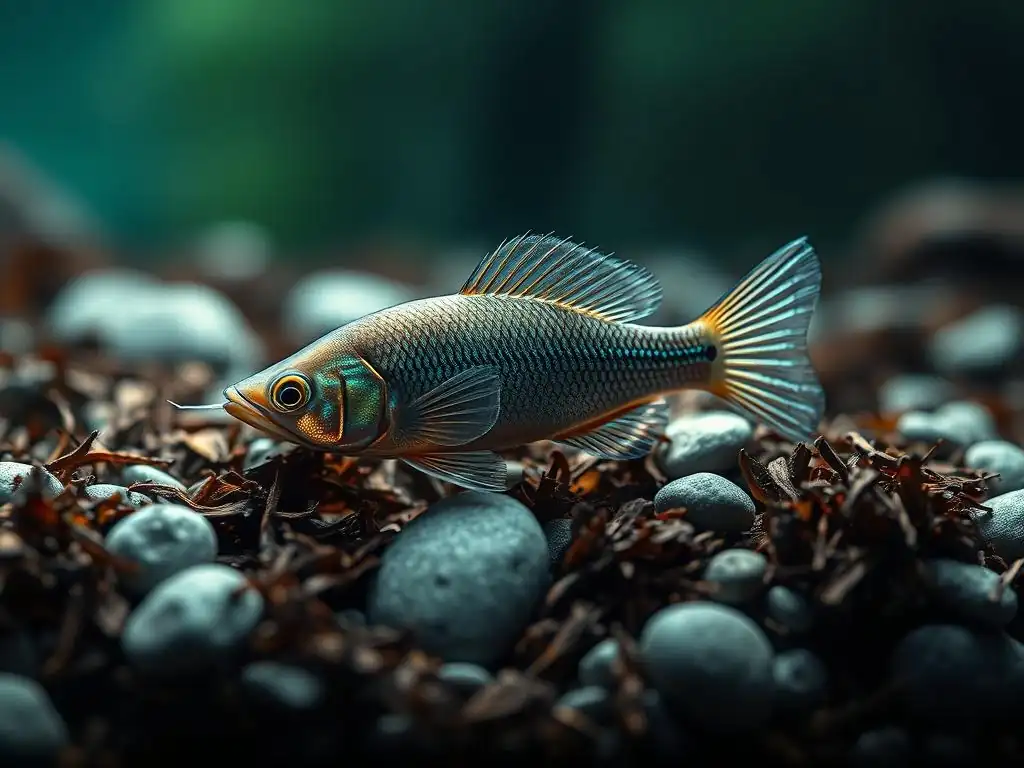
Aquarium Setup for Corydoras xinguensis: Replicating their Natural Habitat
Setting up the ideal aquarium environment is paramount for the health and longevity of Corydoras xinguensis. These active bottom-dwellers thrive in conditions that closely mimic their natural riverine habitats, emphasizing cleanliness, proper substrate, and adequate hiding spots. A well-maintained setup minimizes stress, prevents common health issues, and allows these charming fish to display their natural behaviors, such as sifting through the substrate and schooling.
The overarching goal of any Xinguensis corydoras care tips related to tank setup should be to provide a stable, enriching, and safe home. This involves careful consideration of tank dimensions, substrate choice, and the strategic placement of decor. Replicating the clear, pristine waters and soft, natural substrate of the Xingu River basin is key to ensuring these rare gems flourish in captivity.
Tank Size and Dimensions for Xinguensis Corydoras
For a small group of 6 to 8 Corydoras xinguensis, a minimum tank size of 20 gallons (approximately 75 liters) is recommended. While they are small fish, they are highly social and thrive in groups, requiring ample swimming and foraging space at the bottom of the tank. A larger tank, such as a 30-gallon (113-liter) or even a 40-gallon breeder (150-liter), is even more beneficial, providing greater water volume for stability and allowing for a larger, more active school.
When considering tank dimensions, the footprint of the aquarium is more important than its height for Xinguensis corydoras care. A tank with a longer and wider base allows for more bottom surface area, which is crucial for these fish that spend their entire lives sifting through the substrate. For instance, a 20-gallon long tank (30" L x 12" W x 12" H) is preferable to a 20-gallon high tank (24" L x 12" W x 16" H) for a thriving Corydoras group.
Substrate and Decor: Essential Elements for a Thriving Environment
The choice of substrate is one of the most critical Xinguensis corydoras care tips. Fine, soft sand is the ideal substrate for Corydoras xinguensis, as it allows them to safely sift through it with their delicate barbels in search of food particles without injury. Sharp or coarse gravel can damage their barbels, leading to infections and stress. If sand is not feasible, a very fine, smooth gravel that poses no risk to their barbels could be considered, though sand remains superior.
Alongside a suitable substrate, providing ample decor that offers hiding spots and visual barriers is essential. This can include smooth river stones, driftwood branches, and live plants such as Anubias, Java Fern, or various Cryptocorynes. These elements not only enhance the aesthetic appeal of the aquarium but also provide a sense of security for the fish, encouraging natural behaviors and reducing overall stress levels within the tank environment.
Water Parameters: Maintaining Optimal Conditions for Xinguensis Corydoras
Maintaining stable and appropriate water parameters is fundamental to the successful long-term Corydoras xinguensis care. These fish, like many wild-caught or wild-descended species, are sensitive to fluctuations and poor water quality. Regular testing and consistent maintenance routines are non-negotiable to ensure their well-being and prevent disease.
Adhering to strict water parameter guidelines is a cornerstone of effective Xinguensis corydoras care tips. This involves not only setting up the tank correctly but also continuous monitoring and timely interventions, such as partial water changes, to keep the aquatic environment pristine and conducive to their health.
Temperature and pH: Crucial Factors for Health and Well-being
Corydoras xinguensis thrive in tropical freshwater conditions, with an ideal temperature range of 72 to 79°F (22 to 26°C). Maintaining a stable temperature within this range is crucial, as sudden fluctuations can cause stress and weaken their immune system, making them susceptible to common fish diseases. A reliable aquarium heater with a thermostat is indispensable for this purpose.
The preferred pH range for Corydoras xinguensis is slightly acidic to neutral, typically between 6.0 and 7.5. While they can tolerate a small deviation, stability is far more important than hitting an exact number. Wild specimens often come from slightly acidic waters, but captive-bred fish are generally more adaptable. Regular pH monitoring, especially after water changes or if new decor is added, helps ensure consistent conditions.
Water Hardness and Ammonia Levels: Key Considerations for Stability
Regarding water hardness, Corydoras xinguensis prefer soft to moderately hard water, with a general hardness (GH) typically ranging from 2 to 10 dGH. While they are somewhat adaptable, extremely hard water can cause long-term stress. Carbonate hardness (KH) should also be monitored to ensure sufficient buffering capacity, which helps prevent drastic pH swings. A KH of 3-8 dKH is generally suitable.
Perhaps the most critical water parameter for any aquarium, especially for sensitive bottom-dwellers like the Xinguensis corydoras, is the complete absence of ammonia (NH3) and nitrite (NO2-). Nitrate (NO3-) levels should be kept below 20 ppm, ideally even lower. A fully cycled aquarium with robust filtration and regular weekly partial water changes (e.g., 20-30%) are essential practices to maintain pristine water quality and prevent these toxic compounds from accumulating.
Diet and Feeding: Providing a Balanced Diet for Corydoras xinguensis
A comprehensive approach to Xinguensis corydoras care tips must include a balanced and varied diet, crucial for their vibrant coloration, active behavior, and overall health. As omnivorous bottom-feeders, they require a diet that mimics the diverse food sources found in their natural habitat. Simply relying on flakes that float at the surface is insufficient for these specialized feeders.
Proper nutrition not only supports their physical well-being but also contributes to their immune system strength, making them more resilient against potential diseases. A varied diet, rich in both plant and animal matter, is key to providing all the necessary nutrients for Corydoras xinguensis.
Recommended Foods for Optimal Health and Growth
The staple diet for Corydoras xinguensis should consist of high-quality sinking pellets or wafers specifically formulated for bottom-dwelling fish. These foods are designed to sink quickly, ensuring that the Corydoras can access them before other tank inhabitants. Look for options that list fish meal, spirulina, and various vitamins as primary ingredients.
Supplementing their staple diet with live or frozen foods is highly recommended to provide essential proteins and fats. Excellent choices include bloodworms, brine shrimp, daphnia, and tubifex worms. These protein-rich foods mimic their natural diet of small invertebrates and significantly boost their health and vitality. Occasionally, blanched vegetables like zucchini or shelled peas can also be offered as a treat.
Feeding Schedule and Quantities: Preventing Overfeeding
Corydoras xinguensis should be fed once or twice daily. The key is to provide small quantities that they can consume within a few minutes, typically 3-5 minutes. It's important to observe their feeding behavior to ensure that the food reaches the bottom and that all fish in the school are getting enough, especially if they are competing with faster-eating tank mates.
Overfeeding is a common mistake that can lead to significant water quality issues, including spikes in ammonia and nitrite, and an increase in nitrates. Excess food left uneaten will decompose, fouling the water and potentially leading to bacterial blooms or algae outbreaks. By adhering to a strict feeding schedule and appropriate quantities, aquarists can maintain clean water and prevent obesity in their Xinguensis corydoras.
Xinguensis Corydoras Tank Mates: Choosing Compatible Companions
Suitable Tank Mates for Peaceful Coexistence
When considering tank mates for Corydoras xinguensis, the primary focus should be on peaceful, non-aggressive species that occupy the middle or upper water columns. This ensures that the Corydoras, being bottom-dwellers, are not directly competing for space or food with other fish. Ideal companions are generally small to medium-sized, calm, and do not exhibit fin-nipping tendencies.
Excellent choices for tank mates include various species of small tetras such as Neon Tetras, Cardinal Tetras, Ember Tetras, or Rummy-Nose Tetras, which are all peaceful and schooling fish. Other suitable options include small rasboras (e.g., Harlequin Rasboras), peaceful dwarf gouramis, and some smaller, non-aggressive livebearers like Endler's Livebearers. These species typically leave the Corydoras undisturbed and contribute to a harmonious community aquarium.
Fish to Avoid: Minimizing Stress and Aggression
To minimize stress and aggression in a Corydoras xinguensis tank, it is crucial to avoid any large, predatory, or overly aggressive fish. Species known for their territorial behavior, such as many types of cichlids (e.g., Oscars, Jack Dempseys), are entirely unsuitable as they will view the small Corydoras as potential prey or competition. Even some semi-aggressive species, like certain larger barbs, can be problematic due to their nipping habits or boisterous nature.
Furthermore, fish that are highly competitive for bottom-dwelling food or space should also be avoided. This includes some larger, more aggressive bottom-feeders or species that might harass the peaceful Corydoras. The goal is to create a serene environment where the Corydoras xinguensis can freely forage and school without fear, which is a key element of effective Xinguensis corydoras care tips.
Breeding Corydoras xinguensis: A Challenging but Rewarding Endeavor
Setting up a Breeding Tank for Xinguensis Corydoras
Breeding Corydoras xinguensis can be a challenging but highly rewarding experience for the dedicated aquarist. A dedicated breeding tank, typically 10 to 15 gallons (38 to 57 liters), is highly recommended to provide a controlled environment and protect the eggs and fry. This tank should have a bare bottom or a very thin layer of fine sand to facilitate easy cleaning and egg collection.
Essential equipment for a breeding tank includes a gentle sponge filter to ensure excellent water quality without creating strong currents, and spawning media such as Java moss, spawning mops, or broad-leafed plants like Anubias. These provide surfaces for the female to deposit her adhesive eggs. Pristine water conditions, often slightly softer and more acidic than general community tank parameters, are crucial for successful spawning.
Inducing Spawning: Simulating Natural Conditions
To induce spawning in Corydoras xinguensis, it's often necessary to simulate the conditions of their natural rainy season. This typically involves conditioning the adult fish with a diet rich in high-protein live or frozen foods, such as bloodworms, brine shrimp, and daphnia, for several weeks. A common technique is to perform large, cool water changes, replacing approximately 50% of the tank water with water that is 5-10°F (3-6°C) cooler than the tank temperature.
This cool water change, often coupled with a slight drop in pH, mimics the influx of cooler rainwater into their natural habitat, triggering their breeding instincts. It's advisable to have a ratio of two to three males per female to increase the chances of successful fertilization. Observing the fish for their characteristic "T-position" (where the male clasps the female's barbels with his pectoral fin) indicates that spawning is imminent or underway.
Raising Fry: Ensuring Survival and Growth
Once spawning has occurred and the eggs have been laid, it is crucial to remove the adult Corydoras xinguensis from the breeding tank to prevent them from consuming the eggs. The eggs are typically adhesive and can be found on tank walls, plants, or decor. Some aquarists add a small amount of methylene blue or Indian almond leaves to the water to help prevent fungal growth on the eggs, which typically hatch within 3 to 5 days depending on temperature.
Upon hatching, the fry are tiny and absorb their yolk sac for the first few days. Once free-swimming, they require extremely small, nutrient-rich foods. Suitable first foods include infusoria, liquid fry food, microworms, and newly hatched brine shrimp. Frequent, small water changes (e.g., 10-20% daily) are essential to maintain impeccable water quality for the delicate fry, ensuring their survival and promoting healthy growth.
Common Health Issues in Corydoras xinguensis and Their Prevention
Identifying Common Diseases and Parasites
Like all aquarium fish, Corydoras xinguensis can be susceptible to various health issues if their environment is not optimal. Common diseases that may affect them include Ich (white spot disease), fin rot, and various bacterial infections. Ich often presents as small white spots resembling salt grains on the body and fins, typically caused by stress or sudden temperature changes. Fin rot is characterized by frayed or deteriorating fins, often a symptom of poor water quality or bacterial infection.
Bacterial infections can manifest as red streaks, ulcers, or general lethargy and loss of appetite. Parasitic infestations, though less common with proper quarantine, can also occur. Observing their behavior closely, such as clamped fins, labored breathing, abnormal swimming, or rubbing against decor, are critical indicators of potential health problems. Early detection is key to successful treatment.
Preventing Illness Through Proper Care and Quarantine
The most effective strategy for preventing illness in Corydoras xinguensis is consistent and diligent application of Xinguensis corydoras care tips. This includes maintaining stable and pristine water parameters (zero ammonia/nitrite, low nitrates), providing a balanced and varied diet, and ensuring the tank is not overstocked. A clean, well-filtered environment significantly reduces stress and bolsters their immune system.
Furthermore, a strict quarantine protocol for all new fish, plants, and even decor before introducing them to the main tank is crucial. A quarantine tank, run for 2-4 weeks, allows for observation and treatment of any potential diseases or parasites before they can spread to the established population. Minimizing sudden environmental changes, such as drastic temperature swings or large, infrequent water changes, also plays a vital role in keeping Corydoras xinguensis robust and healthy.
Where to Find Corydoras xinguensis: Availability and Ethical Considerations
Locating Reputable Breeders and Suppliers
Due to their specific habitat requirements and the challenges of wild collection, Corydoras xinguensis are considered a relatively rare species in the aquarium trade. They are not commonly found in typical local fish stores. Aquarists interested in acquiring these beautiful fish will likely need to seek them out from specialized online retailers, dedicated Corydoras breeders, or through reputable aquatic forums and communities where hobbyists trade or sell their captive-bred specimens.
When locating potential suppliers, it is paramount to research their reputation thoroughly. Look for vendors with positive reviews, a transparent history, and a clear understanding of the species' specific needs. Inquire about the origin of their fish (wild-caught vs. tank-bred) and their shipping practices to ensure the fish arrive healthy and stress-free. A reputable supplier will be knowledgeable about Xinguensis corydoras care tips and willing to answer any questions.
Ensuring Sustainable and Ethical Sourcing
Given the rarity and delicate nature of Corydoras xinguensis, choosing ethically and sustainably sourced fish is a significant consideration. Prioritizing tank-bred specimens over wild-caught ones helps reduce pressure on wild populations and their natural habitats in the Xingu River basin. Captive breeding also often results in fish that are more adaptable to aquarium conditions and less prone to stress from capture and transport.
If wild-caught specimens are the only option, ensure that the supplier adheres to ethical collection practices that minimize environmental impact and support local conservation efforts. Supporting suppliers who are transparent about their sourcing methods contributes to the long-term viability of the species both in the wild and in the hobby. Responsible aquarism plays a crucial role in the conservation of unique species like the Xinguensis corydoras.
Xinguensis Corydoras: A Summary of Essential Care Guidelines
Quick Reference Guide for Corydoras xinguensis Care
For those considering adding the exquisite Corydoras xinguensis to their freshwater aquarium, a quick reference to essential care guidelines can prove invaluable. These peaceful bottom-dwellers thrive in a well-maintained environment that closely mimics their natural Xingu River habitat. Key among Xinguensis corydoras care tips is providing a minimum 20-gallon tank with a fine sand substrate, ensuring ample space for a group of at least six individuals.
Optimal water parameters include a stable temperature between 72-79°F (22-26°C) and a pH of 6.0-7.5, with soft to moderately hard water (2-10 dGH). Zero ammonia and nitrite, and low nitrates (under 20 ppm) are non-negotiable, necessitating robust filtration and regular partial water changes. Their diet should consist of high-quality sinking pellets supplemented with live or frozen foods like bloodworms and brine shrimp, fed once or twice daily in small quantities.
The Appeal of Corydoras xinguensis: Why They're a Prized Aquarium Fish
The Corydoras xinguensis holds a special appeal for aquarists for several compelling reasons. Its relative rarity and the captivating, intricate patterning on its body make it a true "gem" among freshwater fish, instantly elevating the aesthetic of any well-designed aquarium. Beyond its visual charm, its peaceful and social nature ensures it integrates harmoniously into community tanks with similarly docile species.
Observing a school of Xinguensis corydoras sifting through the sand, displaying their natural foraging behaviors, is a deeply satisfying experience. Their hardiness, when provided with diligent Xinguensis corydoras care tips, combined with their unique origin from the biodiverse Xingu River basin, adds a layer of fascination for dedicated hobbyists. Keeping this species is not just about owning a beautiful fish; it's about providing a sanctuary for a rare and captivating creature, contributing to its appreciation and, indirectly, its conservation within the aquarium hobby.
Frequently Asked Questions
What are the key water parameters for keeping Corydoras xinguensis healthy?
Corydoras xinguensis thrive in slightly acidic to neutral water, with a pH of 6.5-7.5. Keep the temperature between 72-78°F (22-26°C) and maintain excellent water quality through regular water changes.
What is the ideal tank size for a group of Corydoras xinguensis?
A group of 6 or more Corydoras xinguensis should be kept in at least a 20-gallon tank. This provides enough space for them to forage and exhibit their natural schooling behavior.
What is the best type of substrate for a Corydoras xinguensis aquarium?
Use a fine sand substrate as this allows them to sift through it for food without damaging their barbels. Avoid sharp gravel that could cause injuries and infections.
What should I feed my Corydoras xinguensis to ensure optimal health and coloration?
Offer a varied diet of sinking pellets, frozen foods like bloodworms and daphnia, and occasional live foods. This ensures they receive all the necessary nutrients for vibrant coloration and overall health.
What are some common health issues to watch out for with Corydoras xinguensis?
Be vigilant for signs of bacterial infections, such as fin rot, and fungal infections. Maintaining pristine water conditions and quarantining new fish can help prevent these problems.
Final Reflection: Appreciating the Fragility of Beauty
The journey into understanding Corydoras xinguensis is more than just mastering Xinguensis corydoras care tips; it's a stark reminder of the delicate balance within our planet's ecosystems. The Xingu River Basin, the sole home of this captivating fish, faces increasing pressure from human activity, making responsible aquarium keeping and conservation efforts more critical than ever. The survival of this rare gem depends not only on our knowledge but also on our commitment to preserving its natural habitat.
The allure of the Corydoras xinguensis extends beyond its aesthetic appeal; it represents the intrinsic value of biodiversity and the interconnectedness of all living things. The Xingu River, and countless other aquatic environments, are under threat. As Jacques Cousteau wisely stated, The sea, once it casts its spell, holds one in its net of wonder forever.
This wonder, this spell, is what we risk losing if we fail to protect these fragile ecosystems and the unique creatures they harbor.
Now, armed with a deeper understanding of the Corydoras xinguensis and the challenges it faces, consider your role in its future. What steps can you take, however small, to contribute to conservation efforts? Whether it's supporting sustainable practices, advocating for environmental protection, or simply sharing your knowledge with others, remember that every action counts. Let us all strive to be responsible stewards of our planet, ensuring that future generations can also marvel at the beauty of the Corydoras xinguensis and the wonders of the Xingu River.
Unleash Your Inner Aquarist: Dive Deeper into the World of Corydoras!
Thank you for exploring the fascinating world of Corydoras xinguensis! Now that you've uncovered the secrets of this rare gem, it's time to take your aquarium passion to the next level. Here are a few ways to bring the magic of the Xingu River Basin into your own home:
- Embark on a quest to find Corydoras xinguensis! Contact reputable breeders or specialty aquarium stores to begin your search for this captivating species.
- Share your newfound knowledge! Spread the word about Corydoras xinguensis by posting on aquarium forums or social media to increase awareness and appreciation for this unique fish.
- Research and implement a biotope aquarium. Consider setting up an aquarium that replicates the Corydoras xinguensis' natural environment, with appropriate substrate, plants, and water parameters.
What specific challenges are you most excited to overcome in creating the perfect habitat for Corydoras xinguensis?