
Discus Fish Care: The Ultimate Challenge for Dedicated Aquarists

Welcome to Aquarium Mastery!
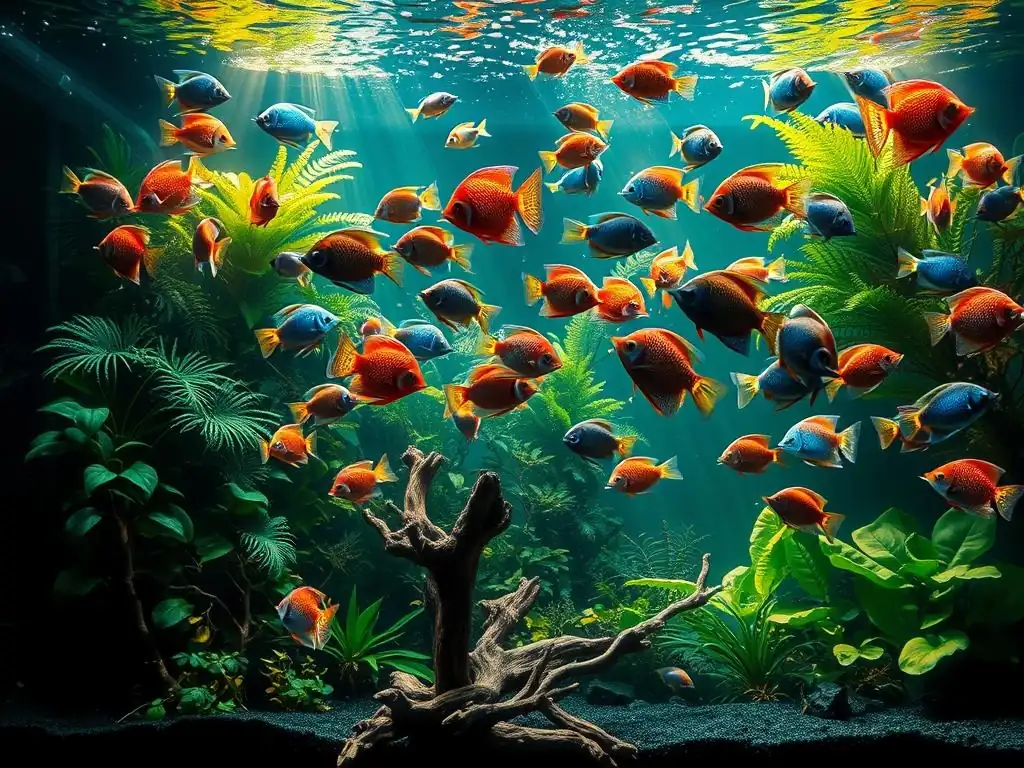
Ever dreamed of keeping the majestic Discus fish? These captivating beauties demand dedication, but the reward is a breathtaking centerpiece for your freshwater aquarium. Dive into our comprehensive guide and unlock the secrets to successful Discus fish care tips, learning everything you need to know to create the perfect environment for these fascinating creatures. Ready to embark on this rewarding challenge? Let's begin!
- Understanding Discus Fish: A Comprehensive Guide to Care
- Essential Discus Fish Care Tips for a Thriving Aquarium
- Discus Fish Health: Preventing and Treating Common Diseases
- Choosing Tank Mates for Discus Fish: Compatibility Considerations
- Breeding Discus Fish: A Challenging Yet Rewarding Endeavor
- Advanced Discus Care Techniques: Mastering the Art
- Troubleshooting Common Discus Fish Care Problems
- The Rewards of Dedicated Discus Fish Keeping: A Final Note
- Frequently Asked Questions
- Final Reflection: The Enduring Allure of Discus
- Embark on Your Discus Adventure!
Understanding Discus Fish: A Comprehensive Guide to Care
What Makes Discus Fish Unique? Exploring Their Beauty and Demands
Discus fish, often hailed as the "King of the Aquarium," are renowned for their majestic disc-shaped bodies, vibrant colors, and graceful swimming patterns. Their striking appearance, ranging from fiery reds and brilliant blues to intricate patterns like leopard and pigeon blood, sets them apart from most freshwater species.
However, this unparalleled beauty comes with a significant demand for precise environmental conditions and consistent Discus fish care, making them a true challenge for even seasoned aquarists. Their sensitivity to fluctuations in water parameters and their specific dietary needs require a dedicated approach to ensure their well-being and showcase their full splendor.
Beyond their visual appeal, Discus fish exhibit fascinating behaviors that captivate their keepers. They are highly social creatures, thriving best in groups of at least five to six individuals, where they establish a natural pecking order and display intricate interactions. Observing a healthy school of Discus as they navigate their environment, often exhibiting surprising intelligence and curiosity, is a deeply rewarding experience. This social dynamic, coupled with their unique parental care where fry feed directly from the parents' slime coat, underscores the need for meticulous Discus fish care tips that cater to both their physical and psychological needs.
Discus Fish Origins and Natural Habitat: Key Insights for Aquarists
Discus fish (genus Symphysodon) originate from the slow-moving, warm, and highly acidic blackwater rivers and floodplains of the Amazon River basin in South America, primarily in countries like Brazil, Peru, and Colombia. Their natural habitat is characterized by dense submerged vegetation, fallen leaves, and intricate root systems that provide ample hiding spots and diffuse lighting. The water in these regions is typically very soft, with a general hardness (GH) often below 3 dGH, and a pH ranging from 4.5 to 6.5, often stained dark by tannins from decaying organic matter.
Understanding these native conditions is fundamental to successful Discus fish care. The consistently high temperatures (typically 82-86°F or 28-30°C), low mineral content, and acidic pH of their natural environment directly dictate the stringent water parameter requirements in an aquarium. Aquarists striving for optimal Discus health must strive to replicate these stable conditions, minimizing stress and preventing disease. This deep dive into their origins provides crucial context for all subsequent Discus fish care tips, emphasizing the importance of stability and purity in their captive environment.
Essential Discus Fish Care Tips for a Thriving Aquarium
Setting Up the Ideal Discus Tank: Size, Substrate, and Decor
Establishing the right foundation is paramount for successful Discus fish care. For a small group of 5-6 juvenile Discus, a minimum tank size of 55-75 gallons (approximately 208-284 liters) is recommended, though a 90-gallon (340-liter) or larger tank is ideal for adult specimens to allow for ample swimming space and reduce aggression.
The height of the tank is also important, as Discus are tall-bodied fish; tanks with a minimum height of 18-20 inches (45-50 cm) are preferable. While a bare-bottom tank is often favored by breeders and advanced aquarists for ease of cleaning and hygiene, a thin layer of fine sand can be used for a more natural aesthetic, provided diligent gravel vacuuming is performed to prevent detritus buildup.
When it comes to decor, simplicity and functionality are key elements of effective Discus fish care. Smooth driftwood, particularly types that release tannins (like Mopani or Manzanita), can help lower pH and mimic their natural blackwater environment, while also providing visual barriers and hiding spots. Smooth, non-porous rocks can also be used, but sharp edges must be avoided to prevent injury.
Live plants that can tolerate higher temperatures and lower light, such as Anubias species, Java Fern, or Amazon Swords, can contribute to water quality by absorbing nitrates and providing a sense of security. However, ensure that plants do not overcrowd the tank, leaving plenty of open swimming space, which is vital for the active and sometimes skittish Discus.
Water Parameters for Discus: Achieving Pristine Conditions
Maintaining Optimal Water Temperature for Discus Health
Maintaining a stable and appropriate water temperature is arguably the most critical aspect of Discus fish care. These tropical fish thrive in warmer waters, with an ideal range typically between 82°F and 86°F (28°C to 30°C). This elevated temperature is crucial for their metabolic rate, aiding in digestion, boosting their immune system, and promoting healthy growth. Temperatures below 80°F (27°C) can cause stress, suppress their appetite, and make them highly susceptible to common diseases like Ich (white spot disease) or bacterial infections.
To ensure consistent temperature, it's advisable to use two smaller, reliable heaters rather than one large one, providing a fail-safe in case one malfunctions. A high-quality thermometer (or two) should be used to monitor the temperature regularly. Sudden temperature drops, even by a few degrees, can be detrimental, leading to shock and weakening the fish. Therefore, during water changes, ensure the new water is temperature-matched precisely to prevent thermal shock, a foundational Discus fish care tip.
The Importance of pH Levels in Discus Fish Care
The pH level is another vital water parameter in Discus fish care, ideally maintained within a slightly acidic range of 5.5 to 6.5 for general keeping. For breeding purposes, some aquarists may aim for an even lower pH, down to 4.5-6.0, as this often stimulates spawning. However, stability is far more important than hitting an exact number. Discus are highly sensitive to rapid fluctuations in pH, which can lead to severe stress, pH shock, and even death. A swing of just 0.5 to 1.0 pH units within a short period can be highly detrimental.
To achieve and maintain the desired pH, natural methods are preferred over chemical buffers, which can lead to unpredictable swings. The use of RO (Reverse Osmosis) water reconstituted with specific minerals, peat filtration, or the inclusion of tannin-releasing driftwood can help naturally lower and stabilize pH. Regular testing with a reliable pH test kit is essential to monitor levels and ensure consistency, making it a non-negotiable part of effective Discus fish care tips.
Water Changes: A Cornerstone of Discus Aquarium Maintenance
Frequent and substantial water changes are the single most important aspect of Discus fish care, critical for their long-term health, growth, and vibrant coloration. Discus are highly sensitive to dissolved organic compounds and nitrates, which accumulate rapidly due to their high metabolism and often protein-rich diet. For growing juveniles, daily water changes of 20-50% are often recommended to promote rapid growth and prevent stunting. For adult Discus, 25-50% water changes two to three times a week are typically necessary.
The process involves siphoning out old water, cleaning the substrate (if any) thoroughly, and then slowly refilling the tank with temperature-matched, dechlorinated water. Using a high-quality water conditioner that neutralizes chlorine, chloramines, and heavy metals is crucial. These regular water changes dilute harmful nitrates, replenish essential minerals, and remove organic waste, significantly reducing stress and the risk of disease. Neglecting this crucial Discus fish care tip can lead to dark, stunted, and sickly fish, often suffering from "stunting" or "hole-in-the-head" disease.
Discus Fish Diet and Feeding: Ensuring Proper Nutrition
What Do Discus Fish Eat? A Guide to Suitable Foods
A varied and high-quality diet is fundamental to successful Discus fish care, directly impacting their growth, color, and overall health. The staple diet should consist of premium Discus-specific pellets or flakes, which are formulated with a high protein content (typically 45-55%) and essential vitamins. These commercial foods provide a balanced nutritional base. However, relying solely on dry foods is not ideal; supplementation with a range of frozen foods is crucial.
Excellent frozen food options include bloodworms, brine shrimp, Mysis shrimp, and a high-quality beef heart mix (specifically formulated for Discus). These provide vital proteins, fats, and micronutrients that enhance color and vitality. Live foods, such as blackworms, can be offered sparingly as treats but should be sourced from reputable suppliers to avoid introducing parasites. Avoid low-quality, generic fish foods that lack the specific nutritional profile required for Discus, as this can lead to deficiencies and health issues, undermining your Discus fish care efforts.
Feeding Frequency and Portion Control for Healthy Discus
Proper feeding frequency and portion control are essential components of Discus fish care to ensure optimal growth without compromising water quality. Young, growing Discus (under 4-5 inches) should be fed more frequently, typically 3 to 5 times a day, in small portions. This allows them to consume enough food for rapid development without overwhelming the filtration system. Adult Discus can be fed 2 to 3 times a day.
It is crucial to feed only what your Discus can consume within 3 to 5 minutes. Uneaten food quickly decomposes, leading to spikes in ammonia and nitrite, which are highly toxic to Discus. Any uneaten food should be promptly removed from the tank using a siphon or net. Overfeeding not only pollutes the water but can also lead to digestive issues and obesity in the fish. Balancing frequent feeding for growth with strict portion control is a delicate but vital aspect of effective Discus fish care.
Discus Fish Health: Preventing and Treating Common Diseases
Identifying Signs of Illness in Discus Fish
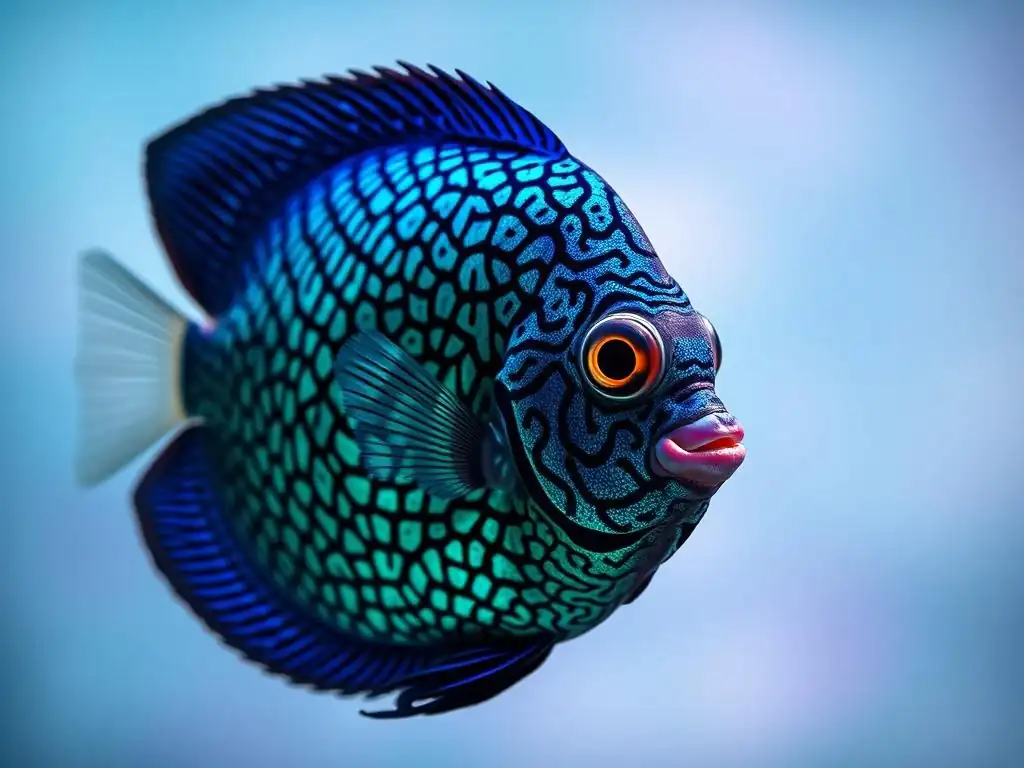
Early detection of illness is crucial in Discus fish care, as these sensitive fish can deteriorate rapidly once symptomatic. Aquarists should regularly observe their Discus for any changes in behavior or physical appearance. Behavioral signs of distress or illness include lethargy, hiding more than usual, refusal to eat (anorexia), rapid or labored breathing, scratching or "flashing" against tank decor, and abnormal swimming patterns. Healthy Discus are generally active, curious, and eager to feed.
Physical indicators of illness can vary but often include darkened coloration (especially a general darkening of the body), clamped fins (fins held close to the body), white spots (Ich), cloudy eyes, visible lesions or sores, fin rot, bloating, or stringy, white feces. Any of these signs warrant immediate investigation of water parameters, tank conditions, and individual fish observation. Proactive Discus fish care involves not just maintaining pristine conditions but also being vigilant for the subtle cues that indicate a problem is developing.
Common Discus Fish Diseases and Treatments
Hexamita (Hole-in-the-Head Disease): Prevention and Cure
Hexamita, often referred to as "Hole-in-the-Head" disease, is a common ailment in Discus, caused by an internal flagellate parasite, Hexamita symphysodoni. While the parasite may be present in healthy fish, outbreaks are typically triggered by prolonged stress due from poor water quality (high nitrates), inadequate diet (especially vitamin deficiencies), or overcrowding. Symptoms include the characteristic pitting or lesions on the head and along the lateral line, dark coloration, loss of appetite, lethargy, and stringy, white, mucoid feces.
Treatment for Hexamita typically involves administering Metronidazole, which can be done as a bath treatment in a hospital tank or, more effectively, by soaking food in the medication. Simultaneously, a significant improvement in water quality is paramount. This includes large, frequent water changes and ensuring optimal temperatures. Prevention is the best cure: strict adherence to pristine water conditions, a varied and nutritious diet rich in vitamins (especially Vitamin C), and avoiding stress are critical Discus fish care tips to keep this parasite at bay.
Discus Fish Parasites: Recognizing and Eradicating Them
Discus are susceptible to various external and internal parasites, which can severely compromise their health if not addressed promptly. Common external parasites include Ich ( Ichthyophthirius multifiliis), characterized by small white spots resembling salt grains on the body and fins, and various types of flukes (gill or body flukes), which cause rapid gill movement, scratching, and general irritation. Internal parasites, though less visible, can cause wasting, loss of appetite, and abnormal feces despite the fish appearing to eat.
Diagnosing the exact parasite often requires careful observation of symptoms. For Ich, increasing water temperature slowly to 86-88°F (30-31°C) for several days, coupled with salt treatment (1 tablespoon per 5 gallons) or specific Ich medications (e.g., malachite green, formalin) can be effective. Flukes are often treated with Praziquantel. For internal parasites, medicated foods are usually the preferred method. Quarantining all new fish for at least 4-6 weeks before introduction to the main tank is a non-negotiable Discus fish care tip to prevent the spread of parasites.
Bacterial Infections in Discus: Diagnosis and Treatment Options
Bacterial infections are a frequent concern in Discus fish care, often arising as secondary infections when fish are stressed or their immune systems are compromised by poor water quality, incorrect temperatures, or existing parasitic infestations. Symptoms can include fin rot (frayed or decaying fins), body ulcers or sores, cloudy eyes, red streaks on the body or fins, bloating (often with scales protruding, indicative of dropsy), and lethargy. These infections can progress rapidly and be fatal if left untreated.
Treatment typically involves the use of broad-spectrum antibiotics, often administered in a hospital tank to avoid harming beneficial bacteria in the main aquarium. Medications containing active ingredients like Furan-2, Maracyn 2, or kanamycin are commonly used. Alongside medication, immediate and significant improvements in water quality are crucial. This includes large water changes and ensuring all parameters are within optimal ranges. Prevention through diligent Discus fish care, focusing on pristine water conditions and a stress-free environment, is the most effective strategy against bacterial infections.
Choosing Tank Mates for Discus Fish: Compatibility Considerations
Compatible Fish Species for a Discus Community Tank
Selecting appropriate tank mates is a critical aspect of Discus fish care, as incompatible species can lead to stress, aggression, and disease. Ideal tank mates for Discus must meet several criteria: they should be peaceful, tolerant of high water temperatures (82-86°F or 28-30°C), not fin-nippers, and not overly aggressive during feeding. Some of the most compatible species include Rummy-nose Tetras, Cardinal Tetras, and peaceful Corydoras catfish (like Sterbai Corydoras), which thrive in similar water parameters and are docile.
Other suitable options include German Blue Rams (if kept in pairs and carefully monitored), Otocinclus catfish (excellent algae eaters), and certain types of peaceful, smaller Loricariids (like Bristlenose Plecos) that won't harass the Discus. These species generally occupy different levels of the tank, reducing competition for space, and their calm demeanor helps maintain a stress-free environment for the Discus. Introducing tank mates gradually and observing their interactions is a wise Discus fish care tip to ensure harmony in the aquarium.
Incompatible Tank Mates to Avoid with Discus Fish
Just as important as choosing compatible tank mates is knowing which species to avoid in a Discus aquarium. Any fish that is overly aggressive, fin-nipping, or highly territorial should be excluded. This includes most larger or more boisterous cichlids (e.g., Convict Cichlids, Jack Dempseys, even some larger Angelfish if not carefully selected), Tiger Barbs, and many types of Gouramis known for their nippy behavior. These species can stress Discus by chasing them, nipping their delicate fins, or outcompeting them for food.
Furthermore, fish that require significantly different water parameters, especially cooler temperatures or harder, more alkaline water, are unsuitable. This includes common community fish like Goldfish, many types of Danios, and some Rainbowfish. Fast-moving or hyperactive fish can also stress Discus by making them feel insecure or outcompeting them for food. Finally, any fish known to carry diseases easily or be difficult to quarantine properly should be avoided, as they pose a significant risk to the highly sensitive Discus, making careful selection a key Discus fish care tip.
Breeding Discus Fish: A Challenging Yet Rewarding Endeavor
Creating a Breeding Environment for Discus
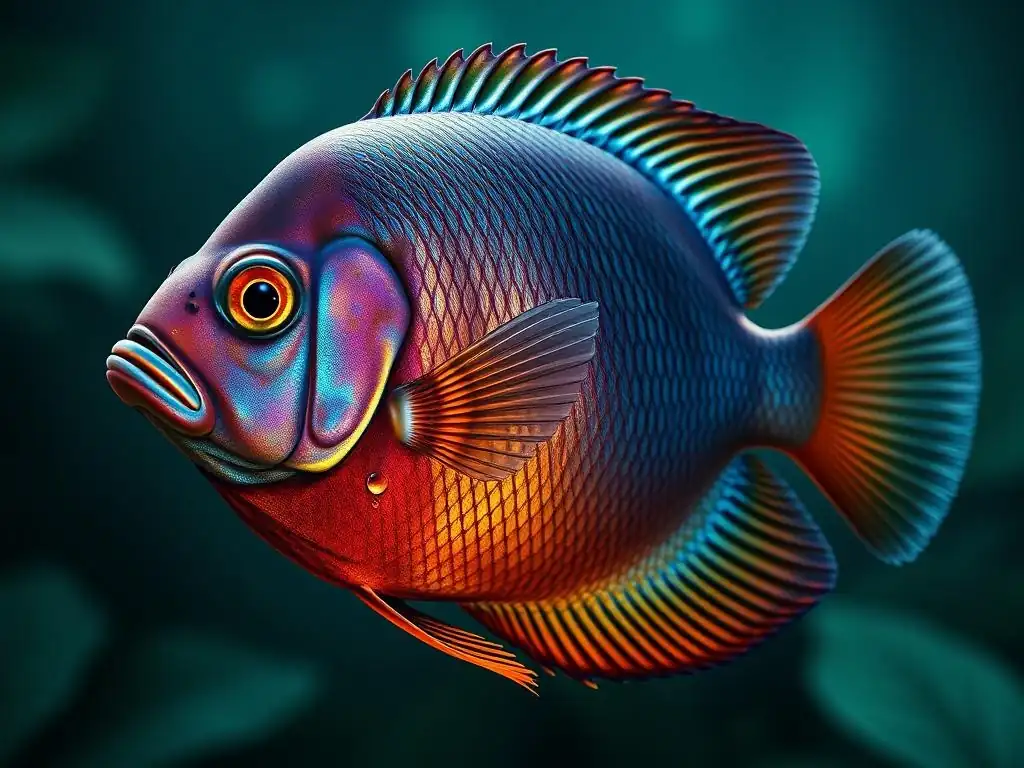
Breeding Discus fish is a pinnacle of Discus fish care, requiring precise conditions and dedication. A dedicated breeding tank, typically 20-30 gallons (75-113 liters), is essential. This tank should be bare-bottom or have minimal substrate to facilitate easy cleaning and prevent fungal growth on eggs. A breeding cone, a piece of PVC pipe, or a smooth slate positioned vertically serves as the preferred spawning surface. Filtration should be gentle, such as a well-cycled sponge filter, to prevent harm to delicate eggs and fry.
Water parameters for breeding are often more stringent than for general keeping. Water should be very soft, typically 1-3 dGH (General Hardness), and slightly acidic, with a pH range of 5.5-6.0. The temperature should be stable at 82-84°F (28-29°C). Frequent large water changes (up to 50% daily) are crucial to stimulate spawning and maintain pristine conditions for the eggs and subsequent fry. Dim lighting also helps reduce stress on the breeding pair.
Discus Fish Breeding Behavior: What to Expect
Once a compatible Discus pair is established in a breeding tank, their behavior becomes highly ritualized. They will begin to "clean" a chosen spawning surface, meticulously rubbing it with their bodies and mouths. This cleaning behavior is often followed by a "dancing" or quivering display, where the male and female swim in sync, side-by-side. The female will then begin to lay rows of eggs, typically 100-400, in a methodical pattern on the prepared surface. Immediately after the female lays a row, the male will follow, fertilizing the eggs.
Both parents typically participate in guarding and fanning the eggs, using their fins to ensure good water circulation and prevent fungal growth. Eggs usually hatch within 2-3 days, depending on temperature. The newly hatched fry, often referred to as "wigglers," are not yet free-swimming and will remain attached to the spawning surface or be moved by the parents to another spot. This period lasts for another 2-4 days until their yolk sacs are absorbed and they become free-swimming. This unique parental care is a defining characteristic of Discus breeding and a testament to their complex social structure.
Caring for Discus Fry: From Hatching to Independence
Caring for Discus fry is the most challenging and rewarding aspect of Discus fish care in a breeding context. Once the fry become free-swimming, typically 4-5 days post-hatching, their primary food source is the specialized "slime coat" secreted by their parents. They will be seen constantly nibbling on the parents' sides. This parental feeding period is crucial for their initial growth and development and can last for 2-4 weeks. During this time, it's vital not to disturb the parents or separate them from the fry.
After 2-4 weeks, as the fry grow and their demand for food increases, they should be supplemented with newly hatched brine shrimp nauplii, microworms, or finely powdered high-protein Discus food. Feeding should be frequent, 5-8 times a day, in very small amounts.
Maintaining immaculate water quality is paramount; daily partial water changes (up to 25% or more, multiple times a day for very young fry) are non-negotiable to prevent stunting and disease. As the fry grow, they can be gradually weaned off the parents and moved to a grow-out tank, allowing the breeding pair to recover and potentially prepare for another spawn.
Advanced Discus Care Techniques: Mastering the Art
Reverse Osmosis (RO) Water and Remineralization for Discus
For serious Discus fish care, particularly for breeding or in areas with very hard tap water, using Reverse Osmosis (RO) water is an advanced technique. RO filtration removes nearly all dissolved solids, including minerals, heavy metals, and chlorine, resulting in water that is almost pure H2O. This "blank slate" water allows aquarists to precisely control the water parameters, mimicking the soft, acidic conditions of the Discus's natural Amazonian habitat.
However, RO water alone is too pure for fish. It lacks essential minerals and electrolytes necessary for their osmotic regulation and overall health. Therefore, RO water must be "remineralized" by adding specific mineral supplements designed for Discus or general freshwater aquariums. These supplements, often called RO/DI remineralizers, add back crucial elements like calcium, magnesium, and trace minerals, allowing the aquarist to achieve the desired General Hardness (GH) and Carbonate Hardness (KH) while keeping pH stable and low. This precise control over water chemistry is a hallmark of advanced Discus fish care tips.
Utilizing Denitrators for Nitrate Reduction in Discus Tanks
Despite diligent water changes, nitrates can still accumulate in heavily stocked Discus tanks, especially with the frequent feeding required for growth. Utilizing a denitrifier is an advanced Discus fish care technique aimed at further reducing nitrate levels. Denitrators are anaerobic filters that create an oxygen-deprived environment where specific bacteria convert nitrates (NO3) into harmless nitrogen gas (N2), which then off-gasses from the water.
There are various types of denitrifiers, including sulfur denitrifiers, coil denitrifiers, and bio-denitrifiers that use a carbon source. While effective in reducing nitrate buildup, denitrifiers should not be seen as a complete replacement for regular water changes. They serve as an additional layer of water quality management, helping to maintain consistently low nitrate levels, which is crucial for the long-term health and vibrancy of Discus. Careful monitoring and maintenance are required to ensure they function efficiently and do not produce harmful byproducts like nitrites.
Implementing Automatic Water Change Systems for Discus
For aquarists seeking the ultimate in consistent Discus fish care and convenience, implementing an automatic water change (AWC) system is a high-level technique. These systems automate the process of draining old water and replenishing it with fresh, treated water on a continuous or timed basis. This ensures incredibly stable water parameters, minimizing the fluctuations that can stress Discus, and drastically reduces the manual labor associated with frequent large water changes.
A typical AWC system involves a reservoir for fresh, treated water, a pump to deliver it to the tank, and a drain mechanism to remove old water. Some advanced systems can even automate the dosing of dechlorinator or remineralizers. While the initial setup can be complex and costly, requiring careful planning for plumbing and overflow prevention, the benefits of consistently pristine water quality for Discus are immense. This allows for optimal growth, coloration, and overall health, making it a valuable investment for dedicated Discus enthusiasts.
Troubleshooting Common Discus Fish Care Problems
Darkening Coloration in Discus: Identifying the Cause
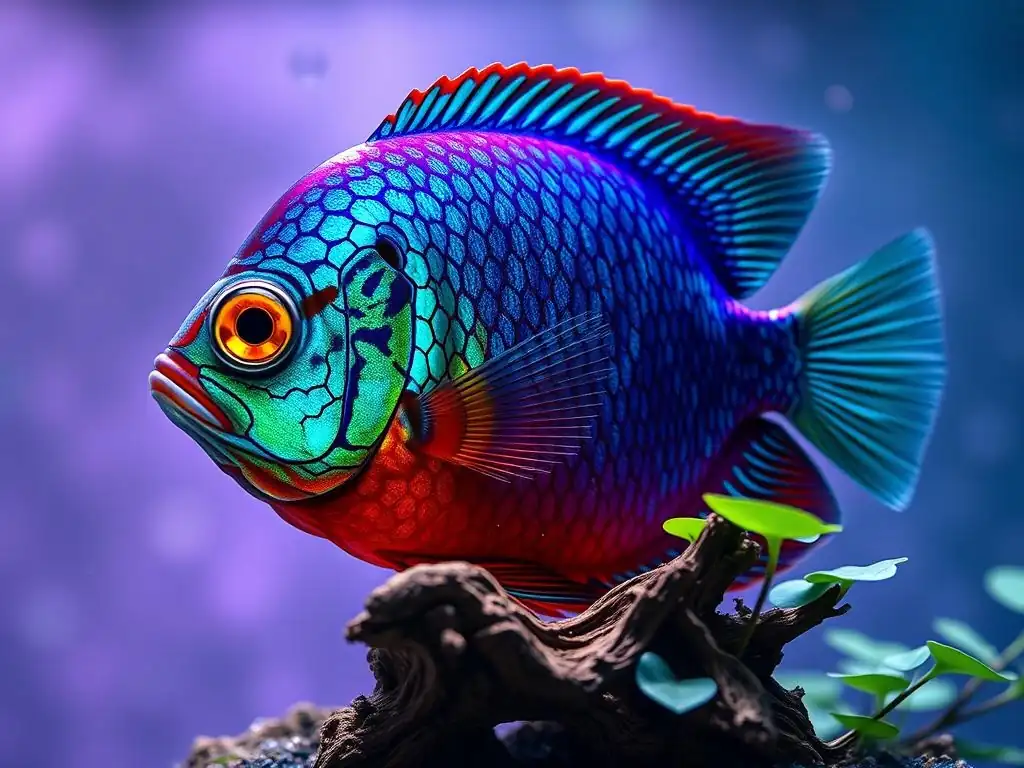
One of the most common and concerning issues in Discus fish care is when fish exhibit a sudden or gradual darkening of their coloration, often accompanied by hiding behavior. This darkening, sometimes referred to as "discus blackening," is almost always a primary indicator of stress or illness. The causes are varied but typically stem from poor water quality, such as elevated nitrates or ammonia, incorrect water temperature, or significant pH swings.
Beyond water parameters, other stressors can include aggression from dominant tank mates, a new or unfamiliar environment, inadequate diet, or the onset of an infection or parasitic infestation. To address this, first, immediately test all water parameters (ammonia, nitrite, nitrate, pH, temperature) and correct any anomalies with a partial water change. Then, observe the fish for other symptoms of illness and assess tank mate compatibility and feeding habits. Often, simply improving water quality and ensuring a stable environment can reverse the darkening within a few days, highlighting the importance of diligent Discus fish care.
Discus Fish Clamped Fins: Diagnosing the Issue
Clamped fins, where the Discus holds its fins tightly against its body rather than extended normally, is another common symptom indicating distress or illness. This is a non-specific sign, meaning it can be caused by a wide range of underlying problems, making accurate diagnosis a key part of Discus fish care. Common culprits include rapid changes in water temperature, poor water quality (e.g., high ammonia, nitrite, or nitrate), incorrect pH, or the presence of external parasites like Ich or flukes.
When observing clamped fins, the immediate action should be to perform a thorough check of all water parameters and execute a significant partial water change with temperature-matched, dechlorinated water. Observe the fish for any other symptoms such as white spots, rapid breathing, or scratching. If water quality is pristine and the issue persists, consider treating for common external parasites. Isolating the affected fish in a hospital tank for observation and treatment might be necessary to prevent further stress or spread of potential disease, emphasizing the need for responsive Discus fish care.
Algae Blooms in Discus Tank: Finding the Solution
While not directly harmful to Discus fish themselves, persistent algae blooms can be a nuisance and an indicator of imbalanced conditions in the aquarium, making their management a part of comprehensive Discus fish care. Algae blooms, which can manifest as green water, brown diatom algae, or fuzzy green algae on surfaces, are typically caused by an excess of nutrients (primarily nitrates and phosphates) in the water coupled with too much light (either too intense or too long in duration).
To combat algae, first, address the root cause: reduce feeding to prevent excess nutrients from uneaten food, and increase the frequency and volume of water changes to dilute existing nitrates and phosphates. Reduce the duration of your tank lights to 8-10 hours per day, and ensure they are not excessively powerful.
Introducing live plants can help by outcompeting algae for nutrients. In severe cases, a temporary blackout (covering the tank for 2-3 days) can help, but addressing the underlying issues through consistent water quality management and light control is the most sustainable Discus fish care tip for preventing future blooms.
The Rewards of Dedicated Discus Fish Keeping: A Final Note
The Joy of Observing Healthy, Vibrant Discus
Despite the demanding nature of Discus fish care, the rewards of successfully keeping these magnificent creatures are immeasurable. There is profound satisfaction in observing a school of healthy, vibrant Discus thriving in a well-maintained aquarium. Their vivid colors, graceful movements, and unique personalities make them a captivating centerpiece in any home. Witnessing their growth from small juveniles to majestic adults, or even successfully breeding them and seeing the parents care for their fry, creates a deep connection between the aquarist and these truly special fish.
The journey of mastering Discus fish care is a continuous learning process that hones an aquarist's skills in water chemistry, fish health, and aquarium husbandry. The challenges faced and overcome only deepen the appreciation for their delicate beauty and complex needs. Ultimately, the dedication required to provide optimal Discus fish care culminates in the unparalleled joy of maintaining a thriving aquatic ecosystem, a living testament to patience, knowledge, and passion for the aquatic world.
Frequently Asked Questions
How difficult is it to care for Discus fish?
Discus fish are considered difficult to keep due to their sensitivity to water parameters. They require pristine water conditions and a stable environment, making them best suited for experienced aquarists.
What are the ideal water parameters for Discus fish?
Discus thrive in warm, soft, and acidic water. Ideal parameters include a temperature of 82-88°F (28-31°C), a pH of 6.0-7.0, and very low levels of nitrates and nitrites.
What should I feed my Discus fish?
Discus fish require a varied diet rich in protein. Offer them high-quality Discus-specific flakes or granules, along with frozen foods like bloodworms, blackworms, and beef heart (in moderation).
How often should I perform water changes for Discus?
Due to their sensitivity, Discus require frequent water changes. Aim for 25-50% water changes at least once a week, or even more frequently if your tank is heavily stocked.
What tank size is recommended for Discus fish?
Discus need ample space to thrive. A minimum tank size of 55 gallons is recommended for a small group (5-6 fish), but a 75-gallon or larger tank is preferable for a more comfortable environment.
Final Reflection: The Enduring Allure of Discus
The journey into Discus fish care is more than just mastering water parameters and feeding schedules; it's an immersion into a world of dedication and patience, a testament to the aquarist's commitment to creating a thriving ecosystem for these majestic creatures. The challenges outlined in this article are not deterrents, but rather invitations to elevate the hobby beyond mere fishkeeping and into an art form.
The captivating beauty of Discus fish, their intricate patterns and graceful movements, has undeniably left an indelible mark on the aquascaping community. My own experience with these fish has taught me the profound connection we can forge with the natural world, even within the confines of a glass tank. In the end, we will conserve only what we love; we will love only what we understand; and we will understand only what we are taught.
- Baba Dioum. This quote resonates deeply, highlighting the responsibility we bear to understand and appreciate the delicate balance of life we strive to recreate.
As you close this article, I urge you to reflect on the lessons learned and the potential for growth within the realm of Discus keeping. Whether you're a seasoned aquarist or just beginning your journey, embrace the challenge, celebrate the small victories, and remember that the true reward lies not just in the beauty of the fish, but in the profound understanding and respect you cultivate for the aquatic world. Let the pursuit of optimal Discus fish care be a constant reminder of the dedication and passion that fuels our connection to nature.
Embark on Your Discus Adventure!
Thank you for diving into the fascinating world of discus fish! We hope you've gained valuable insights into the unique care requirements of these aquatic gems. Now it's time to transform knowledge into action and create a thriving discus environment.
Here are a few steps you can take now:
- Start Planning Your Discus Tank: Determine the ideal tank size and aquascape to perfectly suit a group of discus.
- Share your newfound knowledge! Discuss what you've learned with fellow aquarium hobbyists and inspire them to consider discus.
- Research local discus breeders! Support the community by sourcing your fish responsibly.
What specific element of discus care excites you the most, and how will you implement it in your own aquarium?