
Identifying Stress in Discus: Early Warning Signs and How to React

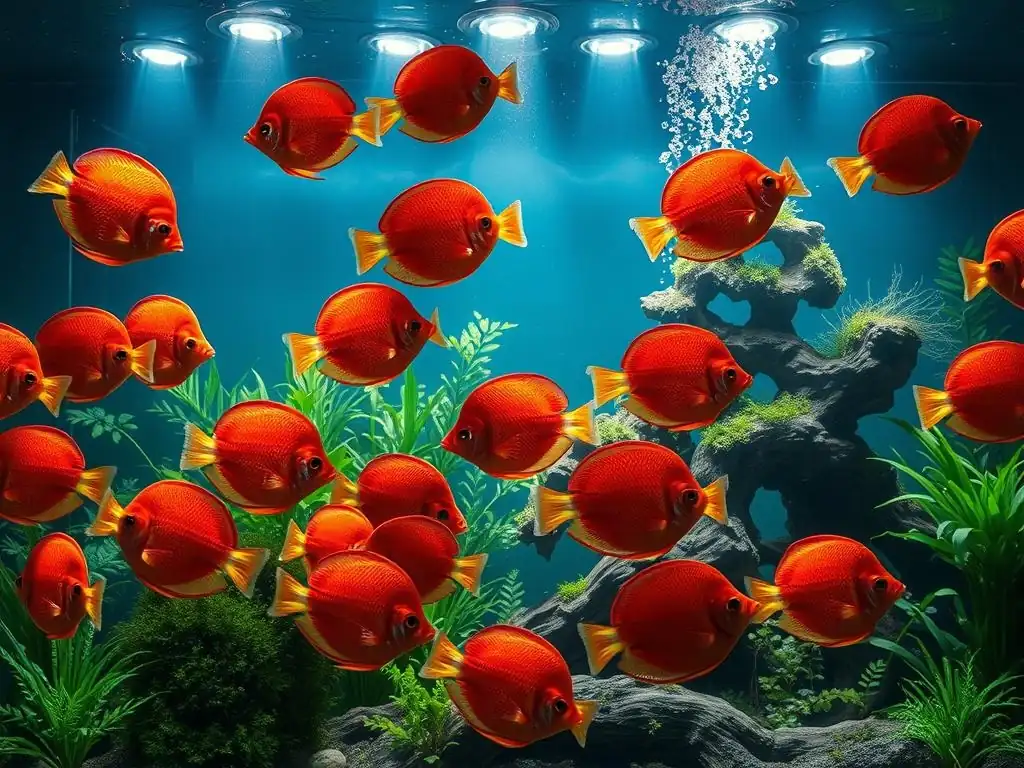
Welcome to Aquarium Mastery!
Are your Discus fish acting a little off? Don't panic! This guide will help you identify Discus fish stress symptoms before they become a major problem. Learn to spot the early warning signs and discover practical solutions to keep your Discus healthy and thriving. Dive in and become a true aquarium master!
- Understanding Discus Fish and Their Sensitivity to Stress
- Recognizing Early Warning Signs of Discus Fish Stress
- Factors Contributing to Discus Fish Stress
- How to React and Reduce Stress in Discus Fish
- Preventing Future Stress in Your Discus Aquarium
- Discus Fish Health Management: Beyond Stress Reduction
-
Frequently Asked Questions
- What are the most common early warning signs of stress in Discus fish?
- How does water quality impact the stress levels of Discus fish?
- Can sudden changes in temperature cause stress in Discus?
- What role does tank mate compatibility play in preventing stress in Discus?
- What steps should I take immediately if I notice stress symptoms in my Discus?
- Final Reflection: Recognizing the Silent Signals of Stress
- Decode Your Discus: Take Action Now!
Understanding Discus Fish and Their Sensitivity to Stress
Why Discus Fish are Prone to Stress
Discus fish, often hailed as the "King of the Aquarium," originate from the Amazon basin, where they inhabit calm, warm, and highly stable water conditions. This natural environment has shaped them into incredibly sensitive creatures, far more delicate than many common freshwater species. Their physiological makeup is finely tuned to these consistent parameters, making them highly susceptible to even slight fluctuations in their captive environment.
Unlike hardier species, Discus possess a less robust immune system when subjected to stress, making them prone to various ailments. Their social structure also plays a role; they thrive in groups of six or more, and isolation or aggressive tank mates can quickly induce discus fish stress symptoms. This inherent sensitivity demands meticulous care and a deep understanding of their needs to ensure their well-being.
The Impact of Stress on Discus Fish Health and Longevity
Chronic stress in Discus fish significantly compromises their immune system, leaving them highly vulnerable to bacterial, fungal, and parasitic infections. Conditions like Columnaris (Cotton Mouth), fin rot, or internal parasites such as Hexamita (causing "Hole-in-the-Head" disease) are often direct consequences of prolonged stress, weakening the fish's natural defenses. This physiological toll can manifest rapidly, turning a vibrant fish into a lethargic, diseased specimen within days.
Beyond immediate illness, persistent stress has severe long-term repercussions on Discus health and longevity. It can lead to stunted growth, preventing them from reaching their full potential size of 6-8 inches or more. Breeding success is drastically reduced, and the fish's overall lifespan, which can typically exceed 10 years in optimal conditions, may be cut short to just 5-7 years. The vibrant coloration that makes Discus so appealing also fades, indicating a decline in their overall vitality.
Recognizing Early Warning Signs of Discus Fish Stress
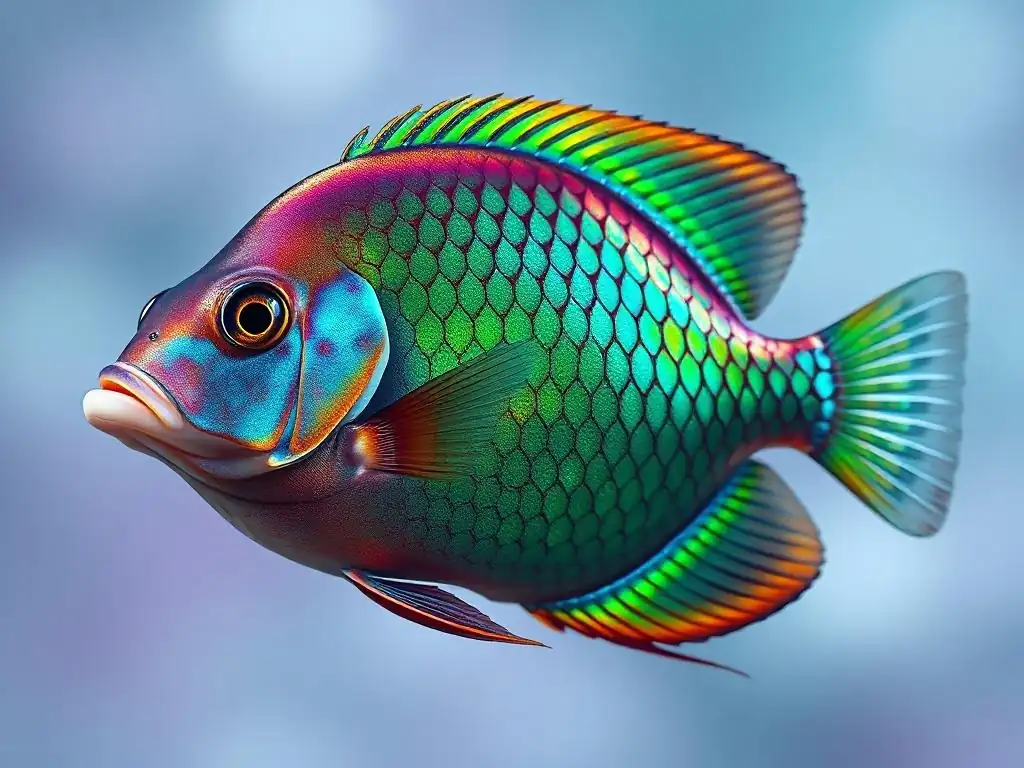
Discus Fish Stress Symptoms: A Visual Guide
Observing your Discus daily is paramount for early detection of discus fish stress symptoms. A healthy Discus displays vibrant, consistent coloration, often with distinct patterns, and holds its fins erect and spread wide. Its eyes should be clear and bright, and it should exhibit active, yet graceful, swimming patterns, often interacting with other fish in its group.
In contrast, a stressed Discus will often show noticeable changes in appearance. These can range from a dulling or darkening of their natural colors to the development of prominent "stress bars" – vertical dark stripes that appear across their body. Their eyes might appear cloudy or sunken, and their breathing may become rapid or labored, indicating a physiological response to an underlying issue.
Behavioral Changes Indicating Stress in Discus
Clamped Fins: A Common Sign of Discus Distress
One of the most common and easily identifiable discus fish stress symptoms is clamped fins. This occurs when the dorsal, anal, and caudal (tail) fins are held tightly against the body, rather than being spread open and relaxed. The fish may appear stiff or rigid in its movements, lacking its usual fluid grace.
Clamped fins are a general indicator of discomfort, illness, or poor water quality. It can be a reaction to sudden temperature drops, high levels of ammonia or nitrite, or the onset of a parasitic infestation like Ich. Observing this behavior should prompt immediate investigation into water parameters and the overall tank environment.
Hiding and Isolation: When Discus Avoid the Group
Discus are naturally schooling fish, preferring to swim and interact within a group. When a Discus begins to isolate itself, hiding behind plants, driftwood, or in a dark corner of the tank, it's a strong sign of stress. This behavior is a departure from their usual social patterns and indicates a feeling of vulnerability or discomfort.
Isolation can stem from bullying by aggressive tank mates, a perceived threat in the environment (e.g., sudden movements outside the tank), or a more serious underlying health issue. A healthy Discus will typically be out in the open, even if resting, and will join the group during feeding times.
Erratic Swimming and Darting: Signs of Discomfort
Erratic swimming, such as darting suddenly across the tank, rapid shimmying, or "flashing" (rubbing their body against objects like substrate or decorations), are clear discus fish stress symptoms. These behaviors indicate irritation or discomfort, often caused by external parasites or poor water chemistry.
This differs significantly from their typical calm and deliberate swimming. Rapid gill movement, even when not actively swimming, also suggests respiratory distress, often linked to elevated ammonia or nitrite levels, which burn the gills and reduce oxygen uptake.
Physical Symptoms of Stress in Discus
Changes in Coloration: Fading or Darkening
One of the most noticeable discus fish stress symptoms is a dramatic change in coloration. Many Discus varieties will darken significantly, sometimes almost black, and exhibit prominent "stress bars" when feeling unwell or threatened. This darkening is a rapid physiological response to perceived danger or discomfort.
Conversely, some Discus may become unusually pale or faded, losing their characteristic vibrancy. This can indicate severe prolonged stress or the advanced stages of an internal illness. Monitoring these color shifts daily can provide critical early warnings.
Increased Mucus Production: A Stress Response
Under severe stress, Discus may produce an excessive amount of mucus, giving their skin a cloudy or whitish appearance. This slimy coating is a natural protective barrier, but its overproduction indicates the fish is trying to defend itself from irritants in the water or external parasites.
This symptom is often accompanied by scratching or "flashing" against tank decor. It's a common sign of issues like high nitrates, parasitic infestations (e.g., skin flukes), or bacterial infections that thrive in compromised immune systems.
Loss of Appetite and Weight Loss in Discus
A healthy Discus is typically a voracious eater. A sudden or gradual loss of appetite, where the fish refuses to eat, spits out food, or shows no interest during feeding times, is a significant discus fish stress symptom. This can be one of the earliest indicators of internal issues or severe environmental stress.
Prolonged appetite loss inevitably leads to visible weight loss, making the fish appear emaciated or "knife-edged" along its dorsal line. This often points to internal parasites like Hexamita, bacterial infections, or chronic poor water quality that severely impacts their digestive system and overall metabolism.
Factors Contributing to Discus Fish Stress
Poor Water Quality and Discus Stress
Ammonia and Nitrite Spikes
Discus fish are exceptionally sensitive to nitrogenous waste products. Any detectable level of ammonia (NH3/NH4+) or nitrite (NO2-) – ideally 0 ppm – in the aquarium water is highly toxic and will quickly induce severe discus fish stress symptoms. Ammonia burns their gills and internal tissues, impairing oxygen uptake, while nitrite prevents red blood cells from carrying oxygen.
These spikes commonly occur in newly set up tanks that haven't fully cycled, during overfeeding, or if the filtration system is inadequate or poorly maintained. Even slight elevations can lead to rapid breathing, darkening, and lethargy, demanding immediate corrective action.
Unstable pH Levels
Discus thrive in stable, slightly acidic water, typically with a pH range of 6.0 to 6.8. Rapid fluctuations in pH, even within this preferred range, can cause severe stress and lead to pH shock. A sudden drop or rise of 0.5 or more pH units in a short period can disrupt the fish's osmotic regulation and enzyme functions.
Using chemicals to dramatically alter pH, or adding unbuffered water during changes, are common culprits for pH instability. Maintaining a consistent pH is more critical than hitting a specific number, provided it falls within their acceptable range.
Temperature Fluctuations
Discus prefer warm water, ideally between 28-31°C (82-88°F). Sudden or significant drops in temperature, even by a few degrees Celsius, can trigger profound discus fish stress symptoms. Their immune system is highly sensitive to temperature changes, making them susceptible to common diseases like Ich (white spot disease) when stressed by cold.
Maintaining a stable water temperature with reliable heaters is crucial. Factors like drafts, large unheated water changes, or heater malfunctions can lead to temperature stress. Consistent warmth is vital for their metabolism, immune function, and overall well-being.
Inadequate Tank Setup and Environment
Overcrowding and Lack of Space
Discus require ample space to thrive and exhibit their natural schooling behaviors. A general guideline is a minimum of 10-15 gallons (approximately 38-57 liters) per adult Discus, with a minimum tank size of 55 gallons (208 liters) for a group of 4-6 juveniles. Overcrowding leads to increased competition for food, territory, and clean water, resulting in chronic discus fish stress symptoms.
In an overcrowded environment, dominant fish may bully weaker ones, preventing them from feeding adequately and causing them to hide or become stunted. This constant social pressure significantly impacts their growth, coloration, and susceptibility to disease.
Incompatible Tank Mates
Choosing the right tank mates is crucial for Discus well-being. Aggressive or overly active species, such as Tiger Barbs or certain Cichlids, can nip at their fins or outcompete them for food, leading to chronic stress. Even seemingly peaceful fish that prefer cooler temperatures or vastly different water parameters can be detrimental.
Ideal tank mates are peaceful, similarly sized, and thrive in warm, soft, acidic water, such as Cardinal Tetras, Rummy-nose Tetras, peaceful Corydoras catfish, or small, non-aggressive plecos like Bristlenose Plecos. These species do not pose a threat and can even enhance the Discus' comfort.
Insufficient Hiding Places
Despite their majestic appearance, Discus can be shy and appreciate having secure hiding places within their environment. A lack of adequate cover, such as tall plants, driftwood formations, or smooth rock structures, can make them feel exposed and vulnerable, leading to constant anxiety and discus fish stress symptoms.
Providing sufficient visual breaks and retreats allows Discus to feel secure, especially when new fish are introduced or during periods of slight disturbance. This reduces their overall stress levels and encourages more confident behavior.
Dietary Issues and Nutritional Deficiencies
Improper Feeding Schedules
Discus have a high metabolism and require frequent, small feedings throughout the day rather than one large meal. Feeding only once a day or at irregular intervals can lead to hunger stress, particularly in a group where some fish may be outcompeted. This can result in stunted growth and weakened immune systems.
A proper feeding schedule, typically 3-5 small meals per day, ensures that all fish receive adequate nutrition without excessively polluting the water. This consistency contributes significantly to their overall health and reduces nutritional discus fish stress symptoms.
Lack of Essential Vitamins and Minerals
A varied and nutritionally complete diet is paramount for Discus health. Relying solely on one type of food, such as basic flakes, can lead to deficiencies in essential vitamins, minerals, and amino acids. Specifically, a lack of Vitamin C can impair their immune response, while insufficient Vitamin E can affect reproductive health.
High-quality Discus pellets, frozen foods like bloodworms, brine shrimp, and a homemade beef heart mix, along with occasional live foods, provide a balanced diet. Supplementing their food with liquid vitamins designed for fish can also help prevent nutritional discus fish stress symptoms and bolster their immune system.
Disease and Parasite Infestations
Identifying and Treating Common Discus Diseases
Many common Discus diseases are either directly caused by stress or become severe due to a stress-compromised immune system. Bacterial infections like Columnaris (characterized by white, fuzzy patches around the mouth or fins), fin rot, and internal bacterial infections leading to bloating are frequent occurrences. Protozoan parasites such as Hexamita, which causes "Hole-in-the-Head" disease and white stringy feces, are also very common.
Early identification of these diseases, often through observing the associated discus fish stress symptoms, is critical for successful treatment. Prompt and accurate diagnosis, often requiring a professional opinion or careful research, allows for targeted medication before the condition becomes life-threatening.
The Role of Parasites in Discus Stress
Both internal and external parasites pose significant threats to Discus, directly causing physical irritation and severe stress. External parasites like Dactylogyrus (gill flukes) and Gyrodactylus (skin flukes) cause constant irritation, leading to flashing, rapid breathing, and excessive mucus production. Ichthyophthirius multifiliis (Ich or white spot disease) manifests as small white spots on the body and fins, causing intense itching and severe stress.
Internal parasites such as Hexamita (flagellates), tapeworms, or nematodes can lead to lethargy, loss of appetite, weight loss, and characteristic white, stringy feces. These infestations not only deplete the fish's nutrients but also induce chronic stress, making them highly susceptible to secondary bacterial infections and further discus fish stress symptoms.
How to React and Reduce Stress in Discus Fish
Immediate Actions to Alleviate Discus Stress
Performing Water Changes and Maintaining Water Quality
When discus fish stress symptoms are observed, the first and most critical immediate action is to perform a large partial water change, typically 30-50% of the tank volume. This dilutes accumulated nitrates and other pollutants that may be causing stress. Always use dechlorinated water that is temperature-matched to prevent further shock.
For Discus, consistent water changes are paramount. If water quality is suspected, consider daily or every-other-day water changes of 20-30% for a period to stabilize parameters and provide pristine conditions. This diligence significantly reduces the burden on their sensitive systems.
Adjusting Tank Parameters to Optimal Levels
After a water change, immediately test all essential water parameters: ammonia, nitrite, nitrate, pH, GH (general hardness), and KH (carbonate hardness). If any are outside the optimal range for Discus (e.g., ammonia/nitrite 0 ppm, nitrate <10-20 ppm, pH 6.0-6.8, GH 1-4 dGH, KH 1-3 dKH, temperature 28-31°C), begin making gradual adjustments.
For instance, if the temperature has dropped, slowly raise it back to the ideal range using a reliable heater. If pH is unstable, consider adding a buffering agent designed for aquariums or increasing the frequency of small, pH-matched water changes. Gradual adjustments are key to avoid further shocking the already stressed fish.
Long-Term Strategies for Preventing Discus Stress
Optimizing the Tank Environment for Discus
Long-term stress prevention involves creating an optimal and stable environment. Ensure the tank is adequately sized, providing at least 10-15 gallons per adult Discus, and avoid overcrowding. The substrate should be fine sand or a bare bottom, which is easier to keep clean and reduces anaerobic pockets.
Provide ample hiding places and visual breaks using driftwood, smooth rocks, and tall, broad-leaved plants like Amazon Swords. Maintain a stable temperature between 28-31°C (82-88°F) with reliable heaters. Choose only peaceful tank mates that thrive in similar water conditions to minimize competition and aggression, thus preventing discus fish stress symptoms.
Implementing a Proper Feeding Regimen
A proper feeding regimen is crucial for long-term Discus health and stress prevention. Feed small amounts of high-quality food 3-5 times per day to ensure all fish get enough nutrition without overfeeding, which can foul the water. Ensure the diet is varied, including high-quality Discus pellets, flakes, frozen foods (bloodworms, brine shrimp, Mysis shrimp), and a homemade beef heart mix.
Supplementing their diet with essential vitamins and minerals, either through fortified foods or liquid additives, helps bolster their immune system and overall vitality. Consistent, nutritious feeding prevents hunger-related stress and supports robust growth.
Quarantine and Acclimation Protocols for New Discus
One of the most effective long-term strategies to prevent the introduction of diseases and subsequent stress is to implement strict quarantine protocols for all new Discus or any new fish intended for the Discus tank. A separate quarantine tank (minimum 20 gallons) should be used for at least 4-6 weeks.
During this period, observe the new fish closely for any signs of illness or discus fish stress symptoms, and treat if necessary. Proper acclimation, such as drip acclimation over an hour or more, is also vital when introducing new fish to minimize shock from changes in water parameters. This prevents new fish from becoming a source of stress or disease for your established Discus.
Treating Discus Fish Showing Signs of Stress
Medications and Treatments for Stress-Related Ailments
When discus fish stress symptoms lead to specific diseases, targeted medication may be necessary. For bacterial infections like fin rot or Columnaris, broad-spectrum antibiotics (e.g., Kanamycin, Erythromycin) can be effective. Internal flagellates like Hexamita, often indicated by white stringy feces or "Hole-in-the-Head," respond well to Metronidazole-based medications.
For external parasites like Ich, elevating the tank temperature to 30-32°C (86-90°F) for several days can often eradicate it, combined with salt treatment or specific Ich medications if needed. Always follow medication instructions precisely, as Discus can be sensitive to certain chemicals.
Natural Remedies and Stress-Reducing Supplements
Beyond pharmaceutical treatments, several natural remedies and supplements can help reduce stress and support Discus recovery. Indian Almond Leaves (Ketapang leaves) release tannins into the water, mimicking their natural blackwater habitat. These tannins have mild antibacterial and antifungal properties, reduce pH slightly, and act as a natural stress reducer.
Non-iodized aquarium salt can be used in mild concentrations (e.g., 1 tablespoon per 5-10 gallons) as a general tonic and to aid in osmoregulation, reducing stress on the fish's kidneys. Vitamin supplements designed for fish, added to food or water, can boost their immune system and overall vitality, helping them cope with and recover from discus fish stress symptoms.
Preventing Future Stress in Your Discus Aquarium
Establishing a Consistent Tank Maintenance Routine
The cornerstone of preventing future discus fish stress symptoms is establishing and rigorously adhering to a consistent tank maintenance routine. This includes daily observation of your fish, daily or every-other-day partial water changes (20-30% of the tank volume) using temperature-matched, dechlorinated water, and weekly cleaning of filter media (in old tank water to preserve beneficial bacteria).
Monthly tasks should include vacuuming the substrate thoroughly to remove detritus and checking all equipment for proper function. This unwavering consistency minimizes fluctuations in water parameters, which are the primary triggers for stress in Discus.
Monitoring Water Parameters Regularly
Regular and accurate monitoring of water parameters is non-negotiable for Discus keepers. Use reliable liquid test kits (preferred over test strips for accuracy) to check ammonia, nitrite, and nitrate levels at least weekly in established tanks, and daily in new tanks or when discus fish stress symptoms are present. pH, GH, and KH should also be checked regularly to ensure stability.
Maintaining a detailed log of your water parameters over time can help identify trends and predict potential issues before they become critical. Proactive testing allows for immediate corrective action, preventing minor imbalances from escalating into major stress events.
Observing Discus Behavior and Identifying Potential Issues Early
Daily, attentive observation of your Discus is perhaps the most powerful tool for preventing future stress. Spend time watching their feeding habits, swimming patterns, coloration, and interactions with each other and their environment. Look for subtle changes that deviate from their normal behavior, such as a slight darkening, a brief clamping of fins, or a momentary isolation.
These subtle cues are often the very first discus fish stress symptoms and can indicate a minor issue that, if addressed promptly, can prevent a full-blown health crisis. Early detection allows you to pinpoint the stressor and intervene before your magnificent Discus become severely ill.
Discus Fish Health Management: Beyond Stress Reduction
Creating a Thriving Environment for Your Discus
True Discus health management extends beyond merely reducing discus fish stress symptoms; it's about cultivating an environment where these fish don't just survive, but truly thrive. This involves meticulous attention to their specific needs: consistently pristine, warm, soft, and slightly acidic water; ample tank space (a minimum of 55 gallons for a small group, with 75-100 gallons being ideal for adults); and a peaceful community of compatible tank mates.
A thriving environment also includes appropriate decor that offers security without clutter, and a well-balanced, varied diet fed frequently throughout the day. When all these elements are harmoniously balanced, Discus will display their most vibrant colors, exhibit confident and active behaviors, and may even engage in breeding.
The Importance of Proactive Care in Maintaining Discus Health
The proactive approach is the only sustainable path to long-term success with Discus. Rather than reacting to visible discus fish stress symptoms and diseases, the focus should always be on preventing them from occurring in the first place. This means establishing and adhering to a rigorous daily and weekly maintenance schedule, performing regular water parameter tests, and maintaining a high level of environmental stability.
Understanding the specific needs and sensitivities of Discus, coupled with vigilant observation, allows aquarists to identify and address potential stressors before they compromise the fish's health. This commitment to proactive care ensures that your Discus remain vibrant, healthy, and a source of immense enjoyment for years to come.
Frequently Asked Questions
What are the most common early warning signs of stress in Discus fish?
The most common signs include loss of appetite, darkened coloration, and clamped fins. These are often the first indicators that something is wrong.
How does water quality impact the stress levels of Discus fish?
Poor water quality, specifically high levels of ammonia or nitrites, is a major stressor. Discus require pristine water conditions to thrive.
Can sudden changes in temperature cause stress in Discus?
Yes, absolutely. Discus are sensitive to temperature fluctuations. A stable and appropriate temperature is crucial for their well-being.
What role does tank mate compatibility play in preventing stress in Discus?
Incompatible tank mates can bully or harass Discus, leading to chronic stress. Choose peaceful and compatible species that won't compete for resources.
What steps should I take immediately if I notice stress symptoms in my Discus?
First, perform a water test to check for any imbalances. Then, consider a partial water change to improve water quality.
Final Reflection: Recognizing the Silent Signals of Stress
The ability to identify Discus fish stress symptoms is not merely about maintaining a beautiful aquarium; it's about understanding and responding to the silent language of these magnificent creatures. In a world where we often prioritize aesthetics over well-being, recognizing the subtle signs of distress in our Discus serves as a powerful reminder to cultivate empathy and attentiveness in all aspects of our lives.
The journey of understanding Discus fish stress has profoundly influenced my perspective on responsible pet ownership and the interconnectedness of all living things. It's a constant reminder that even seemingly small changes in environment or behavior can indicate significant underlying issues. The greatness of a nation and its moral progress can be judged by the way its animals are treated.
- Mahatma Gandhi. This quote resonates deeply, highlighting the ethical responsibility we bear towards the creatures in our care.
Now, I urge you to take the knowledge you've gained from this article and apply it not only to your Discus, but also to the broader world around you. Consider the subtle signs of stress in your own life, in your community, and in the environment. By becoming more attuned to these signals, you can proactively create a more harmonious and sustainable future for all. Let's strive to be more observant, more compassionate, and more responsive to the needs of those around us, both seen and unseen.
Decode Your Discus: Take Action Now!
Thanks for diving deep into understanding your discus! Now that you're armed with the knowledge of early stress signals, let's translate awareness into action. Here's how you can make a real difference in your discus's well-being:
- Prioritize immediate observation: Commit to spending 5 minutes daily observing your discus, focusing on the key signs we discussed. Early detection is crucial!
- Explore: Research compatible tank mates if aggression is a factor or investigate water parameter fluctuations as a stressor.
- Share this guide: Help other discus keepers by sharing this article on your favorite aquarium forums.
What's one small change you can implement today to reduce stress in your discus tank?