
Is Your Tap Water AquariumReady? Essential Tests & Treatments Revealed

Welcome to Aquarium Mastery!
Curious if your tap water is truly safe for your aquatic friends? Dive in to our expert guide, "Is Your Tap Water AquariumReady? Essential Tests & Treatments Revealed," where we unlock the secrets to tap water aquarium testing. Discover the crucial parameters to monitor and the simple treatments that can transform ordinary tap water into a thriving ecosystem. Let's ensure your aquarium journey starts with crystal-clear success!
- Understanding Tap Water for Aquarium Use: A Comprehensive Guide
-
Essential Tap Water Aquarium Testing Parameters
- Testing for Ammonia and Nitrites in Tap Water: Is Your Tap Water Safe?
- Measuring pH Levels in Tap Water: Achieving the Right Acidity for Your Fish
- Checking Tap Water Hardness (GH and KH): Understanding Mineral Content
- The Importance of Testing for Chlorine and Chloramine in Tap Water
- Analyzing Tap Water for Heavy Metals: Lead, Copper, and Other Contaminants
-
Decoding Your Tap Water Test Results: What Do They Mean?
- Interpreting Ammonia and Nitrite Levels: Toxicity and Thresholds
- Understanding pH Ranges: Ideal Levels for Different Fish Species
- Deciphering GH and KH: Soft Water vs. Hard Water and Its Impact
- Recognizing Chlorine/Chloramine Problems: Immediate Action Required
- Identifying Heavy Metal Contamination: Long-Term Health Risks
-
Tap Water Treatment Options for a Healthy Aquarium Environment
- Dechlorination: Removing Chlorine and Chloramine from Tap Water
- Adjusting pH Levels: Buffering and Neutralizing Acidity
- Softening Hard Water: Using Water Softeners or Reverse Osmosis (RO) Systems
- Removing Heavy Metals: Employing Chemical Filtration and Water Conditioners
- Choosing the Right Dechlorinator Based on Your Water Chemistry
- Setting Up a Dedicated Tap Water Testing and Treatment Station
- Frequently Overlooked Aspects of Tap Water and Aquarium Health
- Conclusion: Mastering Tap Water for a Thriving Aquarium
-
Frequently Asked Questions
- How crucial is testing my tap water before adding it to my aquarium?
- What are the most important parameters to test in tap water for aquarium use?
- What common issues might I find in tap water that would make it unsuitable for an aquarium?
- How often should I test my tap water, especially if I'm regularly doing water changes?
- What are some common treatments to make tap water safe for aquarium use?
- Final Reflection: The Living Ecosystem in Every Drop
- Dive Deeper: Transform Your Tap Water into a Thriving Ecosystem!
Understanding Tap Water for Aquarium Use: A Comprehensive Guide
Why Tap Water Needs Testing Before Adding to Your Aquarium
While municipal tap water is processed to be safe for human consumption, its chemical composition is rarely suitable for aquatic life without proper assessment and treatment. Public water systems often add disinfectants like chlorine and chloramine to eliminate harmful bacteria and viruses, which are highly toxic to fish and beneficial nitrifying bacteria essential for a healthy aquarium ecosystem. Furthermore, tap water can contain varying levels of dissolved minerals, heavy metals, or even nitrates and phosphates, depending on the source and infrastructure.
These unseen elements can profoundly impact the delicate balance of an aquarium. For instance, copper leaching from old pipes, even at low concentrations, can be lethal to invertebrates like shrimp and snails and harmful to fish. Fluctuations in pH or hardness from untreated tap water can cause severe stress, organ damage, or even death in fish, leading to conditions like pH shock. Therefore, comprehensive tap water aquarium testing is not merely a recommendation but a critical first step to ensure the well-being of your aquatic inhabitants.
Distinguishing Between Freshwater and Saltwater Aquarium Tap Water Needs
The requirements for tap water differ significantly between freshwater and saltwater aquariums due to the inherent differences in their ecosystems. For most freshwater aquariums, treated tap water often serves as the primary water source. The focus here is on neutralizing disinfectants, adjusting pH, and managing general and carbonate hardness to match the specific needs of the fish and plants being kept. For example, a South American cichlid tank might require soft, acidic water, while an African cichlid setup thrives in hard, alkaline conditions.
Conversely, saltwater aquariums almost universally require a purer water source, typically achieved through reverse osmosis (RO) or deionization (DI) systems. This is because marine environments demand precise control over salinity and trace elements, and introducing tap water with its inherent impurities (minerals, silicates, phosphates, nitrates, and heavy metals) can lead to unstable parameters, excessive algae growth, or even coral bleaching. While the initial source for the RO/DI unit is tap water, the purification process itself removes nearly all contaminants, providing a "blank slate" that is then remineralized with synthetic sea salt mixes.
Essential Tap Water Aquarium Testing Parameters
Testing for Ammonia and Nitrites in Tap Water: Is Your Tap Water Safe?
While uncommon in most well-maintained municipal water supplies, some tap water sources can contain trace amounts of ammonia or nitrites, particularly in areas with agricultural runoff or older, less regulated systems. Ammonia (NH3/NH4+) is extremely toxic to fish, even at very low concentrations (e.g., 0.25 ppm), causing gill damage and internal organ failure. Nitrite (NO2-) is also highly dangerous, impairing oxygen uptake in fish and leading to "brown blood disease" at levels above 0.5 ppm.
Performing tap water aquarium testing for ammonia and nitrites is a crucial precautionary measure. Liquid reagent test kits are generally preferred for their accuracy in detecting these compounds. If any detectable levels of ammonia or nitrite are found in your tap water, it is imperative to address this before use. While standard dechlorinators often neutralize ammonia released from chloramine, persistent ammonia in the source water may require additional filtration or alternative water sources to ensure the safety of your aquarium.
Measuring pH Levels in Tap Water: Achieving the Right Acidity for Your Fish
pH is a measure of the acidity or alkalinity of water, ranging from 0 to 14, with 7.0 being neutral. The pH of municipal tap water can vary significantly based on its source and treatment processes, commonly ranging from slightly acidic (e.g., pH 6.0 in some soft water regions with granite bedrock) to quite alkaline (e.g., pH 8.5 in areas with limestone geology). Different fish species have very specific pH requirements for optimal health and osmoregulation; for instance, Discus and many Tetras thrive in acidic conditions (pH 6.0-6.8), while African Cichlids require alkaline water (pH 7.8-8.5).
Inconsistent pH in tap water, or a pH significantly different from your target aquarium parameters, can lead to pH shock in fish, a severe stress condition that can be fatal. This makes tap water aquarium testing for pH a fundamental step. While some fish are adaptable to a wider range, stability is often more critical than hitting an exact number. Understanding your tap water's baseline pH allows you to choose appropriate fish species or implement safe, gradual adjustment strategies.
Checking Tap Water Hardness (GH and KH): Understanding Mineral Content
Water hardness is defined by two key parameters: General Hardness (GH) and Carbonate Hardness (KH). GH measures the concentration of dissolved calcium and magnesium ions, which are essential minerals but can be detrimental in excess for soft water species. KH, also known as alkalinity or buffering capacity, measures the concentration of bicarbonates and carbonates, which act as natural buffers to prevent drastic pH swings. Tap water GH can range from very soft (0-70 ppm or 0-4 dGH) to very hard (over 180 ppm or 10 dGH), while KH also varies widely.
Both GH and KH are vital for fish health and aquarium stability. Low KH (below 50 ppm or 3 dKH) in tap water means the aquarium will have poor buffering capacity, making it susceptible to rapid and dangerous pH drops, often referred to as "pH crashes." High GH can be stressful for fish adapted to soft water, affecting their osmoregulation. Therefore, comprehensive tap water aquarium testing for GH and KH is essential to determine if your source water naturally aligns with your target species' needs or if treatment (softening or buffering) is required.
The Importance of Testing for Chlorine and Chloramine in Tap Water
Chlorine and chloramine are the most common disinfectants used by municipal water treatment facilities to kill harmful bacteria and viruses, ensuring the water is safe for human consumption. Chlorine is a gas that dissipates relatively quickly when exposed to air, typically within 24-48 hours. However, chloramine, a more stable compound formed by combining chlorine and ammonia, does not readily gas off and can remain in tap water for extended periods.
Both chlorine and chloramine are highly toxic to fish and aquatic invertebrates, even in very low concentrations (e.g., 0.1 ppm). They can burn fish gills, damage their slime coat, and, critically, destroy the beneficial nitrifying bacteria in an aquarium filter, leading to a collapse of the nitrogen cycle and dangerous ammonia/nitrite spikes. Immediate and accurate tap water aquarium testing for these chemicals is paramount before any water is added to your tank. Most standard water conditioners are formulated to neutralize both chlorine and chloramine effectively.
Analyzing Tap Water for Heavy Metals: Lead, Copper, and Other Contaminants
Heavy metals such as lead, copper, zinc, and iron can contaminate tap water through various pathways, including old plumbing (e.g., lead pipes, copper pipes), industrial runoff, or natural geological deposits in the water source. While often present in very low concentrations, these metals can accumulate in an aquarium over time and become highly toxic to fish and, especially, to sensitive invertebrates like shrimp and snails. For example, copper can be lethal to many invertebrates at concentrations as low as 0.05 parts per million (ppm).
While comprehensive home test kits for all heavy metals are less common or precise, specific kits for copper are available and highly recommended, particularly if you keep invertebrates or suspect copper plumbing. Persistent issues like unexplained fish deaths, stunted growth, or unusual algae blooms might warrant professional lab analysis of your tap water. Understanding the potential for heavy metal contamination through tap water aquarium testing or municipal water reports is crucial for deciding whether to use a robust water conditioner with chelating agents or to invest in an RO/DI system.
Decoding Your Tap Water Test Results: What Do They Mean?
Interpreting Ammonia and Nitrite Levels: Toxicity and Thresholds
When performing tap water aquarium testing for ammonia and nitrites, any detectable level should be considered unacceptable for direct aquarium use. For ammonia (NH3/NH4+), a reading above 0 ppm is a red flag. Even seemingly low concentrations, such as 0.25 ppm, can cause severe stress, gill damage, and internal organ failure in fish, leading to a compromised immune system and increased susceptibility to disease. Ammonia's toxicity is also pH-dependent, with higher pH levels making it more lethal.
Similarly, any presence of nitrites (NO2-) in your tap water, typically above 0 ppm, indicates a potential hazard. Nitrites interfere with a fish's ability to absorb oxygen, leading to a condition known as "brown blood disease" where blood turns chocolate brown due to methemoglobin formation. Levels exceeding 0.5 ppm are particularly dangerous. If your tap water aquarium testing reveals these toxins, the water must be treated (e.g., with a comprehensive water conditioner that detoxifies ammonia) or an alternative, purer water source must be used before introduction to your aquarium.
Understanding pH Ranges: Ideal Levels for Different Fish Species
The pH value of your tap water directly impacts the well-being of your aquarium inhabitants. A pH of 7.0 is neutral. Water with a pH below 7.0 is acidic, favoring species such as Discus, Angelfish, and most Tetras, which originate from soft, acidic Amazonian waters (e.g., pH 6.0-6.8). Conversely, water with a pH above 7.0 is alkaline, suitable for fish like African Cichlids and many Livebearers (e.g., Guppies, Mollies) that thrive in harder, more alkaline conditions (e.g., pH 7.5-8.5).
More critical than hitting an exact pH number is maintaining a stable pH. Rapid fluctuations, often caused by adding untreated tap water with a significantly different pH, can induce pH shock, leading to severe stress, organ damage, and even death. When your tap water aquarium testing reveals a pH that is consistently outside your target range, gradual adjustment methods (e.g., using RO water, buffering agents) are preferred over quick chemical fixes, which can cause dangerous swings.
Deciphering GH and KH: Soft Water vs. Hard Water and Its Impact
Interpreting your GH (General Hardness) and KH (Carbonate Hardness) test results is crucial for understanding your tap water's suitability. GH indicates the total dissolved calcium and magnesium. Soft water (e.g., 0-4 dGH or 0-70 ppm) is ideal for species from rainforest environments like many Tetras, Rasboras, and Discus. Hard water (e.g., 10-20 dGH or 180-360 ppm) is preferred by species like African Cichlids, Goldfish, and Livebearers. High GH can stress soft-water fish by impacting their osmoregulation.
KH, or carbonate hardness, directly influences the water's buffering capacity. A low KH (e.g., below 3 dKH or 50 ppm) means your tap water has minimal resistance to pH drops. This can lead to dangerous "pH crashes" in the aquarium as acids from the nitrogen cycle accumulate. Conversely, high KH (e.g., above 8 dKH or 140 ppm) provides excellent pH stability but may be too high for species requiring soft, acidic conditions. Your tap water aquarium testing for GH and KH dictates which species you can comfortably keep or what water treatment methods you'll need.
Recognizing Chlorine/Chloramine Problems: Immediate Action Required
Any positive result from your tap water aquarium testing for chlorine or chloramine demands immediate action. Even trace amounts of these disinfectants are highly toxic to aquatic life. Most test kits will show a clear color change if chlorine or chloramine is present, often with a distinct color (e.g., yellow for chlorine) indicating its concentration. There is no safe level for fish; 0 ppm is the only acceptable reading.
If your tap water contains chlorine, it will dissipate over time, typically within 24-48 hours if left to aerate. However, chloramine, being more stable, will not gas off and requires a chemical dechlorinator to neutralize it. Introducing untreated water with these chemicals will instantly damage fish gills, destroy their protective slime coat, and, most critically, decimate the beneficial nitrifying bacteria colonies in your filter, leading to dangerous ammonia and nitrite spikes. Always treat the water before adding it to your aquarium.
Identifying Heavy Metal Contamination: Long-Term Health Risks
Identifying heavy metal contamination through standard home tap water aquarium testing can be challenging, as comprehensive kits are less common or precise. However, if you suspect issues (e.g., from old plumbing or local industrial activity), or if a specific metal like copper is of concern (e.g., for shrimp keepers), dedicated copper test kits are available. Professional lab analysis of your tap water can provide a definitive heavy metal profile.
Even low, chronic exposure to heavy metals like lead, copper, or zinc can have severe long-term health consequences for aquarium inhabitants. These metals accumulate in fish tissues, leading to stunted growth, reproductive issues, neurological damage, reduced immune function, and increased susceptibility to disease. For invertebrates, copper can be lethal even at very low concentrations. If tap water aquarium testing or local water reports indicate heavy metal presence, employing robust filtration methods (like activated carbon or RO/DI systems) or using water conditioners with strong chelating agents is crucial to mitigate these risks.
Tap Water Treatment Options for a Healthy Aquarium Environment
Dechlorination: Removing Chlorine and Chloramine from Tap Water
Dechlorination is arguably the most critical step in preparing tap water for aquarium use. Municipal water supplies universally contain chlorine or chloramine, both of which are lethal to fish and beneficial bacteria. The most common and effective method for removal is using a liquid water conditioner specifically formulated to neutralize both chlorine and chloramine. These products typically contain compounds like sodium thiosulfate, which instantly convert chlorine into harmless chloride ions.
For chloramine, these conditioners break the bond between chlorine and ammonia, neutralizing the chlorine and then detoxifying the released ammonia into a non-toxic form for a period (e.g., 24 hours), allowing the aquarium's biological filter to process it safely. It is essential to treat the entire volume of new tap water in a separate container before adding it to the aquarium, ensuring adequate contact time for the chemicals to work. Always follow the product's dosing instructions, which are typically based on the volume of water being treated (e.g., 5 mL per 10 gallons).
Adjusting pH Levels: Buffering and Neutralizing Acidity
Adjusting the pH of your tap water is necessary when your source water's pH significantly deviates from the ideal range for your chosen fish species. To raise pH and increase alkalinity, buffering agents like sodium bicarbonate (baking soda), crushed coral, or aragonite can be used. These materials slowly dissolve, releasing carbonates that increase the KH and stabilize the pH. For instance, a small amount of baking soda can temporarily raise pH and KH for species needing higher alkalinity.
To lower pH, methods include adding peat moss or Indian almond leaves to the water, which release humic acids, or using chemical pH-down products containing acids like phosphoric acid. However, the most stable and safest method for lowering pH, especially for significant adjustments or for soft water fish, is to dilute tap water with reverse osmosis (RO) or deionized (DI) water, which has a neutral pH and no buffering capacity. Drastic, rapid pH changes should always be avoided, as they are highly stressful for fish; gradual adjustment over several hours or days is always preferable.
Softening Hard Water: Using Water Softeners or Reverse Osmosis (RO) Systems
If your tap water aquarium testing reveals excessively high GH (General Hardness) and KH (Carbonate Hardness) for your desired fish species, softening the water becomes necessary. The most effective and stable method for softening hard water is the use of a Reverse Osmosis (RO) or Reverse Osmosis/Deionization (RO/DI) system. These systems filter tap water through a semi-permeable membrane, removing nearly all dissolved solids, including the minerals that contribute to hardness, providing a "blank slate" water (close to 0 ppm TDS). This pure water can then be remineralized to the exact desired hardness for your specific aquarium.
While some chemical water softeners are available, they often work by exchanging calcium and magnesium ions for sodium ions, which can lead to an undesirable increase in sodium levels in the aquarium. Natural methods like adding peat moss can slightly soften water and acidify it over time, suitable for specific setups like blackwater aquariums. However, for consistent and significant hardness reduction, RO/DI remains the superior choice, especially for sensitive species that thrive in very soft water.
Removing Heavy Metals: Employing Chemical Filtration and Water Conditioners
The presence of heavy metals in tap water, even in trace amounts, poses a significant threat to aquatic life. Many high-quality water conditioners are formulated with chelating agents that bind to heavy metal ions (like copper, lead, and zinc), rendering them non-toxic and preventing them from accumulating in the aquarium. These conditioners are an essential first line of defense if your tap water aquarium testing suggests potential heavy metal issues or if you know your plumbing contains older materials.
Beyond water conditioners, chemical filtration media can also play a role. Activated carbon is effective at adsorbing some heavy metals, along with organic pollutants and odors. For comprehensive heavy metal removal, particularly for sensitive setups or if municipal reports indicate high levels, an RO/DI system is the most reliable solution. RO membranes are highly efficient at physically rejecting dissolved solids, including virtually all heavy metals, providing water that is essentially free of these harmful contaminants.
Choosing the Right Dechlorinator Based on Your Water Chemistry
Selecting the appropriate dechlorinator is crucial for safeguarding your aquarium. The primary consideration is whether your municipal water supply uses chlorine, chloramine, or both. While standard sodium thiosulfate-based dechlorinators effectively neutralize chlorine, a product specifically designed to address chloramine is essential if your water utility uses it. These advanced formulations not only neutralize the chlorine component of chloramine but also bind and detoxify the released ammonia, preventing it from harming your fish or disrupting the nitrogen cycle.
Beyond basic dechlorination, many comprehensive water conditioners offer additional benefits. Some include ingredients that promote the natural slime coat of fish, reducing stress during water changes. Others may contain chelating agents that neutralize heavy metals, which is a valuable feature given the potential for these contaminants in tap water. Always check the product label to ensure it matches your specific tap water aquarium testing needs and addresses the known characteristics of your municipal water supply.
Setting Up a Dedicated Tap Water Testing and Treatment Station
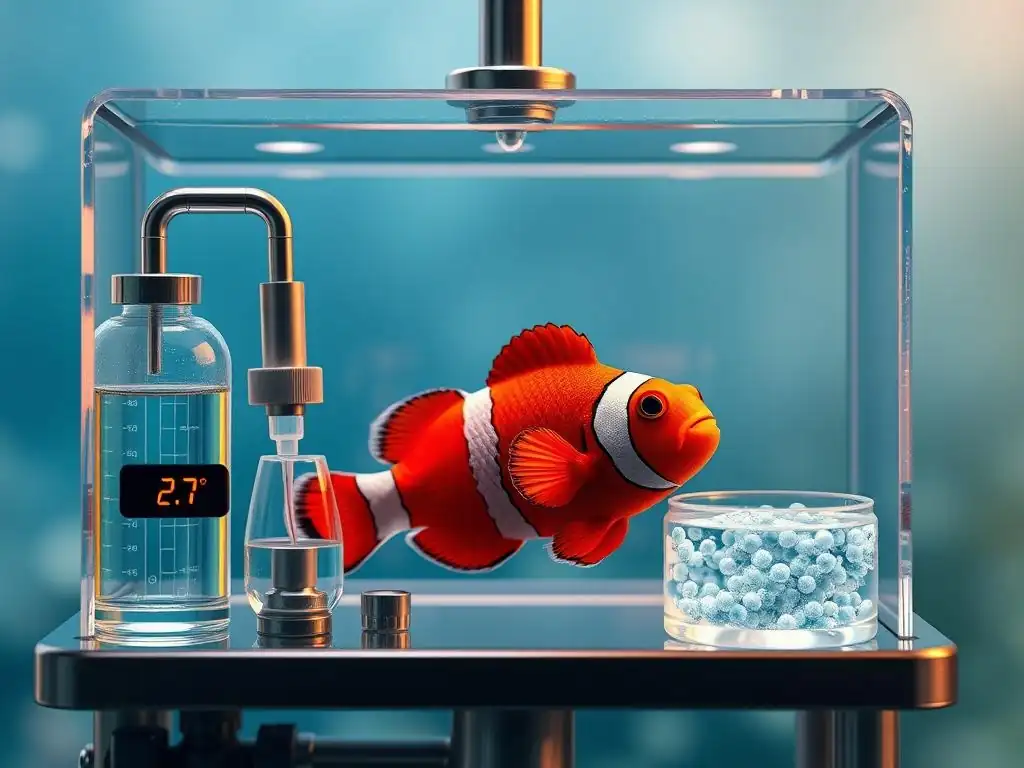
Choosing the Right Water Test Kits for Aquarium Use
Accurate and reliable tap water aquarium testing hinges on using the right test kits. While test strips offer convenience and a quick overview, they are generally less precise and prone to inaccuracies, especially for critical parameters. For serious aquarists, liquid reagent test kits are highly recommended for their superior accuracy and reliability. These kits involve chemical reactions that produce color changes corresponding to specific parameter levels, allowing for more precise readings.
For comprehensive water quality monitoring, invest in a master test kit that typically includes tests for essential parameters such as ammonia, nitrite, nitrate, pH (both low and high range), GH, and KH. Additionally, a dedicated test for chlorine and chloramine is indispensable. Reputable brands known for their accuracy and consistency should be prioritized to ensure your tap water aquarium testing yields dependable results, guiding your treatment decisions effectively.
Establishing a Consistent Testing Routine for Monitoring Water Quality
Establishing a consistent tap water aquarium testing routine is vital for maintaining a stable and healthy aquatic environment. Even if your tap water seems consistently good, municipal water sources can fluctuate due to seasonal changes (e.g., heavy rainfall affecting runoff, droughts concentrating minerals), infrastructure work, or changes in treatment chemicals. It is advisable to test your tap water periodically, perhaps monthly or quarterly, to catch any unexpected shifts in its composition before they impact your aquarium.
For new aquariums, or if you are troubleshooting an issue, more frequent testing might be necessary to understand how your tap water interacts with your tank's chemistry. Documenting your test results, including the date and specific parameters, creates a valuable historical record. This allows you to track trends, identify patterns, and quickly diagnose problems related to your source water, enabling proactive adjustments to your treatment strategy.
Implementing Water Changes: Best Practices for Using Treated Tap Water
Implementing water changes correctly is as important as the treatment itself. Always treat the entire volume of new tap water in a separate container (e.g., a clean bucket or barrel) before adding it to your aquarium. This allows the dechlorinator and any other water conditioners or buffers to fully react and neutralize contaminants or adjust parameters. Adding untreated or partially treated water directly to the tank can expose your fish to harmful chemicals and cause sudden parameter shifts.
Furthermore, ensure the temperature of the treated tap water closely matches that of your aquarium water. A difference of more than 2-3 degrees Fahrenheit (approximately 1-1.5 degrees Celsius) can cause temperature shock, severely stressing fish and weakening their immune systems. Pour the treated, temperature-matched water slowly and gently into the aquarium to minimize disturbance to the substrate and inhabitants. These best practices, combined with diligent tap water aquarium testing, ensure that water changes contribute positively to your aquarium's health.
Frequently Overlooked Aspects of Tap Water and Aquarium Health
Seasonal Variations in Tap Water Composition: Adjusting Your Treatment Strategy
A frequently overlooked aspect of tap water is its dynamic nature. Tap water composition is not static; it can vary significantly throughout the year due to seasonal changes in the source water (e.g., increased organic matter or mineral concentration during heavy rainfall or droughts) or adjustments made by the municipal water treatment plant. For instance, utilities might increase chlorine levels in warmer months or switch disinfectants. These fluctuations can impact your tap water's pH, hardness, or even introduce new trace contaminants.
This inherent variability underscores the continuous need for tap water aquarium testing. An aquarist who tested their tap water once and assumed it would remain consistent might encounter unexpected issues months later. Being aware of potential seasonal shifts allows you to proactively adjust your water treatment protocols, whether that means using a slightly higher dose of dechlorinator, adding more buffering agents, or considering an RO/DI system if fluctuations become problematic.
The Impact of Tap Water on Beneficial Bacteria Colonies
The devastating impact of untreated tap water on an aquarium's beneficial bacteria colonies is often underestimated. Municipal water treatment, by design, uses biocides like chlorine and chloramine to kill bacteria, ensuring human safety. When untreated tap water is introduced into an aquarium, these disinfectants indiscriminately target the vital nitrifying bacteria (Nitrosomonas and Nitrobacter) that reside in the filter media and substrate. These bacteria are responsible for processing toxic ammonia into less harmful nitrates, forming the cornerstone of the nitrogen cycle.
The destruction of these beneficial bacteria can lead to a collapse of the nitrogen cycle, resulting in dangerous spikes of ammonia and nitrite – a condition often referred to as "new tank syndrome," even in an established aquarium. This can cause severe stress, illness, and death among fish. Therefore, meticulous tap water aquarium testing for chlorine/chloramine and subsequent, thorough dechlorination are non-negotiable steps to protect this crucial microscopic ecosystem and maintain a stable, healthy environment for your fish.
Long-Term Effects of Untreated Tap Water on Aquarium Ecosystems
Consistent use of untreated or improperly treated tap water can lead to a cascade of long-term detrimental effects on an aquarium ecosystem, far beyond immediate fish deaths. Chronic exposure to suboptimal water parameters, such as persistent low-level heavy metals, fluctuating pH, or high nitrates/phosphates, places fish under constant stress. This stress weakens their immune systems, making them highly susceptible to common diseases, reducing their lifespan, and stunting their growth.
Furthermore, high levels of nitrates or phosphates often found in municipal water can fuel explosive algae growth, outcompeting aquatic plants for nutrients and creating an unsightly, unstable environment. Heavy metals can accumulate in the substrate and filter media, becoming a persistent source of toxicity. Regular and accurate tap water aquarium testing is therefore not just about preventing immediate harm, but about safeguarding the long-term health, stability, and aesthetic appeal of your entire aquarium ecosystem, ensuring a thriving habitat for years to come.
Conclusion: Mastering Tap Water for a Thriving Aquarium
Frequently Asked Questions
How crucial is testing my tap water before adding it to my aquarium?
It's absolutely crucial. Tap water can contain substances harmful to fish, such as chlorine and chloramine, and have an unsuitable pH. Testing allows you to address these issues before they impact your aquarium's health.
What are the most important parameters to test in tap water for aquarium use?
The most important parameters include pH, ammonia, nitrite, nitrate, chlorine, and chloramine. These factors directly impact the aquatic life's survival and need to be within safe ranges.
What common issues might I find in tap water that would make it unsuitable for an aquarium?
Common issues include high levels of chlorine or chloramine, which are disinfectants added to municipal water supplies. Unsuitable pH levels and the presence of heavy metals can also be problematic.
How often should I test my tap water, especially if I'm regularly doing water changes?
Ideally, test your tap water before the initial setup and then periodically, especially if your municipal water source is known to fluctuate. Consistent testing ensures you're always providing safe water conditions.
What are some common treatments to make tap water safe for aquarium use?
Common treatments involve using water conditioners to neutralize chlorine and chloramine. Adjusting pH with pH buffers and using reverse osmosis (RO) or deionization (DI) systems can also improve water quality.
Final Reflection: The Living Ecosystem in Every Drop
The journey from tap to tank is more than just filling a container; it's about creating a thriving ecosystem. Understanding the invisible chemistry of our tap water, as we've explored, is paramount to the health and well-being of the aquatic life we choose to nurture. Ignoring these essential tests and treatments can have devastating consequences, highlighting the responsibility we bear as stewards of these miniature underwater worlds.
This seemingly simple act of preparing water for an aquarium has profound implications, influencing not only the lives of our fish but also our understanding of the delicate balance of nature. The dedication to ensuring the purity and suitability of aquarium water mirrors a broader commitment to environmental stewardship and the appreciation of interconnectedness. In nature, nothing exists alone.
- Rachel Carson. This quote reminds us that even within the confines of a glass tank, we are participating in a complex web of life, and our actions have ripple effects.
Now, armed with the knowledge of tap water aquarium testing, I invite you to reflect on your own role in this delicate dance. Consider the impact of your choices, not just on your aquarium inhabitants, but on the larger environment. Take the time to test, to treat, and to truly understand the water you're entrusting with life. By doing so, you're not just creating a beautiful aquarium; you're cultivating a deeper appreciation for the precious resource that sustains us all.
Dive Deeper: Transform Your Tap Water into a Thriving Ecosystem!
Thanks for exploring the world of aquarium water chemistry with us! We hope this guide has empowered you with the knowledge to create a safe and healthy environment for your aquatic friends. Now, let's put that knowledge into action.
Here's what you can do next:
- Immediately test your tap water! Understanding your baseline water parameters is the first crucial step.
- Share this guide with fellow aquarium enthusiasts and discuss your water testing results. Knowledge is power, especially in the aquarium hobby!
- Consider documenting your water testing journey in a dedicated aquarium journal. Tracking changes over time can reveal valuable insights.
What surprising element did you discover in your tap water that you didn't expect? Share your findings in the comments below!