
Blue Coral Platy: A Stunning Gem for Your Freshwater Tank

Welcome to Aquarium Mastery!
Ever been captivated by the vibrant hues of the ocean's coral reefs? Now, imagine bringing a touch of that breathtaking beauty to your freshwater aquarium. Curious how? Dive into our comprehensive guide and unlock the secrets to thriving Blue Coral Platies – a stunning gem that will transform your tank. Let's explore everything you need to know about Blue Coral Platy care tips and create a thriving habitat for these dazzling fish!
- Introducing the Blue Coral Platy: A Captivating Addition to Your Aquarium
- Blue Coral Platy Care Tips: Creating the Ideal Environment
- Feeding Your Blue Coral Platy: A Balanced Diet for Vibrant Colors
- Blue Coral Platy Tank Mates: Compatibility and Community Tank Options
- Blue Coral Platy Breeding: Understanding Reproduction and Raising Fry
- Common Blue Coral Platy Diseases and Prevention
- Enhancing Blue Coral Platy Color: Factors Influencing Appearance
- Where to Buy Blue Coral Platies: Selecting Healthy Specimens
- Troubleshooting Common Blue Coral Platy Issues
- Conclusion: Enjoying the Beauty of Your Blue Coral Platy
-
Frequently Asked Questions
- What are the key characteristics of Blue Coral Platies that make them a popular choice for freshwater aquariums?
- What are the ideal water parameters for keeping Blue Coral Platies healthy and thriving in an aquarium?
- What should I feed my Blue Coral Platies to ensure they receive a balanced and nutritious diet?
- How can I successfully breed Blue Coral Platies in my home aquarium?
- What are some common health issues that Blue Coral Platies are susceptible to, and how can I prevent them?
- Final Reflection: Embracing the Blue Coral Platy's Beauty
- Unveil Your Dream Aquarium: Dive Deeper!
Introducing the Blue Coral Platy: A Captivating Addition to Your Aquarium
What Makes the Blue Coral Platy Unique?
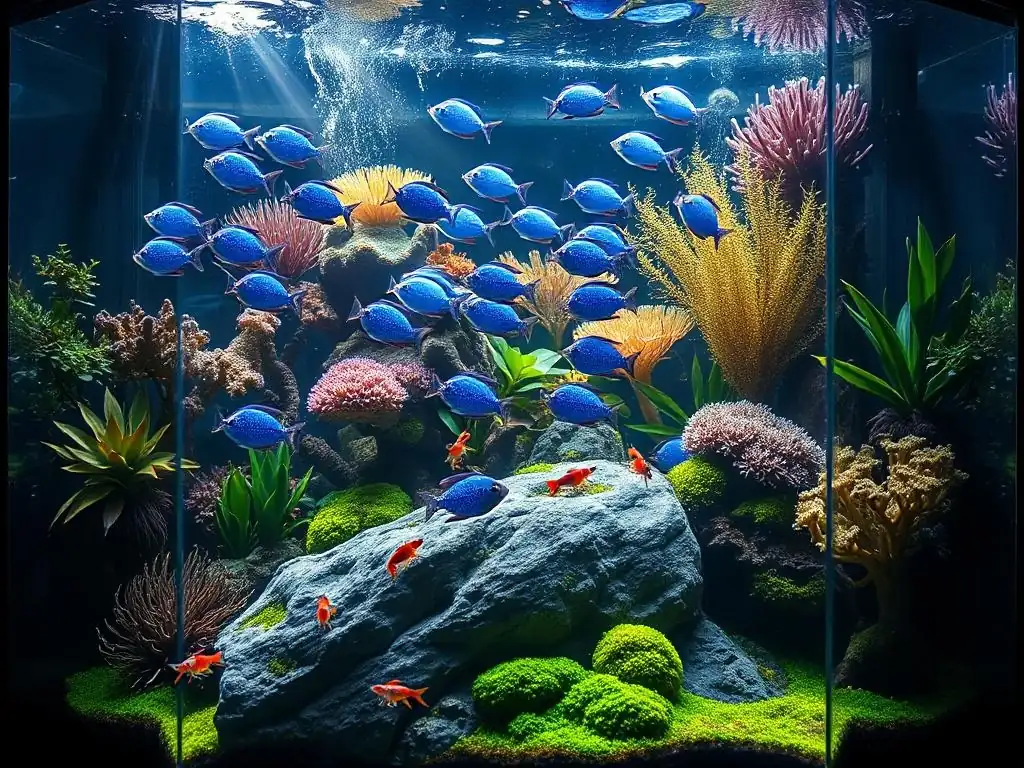
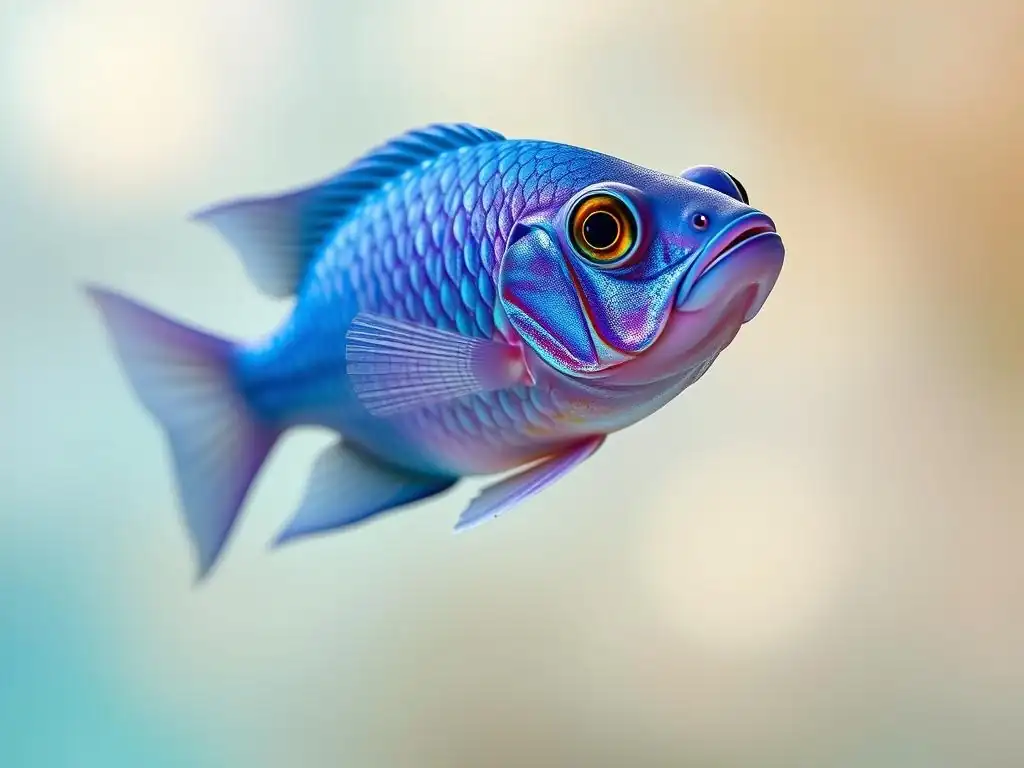
The Blue Coral Platy (a specific color morph of Xiphophorus maculatus or Xiphophorus variatus) stands out in the freshwater aquarium hobby due to its strikingly vibrant coloration and hardy nature. Unlike many other platy varieties, the Blue Coral Platy showcases a mesmerizing blend of iridescent blue hues, often complemented by hints of orange or coral on its fins or body, giving it a truly unique aesthetic appeal.
This captivating appearance, combined with its relatively small size, typically ranging from 1.5 to 2.5 inches (approximately 3.8 to 6.3 cm), makes it an ideal choice for aquarists looking to add a splash of color to their community tanks.
Beyond its visual appeal, the Blue Coral Platy is highly valued for its peaceful temperament and ease of care, making it an excellent choice for both novice and experienced aquarists. Their active swimming patterns and social behavior contribute to a dynamic and engaging aquarium environment. Mastering Blue Coral Platy care tips ensures these fish not only survive but truly thrive, displaying their full spectrum of colors and engaging in their natural behaviors, from foraging to interacting with tank mates.
Origin and Natural Habitat of Platies
Platyfish, encompassing species like Xiphophorus maculatus (Southern Platyfish) and Xiphophorus variatus (Variatus Platy), originate from the warm, slow-moving waters of Central America. Their natural habitat spans across regions of Mexico, Guatemala, and Belize, where they inhabit a diverse range of environments including rivers, canals, ditches, and even temporary ponds. These waters are typically shallow, often rich in vegetation, and characterized by moderate to hard water conditions.
Understanding the natural habitat of platies provides crucial Blue Coral Platy care tips for replicating their ideal environment in a home aquarium. In the wild, platies are omnivorous, feeding on a mix of algae, small invertebrates, and plant matter. Their presence in heavily vegetated areas suggests a preference for environments with ample hiding spots and areas for grazing. This adaptability to varying water conditions and food sources has contributed to their robust nature and popularity as aquarium inhabitants globally.
Blue Coral Platy Care Tips: Creating the Ideal Environment
Tank Size and Setup for Blue Coral Platies
Providing an appropriately sized and set up aquarium is one of the most fundamental Blue Coral Platy care tips for their well-being. While a single platy might survive in a 5-gallon tank, a minimum of a 10-gallon aquarium is recommended for a small group of 3-5 platies to ensure ample swimming space and reduce stress. For a thriving community, especially if you plan on breeding or keeping more than five individuals, a 20-gallon long tank is significantly more suitable, offering greater stability in water parameters and more horizontal swimming area.
The tank setup should mimic their natural environment by including plenty of live plants, such as Java Fern, Anubias, Hornwort, or Water Sprite, which provide essential hiding spots and grazing surfaces. A fine gravel or sand substrate is suitable. Adequate filtration, such as a sponge filter or a hang-on-back filter, is crucial to maintain water quality, while a reliable heater is necessary to keep the water temperature stable. Ensure there are open swimming areas alongside the densely planted sections to cater to their active nature.
Water Parameters: Maintaining Optimal Conditions
Adhering to precise water parameters is paramount among Blue Coral Platy care tips for their long-term health and vibrant coloration. Platies thrive in slightly alkaline to neutral water conditions with a pH range of 7.0 to 8.0. They prefer moderately hard to hard water, with a general hardness (GH) between 10 and 25 dGH (approximately 180-450 ppm) and a carbonate hardness (KH) between 10 and 20 dKH (approximately 180-360 ppm). These parameters closely reflect their natural Central American habitats.
Consistent monitoring of water quality is vital; ammonia and nitrite levels must always be at 0 ppm, and nitrate levels should be kept below 20 ppm through regular maintenance. Performing weekly water changes of 25-30% of the tank volume is an effective strategy to dilute nitrates and replenish essential minerals, preventing the buildup of harmful toxins. Utilizing a reliable liquid test kit is highly recommended over test strips for accurate readings, ensuring you can proactively adjust conditions as needed.
Ideal Temperature and pH Levels for Blue Coral Platies
Specific Blue Coral Platy care tips for temperature and pH are crucial for their metabolic functions and overall health. The ideal water temperature for Blue Coral Platies ranges from 72°F to 78°F (approximately 22°C to 25.5°C). Maintaining a stable temperature within this range is critical, as sudden fluctuations can cause significant stress, weakening their immune system and making them susceptible to diseases. A good quality submersible heater with a thermostat is indispensable for achieving this stability.
As mentioned, the optimal pH range for Blue Coral Platies is between 7.0 and 8.0. While they are relatively adaptable, maintaining a consistent pH within this slightly alkaline spectrum is key to their well-being. Rapid shifts in pH are far more detrimental than a stable pH slightly outside the 'ideal' range. Regular testing and gradual adjustments, if necessary, using appropriate aquarium products or natural methods like adding crushed coral (which can raise pH and hardness), are recommended to ensure these parameters remain stable and conducive to platy health.
Substrate and Decoration Recommendations
Thoughtful substrate and decoration choices are vital Blue Coral Platy care tips for creating a natural and stress-free habitat that encourages their natural behaviors. A fine gravel or sand substrate is ideal as it is gentle on their barbels if they forage along the bottom and easy to clean. Avoid very coarse or sharp gravel that could injure them. A darker substrate can also help to bring out the vibrant blue coloration of these platies.
Decorations should include a mix of live plants, driftwood, and smooth rocks. Live plants like Java Moss, Water Wisteria, or Amazon Swords offer excellent hiding spots for shy individuals and fry, as well as grazing surfaces for algae. Driftwood can release beneficial tannins, which slightly lower pH and provide a natural aesthetic, while smooth rocks can create interesting nooks and crannies. Ensure all decorations are aquarium-safe and have no sharp edges that could harm the fish. The goal is to provide a balance of open swimming space and secure retreats.
Feeding Your Blue Coral Platy: A Balanced Diet for Vibrant Colors
What Do Blue Coral Platies Eat?
Blue Coral Platies are omnivorous, meaning their diet in the wild consists of both plant matter and small invertebrates. This dietary flexibility is a key aspect of Blue Coral Platy care tips, as it allows for a diverse feeding regimen that supports their health and enhances their vibrant coloration. In their natural habitat, they would graze on algae, detritus, and consume small insect larvae or crustaceans.
To replicate this varied diet in the aquarium, it's essential to provide a mix of high-quality foods. A staple diet should include flakes or pellets specifically designed for tropical omnivorous fish. Supplementing this with a variety of live, frozen, or freeze-dried foods ensures they receive all necessary nutrients. This varied approach not only keeps them healthy but also stimulates their natural foraging instincts, contributing to their overall well-being and active behavior.
Recommended Foods and Feeding Schedule
For optimal health and color, a varied feeding schedule is paramount. High-quality flake food or small sinking pellets designed for tropical fish should form the basis of their diet, fed once or twice daily. Look for products that list spirulina or other plant-based ingredients high on the list, as platies benefit significantly from vegetable matter. For instance, a typical feeding might involve a pinch of premium flake food in the morning.
To supplement their diet and provide essential proteins and vitamins, offer live or frozen foods 2-3 times per week. Brine shrimp, daphnia, bloodworms, and tubifex worms are excellent choices. For example, on a Tuesday and Friday, you might offer a small portion of frozen bloodworms or live brine shrimp. Additionally, blanched vegetables like zucchini slices, shelled peas, or spinach can be offered occasionally (once a week) to provide extra plant-based nutrition, which is a crucial Blue Coral Platy care tip for their digestive health.
Preventing Overfeeding in Your Platy Tank
Overfeeding is a common mistake in aquarium keeping and can lead to serious health issues for your Blue Coral Platies and degrade water quality. When fish are overfed, they may develop digestive problems, obesity, and become more susceptible to diseases. Furthermore, uneaten food decomposes, leading to spikes in ammonia and nitrite, and an increase in nitrates, which are detrimental to the entire aquatic ecosystem.
To prevent overfeeding, feed your Blue Coral Platies only what they can consume within 2-3 minutes. Observe them closely during feeding time to gauge how quickly they eat. If there's food remaining after this period, you're likely feeding too much.
It's often better to feed smaller amounts more frequently than a large amount once a day. For instance, two small feedings per day are generally preferable to one large one. Skipping a day of feeding once a week can also be beneficial, allowing their digestive systems to clear and encouraging them to graze on any algae in the tank, a practical Blue Coral Platy care tip for maintaining a clean environment.
Blue Coral Platy Tank Mates: Compatibility and Community Tank Options
Best Tank Mates for Blue Coral Platies
Choosing appropriate tank mates is a crucial Blue Coral Platy care tip for ensuring a peaceful and thriving community aquarium. Blue Coral Platies are generally very peaceful and do well with other similarly sized, non-aggressive freshwater fish. Ideal companions include other livebearers such as Guppies, Mollies (especially Sailfin Mollies for larger tanks), and Swordtails, as they share similar water parameter requirements and temperaments.
Other excellent choices include small schooling fish like Neon Tetras, Cardinal Tetras, or Rummy Nose Tetras, which add a different dynamic to the tank without posing a threat. Corydoras catfish, Otocinclus catfish, and peaceful species of snails (e.g., Nerite Snails) are also great bottom-dwelling or algae-eating tank mates that help keep the tank clean without bothering your platies. For example, a 20-gallon tank could comfortably house 5 Blue Coral Platies, a school of 6 Neon Tetras, and 3 Corydoras catfish, creating a balanced and vibrant community.
Fish to Avoid Keeping with Platies
While Blue Coral Platies are adaptable, certain fish species are not suitable tank mates due to their aggressive nature, fin-nipping tendencies, or vastly different environmental requirements. Avoiding these incompatible species is a critical Blue Coral Platy care tip to prevent stress, injury, or even death within your aquarium. Highly aggressive or predatory fish such as Cichlids (e.g., Oscar fish, Jack Dempseys, or even larger African Cichlids), Arowanas, or large catfish like Plecos (some species can become very large and territorial) should be strictly avoided.
Additionally, fish known for fin-nipping, such as certain species of Barbs (e.g., Tiger Barbs, unless kept in a large school that diffuses aggression) or Serpae Tetras, can harass and stress platies, leading to damaged fins and increased susceptibility to disease. Betta fish can also be hit-or-miss; while some individual Bettas may tolerate platies, many will view their colorful fins as a target. Any fish that grows significantly larger than platies and could potentially see them as food should also be excluded from their tank.
Considerations for a Peaceful Community Aquarium
Creating a peaceful community aquarium with Blue Coral Platies involves more than just selecting compatible species; it also requires careful planning of tank layout and understanding fish behavior. Overcrowding is a common issue that can lead to aggression and stress, even among otherwise peaceful fish. Ensure your tank size is adequate for the total bio-load and provides enough swimming space for all inhabitants.
Providing ample hiding spots and visual barriers through strategic placement of plants, driftwood, and rocks can significantly reduce stress and territorial disputes. For instance, a dense patch of Java Fern can offer refuge for a bullied platy, while a tall piece of driftwood can break up sightlines.
Always introduce new fish gradually and observe interactions closely for the first few days. A good Blue Coral Platy care tip for managing potential aggression is to introduce schooling fish in appropriate numbers (e.g., 6-10 individuals) as this dilutes aggression and makes them feel more secure, reducing the likelihood of them bothering other tank inhabitants.
Blue Coral Platy Breeding: Understanding Reproduction and Raising Fry
Identifying Male and Female Blue Coral Platies
Distinguishing between male and female Blue Coral Platies is essential for understanding their breeding behavior and is a key Blue Coral Platy care tip for managing their population. Female platies are generally larger and have a more rounded body shape, especially when gravid (pregnant). Their anal fin is fan-shaped. A noticeable dark spot, known as the gravid spot, often appears near their anal fin when they are pregnant, though this is less visible in darker colored platies like the Blue Coral variety.
Male platies are typically smaller and more slender than females. The most distinguishing feature of a male platy is its gonopodium, a modified, rod-shaped anal fin used for internal fertilization. This can be clearly seen as a pointed, stick-like appendage where the female's anal fin would be fan-shaped. Observing these physical differences allows aquarists to identify sexes accurately, which is crucial for setting up breeding tanks or managing population growth.
Creating a Breeding Setup for Platies
Blue Coral Platies are prolific livebearers, meaning they give birth to live, free-swimming fry rather than laying eggs. If you intend to breed them, creating a dedicated breeding setup is a vital Blue Coral Platy care tip. A separate 5-10 gallon tank, known as a "fry tank" or "nursery tank," is highly recommended to protect the fry from being eaten by adult fish, including their parents. This tank should have a sponge filter to prevent the tiny fry from being sucked in and a heater to maintain stable temperatures.
The breeding tank should be heavily planted with dense, fine-leaved plants like Java Moss, Hornwort, or floating plants such as Water Sprite. These plants provide crucial hiding places for the fry immediately after birth. Once a female is visibly gravid (usually within 3-4 weeks of conception, with a gestation period of approximately 24-30 days), she can be moved to the breeding tank. After she gives birth to typically 20-80 fry, she should be returned to the main tank to prevent her from consuming her offspring.
Caring for Blue Coral Platy Fry
Caring for Blue Coral Platy fry is a rewarding experience, requiring specific attention to their dietary and environmental needs. Immediately after birth, platy fry are tiny but fully formed and capable of swimming and feeding independently. For the first few days, they will primarily hide amongst dense vegetation. Providing appropriate food is the most critical Blue Coral Platy care tip for their survival and growth.
Fry require very small, high-protein foods multiple times a day (3-5 times). Excellent options include finely crushed high-quality flake food, specialized fry food, newly hatched brine shrimp, or microworms. For example, a common practice is to feed newly hatched brine shrimp three times a day, supplemented with finely powdered flake food. Maintain excellent water quality by performing small, frequent water changes (e.g., 10-15% every other day) using a gravel vacuum with a small diameter tube to avoid accidentally siphoning out fry. Consistent temperature and pristine water are paramount for their rapid growth and development.
Preventing Overpopulation of Platies in Your Aquarium
Due to their prolific breeding, preventing overpopulation is an important Blue Coral Platy care tip for maintaining a healthy and balanced aquarium. A single female platy can give birth every 24-30 days, and a population can quickly explode if not managed. While a dedicated fry tank ensures high survival rates, this can contribute to the overpopulation issue in the long run.
One natural method to control population is to allow the fry to remain in the main community tank, where adult fish (including the parents) and other tank mates will naturally predate on some of the offspring. Providing some dense plant cover will allow a few fry to survive, maintaining a manageable number. Another strategy is to keep an all-male or all-female tank, though this can be challenging given the difficulty of accurately sexing very young fish.
Alternatively, if breeding is not desired, consider donating excess fry to local fish stores or fellow hobbyists. This helps manage the population ethically without compromising the health or well-being of the existing fish.
Common Blue Coral Platy Diseases and Prevention
Recognizing Signs of Illness in Platies
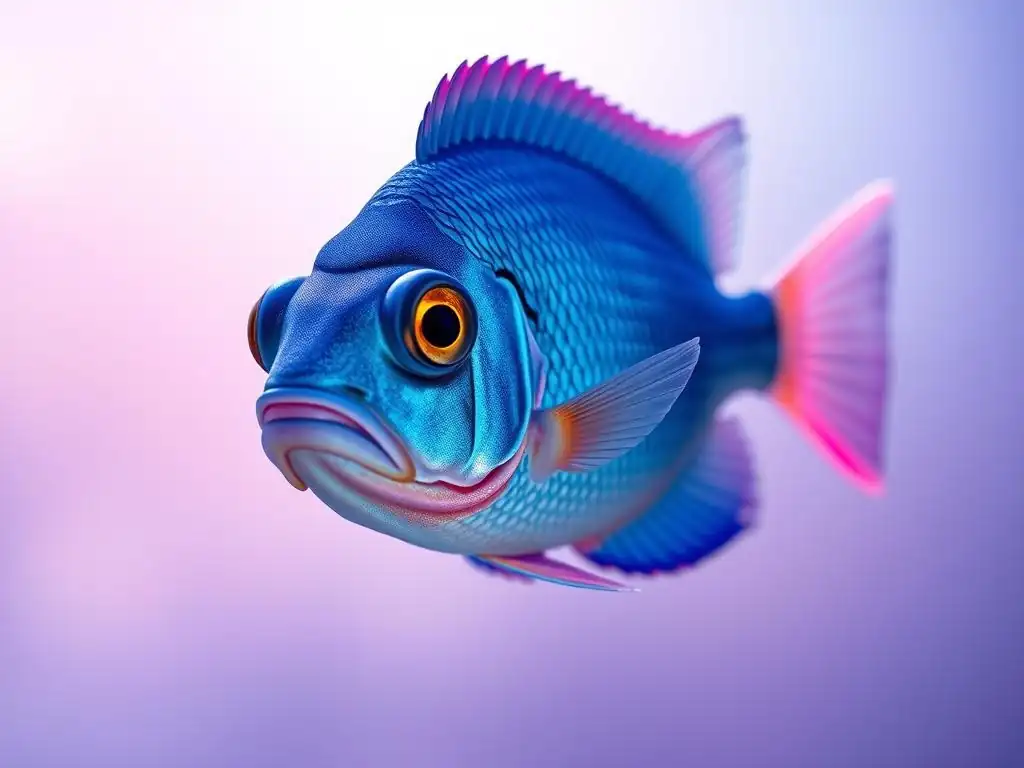
Recognizing the early signs of illness is a crucial Blue Coral Platy care tip for timely intervention and successful treatment. Healthy platies are active, display vibrant coloration, have clear eyes, and their fins are held erect and are free from tears or clamping. They should also show a healthy appetite and swim without difficulty. Any deviation from these normal behaviors and appearances can indicate a problem.
Common signs of illness include lethargy, hiding more than usual, loss of appetite, dull or faded coloration, white spots on the body or fins (Ich), fuzzy growths (fungus), ragged or clamped fins (fin rot), rapid gilling, scratching against tank decorations (flashing), or unusual swimming patterns like darting or swimming erratically. Observing your platies daily during feeding times can help you spot these subtle changes early, allowing you to address potential issues before they become severe.
Treating Common Platy Diseases
Once signs of illness are identified, prompt and appropriate treatment is a vital Blue Coral Platy care tip. Many common platy diseases are treatable if caught early. For instance, Ich (White Spot Disease) is characterized by small, white spots resembling salt grains; it's often treated by gradually raising the water temperature to 82-84°F (28-29°C) (if other tank inhabitants can tolerate it) and using over-the-counter Ich medications containing malachite green or formalin, following manufacturer instructions meticulously.
Fin rot, often caused by poor water quality or injury, manifests as frayed or disintegrating fins, sometimes with a red or black edge. Treatment involves immediate water changes to improve water quality and the use of antibacterial medications. Fungal infections, appearing as white, cottony growths, are typically treated with antifungal agents. Always quarantine sick fish in a separate hospital tank if possible to prevent the spread of disease and to administer medication without affecting the main tank's beneficial bacteria or other inhabitants.
Preventative Measures for a Healthy Platy Population
Prevention is always better than cure, and implementing robust preventative measures is the most effective Blue Coral Platy care tip for a healthy population. Maintaining excellent water quality is the cornerstone of disease prevention. This includes performing regular weekly water changes (25-30%), ensuring proper filtration, and avoiding overfeeding, which contributes to poor water conditions. Consistent monitoring of water parameters (ammonia, nitrite, nitrate, pH, temperature) helps identify potential issues before they escalate.
Quarantining new fish for at least two weeks in a separate tank before introducing them to the main aquarium is another critical preventative step. This allows you to observe new fish for signs of disease and treat them if necessary, preventing the introduction of pathogens into your established tank. Providing a balanced, high-quality diet boosts their immune system, making them more resilient to illness. Finally, minimizing stress by providing adequate tank size, appropriate tank mates, and plenty of hiding spots also significantly contributes to a robust and healthy Blue Coral Platy population.
Enhancing Blue Coral Platy Color: Factors Influencing Appearance
The Role of Diet in Platy Coloration
The vibrancy of a Blue Coral Platy's color is significantly influenced by its diet, making nutrition a critical Blue Coral Platy care tip for achieving stunning hues. A diet rich in carotenoids and other natural pigments is essential for developing and maintaining their intense blue and coral shades. Carotenoids are organic pigments found in various foods, which, when consumed, are metabolized and deposited in the fish's skin cells, enhancing their coloration.
Foods high in natural color enhancers include spirulina, astaxanthin, and canthaxanthin. Many high-quality commercial fish foods designed for colorful tropical fish incorporate these ingredients. For example, feeding flakes or pellets that list spirulina or krill meal as primary ingredients can visibly improve coloration. Supplementing their diet with frozen brine shrimp or bloodworms, which are naturally rich in pigments, can also contribute to more vibrant colors, turning a good platy into a truly "stunning gem."
Impact of Lighting on Platy Colors
Beyond diet, the type and intensity of lighting in your aquarium can play a subtle yet noticeable role in how the Blue Coral Platy's colors are perceived and, to some extent, developed. While lighting doesn't directly create pigments like diet does, it affects how the light reflects off the fish's scales and interacts with their chromatophores (pigment-containing cells), making their colors appear more brilliant or subdued.
Full-spectrum LED lighting designed for planted aquariums, which typically has a color temperature between 6500K and 8000K, often enhances the natural blue, red, and orange tones in fish. Such lighting can make the iridescent blue of the Blue Coral Platy truly pop. Avoid overly dim or excessively bright lighting conditions, as either extreme can cause stress or wash out colors. A consistent light cycle, typically 10-12 hours per day, is also important for the fish's natural circadian rhythm and overall well-being, indirectly supporting their vibrant appearance.
Genetics and Blue Coral Platy Color Variations
While diet and lighting are important Blue Coral Platy care tips for enhancing color, it's crucial to understand that the primary determinant of a platy's coloration is its genetics. The "Blue Coral" designation refers to a specific genetic strain that produces this particular combination of blue body and coral accents. Breeders selectively breed platies to isolate and intensify these desired color traits over generations.
Even within the "Blue Coral" strain, there can be slight variations in the intensity of the blue or the prominence of the coral accents, which are entirely genetic. Some individuals may naturally exhibit a deeper, more uniform blue, while others might have more pronounced orange or red markings. These genetic predispositions mean that while optimal care can bring out the best in an individual fish, it cannot fundamentally alter its inherent genetic color potential. Understanding this helps set realistic expectations for the vibrancy of your Blue Coral Platies.
Where to Buy Blue Coral Platies: Selecting Healthy Specimens
Finding Reputable Platy Breeders and Retailers
When looking to acquire Blue Coral Platies, finding reputable breeders or retailers is a crucial Blue Coral Platy care tip to ensure you bring home healthy, vibrant specimens. Avoid purchasing fish from sources where tanks appear overcrowded, dirty, or where sick or dead fish are visible. Reputable local fish stores (LFS) often have knowledgeable staff and maintain their tanks to high standards, indicating better care for their livestock.
Online retailers can also be a good option, but it's essential to research their reputation, read customer reviews, and ensure they have a clear live arrival guarantee. Many dedicated platy breeders, often found through online forums or local aquarium clubs, can offer genetically superior fish with excellent coloration and health due to their specialized breeding programs. For example, some regional fish expos or club events often feature vendors selling high-quality, locally bred platies.
Identifying Healthy Blue Coral Platies
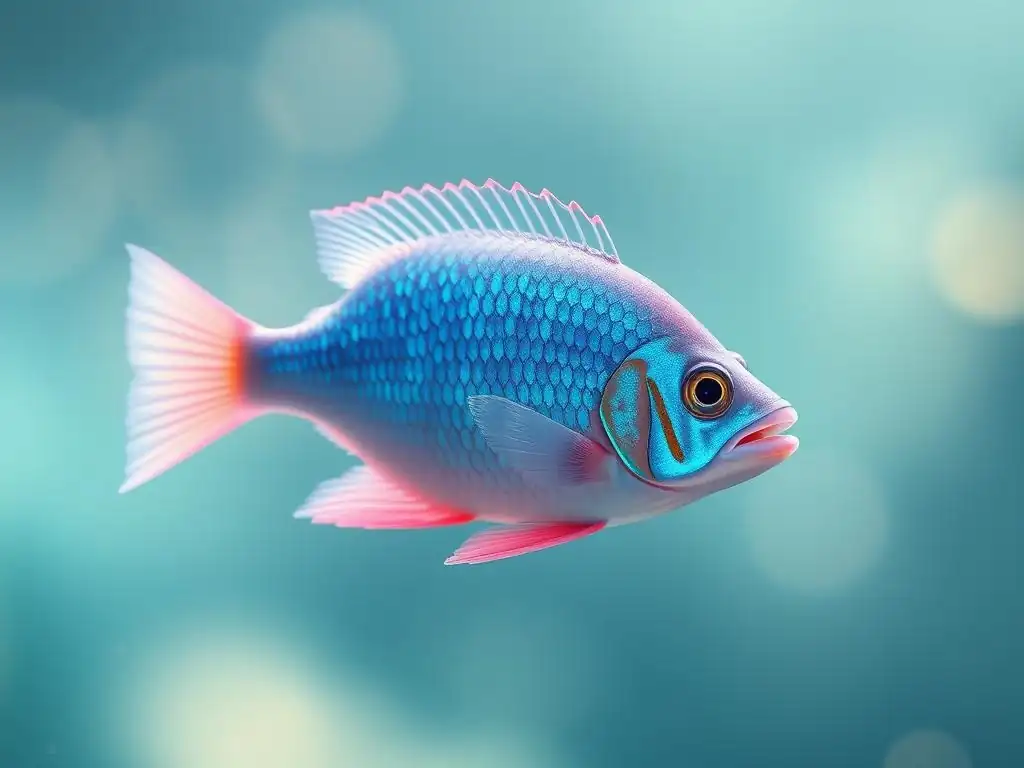
Knowing how to identify a healthy Blue Coral Platy is a vital Blue Coral Platy care tip that can prevent future problems in your aquarium. When selecting fish, observe them closely in their tank. Healthy platies should be active and alert, swimming gracefully with their fins fully extended, not clamped against their bodies. Their colors should be vibrant and well-defined for their variety, without any dullness or fading.
Look for clear eyes, intact fins free from tears or ragged edges, and a clean, smooth body without any visible spots (like Ich), fuzzy growths (fungus), open sores, or unusual swelling. They should also exhibit a healthy appetite, readily accepting food if offered. Avoid fish that are lethargic, hiding excessively, breathing rapidly, or showing any signs of physical damage or disease. A good general rule is to avoid buying fish from a tank where any fish (even other species) show signs of illness, as diseases can quickly spread.
Acclimation Process for New Platies in Your Tank
Proper acclimation is a fundamental Blue Coral Platy care tip for minimizing stress and ensuring the successful introduction of new platies to your aquarium. Fish are sensitive to sudden changes in water parameters (temperature, pH, hardness), and an abrupt transfer can lead to severe stress, shock, or even death. The drip acclimation method is highly recommended for its gradual approach.
First, float the sealed bag containing the new platies in your aquarium for 15-20 minutes to equalize the water temperature. Do not open the bag during this step. After temperature equalization, open the bag and carefully pour the fish and their water into a clean bucket or container. Using an airline tubing and an air stone, tie a knot in the tubing to create a slow drip from your main aquarium into the bucket.
Aim for a drip rate of about 1-2 drops per second. Allow the water volume in the bucket to double over 30-60 minutes. Once acclimated, gently net the fish and transfer them to your aquarium, discarding the water from the bucket. This slow process allows the fish to gradually adjust to your tank's water chemistry, significantly reducing stress.
Troubleshooting Common Blue Coral Platy Issues
Ich (White Spot Disease)
Ichthyophthirius multifiliis, commonly known as Ich or White Spot Disease, is one of the most prevalent and recognizable parasitic infections in freshwater aquariums, and Blue Coral Platies are susceptible if stressed or introduced to contaminated water. The characteristic symptom is the appearance of small, white, salt-like spots scattered over the fish's body and fins. Affected platies may also exhibit flashing (rubbing against tank objects), clamped fins, lethargy, and rapid breathing.
This parasite has a complex life cycle involving a free-swimming stage that infects fish, an encysted stage on the fish, and a reproductive stage that detaches from the fish and multiplies in the substrate. Therefore, treatment must target the free-swimming stage. Poor water quality, sudden temperature fluctuations, and stress from overcrowding are common triggers for an Ich outbreak, making robust Blue Coral Platy care tips crucial for prevention.
Treatment Options and Prevention
Effective treatment for Ich involves a multi-pronged approach. One common method is to gradually raise the aquarium temperature to 82-84°F (28-29°C) over 24 hours, if all tank inhabitants can tolerate it. This accelerates the parasite's life cycle, causing it to detach from the fish more quickly, making it vulnerable to medication. Simultaneously, use an over-the-counter Ich medication containing ingredients like malachite green or formalin, strictly following the manufacturer's dosage instructions. Treatment typically lasts 7-10 days, even if symptoms disappear, to ensure all stages of the parasite are eradicated.
Prevention is key. Maintaining stable, pristine water parameters is the most critical Blue Coral Platy care tip against Ich. Perform regular weekly water changes (e.g., 25-30%) and ensure your filtration system is adequate. Quarantining all new fish for at least two weeks in a separate tank before introducing them to your main aquarium is highly recommended. During quarantine, observe for any signs of disease and treat if necessary, preventing the introduction of Ich to your established community.
Fin Rot
Fin rot is a common bacterial infection that affects the fins of fish, including Blue Coral Platies. It is often a secondary infection, meaning it usually occurs when a fish's immune system is weakened due to stress, poor water quality, physical injury (e.g., from fin nipping or sharp decorations), or pre-existing illness. Symptoms include the edges of the fins appearing frayed, ragged, or disintegrating, often with a milky, white, or red inflamed edge. In severe cases, the fins can completely rot away, potentially leading to bacterial infections of the body.
If left untreated, fin rot can progress to the body, causing systemic infections that are much harder to cure and can be fatal. It's crucial to identify and address the underlying causes, as treating only the symptoms without improving environmental conditions will likely lead to recurrence. Good Blue Coral Platy care tips emphasize prevention through optimal husbandry.
Mitigation Strategies and Tank Re-arrangements
Mitigation strategies for fin rot primarily focus on addressing the root cause. The immediate and most crucial step is to perform significant water changes (e.g., 30-50%) and thoroughly clean the tank to improve water quality drastically. Test water parameters (ammonia, nitrite, nitrate) and ensure they are at optimal levels (0 ppm ammonia/nitrite, <20 ppm nitrate). If parameters are off, continue daily small water changes until they stabilize.
For mild cases, pristine water conditions alone can sometimes facilitate recovery. For more severe cases, antibacterial medications specifically designed for fin rot can be used, following product instructions carefully. Consider moving the affected platy to a hospital tank for treatment to avoid medicating the main display tank.
Tank re-arrangements can also play a role in prevention: remove any sharp decorations that could cause injuries, ensure there's enough space to prevent territorial disputes, and provide ample hiding spots to reduce stress. A balanced diet also strengthens the fish's immune system, making them more resilient to bacterial infections like fin rot, reinforcing the importance of comprehensive Blue Coral Platy care tips.
Conclusion: Enjoying the Beauty of Your Blue Coral Platy
The Blue Coral Platy is indeed a stunning gem, offering vibrant color and engaging behavior to any freshwater aquarium. By diligently applying the comprehensive Blue Coral Platy care tips outlined in this guide, from setting up the ideal tank environment and providing a balanced diet to understanding their breeding habits and preventing common diseases, aquarists can ensure these beautiful fish not only survive but truly flourish. Their relatively easy care, coupled with their striking appearance, makes them a rewarding choice for both beginners and seasoned hobbyists alike.
With proper attention to water quality, nutrition, and tank compatibility, your Blue Coral Platies will display their full spectrum of iridescent blues and coral accents, becoming a captivating focal point in your aquatic display. Enjoy the dynamic beauty and peaceful presence these delightful livebearers bring to your home aquarium, a testament to thoughtful and dedicated Blue Coral Platy care.
Frequently Asked Questions
What are the key characteristics of Blue Coral Platies that make them a popular choice for freshwater aquariums?
Blue Coral Platies are prized for their vibrant blue coloration and peaceful temperament. They are also relatively easy to care for, making them suitable for beginner aquarists. They are livebearers, meaning they give birth to live young.
What are the ideal water parameters for keeping Blue Coral Platies healthy and thriving in an aquarium?
Blue Coral Platies prefer a water temperature of 72-78°F (22-26°C), a pH between 6.8 and 7.8, and moderate water hardness. Regular water changes are essential to maintain optimal water quality.
What should I feed my Blue Coral Platies to ensure they receive a balanced and nutritious diet?
Blue Coral Platies are omnivores and require a varied diet. A good quality flake food should form the base of their diet, supplemented with live or frozen foods like brine shrimp or daphnia. You can also give them vegetable matter like blanched spinach.
How can I successfully breed Blue Coral Platies in my home aquarium?
Breeding Blue Coral Platies is relatively straightforward. Provide plenty of hiding places for the fry (baby fish) to avoid being eaten by the adults. A breeding box or separate tank can also be used for added protection.
What are some common health issues that Blue Coral Platies are susceptible to, and how can I prevent them?
Blue Coral Platies can be susceptible to common freshwater diseases like ich (white spot disease) and fin rot. Maintaining good water quality, providing a stress-free environment, and quarantining new fish are crucial preventative measures.
Final Reflection: Embracing the Blue Coral Platy's Beauty
The allure of the Blue Coral Platy, as we've explored, lies not only in its vibrant coloration but also in its relatively simple care requirements, making it an accessible joy for aquarists of all levels. This accessibility, however, shouldn't diminish our responsibility to provide the best possible environment for these living jewels. Understanding and implementing proper Blue Coral Platy care tips is paramount to ensuring their health, happiness, and the continued vibrancy of our freshwater ecosystems.
The Blue Coral Platy, though small, serves as a microcosm of the larger aquarium hobby and our relationship with the natural world. Caring for them teaches us about responsibility, patience, and the delicate balance of aquatic life. It's a reminder that even seemingly simple creatures deserve our respect and attention. The greatness of a nation and its moral progress can be judged by the way its animals are treated.
- Mahatma Gandhi. This quote, while broad, resonates deeply when considering the ethical implications of keeping any animal, including the Blue Coral Platy.
Now, as you embark on, or continue, your journey with these stunning fish, I encourage you to see beyond their beauty. Reflect on the interconnectedness of all living things and the impact your choices have on their well-being. Let the Blue Coral Platy be a constant reminder to strive for knowledge, practice responsible aquarium keeping, and contribute to the preservation of the delicate aquatic ecosystems they represent. Let their vibrant blue inspire you to create a thriving, ethical, and beautiful underwater world.
Unveil Your Dream Aquarium: Dive Deeper!
Thank you for exploring the vibrant world of Blue Coral Platies with us! We hope this article ignited your passion for these stunning fish and provided valuable insights into their care. Now, it's time to transform knowledge into action and create the aquarium of your dreams.
Here are a few ways to take the next step:
- Embark on Your Platy Adventure: Visit your local aquarium store or a reputable online breeder to find your own Blue Coral Platies. Start with a small group and observe their fascinating behaviors!
- Share the Spark: Introduce your fellow aquarists to the wonders of Blue Coral Platies! Post a photo of your new fish on social media, tagging us @AquariumMastery, and inspire others to explore this vibrant species.
- Dive into Aquatic Research: Learn About Other Platy Varieties on AquariumMastery.com!
What's the first fascinating thing you plan to do after reading this article? Share in the comments below!