
How Often Should You Feed Your African Cichlids? A Mbuna & Peacock Schedule

Welcome to Aquarium Mastery!
Ever wondered if you're feeding your vibrant African cichlids just right? Dive in to discover the optimal African cichlid feeding schedule, tailored specifically for Mbuna and Peacock varieties. Unlock the secrets to vibrant colors and healthy growth – and learn how to avoid common feeding mistakes that can impact your freshwater aquarium ecosystem. Let's explore the best practices for keeping your cichlids thriving!
- African Cichlid Feeding Guide: Mbuna & Peacock Schedules
- Understanding Dietary Needs: Mbuna vs. Peacock Cichlids
- Creating an Effective Feeding Schedule: Key Considerations
- Recommended Feeding Frequency for Mbuna Cichlids
- Optimal Feeding Schedule for Peacock Cichlids
- Practical Feeding Schedule Examples
- Choosing the Right Food
- Monitoring Cichlid Health Through Feeding
- Tips for Maintaining a Consistent Routine
-
Frequently Asked Questions
- How often should I feed my African Cichlids?
- What type of food is best for African Cichlids like Mbuna and Peacocks?
- How much food should I give my African Cichlids at each feeding?
- How can I tell if I'm overfeeding my African Cichlids?
- Does the age of my African Cichlids affect their feeding schedule?
- Final Reflection: Nurturing Life Through Informed Feeding
- Unlock Vibrant Colors: Start Your Cichlid Feeding Journey Today!
African Cichlid Feeding Guide: Mbuna & Peacock Schedules
Understanding Dietary Needs: Mbuna vs. Peacock Cichlids
Dietary Differences Between Mbuna and Peacock Cichlids
Mbuna cichlids, originating from the rocky shores of Lake Malawi, are predominantly herbivorous. Their natural diet consists primarily of aufwuchs, a complex biofilm of algae, diatoms, and small invertebrates scraped from rocks. This dietary preference means their digestive systems are adapted to process plant matter and low levels of protein. Feeding them high-protein foods can lead to severe digestive issues, including the dreaded Malawi bloat, a common and often fatal ailment.
In contrast, Peacock cichlids ( Aulonocara species), also from Lake Malawi, are primarily carnivorous or omnivorous. In their natural habitat, they sift through sandy substrates for small invertebrates, insect larvae, and crustaceans. Their mouths are specifically adapted for this sifting behavior, and their digestive tracts are designed to process a diet rich in protein. Therefore, an effective African cichlid feeding schedule for Peacocks must incorporate high-quality protein sources, unlike their Mbuna counterparts.
Impact of Diet on Health and Coloration
The right African cichlid feeding schedule is paramount for both the health and vibrant coloration of your fish. For Mbuna, a diet rich in spirulina and other plant-based ingredients prevents digestive distress and supports a robust immune system. Without proper fiber and low protein, their gut flora can become imbalanced, leading to the aforementioned bloat and general malaise. A well-fed Mbuna will exhibit strong, vivid patterns and colors, reflecting their internal well-being.
For Peacock cichlids, a diet high in appropriate proteins and essential fatty acids directly contributes to their stunning hues. Many commercial foods for Peacocks contain natural color enhancers like astaxanthin, which intensify reds, oranges, and blues. A deficiency in these nutrients can result in dull, faded colors and lethargy, indicating a suboptimal African cichlid feeding schedule. Proper nutrition also strengthens their immune response, making them more resilient to common diseases and stress.
Creating an Effective Feeding Schedule: Key Considerations
Factors Affecting Feeding Frequency
Several factors influence the ideal African cichlid feeding schedule, including tank size, the number of fish, and their age. A larger bioload in a tank, meaning more fish, often necessitates more frequent but smaller feedings to ensure all individuals receive enough food without excessive waste. Younger, juvenile cichlids, undergoing rapid growth, typically require more frequent meals (e.g., 3-4 times daily) compared to adult fish (1-2 times daily) whose growth has slowed. Water temperature also plays a role; higher temperatures increase metabolism, potentially requiring slightly more food.
The activity level and breeding status of your cichlids also impact their dietary needs. Highly active fish or those actively breeding will expend more energy and may benefit from a slight increase in food quantity. However, it's crucial to always err on the side of underfeeding rather than overfeeding, especially with Mbuna. Observing your fish's behavior and body condition is essential for fine-tuning any African cichlid feeding schedule to their specific requirements.
Water Quality and Feeding
Water quality is inextricably linked to any African cichlid feeding schedule. Overfeeding is one of the primary causes of poor water parameters, leading to elevated ammonia, nitrite, and nitrate levels. Uneaten food decomposes rapidly, consuming oxygen and releasing harmful compounds that stress fish and can lead to disease. This makes careful portion control not just about fish health, but also about maintaining a stable and healthy aquatic environment.
To mitigate the impact of feeding on water quality, it is vital to perform regular water changes. For instance, a weekly 25-30% water change is a common recommendation for cichlid tanks, helping to remove accumulated nitrates and other dissolved organic compounds. Monitoring water parameters with a reliable test kit, such as the API Freshwater Master Test Kit, allows aquarists to assess the effectiveness of their African cichlid feeding schedule and make necessary adjustments to prevent dangerous spikes.
Optimizing Feeding for Mbuna: Preventing Bloat
Optimizing the African cichlid feeding schedule for Mbuna is critical to prevent Malawi bloat. This severe digestive issue is often triggered by feeding high-protein foods or overfeeding, which disrupts the delicate balance of their gut flora. Mbuna's digestive systems are not equipped to process large amounts of animal protein, and doing so can lead to internal inflammation, bacterial infections, and ultimately, death.
Therefore, the focus for Mbuna feeding must be on low-protein, high-fiber diets. This means selecting foods specifically formulated for herbivorous cichlids, often rich in spirulina, kelp, and other plant-based ingredients. Feeding small amounts multiple times a day, rather than one large meal, also aids digestion and prevents the fish from gorging themselves. A strict African cichlid feeding schedule for Mbuna is the best defense against bloat.
Recommended Feeding Frequency for Mbuna Cichlids
Daily Feeding Guidelines: Portion Control
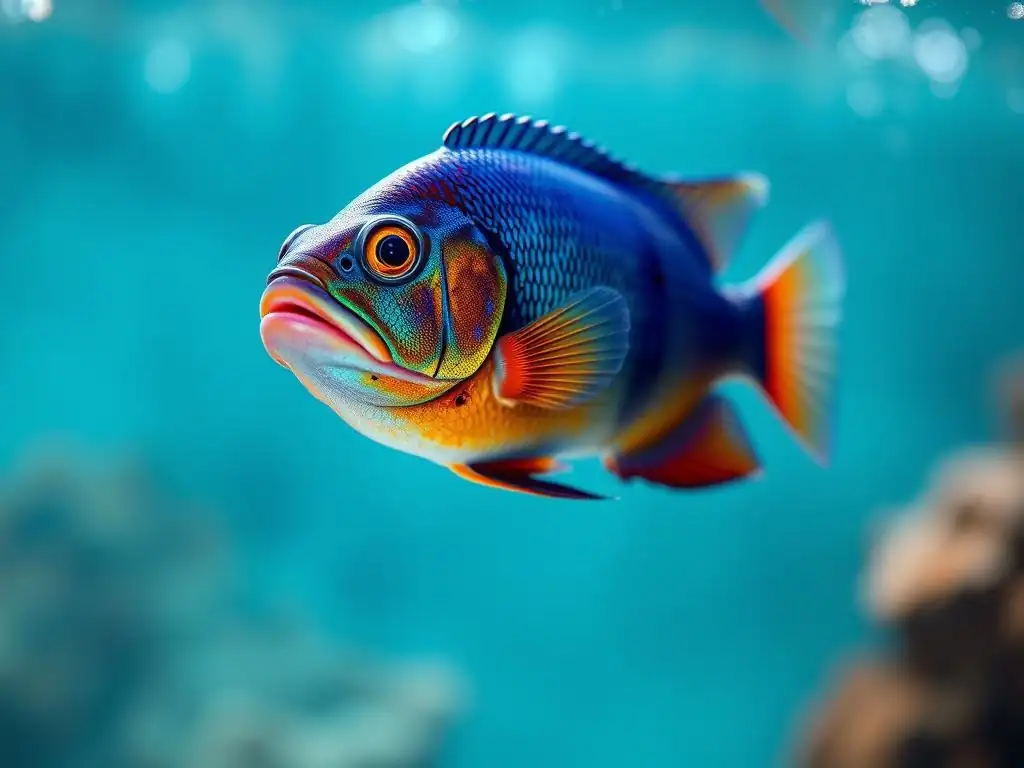
For adult Mbuna cichlids, a daily African cichlid feeding schedule typically involves one to two small feedings. The key is strict portion control. A good rule of thumb is to offer only the amount of food they can completely consume within 30 to 60 seconds. This minimizes uneaten food, which can quickly foul the water. For a group of 6-8 adult Mbuna, this might translate to a small pinch of flakes or about 2-3 small pellets per fish.
It is far better to slightly underfeed Mbuna than to overfeed them, given their susceptibility to bloat. Observing their feeding behavior is crucial; if food remains after 60 seconds, you are feeding too much. Adjusting the African cichlid feeding schedule based on how quickly they clear the food ensures optimal consumption and reduces waste, contributing to a healthier tank environment.
Supplementing with Vegetables: Weekly Schedule
Supplementing the Mbuna diet with fresh vegetables can provide essential fiber and mimic their natural grazing habits. Blanched zucchini slices, romaine lettuce, or spirulina wafers can be offered 2-3 times per week as part of their African cichlid feeding schedule. These additions not only provide dietary variety but also offer beneficial nutrients that support their digestive health.
When offering vegetables, ensure they are blanched (briefly boiled and then cooled) to soften them, making them easier for the cichlids to consume. Secure them with a vegetable clip to prevent them from floating to the surface. Remove any uneaten vegetable matter after a few hours to prevent it from decaying and negatively impacting water quality.
Adjusting Feeding Based on Age and Size
The African cichlid feeding schedule for Mbuna needs to be adjusted based on their age and size. Juvenile Mbuna, undergoing rapid growth, benefit from more frequent feedings, typically 3-4 times a day, albeit in very small quantities. Their higher metabolism and developmental needs require a more consistent supply of nutrients.
As Mbuna mature into adults, their growth rate slows, and their feeding frequency should be reduced to 1-2 times daily. Larger, more dominant males might appear to need more food, but it's important to stick to the established portion control to prevent overfeeding and bloat. Careful observation of individual fish will help fine-tune the African cichlid feeding schedule for optimal health across all age groups.
Optimal Feeding Schedule for Peacock Cichlids
Daily Feeding Recommendations: Protein Intake
For adult Peacock cichlids, an optimal African cichlid feeding schedule typically involves 1-2 small feedings per day. Unlike Mbuna, Peacocks require a diet with a higher protein content, reflecting their carnivorous tendencies. High-quality cichlid pellets or flakes formulated for carnivorous species, containing 40-45% protein, are excellent staples.
Similar to Mbuna, the portion size should be limited to what they can consume within 30-60 seconds. This ensures all food is eaten and minimizes waste, which is crucial for maintaining pristine water conditions. A consistent African cichlid feeding schedule helps Peacocks thrive, promoting their natural vibrant colors and active behavior.
Diet Variety: Live and Frozen Foods
To provide a comprehensive nutrient profile and stimulate natural hunting behaviors, incorporating a variety of live and frozen foods into the Peacock cichlid diet is highly beneficial. High-quality frozen foods such as mysis shrimp, brine shrimp, and krill can be offered 2-3 times per week, substituting one of their regular pellet meals. These foods provide essential amino acids, fats, and color-enhancing pigments.
Live foods, such as blackworms or small feeder insects (e.g., flightless fruit flies for juveniles), can be given as an occasional treat. However, caution should be exercised with live foods to avoid introducing pathogens into the tank. The diversity in their African cichlid feeding schedule not only enhances their health but also keeps them engaged and active.
Fine-Tuning Feeding Based on Growth
The African cichlid feeding schedule for Peacock cichlids also requires adjustment based on their growth stage. Young Peacock cichlids, much like Mbuna juveniles, grow quickly and benefit from 3-4 small feedings daily. This increased frequency supports their rapid development and higher metabolic rates, ensuring they receive adequate nutrition during this critical period.
For adult Peacocks, maintaining 1-2 daily feedings is generally sufficient. If you observe particularly active individuals, or if fish are in breeding condition, a slight increase in the total daily food quantity might be considered. However, this should be done cautiously, always ensuring the food is consumed quickly and water quality remains stable. Regular assessment of their body condition and coloration will guide these adjustments to their African cichlid feeding schedule.
Practical Feeding Schedule Examples
Sample Mbuna Feeding Schedule: Daily Guide
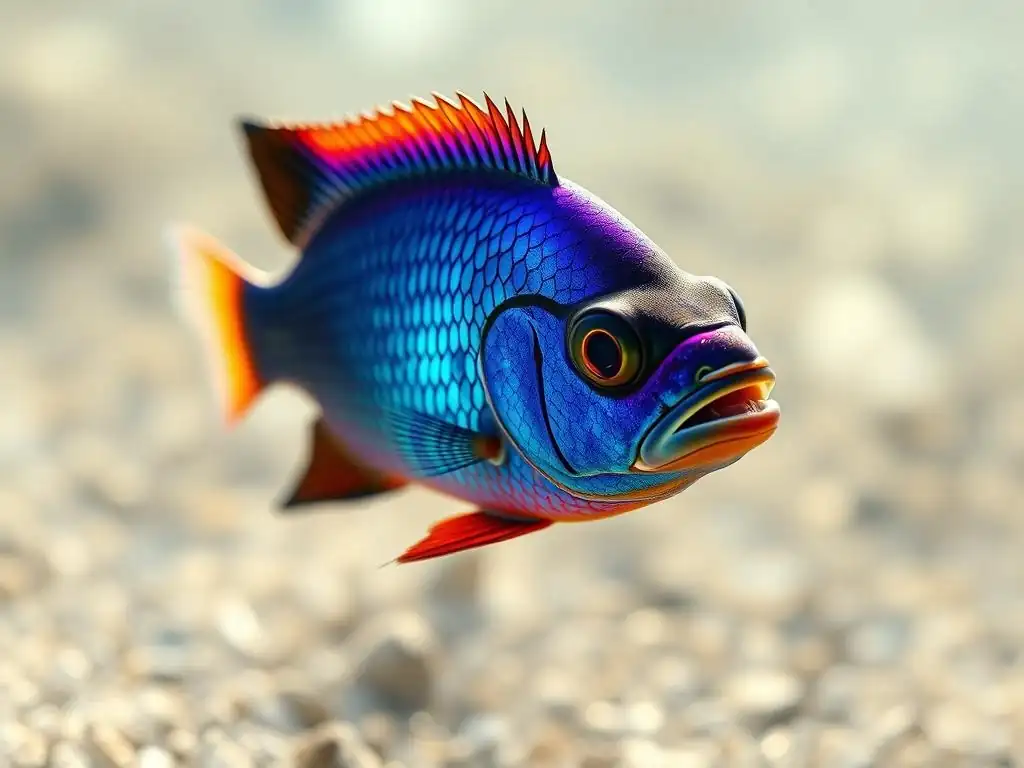
A practical African cichlid feeding schedule for adult Mbuna might look like this:
- Morning (e.g., 8:00 AM): A small pinch of high-quality spirulina flakes or Mbuna-specific sinking pellets (enough for 30-60 seconds of consumption).
- Evening (e.g., 6:00 PM): Another small pinch of Mbuna-specific sinking pellets.
On 2-3 days a week, one of these meals could be substituted with a blanched vegetable (e.g., a small piece of zucchini or a spirulina wafer). For instance, on Monday morning, spirulina flakes; Monday evening, Mbuna pellets. On Tuesday morning, Mbuna pellets; Tuesday evening, blanched zucchini. This simple, consistent African cichlid feeding schedule helps prevent digestive issues and maintains water quality.
Sample Peacock Cichlid Feeding Schedule: Weekly Plan
For adult Peacock cichlids, a sample African cichlid feeding schedule could be structured as follows:
- Daily (Morning, e.g., 8:00 AM): A small portion of high-quality cichlid pellets or flakes formulated for carnivorous cichlids (e.g., Hikari Cichlid Gold, Omega One Cichlid Flakes).
- Daily (Evening, e.g., 6:00 PM): Another small portion of cichlid pellets or flakes.
On 2-3 days per week, one of the daily feedings should be replaced with a high-protein frozen food. For example, on Wednesday evening, feed frozen mysis shrimp; on Friday evening, feed frozen brine shrimp. This varied African cichlid feeding schedule ensures a rich nutrient intake and promotes vibrant coloration.
Adjusting the Schedule for a Mixed Species Tank
Managing an African cichlid feeding schedule in a mixed tank with both Mbuna and Peacock cichlids requires careful strategy to ensure each species receives its appropriate diet. A common technique is to feed the Mbuna-specific, plant-based food first. Since Mbuna are typically more aggressive eaters, they will quickly consume their allotted portion.
Once the Mbuna have finished, or after a few minutes, introduce the higher-protein Peacock-specific food on the opposite side of the tank. This separation helps prevent Mbuna from consuming the protein-rich foods meant for Peacocks, which could lead to bloat. Close observation is crucial to ensure both species are eating their intended diets and to make any necessary adjustments to this complex African cichlid feeding schedule.
Choosing the Right Food
Best Food Options for Mbuna: Plant-Based
The best food options for Mbuna cichlids are those that are predominantly plant-based and low in protein. High-quality spirulina flakes and pellets are excellent staples, as they closely mimic their natural diet of algae. Brands like NorthFin Veggie Formula, New Life Spectrum Cichlid Formula (specifically the herbivore blends), and high-quality spirulina wafers are highly recommended.
When selecting food, always check the ingredient list. Look for spirulina, kelp, and other vegetable matter as the primary ingredients. Protein content should ideally be below 35%, and certainly avoid products with animal by-products, beef heart, or excessive fish meal. A carefully chosen African cichlid feeding schedule, built on these food types, is fundamental for Mbuna health.
Ideal Food Choices for Peacock Cichlids: High-Protein
For Peacock cichlids, ideal food choices include high-quality cichlid pellets and flakes with a higher protein content, typically ranging from 40% to 45%. Brands such as Hikari Cichlid Gold, Omega One Cichlid Flakes, and New Life Spectrum Cichlid Formula (carnivore blends) are well-regarded options. These foods often include krill, fish meal, and other marine proteins.
Supplementing their diet with frozen foods like mysis shrimp, brine shrimp, and krill is highly beneficial. These provide essential fatty acids, vitamins, and natural color enhancers. While live foods can be offered occasionally, ensure they are disease-free. A diverse and protein-rich African cichlid feeding schedule is key for vibrant and healthy Peacocks.
Avoiding Harmful Ingredients
When establishing an African cichlid feeding schedule, it's crucial to know which ingredients to avoid. For Mbuna, any food containing high levels of animal protein, especially land-animal proteins like beef heart or chicken meal, is highly detrimental and a major cause of Malawi bloat. Similarly, avoid foods with excessive fish meal if it's not the primary ingredient in a plant-based formula.
For all cichlids, steer clear of foods with cheap fillers, artificial dyes, and excessive binders. These ingredients offer little nutritional value and can lead to digestive upset or dull coloration over time. Always prioritize high-quality ingredients sourced from reputable manufacturers. A well-informed African cichlid feeding schedule focuses on nutritional value over convenience or cost.
Monitoring Cichlid Health Through Feeding
Recognizing Signs of Over/Underfeeding
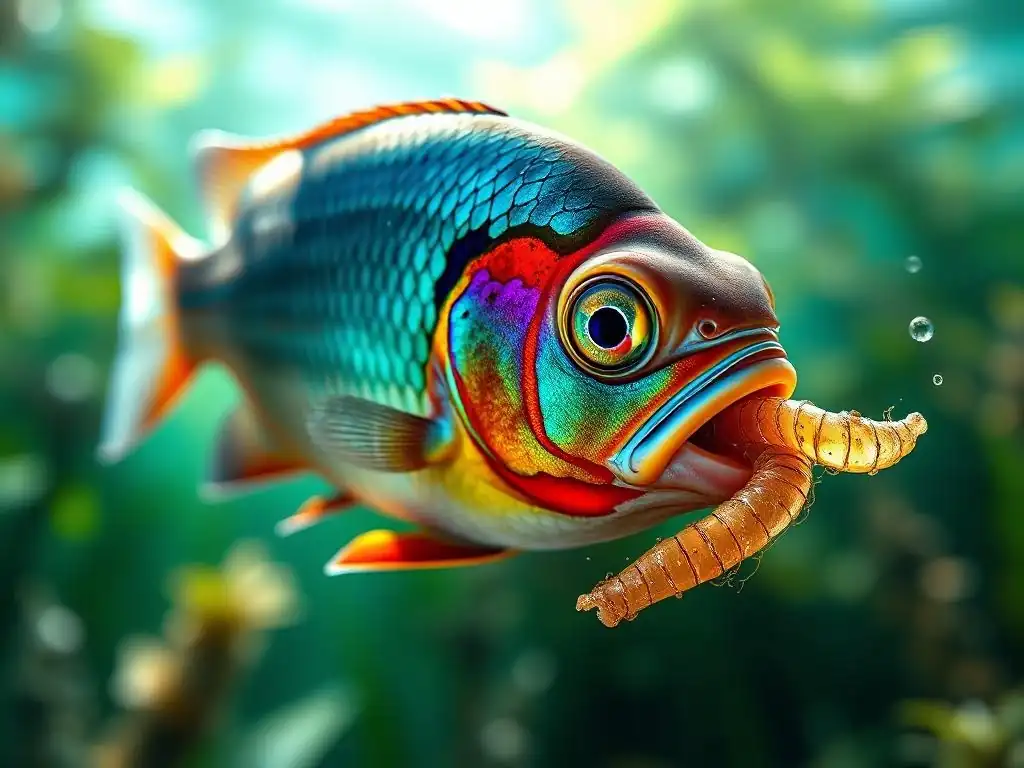
Observing your cichlids during feeding time is a crucial part of maintaining their health. Signs of overfeeding include cloudy water, rapid algae growth, visible uneaten food decaying on the substrate, and fish that appear lethargic or bloated (especially in Mbuna, indicating bloat). Stringy, white feces can also be a symptom of digestive distress from overfeeding or inappropriate food.
Conversely, signs of underfeeding include fish appearing thin or emaciated, increased aggression (due to competition for limited food), and dull coloration. Reduced activity levels or a lack of interest in food when offered can also indicate that their African cichlid feeding schedule is insufficient or that they are ill. Consistent monitoring allows for prompt adjustments.
Addressing Bloat and Dietary Issues
If Malawi bloat is suspected in Mbuna cichlids, the first step is to cease all feeding immediately for 2-3 days. This gives their digestive system a chance to rest and recover. Some aquarists also recommend adding Epsom salts (magnesium sulfate) to the water at a dosage of 1 tablespoon per 10 gallons, as it can act as a mild laxative. If symptoms persist or worsen, consulting an aquatic veterinarian or experienced aquarist is advisable.
For other dietary issues, such as constipation or mild digestive upset in any cichlid, a short fast of 1-2 days can often help. Reintroduce food slowly, ensuring it's the correct type and quantity for the species. Addressing these issues promptly is vital to prevent more serious health complications and fine-tune your African cichlid feeding schedule.
Regular Observation: Key to Success
Regular observation of your cichlids during feeding is perhaps the most important aspect of their care. Daily scrutiny allows you to assess how quickly food is consumed, the general activity levels of your fish, and their overall appearance. Are they eager to eat? Are all fish getting enough? Do any appear listless or bloated?
This consistent monitoring provides early warning signs of potential health issues or imbalances in their African cichlid feeding schedule. By being proactive and making small adjustments based on your observations, you can prevent major problems and ensure the long-term vitality and health of your African cichlids.
Tips for Maintaining a Consistent Routine
Automating Feeding with Timers
For many aquarists, maintaining a perfectly consistent African cichlid feeding schedule can be challenging due to busy lifestyles. Automatic feeders offer an excellent solution, ensuring that your cichlids receive precise portions at set times, even when you're not home. This consistency is highly beneficial for digestive health and reduces stress in the fish.
When using an automatic feeder, it's essential to test it thoroughly before relying on it. Ensure it dispenses the correct amount of food and that the food does not clump or get stuck. Many modern automatic feeders allow for multiple daily feedings and adjustable portion sizes, making them a valuable tool for a reliable African cichlid feeding schedule.
Training Cichlids to Feed at Specific Times
African cichlids are intelligent fish and can quickly be trained to recognize and anticipate specific feeding times. By feeding them at the same time each day, they will learn to associate your presence or the sound of the feeder with mealtime. This can reduce stress, as they won't be constantly searching for food, and makes observation easier as they will gather readily.
This training not only simplifies your African cichlid feeding schedule but also allows for better interaction and bonding with your fish. Their eagerness at feeding time is a positive sign of health and comfort in their environment, reflecting a well-established routine.
Maintaining Consistency: The Foundation of Health
Ultimately, consistency in the African cichlid feeding schedule is the cornerstone of their long-term health and well-being. Erratic feeding patterns can lead to digestive upset, stress, and increased aggression due to competition. A predictable routine helps stabilize their metabolism, supports a healthy immune system, and minimizes fluctuations in water parameters.
By committing to a consistent and appropriate African cichlid feeding schedule, you provide your fish with the stability they need to thrive. This dedication translates directly into vibrant colors, active behaviors, and a reduced incidence of disease, making your aquarium a truly masterful display of healthy African cichlids.
Frequently Asked Questions
How often should I feed my African Cichlids?
The general recommendation is to feed your African Cichlids small amounts 2-3 times per day. This mimics their natural grazing behavior. Avoid overfeeding, as it can lead to water quality issues.
What type of food is best for African Cichlids like Mbuna and Peacocks?
Mbuna, being primarily herbivores, require a diet rich in plant-based matter. Peacocks need a diet higher in protein. Choose specialized cichlid pellets or flakes tailored to their dietary needs.
How much food should I give my African Cichlids at each feeding?
Feed them only what they can consume in 2-3 minutes. Any uneaten food should be removed promptly to prevent the buildup of harmful nitrates.
How can I tell if I'm overfeeding my African Cichlids?
Signs of overfeeding include cloudy water, algae blooms, and lethargic fish. Also, check for uneaten food accumulating at the bottom of the tank, indicating you're feeding too much.
Does the age of my African Cichlids affect their feeding schedule?
Yes, juvenile cichlids need more frequent feedings (3-4 times a day) to support their rapid growth. Adult cichlids can thrive on a schedule of 2 feedings per day, focusing on variety and quality.
Final Reflection: Nurturing Life Through Informed Feeding
The principles of responsible aquarium keeping, as highlighted in creating an optimal African cichlid feeding schedule, extend far beyond the glass walls of a tank. Understanding and responding to the specific needs of these vibrant creatures mirrors the broader responsibility we have to understand and respect the delicate balance of any ecosystem, whether natural or artificial. The health and vitality of our cichlids directly reflect our commitment to providing them with the best possible care.
This exploration into Mbuna and Peacock cichlid feeding has underscored the importance of observation and adaptation. The subtle nuances of their behavior, their individual needs, and the overall health of the aquarium ecosystem all play a crucial role in determining the ideal feeding schedule. In the end, we will conserve only what we love; we will love only what we understand; and we will understand only what we are taught.
- Baba Dioum. This quote resonates deeply, reminding us that understanding is the foundation of care and conservation, even within the confines of our own aquariums.
Now, armed with this knowledge, consider how you can apply these principles of mindful observation and tailored care to other aspects of your life. Are you truly attuned to the needs of those around you? Are you adapting your approach based on individual circumstances? Let the lessons learned from crafting the perfect African cichlid feeding schedule inspire you to cultivate a deeper understanding and more compassionate approach to nurturing life in all its forms.
Unlock Vibrant Colors: Start Your Cichlid Feeding Journey Today!
Thanks for diving into the world of African Cichlids with us! We hope you found the feeding schedule insights helpful for keeping your Mbuna and Peacock Cichlids thriving. Now, it's time to put that knowledge into action!
Here's how you can ensure your cichlids receive the best care:
- Implement a consistent feeding schedule: Make a note in your calendar or set a reminder to feed your cichlids according to the recommendations we’ve discussed. Consistency is key to their health and vibrancy.
- Experiment with high-quality food varieties: Try offering a mix of flakes, pellets, and the occasional treat like blanched vegetables to see what your cichlids enjoy most and how it impacts their color.
- Share your feeding experiences! Join an online aquarium forum or cichlid enthusiast group and post about your cichlid feeding routine and any positive changes you observe.
What unique ingredient will you add to your cichlids' diet to bring out their brightest colors?