
Quarantine Procedures for New Corydoras: A MustDo Step

Welcome to Aquarium Mastery!
Ready to ensure your new Corydoras thrive in your established aquarium? Before introducing them to their new home, understanding and implementing a proper quarantine process is absolutely essential. Dive into our in-depth guide on the New Corydoras quarantine process and discover the secrets to preventing disease and ensuring a healthy, happy community tank. What hidden dangers might lurk, and how can you avoid them? Let's find out!
- Why Quarantine New Corydoras is Essential for Aquarium Health
- Setting Up the Quarantine Tank for Corydoras
-
The New Corydoras Quarantine Process: A Step-by-Step Guide
- Step 1: Acclimating New Corydoras to the Quarantine Tank
- Step 2: Initial Observation Period: Watching for Signs of Illness
- Step 3: Medication (If Necessary): Treating Common Corydoras Diseases
- Step 4: Regular Water Changes in the Quarantine Tank
- Step 5: Monitoring Water Parameters During Quarantine
- Step 6: Extended Observation Period: Ensuring Complete Recovery
- Identifying Potential Health Issues in Quarantined Corydoras
- Length of Quarantine: How Long Should You Quarantine New Corydoras?
- Transferring Quarantined Corydoras to the Main Tank
- Maintaining a Healthy Main Tank After Introducing New Corydoras
- Common Mistakes to Avoid During the New Corydoras Quarantine Process
- Advanced Quarantine Techniques for Sensitive Corydoras Species
- The Importance of Proactive Quarantine for a Thriving Aquarium
- Frequently Asked Questions
- Final Reflection: Safeguarding New Life
- Ignite Your Corydoras Journey Now!
Why Quarantine New Corydoras is Essential for Aquarium Health
Preventing Disease Introduction: Protecting Your Existing Corydoras
Introducing new fish, even seemingly healthy ones, is the primary pathway for diseases to enter an established aquarium. Pathogens like Ichthyophthirius multifiliis (Ich or White Spot Disease), Columnaris, and various bacterial infections can be carried by new arrivals without showing immediate symptoms. A single diseased fish can rapidly spread illness, potentially wiping out a significant portion of an established community tank within days, especially susceptible species like Corydoras.
For example, Ich outbreaks, frequently introduced by unquarantined fish, can lead to a 90% mortality rate in juvenile Corydoras if left untreated due to their delicate skin and lack of scales, which makes them particularly vulnerable. The new Corydoras quarantine process acts as a critical barrier, preventing these costly and devastating contagions from reaching your main display tank and safeguarding your existing aquatic inhabitants.
Minimizing Stress: Giving New Corydoras a Safe Acclimation Period
The journey from a fish farm or distributor to your home aquarium is incredibly stressful for fish. Transport, fluctuating water parameters, and handling can significantly elevate cortisol levels in fish, which suppresses their immune system by up to 30%. This weakened state makes new Corydoras highly susceptible to opportunistic infections they might otherwise resist.
A dedicated quarantine tank provides a calm, isolated environment where new Corydoras can recover from the rigors of transport and acclimate gradually to their new conditions without the added stress of competing with established tank mates or navigating a complex display tank setup. This controlled acclimation period can decrease initial mortality rates by as much as 25% during the first two weeks post-arrival, as it allows their immune systems to rebound and adapt.
Observing New Fish Behavior: Early Detection of Potential Problems
A quarantine tank offers an unparalleled opportunity to observe new Corydoras in isolation, free from the distractions and competitive dynamics of a main aquarium. This focused observation allows for the early detection of subtle behavioral or physical signs of illness that might go unnoticed in a bustling community tank. Observing individual fish without interference is a cornerstone of a successful new Corydoras quarantine process.
Behavioral changes, such as rapid gill movement exceeding 120 breaths per minute, constant scratching against decor, or unusual lethargy, can be early indicators of parasitic infestations like gill flukes or Ich. Prompt identification and treatment of issues like Columnaris, which can kill a fish within 24-48 hours if aggressive, significantly increase survival rates from less than 10% to over 70% when addressed early in quarantine.
Setting Up the Quarantine Tank for Corydoras
Choosing the Right Size Quarantine Tank for Corydoras
The size of your quarantine tank should be appropriate for the number and size of the Corydoras you intend to quarantine. For a small group of 3-5 standard Corydoras species (e.g., Panda, Bronze, Albino Corydoras), a 10-gallon (approximately 38-liter) aquarium is generally sufficient. This provides adequate swimming space and allows for stable water parameters without excessive dilution of potential medications.
For larger Corydoras species or a greater number of individuals (e.g., 6-8 fish), a 20-gallon (approximately 76-liter) long tank might be more appropriate. A longer footprint is beneficial for bottom-dwelling fish, offering more horizontal space for foraging and exploration, and can help minimize any potential aggression or stress during the new Corydoras quarantine process. The goal is to provide enough space to keep stress levels low while still allowing for easy observation and maintenance.
Essential Equipment for a Corydoras Quarantine Tank: Heater, Filter, and Air Stone
A reliable submersible heater is crucial for a Corydoras quarantine tank, capable of maintaining a stable temperature between 74-78°F (23-26°C), which is ideal for most common Corydoras species and helps their immune system function optimally. Temperature fluctuations can significantly stress new arrivals. An air-driven sponge filter is highly recommended as it provides both mechanical and biological filtration without creating strong currents that can stress these small fish. This type of filter also promotes beneficial bacteria growth, which can process up to 20-30 mg of ammonia per day in a 10-gallon tank, preventing toxic spikes.
Additionally, an air stone is vital to ensure consistent oxygen saturation, typically maintaining dissolved oxygen levels above 5 mg/L. This is particularly important during the new Corydoras quarantine process, as fish may be stressed, and certain medications can reduce oxygen availability in the water. Adequate aeration supports respiratory health and overall well-being.
Water Parameters for Quarantine: Matching Your Main Tank
When setting up the quarantine tank, it is paramount to match its water parameters as closely as possible to those of your main display tank. This includes pH, hardness (GH/KH), and temperature. Sudden shifts in pH by more than 0.5 units or temperature by more than 2°F (1°C) can cause osmotic shock and severe stress in sensitive fish like Corydoras, making them more susceptible to disease.
Regular testing with a reliable liquid test kit, which offers accuracy within 5-10% for common parameters, is essential to ensure these conditions are met. Aim for the pH in the quarantine tank to be within 0.2 pH units of the main tank, and hardness within 1-2 dGH/dKH. Consistency in these parameters throughout the new Corydoras quarantine process minimizes acclimation stress and supports their recovery.
Substrate Considerations for Quarantine: Bare Bottom vs. Sand
For a Corydoras quarantine tank, the choice of substrate is a practical consideration. A bare-bottom tank is often preferred due to its unparalleled ease of cleaning and maintenance. Waste products, which can rapidly degrade water quality, are easily siphoned off without trapping detritus, significantly reducing the risk of ammonia and nitrite spikes. This setup also prevents medications from being absorbed by substrate, ensuring their full efficacy; some medications can lose up to 30% of their potency when absorbed by porous gravel.
However, Corydoras are natural bottom-dwellers that enjoy sifting through fine sand. If a more natural environment is desired to reduce stress, a thin layer (0.5-1 inch) of very fine, inert sand can be used. If sand is chosen, it must be meticulously cleaned daily with a gravel vacuum to prevent detritus buildup and potential bacterial blooms, which can compromise water quality during the new Corydoras quarantine process.
The New Corydoras Quarantine Process: A Step-by-Step Guide
Step 1: Acclimating New Corydoras to the Quarantine Tank
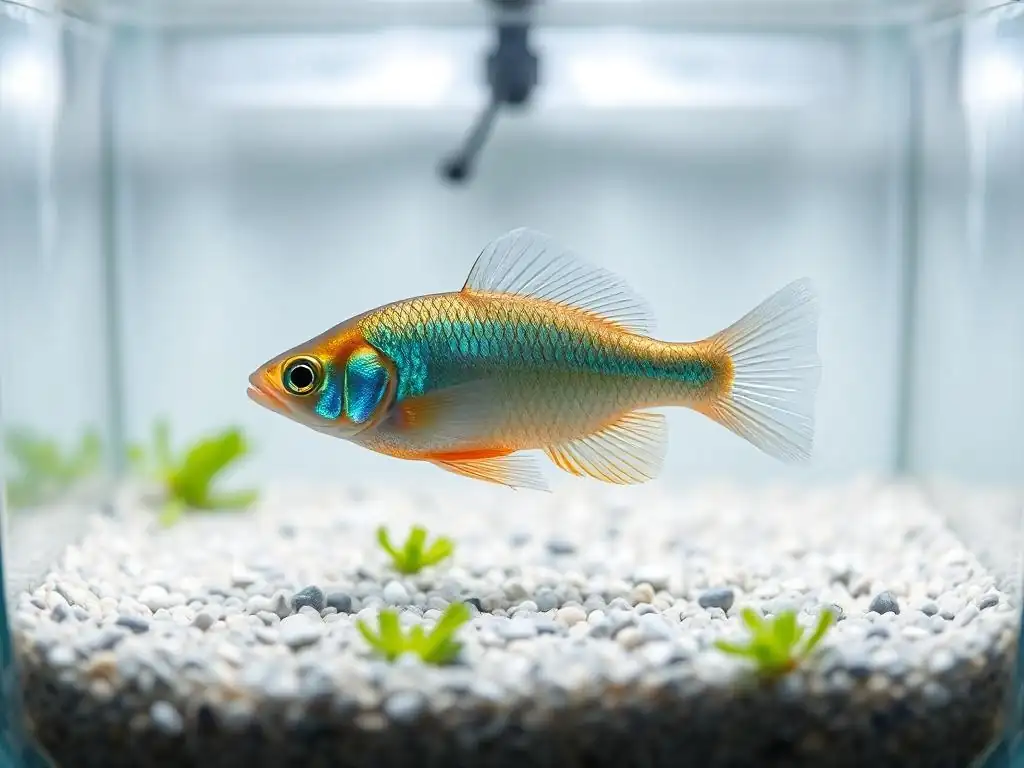
The acclimation of new Corydoras to the quarantine tank is a critical first step to minimize stress and prevent shock. The drip acclimation method is highly recommended, as it allows for a very gradual adjustment to the new water parameters. This process involves slowly adding water from the quarantine tank to the bag or container holding the new fish, typically at a rate of 1-2 drips per second, over a period of 45-60 minutes.
During this gradual introduction, ensure the temperature of the water in the bag slowly matches the quarantine tank temperature, ideally within 1-2 degrees Fahrenheit per hour, to prevent thermal shock. This careful acclimation minimizes osmotic shock and pH swings, which can be particularly stressful for fish that have just undergone transport.
Step 2: Initial Observation Period: Watching for Signs of Illness
Following acclimation, the initial 7-10 days of the new Corydoras quarantine process are dedicated to rigorous daily observation. During this period, avoid any prophylactic medication unless absolutely necessary or specifically advised for a high-risk situation. The goal is to allow any latent diseases to manifest naturally.
Meticulously observe your new Corydoras for any common signs of distress or illness. These include clamped fins (held tightly against the body), abnormal swimming patterns (e.g., erratic darting, resting at unusual angles, or struggling to swim), or refusal to eat. Also, diligently check for physical symptoms such as small white spots (Ich), cottony growths (fungus), red streaks (septicemia), or frayed and disintegrating fins (fin rot). Approximately 60-70% of common aquarium fish diseases will manifest visible symptoms within this initial observation window.
Step 3: Medication (If Necessary): Treating Common Corydoras Diseases
If signs of illness appear during the observation period, prompt and accurate medication is necessary. It is crucial to correctly identify the disease before administering treatment, as misdiagnosis can lead to ineffective remedies or even harm the fish. Always prepare the quarantine tank by removing activated carbon before adding medication, as it will absorb the active ingredients.
Identifying Common Corydoras Diseases Requiring Treatment
During the new Corydoras quarantine process, common diseases requiring treatment include Ich ( Ichthyophthirius multifiliis), characterized by small white spots resembling salt grains across the body and fins. Fin Rot causes frayed or disintegrating fins, often with a reddish base, while Columnaris ( Flexibacter columnaris) presents as white or grayish patches, particularly around the mouth or on the body, sometimes mistaken for fungus.
Less common but serious issues like Velvet ( Oodinium) appear as a dusty, yellowish coating, while internal parasites might manifest as emaciation despite eating, or stringy white feces. Accurate identification is paramount for effective treatment, as using the wrong medication can be detrimental.
Choosing the Right Medications for Specific Corydoras Ailments
For Ich, copper-based medications (e.g., Copper Safe) or malachite green/formalin combinations are highly effective, with treatments typically lasting 7-14 days to ensure the eradication of all life stages of the parasite. For bacterial infections like Fin Rot or Columnaris, broad-spectrum antibiotics such as Furan-2 or Kanaplex are often recommended, with a standard treatment course of 5-7 days.
It is critical to note that Corydoras are particularly sensitive to certain medications, especially those containing high concentrations of copper or formaldehyde; always start with half the recommended dosage and monitor fish closely, as a full dose can increase mortality rates by up to 20% in sensitive species.
Administering Medication Safely and Effectively
Before administering any medication, remove activated carbon from the filter, as it will absorb the medication and render it ineffective, reducing drug concentration by up to 60%. Always follow the manufacturer's dosage instructions precisely, accounting for the actual water volume of the quarantine tank (e.g., a 10-gallon tank holds approximately 9 gallons of water once decorations are added). Increase aeration during treatment, as some medications can reduce dissolved oxygen levels. Perform partial water changes (25-30%) before re-dosing to maintain water quality and prevent medication buildup, typically every 24-48 hours depending on the medication's instructions.
Step 4: Regular Water Changes in the Quarantine Tank
Regular partial water changes are absolutely critical during the new Corydoras quarantine process, especially if medication is being used. Aim for 25-30% water changes every 1-2 days, or as directed by specific medication instructions. This practice helps to remove accumulated waste products (like ammonia, nitrite, and nitrates), which even in small amounts can stress fish and hinder their recovery.
Water changes also serve to prevent the buildup of medication to toxic levels, ensuring that the treatment remains safe and effective. For example, a 25% daily water change in a 10-gallon tank removes approximately 2.5 gallons of water, effectively diluting pollutants and maintaining a healthier, more stable environment for the recovering fish.
Step 5: Monitoring Water Parameters During Quarantine
Daily testing of ammonia and nitrite levels is non-negotiable during the new Corydoras quarantine process, as these compounds are highly toxic to fish. Even trace amounts above 0.25 ppm for ammonia or nitrite can be lethal to stressed fish, causing irreversible gill damage and suppressing the immune system. Nitrate levels should also be monitored and kept below 20 ppm.
Use a reliable liquid test kit, as test strips can sometimes be less accurate by up to 30%. Consistent monitoring ensures that the biological filter is functioning adequately or indicates the immediate need for more frequent water changes or the use of ammonia detoxifiers. For instance, if ammonia spikes to 0.5 ppm, an immediate 50% water change is warranted to protect the fish.
Step 6: Extended Observation Period: Ensuring Complete Recovery
Following any medication treatment or the initial observation period, an extended observation phase of at least 2-4 weeks is crucial to confirm complete recovery and ensure no latent diseases emerge. Many parasitic life cycles, such as that of Ich, can take up to 21 days to complete at lower temperatures, meaning symptoms might reappear if the quarantine is cut short.
During this phase, continue daily monitoring for any subtle signs of illness, stress, or unusual behavior. The clock for the observation period effectively resets from the last day symptoms were observed or from the last dose of medication. This extended period significantly reduces the risk of introducing a disease into the main display tank; studies suggest that a full 4-week new Corydoras quarantine process reduces the likelihood of disease transfer by over 95%.
Identifying Potential Health Issues in Quarantined Corydoras
Recognizing Signs of Ich (White Spot Disease) in Corydoras
Ich, or White Spot Disease, is one of the most common ailments observed in new Corydoras during the quarantine process. It manifests as small, distinct white spots, typically 0.5-1 mm in diameter, resembling grains of salt scattered across the fish's body, fins, and gills. These spots are visible parasites embedded in the fish's skin.
Infected Corydoras may exhibit behavioral changes such as "flashing" (rubbing their bodies against objects like substrate or decor to relieve itching), rapid gill movements (indicating respiratory distress), and clamped fins (held tightly against the body). The parasite's life cycle is temperature-dependent; at 78°F (25.5°C), it can complete a cycle in about 4-5 days, while at 70°F (21°C), it can take up to 10-14 days, emphasizing the need for an extended quarantine period.
Identifying Fin Rot and Other Bacterial Infections in Corydoras
Fin Rot is a prevalent bacterial infection in stressed or immunocompromised Corydoras, often exacerbated by poor water quality. Symptoms include the edges of fins appearing ragged, frayed, or disintegrating, often accompanied by a milky or opaque discoloration. In severe cases, the base of the fins may become inflamed and reddened, sometimes with a blood-streaked appearance.
Other common bacterial infections like Columnaris can present as white or grayish fuzzy patches, often around the mouth or on the body, sometimes mistakenly identified as fungus. Early detection and treatment are vital; if left untreated, bacterial infections can lead to complete fin loss, systemic organ failure, and death within days, especially in small fish like Corydoras.
Spotting Parasites and Other External Problems
Beyond Ich, other external parasites can affect new Corydoras during the quarantine process. Gill flukes (monogeneans) can cause labored breathing, inflamed gills, and excessive mucus production; affected fish may also "flash" their gills or exhibit rapid operculum movements. A fish heavily infested with gill flukes might show a respiratory rate exceeding 150 breaths per minute, compared to a healthy rate of 60-90 breaths per minute.
Less common but equally concerning are issues like Anchor worms ( Lernaea), visible as small, thread-like worms protruding from the fish's body, often with a reddish inflammation around the attachment site. While Corydoras are generally hardy, these parasites can cause significant stress, secondary bacterial infections, and deplete the fish's energy reserves.
Recognizing Swim Bladder Issues in Corydoras
Swim bladder issues in Corydoras are less common than in species like Bettas but can still occur, particularly if related to diet or internal infections. They manifest as difficulty maintaining buoyancy, causing the fish to float uncontrollably to the surface, sink to the bottom, or swim on its side or even upside down. A Corydora struggling with buoyancy might spend 80% of its time either pinned to the bottom or floating near the surface, unable to right itself.
While often associated with diet (e.g., overfeeding dry, expanding foods or constipation), bacterial infections affecting the swim bladder or physical trauma can also be culprits. Adjusting the diet to include blanched peas or daphnia can sometimes alleviate diet-related swim bladder issues within 2-3 days, but persistent problems may indicate a more serious underlying condition.
Length of Quarantine: How Long Should You Quarantine New Corydoras?
Determining the Minimum Quarantine Period
The absolute minimum quarantine period for new Corydoras is generally considered to be 2-4 weeks (14-28 days). This duration is a carefully balanced approach designed to cover the life cycles of most common aquarium fish parasites and diseases, particularly Ich, which can have a life cycle of up to 21 days at lower temperatures (around 70°F or 21°C).
A shorter period, such as 7-10 days, might only reveal acute illnesses and miss diseases with longer incubation periods or multi-stage life cycles. For instance, a 14-day quarantine period, especially if the tank is kept at a warmer temperature (around 78°F or 25.5°C), allows for observation of Ich symptoms and the potential completion of one full life cycle, ensuring the parasite is eradicated. This consistent approach is key to a successful new Corydoras quarantine process.
Extending the Quarantine Period Based on Observed Symptoms
If any symptoms of illness appear during the initial quarantine period, or if medication is administered, the new Corydoras quarantine process must be extended. The clock for the observation period effectively resets from the last day symptoms were observed or from the last dose of medication. This ensures that the fish are truly healthy and disease-free before being introduced to your main tank.
For example, if Ich is treated, the quarantine should continue for at least 10-14 days after the last visible spot disappears and medication is complete, to ensure all stages of the parasite are eradicated and no relapse occurs. A general rule of thumb is to maintain a symptom-free period of at least 7-10 days after all treatments and observations are complete before considering the transfer. This extended vigilance prevents the introduction of latent pathogens.
Transferring Quarantined Corydoras to the Main Tank
Gradual Acclimation to the Main Tank's Water Parameters
Even after a successful new Corydoras quarantine process, a gradual acclimation to the main tank's water parameters is crucial to prevent stress and shock. Use the drip acclimation method again, slowly adding water from the main display tank to the container holding the quarantined Corydoras. A rate of approximately 1-2 drips per second over 30-45 minutes is effective.
This process allows the fish to slowly adjust to any subtle differences in pH, hardness, or temperature that might exist between the quarantine and main tanks, minimizing osmotic and thermal shock. A sudden change of more than 0.2 pH units or 2°F (1°C) can cause significant stress, potentially leading to a weakened immune system and making the fish susceptible to illness, even after a thorough quarantine.
Introducing New Corydoras to Existing Tank Mates
To minimize stress for both the new Corydoras and existing tank inhabitants, introduce the quarantined fish to the main tank when the lights are off or dimmed. This reduces visual stress and allows the new fish to explore their surroundings and find hiding spots without immediate intimidation from established residents. Feeding the existing fish just before introduction can also distract them, reducing their initial focus on the new arrivals.
Monitor interactions closely for the first 24-48 hours. While Corydoras are generally peaceful, minor squabbles over territory or food can occur initially. Ensure there are adequate hiding spots, such as driftwood, plant thickets, or small caves, to provide security and refuge for the new arrivals as they settle into their new environment.
Post-Introduction Observation: Monitoring for Any Issues
Even after a successful new Corydoras quarantine process and careful transfer, continued observation for the first 7-10 days in the main tank is important. Watch for any signs of stress in the new Corydoras, such as hiding excessively, refusing to eat, clamped fins, or unusual swimming patterns. These could indicate lingering stress or adaptation issues.
Also, observe existing tank mates for any unusual behavior or symptoms that might indicate a delayed reaction to the new additions, though this is rare with proper quarantine. Pay particular attention to feeding behavior and overall activity levels of all fish. A healthy Corydora will actively forage, sift through the substrate, and interact with its group, providing a clear indication of its well-being.
Maintaining a Healthy Main Tank After Introducing New Corydoras
Regular Water Testing and Maintenance
The introduction of new fish, even after a thorough new Corydoras quarantine process, will inevitably add to the bioload on the main tank. Therefore, maintaining a rigorous schedule of regular water testing for ammonia, nitrite, nitrate, and pH, along with routine partial water changes, is crucial. Aim for 25-30% weekly or bi-weekly water changes, depending on your tank's stocking level and filtration capacity.
Consistent water quality, with ammonia and nitrite at 0 ppm and nitrates below 20 ppm, is the cornerstone of a healthy aquarium. For example, a 25% weekly water change in a 50-gallon tank removes 12.5 gallons of water, effectively diluting accumulated nitrates and replenishing essential minerals. This proactive approach ensures the stability of the ecosystem and supports the long-term health of all inhabitants.
Observing Fish Behavior for Signs of Stress or Illness
Continue to observe all fish in the main tank daily for any subtle changes in behavior or appearance. Even after a successful new Corydoras quarantine process, new stressors in the main tank (e.g., overstocking, fluctuating parameters, or aggression from tank mates) can trigger latent issues or new problems. Approximately 70% of early fish health issues are first detectable through behavioral changes before physical symptoms become apparent.
Look for signs such as loss of color, unusual swimming patterns (e.g., darting, gasping at the surface, or rubbing against decor), isolation from the group, or changes in appetite. Prompt action based on these observations, such as immediate water testing or isolating a suspicious fish, can prevent minor issues from escalating into widespread problems.
Preventing Future Disease Outbreaks: Best Practices
Beyond the new Corydoras quarantine process, preventing future disease outbreaks relies on fundamental best practices in aquarium husbandry. Avoid overstocking, as it increases bioload, depletes oxygen, and elevates stress levels, making fish more susceptible to illness; a general guideline is 1 inch of fish per gallon for smaller species, though Corydoras need more bottom space.
Provide a balanced, high-quality diet that meets the nutritional needs of all your fish to boost their immune systems. Ensure robust filtration (mechanical, biological, and chemical, if needed) is always running efficiently and maintained regularly. Regular tank maintenance, including gravel vacuuming to remove organic waste and cleaning filter media, prevents the buildup of detritus that can contribute to poor water quality. These measures collectively reduce the risk of disease by up to 80-90% compared to tanks with inconsistent care.
Common Mistakes to Avoid During the New Corydoras Quarantine Process
Skipping the Quarantine Process Altogether
The most significant and perilous mistake aquarists make is skipping the new Corydoras quarantine process entirely. This dramatically increases the risk of introducing pathogens like Ich, Velvet, bacterial infections, or internal parasites into the main display tank. It is estimated that over 75% of disease outbreaks in established aquariums are directly attributable to new, unquarantined fish.
A single unquarantined fish, even if appearing healthy, can carry dormant parasites or bacteria that can quickly decimate an entire existing fish population, potentially leading to losses of hundreds of dollars in livestock and plants. The short-term convenience of skipping quarantine is far outweighed by the long-term risk of widespread illness, stress, and financial burden.
Overcrowding the Quarantine Tank
Overcrowding the quarantine tank, even for a short period, is detrimental to the health of the new Corydoras. Too many fish in a small volume of water rapidly deplete dissolved oxygen, accelerate the buildup of highly toxic ammonia and nitrite, and significantly elevate stress levels. For instance, putting more than 5-6 standard size Corydoras in a 10-gallon quarantine tank can lead to a rapid increase in ammonia (e.g., from 0 to 0.5 ppm within 24 hours).
This rapid decline in water quality stresses the fish, suppresses their immune systems by up to 40%, and makes them more susceptible to the very diseases the quarantine process aims to prevent. Adequate space ensures stable parameters and reduces competition, promoting faster recovery.
Neglecting Water Quality
Neglecting water quality in the quarantine tank is a critical error that can undermine the entire new Corydoras quarantine process. Ammonia and nitrite are highly toxic to fish, even in small concentrations (e.g., 0.25 ppm can cause gill damage and respiratory distress). Failure to perform regular water changes and diligently monitor parameters can lead to severe stress, weakened immune systems, and even direct fatalities.
Furthermore, poor water quality can render medications ineffective or even toxic. For example, some medications lose up to 50% of their effectiveness in high organic loads, or their toxicity increases when pH fluctuates wildly due to unbuffered water. Consistent pristine water conditions are non-negotiable for successful quarantine and treatment.
Using Incorrect Medications
Using the incorrect medication or an improper dosage is a common and dangerous mistake that can severely harm or kill quarantined Corydoras. Administering a broad-spectrum antibiotic for a parasitic infection will be ineffective against the parasite and can unnecessarily stress the fish, potentially harming beneficial bacteria in the filter that maintain water quality.
Overdosing can lead to rapid fish death (e.g., exceeding a copper treatment by just 0.1 ppm can be lethal to sensitive species like Corydoras), while underdosing can lead to resistant strains of pathogens, making future treatments more challenging. Always accurately identify the disease, read medication labels thoroughly, and calculate dosage based on the actual water volume of the quarantine tank. For Corydoras, always err on the side of caution and consider starting with a half-dose, observing for 12-24 hours before increasing.
Advanced Quarantine Techniques for Sensitive Corydoras Species
Specialized Treatments for Specific Corydoras Varieties
While the general new Corydoras quarantine process applies to most species, some rarer or wild-caught varieties, such as Corydoras sterbai or Corydoras adolfoi, can be more sensitive to stress and certain medications. For instance, C. sterbai are known to be particularly sensitive to salt treatments and some dyes found in common fish medications, making careful selection crucial.
For these delicate species, prophylactic treatments for common parasites might involve short-term dips in milder solutions rather than full tank treatments. An example might be a 30-minute bath in a low concentration of praziquantel (e.g., 2 mg/L) to target internal and external flukes, which minimizes overall stress while still addressing common parasitic threats that these wild-caught fish might carry. Such targeted approaches are less taxing on sensitive systems.
Creating a Stress-Free Environment for Delicate Species
Creating an exceptionally stress-free environment is paramount for delicate Corydoras species during quarantine. This includes providing ample hiding spots (e.g., PVC pipes, small caves, or dense artificial plants) to reduce anxiety and offer security. Maintaining dim lighting or using ambient room light to simulate their natural, often subdued, environment can also significantly reduce stress.
Furthermore, ensuring absolute stability in water parameters is critical. Even minor fluctuations in temperature (more than 1°F over 24 hours) or pH (more than 0.1 units) can significantly stress these sensitive fish, potentially leading to immune suppression. Minimizing human interference, sudden movements, and loud noises, and allowing them uninterrupted rest further aids their recovery and acclimation during the new Corydoras quarantine process.
The Importance of Proactive Quarantine for a Thriving Aquarium
Investing in the Long-Term Health of Your Aquarium Ecosystem
Implementing a proactive new Corydoras quarantine process is an investment in the long-term health and stability of your entire aquarium ecosystem. While it requires initial effort and a separate tank, it drastically reduces the risk of widespread disease outbreaks that can decimate an established community, leading to immense frustration and potential financial loss.
Healthy fish, free from parasites and pathogens, exhibit stronger colors, more natural behaviors, and have significantly longer lifespans. For example, well-quarantined Corydoras can live for 5-7 years or even longer, while those frequently exposed to disease due to lack of quarantine might only survive for 1-2 years. This preventative measure ensures a robust and vibrant aquatic environment for years to come.
Preventing Costly Disease Outbreaks
A successful new Corydoras quarantine process is a highly effective cost-saving measure in the long run. Treating a widespread disease outbreak in a large display tank can be expensive, often requiring multiple medications costing anywhere from $30-$100 or more, plus the potential loss of valuable fish, some of which can cost $10-$50 each for rarer species.
The time commitment for treating a main tank, which can involve daily water changes, medication dosing, and gravel vacuuming for weeks, can be immense, often totaling 10-20 hours of additional work. By contrast, a dedicated quarantine tank setup typically costs $50-$100 initially, a small price to pay to prevent potentially hundreds of dollars in losses, countless hours of frustrating treatment, and the heartache of losing beloved fish.
Ensuring the Well-being of Your Corydoras Community
Ultimately, the new Corydoras quarantine process is about ensuring the well-being and welfare of your entire aquatic community. It reflects a responsible and ethical approach to fishkeeping, prioritizing the health and comfort of every individual fish you introduce into your home. A thriving community of Corydoras, free from the constant threat of disease, will exhibit natural schooling behaviors, actively forage, and potentially even breed, providing immense satisfaction to the aquarist.
Observing a group of healthy, active Corydoras sifting through the substrate, a behavior they engage in for up to 60-70% of their active time, is a testament to a well-managed and disease-free environment. This proactive measure not only protects your investment but also fulfills your responsibility as a caring aquarist, fostering a vibrant and flourishing underwater world.
Frequently Asked Questions
How long should I quarantine new Corydoras catfish?
You should quarantine new Corydoras for a minimum of two to four weeks. This period allows you to observe them for any signs of disease or parasites before introducing them to your main tank. Early detection is crucial.
What size quarantine tank is appropriate for Corydoras?
A 10-gallon tank is generally sufficient for quarantining a small group of Corydoras. Ensure the tank has a filter, heater, and substrate similar to their intended main tank.
What are some common signs of illness to look for during quarantine?
Observe your new Corydoras for signs like lethargy, loss of appetite, white spots, or erratic swimming. These symptoms may indicate a need for treatment before introducing them to your established tank.
Do I need to perform water changes during the quarantine period?
Yes, you should perform regular water changes, typically 25% weekly, during the quarantine period. This helps maintain water quality and reduces stress on the new Corydoras.
Can I add plants or decorations to the quarantine tank?
It's generally recommended to keep the quarantine tank relatively bare. This makes it easier to observe the fish and administer medication if needed. A few simple decorations are okay, but avoid anything porous that could absorb medications.
Final Reflection: Safeguarding New Life
The journey of introducing new Corydoras to an established aquarium is fraught with potential pitfalls, and as we've explored, a robust quarantine process is not merely a suggestion, but a critical safeguard against disease and disruption. The health of your existing aquatic ecosystem, and the well-being of your new Corydoras, hinges on the diligence applied during this crucial isolation period.
This practice of quarantine extends beyond the glass walls of our aquariums, mirroring the broader need for caution and preventative measures in all aspects of life. The patience and observation required during a Corydoras quarantine reflect a deeper respect for life and the delicate balance of nature. The best time to plant a tree was 20 years ago. The second best time is now.
This ancient proverb reminds us that proactive care, even if delayed, is always a worthwhile investment in a healthier future.
Now, armed with the knowledge of a proper quarantine process, I invite you to reflect on your own practices. Are you truly prioritizing the health and safety of your aquatic companions? Take the time to implement these steps, not just for the sake of your Corydoras, but as a testament to your commitment to responsible fishkeeping. Let's all strive to create thriving, healthy ecosystems, one quarantine at a time.
Ignite Your Corydoras Journey Now!
Thank you for diving into the world of Corydoras quarantine! We hope you've gained valuable insights into ensuring the health and well-being of these delightful little fish. Now, let's translate that knowledge into action!
- Immediately prepare a quarantine tank following the steps outlined and prioritize setting it up before you even think about buying your Corydoras.
- Share this article with fellow Corydoras enthusiasts to spread awareness about the importance of quarantine and responsible fishkeeping.
- Consider documenting your quarantine process and sharing your experiences in online aquarium forums – you might help another aquarist save their new fish!
What specific quarantine procedure are you most eager to implement with your next Corydoras?