
Preventing Fungus on Corydoras Eggs: Tried and Tested Methods

Welcome to Aquarium Mastery!
Ever wondered how to ensure your Corydoras eggs hatch into healthy, thriving fry? It's a delicate dance, and preventing fungus is key. Dive into our expert guide to learn tried and tested methods for Corydoras egg fungus treatment and unlock the secrets to successful breeding. Ready to protect your future generation of adorable Corydoras? Let's get started!
- Understanding Corydoras Egg Fungus: A Threat to Breeding
-
Frequently Asked Questions
- How do I identify fungus on my Corydoras eggs?
- What are the primary causes of fungus growth on Corydoras eggs?
- Can I treat Corydoras eggs in situ (in the main tank) for fungus?
- What are some effective treatments for Corydoras egg fungus?
- How can I prevent fungus from growing on Corydoras eggs in the future?
- Final Reflection: Nurturing New Life
- Hatch Your Dreams: Nurture Healthy Corydoras Fry!
Understanding Corydoras Egg Fungus: A Threat to Breeding
Identifying Fungus on Corydoras Eggs: Signs and Symptoms
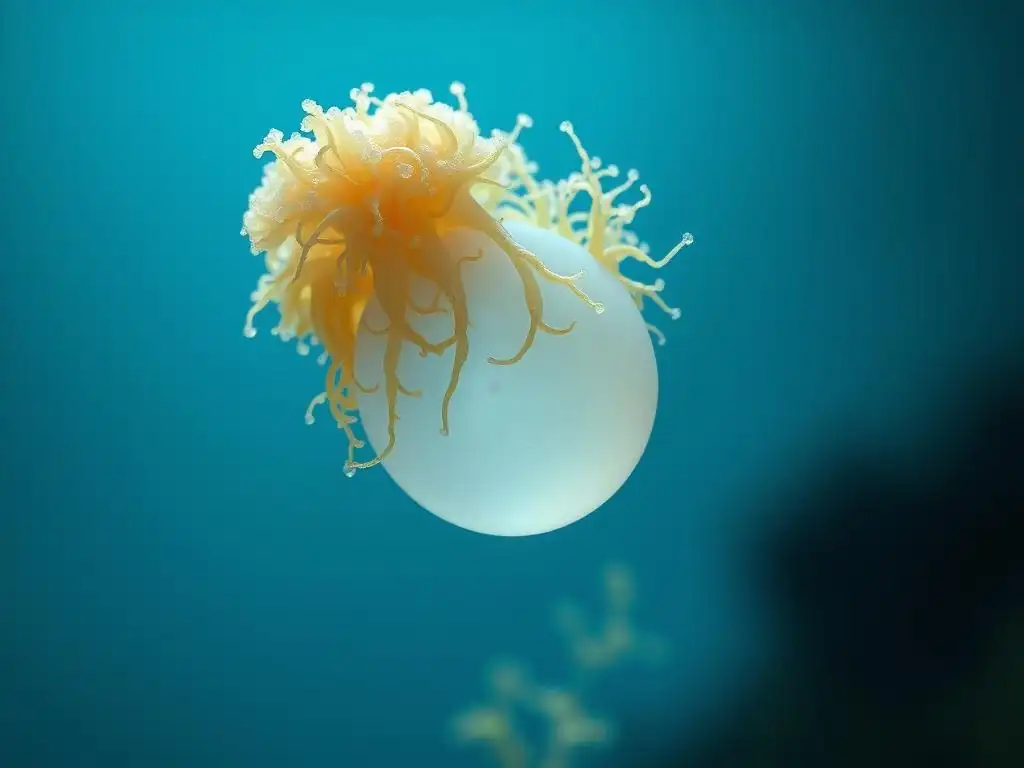
Identifying fungal growth on Corydoras eggs early is paramount for successful breeding outcomes and the application of effective Corydoras egg fungus treatment. Healthy Corydoras eggs typically appear translucent, slightly amber, and possess a firm, almost jelly-like consistency when freshly laid. They often have a subtle sheen, indicating their vitality. In contrast, the first sign of fungal infection is usually the appearance of small, white, cottony patches on the surface of the eggs. These patches might initially be subtle, resembling a faint fuzz, but they rapidly proliferate if left unchecked.
As the fungal infection progresses, the white, fuzzy growth will become denser and more extensive, eventually enveloping the entire egg. Infected eggs will lose their translucent quality, becoming opaque and dull, often turning a milky white or grayish color. This change in appearance signifies that the embryo inside has likely perished and the egg is decomposing, providing a fertile substrate for the fungus to thrive. Visual inspection, often aided by a flashlight or magnifying glass, is the primary method for detecting these symptoms, allowing aquarists to initiate Corydoras egg fungus treatment promptly before the infection spreads to viable eggs.
Causes of Fungal Growth on Corydoras Eggs
Fungal growth on Corydoras eggs is a common challenge for breeders, stemming from several interconnected factors. The primary catalyst is often the presence of unfertilized eggs within a clutch. These infertile eggs do not develop and quickly begin to decompose, releasing organic matter that serves as a nutrient source for ubiquitous fungal spores present in the aquarium water. Once these spores colonize an unfertilized egg, the fungal mycelium can rapidly spread to adjacent healthy, viable eggs, creating a devastating chain reaction.
Poor water quality is another significant contributor to fungal outbreaks. Elevated levels of nitrates, ammonia, or nitrites, even slightly above optimal, can stress developing embryos, making them more susceptible to fungal colonization. For instance, ammonia levels above 0 ppm or nitrite levels above 0 ppm can significantly weaken egg defenses.
Furthermore, inadequate water flow or aeration around the egg clutch creates stagnant pockets where fungal spores can settle and multiply without disruption. Overcrowding in the breeding tank increases the bioload, leading to rapid water quality degradation, while sudden temperature fluctuations can also weaken the eggs' natural resistance, paving the way for fungal proliferation and necessitating prompt Corydoras egg fungus treatment.
Impact of Fungus on Corydoras Egg Hatch Rate and Fry Survival
The impact of fungal infections on Corydoras egg hatch rates and subsequent fry survival can be devastating if not addressed with timely Corydoras egg fungus treatment. Fungus directly suffocates the developing embryo by forming a dense, impenetrable layer over the egg's surface, preventing essential oxygen exchange and nutrient absorption. This leads to the death of the embryo even if it was initially viable. Beyond the immediate destruction of infected eggs, the most significant threat is the rapid spread of the fungus from dead or unfertilized eggs to healthy, viable ones.
In a typical Corydoras breeding scenario, a healthy clutch of eggs might yield a hatch rate of 80% to 95% under optimal conditions. However, in the presence of a severe fungal outbreak, this hatch rate can plummet dramatically, often falling to below 30%, and in some cases, resulting in a complete loss of the entire clutch.
For example, a breeder might observe a reduction from 100 viable eggs yielding 90 fry to only 20-30 fry due to widespread fungal infection. Even if some eggs manage to hatch amidst the fungal presence, the suboptimal water conditions that foster fungal growth can also weaken newly hatched fry, making them more vulnerable to secondary bacterial infections, stress, and ultimately, higher mortality rates in their critical first few days of life.
Frequently Asked Questions
How do I identify fungus on my Corydoras eggs?
Fungus on Corydoras eggs typically appears as a fuzzy, white or grayish coating on the surface. It will often spread rapidly, eventually covering the entire egg and preventing it from hatching. Visually inspect your eggs regularly.
What are the primary causes of fungus growth on Corydoras eggs?
Poor water quality is a major contributor. Other factors include unfertilized eggs which are more susceptible, and the presence of other decaying organic matter in the tank. Maintain pristine water conditions to minimize the risk.
Can I treat Corydoras eggs in situ (in the main tank) for fungus?
Treating in the main tank is risky. Many medications can harm other inhabitants, including the parent Corydoras. It's generally recommended to remove the eggs to a separate container for treatment, if possible.
What are some effective treatments for Corydoras egg fungus?
Methylene blue is a common and effective treatment. Alternatively, some aquarists use almond leaves or alder cones, which release tannins that have antifungal properties. Always follow dosage instructions carefully.
How can I prevent fungus from growing on Corydoras eggs in the future?
Maintaining excellent water quality through regular water changes and efficient filtration is crucial. Also, ensuring good oxygenation and removing any dead eggs promptly will help prevent fungal outbreaks. Prompt removal of unfertilized eggs is key.
Final Reflection: Nurturing New Life
The journey from fragile egg to thriving Corydoras fry is fraught with challenges, and as we've explored, preventing fungal growth is paramount to success. The methods discussed, from meticulous water quality management to the strategic use of antifungal agents, are not merely techniques; they are acts of dedication to preserving the delicate potential within each tiny sphere.
This pursuit of healthy Corydoras fry extends beyond the confines of our aquariums. It reflects a broader appreciation for the interconnectedness of life and the responsibility we bear as custodians of these miniature ecosystems. My own experiences with breeding Corydoras have instilled in me a profound respect for the resilience of nature and the importance of informed intervention. The best way to predict the future is to create it.
- Peter Drucker. This quote resonates deeply, reminding us that proactive measures, like those detailed in this article, are essential in shaping a positive outcome for these vulnerable creatures.
Now, armed with this knowledge, I invite you to reflect on your own role in the aquatic world. Whether you are a seasoned breeder or a curious newcomer, consider how you can apply these principles to foster a thriving environment for your Corydoras. Embrace the challenge, celebrate the successes, and remember that every healthy fry is a testament to your commitment and care. Let's continue to learn, adapt, and share our knowledge, ensuring a future where the beauty and vitality of Corydoras grace our aquariums for generations to come.
Hatch Your Dreams: Nurture Healthy Corydoras Fry!
Thanks for diving into the world of Corydoras breeding! We hope this article armed you with the knowledge to protect those precious eggs from pesky fungus. Now, let's put that knowledge into action!
Here are a few things you can do next:
- Immediately implement one of the anti-fungal methods discussed to safeguard your current Corydoras eggs. Don't wait!
- Explore our other breeding guides for different fish species and become a true aquarium breeding expert!
- Share your experiences and photos of your Corydoras eggs and fry in the comments below, and help other hobbyists!
What unexpected method will you try first to ensure your Corydoras eggs hatch successfully?