
Specialized Diets: Catering to WoodEating Plecos (Panaque)

Welcome to Aquarium Mastery!
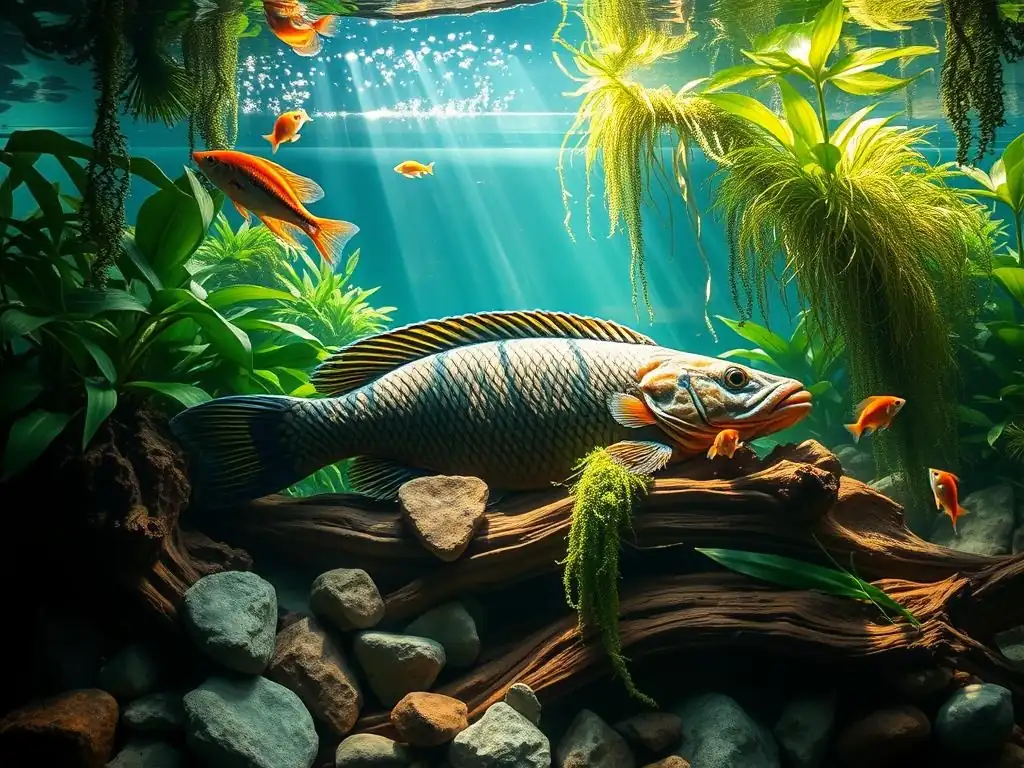
Ever wondered what really goes into keeping a Wood-Eating Pleco happy and healthy? These fascinating fish have unique dietary needs, and navigating them can be tricky. Dive into our Woodeating Pleco Diet Guide to uncover the secrets to providing the perfect nutritional balance for your Panaque and watch them thrive. Get ready to unlock the keys to a vibrant and flourishing aquarium!
- Woodeating Pleco Diet Guide: Feeding Your Panaque for Optimal Health
- Understanding the Nutritional Needs of Woodeating Plecos (Panaque)
- Creating the Ideal Woodeating Pleco Diet
- Feeding Schedule and Portion Control for Panaque Plecos
- Addressing Common Dietary Issues in Woodeating Plecos
- The Importance of Water Quality for Optimal Digestion
- Sourcing High-Quality Wood and Food for Your Panaque
- The Long-Term Health Benefits of a Proper Panaque Diet
- Advanced Woodeating Pleco Diet Considerations
-
Frequently Asked Questions
- What is a Woodeating Pleco (Panaque) and why do they need a specialized diet?
- What types of wood are safe for Woodeating Plecos in an aquarium?
- Besides wood, what else should I feed my Woodeating Pleco?
- How often should I feed my Woodeating Pleco?
- What are the signs of malnutrition in a Woodeating Pleco?
- Final Reflection: Sustaining the Panaque's Unique Ecosystem
- Unleash Your Pleco Parenting Superpowers!
Woodeating Pleco Diet Guide: Feeding Your Panaque for Optimal Health
Understanding the Nutritional Needs of Woodeating Plecos (Panaque)
The Unique Dietary Requirements of Panaque Species
Panaque species, often affectionately known as "Woodeating Plecos," possess a remarkably distinct dietary requirement that sets them apart from most other aquarium fish. Unlike common plecos that primarily graze on algae or detritus, Panaque are obligate xylivores, meaning their diet in the wild consists predominantly of wood. This specialized feeding habit is crucial for their survival and health, as their digestive systems are uniquely adapted to process cellulose.
In their natural Amazonian habitats, these fascinating fish spend a significant portion of their time rasping on submerged logs and driftwood. Scientific observations suggest that wood can constitute anywhere from 70% to over 90% of their natural diet, depending on the specific Panaque species and its environment. This high reliance on wood means that a proper woodeating pleco diet guide must prioritize constant access to suitable wood types within the aquarium.
Why Wood is Essential for Panaque Plecos: Cellulose Digestion
The essentiality of wood for Panaque extends beyond simple nutrition; it plays a vital role in their digestive physiology. While wood itself offers limited direct nutritional value in terms of readily available energy or protein, the act of rasping and ingesting wood fibers is critical for gut motility and the mechanical breakdown of food. These fibers act as a necessary roughage, aiding the passage of food through their elongated digestive tracts and preventing blockages.
Furthermore, the unique structure of the Panaque's teeth and gut is perfectly evolved for this process. Their spoon-shaped teeth are ideal for scraping wood, and their digestive system, though not fully understood, is believed to either produce specialized enzymes or, more likely, host a complex microbial community capable of breaking down the tough cellulose. Without sufficient wood, their digestive system can become sluggish, leading to health issues.
The Role of Microorganisms in Wood Digestion
The ability of Panaque to thrive on wood is largely attributed to a symbiotic relationship with a diverse array of microorganisms residing within their gut. These gut bacteria and protozoa are the primary agents responsible for breaking down complex cellulose molecules into simpler, digestible compounds that the pleco can then absorb. This process is akin to that seen in ruminant animals, highlighting the unique evolutionary adaptation of these fish.
These microbial symbionts not only facilitate the digestion of wood but also contribute significantly to the Panaque's overall nutrient absorption. They can synthesize essential vitamins and amino acids from the wood pulp, providing a crucial source of nutrition that the fish cannot obtain directly from the wood itself. Maintaining a healthy gut microbiome through consistent access to wood is therefore paramount for the long-term well-being of any Panaque species, making it a cornerstone of any effective woodeating pleco diet guide.
Creating the Ideal Woodeating Pleco Diet
Selecting the Right Types of Wood for Your Panaque
Providing the correct type of wood is the single most important aspect of a comprehensive woodeating pleco diet guide. Not all wood is created equal, and selecting the right species is crucial for your Panaque's health and the aquarium's safety. The wood should be natural, untreated, and free from any chemicals or resins that could leach into the water.
Recommended Wood Species: Driftwood, Spider Wood, Grapevine Wood
For your Panaque, several types of aquarium-safe wood are highly recommended due to their hardness, longevity, and lack of harmful substances. Excellent choices include Malaysian driftwood, Mopani wood, Manzanita, and Spider Wood (also known as Redmoor wood). Cholla wood, being softer, can also be a good supplementary option, especially for juvenile Panaque or those that prefer a slightly less dense material. These woods provide the necessary cellulose fibers and a stable surface for rasping, contributing significantly to their woodeating pleco diet guide. Ensure any new wood is thoroughly soaked and leached to remove tannins before introduction to the aquarium.
Woods to Avoid: Cedar, Pressure-Treated Wood, Softwoods
Equally important is knowing which woods to strictly avoid. Cedar, pine, and other coniferous softwoods contain harmful resins and oils that can be toxic to fish and significantly alter water parameters. Pressure-treated lumber, fence posts, or any wood salvaged from construction sites are absolute no-gos, as they are impregnated with dangerous chemicals like copper chromated arsenate (CCA). Additionally, very soft woods that decompose rapidly can foul the water quickly and do not provide the durable rasping surface Panaque require. Always source wood specifically intended for aquariums to ensure the safety and effectiveness of your woodeating pleco diet guide.
Supplementing Wood with Other Food Sources
While wood forms the bedrock of a Panaque's diet, supplementation with other food sources is vital to ensure they receive a complete spectrum of nutrients, vitamins, and minerals that wood alone cannot provide in sufficient quantities. This balanced approach is key to a robust woodeating pleco diet guide.
Vegetable Matter: A Crucial Dietary Component
Vegetable matter is an indispensable addition to the Panaque's diet. It supplies essential vitamins, minerals, and softer fiber that complement the roughage from wood. Excellent options include blanched slices of zucchini, cucumber, or sweet potato, which can be offered a few times per week. Other suitable vegetables include green beans, peas (shelled), kale, and spinach. These should be weighed down to sink to the bottom of the tank, allowing the nocturnal Panaque to graze on them during the night. For instance, a 6-inch Panaque might consume a 2-inch blanched zucchini slice over a period of 6-8 hours.
Protein Sources: Balancing the Diet
Panaque are primarily herbivorous, but a very small amount of high-quality protein can be beneficial, particularly for growth in juveniles or conditioning for breeding adults. Excessive protein, however, can lead to digestive issues. Suitable protein sources include high-quality spirulina wafers or algae wafers that have a low protein content (e.g., 5-10% maximum). Occasionally, a small portion of bloodworms or brine shrimp can be offered, perhaps once every week or two, but this should be minimal and only as a rare treat. A balanced woodeating pleco diet guide emphasizes plant-based nutrition.
Commercial Pleco Foods: Choosing the Right Options
When selecting commercial foods for your Panaque, it's crucial to choose products specifically formulated for wood-eating or predominantly herbivorous plecos. Many standard pleco wafers are too high in animal protein and lack the necessary fiber or wood content. Look for commercial sinking pellets or wafers that list wood pulp, spirulina, or other plant-based ingredients as their primary components.
Brands that focus on natural, plant-heavy formulas are generally best. For example, some specialized pleco wafers contain significant percentages of wood fiber, sometimes up to 20-30%, explicitly catering to the needs of xylivores. Avoid general bottom-feeder pellets that list fish meal, krill, or other animal proteins as the first few ingredients. A careful review of the ingredient list is essential to ensure the commercial food aligns with a proper woodeating pleco diet guide.
Feeding Schedule and Portion Control for Panaque Plecos
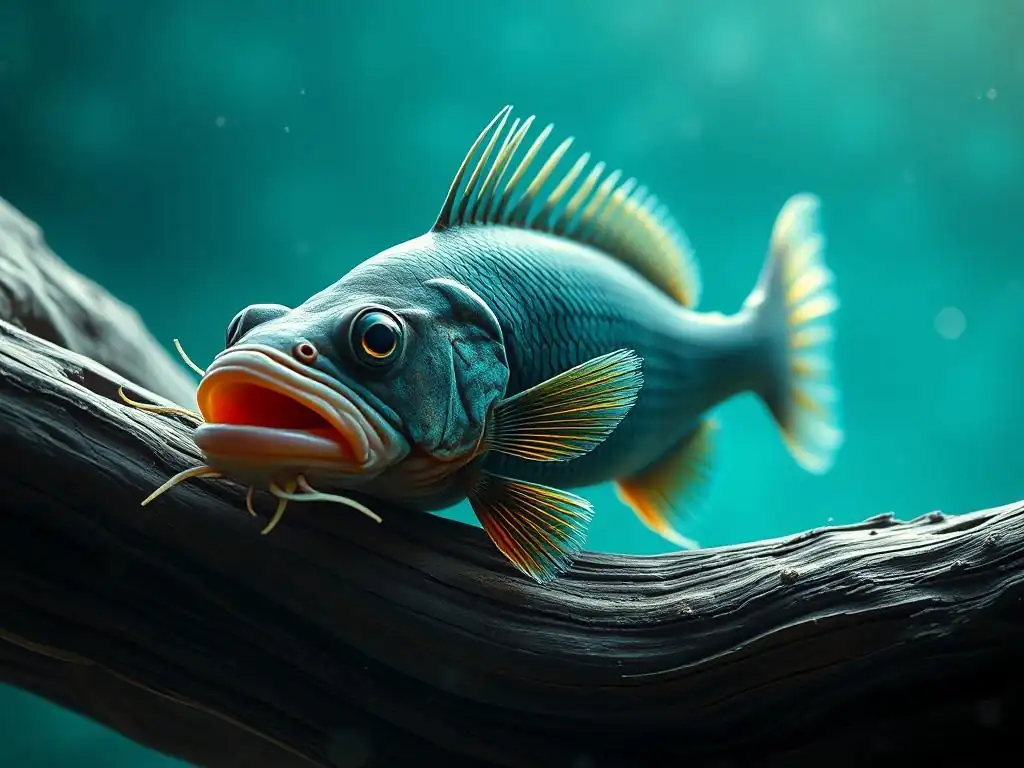
Establishing a consistent and appropriate feeding regimen is vital for the health of your Woodeating Pleco. Overfeeding can quickly lead to poor water quality, while underfeeding can result in malnutrition.
Establishing a Consistent Feeding Routine
Panaque are primarily nocturnal, meaning they are most active and feed during the night. Therefore, it is best to offer supplementary foods after the main tank lights have been off for an hour or two, allowing them to graze undisturbed. A consistent feeding routine, such as offering blanched vegetables every other night or 3-4 times a week, alongside constant access to wood, works well for most adult Panaque. Juveniles may benefit from slightly more frequent offerings to support their rapid growth. This regularity is a key component of a successful woodeating pleco diet guide.
Determining the Appropriate Amount of Food
The amount of supplementary food to offer depends on the size of your Panaque, its activity level, and the presence of other tank mates. As a general guideline, offer only what your pleco can consume within a few hours. For a mature Panaque (e.g., 8-10 inches), a single 2-3 inch blanched zucchini slice or a couple of specialized pleco wafers might be sufficient for one feeding session.
If you consistently find uneaten food items the next morning, reduce the portion size. It's always better to slightly underfeed than to overfeed, especially since their primary diet source (wood) is always available.
Monitoring Your Pleco's Health and Adjusting the Diet
Regularly observe your Panaque's body condition, activity levels, and the amount of wood rasping it performs. A healthy Panaque should have a rounded, full belly, not a sunken or pinched appearance behind the pectoral fins. Their colors should be vibrant, and they should be active, particularly at night. If you notice a sunken belly, lethargy, or a decrease in wood consumption, it might indicate insufficient food, an improper woodeating pleco diet guide, or an underlying health issue. Adjust the quantity and variety of supplementary foods based on these observations, ensuring they always have ample access to appropriate wood.
Addressing Common Dietary Issues in Woodeating Plecos
Even with a well-intentioned woodeating pleco diet guide, certain dietary issues can arise. Recognizing and addressing these problems promptly is crucial for your Panaque's well-being.
Identifying Signs of Malnutrition
Malnutrition in Panaque can manifest in several ways. The most common sign is a visibly sunken or pinched belly, indicating insufficient food intake or an inability to properly digest food. Other symptoms include faded coloration, lethargy, reduced activity, stunted growth in juveniles, and a lack of interest in rasping on wood. In advanced cases, fin erosion or a weakened immune system leading to secondary infections can occur. If these signs are observed, re-evaluate your woodeating pleco diet guide, ensuring constant access to suitable wood and appropriate vegetable supplementation.
Preventing Bloat and Digestive Problems
Bloat and other digestive issues are often linked to an improper diet in Panaque. These problems typically arise from a lack of sufficient wood fiber or an excessive intake of high-protein foods. When Panaque consume too much protein or too little wood, their specialized digestive system struggles to process the food, leading to gas buildup, internal blockages, and bloat.
To prevent this, ensure constant access to plenty of appropriate driftwood and limit protein supplements to very small amounts. A proper woodeating pleco diet guide emphasizes wood as the primary component, which helps maintain healthy gut motility and prevents such issues.
Managing Algae Growth in the Aquarium
It's a common misconception that Woodeating Plecos are effective algae eaters. While some Panaque may occasionally graze on soft algae or biofilm, their specialized digestive system is primarily designed for wood consumption, not for processing large amounts of algae. Relying on a Panaque to control significant algae growth in your aquarium will inevitably lead to its malnutrition. Therefore, do not expect your Panaque to be an "algae cleaner." Instead, manage algae through proper lighting, nutrient control, and other algae-eating species if necessary. A true woodeating pleco diet guide focuses on their unique needs, not on tank maintenance roles.
The Importance of Water Quality for Optimal Digestion
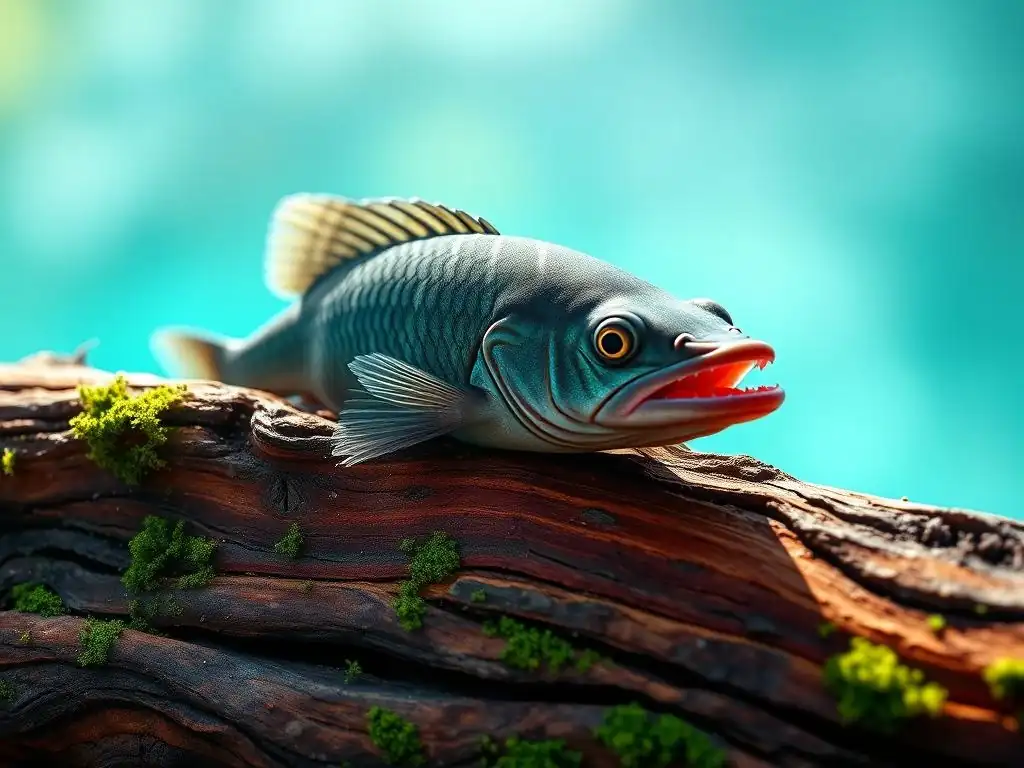
Beyond the diet itself, the quality of the aquarium water plays a critical role in your Panaque's overall health and, specifically, its digestive efficiency. Poor water conditions can stress fish, weaken their immune system, and impair their ability to properly digest food.
Maintaining Proper Water Parameters
Stable and appropriate water parameters are fundamental for the optimal digestion and health of Panaque. These fish generally thrive in slightly acidic to neutral water with a pH range of 6.5 to 7.5. Temperatures should be kept consistently warm, typically between 76-84°F (24-29°C), mimicking their natural tropical habitats. While they are relatively adaptable, sudden fluctuations in pH or temperature can cause stress, which directly impacts their digestive system and nutrient absorption. Regular testing of water parameters is a crucial part of maintaining an environment suitable for a healthy woodeating pleco diet guide.
Regular Water Changes and Filtration
Consistent water changes and robust filtration are paramount for maintaining pristine water quality in a Panaque aquarium. As Panaque consume and process wood, they produce a significant amount of waste, including fine wood particles and fish waste. High levels of nitrates and other pollutants can accumulate quickly if water changes are neglected.
Performing weekly water changes of 20-30% helps remove these toxins and replenish essential minerals. Strong mechanical and biological filtration (e.g., canister filters or large hang-on-back filters) are also essential to handle the bioload and keep the water clear, thus supporting healthy digestion and overall well-being for your Panaque.
Sourcing High-Quality Wood and Food for Your Panaque
The success of your woodeating pleco diet guide hinges on the quality and safety of the food and wood you provide. Sourcing from reliable channels is non-negotiable.
Reputable Aquarium Supply Stores
When acquiring wood for your Panaque, always purchase it from reputable aquarium supply stores or specialized online retailers. These sources typically offer pre-leached and aquarium-safe driftwood that has been properly prepared to remove harmful resins and tannins. Inquire about the wood's origin and preparation process to ensure it is untreated and free of pesticides or chemicals. Avoid collecting wood from natural environments unless you are absolutely certain of its safety and are prepared to undertake extensive cleaning and sterilization processes yourself, which can take weeks or months.
Sustainable Wood Harvesting Practices
As responsible aquarists, considering the environmental impact of our hobby is increasingly important. When sourcing wood for your Panaque, inquire if your supplier adheres to sustainable harvesting practices. Some companies are committed to providing ethically sourced driftwood, such as those that collect from renewable sources or deadfall, minimizing damage to natural ecosystems. Supporting suppliers who prioritize sustainability contributes to the long-term health of both your aquarium and the environment, aligning with a holistic woodeating pleco diet guide that extends beyond just the fish's immediate needs.
The Long-Term Health Benefits of a Proper Panaque Diet
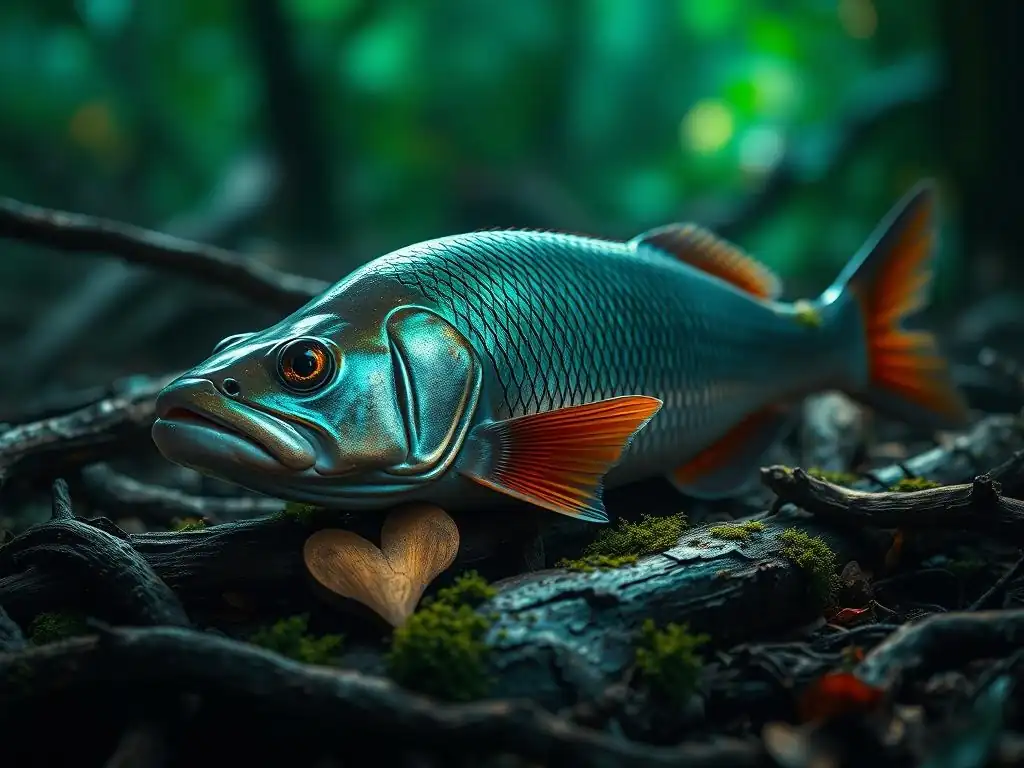
Adhering to a meticulously planned woodeating pleco diet guide offers numerous long-term health benefits for your Panaque, ensuring they not only survive but truly thrive in your aquarium.
Promoting Growth and Vibrant Colors
A consistent and appropriate diet, rich in wood and balanced with essential vegetable supplementation, directly translates to robust growth and vibrant coloration in Panaque species. Well-fed juveniles will develop at a healthy rate, potentially reaching their impressive adult sizes, such as Panaque nigrolineatus growing up to 18 inches. Proper nutrition also enhances their natural pigments, allowing their distinctive patterns and deep hues to truly shine, making them a captivating centerpiece in any freshwater aquarium.
Strengthening the Immune System
A balanced woodeating pleco diet guide plays a critical role in bolstering your fish's immune system. Constant access to wood ensures a healthy, functioning digestive tract and a robust gut microbiome, which is directly linked to overall immune strength. When a Panaque receives all the necessary nutrients and its digestive system operates efficiently, it is better equipped to resist common fish diseases, cope with environmental stressors, and recover more quickly from any minor ailments.
Extending Lifespan
Ultimately, a proper Panaque diet, combined with excellent water quality, contributes significantly to extending their lifespan in captivity. Many Panaque species, when provided with optimal care and a dedicated woodeating pleco diet guide, can live for 10 to 15 years or even longer. This longevity is a testament to the effectiveness of a diet that respects their unique biological needs, allowing these magnificent wood-eating catfish to be cherished members of your aquatic community for many years.
Advanced Woodeating Pleco Diet Considerations
For dedicated aquarists looking to provide the utmost care for their Panaque, certain advanced dietary considerations can further optimize their health and well-being.
Breeding and Nutritional Requirements
When attempting to breed Panaque, their nutritional requirements can shift slightly. During conditioning for breeding, both male and female Panaque may benefit from a slight increase in the frequency of high-quality vegetable offerings and perhaps a very modest, occasional supplement of a high-quality, low-protein sinking pellet. This additional nutritional input can help in the development of eggs and milt, ensuring the fish are in peak condition for spawning. However, the core of their woodeating pleco diet guide – constant access to wood – must remain paramount.
Dietary Needs of Juvenile Panaque
Juvenile Panaque have different metabolic rates and growth demands compared to adults. They may require more frequent access to supplementary foods to fuel their rapid development. Additionally, younger Panaque might find it easier to rasp on softer or newer pieces of driftwood, or even cholla wood, as their rasping teeth are still developing. Ensuring a variety of wood densities and consistent availability of blanched vegetables is crucial for the healthy growth and skeletal development of young Panaque.
Panaque nigrolineatus Diet: Specific Requirements
The Royal Pleco ( Panaque nigrolineatus) is one of the most iconic and popular Woodeating Plecos, serving as a prime example of an obligate xylivore. For Panaque nigrolineatus, the reliance on wood is absolute. Their woodeating pleco diet guide must strictly emphasize constant, unlimited access to various forms of hardwood, such as Mopani or Malaysian driftwood.
While they will accept blanched vegetables, these should only serve as a minor supplement, perhaps 10-20% of their total intake. Any deviation towards a high-protein diet for this species can quickly lead to severe digestive distress and health decline, underscoring the importance of their specialized wood-centric needs.
Frequently Asked Questions
What is a Woodeating Pleco (Panaque) and why do they need a specialized diet?
Woodeating Plecos, specifically those from the Panaque genus, are unique because they require wood as a significant part of their diet. They possess specialized teeth and digestive systems to process cellulose found in wood. Without wood, they can suffer malnutrition and health problems.
What types of wood are safe for Woodeating Plecos in an aquarium?
Not all wood is safe! You should use driftwood that is free of resins and tannins and has been properly prepared for aquarium use. Popular choices include Malaysian driftwood and Mopani wood. Avoid softwoods like pine and cedar.
Besides wood, what else should I feed my Woodeating Pleco?
While wood is essential, Panaque also need a balanced diet that includes vegetables and algae. Supplement their diet with algae wafers, blanched zucchini, and other leafy greens to ensure they get essential nutrients and vitamins.
How often should I feed my Woodeating Pleco?
Offer wood constantly, as it's their primary food source. Supplement with vegetables and algae wafers 2-3 times per week. Monitor your pleco's body condition and adjust feeding accordingly to prevent overfeeding or underfeeding.
What are the signs of malnutrition in a Woodeating Pleco?
Signs can include a sunken belly, lethargy, and a lack of interest in eating. They may also show increased aggression towards other tank inhabitants. If you notice these signs, immediately review their diet and water parameters.
Okay, here's a final reflection tailored for your article "Specialized Diets: Catering to WoodEating Plecos (Panaque)", aiming to rank for the keyword "Woodeating pleco diet guide," following the requested Markdown structure:
Final Reflection: Sustaining the Panaque's Unique Ecosystem
The intricacies of maintaining a thriving aquarium ecosystem are often underestimated, but as we've explored in this Woodeating Pleco Diet Guide, the specialized needs of the Panaque genus highlight the profound responsibility aquarists bear. Understanding and replicating their natural diet is not merely about keeping them alive; it's about preserving a vital link to their native environments and ensuring their long-term well-being in captivity.
The dedication to providing a suitable diet for Panaque plecos reflects a broader shift in aquarium keeping, moving beyond simple aesthetics towards a deeper appreciation for the biological complexities of aquatic life. This commitment to understanding and meeting the unique dietary requirements of these fascinating creatures underscores the growing ethical considerations within the hobby, pushing us to become more informed and responsible stewards. In the end, we will conserve only what we love; we will love only what we understand; and we will understand only what we are taught.
- Baba Dioum
As you consider the information presented in this guide, I encourage you to reflect on your own role in the aquarium hobby. Are you prepared to delve into the specific needs of your aquatic companions? Are you ready to embrace the challenge of replicating their natural environment, starting with their diet? By embracing this commitment, you not only ensure the health and happiness of your Panaque plecos but also contribute to a more sustainable and ethical future for the aquarium hobby as a whole.
Unleash Your Pleco Parenting Superpowers!
Thank you for diving into the fascinating world of Panaque diets! We hope you’ve gained a deeper understanding of how to keep your wood-loving plecos thriving. Now, let's put that knowledge into action!
Here's how you can immediately improve your Panaque's well-being:
- Schedule a wood-sourcing expedition: Commit to finding and preparing a safe, driftwood piece for your Panaque within the next week. This is the cornerstone of their health!
- Explore creating your own DIY pleco snacks: Experiment with supplementing their diet with homemade algae wafers or vegetable mixes. Get creative and share your recipes!
- Join the Aquarium Mastery community forum and discuss your Panaque's dietary preferences with other enthusiasts. Sharing tips and experiences is invaluable.
What's one unique, wood-friendly treat you'll try offering your Panaque this week to spice up their diet?