
The Art of Conditioning: Aquarium Mastery's Guide to Prepping Tetras for Prolific Spawning

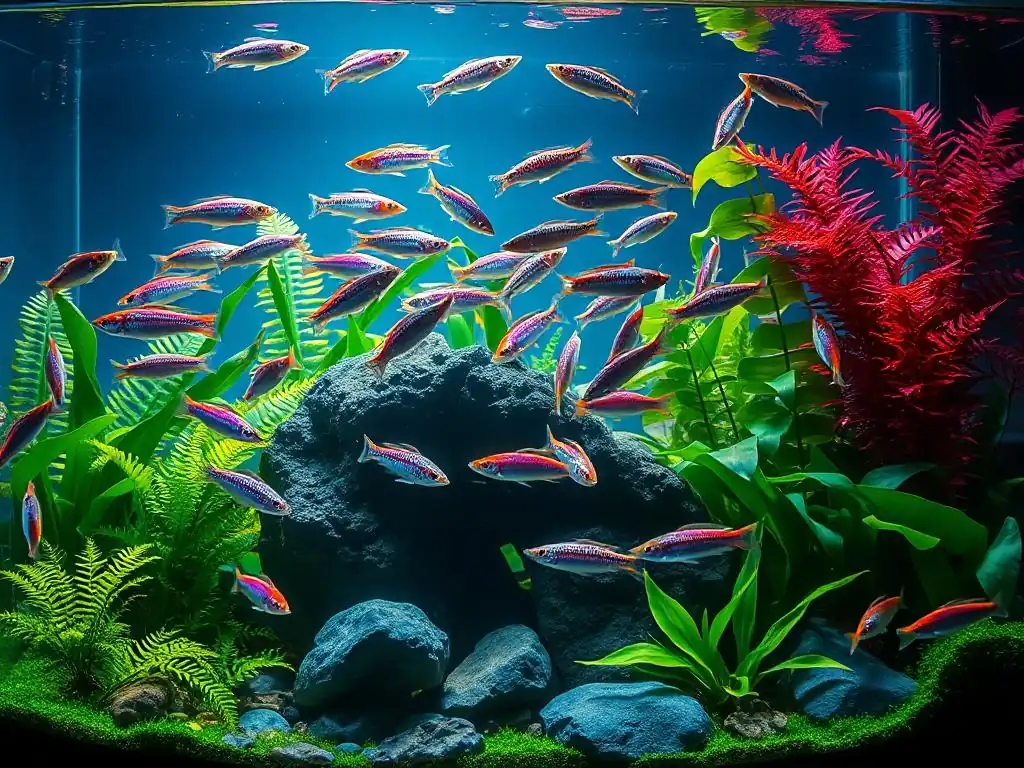
Welcome to Aquarium Mastery! Ever wondered how to unlock the secrets to a vibrant and thriving tetra community in your own aquarium? Unlock the secrets of successful breeding! Dive into our detailed " Tetra Spawning Conditioning Guide" and discover the art of preparing your tetras for prolific spawning. Get ready to witness the miracle of life unfold before your eyes – let's begin this exciting journey together!
- Understanding Tetra Spawning and the Importance of Conditioning
- Creating the Ideal Environment for Tetra Breeding and Conditioning
-
The Tetra Spawning Conditioning Guide: A Step-by-Step Approach
- Step 1: Selecting Healthy and Genetically Strong Tetra Breeding Stock
- Step 2: Implementing a High-Quality Diet for Tetra Conditioning
- Step 3: Gradual Water Changes to Simulate Natural Conditions
- Step 4: Introducing Spawning Mediums: Plants, Mops, and Substrates
- Step 5: Monitoring Tetra Behavior for Spawning Readiness
- Advanced Tetra Breeding Techniques: Optimizing Spawning Success
- Raising Tetra Fry: From Hatching to Juvenile Stage
- Troubleshooting Common Tetra Spawning Problems
- Conclusion: Mastering Tetra Breeding Through Careful Conditioning
-
Frequently Asked Questions
- How important is water quality in preparing Tetras for spawning?
- What specific dietary changes are recommended in a Tetra spawning conditioning guide?
- How long should I condition my Tetras before attempting to spawn them?
- What type of spawning tank setup is best for Tetras, according to Aquarium Mastery?
- What are some common signs that my Tetras are ready to spawn, according to Aquarium Mastery's guide?
- Final Reflection: Cultivating Life's Potential
- Ignite the Spark: Unlock Tetra Breeding Success!
Understanding Tetra Spawning and the Importance of Conditioning
Why Conditioning is Crucial for Successful Tetra Breeding
Conditioning is the cornerstone of successful tetra breeding, serving as the preparatory phase that optimizes the health and reproductive capacity of your fish. This meticulous process ensures that parent tetras are in peak physical condition, leading to a significantly higher yield of viable eggs and robust fry. Without proper conditioning, fish may produce fewer eggs, suffer from reduced fertility, or even fail to spawn altogether, making a comprehensive tetra spawning conditioning guide indispensable for aspiring breeders.
Beyond sheer quantity, conditioning directly impacts the quality of the offspring. Well-conditioned parent fish provide their eggs with ample nutritional reserves, increasing the hatch rate and the overall vigor of the fry. For instance, studies on various small characins suggest that a nutrient-rich diet during conditioning can boost egg viability by as much as 30-40% compared to unconditioned fish. This focused preparation minimizes the stress associated with spawning and ensures that the breeding pair is physically capable of the demanding process, ultimately setting the stage for a thriving new generation.
The Natural Spawning Cycle of Tetras: Mimicking the Wild
Tetras, in their native South American habitats, often exhibit seasonal spawning patterns triggered by environmental cues. For example, species like the Neon Tetra (Paracheirodon innesi) typically spawn during the rainy season, when water parameters become softer and more acidic, and food sources like insect larvae become abundant. Mimicking these specific conditions in an aquarium is a fundamental aspect of any effective tetra spawning conditioning guide, signaling to the fish that the environment is optimal for reproduction.
This natural cycle involves a complex interplay of factors, including changes in water chemistry, temperature fluctuations, and the availability of nutrient-rich foods. In the wild, these cues stimulate hormone production, leading to egg development in females and milt production in males. Replicating a "mini-rainy season" in the breeding tank – through gradual water changes with softer water and a slight temperature drop followed by a rise – can effectively trick tetras into believing it's the opportune time to reproduce, leading to a more natural and successful spawning event.
Identifying Breeding Readiness in Your Tetras
Recognizing when your tetras are ready to spawn is a critical step in the breeding process. Females, in particular, will show noticeable physical changes; their abdomens will become significantly distended and round, indicating a belly full of mature eggs. This swelling is often most apparent when viewed from above and can be quite pronounced, especially in species like the Black Skirt Tetra (Gymnocorymbus ternetzi) or the Serpae Tetra (Hyphessobrycon eques).
Behavioral cues are equally important indicators. Males, driven by their reproductive instincts, will often display increased courtship behavior, which includes chasing females more actively, flaring their fins, and exhibiting more vibrant coloration. Some species might engage in a "shivering" or "quivering" dance, a clear sign of impending spawning. Observing these subtle yet distinct changes in both appearance and behavior is key to timing the introduction of the breeding pair into their dedicated spawning tank for optimal success.
Creating the Ideal Environment for Tetra Breeding and Conditioning
Setting Up a Dedicated Tetra Breeding Tank
A dedicated breeding tank is paramount for successful tetra spawning, as it provides a controlled environment free from the stresses and predation present in a community aquarium. For most smaller tetra species, a tank ranging from 5 to 10 gallons (approximately 19 to 38 liters) is often sufficient. This size allows for easy management of water parameters and provides adequate space for the breeding pair without being overly large, which can make locating eggs more challenging.
The tank itself should be sparsely decorated to minimize obstacles and facilitate egg collection. A bare bottom or a very thin layer of dark substrate can be beneficial, as it makes the often-clear tetra eggs easier to spot. Crucially, the tank should be mature, meaning it has completed its nitrogen cycle and has stable water parameters. Setting up this tank several weeks in advance and allowing it to cycle properly, perhaps with a few hardy snails, ensures a healthy and stress-free environment for the delicate spawning process.
Water Parameters for Optimal Tetra Spawning: Achieving the Perfect Chemistry
Achieving precise water parameters is arguably the most critical aspect of encouraging tetra spawning, as many species are highly sensitive to their environment. Most popular tetra species, such as Neon Tetras and Cardinal Tetras, originate from soft, acidic blackwater environments. Ideal pH levels for these species typically range from 5.5 to 6.5, with very low general hardness (GH) and carbonate hardness (KH), often below 5 dGH and 3 dKH respectively. Using reverse osmosis (RO) water remineralized with specific salts is often the most reliable way to achieve these exact parameters.
Consistency is key; sudden fluctuations can stress fish and inhibit spawning. Maintaining stable temperatures, typically between 75-80°F (24-27°C) for most species, also plays a significant role. Regular testing with accurate liquid test kits – not unreliable test strips – is essential to monitor these parameters daily during the conditioning and spawning phases. For instance, a slight drop in temperature by 2-3 degrees Fahrenheit, followed by a gradual increase, can often mimic natural triggers and encourage spawning behavior in species like the Glowlight Tetra (Hemigrammus erythrozonus).
The Role of Lighting and Temperature in Tetra Breeding Triggers
Lighting and temperature serve as powerful environmental cues that signal to tetras that conditions are ripe for reproduction. For many tetra species, a gradual increase in light intensity and duration, mimicking the longer days of a productive season, can stimulate spawning. A consistent light cycle of about 12-14 hours of moderate intensity is often recommended, perhaps with a slight dimming period before lights out to simulate dusk. Avoid harsh, direct lighting, which can stress the fish.
Temperature manipulation is another effective trigger. While a consistent optimal temperature is important for overall health, a slight, controlled temperature fluctuation can often induce spawning. For example, after a period of stable conditioning at 75°F (24°C), a gradual drop to 72-73°F (22-23°C) for a day or two, followed by a slow increase back to 78-80°F (25-27°C), can simulate the natural temperature shifts that trigger spawning in the wild. This subtle change, combined with optimal water chemistry, often provides the final push needed to encourage the breeding pair to lay their eggs.
The Tetra Spawning Conditioning Guide: A Step-by-Step Approach
Step 1: Selecting Healthy and Genetically Strong Tetra Breeding Stock
The foundation of successful tetra breeding lies in the careful selection of healthy and genetically robust breeding stock. Choose fish that exhibit vibrant coloration, active swimming patterns, and no signs of disease such as clamped fins, fin rot, or unusual spots. Look for individuals that appear well-fed but not bloated, and observe their interactions to ensure they are not overly aggressive or listless. Selecting fish from a reputable source, ideally one that can provide information on their lineage, minimizes the risk of genetic deformities or inherited weaknesses in the fry.
For optimal genetic diversity and vigor, it is generally recommended to use unrelated pairs or groups. If possible, acquire your potential breeders from different batches or even different suppliers. Aim for a male-to-female ratio that favors males slightly, perhaps 2 males to 1 female, or a group of 3 males and 2 females, as this can encourage competition and stimulate spawning. Ensure that all chosen fish have reached sexual maturity, which for most smaller tetras is typically between 6 to 12 months of age, depending on the species and growth rate.
Step 2: Implementing a High-Quality Diet for Tetra Conditioning
A high-quality, varied diet is the cornerstone of any effective tetra spawning conditioning guide, directly influencing the health and reproductive readiness of your fish. For approximately two to three weeks prior to the intended spawning date, feed your potential breeders a rich array of protein-dense foods. This specialized diet helps build up essential fat reserves and promotes gonadal development, ensuring that females produce a large number of nutrient-rich eggs and males produce potent milt.
Live Foods for Conditioning Tetras: Culturing and Feeding
Live foods are unparalleled for conditioning tetras due to their high nutritional value and natural appeal, which often stimulates a strong feeding response. Excellent choices include:
- Brine Shrimp (Artemia nauplii/adults): Extremely high in protein (around 60% dry weight) and easily digestible. Hatching your own nauplii ensures freshness.
- Daphnia (Water Fleas): Rich in protein and carotenoids, which can enhance fish coloration and egg quality. Can be cultured in a separate container with green water.
- Bloodworms (Chironomid larvae): A highly favored treat, offering excellent protein content (about 6-7% wet weight). While live bloodworms are best, frozen varieties are also very good.
- Mosquito Larvae: If safely sourced from clean, pesticide-free water, these are an excellent, natural food source that mimics what tetras would consume in the wild.
Feeding live foods daily, in small portions that can be consumed within a few minutes, is ideal. For instance, offering live brine shrimp or Daphnia twice a day for a week can significantly boost the conditioning process.
Frozen Foods for Tetra Breeding: Nutritional Benefits and Preparation
Frozen foods offer a convenient and highly nutritious alternative to live options, providing many of the same benefits without the need for culturing. They are an essential component of a comprehensive tetra spawning conditioning guide. Top choices include:
- Frozen Bloodworms: Excellent source of protein and iron. Thaw a small cube in tank water before feeding to prevent digestive issues.
- Frozen Brine Shrimp: Similar to live, but more convenient. Ensure they are completely thawed before feeding.
- Frozen Daphnia: Good for variety and providing roughage.
- Frozen Cyclops: Small and highly nutritious, excellent for smaller tetra species.
It's crucial to thaw frozen foods completely in a small amount of tank water before adding them to the tank. Never feed large, frozen chunks, as this can lead to internal damage. Offer these foods once or twice daily, alternating with live foods if possible, to provide a balanced diet.
Dry Foods as a Supplement: Choosing the Right Tetra Food
While live and frozen foods are superior for conditioning, high-quality dry foods can serve as a valuable supplement, ensuring a complete nutritional profile. Look for:
- High-Quality Flakes/Pellets: Choose brands that list fish meal, spirulina, or other high-protein ingredients as the first few items. Avoid fillers.
- Specialized Breeding Formulas: Some manufacturers offer dry foods specifically designed to boost fertility and egg production, often enriched with vitamins and minerals like Vitamin E.
Dry foods should be offered sparingly during the conditioning phase, perhaps once every two days, primarily to ensure that the fish are accustomed to them and to provide any micronutrients that might be missing from the live/frozen diet. Overfeeding dry foods can quickly pollute the water, which is detrimental to conditioning.
Step 3: Gradual Water Changes to Simulate Natural Conditions
Gradual water changes are a pivotal technique in a tetra spawning conditioning guide, designed to mimic the natural environmental shifts that trigger spawning in the wild. In their native habitats, many tetras spawn during the rainy season, when increased rainfall leads to softer, more acidic water and a flush of new food sources. Replicating this phenomenon in the aquarium can be highly effective.
Begin by performing daily or every-other-day small water changes, typically 10-15% of the tank volume, using water that is slightly softer and more acidic than the current tank water. For instance, if your tank is at pH 7.0 and GH 10, aim to replace water with pH 6.0 and GH 3. This gradual shift, over a period of 5-7 days, signals to the fish that a "rainy season" is commencing. The fresh, clean water also helps reduce nitrate levels and provides a cleaner environment, further encouraging spawning behavior.
Step 4: Introducing Spawning Mediums: Plants, Mops, and Substrates
Tetras are typically egg scatterers, meaning they do not build nests but instead release their eggs freely into the water column, often among dense vegetation. Providing appropriate spawning mediums is crucial for egg collection and protection. Fine-leaved plants are often the preferred choice, as they offer numerous surfaces for eggs to adhere to or settle upon.
Excellent plant choices include:
- Java Moss (Taxiphyllum barbieri): Its dense, intricate structure provides countless nooks and crannies for eggs to lodge safely.
- Hornwort (Ceratophyllum demersum): A fast-growing, bushy plant that offers similar benefits to Java Moss.
- Cabomba (Cabomba caroliniana): Its feathery leaves are ideal for egg deposition.
Alternatively, spawning mops made from synthetic yarn can be highly effective and are easier to sterilize and transfer. Simply tie strands of yarn to a small weight or suction cup and place them strategically in the tank. For species that prefer to spawn near the bottom, a fine mesh grid placed a centimeter or two above the tank bottom can allow eggs to fall through to safety, preventing parental consumption.
Step 5: Monitoring Tetra Behavior for Spawning Readiness
Close observation of your tetras' behavior is essential as you approach the anticipated spawning period. Beyond the physical signs of a gravid female, behavioral cues will become more pronounced. You might notice increased activity, with males actively pursuing females, often in a gentle, nudging manner. This courtship behavior can intensify, leading to a "shivering" or "quivering" motion from both fish as they align themselves for spawning.
The pair may begin to explore the spawning medium more intently, darting in and out of the plants or mops. Spawning typically occurs in the early morning hours, often just as the lights come on or shortly thereafter. If you observe these distinct behaviors, it's a strong indication that spawning is imminent. At this point, it's crucial to ensure minimal disturbance to the tank, allowing the fish to proceed naturally.
Advanced Tetra Breeding Techniques: Optimizing Spawning Success
Understanding Tetra Egg Scattering and Parental Care (or Lack Thereof)
The vast majority of popular aquarium tetras, including species like Neon Tetras, Cardinal Tetras, and Black Skirt Tetras, are "egg scatterers." This means they do not build nests or exhibit any form of parental care after the eggs are laid. Instead, the female releases her eggs randomly into the water column, often among dense vegetation or a spawning mop, and the male simultaneously fertilizes them. This strategy, while efficient in the wild where environmental conditions are often ideal, presents a challenge in the aquarium.
A significant consequence of this behavior is that adult tetras, including the breeding pair, have a strong tendency to consume their own eggs and newly hatched fry. This instinctual predation is a primary reason why a dedicated breeding tank is essential. Once spawning is complete, typically after a few hours, the parent fish must be promptly removed from the breeding tank to prevent them from devouring the precious eggs. Failure to do so can result in a complete loss of the spawn, regardless of how successful the conditioning and spawning process was.
Protecting Tetra Eggs and Fry from Predation
Given the tetras' propensity for egg and fry consumption, implementing protective measures is critical immediately after spawning. The most effective method is the swift removal of the adult fish once they have finished laying eggs. This can be identified by the female's noticeably deflated abdomen and a general cessation of courtship behavior. Carefully net the parents and return them to their main aquarium.
For species that scatter eggs near the bottom, a spawning grid or marbles can be employed. A grid, placed a few centimeters above the tank bottom, allows eggs to fall through its openings into a safe zone inaccessible to the adults. Marbles or glass beads, covering the entire bottom, serve a similar purpose by creating crevices where eggs can settle out of reach.
In tanks with dense spawning mops or plants, these can be carefully lifted and transferred to a separate hatching tank, ensuring the eggs are not eaten. Dimming the lights after spawning can also help reduce the adults' visibility of the eggs.
Maintaining Water Quality During and After Tetra Spawning
Maintaining impeccable water quality is paramount during and immediately after the spawning process, as tetra eggs and newly hatched fry are incredibly sensitive to environmental fluctuations. During spawning, the water should remain pristine, with the parameters meticulously controlled as outlined in the conditioning phase. Any sudden shifts in pH, temperature, or hardness can stress the breeding pair or even damage the delicate eggs.
Once the eggs are laid and the parents removed, water quality becomes even more critical for the developing fry. Ammonia and nitrite must remain at absolute zero (0 ppm), as even trace amounts can be lethal to the vulnerable embryos and fry. Regular, small water changes (5-10% daily or every other day) using perfectly matched, aged water are essential.
A gentle air stone can provide aeration without creating strong currents that might disturb eggs or tiny fry. Using a sponge filter that has been maturing in another tank is ideal, as it provides biological filtration without the risk of sucking up fry.
Raising Tetra Fry: From Hatching to Juvenile Stage
First Foods for Tetra Fry: Infusoria, Liquid Fry Food, and More
Newly hatched tetra fry are incredibly small, often no more than a few millimeters in length, and their mouths are tiny. This means they require microscopic food sources for their first few days of life. Providing the correct first foods is a critical step in a comprehensive tetra spawning conditioning guide.
- Infusoria: These microscopic protozoa are often the ideal first food. They can be cultured easily by placing a piece of decaying lettuce or banana peel in a jar of aged aquarium water a few days in advance. A few drops of this culture can be added to the fry tank daily.
- Liquid Fry Food: Several commercial liquid fry foods are available, formulated with ultra-fine particles or dissolved nutrients suitable for the smallest fry. Follow manufacturer instructions carefully, as overfeeding can quickly foul the water.
- Green Water: Water rich in phytoplankton can also serve as a primary food source. This can be cultivated by exposing a container of aged tank water to strong light and adding a few drops of liquid plant fertilizer.
Feed these microscopic foods several times a day, in very small amounts, ensuring the fry's bellies appear rounded. This frequent feeding is crucial for their rapid growth during the initial, vulnerable stage.
Gradual Weaning of Tetra Fry to Larger Food Sources
As tetra fry grow, typically within 3-7 days post-hatch, their mouths become large enough to accept slightly larger food items. This is a critical transition period where you gradually introduce new, larger foods while still offering the initial microscopic options.
- Newly Hatched Brine Shrimp (Artemia nauplii): These are an excellent "next step" food. They are highly nutritious and their jerky movement stimulates the fry's hunting instinct. Begin feeding small amounts once or twice daily, supplementing with infusoria or liquid fry food.
- Microworms: Another good live food option, slightly larger than infusoria but smaller than brine shrimp nauplii. They are easy to culture at home.
- Fine Powdered Dry Fry Food: Commercial dry foods specifically designed for fry can be introduced at this stage. Ensure they are ground into a very fine powder to be digestible.
Over a period of one to two weeks, gradually increase the size and quantity of food offered, monitoring the fry's growth and ensuring no food is left uneaten to prevent water quality issues. By the time they are 2-3 weeks old, most tetra fry will be able to consume finely crushed flakes and adult brine shrimp.
Maintaining Water Quality in the Fry Tank: Preventing Ammonia Spikes
Maintaining pristine water quality in the fry tank is arguably the most challenging and crucial aspect of raising tetra fry. Due to their small size and the need for frequent feeding, fry tanks are highly susceptible to rapid ammonia and nitrite spikes, which are lethal to young fish.
- Daily Water Changes: Small, daily water changes of 10-15% are essential. Use aged water that perfectly matches the tank's temperature and parameters to avoid shocking the delicate fry. A gentle siphon, like airline tubing, can be used to carefully remove detritus from the bottom without disturbing the fry.
- Sponge Filtration: A gentle, air-driven sponge filter is the preferred method of filtration for fry tanks. It provides biological filtration without creating strong currents or posing a risk of sucking up the tiny fry. Ensure the sponge filter is mature and cycled before introducing fry.
- Avoid Overfeeding: This is the primary cause of water quality issues. Feed tiny amounts frequently, ensuring all food is consumed within a few minutes. Remove any uneaten food immediately.
- Regular Testing: Test ammonia, nitrite, and nitrate levels daily. Even small detectable amounts of ammonia or nitrite warrant an immediate water change.
Diligence in water quality management will dramatically increase the survival rate of your tetra fry, allowing them to grow into healthy juveniles.
Troubleshooting Common Tetra Spawning Problems
Identifying and Addressing Infertile Tetra Eggs
One of the most common frustrations in tetra breeding is encountering infertile eggs. These eggs typically appear opaque white or milky within 12-24 hours after spawning, in stark contrast to healthy, clear, and translucent fertilized eggs. This opaqueness is due to bacterial or fungal growth on the non-viable egg.
Addressing infertility often involves reviewing your conditioning process and selecting better breeding stock. Possible causes include:
- Immature or Aged Breeders: Fish that are too young or too old may produce non-viable gametes.
- Poor Conditioning: Insufficient protein or vital nutrients in the diet can lead to poor egg and milt quality.
- Incorrect Water Parameters: Water that is too hard, too alkaline, or has unstable temperatures can hinder fertilization.
- Unhealthy or Stressed Parents: Underlying health issues or stress during conditioning can impact fertility.
- Lack of Milt: Sometimes, males may not release enough viable milt, or the male chosen is infertile.
To remedy this, re-evaluate your tetra spawning conditioning guide, ensuring optimal diet and water parameters for several weeks before attempting to breed again. Consider trying a different male, or even a different breeding pair, to rule out individual infertility.
Preventing Fungal Infections in Tetra Eggs
Fungal infections are a significant threat to tetra egg viability, often appearing as fuzzy, cotton-like growths on the egg surface. These infections spread rapidly and can quickly consume an entire batch of healthy eggs, especially if there are infertile eggs present which act as a breeding ground for fungus.
Prevention is key:
- Remove Infertile Eggs: As soon as you identify opaque, infertile eggs (within 12-24 hours), gently remove them using a pipette or small baster. This prevents the fungus from spreading to healthy eggs.
- Methylene Blue: A very dilute solution of methylene blue can be added to the spawning tank. This antifungal agent helps prevent fungal growth on the eggs. Use it sparingly, as it can stain silicone and equipment. A common dosage is 1-2 drops per gallon until the water is a very light blue tint.
- Increased Aeration: Gentle aeration with an air stone can improve oxygen circulation around the eggs, discouraging anaerobic fungal growth. Ensure the current is not strong enough to dislodge the eggs.
- Pristine Water Quality: Maintain extremely clean water throughout the incubation period. Any organic decay or excess nutrients can fuel fungal growth. Regular, small water changes (if done very carefully) can help.
By diligently applying these preventative measures, you can significantly reduce the incidence of fungal infections and increase your hatch rates.
Dealing with Tetra Spawning Inactivity
If your conditioned tetras are not spawning, despite your best efforts following a detailed tetra spawning conditioning guide, it can be frustrating. Several factors might contribute to this inactivity:
- Insufficient Conditioning: The fish may not be fully conditioned. Extend the conditioning period by another week or two, focusing on a high-protein, varied diet and stable, optimal water parameters.
- Incorrect Water Parameters: Double-check your water parameters (pH, GH, KH, temperature) against the specific needs of your tetra species. Even slight deviations can inhibit spawning. For example, if your Neon Tetras aren't spawning at pH 6.5, try lowering it gradually to 6.0 or even 5.8.
- Lack of Privacy/Security: The breeding tank might be too exposed or feel unsafe to the fish. Provide some cover, such as floating plants or a dark background, to make them feel more secure.
- Incompatible Pair/Group: Sometimes, a chosen pair simply isn't compatible, or the male isn't mature or dominant enough. Try swapping out one of the fish or introducing a different male-to-female ratio (e.g., 2 males to 1 female).
- Lack of Spawning Trigger: The environmental triggers might not be strong enough. Try a more pronounced "rainy season" simulation:
- Perform a larger water change (e.g., 25-30%) with very soft, acidic water.
- Slightly lower the temperature by 2-3 degrees Fahrenheit, then gradually raise it back over 12-24 hours.
- Introduce a fresh, dense spawning mop or more fine-leaved plants.
Patience is also key. Sometimes, fish need a few days to adjust to the breeding tank and get into the mood. Continue to monitor their behavior and make small adjustments as needed.
Conclusion: Mastering Tetra Breeding Through Careful Conditioning
The Rewards of Successful Tetra Spawning
Mastering the art of tetra breeding, particularly through a diligent tetra spawning conditioning guide, offers immensely rewarding experiences for any aquarist. The culmination of weeks of careful preparation, meticulous water parameter management, and specialized feeding is the sight of hundreds of tiny, translucent tetra fry wiggling to life. This achievement not only signifies a profound understanding of fish husbandry but also provides a unique opportunity to observe the complete life cycle of these fascinating creatures from egg to adult.
Beyond the personal satisfaction, successful tetra spawning contributes to the hobby by making captive-bred fish more widely available, reducing reliance on wild-caught specimens. It also allows for the selective breeding of desirable traits, such as vibrant coloration or unique finnage, further enriching the diversity within the aquarium trade. The journey of breeding tetras, from the initial conditioning to raising the delicate fry, deepens one's connection to the aquatic world and fosters a greater appreciation for the intricacies of freshwater ecosystems.
Continuing Your Journey in Advanced Tetra Care
The successful spawning and raising of tetra fry mark a significant milestone in your aquarist journey, but it is merely one chapter in the broader realm of advanced tetra care. The knowledge and skills gained from this breeding experience—such as precise water chemistry management, understanding dietary needs across life stages, and keen observation of fish behavior—are directly transferable to maintaining healthier, more vibrant tetras in your community tanks.
To continue your journey, consider exploring the complexities of other tetra species, some of which present even greater breeding challenges or require highly specialized environments. Delve deeper into topics like genetic selection for enhancing specific traits, long-term health management of breeding stock, or even the creation of biotope aquariums that perfectly replicate natural tetra habitats. Aquarium Mastery remains a comprehensive resource for these advanced topics, encouraging you to continually expand your expertise and passion for the aquatic world.
Frequently Asked Questions
How important is water quality in preparing Tetras for spawning?
Water quality is absolutely critical! Pristine water conditions, mimicking their natural environment, are essential for triggering spawning behavior in Tetras. Regular water changes are a must.
What specific dietary changes are recommended in a Tetra spawning conditioning guide?
A diet rich in live and frozen foods is highly recommended. This includes things like daphnia, brine shrimp, and bloodworms, providing the necessary nutrients for egg development.
How long should I condition my Tetras before attempting to spawn them?
Typically, a conditioning period of 1-2 weeks is sufficient. Monitor your Tetras for signs of readiness, such as increased activity and vibrant coloration.
What type of spawning tank setup is best for Tetras, according to Aquarium Mastery?
A dedicated spawning tank with soft, slightly acidic water and plenty of fine-leaved plants or spawning mops is ideal. This provides hiding places for eggs and fry.
What are some common signs that my Tetras are ready to spawn, according to Aquarium Mastery's guide?
Look for increased chasing behavior, vibrant colors, and females appearing noticeably plumper with eggs. A spawning tank setup is vital at this point.
Final Reflection: Cultivating Life's Potential
The journey we've explored in this guide, from understanding the nuances of tetra behavior to meticulously crafting their environment, underscores a fundamental truth: careful preparation unlocks extraordinary potential. Just as a gardener cultivates the soil for a bountiful harvest, so too must we nurture the conditions for life to flourish, whether in a glass tank or within ourselves. The principles of observation, patience, and dedication outlined here extend far beyond the realm of aquariums, offering a powerful metaphor for fostering growth in any endeavor.
This deep dive into the art of conditioning tetras for spawning has not only provided practical techniques but also illuminated the profound interconnectedness of life. Witnessing the delicate dance of courtship and the miracle of new life emerging from tiny eggs is a humbling experience, reminding us of the beauty and fragility of the natural world. As the renowned naturalist John Muir once said, In every walk with nature one receives far more than he seeks.
This holds true in our aquariums, where careful observation reveals the intricate tapestry of life unfolding before our eyes.
Now, consider the lessons learned from this "Tetra spawning conditioning guide." How can you apply the principles of careful preparation, attentive observation, and dedicated nurturing to your own life? What "aquarium" in your life needs a little more conditioning to unlock its full potential? Embrace the art of cultivating life, not just within the confines of a glass tank, but within yourself and the world around you. Let the dedication you've seen in this guide inspire you to create the conditions for growth, abundance, and beauty in all that you do.
Ignite the Spark: Unlock Tetra Breeding Success!
Thank you for diving deep into the world of tetra conditioning! We hope you've gained valuable insights to help your tetras thrive and reproduce. Now, let's put that knowledge into action!
- Begin your tetra's conditioning today! Gradually adjust their diet to include more live and frozen foods like daphnia and bloodworms.
- Explore the unique water parameters preferred by your specific tetra species and experiment with slight adjustments to encourage spawning.
- Share your tetra conditioning progress or any challenges you encounter in the Aquarium Mastery community forum – let's learn together!
What specific changes will you make to your tetra's environment this week to encourage spawning?