
Choosing Healthy Discus: What to Look for When Buying

Welcome to Aquarium Mastery!
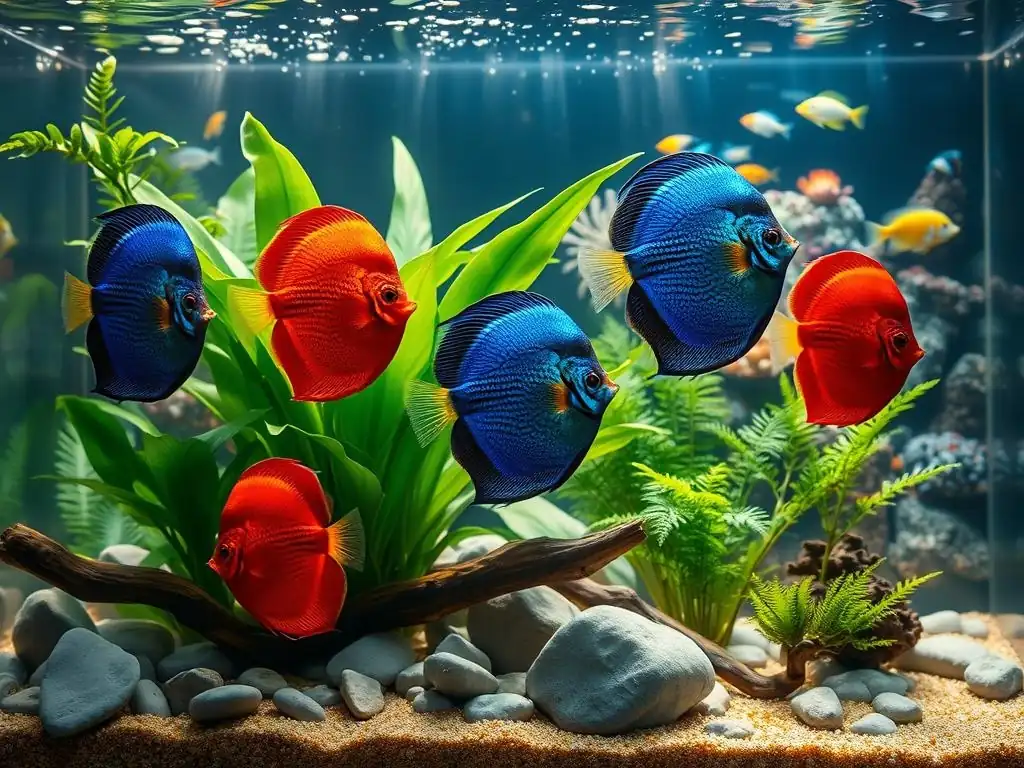
Ever dreamt of owning a breathtaking discus aquarium, a vibrant centerpiece showcasing the "King of Aquarium Fish"? Choosing the right discus is crucial for a thriving tank. This guide dives deep into what to look for when purchasing healthy discus, unlocking the secrets to selecting specimens that will flourish in your freshwater paradise. Ready to elevate your aquarium game? Let's begin!
- Choosing Healthy Discus: A Buying Guide for Aquarium Enthusiasts
- Understanding Discus Fish Health: A Beginner's Guide
- Healthy Discus Buying Guide: Key Indicators to Look For
- Where to Buy Healthy Discus: Selecting Reputable Sources
- Preventing Discus Diseases: A Proactive Approach
- Acclimating Your New Discus to Your Aquarium
- Long-Term Discus Care: Ensuring Continued Health
-
Frequently Asked Questions
- What are the key signs of a healthy discus to look for when buying?
- What water parameters are crucial to consider before purchasing discus fish?
- How important is quarantine when introducing new discus to an existing tank?
- What types of food are best for ensuring discus stay healthy and vibrant?
- What are some common diseases that affect discus, and how can I prevent them?
- Final Reflection: Cultivating a Thriving Aquatic World
- Ignite Your Discus Dreams: Take the Next Step!
Choosing Healthy Discus: A Buying Guide for Aquarium Enthusiasts
Understanding Discus Fish Health: A Beginner's Guide
Why Healthy Discus are Essential for a Thriving Aquarium
Starting your discus journey with healthy specimens is paramount for the long-term success and enjoyment of your aquarium. Discus fish, often hailed as the "King of the Aquarium," are known for their sensitivity to water quality and environmental changes. Introducing an unhealthy discus can quickly lead to widespread disease outbreaks, stress for existing tank inhabitants, and significant financial losses due to medication costs or fish mortality. A robust, disease-free fish is far more resilient to the stresses of acclimation and the minor fluctuations that can occur in even well-maintained home aquariums.
Furthermore, healthy discus are more likely to thrive, display their full vibrant coloration, and engage in natural behaviors, living out their potential lifespan of 5 to 10 years or even longer under optimal conditions. An unhealthy fish, conversely, may never fully recover, remaining stunted, dull, and susceptible to recurring ailments, ultimately diminishing the aesthetic appeal and stability of your entire aquatic ecosystem. Prioritizing a healthy discus buying guide from the outset is the most effective preventative measure against future complications.
Introduction to Discus Fish: Appearance and Temperament
Discus fish (Symphysodon species) are renowned for their unique, disc-shaped bodies, which give them their common name. They exhibit an astonishing array of vibrant colors and intricate patterns, with popular strains including the brilliant Blue Diamond, the striking Pigeon Blood, the fiery Marlboro Red, and the spotted Leopard discus. Their elegant form and graceful swimming make them a captivating centerpiece in any freshwater aquarium. A healthy discus will showcase its breed-specific coloration with striking clarity and intensity, a key indicator for any healthy discus buying guide.
In terms of temperament, discus are generally peaceful and somewhat shy fish. They are schooling animals and thrive best when kept in groups of at least six individuals, which helps to reduce stress and encourages natural social interactions. While they may establish a mild pecking order, severe aggression is uncommon in a well-sized tank with appropriate tank mates. Their calm demeanor and majestic presence contribute to a serene aquatic environment, provided they are introduced as healthy, well-adjusted specimens.
Healthy Discus Buying Guide: Key Indicators to Look For
Physical Appearance: Signs of a Healthy Discus
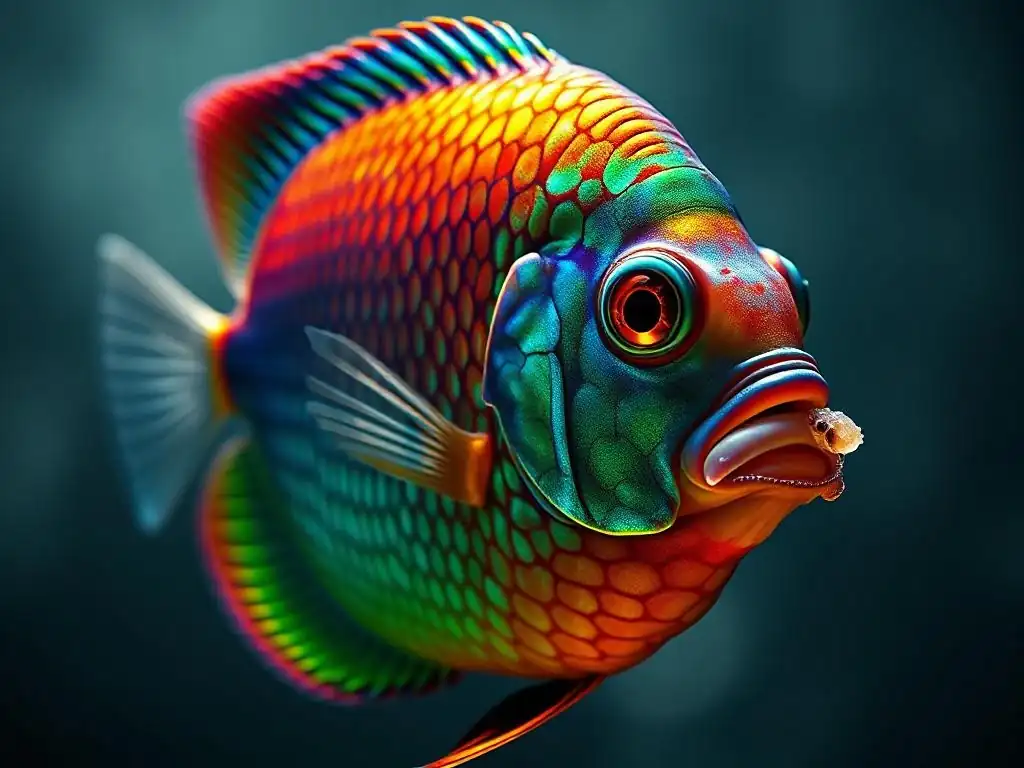
A thorough visual inspection is the first and most critical step in applying a healthy discus buying guide. Healthy discus present themselves with a clean, vibrant appearance, actively navigating their environment. Their scales should be smooth and intact, reflecting light evenly without any signs of lesions, missing patches, or excessive slime coat. The gill plates should sit flush against the body, opening and closing rhythmically without visible effort or swelling. Any deviation from this pristine condition, such as clamped fins, dullness, or visible external parasites, immediately signals potential health issues.
It is imperative to spend ample time observing the fish before making a purchase. Look for consistency across the entire group of fish in the dealer's tank; if one fish shows signs of distress, it's highly probable that others, even if seemingly healthy, may be carrying the same underlying pathogen or experiencing similar stressors. This meticulous observation is a cornerstone of selecting healthy discus and preventing future problems in your home aquarium.
Body Shape and Fin Condition: Identifying Deformities or Damage
A healthy discus should exhibit a perfectly round, symmetrical body, free from any indentations, bulges, or signs of emaciation, often referred to as "knife-edge" disease when severe. Their dorsal, anal, caudal (tail), and pelvic fins should be fully extended, strong, and without any tears, fraying, or white edges indicative of fin rot. The fin rays should be straight and unbroken, and the fins should not appear clamped against the body, which is a common stress or illness symptom.
Inspect closely for any physical deformities such as bent gill plates, curvature of the spine, or disproportionate body parts. While some minor imperfections might occur, significant deformities can indicate poor breeding practices, nutritional deficiencies, or chronic disease. A discus with pristine, fully fanned fins and a perfectly rounded profile is a prime candidate for a healthy discus buying guide.
Discus Coloration: Assessing Vibrancy and Pigmentation
The coloration of a discus is a powerful indicator of its health and stress level. Healthy discus display bright, vivid, and consistent colors that are characteristic of their specific strain. For example, a Blue Diamond should exhibit a deep, uniform blue, while a Pigeon Blood should have clear, vibrant reds and oranges. The pigmentation should be rich and well-defined, not faded, patchy, or dull. Observe how the fish's color reacts to its environment; a healthy discus may briefly darken or lighten in response to light changes or social interactions, but it should quickly return to its vibrant baseline.
Conversely, a discus that appears consistently dark, dull, or has prominent vertical "stress bars" (dark bands) that do not fade, is likely experiencing significant stress, poor water quality, or an underlying illness. Patches of faded color or white spots (Ich) are also clear warning signs. A key aspect of any healthy discus buying guide is to prioritize fish that exhibit their full, brilliant color potential without persistent signs of stress.
Eye Clarity: Recognizing Potential Infections or Parasites
The eyes of a healthy discus should be clear, bright, and alert, without any cloudiness, haziness, or visible lesions. They should be proportionate to the fish's head and sit normally within the eye socket. The pupil should be distinct and reactive to light. Healthy eyes reflect the overall well-being of the fish and its internal systems.
Any signs of cloudy eyes, "pop-eye" (exophthalmia where the eyes bulge abnormally), or visible worms/flukes on the eye surface are critical red flags. Cloudy eyes often indicate bacterial infections or poor water quality, while pop-eye can point to internal bacterial infections, tuberculosis, or kidney issues. Visible external parasites on the eyes or body are immediate disqualifiers in a healthy discus buying guide, as they indicate a compromised immune system and potential infestation of the entire tank.
Behavioral Observations: How Healthy Discus Act
Beyond physical appearance, observing the behavior of discus fish provides invaluable insight into their health. A healthy discus buying guide is incomplete without a thorough assessment of their activity levels, social interactions, and feeding responses. Healthy fish are alert, responsive, and exhibit natural behaviors for their species. Behavioral cues can often precede visible physical symptoms, making them crucial indicators of potential underlying issues.
Spend at least 15-20 minutes observing the discus in the seller's tank. Look for consistency in behavior across the group. Are they active and curious, or are they huddled in a corner, listless? Do they react to your presence or to the presence of other fish? These observations are vital for discerning truly healthy specimens from those merely showing a temporary reprieve from stress or illness.
Swimming Patterns: Detecting Signs of Stress or Illness
Healthy discus swim smoothly, gracefully, and with purpose. They often move as a cohesive school, exploring their surroundings calmly and maintaining an upright, balanced posture. When startled, they may dart briefly, but should quickly return to their normal swimming patterns. A strong, even swim is a hallmark of a robust immune system and proper neurological function.
Conversely, erratic swimming, darting uncontrollably, rubbing against tank decorations or substrate (flashing), gasping at the surface, listing to one side, or constantly hiding are significant red flags. These behaviors can indicate a range of issues, from external parasites like Ich or gill flukes to internal bacterial infections, poor water quality, or severe stress. A discus that spends excessive time in one spot, especially in a corner or near the heater, is also a cause for concern in any healthy discus buying guide.
Appetite and Feeding Habits: Ensuring Proper Nutrition
Observe the discus during feeding time, if possible. Healthy discus are typically eager eaters, demonstrating a strong feeding response and readily accepting food when offered. They should actively compete for food, consuming it quickly without spitting it out. A robust appetite is a direct reflection of a healthy digestive system and overall well-being.
A lack of appetite, refusal to eat, or spitting out food are serious warning signs. These behaviors often indicate internal parasitic infections (such as Hexamita or intestinal worms), bacterial infections, or severe stress. If the fish are not eating, they are not receiving vital nutrients, which quickly leads to a decline in health and susceptibility to other diseases. A key component of a healthy discus buying guide is verifying that the fish are actively and enthusiastically consuming food.
Social Interactions: Observing Group Dynamics and Aggression
Discus are schooling fish and benefit from the presence of their conspecifics. In a healthy group, while a natural pecking order may exist, interactions should generally be peaceful. Fish will often swim together, graze on surfaces, and occasionally engage in mild chases as part of their social structure. Observing these dynamics can reveal a lot about the group's health and stability.
Excessive aggression, constant bullying of a weaker or smaller fish, or a fish isolating itself completely from the group are concerning behaviors. While some isolation can be normal for a temporary period after a stressful event, persistent hiding or being constantly harassed suggests either an imbalanced group dynamic, a sick fish being targeted, or a fish that is simply not thriving. A healthy discus buying guide emphasizes the selection of fish that integrate well within their group, showing signs of mutual interaction rather than constant strife or extreme reclusion.
Where to Buy Healthy Discus: Selecting Reputable Sources
Choosing a Reputable Discus Breeder or Aquarium Store
The source from which you purchase your discus is as crucial as the physical and behavioral assessment of the fish themselves. Opt for reputable discus breeders or specialized aquarium stores that have a proven track record of maintaining healthy fish. Look for facilities that are clean, well-organized, and have knowledgeable staff who can answer your questions about the fish's origin, feeding regimen, and water parameters. A good dealer will have a low stocking density, clear water in their tanks, and no visible signs of sick or dead fish.
Avoid buying discus from general pet stores with questionable tank conditions, overcrowded systems, or staff who lack specific knowledge about discus care. Online reviews and recommendations from experienced aquarists within the community can also be invaluable resources for identifying trustworthy sources. A reputable dealer understands the nuances of a healthy discus buying guide and will prioritize the well-being of their stock.
Quarantine Procedures: Protecting Your Existing Aquarium
Regardless of how healthy your new discus appear, implementing a strict quarantine procedure is an absolute necessity. A dedicated quarantine tank (QT) should be set up and maintained for all new fish for a period of at least 4 to 6 weeks. This critical step allows you to observe the new fish for any latent diseases, treat them if necessary, and ensure they are robust before introducing them to your established display aquarium. Without quarantine, you risk introducing pathogens that could wipe out your entire existing fish population.
During the quarantine period, closely monitor water parameters and the fish's behavior. Many experienced aquarists also proactively treat new discus for common internal parasites (like Hexamita or intestinal worms) and external parasites (like gill flukes) during this time, even if no symptoms are present, as these are widespread issues in discus. This proactive approach is a non-negotiable part of any comprehensive healthy discus buying guide and protects your long-term investment.
Preventing Discus Diseases: A Proactive Approach
Common Discus Diseases and Their Symptoms
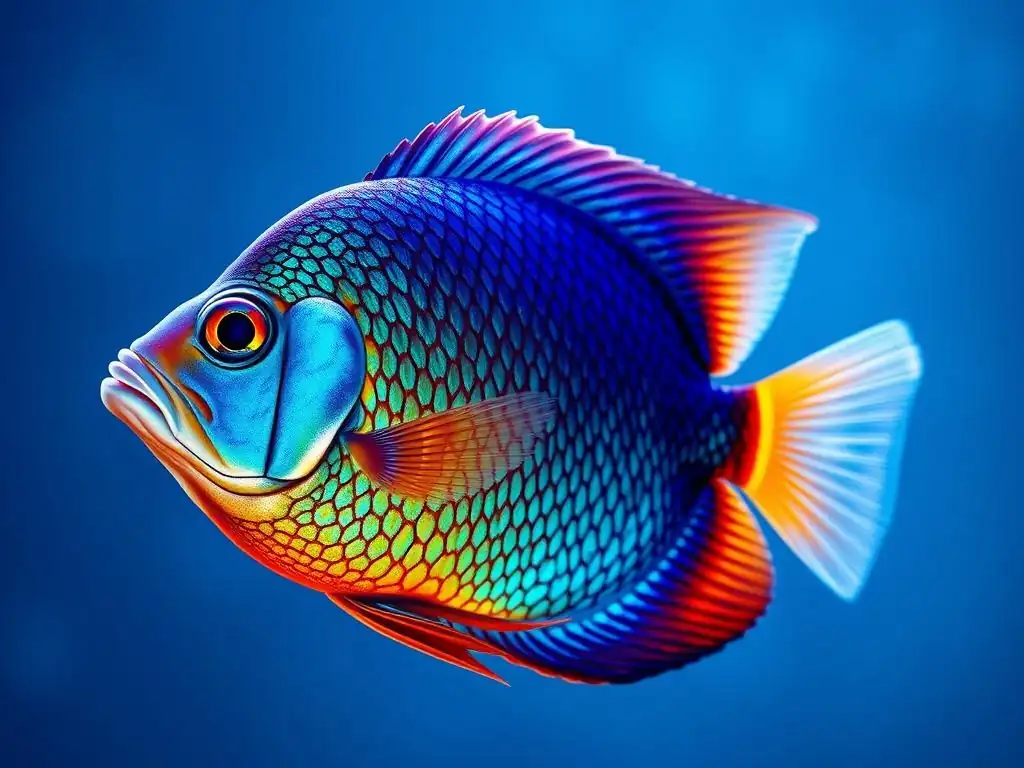
Understanding common discus diseases and their symptoms is vital for proactive care and for quickly addressing issues should they arise. Some prevalent ailments include Discus Plague (often a severe form of Columnaris, presenting as white patches, rapid breathing, and lethargy), Hole-in-the-Head (HITH, characterized by pitting and lesions around the head and lateral line, often linked to nutritional deficiencies or Hexamita), and various internal parasites (causing white, stringy feces, loss of appetite, and darkening). Bacterial infections can manifest as fin rot, cloudy eyes, or body ulcers.
Early detection is paramount for successful treatment. Familiarize yourself with these symptoms so you can act swiftly at the first sign of trouble. Prevention through optimal water quality and a robust immune system is always preferable to treatment. A healthy discus buying guide extends beyond the purchase to include ongoing vigilance.
Maintaining Optimal Water Parameters for Discus Health
Discus thrive in specific, stable water conditions, making consistent water parameter management critical for their health. They prefer soft, acidic to neutral water, typically with a pH range of 6.0-7.0 and a general hardness (GH) of 1-5 dGH (18-90 ppm). Crucially, they require warm temperatures, ideally between 28-30°C (82-86°F), which boosts their metabolism and immune system while inhibiting many common pathogens.
Regular testing for ammonia (0 ppm), nitrite (0 ppm), and nitrates (below 20 ppm, preferably lower) is non-negotiable. Sudden fluctuations in pH or temperature, or elevated levels of nitrogenous waste products, are major stressors for discus and can quickly compromise their immune system, making them highly susceptible to disease. Maintaining these pristine and stable conditions is a fundamental pillar of any healthy discus buying guide for long-term success.
Quarantine and Acclimation: Introducing New Discus Safely
As highlighted previously, a strict quarantine period of at least four weeks for all new discus is essential. This dedicated isolation tank allows for careful observation, deworming, and treatment of any subclinical or overt issues without risking the health of your established fish. During this time, you can also gradually adjust the new fish to your tank's specific water parameters, minimizing the shock of transfer.
Proper acclimation, typically using the drip acclimation method, is the final step in safely introducing new discus. This slow, gradual process allows the fish to adjust to the new water's temperature, pH, and mineral content over an extended period (1-2 hours), significantly reducing stress and the likelihood of osmotic shock. This careful transition is a vital component of a healthy discus buying guide to ensure new arrivals settle in successfully.
Acclimating Your New Discus to Your Aquarium
Step-by-Step Guide to Discus Acclimation
Acclimating new discus correctly is crucial to minimize stress and prevent shock. The drip acclimation method is highly recommended for these sensitive fish. First, float the sealed bag containing the discus in your quarantine tank (or main tank if no quarantine is used) for 15-20 minutes to equalize temperature.
Next, carefully open the bag and secure it to the side of the tank using a clip or clothesline, ensuring the bag's opening is above the water level. Use airline tubing to siphon water from your tank into the bag, tying a knot in the tubing or using an airline valve to create a slow drip (about 2-3 drips per second).
Allow the tank water to slowly drip into the bag until the volume of water in the bag has tripled, which typically takes 1 to 2 hours. This gradual process allows the fish to slowly adjust to the new water's pH, hardness, and other parameters. Once complete, gently net the discus from the bag and carefully release them into the tank. Discard the bag water, as it may contain ammonia or pathogens from the shipping process. Dimming the tank lights for the first few hours after introduction can also help reduce stress.
Monitoring Your Discus After Introduction
After introducing your new discus, close monitoring is essential for the first few days. Observe them closely for any signs of stress, such as clamped fins, dark coloration, hiding excessively, or rapid breathing. While some initial shyness is normal, a healthy discus should begin to explore its new surroundings and show signs of settling in within 24-48 hours. Keep the tank lights dim for the initial period to reduce visual stress.
Offer a small amount of their preferred food after a few hours or the next day to assess their appetite. A healthy discus should show interest in food and begin to eat readily. Continue to observe their interactions with other fish, if any, ensuring they are not being excessively bullied or showing signs of aggression themselves. Early detection of any issues during this critical period allows for prompt intervention, following the principles of a healthy discus buying guide for long-term well-being.
Long-Term Discus Care: Ensuring Continued Health
Proper Discus Nutrition and Feeding Schedule
Providing a high-quality, varied diet is fundamental to the long-term health and vibrant coloration of your discus. They require a protein-rich diet, which should include high-quality discus pellets or flakes specifically formulated for them. Supplement this staple with frozen foods such as bloodworms, brine shrimp, and a high-quality beef heart mix. Feeding 2-3 times daily in small portions that can be consumed within 5 minutes is ideal, preventing overfeeding and water pollution.
Avoid feeding live foods unless you are absolutely certain of their source and pathogen-free status, as they can introduce diseases. A balanced diet not only supports their growth and color but also strengthens their immune system, making them more resilient to potential health challenges. This consistent, high-quality feeding regimen is a cornerstone of maintaining the health achieved through a rigorous healthy discus buying guide.
Regular Water Changes and Tank Maintenance
Consistent, large water changes are arguably the most critical aspect of long-term discus care. For adult discus, daily or every-other-day water changes of 50% or more are highly recommended. For juvenile discus, even more frequent changes, sometimes multiple times a day, are necessary to support rapid growth and maintain pristine conditions. This frequent regimen removes nitrates, replenishes essential minerals, and ensures the stable, low-pollutant environment discus require.
In addition to water changes, regular tank maintenance is crucial. Siphon the gravel or substrate to remove uneaten food and detritus, which can break down into harmful nitrates. Clean filter media regularly by rinsing it in old tank water (never tap water, which can kill beneficial bacteria) to prevent beneficial bacterial colonies from being destroyed. Wiping down the tank glass and inspecting equipment ensures everything is functioning optimally, upholding the standards set by a healthy discus buying guide.
Recognizing and Addressing Potential Health Issues Early
Daily observation of your discus is paramount for their long-term health. Learn to recognize the subtle cues that indicate a potential health issue, such as slight changes in coloration, a decrease in activity, minor fin clamping, or a slight refusal of food. Early detection is often the difference between a quick recovery and a prolonged, difficult battle with disease. Keep a small, basic fish medication kit on hand, including treatments for common bacterial and parasitic infections.
If you suspect an issue, research the symptoms thoroughly and consult reliable resources or experienced aquarists. Prompt diagnosis and appropriate treatment are key to successful recovery. Isolating affected fish in a hospital tank can prevent the spread of disease and allow for more targeted treatment. By being vigilant and proactive, you can ensure your discus continue to thrive, honoring the principles of a robust healthy discus buying guide throughout their lives.
Frequently Asked Questions
What are the key signs of a healthy discus to look for when buying?
Look for bright colors, round body shape, and active swimming behavior. Avoid discus with cloudy eyes or ragged fins.
What water parameters are crucial to consider before purchasing discus fish?
Discus require warm, soft, and acidic water. Ensure your tank maintains a temperature of 82-86°F, a pH of 6.0-7.0, and very low nitrate levels.
How important is quarantine when introducing new discus to an existing tank?
Quarantine is absolutely essential. It allows you to observe the new discus for signs of disease and prevent the introduction of parasites or bacteria to your established tank.
What types of food are best for ensuring discus stay healthy and vibrant?
Discus thrive on a varied diet including high-quality flake food, frozen bloodworms, and beefheart mix. A diverse diet helps ensure they receive all the necessary nutrients for optimal health.
What are some common diseases that affect discus, and how can I prevent them?
Common diseases include Hexamita (hole-in-the-head disease) and bacterial infections. Prevention involves maintaining excellent water quality, providing a balanced diet, and avoiding overcrowding.
Final Reflection: Cultivating a Thriving Aquatic World
The journey of selecting healthy discus fish extends far beyond a simple transaction; it's an investment in a miniature ecosystem, a commitment to nurturing vibrant life within the confines of our aquariums. This guide, we hope, has illuminated the path to responsible discus ownership, emphasizing the crucial signs of health and vitality that ensure these magnificent creatures thrive.
The allure of discus fish lies not only in their stunning beauty but also in the delicate balance they represent within their aquatic environment. Understanding their needs and recognizing the subtle indicators of well-being is paramount to their survival and our enjoyment of their presence. The greatness of a nation and its moral progress can be judged by the way its animals are treated.
- Mahatma Gandhi. This quote, while often applied to larger animals, resonates deeply with the care we extend to even the smallest members of our shared world, including the captivating discus.
As you embark on your quest to acquire these aquatic jewels, remember that your choices have a profound impact. Let this guide serve as a constant reminder to prioritize health, ethical sourcing, and a deep understanding of discus care. By doing so, you not only enrich your own life with the beauty of these fish but also contribute to a more responsible and sustainable future for the aquatic hobby. Choose wisely, care deeply, and watch your aquatic world flourish.
Ignite Your Discus Dreams: Take the Next Step!
Thanks for diving into the world of healthy Discus! We hope you've gained valuable insights into selecting the best specimens for your aquarium. Now, let's put that knowledge into action and elevate your Discus keeping experience.
- Visit your local fish store this week and observe Discus in person, applying the visual health checks you've learned. Take notes!
- Join an online Discus forum or community and share your newfound knowledge with other enthusiasts.
- Consider setting up a quarantine tank now. It's better to be prepared before bringing new fish home!
Ready to transform your aquarium into a thriving Discus haven? What specific health indicator will you prioritize when selecting your next Discus fish?