
Sailfin Tangs: Maximizing Grazing Potential and Preventing Common Ailments

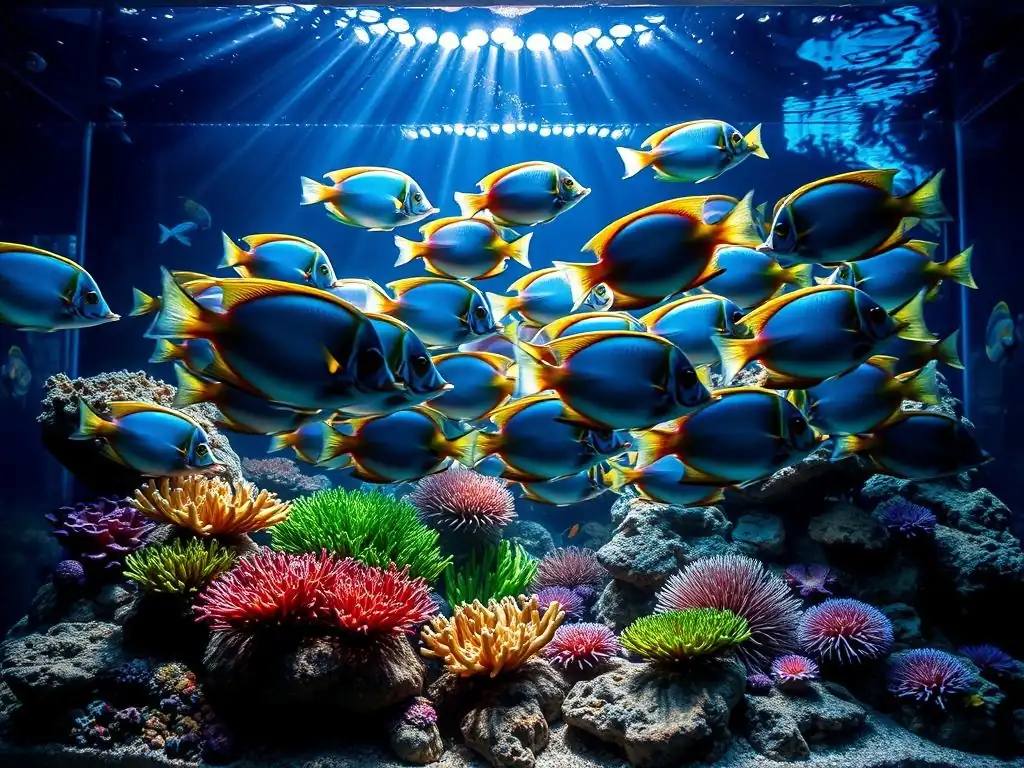
Welcome to Aquarium Mastery!
Ever wondered how to unlock the full vibrant potential of your Sailfin Tang and ensure its long-term aquarium health? Prepare to dive deep! We'll explore the secrets to maximizing their grazing habits and proactively preventing common ailments, setting you on the path to becoming a true aquarist. Ready to unravel the mysteries?
- Introduction to Sailfin Tangs and Aquarium Health
- Optimizing Grazing for Healthy Sailfin Tangs
-
Common Sailfin Tang Ailments and Prevention Strategies
- Identifying Potential Health Issues in Sailfin Tangs
- Head and Lateral Line Erosion (HLLE) in Sailfin Tangs: Prevention and Treatment
- Ich (White Spot Disease) in Sailfin Tangs: Management and Control
- Marine Velvet (Amyloodinium) in Sailfin Tangs: Recognizing and Addressing
- Maintaining Optimal Water Parameters for Sailfin Tang Health
- Selecting Compatible Tank Mates for Sailfin Tangs
- Ensuring Long-Term Sailfin Tang Aquarium Health
- Conclusion: Thriving Sailfin Tangs Through Knowledge and Care
-
Frequently Asked Questions
- How large of an aquarium is recommended for a Sailfin Tang?
- What is the ideal diet for a Sailfin Tang to maintain optimal health?
- What are some common health issues that affect Sailfin Tangs in aquariums?
- How can I maximize the grazing potential for my Sailfin Tang in the aquarium?
- What water parameters are essential for maintaining the health of Sailfin Tangs?
- Final Reflection: Cultivating Thriving Reef Ecosystems
- Unlock the Beauty: Dive Deeper into Sailfin Tang Care!
Introduction to Sailfin Tangs and Aquarium Health
Understanding the Popularity of Sailfin Tangs in Reef Aquariums
Sailfin Tangs, specifically species like Zebrasoma veliferum (Pacific Sailfin Tang) and Zebrasoma desjardinii (Red Sea Sailfin Tang), are highly sought-after inhabitants for large marine aquariums due to their striking appearance and beneficial algae-grazing habits. Their impressive dorsal and anal fins, which can be extended to resemble a sail, coupled with their vibrant coloration, make them a captivating centerpiece. Beyond aesthetics, their natural inclination to consume nuisance algae is a significant advantage for maintaining a clean and balanced reef environment, making them a functional as well as beautiful addition.
However, the allure of Sailfin Tangs also comes with a responsibility to understand their specific needs to ensure optimal Sailfin Tangs aquarium health. These fish can grow quite large, with Z. veliferum reaching up to 15 inches (38 cm) and Z. desjardinii up to 16 inches (40 cm) in length, necessitating spacious tanks. Their active swimming nature and continuous grazing patterns demand a carefully structured habitat that supports their natural behaviors and dietary requirements, which are paramount to preventing stress and disease.
The Importance of Proper Care for Sailfin Tangs' Well-being
Proper care is the cornerstone of robust Sailfin Tangs aquarium health, directly influencing their longevity and vitality. A well-maintained environment minimizes stress, which is often a precursor to disease, and supports their immune system. This holistic approach encompasses not only providing a sufficiently large aquarium, typically a minimum of 125 gallons (approximately 473 liters) for a single adult, but also ensuring stable water parameters, a diverse and appropriate diet, and compatible tank mates.
Neglecting any of these critical aspects can lead to a compromised immune system, making Sailfin Tangs highly susceptible to common marine ailments such as Ich (White Spot Disease), Marine Velvet, and Head and Lateral Line Erosion (HLLE). For instance, a tank that is too small can lead to stunted growth and heightened aggression, while insufficient grazing opportunities can result in nutritional deficiencies. Therefore, understanding and meticulously implementing proper care protocols are essential for any aquarist committed to the long-term well-being of their Sailfin Tangs.
Optimizing Grazing for Healthy Sailfin Tangs
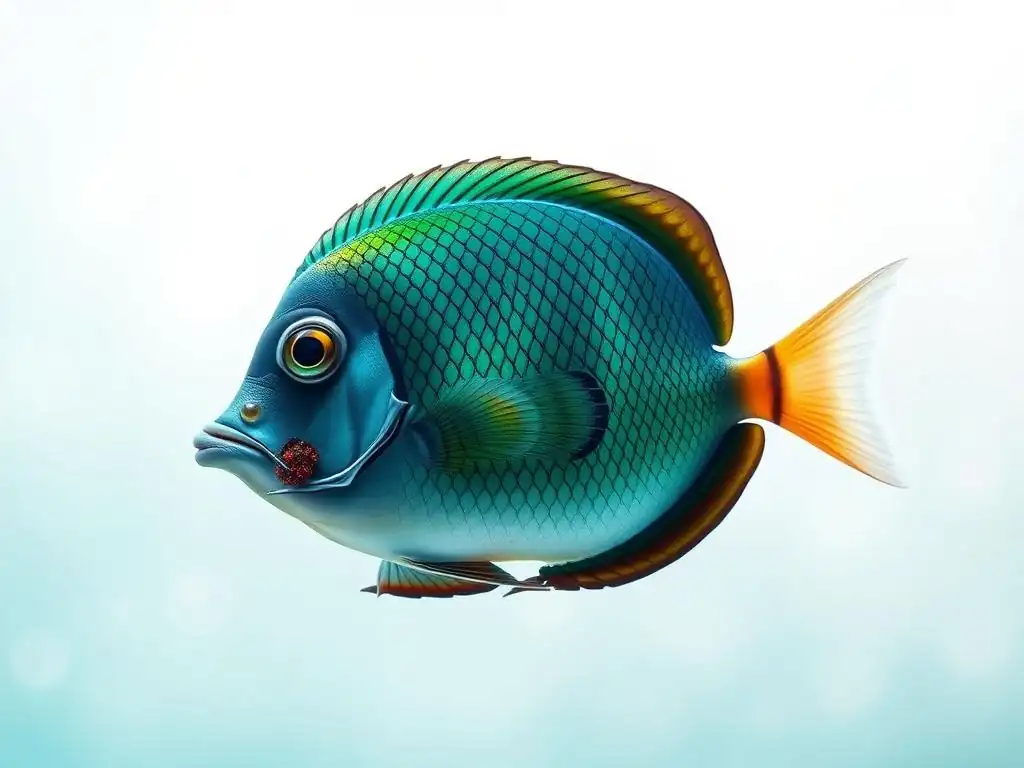
The Role of Algae in a Sailfin Tang's Diet
Algae constitutes the primary and most vital component of a Sailfin Tang's natural diet, reflecting their classification as herbivorous grazers. In their native habitats, these fish spend a significant portion of their day, often 8 to 12 hours, continuously browsing on various types of macroalgae and microalgae found on coral reefs and rocky substrates. This constant grazing not only provides them with essential nutrients, including proteins, vitamins, and particularly fiber, but also aids in their digestive process and keeps their active metabolism balanced.
A diet rich in diverse algae sources is crucial for maintaining vibrant coloration, strong immunity, and overall Sailfin Tang health. Deficiencies in their diet, particularly a lack of sufficient fibrous plant material, can lead to serious health issues such as internal blockages, weakened immune responses, and susceptibility to diseases like Head and Lateral Line Erosion (HLLE). Therefore, replicating their natural grazing habits through abundant algae provision in the aquarium is not merely a dietary supplement but a fundamental requirement for their long-term well-being.
Creating an Ideal Grazing Environment for Sailfin Tangs
Establishing an environment that actively encourages and facilitates continuous grazing is paramount for Sailfin Tangs aquarium health. This involves more than just offering food; it requires structuring the tank in a way that mimics their natural foraging grounds. A well-designed aquarium will provide ample surfaces for natural algae growth and strategic placement for supplemental feeding, ensuring that the Sailfin Tang can engage in its innate behavior throughout the day.
The ideal grazing environment should offer varied textures and hiding spots, allowing the tang to feel secure while it feeds. Considering their active nature and need for constant movement, the layout should also permit clear swimming paths. This combination of security and space, coupled with readily available food sources, reduces stress and promotes consistent feeding, which is vital for their digestive health and overall resilience against diseases.
Live Rock and Algae Growth for Sailfin Tangs
Live rock serves as the cornerstone for a natural grazing environment for Sailfin Tangs, providing both structural complexity and a substrate for natural algae growth. A mature reef aquarium with established live rock will naturally develop a biofilm and a variety of microalgae, such as diatoms and green hair algae, which Sailfin Tangs will actively graze upon. It is recommended to incorporate at least 1-1.5 pounds of live rock per gallon of tank water to provide ample surface area for this growth and for the tang to explore.
Beyond providing food, live rock also offers numerous crevices and caves, allowing the Sailfin Tang to establish territories and find refuge, which significantly reduces stress. A diverse array of live rock, with varied shapes and porous structures, encourages the growth of different types of algae and detritus, enriching the tang's diet and promoting natural foraging behaviors. This continuous, low-intensity grazing on naturally occurring algae is superior to intermittent, large feedings of prepared foods alone for maintaining optimal digestive function and Sailfin Tang health.
Supplemental Algae Feeding for Sailfin Tangs
While natural algae growth on live rock is beneficial, it is rarely sufficient to meet the substantial dietary needs of an adult Sailfin Tang. Therefore, supplemental feeding with various forms of marine algae is essential to ensure they receive adequate nutrition. High-quality dried seaweed, often referred to as Nori, is a popular and effective option. This can be offered using a vegetable clip attached to the aquarium glass or a rock, allowing the tang to graze at its leisure throughout the day.
It is advisable to offer supplemental algae daily, or even twice daily, to mimic their continuous grazing patterns. For instance, a 4x4 inch (10x10 cm) sheet of Nori can be offered in the morning, and another in the afternoon. Varying the types of Nori, such as green, red, or brown seaweed, can provide a broader spectrum of nutrients and prevent deficiencies. Combining this with high-quality spirulina flakes or pellets and occasional meaty foods (like mysis shrimp) ensures a well-rounded diet that supports their immune system and overall Sailfin Tangs aquarium health.
Choosing the Right Macroalgae for Sailfin Tang Diets
Selecting the appropriate types of macroalgae is crucial for providing a comprehensive and balanced diet for Sailfin Tangs. Not all algae are created equal in terms of nutritional content, and offering a variety ensures they receive all necessary vitamins, minerals, and fiber. The goal is to replicate the diverse array of plant matter they would encounter in their natural reef environment, which typically includes various species of green, red, and brown algae.
Focusing on marine-specific macroalgae, rather than freshwater varieties, is key, as their nutritional profiles are tailored to the needs of saltwater fish. High-quality, human-grade dried seaweed (Nori) is widely available and highly palatable to Sailfin Tangs. Incorporating different colors of Nori, such as purple, green, and red, can provide varying trace elements and pigments beneficial for their coloration and internal health, contributing significantly to Sailfin Tangs aquarium health.
Seaweed Selection for Sailfin Tang Nutrient Needs
When selecting seaweed for Sailfin Tangs, variety is key to meeting their diverse nutrient needs. Green seaweeds, like sea lettuce ( Ulva lactuca), are rich in chlorophyll and certain vitamins. Red seaweeds, such as Nori ( Porphyra species), are particularly high in protein, iron, and vitamin B12. Brown seaweeds, though less commonly offered in dried form, provide different carbohydrates and trace minerals. Aim to rotate between at least two to three types of dried seaweed weekly to ensure a broad nutritional intake.
Beyond dried sheets, some aquarists cultivate live macroalgae within a refugium or display tank, such as Chaetomorpha or Gracilaria, which can be periodically harvested and offered to the tangs. These live options provide fresh, unprocessed nutrients. Always ensure that any seaweed offered is free from additives, preservatives, or high levels of iodine found in some human supplements, as these can be detrimental to fish health. Opt for unseasoned, unsalted, and ideally organic marine-specific seaweed products.
Preparing and Offering Algae Sheets to Sailfin Tangs
Proper preparation and presentation of algae sheets are vital to encourage consistent grazing and minimize waste. Dried Nori sheets should be offered in a way that allows the Sailfin Tang to graze at its leisure without the sheet quickly disintegrating or floating away. The most common and effective method is to use a specialized marine vegetable clip, which typically has a suction cup to attach it to the aquarium glass or a small weighted rock to hold it down.
Before offering, a standard 4x4 inch (10x10 cm) sheet of Nori can be folded or torn into a smaller, manageable size, depending on the tang's appetite and the tank's size. Some aquarists lightly moisten the sheet before clipping it to help it soften slightly. Offer one sheet daily, or even half a sheet twice a day, ensuring it is consumed within a few hours to prevent water quality degradation. Remove any uneaten portions promptly to avoid fouling the water, a critical step for maintaining pristine Sailfin Tangs aquarium health.
Common Sailfin Tang Ailments and Prevention Strategies
Identifying Potential Health Issues in Sailfin Tangs
Early detection of health issues is paramount for successful treatment and preventing the spread of disease in an aquarium, especially for active fish like Sailfin Tangs. Aquarists should make it a daily habit to observe their Sailfin Tangs closely, paying attention to their behavior, appearance, and feeding habits. Subtle changes can often be the first indicators of an underlying problem, allowing for intervention before a condition becomes severe or widespread throughout the tank.
A healthy Sailfin Tang exhibits vigorous swimming, bright coloration, clear eyes, and a robust appetite. It will actively graze and interact with its environment and tank mates in a predictable manner. Any deviation from these norms should prompt further investigation. Proactive observation is a cornerstone of maintaining optimal Sailfin Tangs aquarium health, enabling the aquarist to respond swiftly to potential threats.
Recognizing Early Signs of Disease in Sailfin Tangs
Recognizing early signs of disease in Sailfin Tangs requires a keen eye and familiarity with their normal behavior. Behavioral changes are often the first red flags:
- Loss of appetite: Refusing to eat or significantly reduced feeding.
- Lethargy: Spending unusual amounts of time hiding, resting on the bottom, or exhibiting reduced activity.
- Rapid breathing: Gill movements that are noticeably faster than normal, indicating respiratory distress.
- Flashing: Rubbing against rocks or substrate to scratch an itch, often a sign of external parasites.
- Clamped fins: Fins held close to the body rather than extended normally.
Physical symptoms can also appear:
- Discoloration: Fading colors, darkening patches, or unusual spots.
- White spots: Small, salt-like grains on the body and fins (Ich).
- Dusting/velvet appearance: A fine, yellowish or brownish film on the body (Marine Velvet).
- Erosions/lesions: Pitting or erosion around the head and lateral line (HLLE).
- Cloudy eyes or frayed fins.
Prompt action upon observing any of these signs is crucial for effective treatment and safeguarding Sailfin Tangs aquarium health.
Head and Lateral Line Erosion (HLLE) in Sailfin Tangs: Prevention and Treatment
Head and Lateral Line Erosion (HLLE) is a common and often disfiguring condition affecting many marine fish, including Sailfin Tangs. It manifests as pitting, lesions, and tissue erosion along the head and lateral line system of the fish. While not immediately fatal, severe HLLE can lead to secondary bacterial infections and significantly compromise a fish's immune system and overall well-being. Preventing HLLE is far easier and more effective than treating advanced cases.
The exact causes of HLLE are often multi-factorial, but poor water quality, nutritional deficiencies, and exposure to certain environmental stressors or chemicals are commonly implicated. Addressing these underlying factors is key to both preventing and reversing the progression of HLLE. A comprehensive approach that focuses on pristine water conditions, a balanced diet, and a low-stress environment is essential for maintaining robust Sailfin Tangs aquarium health.
Causes of HLLE in Sailfin Tangs
The precise etiology of Head and Lateral Line Erosion (HLLE) in Sailfin Tangs is complex and often attributed to a combination of environmental and dietary factors. One primary suspect is prolonged exposure to poor water quality, particularly elevated nitrates (above 20 ppm) and phosphates (above 0.03 ppm), or the presence of dissolved organic compounds. Activated carbon, while beneficial for removing impurities, has also been implicated by some studies if used improperly or when exhausted, potentially leaching harmful substances.
Nutritional deficiencies are another major contributing factor. A diet lacking in essential vitamins, especially Vitamin C and specific amino acids, or insufficient amounts of highly digestible marine algae, can significantly increase a Sailfin Tang's susceptibility to HLLE. Additionally, stray voltage in the aquarium, prolonged stress from incompatible tank mates, or an undersized tank can also contribute to the development or worsening of this condition, underscoring the importance of holistic Sailfin Tangs aquarium health management.
Maintaining Water Quality to Prevent HLLE
Maintaining pristine water quality is arguably the most critical factor in preventing Head and Lateral Line Erosion (HLLE) in Sailfin Tangs. Consistent and stable water parameters minimize stress and support the fish's natural immune defenses. Regular partial water changes, typically 10-20% weekly or bi-weekly, are essential for diluting accumulated nitrates and phosphates. Target nitrate levels should ideally be below 10 ppm, and phosphates below 0.03 ppm, for optimal Sailfin Tang health.
Beyond water changes, robust filtration is necessary. This includes mechanical filtration (filter socks, sponges) to remove particulate matter, biological filtration (live rock, bio-media) to process ammonia and nitrite, and chemical filtration (activated carbon, GFO) to absorb dissolved organics and phosphates. If using activated carbon, replace it regularly (e.g., every 2-4 weeks) to prevent it from leaching absorbed pollutants back into the water. Ensuring proper aeration and stable pH (8.1-8.4) and salinity (1.023-1.026 specific gravity) further contributes to a healthy environment and reduces the risk of HLLE.
Dietary Considerations for HLLE Prevention
A comprehensive and nutrient-rich diet is a cornerstone in preventing Head and Lateral Line Erosion (HLLE) in Sailfin Tangs. Since HLLE is often linked to nutritional deficiencies, providing a wide variety of high-quality marine algae and vitamin-fortified foods is crucial. Ensure that the primary diet consists of various types of dried marine seaweed (Nori), offered daily, as these provide essential fiber, vitamins, and minerals. Supplementing with spirulina-based flakes or pellets further enhances their intake of plant-based nutrients.
It is also beneficial to incorporate foods rich in Vitamin C, such as certain algae or commercially prepared foods that are specifically fortified. Vitamin C acts as an antioxidant and plays a vital role in tissue repair and immune function. Occasionally, offering small amounts of high-quality frozen foods like mysis shrimp or brine shrimp, enriched with vitamins, can provide additional protein and fatty acids. Avoiding a monotonous diet and ensuring fresh, high-quality food sources are consistently available will significantly bolster a Sailfin Tang's resilience against HLLE and promote overall Sailfin Tangs aquarium health.
Ich (White Spot Disease) in Sailfin Tangs: Management and Control
Ich, caused by the parasite Cryptocaryon irritans, is one of the most prevalent and feared diseases in marine aquariums, and Sailfin Tangs are particularly susceptible due to their often-stressed nature from shipping or inadequate tank conditions. It manifests as small, white, salt-like spots on the fish's body and fins, which are the visible trophont stage of the parasite. If left untreated, Ich can rapidly multiply and lead to severe gill damage, secondary infections, and ultimately, high mortality rates within the aquarium.
Effective management and control of Ich require a thorough understanding of the parasite's life cycle and a proactive approach to prevention, especially through proper quarantine procedures. Once an outbreak occurs, prompt and consistent treatment is essential to eradicate the parasite from the display tank or to treat affected fish in a separate hospital tank. Success in combating Ich is a critical measure of an aquarist's commitment to Sailfin Tangs aquarium health.
Understanding the Ich Life Cycle in Aquariums
To effectively combat Ich ( Cryptocaryon irritans), it's crucial to understand its four-stage life cycle, which typically lasts from 7 to 28 days depending on water temperature (warmer water accelerates the cycle).
- Trophont: This is the feeding stage, appearing as the visible white spots on the fish. The trophont burrows into the fish's skin and gills, feeding on tissues.
- Tomont: After feeding for several days, the trophont detaches from the fish and falls to the substrate or decor, encysting into a tomont. This protective cyst is resistant to most medications.
- Tomite: Inside the tomont, the parasite rapidly divides, producing hundreds of free-swimming tomites (infective swarmers).
- Theront: Once mature, the tomites burst out of the tomont and actively seek a host fish. If they find a host within 24-48 hours, they attach and become trophonts, restarting the cycle. If they don't find a host, they die.
Knowing this cycle informs treatment strategies, as only the free-swimming theronts are truly susceptible to most medications or environmental manipulations. This understanding is fundamental to protecting Sailfin Tangs aquarium health from parasitic outbreaks.
Effective Quarantine Procedures for New Sailfin Tangs
Effective quarantine is the single most important preventative measure against introducing Ich and other diseases into a display tank, especially with new Sailfin Tangs. A dedicated quarantine tank (QT) of at least 20-40 gallons (75-150 liters) should be set up with stable water parameters, minimal decor (PVC pipes for hiding), and no substrate to facilitate observation and treatment. New Sailfin Tangs should be placed in the QT for a minimum of 4-6 weeks.
During this period, observe the fish daily for any signs of disease. Even if no symptoms appear, it is advisable to perform a prophylactic treatment, such as a low-level copper treatment (e.g., 0.15-0.20 ppm total copper for 14-21 days) or tank transfer method, to eliminate any latent parasites. Feeding high-quality, vitamin-enriched foods during quarantine helps bolster the fish's immune system. This meticulous quarantine protocol significantly reduces the risk of introducing pathogens and safeguards the Sailfin Tangs aquarium health of the established community.
Treatment Options for Ich in Sailfin Tangs
When a Sailfin Tang in a display tank contracts Ich, treatment options must be carefully considered. Direct treatment in a reef display tank is generally discouraged due to the potential harm to corals, invertebrates, and beneficial bacteria from common Ich medications like copper or formalin. Therefore, the most effective approach is often to remove the infected Sailfin Tang to a dedicated hospital tank for treatment.
In a hospital tank, copper-based medications (e.g., copper sulfate or chelated copper) are highly effective, maintained at a therapeutic level of 0.15-0.20 ppm for at least 14-21 days, ensuring the entire Ich life cycle is broken. Another method, Hyposalinity, involves gradually lowering the specific gravity to 1.008-1.009 for 4-6 weeks to disrupt the parasite's osmotic balance.
For the display tank, a "fallow period" of 6-8 weeks (without fish) will starve out the Ich parasites. Always monitor water parameters closely during treatment and follow product instructions precisely to ensure the safety and recovery of your Sailfin Tangs and the long-term Sailfin Tangs aquarium health.
Marine Velvet (Amyloodinium) in Sailfin Tangs: Recognizing and Addressing
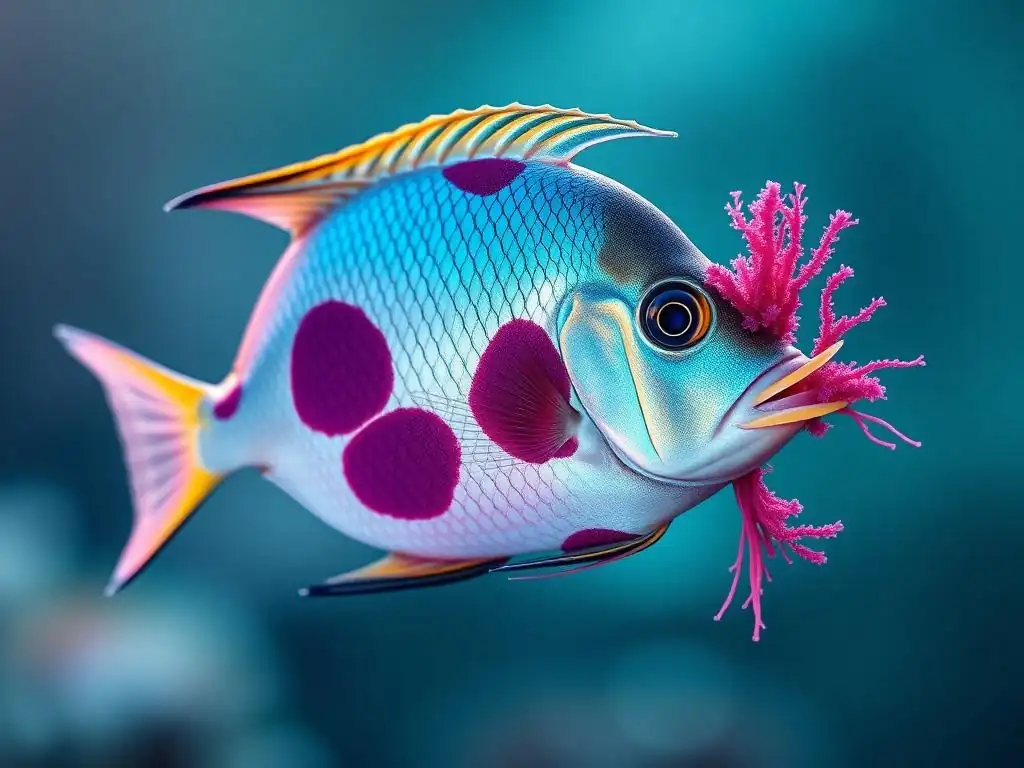
Marine Velvet, caused by the dinoflagellate Amyloodinium ocellatum, is an extremely virulent and rapidly fatal parasitic disease that can decimate an entire marine aquarium population within days if not addressed immediately. Sailfin Tangs are particularly vulnerable due to their scaleless skin and active nature, which often leads to stress. Unlike Ich's distinct white spots, Marine Velvet typically appears as a fine, dusty, yellowish-brown coating on the fish's body, resembling velvet, hence its name.
The rapid progression of Marine Velvet necessitates immediate and aggressive intervention. Its highly contagious nature means that once symptoms are observed in one fish, it is highly probable that other fish in the tank are already infected or soon will be. Understanding its rapid onset and implementing swift treatment protocols are crucial for saving affected Sailfin Tangs and preventing widespread loss, making prompt recognition a critical skill for maintaining Sailfin Tangs aquarium health.
Identifying Marine Velvet Symptoms in Sailfin Tangs
Identifying Marine Velvet symptoms in Sailfin Tangs requires careful observation, as its initial presentation can be subtle but rapidly escalates. The hallmark sign is a fine, yellowish-brown "dusting" or velvety film covering the fish's body, gills, and fins. This differs from Ich's larger, salt-like spots. Other common symptoms include:
- Rapid breathing (gasping at surface): A primary indicator, as the parasites attack the gills first, causing severe respiratory distress and making breathing difficult.
- Lethargy and hiding: Infected fish become listless, spend time at the bottom, or hide excessively.
- Loss of appetite: Refusal to eat is common due to severe stress and gill damage.
- Fading coloration: Colors may appear dull or washed out.
- Flashing or scratching: Rubbing against tank decor to alleviate irritation.
- Cloudy eyes: Can occur in advanced stages.
Given the rapid progression of Marine Velvet, any combination of these symptoms, especially rapid breathing and dusting, should trigger immediate action to protect Sailfin Tangs aquarium health.
Rapid Treatment Protocols for Marine Velvet
Due to the highly aggressive and rapidly fatal nature of Marine Velvet, immediate and decisive treatment protocols are essential. Once diagnosed, all fish must be removed from the display tank and transferred to a dedicated hospital tank for treatment. The display tank should then be left fallow (fish-less) for at least 6-8 weeks at typical reef temperatures (76-78°F or 24-26°C) to ensure the parasite's life cycle is broken and all free-swimming stages die off.
In the hospital tank, copper-based medications (e.g., copper sulfate or chelated copper) are the most reliable and fast-acting treatment. Maintain a therapeutic copper level of 0.15-0.20 ppm total copper, continuously monitored with a reliable test kit, for a minimum of 14-21 days. Formalin dips or baths, followed by transfer to a copper-treated tank, can provide immediate relief for severely affected fish by dislodging parasites.
Freshwater dips (5-10 minutes, pH and temperature matched) can also offer temporary relief by causing the parasites to swell and detach. Given the urgency, having a hospital tank ready and copper medication on hand is crucial for safeguarding Sailfin Tangs aquarium health.
Maintaining Optimal Water Parameters for Sailfin Tang Health
Maintaining optimal and stable water parameters is the bedrock of Sailfin Tangs aquarium health, directly influencing their immune system, stress levels, and overall vitality. Sailfin Tangs, like most marine fish, are sensitive to fluctuations in their environment, and consistent deviations from ideal conditions can lead to chronic stress, weakened immunity, and increased susceptibility to diseases. Therefore, diligent monitoring and precise adjustments are non-negotiable for their long-term well-being.
The goal is to replicate the stable conditions of a natural coral reef environment as closely as possible. This involves not only managing the primary parameters like salinity, temperature, and pH but also keeping nitrogenous waste products (ammonia, nitrite, nitrate) and phosphates at undetectable or very low levels. A proactive approach to water chemistry management significantly reduces the risk of environmental stress-induced illnesses, ensuring your Sailfin Tangs thrive.
The Significance of Water Chemistry for Sailfin Tangs
Water chemistry plays a profound role in the physiological processes of Sailfin Tangs, directly impacting their respiration, osmoregulation, and metabolic functions. Stable salinity, ideally between 1.023 and 1.026 specific gravity, is crucial for their osmotic balance; sudden shifts can cause severe stress and even death. Temperature, typically maintained between 76-78°F (24-26°C), influences their metabolic rate and immune function; extremes or rapid changes can suppress their immunity.
Furthermore, pH levels, ideally 8.1-8.4, are vital for enzyme activity and preventing acidosis or alkalosis. Elevated ammonia (>0 ppm) and nitrite (>0 ppm) are highly toxic and must be kept at undetectable levels, as they impair oxygen uptake and damage gill tissues. Even low levels of nitrate (<10 ppm) and phosphate (<0.03 ppm) can contribute to chronic stress and weaken resistance to diseases like HLLE. Adhering to these parameters is fundamental to Sailfin Tangs aquarium health.
Regular Water Testing and Adjustments for a Healthy Aquarium
Regular and accurate water testing is indispensable for maintaining the stable parameters necessary for a healthy Sailfin Tang aquarium. Weekly testing of key parameters allows aquarists to detect deviations before they become problematic. Essential tests include:
- Salinity: Daily or several times a week, using a refractometer or hydrometer (target: 1.023-1.026 SG).
- Temperature: Daily, using a reliable thermometer (target: 76-78°F / 24-26°C).
- pH: Weekly (target: 8.1-8.4).
- Ammonia and Nitrite: Weekly, especially in new or unstable tanks (target: 0 ppm).
- Nitrate and Phosphate: Weekly or bi-weekly (target: Nitrate <10 ppm, Phosphate <0.03 ppm).
Based on test results, adjustments should be made promptly. This might involve partial water changes to reduce nitrates/phosphates, using Kalkwasser or buffer solutions to adjust pH and alkalinity, or adding a heater/chiller to regulate temperature. Consistent monitoring and proactive adjustments are key to preventing stress and disease, thereby ensuring robust Sailfin Tangs aquarium health.
Selecting Compatible Tank Mates for Sailfin Tangs
Understanding Sailfin Tang Temperament and Aggression
Sailfin Tangs, while generally peaceful grazers, can exhibit varying degrees of temperament, ranging from relatively docile to semi-aggressive, particularly as they mature and establish territory. Their aggression is often directed towards other tangs, especially those of similar body shape, color, or species, as they perceive them as direct competitors for food and space. This intraspecific and interspecific aggression can lead to constant chasing, fin nipping, and significant stress for all involved, potentially compromising Sailfin Tangs aquarium health.
An adult Sailfin Tang, which can reach over a foot in length, requires ample swimming space to minimize territorial disputes. Introducing them into an undersized tank or with multiple other tangs without sufficient rockwork and sightline breaks can exacerbate aggression. Understanding this inherent territoriality is crucial for selecting appropriate tank mates and designing a habitat that promotes harmony rather than conflict, ensuring all inhabitants thrive.
Choosing Peaceful Tank Mates to Minimize Stress
Choosing peaceful and non-competitive tank mates is crucial for minimizing stress and ensuring the long-term Sailfin Tangs aquarium health. Ideal companions are fish that occupy different niches within the aquarium, have distinct body shapes and colorations, and are not known for aggressive behavior. Good choices often include:
- Clownfish: Generally peaceful, occupying host anemones or specific territories.
- Gobies: Bottom-dwellers that do not compete for swimming space or grazing areas.
- Blennies: Often peaceful, though some can be nippy; choose herbivorous species.
- Royal Grammas: Small, reclusive, and occupy rockwork.
- Certain Damselfish: Though some are aggressive, species like the Yellowtail Damselfish can be suitable if introduced carefully.
- Anthias: Pelagic swimmers that typically ignore tangs.
When introducing new fish, observe interactions closely. Ensure the tank is adequately sized (125 gallons or more for a single Sailfin Tang) to provide sufficient space for all inhabitants to coexist without undue stress or territorial disputes.
Avoiding Aggressive Tank Mates That Could Harm Sailfin Tangs
To safeguard Sailfin Tangs aquarium health, it is equally important to avoid tank mates that are known for aggression, especially towards herbivores or fish of similar appearance. Introducing highly aggressive species can lead to constant harassment, fin nipping, and severe stress for the Sailfin Tang, making it susceptible to disease. Tank mates to generally avoid include:
- Other Tangs: Especially those of the Zebrasoma genus (e.g., Yellow Tangs, Purple Tangs), unless the tank is exceptionally large (e.g., 200+ gallons) and introduced simultaneously with careful planning.
- Triggerfish: Many species are highly aggressive predators that can injure or kill tangs.
- Lionfish: While less likely to directly attack a large tang, their predatory nature can cause stress.
- Large Angelfish: Some larger angelfish species can be territorial and aggressive, especially towards new additions or fish with similar diets.
- Large Groupers or Eels: Predatory fish that could view a Sailfin Tang as prey.
Always research the temperament and adult size of any potential tank mate thoroughly. A peaceful coexistence is paramount for maintaining a thriving and stress-free environment for your Sailfin Tang.
Ensuring Long-Term Sailfin Tang Aquarium Health
Regular Observation and Proactive Care
Regular observation is a cornerstone of ensuring long-term Sailfin Tangs aquarium health. Daily, dedicated time spent watching your tangs allows you to quickly identify subtle behavioral or physical changes that may indicate the onset of illness or stress. This includes noting their swimming patterns, color vibrancy, fin condition, appetite, and interactions with other tank inhabitants. A fish that consistently hides, breathes rapidly, or shows any spots or lesions warrants immediate attention.
Proactive care goes hand-in-hand with observation. This involves not just reacting to problems but anticipating and preventing them. Maintaining a consistent maintenance schedule, including regular water changes (e.g., 10-15% weekly or bi-weekly), filter media replacement, and equipment checks, minimizes environmental stressors. Regularly testing water parameters (salinity, temperature, pH, ammonia, nitrite, nitrate, phosphate) and making timely adjustments are critical proactive measures that prevent water quality issues from compromising Sailfin Tangs aquarium health.
Maintaining a Balanced and Nutritious Diet
Maintaining a balanced and nutritious diet is absolutely fundamental for the long-term Sailfin Tangs aquarium health. As obligate herbivores, their digestive systems are designed for continuous grazing on fibrous plant matter. A diet lacking in variety or essential nutrients can lead to weakened immunity, susceptibility to diseases like HLLE, and dull coloration. Therefore, the majority of their diet must consist of high-quality marine algae.
Offer a variety of dried seaweeds (Nori – green, red, purple types) daily, secured with a veggie clip, allowing them to graze throughout the day. Supplement this with spirulina-based flakes or pellets and occasional offerings of vitamin-enriched frozen foods like mysis shrimp. Avoid overfeeding, which can lead to water quality issues, but ensure consistent availability of plant matter. A well-rounded diet not only fuels their active metabolism but also provides the necessary building blocks for a robust immune system, ensuring vitality and resilience against common ailments.
The Importance of Quarantine for New Arrivals
The importance of a rigorous quarantine protocol for all new marine fish, especially Sailfin Tangs, cannot be overstated when aiming for long-term Sailfin Tangs aquarium health. A dedicated quarantine tank (QT) of at least 20-40 gallons (75-150 liters) should be set up and cycled prior to any new fish arrival. This separate environment allows for a crucial observation period, typically 4-6 weeks, during which the new fish can be monitored for signs of disease without risking the established inhabitants of the display tank.
During quarantine, prophylactic treatments for common parasites like Ich and Marine Velvet (e.g., copper treatment at 0.15-0.20 ppm or the Tank Transfer Method) are highly recommended, even if no symptoms are visible. This preemptive approach eliminates potential pathogens before they can be introduced into the main display, where treatment is often more challenging and risky for corals and invertebrates. Quarantine also allows the new Sailfin Tang to acclimate to prepared foods and reduces stress before being introduced to a larger community, significantly boosting its chances of long-term survival and health.
Conclusion: Thriving Sailfin Tangs Through Knowledge and Care
Frequently Asked Questions
How large of an aquarium is recommended for a Sailfin Tang?
Sailfin Tangs require a large aquarium due to their size and active swimming habits. A minimum tank size of 125 gallons is generally recommended, but larger is always better.
What is the ideal diet for a Sailfin Tang to maintain optimal health?
Sailfin Tangs are primarily herbivores and need a diet rich in marine algae and seaweed. Supplementing with high-quality flake food and occasional meaty treats can also be beneficial.
What are some common health issues that affect Sailfin Tangs in aquariums?
Common issues include ich (white spot disease), head and lateral line erosion (HLLE), and parasitic infections. Maintaining excellent water quality is crucial for prevention.
How can I maximize the grazing potential for my Sailfin Tang in the aquarium?
Provide ample live rock for natural algae growth, and supplement with seaweed sheets attached to a clip or rock. This ensures constant access to grazing material.
What water parameters are essential for maintaining the health of Sailfin Tangs?
Maintaining stable and appropriate water parameters is critical. This includes a specific gravity of 1.023-1.025, a pH of 8.1-8.4, and a temperature of 72-78°F. Regular water changes are also essential.
Final Reflection: Cultivating Thriving Reef Ecosystems
The insights shared throughout this article highlight the crucial role of informed husbandry in maintaining the Sailfin Tang's aquarium health. Understanding their grazing needs and proactively addressing potential ailments isn't just about keeping a fish alive; it's about fostering a balanced and thriving reef ecosystem within the confines of our aquariums, mirroring the delicate balance found in their natural habitat.
The journey of keeping Sailfin Tangs, and indeed any reef inhabitant, is a continuous learning process. The responsibility we undertake when introducing these creatures into our care is immense, demanding constant vigilance and a commitment to providing the best possible environment. The greatness of a nation and its moral progress can be judged by the way its animals are treated.
- Mahatma Gandhi. This quote, though not specifically about aquariums, underscores the ethical dimension of our hobby and the importance of responsible care.
As you reflect on the information presented, consider how you can further refine your approach to Sailfin Tang husbandry. Are you providing adequate grazing opportunities? Are you diligently monitoring for signs of illness? Let this article serve as a catalyst for continuous improvement, empowering you to create a truly healthy and vibrant underwater world for these magnificent creatures.
Unlock the Beauty: Dive Deeper into Sailfin Tang Care!
Thank you for exploring the world of Sailfin Tangs with us! Now that you're equipped with the knowledge to enhance their grazing and health, it's time to put that understanding into action. Here's how you can make a real difference in your Sailfin Tang's life:
- Implement a consistent seaweed feeding schedule using a veggie clip or secure rock to maximize their grazing habits and support optimal health.
- Explore less common, nutrient-rich algae types like Spirulina or Nori to diversify your Sailfin Tang's diet and potentially boost coloration.
- Share your experiences and newfound knowledge! Join our forum on AquariumMastery.com to connect with other Sailfin Tang enthusiasts and contribute to our collective wisdom.
What innovative grazing techniques have you discovered that keep your Sailfin Tang thriving and algae at bay?