
The Tang Trinity: Perfecting Algae Control, Diet, and Disease Prevention in Harmony

Welcome to Aquarium Mastery!
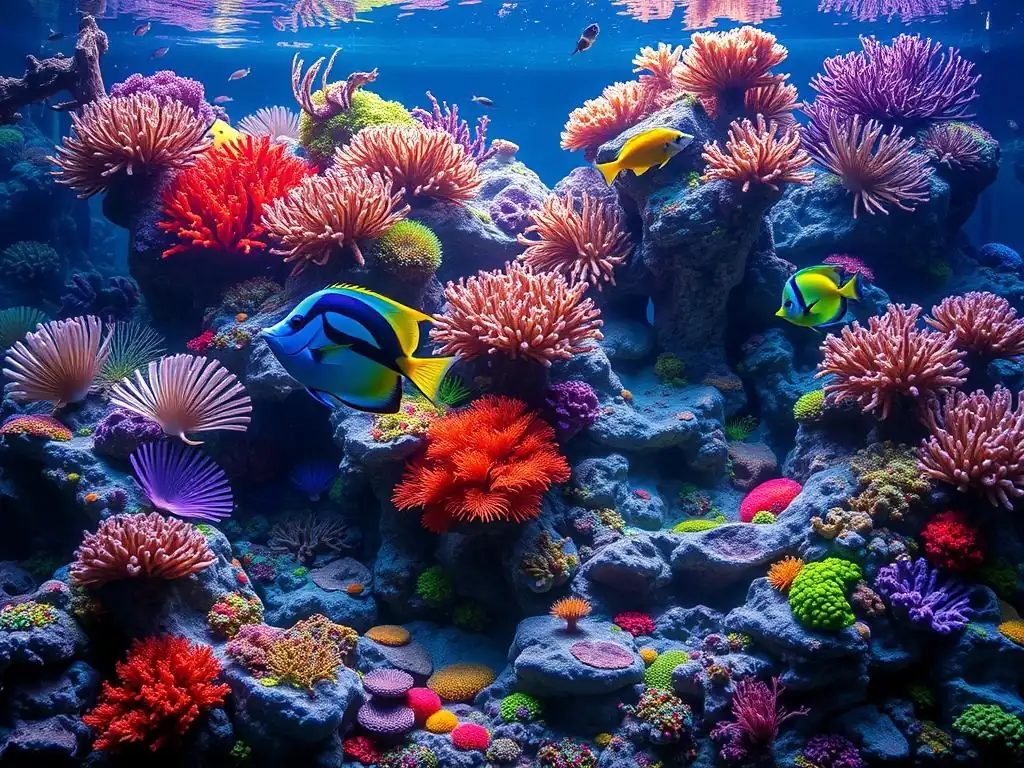
Ever wondered how to truly master algae control in your saltwater tank while keeping your Tangs happy and healthy? Unlock the secrets to a thriving reef ecosystem! We're diving deep into Saltwater Tang algae control, exploring proven techniques, optimal diets, and essential disease prevention strategies. Get ready to create a balanced and beautiful aquarium where your Tangs – and your entire reef community – flourish. Read on to discover the Tang Trinity!
- Understanding Saltwater Tang Algae Control for a Thriving Reef Aquarium
- Optimizing Tang Diets Beyond Algae: Ensuring Nutritional Balance
- Disease Prevention in Saltwater Tangs: A Proactive Approach
- The Synergy of Algae Control, Diet, and Disease Prevention: The Tang Trinity in Practice
- Selecting the Right Tang Species for Effective Algae Control in your Saltwater Aquarium
- Troubleshooting Common Saltwater Tang Care Issues
- Advanced Techniques for Maintaining Saltwater Tang Health
- Conclusion: Mastering the Tang Trinity for a Flourishing Saltwater Aquarium
-
Frequently Asked Questions
- How effective are Tangs at controlling algae in a saltwater aquarium?
- What is the "Tang Trinity" and how does it relate to algae control?
- What specific types of algae do Tangs typically consume in a saltwater aquarium?
- Besides Tangs, what other methods can be used to control algae in a saltwater aquarium?
- How can I ensure my Tangs receive a balanced diet beyond just algae grazing?
- Final Reflection: The Symphony of a Healthy Reef
- Revolutionize Your Tang's World!
Understanding Saltwater Tang Algae Control for a Thriving Reef Aquarium
The Vital Role of Algae Consumption in Tang Health
Saltwater Tangs, members of the family Acanthuridae, are renowned for their indispensable role in maintaining the ecological balance of a reef aquarium. Their primary contribution lies in their voracious appetite for various forms of algae, which is not merely a preference but a fundamental requirement for their survival and well-being. Constant grazing prevents nuisance algae from overwhelming corals and other sessile invertebrates, but more importantly, it provides Tangs with essential nutrients, particularly cellulose, indigestible fibers, and specific fatty acids crucial for their digestive health and overall vitality.
A diet rich in natural algae directly impacts a Tang's immune system, coloration, and overall longevity. Without adequate access to these fibrous plant materials, Tangs can suffer from a range of nutritional deficiencies, including the notorious Head and Lateral Line Erosion (HLLE), a condition often linked to poor diet and water quality. Effective Saltwater Tang algae control through natural grazing ensures a continuous supply of these vital nutrients, mimicking their natural feeding behaviors in the wild, where they spend most of their day meticulously scraping algae from rock surfaces.
Identifying Common Algae Types in Saltwater Aquariums
Effective Saltwater Tang algae control begins with understanding the types of algae commonly encountered in reef aquariums. Nuisance algae can quickly proliferate, diminishing the aesthetic appeal and potentially harming corals by competing for light and space. Filamentous hair algae, often green and stringy, is a frequent culprit, thriving on excess nutrients like nitrates and phosphates. Cyanobacteria, often mistaken for algae, appears as a red or black slime that can rapidly cover surfaces, indicating poor water circulation or high organic loads.
Diatoms, typically brown and appearing as a dusty film on glass and substrate, are common in new tanks during the cycling phase, but persistent outbreaks can signal high silicates. Dinoflagellates, another challenging organism, can manifest as a stringy, snot-like growth or a reddish-brown mat. Each type presents a unique challenge, and while Tangs are generalist grazers, some species exhibit preferences. For instance, Yellow Tangs ( Zebrasoma flavescens) are particularly effective against hair algae, whereas Naso Tangs ( Naso lituratus) might tackle larger macroalgae more readily.
Why Saltwater Tangs are Ideal Algae Grazers
Saltwater Tangs are uniquely adapted to be highly effective algae grazers, making them cornerstone species for Saltwater Tang algae control in reef aquariums. Their specialized mouthparts, often equipped with comb-like teeth, are perfectly designed for scraping algae off rockwork and other surfaces. Unlike many other herbivorous fish, Tangs exhibit a continuous grazing behavior, spending a significant portion of their day (often 8-10 hours) actively consuming algae, which contributes to a steady reduction in algal biomass.
Their digestive systems are also geared towards processing large quantities of plant matter. This constant intake and processing of fibrous material are vital for maintaining their gut health. Furthermore, many Tang species are naturally territorial, and in a home aquarium, this territoriality often extends to defending prime grazing areas. This behavior, while sometimes problematic with tank mates, inadvertently contributes to more thorough algae removal within their established territories, solidifying their reputation as indispensable natural solutions for maintaining a pristine, balanced reef environment.
Optimizing Tang Diets Beyond Algae: Ensuring Nutritional Balance
Essential Nutrients for Saltwater Tangs: Beyond Algae
While algae form the cornerstone of a Tang's natural diet, relying solely on tank-grown algae is often insufficient to meet all their nutritional requirements in an aquarium setting. Just like any complex organism, Saltwater Tangs need a broad spectrum of nutrients for optimal health, growth, and disease resistance. Key among these are various vitamins, particularly Vitamin C (ascorbic acid), which is crucial for immune function, wound healing, and connective tissue maintenance. A deficiency in Vitamin C is strongly implicated in the development of Head and Lateral Line Erosion (HLLE), a common ailment in Tangs.
Furthermore, Tangs require a balanced intake of proteins, carbohydrates, and fats, along with essential minerals like calcium and iodine. While algae provide some of these, the specific composition can vary greatly depending on the type and availability. For instance, while filamentous algae offer fiber, they might be deficient in certain amino acids or trace elements. Therefore, a comprehensive diet for Saltwater Tang algae control and overall well-being must incorporate high-quality supplemental foods that deliver these vital components, ensuring no nutritional gaps exist for these active grazers.
Supplementing Algae Consumption: A Varied Diet for Tangs
To ensure comprehensive nutritional balance, supplementing the natural algae consumption of Saltwater Tangs is imperative. This involves offering a diverse range of high-quality prepared and natural foods daily. Marine-based dried algae, such as nori or spirulina sheets, affixed to a veggie clip, are excellent primary supplements, mimicking their natural grazing behavior and providing essential fiber and pigments. These should be offered several times a week, if not daily, depending on the Tang's size and the aquarium's algal abundance.
Beyond dried algae, high-quality spirulina-enriched flakes and pellets designed for marine herbivores should form a significant part of their diet. These foods are often fortified with essential vitamins and minerals, including stabilized Vitamin C. Frozen foods like spirulina brine shrimp, mysis shrimp, or specialized herbivore blends can also be offered a few times a week to provide additional protein, fatty acids, and variety. The goal is to present a rotating menu that ensures all nutritional needs are met, preventing deficiencies and promoting robust health beyond just Saltwater Tang algae control.
The Importance of High-Quality Prepared Foods for Tangs
The selection of high-quality prepared foods is a critical component of a balanced diet for Saltwater Tangs, complementing their natural algae consumption. Generic fish flakes or pellets often lack the specific nutritional profile required by herbivorous marine fish. Premium herbivore-specific formulas, however, are carefully formulated with ingredients like spirulina, chlorella, kelp, and other marine algae, providing the necessary plant-based proteins, carotenoids for vibrant coloration, and digestible fibers.
Furthermore, these specialized foods are typically fortified with a stable form of Vitamin C, which is crucial for preventing conditions like HLLE, and other essential vitamins (A, D, E) and trace minerals. When choosing prepared foods, look for reputable brands that list a high percentage of marine algae and vegetable matter as primary ingredients. Offering a mix of high-quality flakes and pellets ensures that Tangs receive a consistent and balanced intake of nutrients, providing a safety net even when tank algae levels fluctuate, thereby reinforcing effective Saltwater Tang algae control and overall health.
Natural Food Sources for Tangs: Promoting a Healthy Gut Microbiome
Beyond the intentional feeding of prepared foods and dried algae, a thriving reef aquarium offers numerous natural food sources that significantly contribute to a Tang's health and gut microbiome. Live rock, especially mature and porous pieces, is a continuous buffet of microalgae, diatoms, and various microfauna (like copepods and amphipods) that Tangs will constantly graze upon. This constant, varied intake of microscopic organisms and detritus helps maintain a diverse and healthy gut flora, which is essential for efficient nutrient absorption and a strong immune system.
The presence of a refugium, a separate sump compartment dedicated to cultivating macroalgae (like Chaetomorpha or Ulva) and micro-invertebrates, can further enhance natural food availability. As the macroalgae grow, they provide a source of natural, unprocessed plant matter, and any copepods or amphipods that reproduce within the refugium can be periodically released into the main display, offering a live food source that promotes natural hunting and grazing behaviors. This holistic approach to feeding, combining deliberate supplementation with natural foraging opportunities, creates an optimal environment for Saltwater Tang algae control and robust fish health.
Disease Prevention in Saltwater Tangs: A Proactive Approach
Understanding Common Saltwater Tang Diseases
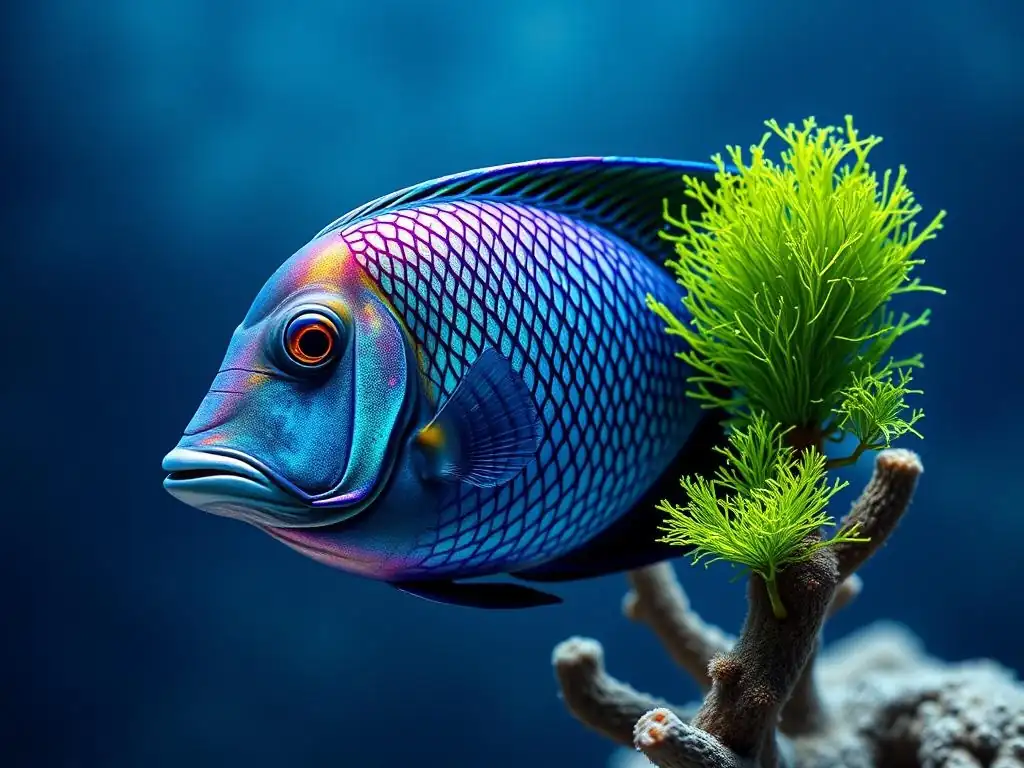
Saltwater Tangs, despite their resilience, are susceptible to several common diseases in captivity, often exacerbated by stress, poor water quality, or inadequate diet. Ich ( Cryptocaryon irritans) is perhaps the most prevalent, appearing as tiny white spots resembling salt grains on the body and fins. Marine Velvet ( Amyloodinium ocellatum) is another highly contagious parasitic infection, characterized by a dusty, golden film and rapid breathing. Both can be lethal if not addressed promptly.
Head and Lateral Line Erosion (HLLE), as mentioned, is a chronic condition causing pitting and lesions, particularly around the face and lateral line, often linked to nutritional deficiencies (especially Vitamin C), poor water quality, and activated carbon use. Bacterial infections can cause fin rot or cloudy eyes, while internal parasites can lead to wasting. Understanding these common ailments is the first step in proactive disease prevention, as early recognition is key. Effective Saltwater Tang algae control and a balanced diet significantly bolster their natural immunity against these threats.
Quarantine Protocols: Preventing Disease Introduction
The single most effective measure for preventing disease outbreaks in a saltwater aquarium, especially concerning Tangs, is the strict implementation of a quarantine protocol for all new arrivals. A dedicated quarantine tank (QT) should be set up with stable water parameters, minimal decor, and a reliable filtration system. All new fish, including Tangs, should spend a minimum of 4-6 weeks in this QT before being introduced to the main display.
During quarantine, fish can be observed for signs of disease, treated if necessary, and gradually acclimated to prepared foods. This isolation period prevents the introduction of parasites like Ich or Marine Velvet into the established display tank, protecting existing inhabitants. Even seemingly healthy fish can carry dormant parasites or bacteria, making quarantine an indispensable step in safeguarding the long-term health of your entire reef ecosystem and ensuring the effectiveness of your Saltwater Tang algae control strategy.
Maintaining Optimal Water Parameters: A Foundation for Tang Health
Stable and optimal water parameters are the bedrock of disease prevention and overall health for Saltwater Tangs. Fluctuations in temperature, salinity, pH, ammonia, nitrite, and nitrate levels cause significant stress, weakening a fish's immune system and making it highly vulnerable to disease. For most Tangs, the ideal parameters include:
- Temperature: 76-82°F (24-28°C) with minimal daily swings.
- Salinity: 1.023-1.026 specific gravity, consistent.
- pH: 8.1-8.4, stable throughout the day.
- Ammonia & Nitrite: Undetectable (0 ppm).
- Nitrate: Preferably below 10-20 ppm, especially in reef tanks.
- Phosphate: Below 0.03 ppm for reef tanks.
Regular water testing (at least weekly) using reliable test kits is crucial to monitor these parameters. Consistent partial water changes (10-20% bi-weekly or monthly, depending on bioload) help dilute nitrates and replenish essential trace elements. A well-maintained filtration system (mechanical, biological, and chemical) also contributes significantly to water quality, creating a pristine environment where Tangs can thrive and effectively contribute to Saltwater Tang algae control.
Recognizing Early Signs of Disease in Saltwater Tangs
Early recognition of disease symptoms in Saltwater Tangs is paramount for successful intervention and treatment. Subtle changes in behavior or appearance often precede overt signs of illness. Observe your Tangs daily for any of the following:
- Behavioral Changes: Lethargy, hiding more than usual, rapid breathing (gilling), rubbing or "flashing" against tank decor, loss of appetite, erratic swimming.
- Physical Changes: White spots (Ich), dusty or velvety film (Velvet), cloudy eyes, clamped fins, frayed fins, discolored patches, lesions or pitting (HLLE), bloating, sunken belly, excessive slime coat.
- Coloration: Dull or faded colors, darkening of skin, or abnormal blotches.
If any of these signs are observed, immediate action is required. This might involve isolating the fish in a hospital tank, performing emergency water changes, or preparing for specific treatments. Prompt identification not only improves the chances of recovery for the affected fish but also helps prevent the spread of contagious diseases to other tank inhabitants, ensuring the long-term success of your Saltwater Tang algae control efforts.
Effective Treatment Strategies for Sick Tangs
When a Saltwater Tang falls ill, effective treatment strategies depend on accurate diagnosis and prompt action. For parasitic infections like Ich or Marine Velvet, the most common and effective approach is to move the affected fish to a hospital tank (HT) for treatment, leaving the main display fallow for 6-8 weeks to break the parasite's life cycle. Copper-based medications (e.g., Copper Power, Cupramine) are highly effective against these external parasites, but precise dosing and monitoring of copper levels with a test kit are essential, as copper is toxic to invertebrates and can be harmful to fish if overdosed.
Alternatively, hyposalinity (gradually reducing salinity to 1.008-1.010 for 4-6 weeks) can also be effective against Ich, though it requires careful monitoring. For bacterial infections, broad-spectrum antibiotics (e.g., Furan-2, Maracyn) can be administered, often in food or via bath treatment in the HT.
Nutritional deficiencies like HLLE require addressing the underlying cause through improved diet (more Vitamin C, varied foods) and pristine water quality. Always research the specific disease and treatment protocol thoroughly, consult with experienced aquarists, and avoid treating the main display tank unless absolutely necessary, to protect corals and beneficial bacteria, thus preserving the environment crucial for Saltwater Tang algae control.
The Synergy of Algae Control, Diet, and Disease Prevention: The Tang Trinity in Practice
Creating a Balanced Ecosystem for Saltwater Tangs
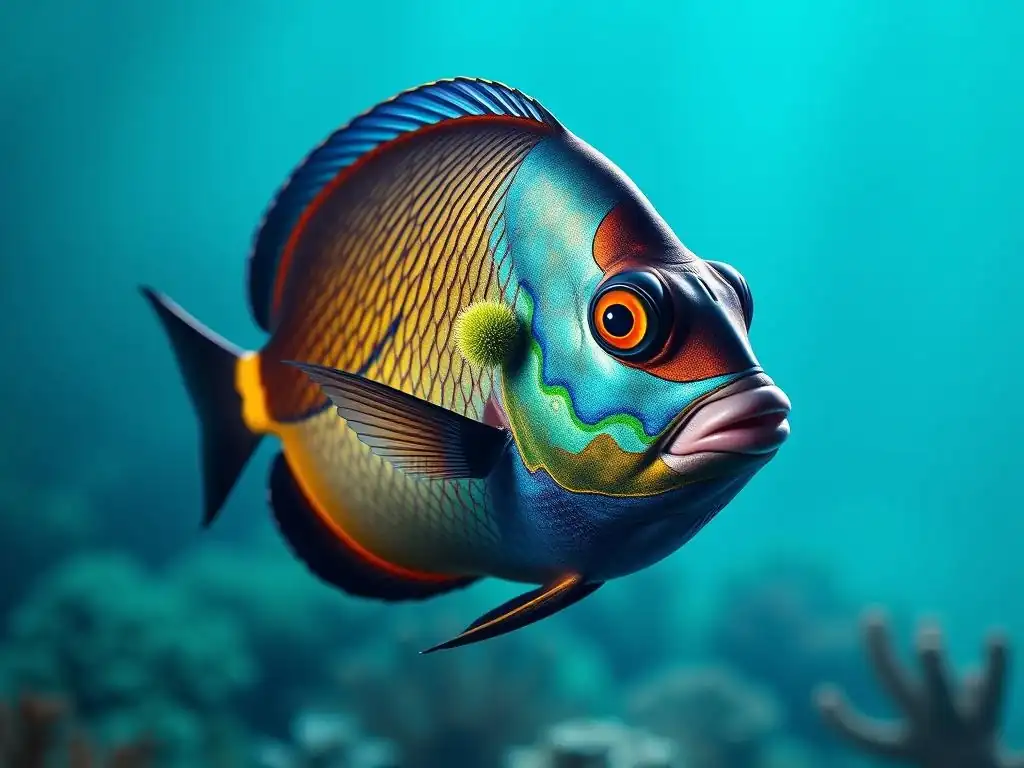
The concept of the "Tang Trinity" – the harmonious balance of effective Saltwater Tang algae control, optimal nutrition, and rigorous disease prevention – is fundamental to fostering a thriving reef aquarium. These three pillars are not independent but intrinsically linked, each influencing and supporting the others. A balanced ecosystem starts with a well-designed tank that provides ample swimming space and live rock for grazing. Adequate lighting promotes beneficial algae growth for grazing, while efficient filtration and regular maintenance ensure pristine water quality, which is the foundation for all fish health.
Integrating suitable Tang species, chosen for their algae-grazing capabilities and compatibility, contributes to natural algae management. This natural grazing then reduces the need for chemical algae removers and provides a continuous, nutrient-rich food source for the Tangs, bolstering their immune systems. A healthy, well-fed Tang is less stressed and more resilient to disease, creating a positive feedback loop where good husbandry practices in one area directly benefit the others, culminating in a robust and vibrant marine environment.
Proactive Measures for a Healthy Tang Population
Maintaining a healthy Tang population requires a proactive, rather than reactive, approach that integrates all aspects of the Tang Trinity. Beyond the initial quarantine of new fish, consistent daily practices are key. This includes providing a varied diet that supplements natural algae grazing with high-quality prepared foods, ensuring all essential nutrients, especially Vitamin C, are adequately supplied. Regular visual inspections of your Tangs for any subtle changes in behavior or appearance allow for early detection of potential issues.
Furthermore, maintaining impeccable water quality through consistent water changes, proper filtration, and diligent parameter monitoring is non-negotiable. Addressing even minor imbalances quickly prevents them from escalating into stress factors that compromise immunity. Establishing a consistent feeding schedule and avoiding overfeeding helps prevent nutrient buildup that can fuel nuisance algae. By adopting these proactive measures, aquarists can significantly reduce the likelihood of disease outbreaks, minimize stress on their Tangs, and ensure their continuous effectiveness in Saltwater Tang algae control.
Monitoring and Adjusting Your Tang Care Regimen
The dynamic nature of a reef aquarium necessitates continuous monitoring and periodic adjustments to your Tang care regimen. This involves regularly observing your Tangs' feeding habits, growth rates, coloration, and overall activity levels. Are they actively grazing? Are their colors vibrant? Are they interacting appropriately with tank mates? These observations provide invaluable insights into their well-being and the effectiveness of your Saltwater Tang algae control strategies.
Regular water testing is equally crucial. If nitrate or phosphate levels begin to creep up despite Tang presence, it might indicate overfeeding or insufficient filtration, requiring adjustments. Similarly, if nuisance algae persist, it could signal a need for more targeted algae control, perhaps by adding another suitable Tang species or reviewing lighting schedules. The health of your corals and other invertebrates also serves as an indicator of the overall tank health. By diligently monitoring these various indicators, aquarists can fine-tune their care practices, ensuring the Tang Trinity remains in perfect balance for a flourishing saltwater aquarium.
Selecting the Right Tang Species for Effective Algae Control in your Saltwater Aquarium
Yellow Tang (Zebrasoma flavescens) for Hair Algae and Microalgae
The Yellow Tang ( Zebrasoma flavescens) is arguably one of the most popular and effective choices for Saltwater Tang algae control in home aquariums, particularly for managing hair algae and various forms of microalgae. Native to the reefs of Hawaii and other Pacific islands, this vibrant yellow fish is a continuous grazer, spending most of its waking hours meticulously picking at algal films and strands on live rock and tank surfaces. Their smaller mouth and fine teeth are perfectly adapted for scraping off short, filamentous algae, making them exceptionally efficient at keeping such growth in check.
A single adult Yellow Tang can consume significant amounts of nuisance algae daily, contributing substantially to a cleaner, healthier tank environment. They are generally peaceful, though they can be territorial towards other Tangs, especially those of similar shape or color. For optimal health and grazing efficiency, a Yellow Tang requires a tank of at least 75-100 gallons to accommodate its active swimming nature and adult size of approximately 8 inches. Their consistent grazing behavior, coupled with their striking coloration, makes them a highly desirable and functional addition to many reef setups.
Considering Tank Size and Compatibility When Choosing a Saltwater Tang
While the primary goal might be Saltwater Tang algae control, selecting the right Tang species also critically depends on tank size and compatibility with existing inhabitants. Tangs are active swimmers and require ample space to thrive and exhibit natural behaviors. A common rule of thumb suggests a minimum of 75-100 gallons for smaller species like Yellow Tangs or Kole Tangs, with larger species like Naso Tangs or Powder Blue Tangs requiring 180 gallons or more. Inadequate space leads to stress, stunted growth, and increased aggression, all of which compromise their health and effectiveness.
Compatibility is another vital factor. Many Tangs can be aggressive towards conspecifics or other Tangs of similar body shape. Introducing multiple Tangs often requires careful planning, simultaneous introduction, or selecting species with distinct shapes and sizes (e.g., a Zebrasoma Tang with an Acanthurus Tang). Researching the specific temperament and adult size of any Tang species before purchase is essential to ensure a harmonious community and effective long-term Saltwater Tang algae control without undue stress on your fish or other tank inhabitants.
Troubleshooting Common Saltwater Tang Care Issues
Addressing Algae Overgrowth Despite Tang Presence
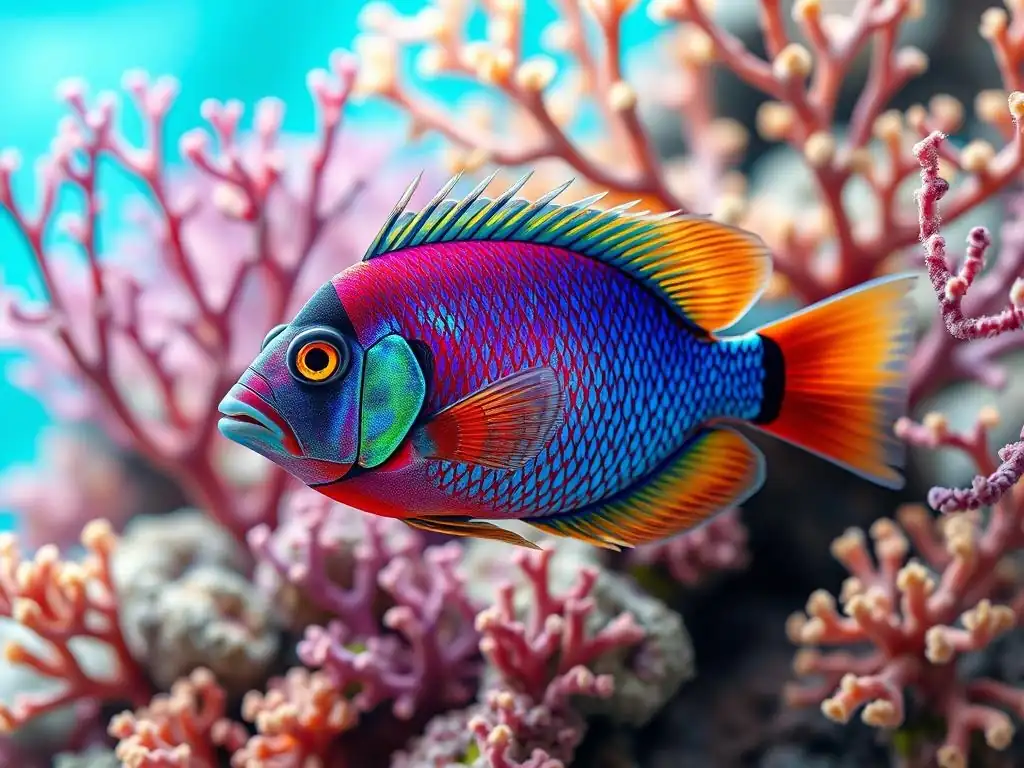
Even with the diligent efforts of Saltwater Tang algae control, occasional algae overgrowth can occur, signaling an imbalance in the aquarium. If your Tangs are actively grazing but nuisance algae (like hair algae or cyanobacteria) persist or proliferate, the primary culprit is often an excess of nutrients in the water column. This can stem from overfeeding, infrequent water changes, inadequate filtration (especially biological or chemical), or even too much light duration or intensity.
To troubleshoot, first, evaluate your feeding habits: are you feeding too much, or are there uneaten food particles decaying? Reduce feeding amounts or frequency if necessary. Next, assess your water change schedule and ensure you're performing regular partial water changes (e.g., 10-20% weekly or bi-weekly) to export nitrates and phosphates.
Check your filter media for cleanliness and ensure your protein skimmer is operating efficiently. Consider adding or upgrading chemical filtration like GFO (granular ferric oxide) for phosphate removal or activated carbon for organic waste. Lastly, review your lighting schedule; reducing light duration (e.g., to 8-10 hours daily) can sometimes curb algae growth.
Diagnosing and Treating Nutritional Deficiencies in Tangs
Nutritional deficiencies in Saltwater Tangs can manifest in various ways, often impacting their vitality, coloration, and susceptibility to disease. One of the most common and visible signs is Head and Lateral Line Erosion (HLLE), characterized by pitting and lesions on the head and along the lateral line. Other signs might include faded colors, fin erosion, stunted growth, or persistent lethargy. These issues often arise when a Tang's diet is solely reliant on tank-grown algae, which might not provide all essential vitamins and minerals, or when lower quality prepared foods are offered.
To diagnose, review your feeding regimen: are you offering a diverse diet of marine algae (nori, spirulina), high-quality herbivore pellets, and vitamin-enriched frozen foods? Treatment primarily involves rectifying the dietary deficiencies. Increase the frequency of vitamin-enriched foods, ensuring a stable form of Vitamin C is included. Supplementing with liquid vitamins directly into the tank or soaking foods can also be beneficial. Simultaneously, maintain pristine water quality, as poor water parameters can exacerbate nutritional issues. Consistency in providing a balanced and varied diet is crucial for reversing these deficiencies and supporting effective Saltwater Tang algae control.
Managing Aggression and Competition Among Tangs
Aggression and competition can be significant issues among Saltwater Tangs, particularly between conspecifics or similar-bodied species. This behavior often stems from their territorial nature in the wild, where they defend prime grazing grounds. In an enclosed aquarium, this can lead to stress, fin nipping, or even death, compromising their health and ability to perform Saltwater Tang algae control. Common signs include chasing, nipping, rapid color changes (especially darkening), and one fish constantly hiding.
To manage aggression, ensure the tank is adequately sized for all inhabitants, providing ample swimming space and visual breaks (e.g., plenty of live rock with caves and crevices). Introducing all Tangs simultaneously as juveniles can sometimes help them grow up together, establishing a pecking order. Alternatively, if adding a new Tang to an existing one, try rearranging the rockwork to disrupt established territories.
Choosing Tang species with different body shapes and sizes (e.g., a Zebrasoma species with an Acanthurus or Naso species) can also reduce direct competition. In severe cases, removing the aggressive individual might be the only solution to maintain peace and health in the aquarium.
Advanced Techniques for Maintaining Saltwater Tang Health
Implementing Refugiums for Natural Algae Production
Implementing a refugium is an advanced and highly beneficial technique for enhancing Saltwater Tang algae control and overall aquarium health. A refugium is a separate compartment, typically within the sump, dedicated to cultivating macroalgae (like Chaetomorpha, Gracilaria, or Ulva) and fostering a thriving population of copepods and amphipods. These macroalgae consume excess nitrates and phosphates from the water, acting as natural nutrient export, which directly combats nuisance algae growth in the main display.
More importantly for Tangs, the refugium provides a continuous, natural food source. As the macroalgae grow, they can be harvested and fed directly to Tangs, offering unprocessed, nutrient-rich plant matter. The copepods and amphipods that reproduce within the refugium can also periodically flow into the main display, providing live, nutritious snacks that mimic a Tang's natural diet and promote healthy foraging behaviors. This symbiotic relationship significantly contributes to the Tang Trinity by improving water quality, offering natural foods, and reducing stress, thus fostering robust Tang health.
Utilizing UV Sterilizers for Disease Prevention
Utilizing a UV sterilizer is an advanced prophylactic measure that significantly aids in disease prevention for Saltwater Tangs and the entire aquarium. A UV sterilizer works by passing aquarium water through a chamber containing a powerful ultraviolet lamp. As water flows past the UV light, the radiation alters the DNA of free-floating disease-causing organisms such as bacteria, viruses, and parasitic protozoa (like those responsible for Ich and Marine Velvet), rendering them unable to reproduce and infect fish.
While a UV sterilizer does not eliminate parasites already on a fish, it drastically reduces the number of infectious stages in the water column, lowering the overall pathogen load. This reduction in pathogen pressure allows a Tang's immune system to focus on other stressors and maintain its strength, making it less susceptible to outbreaks. Proper sizing of the UV unit to the tank volume and flow rate, along with regular bulb replacement (typically every 6-12 months), is crucial for its effectiveness in supporting a healthy environment for Saltwater Tang algae control and overall fish well-being.
Maintaining Stable Alkalinity and Calcium Levels
Maintaining stable alkalinity (carbonate hardness) and calcium levels is crucial for the overall health of a reef aquarium, which indirectly but significantly impacts Saltwater Tang health and their ability to perform Saltwater Tang algae control. While these parameters are most directly related to coral growth, stable water chemistry reduces stress on all tank inhabitants, including fish. Fluctuations in pH due to unstable alkalinity can stress fish and compromise their immune systems, making them more vulnerable to disease.
Alkalinity, typically maintained between 8-12 dKH, acts as a buffer, preventing drastic pH swings. Calcium, usually kept between 400-450 ppm, is essential for calcification. Regular testing and consistent dosing (via two-part solutions, kalkwasser, or a calcium reactor) are necessary to keep these parameters within optimal ranges. A stable and pristine aquatic environment, characterized by consistent alkalinity and calcium, minimizes physiological stress on Tangs, allowing them to allocate more energy to immune function and their primary role as dedicated algae grazers.
Conclusion: Mastering the Tang Trinity for a Flourishing Saltwater Aquarium
Mastering the "Tang Trinity" – the integrated approach to Saltwater Tang algae control, comprehensive diet, and proactive disease prevention – is the cornerstone of success for any aquarist aiming for a thriving reef aquarium. These three pillars are not isolated tasks but interconnected elements, each reinforcing the others. Effective natural algae grazing by well-chosen Tang species provides a continuous, vital food source, contributing to their robust health and vibrant coloration. This natural diet, when supplemented with high-quality prepared foods, ensures a complete nutritional profile, bolstering their immune systems against common ailments.
Simultaneously, rigorous disease prevention strategies, from strict quarantine protocols to maintaining impeccable water parameters and employing advanced filtration, create an environment where Tangs can flourish without the debilitating stress of illness. When all three aspects are diligently managed, Saltwater Tangs transform from mere tank inhabitants into indispensable members of a balanced ecosystem. This holistic care approach leads to healthier, more active, and longer-lived Tangs, ensuring they continue to be highly effective in maintaining a pristine, algae-free saltwater aquarium for years to come.
Frequently Asked Questions
How effective are Tangs at controlling algae in a saltwater aquarium?
Tangs are highly effective algae eaters, especially species like the Yellow Tang and Kole Tang. They consume a variety of algae types, helping to maintain a clean and healthy tank environment. However, they shouldn't be solely relied upon for algae control.
What is the "Tang Trinity" and how does it relate to algae control?
The "Tang Trinity" refers to the interconnectedness of algae control, diet, and disease prevention. Proper algae control provides a natural food source, a balanced diet strengthens their immune system, and a healthy Tang is less susceptible to diseases that can arise from poor water quality or inadequate nutrition.
What specific types of algae do Tangs typically consume in a saltwater aquarium?
Tangs primarily graze on hair algae, film algae, and some types of macroalgae. They will also pick at diatoms, which are common in newly established tanks. Different Tang species may have preferences, so offering a variety of algae is beneficial.
Besides Tangs, what other methods can be used to control algae in a saltwater aquarium?
Other methods include maintaining proper water chemistry, using a protein skimmer, employing a refugium with macroalgae, and manually removing algae. Regular water changes are also crucial.
How can I ensure my Tangs receive a balanced diet beyond just algae grazing?
Supplement their diet with high-quality seaweed sheets, spirulina flakes, and other herbivore-specific foods. This ensures they receive all the necessary nutrients for optimal health and disease resistance.
Final Reflection: The Symphony of a Healthy Reef
The principles of the Tang Trinity – harmonizing algae control, diet, and disease prevention – are not merely theoretical constructs for reef aquarists; they are the foundational pillars upon which thriving saltwater ecosystems are built. In a world increasingly aware of the delicate balance of our natural environments, understanding and applying these principles in our miniature reefscapes becomes a microcosm of our larger responsibility to the planet. The health of our Tangs, and indeed our entire reef, serves as a potent reminder of the interconnectedness of all things.
The journey to mastering the Tang Trinity is a continuous learning process, one that has profoundly shaped my understanding of reef keeping and, more broadly, the delicate dance of life within aquatic ecosystems. This pursuit has instilled in me a deep respect for the intricate web of interactions that sustain a healthy reef, and the profound impact even small changes can have. In nature, nothing exists alone.
- Rachel Carson. This quote perfectly encapsulates the essence of the Tang Trinity, reminding us that each element is inextricably linked to the others, and true success lies in fostering a holistic approach.
Now, I invite you to consider your own reef keeping practices. Are you truly embracing the Tang Trinity, or are you focusing on isolated aspects? Take a moment to reflect on the balance within your own tank, and commit to nurturing a more harmonious environment for your Tangs and all your aquatic inhabitants. By embracing this holistic approach, you not only enhance the beauty and vitality of your reef, but also contribute to a deeper understanding and appreciation for the wonders of the natural world.
Revolutionize Your Tang's World!
Thank you for diving deep into the world of Tang health! You've now got the knowledge to nurture a vibrant and thriving Tang. Let's turn this learning into action and create a reef haven for your fish.
Here's how to make it happen:
- Immediately evaluate your current algae control methods. Are they truly effective and safe for your Tang? Identify areas for improvement today!
- Dive deeper: Explore less common natural algae control methods like introducing specific invertebrates to your tank to complement your Tang's diet.
- Share your Tang's transformation journey with fellow reef keepers on aquariummastery.com— inspire others with your success!
Ready to build an extraordinary ecosystem for your Tang?