
The LongTerm Commitment: What Keeping Large Cichlids Like Oscars & Severums Really Entails

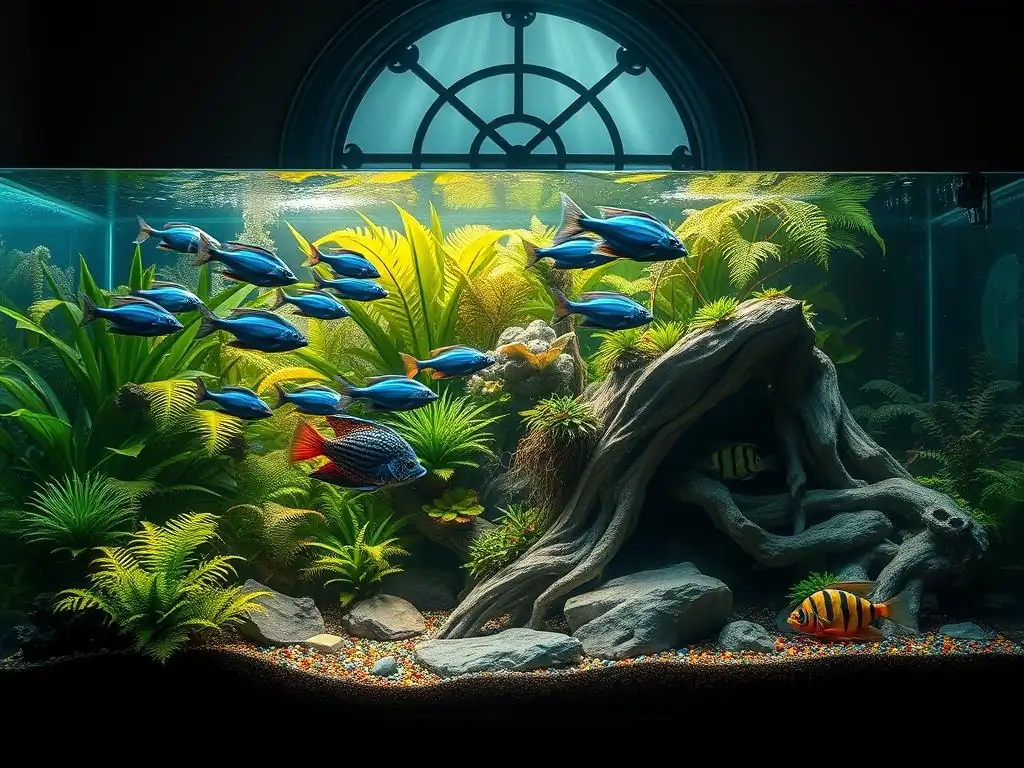
Welcome to Aquarium Mastery!
Ever wondered if you're truly ready for the challenge and reward of a thriving large cichlid tank? Keeping majestic fish like Oscars and Severums isn't just about having a big tank; it's a commitment. Dive in and discover the essential elements of large cichlid tank maintenance, from water quality to feeding strategies, and unlock the secrets to ensuring these captivating creatures flourish for years to come! What surprises await you beneath the surface? Let's find out!
- The Long-Term Commitment: Keeping Oscars & Severums
- Understanding the Commitment
- Tank Size and Setup
- Water Chemistry and Maintenance
- Diet and Feeding Strategies
- Tank Mates: Compatibility and Considerations
- Common Health Issues and Prevention
- The Financial Implications
- The Rewards
-
Frequently Asked Questions
- What are the key considerations when planning a large cichlid tank?
- How often should I perform water changes in a large cichlid tank?
- What type of filtration system is best for a large cichlid tank?
- What kind of substrate and decorations are suitable for a large cichlid tank?
- How can I prevent aggression and maintain a peaceful environment in a large cichlid tank?
- Final Reflection: The Enduring Allure of the Giant
- Nurture Your Cichlids' Future!
The Long-Term Commitment: Keeping Oscars & Severums
Understanding the Commitment
The Appeal of Oscars and Severums
Oscars ( Astronotus ocellatus) and Severums ( Heros severus) stand out among freshwater fish due to their remarkable intelligence, vibrant personalities, and striking beauty. Their interactive nature often leads aquarists to compare them to aquatic pets, as they can learn to recognize their owners, respond to feeding cues, and even display playful behaviors. This unique blend of characteristics makes them highly sought-after, captivating the attention of both novice and experienced aquarists.
These large cichlids are also admired for their impressive size and coloration. Adult Oscars can reach lengths of 12-14 inches (30-35 cm), boasting intricate patterns of black, orange, and red, while Severums typically grow to 8-10 inches (20-25 cm) and exhibit beautiful green, gold, or red hues. Beyond their aesthetic appeal, their potential lifespan of 10-15 years, and sometimes even longer with optimal large cichlid tank maintenance, means they become long-term companions, fostering a deep connection with their keepers.
Long-Term Responsibilities
Embarking on the journey of keeping Oscars or Severums is a significant commitment that extends well beyond the initial setup. Their impressive lifespan of over a decade means aquarists must be prepared for a consistent and evolving dedication to their well-being. This includes diligent large cichlid tank maintenance, ensuring pristine water quality, providing a balanced diet, and continuously monitoring their health and behavior.
The responsibilities also encompass substantial financial and time investments. For instance, a typical 125-gallon tank (473 liters) required for adult Oscars, when fully set up with water and substrate, can weigh over 1,200 pounds (544 kg), necessitating robust structural support in a home. Regular water changes for such a large system might involve moving 30-50 gallons (113-189 liters) of water weekly, a task that demands both time and effort. Understanding these ongoing demands is crucial before bringing these magnificent fish home.
Tank Size and Setup
Oscar Tank Size
Providing adequate space is paramount for the health and longevity of Oscars, directly impacting effective large cichlid tank maintenance. A single adult Oscar requires a minimum of 75 gallons (284 liters) to thrive, allowing sufficient room for growth, waste dispersion, and natural swimming patterns. Cramped conditions can lead to stunted growth, increased aggression, and significant stress, making water quality difficult to manage.
For two Oscars, the absolute minimum tank size considered is 125 gallons (473 liters), but a 150-200 gallon (568-757 liters) tank is far more preferable. This larger volume significantly reduces territorial disputes and allows for better dilution of the substantial bioload these fish produce. Investing in a generously sized aquarium from the outset is a cornerstone of successful large cichlid tank maintenance and ensures the well-being of these impressive fish.
Severum Tank Size
While generally more peaceful than Oscars, Severums also require ample space to prevent stress and aggression, contributing to optimal large cichlid tank maintenance. A single adult Severum needs at least a 55-gallon (208 liters) tank. This provides enough room for them to establish a territory and engage in natural behaviors without feeling confined.
For a pair or a small group of Severums, a 75-100 gallon (284-378 liters) tank is more appropriate. This larger volume allows for the establishment of individual territories within the tank, minimizing conflicts and promoting a healthier environment. The increased water volume also provides greater stability for water parameters, simplifying the routine of large cichlid tank maintenance compared to smaller, more volatile setups.
Substrate and Decor
The choice of substrate and decor is critical for large cichlids, influencing both aesthetics and the fish's well-being. Fine gravel or sand is generally recommended as a substrate, as these fish often sift through it or rearrange it. Approximately 1-2 pounds of substrate per gallon (0.45-0.9 kg per 3.78 liters) is a good starting point to achieve a sufficient depth for beneficial bacteria colonies and, if desired, to anchor robust plants.
Decorations should be smooth, non-abrasive, and securely placed to prevent injury or toppling. Oscars, known for their tendency to redecorate, require heavy, stable rocks or driftwood that cannot be easily moved or dislodged, which could damage the tank or injure the fish. Providing a balance of open swimming areas and ample hiding spots, such as caves or large pieces of driftwood, is essential for reducing stress and allowing these cichlids to exhibit natural behaviors.
Filtration
Effective filtration is arguably the most critical component of large cichlid tank maintenance due to the significant bioload produced by these fish. Over-filtration is not just recommended, it's often essential. Canister filters and sumps are popular choices for large cichlid setups, offering superior mechanical, biological, and chemical filtration capabilities.
For a 125-gallon Oscar tank, a filtration system rated for 200-300 gallons (757-1135 liters) with a flow rate of 800-1000 GPH (3028-3785 LPH) is often recommended. This might involve two large canister filters or a robust sump system. Such powerful filtration ensures the rapid removal of physical waste, efficient conversion of harmful ammonia and nitrite, and maintenance of crystal-clear water, all of which are vital for preventing disease and ensuring the long-term health of large cichlids.
Water Chemistry and Maintenance
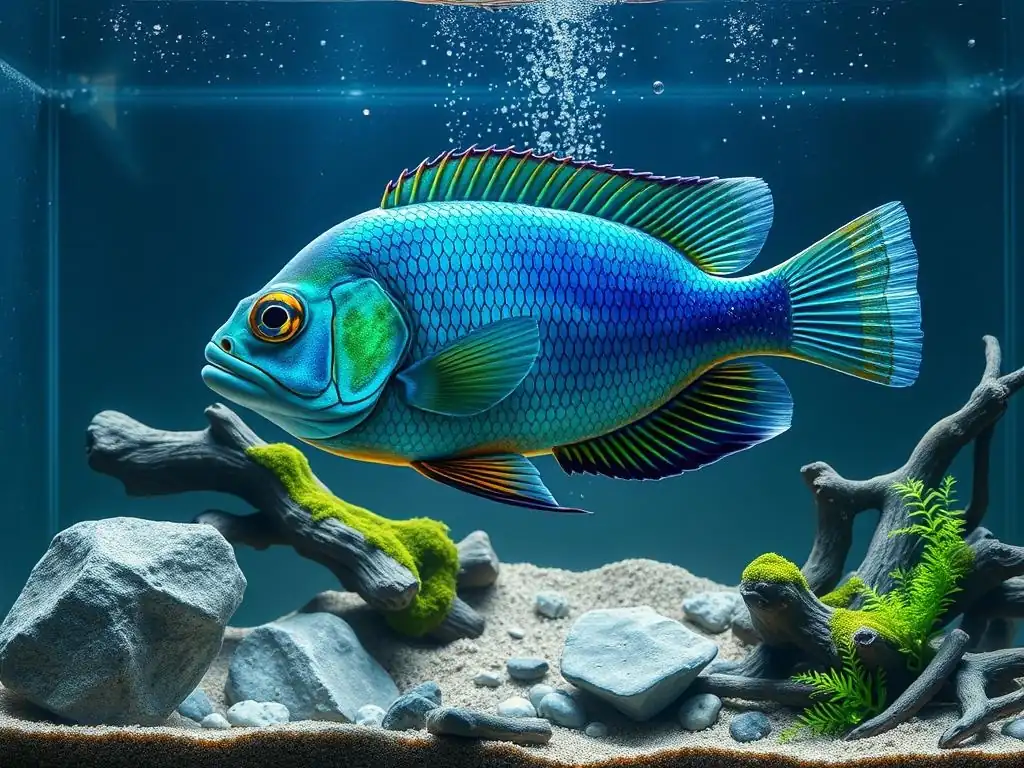
The Importance of Water Parameters
Maintaining stable and appropriate water parameters is the cornerstone of successful large cichlid tank maintenance. Oscars and Severums thrive in slightly acidic to neutral water, with a pH range of 6.5-7.5. The water temperature should be consistently maintained between 75-80°F (24-27°C) using reliable heaters. Crucially, ammonia and nitrite levels must always remain at 0 ppm, as even trace amounts are highly toxic to fish.
Nitrate levels, the end product of the nitrogen cycle, should ideally be kept below 20 ppm. Unstable or incorrect parameters can severely stress fish, compromise their immune systems, and lead to a host of health issues, including fin rot, bacterial infections, and increased susceptibility to parasites. Regular monitoring and proactive adjustments are essential to prevent these problems and ensure a healthy environment.
Regular Water Changes
Regular and substantial water changes are non-negotiable for effective large cichlid tank maintenance. These fish produce a considerable amount of waste, which rapidly accumulates nitrates and other dissolved organic compounds. Weekly water changes of 25-50% are typically necessary for a heavily stocked large cichlid tank.
For instance, a 125-gallon tank might require a 40-60 gallon (151-227 liters) water change every week. This routine not only dilutes and removes nitrates but also replenishes essential trace elements that are consumed by the fish and beneficial bacteria. Using a good quality water conditioner to neutralize chlorine and chloramines is vital during every water change to protect the fish and the beneficial bacterial colonies in the filter.
Testing Your Water
Consistent water testing is a fundamental aspect of large cichlid tank maintenance, providing critical insights into the aquarium's health. A comprehensive liquid test kit for ammonia, nitrite, nitrate, and pH is an indispensable tool for any aquarist keeping these species. While test strips offer convenience, liquid kits generally provide more accurate and reliable readings.
Testing should occur at least weekly, especially before and after water changes, to monitor trends and detect potential issues early. For new setups or during troubleshooting, daily testing may be necessary. Consistent data collection helps aquarists understand their tank's nitrogen cycle, allowing for timely interventions before water quality deteriorates to harmful levels.
Addressing Water Quality Issues
Despite best efforts, water quality issues can arise, and prompt action is crucial for large cichlid tank maintenance. If ammonia or nitrite levels are detected above 0 ppm, an immediate 50% water change is critical to dilute the toxins. This should be followed by daily testing and possibly reducing feeding to lessen the bioload. Identifying the cause, such as overfeeding or insufficient filtration, is also paramount.
Elevated nitrate levels (above 40 ppm) usually indicate that current water change routines are insufficient. This necessitates larger or more frequent water changes to bring the levels down. Persistent high nitrates can lead to stress, disease, and even stunted growth in large cichlids. Addressing these issues swiftly and systematically is key to preventing long-term health problems and maintaining a stable aquatic environment.
Diet and Feeding Strategies
Nutritional Needs
Oscars and Severums, while both large cichlids, have slightly different dietary preferences that must be met for optimal health. Oscars are primarily carnivorous, requiring a diet rich in protein, while Severums are more omnivorous, benefiting from a balanced mix of plant and animal matter. A high-quality diet is crucial for their growth, vibrant coloration, and overall vitality, impacting their long-term health and the efficiency of large cichlid tank maintenance.
Their diet should comprise 40-50% high-quality protein, derived from sources like fish meal, spirulina, and various vitamins and minerals. Commercial pellets formulated specifically for large cichlids often contain 35-45% crude protein, meeting their primary dietary needs. Ensuring a varied and nutritionally complete diet prevents deficiencies that can lead to health issues like Hole-in-the-Head disease.
Variety is Key
A diverse diet is essential to provide all necessary nutrients and prevent boredom in intelligent fish like Oscars and Severums. While high-quality cichlid pellets should form the staple of their diet, supplementing with a range of other foods is highly beneficial. This can include frozen bloodworms, mysis shrimp, krill, and chopped earthworms.
For Severums, incorporating blanched vegetables like zucchini, peas, or spirulina flakes can provide essential plant-based nutrients. Offering a variety of foods not only ensures a complete nutritional profile but also stimulates their natural foraging behaviors. This approach to feeding is an integral part of comprehensive large cichlid tank maintenance, promoting both physical health and mental stimulation.
Feeding Frequency and Portion Control
Proper feeding frequency and portion control are vital for both the fish's health and maintaining water quality in large cichlid tanks. Adult Oscars and Severums typically require feeding once or twice daily, consuming an amount they can finish within 2-3 minutes. Overfeeding is a common mistake that can rapidly degrade water quality.
Excess food decays, leading to spikes in ammonia and nitrite, and contributes significantly to nitrate accumulation. For instance, overfeeding can increase nitrate levels by 10-20 ppm overnight in a large tank if not managed. This necessitates more frequent and larger water changes, adding to the burden of large cichlid tank maintenance. It is always better to slightly underfeed than to overfeed, ensuring efficient nutrient uptake and minimal waste.
Live Foods vs. Prepared Foods
While live feeder fish might seem like a natural food source for carnivorous Oscars, they pose significant risks. Live feeders can introduce parasites or diseases like Ichthyophthirius multifiliis (Ich), which can rapidly spread and decimate an entire tank within days. The nutritional value of feeder fish is often poor, and they can also carry internal parasites that transfer to the cichlids.
High-quality prepared foods, such as premium pellets and frozen foods, are a safer and more nutritionally complete option. These foods are often fortified with essential vitamins, like Vitamin C, which is crucial for fish immune systems, and minerals. They offer a controlled diet free from disease vectors, making them the preferred choice for responsible large cichlid tank maintenance and long-term fish health.
Tank Mates: Compatibility and Considerations
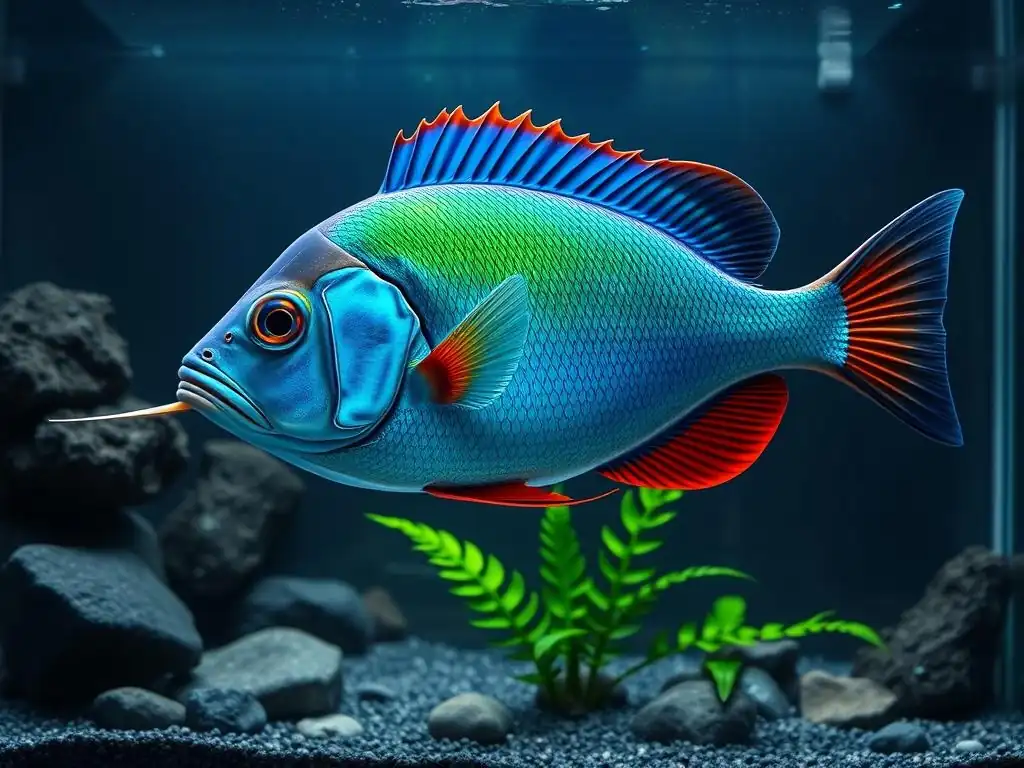
Choosing the Right Tank Mates
Selecting appropriate tank mates for large cichlids like Oscars and Severums is a delicate balance, crucial for a harmonious and healthy aquarium environment. The primary factors to consider are size, temperament, and shared water parameter requirements. Any potential tank mate should be large enough not to be considered prey, but not so aggressive as to bully the cichlids.
Prioritize species that grow to a similar adult size, ideally within 2-4 inches difference, and thrive in similar water conditions (e.g., pH 6.8-7.5, temperature 75-80°F). Introducing incompatible species can lead to chronic stress, injuries, or even fatalities, undermining all efforts in large cichlid tank maintenance.
Tank Mate Size and Temperament
The size and temperament of potential tank mates are paramount. For Oscars, any fish small enough to fit into their mouth, typically under 4-5 inches (10-12 cm), is at risk of being eaten, regardless of their own species. This predatory instinct is strong and cannot be trained out. Therefore, small schooling fish are generally unsuitable.
Similarly, pairing large cichlids with overly aggressive species like some Flowerhorns or Midas Cichlids can lead to constant conflict, stress, and injury for the less dominant fish. Conversely, overly timid fish may be perpetually stressed and hide, failing to thrive. Finding a balance in temperament is key to preventing aggression and ensuring all inhabitants flourish within the large cichlid tank maintenance routine.
Suitable Tank Mates for Oscars
Given their size and predatory nature, Oscars have a relatively limited selection of suitable tank mates, requiring a very large aquarium (e.g., 200 gallons or more) to minimize aggression. Good companions for Oscars are typically other large, robust, and similarly tempered cichlids that can hold their own.
Examples include Green Terrors ( Andinoacara rivulatus), Jack Dempseys ( Rocio octofasciata), or Convict Cichlids ( Amatitlania nigrofasciata), provided there is ample space and hiding spots. Large, armored catfishes like the Common Pleco ( Hypostomus plecostomus), which can grow over 18 inches (45 cm), or Sailfin Plecos are also often compatible, as their protective armor deters aggression.
Suitable Tank Mates for Severums
Severums are generally more peaceful than Oscars, making them compatible with a wider range of tank mates, though a spacious tank (100 gallons or more) is still essential. They can coexist well with other South American cichlids of similar size and temperament.
Suitable companions might include Geophagus species (Earth Eaters), which are relatively peaceful bottom dwellers, or Uaru cichlids. Large schooling fish such as Silver Dollars ( Metynnis argenteus) or Congo Tetras ( Phenacogrammus interruptus), which can reach 3 inches (7.5 cm), can also be excellent choices, providing dither fish that help the Severums feel more secure. Robust, peaceful catfishes like large Corydoras or Bristlenose Plecos are also good additions to a Severum community, complementing the overall large cichlid tank maintenance strategy.
Common Health Issues and Prevention
Identifying Early Signs of Illness
Early detection is crucial for successfully treating health issues in large cichlids and preventing widespread disease in the aquarium. Aquarists should regularly observe their fish for any behavioral changes, which are often the first indicators of illness. These include lethargy, clamped fins (fins held close to the body), loss of appetite (a drop of 50% or more in food intake), or abnormal swimming patterns like rubbing against decor.
Physical symptoms might include white spots resembling salt grains (Ich), frayed or ragged fins (Fin Rot), cloudy eyes, or pitting on the head and lateral line (Hole-in-the-Head disease). Any deviation from normal behavior or appearance warrants immediate investigation and, if necessary, isolation of the affected fish to a quarantine tank to prevent disease transmission and facilitate treatment, a key aspect of large cichlid tank maintenance.
Common Diseases
Large cichlids are susceptible to several common freshwater fish diseases, often triggered by poor water quality, stress, or nutritional deficiencies. Ichthyophthirius multifiliis (Ich), characterized by distinctive white spots, is one of the most prevalent and is often triggered by sudden temperature fluctuations of 5°F (3°C) or more. It can rapidly spread and be fatal if not treated promptly.
Hole-in-the-Head disease (HITH), caused by the flagellate Hexamita, is frequently linked to chronic poor water quality (e.g., nitrates above 40 ppm) and nutritional deficiencies, manifesting as pitting and lesions on the head and lateral line. Fin Rot, a bacterial infection, is typically a secondary infection stemming from poor water conditions or physical injury. Understanding these common ailments is vital for effective large cichlid tank maintenance and rapid intervention.
Quarantine Procedures
Implementing a proper quarantine procedure is perhaps the single most effective preventive measure against introducing diseases into a main display tank. A separate quarantine tank, ideally 20-40 gallons (75-151 liters) for a single large cichlid, should be set up for all new fish arrivals. This tank doesn't need to be elaborate, but it must be cycled and have its own filtration and heating.
A minimum 2-4 week quarantine period allows for observation of new fish for any signs of illness or parasites without risking the established inhabitants of the main tank. During this time, the fish can be proactively dewormed or treated for common issues. This practice is invaluable for protecting the health of your existing collection and ensuring the long-term success of your large cichlid tank maintenance efforts.
Proper Medication and Treatment
When a fish falls ill, proper medication and treatment are critical. Over-the-counter medications are available for common ailments, such as malachite green or formalin-based treatments for Ich, and broad-spectrum antibiotics for bacterial infections like Fin Rot. It is absolutely essential to accurately diagnose the disease before administering any medication, as misdiagnosis can lead to ineffective treatment or even harm.
Always follow the dosage instructions on the medication precisely. Overdosing by even 10-20% can be fatal to sensitive fish or severely disrupt the beneficial bacteria colonies in the filter, leading to ammonia spikes. Removing activated carbon from the filter during treatment is usually necessary, as it can absorb the medication. Consistent monitoring of water parameters and the fish's response during treatment is a key component of effective large cichlid tank maintenance during health crises.
The Financial Implications
Initial Investment
The initial financial outlay for setting up a large cichlid tank is substantial, reflecting the commitment required. A new 125-gallon tank alone can cost approximately $500-800, with a sturdy stand adding another $300-600. Filtration is a major expense, with two large canister filters potentially costing $200-400 each, or a custom sump system even more.
Heaters (typically $50-100), substrate ($50-100), and robust decor (rocks, driftwood) also contribute significantly. When all components are factored in, a complete 125-gallon setup for large cichlid tank maintenance can easily range between $1,500 and $2,500. The fish themselves, while relatively inexpensive as juveniles (a single Oscar might cost $20-50), represent a small fraction of the total initial cost.
Ongoing Expenses
Beyond the initial investment, large cichlid tank maintenance involves recurring ongoing expenses. High-quality food, essential for their health and vibrant coloration, can cost $10-20 per month, depending on the number and size of fish. Water conditioner, used with every water change, might be $5-10 for a large bottle that lasts several months.
Test kit reagents, while purchased less frequently, represent an annual cost of $10-15. Electricity for heating, lighting, and filtration is a continuous expense; for a large tank, this can add $15-30 or more to your monthly utility bill, depending on local rates and the tank's energy efficiency. These cumulative costs underscore the long-term financial commitment required for responsible large cichlid tank maintenance.
Potential Veterinary Costs
While not as common as for traditional pets, specialized veterinary care for fish is an emerging field, and potential costs should be considered. Access to fish veterinarians can be limited, but their consultations can range from $100-200 per visit, not including medication or specialized diagnostic tests. For instance, treating a severe bacterial infection might involve a course of antibiotics costing $30-50, but the primary expense is the professional expertise to diagnose and administer it correctly.
In many cases, aquarists rely on their own knowledge and over-the-counter treatments, but for complex or persistent issues, professional guidance can be invaluable. Being prepared for these potential, albeit rare, costs is part of a comprehensive approach to large cichlid tank maintenance and ensuring the best possible care for your fish.
The Rewards
Observing Natural Behaviors
One of the most profound rewards of keeping large cichlids like Oscars and Severums is the opportunity to observe their complex natural behaviors. Oscars are renowned for their intelligence and ability to recognize their owners, often coming to the front of the tank when approached and even responding to visual cues. Studies on fish cognition have shown they can distinguish between human faces with up to 80% accuracy, highlighting their remarkable perceptive abilities.
Severums, while generally more subdued, display fascinating parental care behaviors, diligently guarding their eggs and fry for weeks after spawning. Witnessing these intricate social interactions, territorial displays, and unique personalities provides endless fascination and a deeper appreciation for aquatic life, making the efforts in large cichlid tank maintenance truly worthwhile.
The Beauty of a Well-Maintained Tank
The visual splendor of a meticulously maintained large cichlid tank is an immense reward in itself. A 150-gallon aquarium with crystal-clear water, healthy plants (if applicable), and thriving fish displaying their full, vibrant coloration can be a stunning centerpiece in any home or office. The deep red and black patterns of an adult Oscar or the iridescent green and orange of a Severum become truly captivating when the fish are healthy and stress-free.
Such an aquarium serves as a living piece of art, reflecting the dedication and expertise invested in its care. It can attract attention from nearly 90% of visitors in a home setting, sparking conversations and inspiring others. The aesthetic satisfaction derived from a thriving, well-balanced aquatic ecosystem is a powerful testament to successful large cichlid tank maintenance.
Contributing to Conservation
By providing excellent, long-term care for species like Oscars and Severums, aquarists contribute significantly to responsible pet ownership and, indirectly, to conservation efforts. This responsible approach reduces the demand for wild-caught specimens, supporting sustainable aquaculture practices and lessening the impact on natural populations.
Sharing knowledge and experience about proper large cichlid tank maintenance within the aquarist community also plays a vital role. Educating others on the extensive commitment, the specific needs of these fish, and ethical keeping practices can inspire a broader adoption of responsible fishkeeping. This collective effort, from individual aquarists to a community potentially numbering millions worldwide, helps to ensure the well-being of these magnificent species both in captivity and in their natural habitats.
Frequently Asked Questions
What are the key considerations when planning a large cichlid tank?
Planning involves understanding the specific needs of your chosen cichlids, including their adult size and temperament. You also need to consider appropriate tank size to prevent overcrowding and aggression, along with proper filtration.
How often should I perform water changes in a large cichlid tank?
Water changes are vital for maintaining optimal water quality in a large cichlid tank. Aim for weekly or bi-weekly changes, replacing approximately 25-50% of the water, depending on the bioload and filtration capacity.
What type of filtration system is best for a large cichlid tank?
A robust filtration system is crucial, often involving a combination of mechanical, biological, and chemical filtration. Canister filters are a popular choice due to their high capacity and effectiveness.
What kind of substrate and decorations are suitable for a large cichlid tank?
Choose a substrate that is easy to clean and won't significantly alter water parameters, such as sand or smooth gravel. Decorations should be sturdy and provide hiding places, avoiding anything with sharp edges that could injure your cichlids.
How can I prevent aggression and maintain a peaceful environment in a large cichlid tank?
Careful selection of tank mates is essential. Provide ample space, hiding places, and consider introducing fish at a similar size and age to minimize aggression and territorial disputes. Regular observation for bullying behavior is also necessary.
Final Reflection: The Enduring Allure of the Giant
The journey through the world of large cichlids, as we've explored, is far more than just setting up a tank. It's a long-term commitment to creating a thriving ecosystem, a responsibility that extends far beyond weekly water changes. The principles of diligent large cichlid tank maintenance, from understanding water chemistry to providing appropriate enrichment, resonate deeply with the broader concept of responsible pet ownership and the delicate balance we strive to maintain in our interactions with the natural world.
The impact of responsible cichlid keeping extends beyond the confines of our aquariums. It fosters a deeper appreciation for biodiversity and the intricate relationships within aquatic ecosystems. The dedication required to maintain a healthy environment for these magnificent creatures mirrors the dedication needed to protect their natural habitats. In the end, we will conserve only what we love; we will love only what we understand; and we will understand only what we are taught.
- Baba Dioum. This quote perfectly encapsulates the power of education and experience in fostering a genuine connection with the natural world, a connection that begins with understanding the needs of the creatures in our care.
Now, as you close this article, consider the lessons learned. Reflect on the dedication and commitment required to truly thrive in any long-term endeavor. Just as a large cichlid tank demands consistent care and attention, so too do our passions, our relationships, and our personal growth. Embrace the challenge, cultivate your understanding, and create a thriving environment for yourself and those around you. The rewards, like the vibrant beauty of a healthy Oscar or Severum, are immeasurable.
Nurture Your Cichlids' Future!
Thanks for diving deep into the world of large cichlids! We hope you've gained a solid understanding of the commitment involved in caring for these magnificent fish. Now, let's translate that knowledge into action and ensure a vibrant future for your aquatic friends.
Here are a few things you can do right now:
- Start planning the upgrade to that larger tank. Don't delay – your cichlids will thank you for it!
- Explore specialized cichlid forums to exchange best care tips with other enthusiasts.
- Consider researching aquascaping ideas tailored to your chosen cichlid species to enrich their environment.
What unique enrichment idea are you planning to incorporate into your cichlids' habitat to keep them stimulated and thriving?