
Pineapple Swordtail Perfection: A Guide to Their Unique Needs

Welcome to Aquarium Mastery!
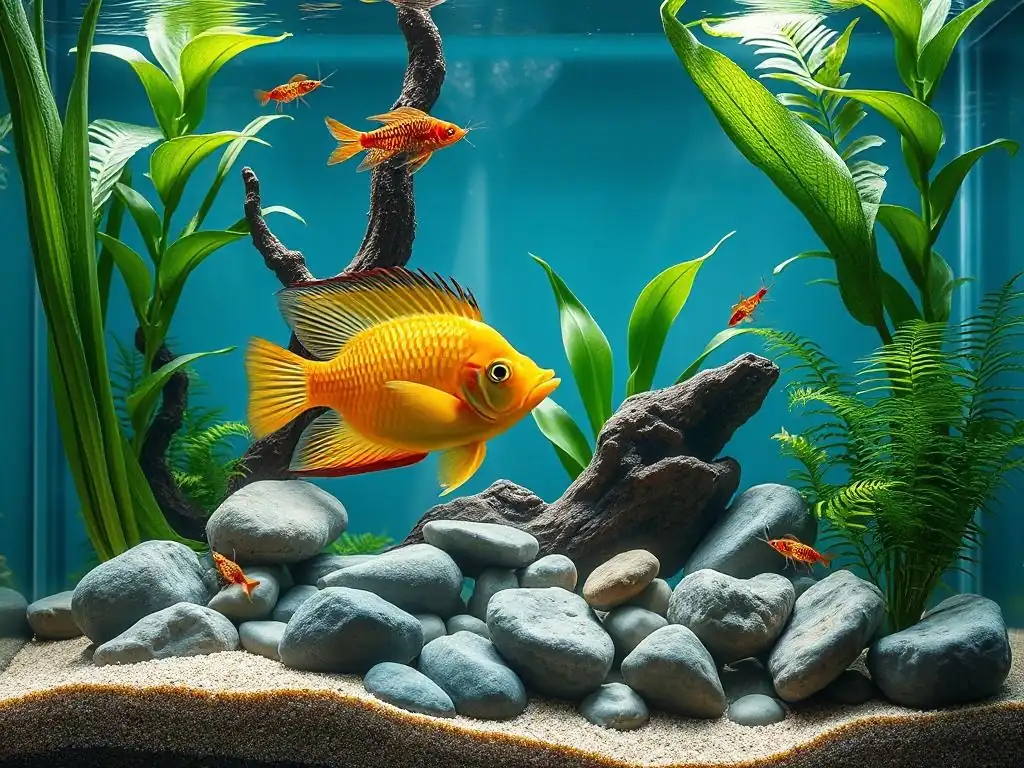
Ever wondered how to unlock the vibrant beauty of the Pineapple Swordtail in your own aquarium? These stunning fish aren't just a splash of sunshine; they require specific care to truly thrive. Dive into our comprehensive Pineapple Swordtail care guide and discover the secrets to creating the perfect habitat for these dazzling freshwater gems. Ready to transform your tank? Let's get started!
- Introduction to Pineapple Swordtails: A Vibrant Addition to Your Aquarium
- Optimal Tank Setup for Pineapple Swordtails: Creating the Perfect Habitat
- Pineapple Swordtail Care: Essential Maintenance and Practices
- Pineapple Swordtail Tank Mates: Choosing Compatible Companions
- Breeding Pineapple Swordtails: A Rewarding Experience
- Common Pineapple Swordtail Diseases and Prevention
- Troubleshooting Common Pineapple Swordtail Issues
- Where to Buy Pineapple Swordtails
- Conclusion: Mastering Pineapple Swordtail Care for a Thriving Aquarium
-
Frequently Asked Questions
- How large does a Pineapple Swordtail typically grow?
- What are the ideal water parameters for Pineapple Swordtails?
- What type of diet should I feed my Pineapple Swordtails?
- How often should I perform water changes in a Pineapple Swordtail aquarium?
- Are Pineapple Swordtails compatible with other fish species in a community tank?
- Final Reflection: Appreciating the Art of Aquatic Harmony
- Unleash the Pineapple Power: Transform Your Aquarium Today!
Introduction to Pineapple Swordtails: A Vibrant Addition to Your Aquarium
Unveiling the Beauty of Pineapple Swordtails: Appearance and Characteristics
Pineapple Swordtails (Xiphophorus hellerii) are a striking variant of the classic Swordtail, renowned for their vibrant coloration and distinctive features. These captivating freshwater fish typically exhibit a brilliant yellow to orange body, often accented with bright red or orange fins, giving them their characteristic "pineapple" hue. Males are particularly notable for the elongated, sword-like extension on the lower part of their caudal (tail) fin, which can add up to an inch or more to their total length, sometimes reaching up to 4 inches. Females are generally larger, growing up to 5 inches, and lack the prominent sword.
Beyond their visual appeal, Pineapple Swordtails are active and engaging inhabitants of the home aquarium. Their torpedo-shaped bodies are built for speed and agility, and they are constantly exploring their environment. While generally peaceful, males can display territorial behavior towards each other, especially if kept in insufficient numbers or tank space. Their active swimming patterns and vivid colors make them a dynamic focal point in a well-maintained community tank, offering continuous visual interest to the aquarist.
Why Choose Pineapple Swordtails? Benefits for the Freshwater Aquarium Enthusiast
Opting for Pineapple Swordtails brings a multitude of benefits to the freshwater aquarium enthusiast, making them a popular choice for both beginners and experienced hobbyists seeking a vibrant and active display. Their striking yellow and orange coloration instantly brightens any aquascape, providing a lively contrast to green plants and other, more subdued fish species. This vivid appearance ensures they stand out, drawing the eye and adding a dynamic element to the overall tank aesthetic.
Furthermore, Pineapple Swordtails are known for their relatively hardy nature and adaptability to a range of water conditions, provided those conditions are stable and well-maintained. This resilience makes them a forgiving species for those new to fishkeeping, reducing the likelihood of common beginner pitfalls. For those interested in the breeding aspect of the hobby, Swordtails are livebearers, meaning they give birth to live, free-swimming fry, offering a rewarding and relatively straightforward breeding experience. Their active swimming and social interactions also provide continuous entertainment, making them a truly engaging addition to a community setup.
Optimal Tank Setup for Pineapple Swordtails: Creating the Perfect Habitat
Tank Size Recommendations for Happy Pineapple Swordtails
Providing an appropriately sized aquarium is fundamental to the health and well-being of Pineapple Swordtails. A minimum tank size of 20 gallons (approximately 75 liters) is recommended for a small group, such as one male and two to three females. This volume allows sufficient swimming space for these active fish, who enjoy darting around the tank, and helps dilute metabolic waste products, contributing to more stable water parameters. Opting for a tank with more length rather than height, such as a 20-gallon long tank, is particularly beneficial as it maximizes their horizontal swimming area.
For larger groups, or if planning to keep Pineapple Swordtails in a diverse community tank, a 30-gallon (approximately 113 liters) or larger aquarium is highly advisable. Larger tanks offer increased stability in water chemistry due to a greater volume of water, which buffers against rapid fluctuations in pH and temperature. They also provide more territory, which can help mitigate potential aggression between male swordtails, particularly when multiple males are present. A larger environment reduces stress, promotes natural behaviors, and ultimately leads to healthier, more vibrant Pineapple Swordtails.
Essential Aquarium Equipment for Pineapple Swordtail Health
Filtration Systems: Maintaining Pristine Water Quality for Swordtails
A robust and efficient filtration system is paramount for maintaining the pristine water quality that Pineapple Swordtails thrive in. For tanks up to 30 gallons, a hang-on-back (HOB) filter with a flow rate of at least 150-200 gallons per hour (GPH) is often sufficient, providing both mechanical and biological filtration.
For larger tanks or higher bioloads, a canister filter offers superior filtration capacity and media options, often with flow rates exceeding 300 GPH, ensuring excellent water clarity and chemical balance. Sponge filters are also an excellent choice, particularly for breeding tanks, as they provide gentle filtration and are safe for delicate fry, while cultivating beneficial nitrifying bacteria.
Regardless of the type, the filter should provide ample surface area for beneficial bacteria to colonize, which are crucial for the nitrification cycle – converting toxic ammonia and nitrite into less harmful nitrates. Regular maintenance of the filter, including rinsing filter media in old tank water and replacing mechanical media as needed, is essential to prevent blockages and maintain optimal performance. A well-filtered tank significantly reduces the risk of disease and stress for your Pineapple Swordtails, contributing directly to their long-term health and vibrant coloration.
Heating and Lighting: Replicating the Pineapple Swordtail's Natural Environment
Maintaining a stable and appropriate temperature is critical for the health and vitality of Pineapple Swordtails, as they are tropical fish. An aquarium heater with an adjustable thermostat is indispensable to keep the water temperature consistently within their preferred range of 72-82°F (22-28°C).
For a 20-gallon tank, a 50-watt heater is typically adequate, while a 100-watt heater is often recommended for 30-gallon setups. It is advisable to use a separate thermometer to monitor the water temperature independently and ensure the heater is functioning correctly, as sudden temperature fluctuations can cause significant stress and make fish susceptible to diseases like Ich.
Regarding lighting, standard LED or fluorescent aquarium lights are suitable for Pineapple Swordtails. They do not have specific lighting requirements beyond what is necessary for general viewing and, if applicable, plant growth. A consistent light cycle of 8-10 hours per day is generally recommended to simulate natural day-night cycles and prevent excessive algae growth. If live plants are incorporated into the Pineapple Swordtail care guide setup, the lighting choice should also consider the specific PAR (Photosynthetically Active Radiation) and spectrum needs of those plants to ensure their healthy development.
Decorating Your Tank: Providing Shelter and Enrichment for Pineapple Swordtails
Live Plants: Enhancing the Aquarium and Benefiting Swordtail Health
Incorporating live plants into a Pineapple Swordtail aquarium significantly enhances the environment, offering numerous benefits beyond mere aesthetics. Plants such as Java Fern (Microsorum pteropus), Anubias species, Amazon Sword (Echinodorus amazonicus), Hornwort (Ceratophyllum demersum), and Water Sprite (Ceratophyllum submersum) are excellent choices. These plants provide natural hiding spots and visual barriers, which are especially important for female swordtails to escape the persistent attention of males, particularly in breeding setups. Dense planting, especially at the back and sides of the tank, creates secure areas where fish can retreat, reducing stress and promoting more natural behaviors.
Beyond shelter, live plants contribute to the overall water quality by absorbing nitrates, a byproduct of the nitrogen cycle, which helps to keep the water cleaner and healthier for your Pineapple Swordtails. They also oxygenate the water through photosynthesis during the day, further benefiting the fish. A well-planted tank mimics the Swordtail's natural habitat, providing enrichment and encouraging their inquisitive nature. This comprehensive approach to tank decoration is a vital part of effective Pineapple Swordtail care, fostering a thriving ecosystem.
Substrate Selection: Choosing the Right Bottom Layer for Your Swordtail Tank
The choice of substrate for a Pineapple Swordtail tank plays a role in both aesthetics and the health of the aquarium ecosystem. Fine to medium-sized gravel or sand are the most suitable options. A substrate with a particle size of 2-4 mm is generally recommended, as it allows for easy cleaning with a gravel vacuum without trapping excessive debris, which can contribute to poor water quality. Sand, while aesthetically pleasing and ideal for certain bottom-dwelling tank mates, requires more careful maintenance to prevent anaerobic pockets.
A darker substrate can often enhance the vibrant coloration of Pineapple Swordtails, making their yellow and orange hues appear more striking against the backdrop. More importantly, the substrate provides a surface area for beneficial bacteria to colonize, contributing to the biological filtration of the tank. If live plants are part of your Pineapple Swordtail care guide setup, a nutrient-rich substrate or the addition of root tabs may be necessary to support their growth. Avoid sharp or abrasive substrates, which could potentially injure the delicate barbels of bottom-dwelling tank mates or the fins of your swordtails.
Pineapple Swordtail Care: Essential Maintenance and Practices
Water Parameters: Achieving Ideal Conditions for Pineapple Swordtail Growth
pH Levels: Maintaining a Stable and Healthy Environment
Maintaining stable and appropriate pH levels is a cornerstone of effective Pineapple Swordtail care. These fish thrive in slightly alkaline water, with an ideal pH range of 7.0 to 8.0. While this range is broad, consistency is far more critical than hitting an exact number. Sudden or drastic fluctuations in pH can cause severe stress, weaken the fish's immune system, and make them highly susceptible to disease. It is essential to test your aquarium water regularly using a reliable liquid test kit to monitor pH levels.
If adjustments are necessary, they should be made gradually over several days to avoid shocking the fish. For instance, if your tap water is naturally acidic, adding crushed coral or aragonite to the filter or substrate can slowly raise and buffer the pH. Conversely, if your water is too alkaline, driftwood or peat moss can subtly lower it, though these methods require careful monitoring. Consistency in pH, achieved through regular water changes with appropriately conditioned water, is key to the long-term health and vibrancy of your Pineapple Swordtails.
Water Hardness: Understanding GH and KH for Swordtail Wellbeing
Understanding and maintaining appropriate water hardness, specifically General Hardness (GH) and Carbonate Hardness (KH), is crucial for the wellbeing of Pineapple Swordtails. These fish prefer moderately hard to hard water, with an ideal GH range of 10-20 dGH (degrees of General Hardness), which translates to approximately 180-360 ppm (parts per million) of dissolved minerals like calcium and magnesium. Adequate GH supports osmoregulation, the process by which fish maintain the balance of water and salts in their bodies.
Equally important is Carbonate Hardness (KH), also known as alkalinity, which ideally should be in the range of 10-20 dKH (180-360 ppm). KH acts as a buffer, preventing sudden and dangerous drops in pH, a phenomenon known as "pH crash."
Without sufficient KH, the natural acids produced by fish waste and decaying organic matter can rapidly lower the pH, creating an unstable and stressful environment. Regular testing of both GH and KH is vital, and if your tap water is too soft, adding mineral-rich rocks, crushed coral, or specialized aquarium buffers can help achieve and maintain the ideal parameters for your Pineapple Swordtails.
Temperature Control: Preventing Stress and Disease in Pineapple Swordtails
Precise temperature control is a non-negotiable aspect of successful Pineapple Swordtail care, directly impacting their metabolism, immune system, and overall stress levels. The optimal temperature range for these tropical fish is between 72-82°F (22-28°C). Maintaining a stable temperature within this range is paramount; sudden fluctuations, even by a few degrees, can induce significant stress, making the fish highly susceptible to common aquarium diseases such as Ich (White Spot Disease) and Fin Rot.
To ensure consistent temperature, a reliable, appropriately sized aquarium heater with an integrated thermostat is essential. It is also highly recommended to use an independent thermometer to cross-reference the heater's setting and confirm the actual water temperature. Placing the heater in an area with good water flow helps distribute heat evenly throughout the tank. Regular monitoring and prompt adjustment of the heater, especially during seasonal changes or significant room temperature shifts, are critical steps in preventing thermal stress and supporting the long-term health of your Pineapple Swordtails.
Feeding Your Pineapple Swordtails: A Balanced Diet for Optimal Health
Recommended Foods: What to Feed Your Pineapple Swordtails
A balanced and varied diet is essential for the optimal health, vibrant coloration, and active behavior of Pineapple Swordtails. As omnivores, their diet should consist of both high-quality protein and vegetable matter. A good quality flake food or small pellet specifically formulated for tropical omnivores should serve as the staple diet, providing a comprehensive blend of nutrients. Look for brands that list fish meal or spirulina as primary ingredients.
To supplement their staple diet and provide essential micronutrients, offer a variety of live or frozen foods several times a week. Excellent choices include brine shrimp, bloodworms, and daphnia, which are rich in protein and stimulate their natural foraging instincts. Additionally, Pineapple Swordtails benefit from vegetable matter; blanched spirulina flakes, algae wafers, or finely chopped and blanched zucchini can be offered. Varying their diet not only ensures they receive all necessary nutrients but also keeps them engaged and prevents boredom, contributing significantly to their overall well-being as part of a comprehensive Pineapple Swordtail care guide.
Feeding Frequency: Establishing a Regular Feeding Schedule
Establishing a consistent and appropriate feeding schedule is crucial for the health of your Pineapple Swordtails and the overall water quality of your aquarium. It is generally recommended to feed them 2-3 times per day. The key principle is to provide only what they can consume entirely within 2-3 minutes. This timeframe ensures that all food is eaten, preventing excess food from decaying in the tank, which can rapidly lead to elevated ammonia and nitrite levels and contribute to unsightly algae growth.
Overfeeding is a common mistake that can lead to a host of problems, including digestive issues in the fish, obesity, and, most significantly, compromised water quality. Uneaten food breaks down, increasing the bioload on the filtration system and potentially stressing the fish. Observe your Pineapple Swordtails during feeding; if food remains after 3 minutes, reduce the portion size for the next feeding. A consistent feeding schedule, combined with appropriate portion sizes, is a vital component of effective Pineapple Swordtail care, promoting both fish health and a clean aquarium environment.
Water Changes: A Vital Component of Pineapple Swordtail Care
How Often to Perform Water Changes
Regular water changes are arguably the single most critical maintenance practice for ensuring the long-term health and vitality of your Pineapple Swordtails. For a properly stocked and filtered aquarium, a weekly water change of 25-30% of the total tank volume is generally recommended. This frequency and volume effectively remove accumulated nitrates, phosphates, and other dissolved organic compounds that filtration alone cannot completely eliminate. These compounds, if allowed to build up, can stress fish, suppress their immune systems, and lead to algae blooms.
In tanks with a higher bioload (more fish, larger fish, or overfeeding) or if water parameters like nitrates are consistently elevated, more frequent or larger water changes may be necessary, such as 30-40% twice a week. Conversely, a very lightly stocked and heavily planted tank might tolerate slightly less frequent changes, but weekly maintenance remains the gold standard for optimal Pineapple Swordtail care. Consistent water changes dilute pollutants, replenish essential trace elements, and contribute significantly to a stable and healthy aquatic environment.
Proper Water Change Techniques
Executing proper water change techniques is as important as the frequency itself to ensure the well-being of your Pineapple Swordtails. First, always use a gravel vacuum to siphon out the old water, simultaneously removing detritus and uneaten food from the substrate. This mechanical cleaning prevents the breakdown of organic matter, which can otherwise contribute to ammonia and nitrite spikes. When refilling the tank, the new water must be dechlorinated using a high-quality water conditioner, as chlorine and chloramine present in tap water are highly toxic to fish and beneficial bacteria.
Crucially, the temperature of the new water should closely match that of the aquarium water, ideally within 1-2 degrees Fahrenheit (0.5-1 degree Celsius). Drastic temperature shifts can shock the fish, leading to stress and susceptibility to disease. Add the new water slowly to avoid rapid changes in water chemistry or temperature, which can be particularly taxing on delicate fish. By adhering to these proper techniques, you minimize stress on your Pineapple Swordtails and maintain a stable, healthy environment, reinforcing key aspects of responsible Pineapple Swordtail care.
Pineapple Swordtail Tank Mates: Choosing Compatible Companions
Ideal Tank Mates for Pineapple Swordtails
Choosing appropriate tank mates is crucial for a harmonious and thriving Pineapple Swordtail aquarium. These active and generally peaceful fish do best with other community-oriented species that share similar water parameter requirements and temperament. Excellent companions include other livebearers such as Platies, Mollies (ensure sufficient salt if keeping mollies long-term, though swordtails tolerate it), and Guppies. These species not only tolerate similar hard, alkaline water conditions but also add to the vibrant activity of the tank.
Other suitable tank mates include peaceful bottom-dwellers like Corydoras catfish and Bristlenose Plecos, which help keep the substrate clean and occupy a different water column, minimizing competition for space. Mid-water swimmers such as Neon Tetras, Black Skirt Tetras, or Rasboras can also be good choices, provided the tank is sufficiently large (30 gallons or more for tetras) to accommodate their schooling needs and prevent stress. When selecting companions for your Pineapple Swordtail care guide setup, always prioritize species that are non-aggressive, can handle moderate water flow, and prefer similar temperature and pH ranges to ensure mutual well-being.
Fish to Avoid: Preventing Aggression and Competition
While Pineapple Swordtails are generally peaceful, careful consideration of tank mates is essential to prevent aggression, undue stress, or competition for resources. Certain fish species should be avoided due to their aggressive nature, fin-nipping tendencies, or vastly different environmental requirements. Aggressive Cichlids, such as many African Cichlid species or larger South American Cichlids, are entirely unsuitable as they will harass, injure, or even consume swordtails. Similarly, known fin-nippers like Tiger Barbs can cause significant stress and damage to the swordtails' flowing fins, leading to secondary infections.
Furthermore, extremely small or delicate fish should also be avoided, as they may become stressed by the active nature of swordtails or even be seen as food by larger swordtail individuals. Species requiring very soft or highly acidic water (e.g., some Discus or certain Apistogramma species) are also incompatible, as maintaining their ideal parameters would be detrimental to the hardier, alkaline-water-loving Pineapple Swordtails. Prioritizing compatibility in terms of temperament, size, and water parameters is a critical step in providing comprehensive Pineapple Swordtail care and ensuring a peaceful community aquarium.
Breeding Pineapple Swordtails: A Rewarding Experience
Setting Up a Breeding Tank for Pineapple Swordtails
For aquarists interested in breeding Pineapple Swordtails, setting up a dedicated breeding tank significantly increases the survival rate of the fry. A separate 10-20 gallon (38-75 liter) aquarium is ideal, providing a safe and controlled environment for the pregnant female and subsequent fry. This tank should be equipped with a gentle sponge filter, as strong currents can stress the female and harm delicate fry. The sponge filter also offers a large surface area for beneficial bacteria without the risk of sucking up newborn fish.
Heater placement is crucial to maintain a stable temperature within the optimal breeding range of 75-78°F (24-26°C). The breeding tank should be heavily planted with fine-leaved plants like Java Moss (Taxiphyllum barbieri), Hornwort (Ceratophyllum demersum), or Water Sprite (Ceratophyllum submersum). These plants provide abundant hiding spots for the fry immediately after birth, protecting them from potential cannibalism by the mother or other tank inhabitants. A well-prepared breeding tank is a fundamental step in successful Pineapple Swordtail care for those aiming to raise fry.
Identifying Male and Female Pineapple Swordtails
Accurately identifying the sex of Pineapple Swordtails is straightforward and essential for successful breeding and proper male-to-female ratio management. Male Pineapple Swordtails are easily distinguished by two primary characteristics. Firstly, they possess a prominent "sword" — an elongated, pointed extension on the lower lobe of their caudal (tail) fin, which can vary in length but is always present. Secondly, their anal fin is modified into a gonopodium, a slender, rod-like organ used for internal fertilization. This distinct fin shape contrasts sharply with the female's.
Female Pineapple Swordtails, conversely, lack the sword extension on their tail fin. Their anal fin is fan-shaped and rounded, appearing normal, without any modification. Females are also typically larger and more robust than males, especially when gravid (pregnant), at which point their abdomen will appear noticeably swollen. A dark "gravid spot" may also become visible near their anal fin, though this is less reliable in highly colored strains like the Pineapple Swordtail. Understanding these key differences is vital for any comprehensive Pineapple Swordtail care guide focused on breeding.
The Breeding Process: From Mating to Fry Care
Pineapple Swordtails are livebearers, meaning the females give birth to live, free-swimming fry rather than laying eggs. The breeding process begins with internal fertilization, facilitated by the male's gonopodium. After mating, the female can store sperm for several months, allowing her to produce multiple batches of fry from a single encounter, typically every 28-35 days. As the female approaches birth, she will become noticeably plump, and a dark gravid spot may become more pronounced near her anal fin. She might also exhibit reclusive behavior, seeking out hiding spots.
When birth is imminent, it is advisable to transfer the pregnant female to a dedicated breeding tank or a breeding box within the main tank. This prevents the adult fish, including the mother, from preying on the newborn fry. Birth can last several hours, with the female releasing up to 50-150 fry per batch, depending on her age and size. Once all fry have been born, the mother should be promptly removed from the breeding tank to ensure the fry's survival, marking a critical transition in the Pineapple Swordtail care guide for new generations.
Caring for Pineapple Swordtail Fry: Ensuring Survival and Growth
Caring for Pineapple Swordtail fry requires specific attention to diet and water quality to ensure their survival and healthy growth. Immediately after birth, the fry are free-swimming and can consume finely crushed flake food. However, for optimal growth and development, they should be fed small, high-protein foods multiple times a day, ideally 4-6 times. Excellent choices include newly hatched baby brine shrimp, micro-worms, or specialized liquid fry food. These provide the essential nutrients and high protein content necessary for their rapid development.
Maintaining pristine water quality in the fry tank is paramount. Small, frequent water changes (10-15% every 1-2 days) are often necessary to prevent the buildup of nitrates and other pollutants, as fry are particularly sensitive to poor water conditions. Ensure the water used for changes is temperature-matched and dechlorinated. Providing plenty of hiding spots, such as dense live plants like Java Moss or plastic spawning mops, helps reduce stress among the fry and allows weaker individuals to escape competition, significantly increasing their chances of survival and thriving as part of comprehensive Pineapple Swordtail care.
Common Pineapple Swordtail Diseases and Prevention
Identifying Common Diseases Affecting Pineapple Swordtails
Ich (White Spot Disease): Symptoms and Treatment
Ich, or White Spot Disease (Ichthyophthirius multifiliis), is one of the most prevalent and recognizable parasitic infections affecting Pineapple Swordtails. Symptoms typically include the appearance of small, distinct white spots resembling grains of salt scattered across the fish's body, fins, and gills. Affected fish may also exhibit "flashing" (rubbing against tank decorations or substrate) due to irritation, clamped fins, and rapid breathing, especially if the gills are heavily infected. If left untreated, Ich can be fatal, particularly in young or stressed fish.
Treatment for Ich usually involves a multi-pronged approach. The most common method is to slowly raise the water temperature to 82-84°F (28-29°C) over 24 hours, as the higher temperature accelerates the parasite's life cycle, making it more vulnerable to medication. Simultaneously, adding aquarium salt (1-2 tablespoons per 5 gallons) can help, or using an appropriate over-the-counter Ich medication (e.g., malachite green or formalin-based treatments).
Always remove activated carbon from the filter during medication, as it will absorb the treatment. Continue treatment for at least 7-10 days, even after symptoms disappear, to ensure all stages of the parasite are eradicated, a critical aspect of Pineapple Swordtail care during illness.
Fin Rot: Causes and Remedies
Fin Rot is a common bacterial infection that can afflict Pineapple Swordtails, often manifesting as frayed, ragged, or disintegrating fins. The edges of the affected fins may appear white, red, or inflamed. In severe cases, the entire fin can be eaten away, potentially exposing the body. This disease is most commonly caused by poor water quality, high levels of ammonia or nitrite, inadequate tank maintenance, overcrowding, or physical injury that allows bacteria to enter. Stress from incompatible tank mates or improper water parameters also contributes significantly to its onset.
Remedies for Fin Rot primarily focus on addressing the underlying causes and treating the bacterial infection. The first and most crucial step is to perform several large (30-50%) water changes over a few days to drastically improve water quality and reduce pollutants. Ensure the tank is not overstocked and that filtration is adequate.
Adding aquarium salt (1 tablespoon per 5 gallons) can help heal damaged tissue and inhibit bacterial growth. For more advanced cases, a broad-spectrum antibacterial medication specifically designed for aquarium use may be necessary. Consistent pristine water conditions and a balanced environment are key preventative measures in effective Pineapple Swordtail care.
Preventing Diseases: Maintaining a Healthy Aquarium Environment
Preventing diseases in Pineapple Swordtails is far more effective and less stressful than treating them, largely relying on consistent and meticulous aquarium maintenance. The cornerstone of disease prevention is maintaining pristine water quality through regular weekly water changes of 25-30% and diligent gravel vacuuming. This practice removes harmful nitrates and organic waste, preventing the buildup of toxins that can stress fish and compromise their immune systems. Proper filtration, including mechanical, chemical, and biological components, also plays a crucial role in maintaining a healthy environment.
Beyond water quality, providing a balanced and varied diet boosts the fish's immune system, making them more resilient to pathogens. Avoiding overstocking is essential, as it reduces stress, minimizes aggression, and prevents rapid deterioration of water conditions. When introducing new fish, always quarantine them in a separate tank for 2-4 weeks.
This allows time to observe for any signs of disease and treat them before they can potentially infect your main Pineapple Swordtail population. Maintaining stable temperature and water parameters, as outlined in this Pineapple Swordtail care guide, further reduces stress and strengthens fish health, creating a thriving, disease-resistant aquarium.
Troubleshooting Common Pineapple Swordtail Issues
Addressing Loss of Appetite
Loss of appetite in Pineapple Swordtails is often one of the first indicators that something is amiss in their environment or with their health. When a swordtail refuses to eat, the immediate priority is to test the water parameters. High levels of ammonia, nitrite, or nitrates, or sudden shifts in pH or temperature, are common culprits that can cause stress and inhibit feeding.
A complete set of liquid test kits for pH, ammonia, nitrite, and nitrate should be used to confirm water quality. If any parameters are off, immediate corrective action, such as performing a 25-50% water change, is necessary.
Beyond water quality, observe the fish for any physical signs of disease, such as bloating, clamped fins, white spots, or unusual growths, which might indicate an underlying illness. If no obvious disease is present, try offering a variety of foods, including live or frozen options like brine shrimp or bloodworms, to entice them. Sometimes, a change in diet can stimulate a reluctant eater.
Ensure that more aggressive tank mates are not outcompeting the swordtail for food, as this can also lead to a perceived loss of appetite. Consistent monitoring and proactive troubleshooting are vital aspects of comprehensive Pineapple Swordtail care.
Dealing with Lethargy and Inactivity
Lethargy and unusual inactivity in Pineapple Swordtails are significant red flags that demand immediate attention, as these behaviors often signal stress, illness, or poor water conditions. A healthy Pineapple Swordtail is typically active, swimming energetically throughout the tank. If your fish is spending an unusual amount of time hiding, resting at the bottom, or exhibiting labored breathing, the first step, similar to loss of appetite, is to perform a full set of water parameter tests (ammonia, nitrite, nitrate, pH, temperature).
Elevated toxins or unstable parameters are frequently the root cause of such symptoms. Promptly address any imbalances with water changes and proper conditioning.
Beyond water chemistry, carefully observe the fish for any physical symptoms of disease, such as fin clamping, discoloration, bloating, or visible parasites, which could be contributing to their lack of energy. Ensure the tank is adequately oxygenated, as low oxygen levels can cause lethargy; increased surface agitation or an air stone can help. Additionally, assess the tank environment for potential stressors, such as bullying from aggressive tank mates or insufficient hiding spots. Addressing these environmental factors is crucial for restoring the Pineapple Swordtail's natural vitality and is a key component of effective Pineapple Swordtail care.
Managing Aggression and Fin Nipping
Managing aggression and fin nipping among Pineapple Swordtails or between swordtails and their tank mates is a common challenge that requires careful observation and intervention. Male Pineapple Swordtails can be territorial and aggressive towards each other, especially if kept in insufficient numbers or without enough females. A recommended male-to-female ratio of at least 1:2 or 1:3 can help dissipate male aggression, as the males will focus their attention on the females rather than constantly sparring with each other. Overcrowding also exacerbates aggression, as limited space intensifies territorial disputes.
Providing ample hiding spots and visual breaks within the aquarium through dense planting, rocks, or driftwood is crucial. This allows less dominant fish to retreat and escape constant harassment, reducing stress and preventing injuries.
If a specific male is consistently aggressive despite these measures, or if fin nipping is occurring towards other species, reassessing the tank size might be necessary; a larger tank (e.g., 55 gallons for multiple males) can often dilute aggression by providing more territory. In severe cases, rehoming the aggressive individual may be the only solution to maintain a peaceful community, emphasizing the importance of a well-thought-out Pineapple Swordtail care strategy.
Where to Buy Pineapple Swordtails
Selecting Reputable Breeders and Aquarium Stores
When acquiring Pineapple Swordtails, selecting reputable breeders or aquarium stores is paramount to ensuring you bring home healthy, vibrant fish. A reputable store will maintain clean tanks with clear water, indicating good husbandry practices. The fish themselves should appear active, alert, and free of any visible signs of disease such as white spots (Ich), torn fins, or fungal growths. Observe the fish for at least 15-20 minutes before making a purchase; healthy fish will be swimming naturally, not clamped or gasping at the surface.
Ask staff about their fish sourcing practices, quarantine procedures, and the water parameters in which the fish are currently housed. Knowledgeable staff who can answer your questions confidently are a good sign. Online breeders can also be a viable option, but thorough research into their reviews, shipping practices, and guarantees is essential. Local fish clubs or hobbyist forums can often provide recommendations for trusted sources. Investing time in finding a reputable supplier is a critical first step in successful Pineapple Swordtail care, as it sets the foundation for healthy fish.
Ensuring Healthy Fish Before Purchase
Ensuring you select healthy Pineapple Swordtails before purchase is a crucial step in preventing the introduction of diseases into your established aquarium. Beyond observing the overall cleanliness of the store's tanks, focus intently on the individual fish you intend to buy. Healthy Pineapple Swordtails should exhibit clear, bright eyes, vibrant coloration consistent with their type, and intact, unfrayed fins. Their bodies should be full and well-rounded, not emaciated or bloated. Observe their swimming patterns: they should be active and swimming with ease, not listing, darting erratically, or struggling to maintain buoyancy.
Avoid any fish that are clamped (fins held tightly against the body), gasping at the surface, showing signs of physical injury, or have any visible spots, fuzzy growths, or discoloration. Also, steer clear of tanks that contain any dead or obviously sick fish, as this indicates a higher risk of pathogens being present. If a fish appears stressed or lethargic, it's best to pass. A careful inspection of each potential Pineapple Swordtail, combined with adherence to this Pineapple Swordtail care guide, will significantly increase your chances of starting with a healthy and thriving population.
Conclusion: Mastering Pineapple Swordtail Care for a Thriving Aquarium
Mastering Pineapple Swordtail care involves a dedicated commitment to providing a stable, clean, and enriching environment that caters to their specific needs. From selecting the appropriate tank size and robust filtration to maintaining precise water parameters and offering a balanced diet, each element plays a crucial role in their health and vibrancy. Understanding their social dynamics, including the importance of a proper male-to-female ratio and compatible tank mates, ensures a peaceful cohabitation, minimizing stress and aggression within the aquarium.
The rewarding experience of keeping these beautiful, active fish is amplified when preventative measures against common diseases are consistently applied, and prompt troubleshooting addresses any issues that arise. By adhering to the principles outlined in this comprehensive Pineapple Swordtail care guide, aquarists can cultivate a thriving aquatic ecosystem where these stunning fish can display their full potential, bringing continuous joy and a splash of vibrant color to any freshwater aquarium.
Frequently Asked Questions
How large does a Pineapple Swordtail typically grow?
Pineapple Swordtails generally reach a size of 2-3 inches in length. Proper tank size and care contribute to their optimal growth. This is a key consideration for their well-being.
What are the ideal water parameters for Pineapple Swordtails?
Pineapple Swordtails thrive in water with a temperature of 72-78°F, a pH between 7.0-8.0, and moderate hardness. Maintaining stable water parameters is crucial for their health.
What type of diet should I feed my Pineapple Swordtails?
Pineapple Swordtails are omnivores and require a varied diet. Offer them high-quality flake food, supplemented with live or frozen foods like brine shrimp and daphnia. A balanced diet promotes vibrant coloration and overall health.
How often should I perform water changes in a Pineapple Swordtail aquarium?
Regular water changes are essential for maintaining water quality. Aim for 25-50% water changes every 1-2 weeks, depending on the tank size and bioload. Consistent maintenance prevents the buildup of harmful substances.
Are Pineapple Swordtails compatible with other fish species in a community tank?
Pineapple Swordtails are generally peaceful and can coexist with other non-aggressive fish of similar size and temperament. Avoid housing them with fin-nippers or overly boisterous species. Careful selection ensures a harmonious aquarium environment.
Final Reflection: Appreciating the Art of Aquatic Harmony
The journey into understanding the delicate balance required for Pineapple Swordtail care underscores a larger truth: responsible aquascaping is an act of profound respect for life. These vibrant fish, with their unique needs and captivating beauty, remind us that even seemingly small ecosystems demand our careful attention and informed stewardship. The principles of observation, research, and adaptation, so crucial to successful Swordtail keeping, are equally applicable to fostering harmony in any environment we inhabit.
The enduring appeal of the Pineapple Swordtail, and indeed all aquarium keeping, lies in its ability to connect us with the natural world, fostering a sense of wonder and responsibility. This connection is more vital now than ever, as we grapple with the challenges of environmental conservation and the preservation of biodiversity. In the end, we will conserve only what we love; we will love only what we understand; and we will understand only what we are taught.
- Baba Dioum's words resonate deeply, urging us to continue learning, sharing, and advocating for the well-being of all creatures, great and small.
As you close this guide, consider the lessons learned about the Pineapple Swordtail and their intricate world. How can you apply this newfound knowledge to cultivate greater awareness and compassion in your own life? Let the dedication required for their care inspire you to become a more mindful steward of our planet, fostering environments, both aquatic and terrestrial, where life can flourish in all its vibrant diversity.
Unleash the Pineapple Power: Transform Your Aquarium Today!
Thanks for diving into the world of Pineapple Swordtails! Hopefully, you're now armed with the knowledge to help these vibrant fish thrive. Ready to put that knowledge into action?
- Boldly introduce a Pineapple Swordtail to your aquarium! Carefully acclimate them and watch as they brighten up your underwater world.
- Share this article with a fellow aquarium enthusiast and spread the pineapple love.
- Experiment with creating a biotope mimicking their natural habitat – could a unique rock formation or plant combination unlock even more vibrant colors?
What's one small adjustment you'll make to your tank this week to better suit your Pineapple Swordtails?