
Fading Rummy Noses? Troubleshooting Color Loss in Your Sensitive Tetras

Welcome to Aquarium Mastery!
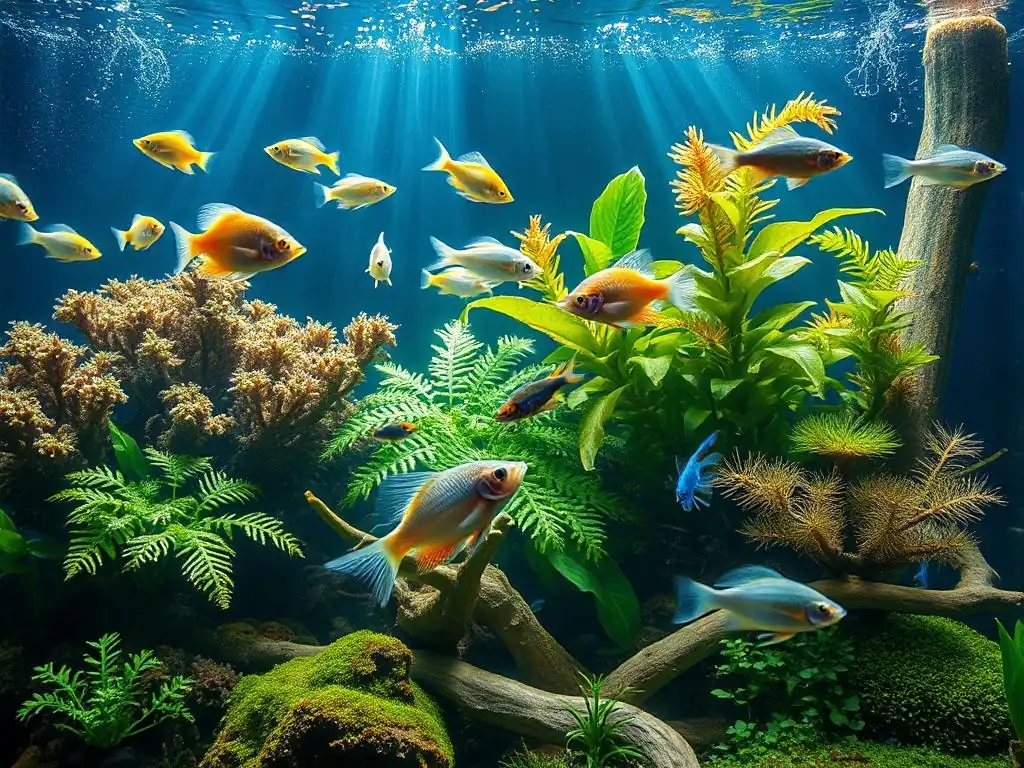
Ever noticed your rummy nose tetras losing their vibrant red? It's a common concern for aquarists, especially when dealing with these sensitive beauties. We dive deep into understanding why your sensitive tetras might be fading colors, offering practical solutions to restore their dazzling hues. Ready to unlock the secrets to a thriving tetra tank? Let's begin!
- Rummy Nose Tetra Color Loss: Troubleshooting and Prevention
- Understanding Color Loss in Rummy Nose Tetras
- Water Quality and Rummy Nose Tetra Color
- Stress Factors Affecting Rummy Nose Tetra Color
- Rummy Nose Tetra Diseases and Color Fading
- Nutrition and Rummy Nose Tetra Coloration
- Lighting and Rummy Nose Tetra Color
- Restoring Color in Fading Rummy Nose Tetras: A Step-by-Step Guide
- Preventing Color Loss in Rummy Nose Tetras: Proactive Measures
- Advanced Troubleshooting for Persistent Color Loss
-
Frequently Asked Questions
- Why are my Rummy Nose Tetras losing their vibrant red color?
- What water parameters are crucial for maintaining the color of sensitive tetras like Rummy Noses?
- How does diet impact the color of my Rummy Nose Tetras?
- Could tank mates be causing my tetras to lose their color?
- What are some quick fixes I can implement to improve the color of my fading tetras?
- Final Reflection: The Vibrant Imperative
- Ignite Your Tetra's Radiance!
Rummy Nose Tetra Color Loss: Troubleshooting and Prevention
Understanding Color Loss in Rummy Nose Tetras
Common Causes of Color Loss: Stress, Water Quality, and Disease
Fading colors in sensitive tetras, particularly the iconic red nose of Rummy Nose Tetras, is often an early warning sign of underlying issues. Stress is a primary culprit, triggered by various factors such as sudden changes in their environment, aggressive tank mates, or even improper handling during tank maintenance. When a Rummy Nose Tetra experiences stress, its physiological response includes diverting energy from non-essential functions, such as maintaining vibrant coloration, leading to a noticeable dullness or blanching of their characteristic red snout and black and white caudal fin.
Beyond stress, suboptimal water quality and the onset of disease significantly contribute to the sensitive tetras fading colors. Poor water parameters, including elevated ammonia, nitrite, or nitrate levels, or incorrect pH, directly impact the fish's respiratory function and overall metabolic health. Similarly, various diseases, from common parasitic infections like Ich to more serious bacterial or viral conditions, consume the fish's energy reserves as their immune system fights the pathogen. This compromised state inevitably results in a loss of their characteristic vibrant hues, indicating a decline in their well-being.
Why Vibrant Color Indicates Health and Well-being
For Rummy Nose Tetras, a strong, vibrant red nose and distinct black and white tail patterns are the hallmarks of a healthy, low-stress, and well-acclimated fish. These fish, being highly sensitive tetras, display their peak coloration when they are thriving in an optimal environment. The intensity of their red nose, which typically extends from the mouth to just behind the eyes, is a direct visual cue of their physiological state, reflecting robust health, excellent water conditions, and a strong immune system.
The vivid coloration is due to specialized pigment cells called chromatophores. When a Rummy Nose Tetra is healthy and unstressed, these cells are fully expanded, showcasing their brilliant pigments. Conversely, when the fish is unwell, stressed, or uncomfortable, these chromatophores contract, leading to the observed sensitive tetras fading colors. For instance, a healthy Rummy Nose Tetra will often exhibit a consistent, brilliant red nose covering at least 80-90% of its snout, a stark contrast to a pale, washed-out appearance that signals distress.
Water Quality and Rummy Nose Tetra Color
Ammonia, Nitrite, Nitrate, and pH: Their Impact on Coloration
Elevated levels of ammonia and nitrite are acutely toxic to Rummy Nose Tetras, directly causing gill damage and oxygen deprivation, which inevitably leads to a dull, washed-out appearance and sensitive tetras fading colors. Even chronically low levels of these compounds can induce significant stress, impacting the fish's metabolic processes and reducing the energy available for maintaining vibrant pigments. For example, ammonia levels above 0 ppm and nitrite levels above 0 ppm are dangerous and demand immediate corrective action.
While less acutely toxic, high nitrate levels (above 20 ppm) indicate poor long-term water quality management and can lead to chronic stress, a compromised immune system, and persistent color loss. Similarly, pH fluctuations or levels outside their optimal range (typically 6.0-7.0) stress Rummy Nose Tetras by altering their internal osmotic balance, making them susceptible to illness and causing their colors to appear significantly faded. A sudden pH swing of just 0.5 units can be highly detrimental.
Maintaining Optimal Water Parameters: Temperature, pH, and Hardness
Maintaining stable and optimal water parameters is crucial for preventing sensitive tetras fading colors. Rummy Nose Tetras thrive in temperatures between 75-80°F (24-27°C), a slightly acidic to neutral pH of 6.0-7.0, and soft to moderately hard water (4-8 dGH or 70-140 ppm). Consistency in these parameters is paramount; sudden changes are often more stressful than slightly off but stable readings. Regular monitoring with reliable liquid test kits is essential to detect any deviations promptly.
To achieve these conditions, hobbyists may use methods such as reverse osmosis (RO) water mixed with mineral supplements to control hardness and pH, or incorporate driftwood and peat filtration to naturally lower pH. For instance, a 20-gallon tank with six Rummy Noses will typically require daily temperature checks and weekly pH and hardness tests to ensure stability. Consistent parameters allow these sensitive tetras to allocate their energy towards health and vibrant coloration rather than combating environmental stress.
The Role of Regular Water Changes in Color Restoration
Regular water changes are arguably the most effective and immediate method for improving water quality and initiating color restoration in sensitive tetras fading colors. Performing weekly water changes of 25-30% of the tank volume effectively dilutes accumulated nitrates, phosphates, and other dissolved organic compounds that degrade water quality and contribute to fish stress. This immediate improvement in the chemical environment often leads to a noticeable intensification of the Rummy Nose Tetra's red snout within a few hours to days.
Beyond the immediate benefits, consistent water changes prevent the chronic buildup of toxins that can suppress the immune system and lead to permanent dullness in fish coloration. They also replenish essential trace elements that are naturally depleted over time, supporting overall fish health and the physiological processes responsible for vibrant pigmentation. For example, in a 30-gallon tank with a school of Rummy Noses, a weekly 8-10 gallon water change can maintain nitrate levels below 15 ppm, promoting optimal health and brilliant colors.
Stress Factors Affecting Rummy Nose Tetra Color
Minimizing Stress: Tank Size, Hiding Places, and Lighting
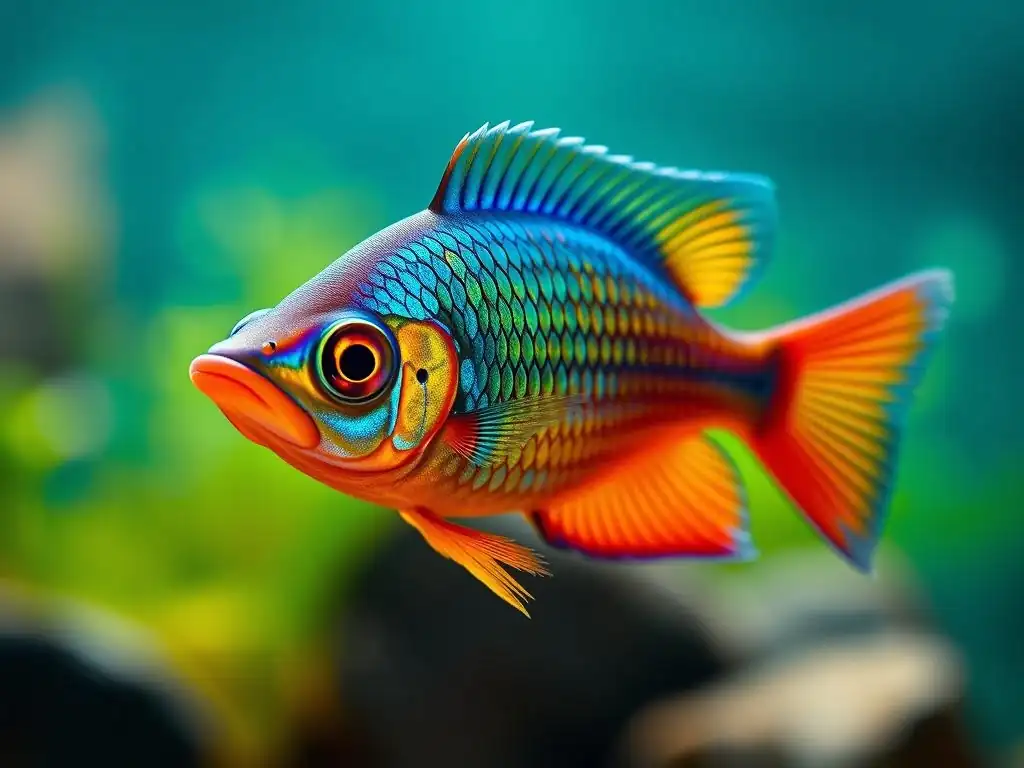
Minimizing stress is fundamental to preventing sensitive tetras fading colors. Rummy Nose Tetras are shoaling fish and require ample space to feel secure. A minimum tank size of 20 gallons (approximately 75 liters) is recommended for a school of at least 6-8 individuals, providing sufficient swimming space and reducing territorial aggression. The provision of numerous hiding places, such as dense live plants (e.g., Java Fern, Anubias, Cabomba) and driftwood, creates a natural, secure environment where the fish can retreat when feeling threatened or simply rest.
Appropriate lighting and gentle water flow also contribute significantly to a stress-free environment. Rummy Noses prefer moderate lighting; overly bright illumination can cause them to become skittish and hide, leading to a dull appearance. Water flow should be gentle, mimicking their natural slow-moving river habitats, as strong currents can exhaust them. A calm, secure, and properly furnished tank environment directly correlates with vibrant coloration, as the fish feel safe enough to display their full spectrum of colors confidently.
Overcrowding: Its Impact on Water Quality and Tetra Stress
Overcrowding is a severe stressor that directly leads to sensitive tetras fading colors by rapidly degrading water quality and increasing competition. More fish in a confined space produce a higher bioload, overwhelming the biological filtration system and causing a dangerous spike in ammonia, nitrite, and nitrate levels. This constant exposure to toxins forces the fish to allocate energy towards detoxification and survival rather than maintaining their vibrant hues, leading to chronic dullness.
Furthermore, overcrowding intensifies competition for resources such as food and space, leading to heightened aggression and stress, even among typically peaceful species like Rummy Noses. The constant state of alert and competition depletes their energy reserves, which would otherwise be used for maintaining their health and striking coloration. A common guideline suggests 1 inch of fish per gallon, but for sensitive species like Rummy Noses, a more conservative approach, perhaps 0.5 inches per gallon, ensures optimal conditions and prevents the sensitive tetras fading colors.
Aggression: Identifying and Addressing Bullying from Tank Mates
Aggression from tank mates is a significant stressor that can cause sensitive tetras fading colors. Signs of bullying include nipped fins, constant hiding, rapid breathing, and, most notably, a persistent dulling of color despite optimal water parameters. Aggressors might be larger, more boisterous species (e.g., certain Barbs, Cichlids) or even overly dominant individuals within the Rummy Nose school itself, though this is less common given their schooling nature.
To address aggression, carefully observe tank dynamics to identify the culprit. If a tank mate is aggressive, consider rehoming it to a more suitable environment or providing more visual barriers and hiding spots within the tank using plants and decor. Ensuring the Rummy Nose school is sufficiently large (at least 6-8 individuals) can also dilute aggression, as they feel more secure in a larger group and are less likely to be singled out, encouraging them to display their natural, vibrant hues.
Rummy Nose Tetra Diseases and Color Fading
Common Diseases: Ich, Neon Tetra Disease, and Fin Rot
Diseases are a major cause of sensitive tetras fading colors, as the fish's body diverts resources to fight infection. Ich, or white spot disease, is a common parasitic infection characterized by small white spots resembling salt grains on the body and fins. This parasite causes significant stress, weakening the fish's immune system and leading to a noticeable dullness of color as the fish becomes lethargic and uncomfortable.
Neon Tetra Disease (NTD), while more prevalent in Neon Tetras, can also affect Rummy Noses. It is a highly contagious and often fatal microsporidian infection, characterized by a progressive loss of schooling behavior, swimming difficulties, muscle wasting, and a gradual, irreversible loss of their vibrant coloration, particularly the red on their nose and the iridescent stripe. Bacterial infections like Fin Rot, characterized by frayed fins and cloudy eyes, also directly impact the fish's physiological functions, leading to stress and the sensitive tetras fading colors.
Diagnosing and Treating Diseases Affecting Color: Symptoms and Medications
Early diagnosis is crucial for successfully treating diseases that cause sensitive tetras fading colors. Beyond the obvious color loss, observe for subtle changes in behavior such as clamped fins, labored breathing, unusual swimming patterns, or visible lesions. For Ich, the presence of distinct white spots confirms the diagnosis. For bacterial infections like Fin Rot, look for eroded fins, body sores, or a cloudy film over the eyes. NTD is more insidious, often presenting as a general decline and loss of typical schooling behavior, alongside the fading.
Treatment varies by disease. For Ich, an anti-parasitic medication containing malachite green or formalin (e.g., Seachem ParaGuard, API Super Ick Cure) combined with a gradual temperature increase (if suitable for tank mates, typically to 82-84°F or 28-29°C) is often effective. For bacterial infections, broad-spectrum antibiotics (e.g., Furan-2, Maracyn) may be necessary. Unfortunately, there is no known cure for NTD; affected fish should be humanely euthanized to prevent spread, and the tank should be thoroughly disinfected. Always follow medication instructions precisely.
Quarantine Procedures: Preventing Disease Spread and Color Loss
Implementing strict quarantine procedures is a proactive measure that significantly reduces the risk of disease introduction and subsequent sensitive tetras fading colors. All new fish, plants, and even some decorations should undergo a 2-4 week quarantine period in a separate tank (a 10-gallon/38-liter tank is sufficient for a small school). This isolation allows for observation, potential prophylactic treatment, and ensures that no pathogens are introduced into the main display tank.
During quarantine, maintain stable water parameters, observe the new arrivals daily for any signs of illness, and provide a low-stress environment. Some aquarists choose to perform a general anti-parasitic or anti-bacterial treatment during this period. This preventative step protects your established Rummy Noses from potential outbreaks that could lead to widespread illness and color loss. For instance, quarantining a new group of six Rummy Noses for three weeks at 78°F (26°C) can prevent the introduction of Ich into a thriving community tank.
Nutrition and Rummy Nose Tetra Coloration
Diet and Color: The Link Between Food and Pigmentation
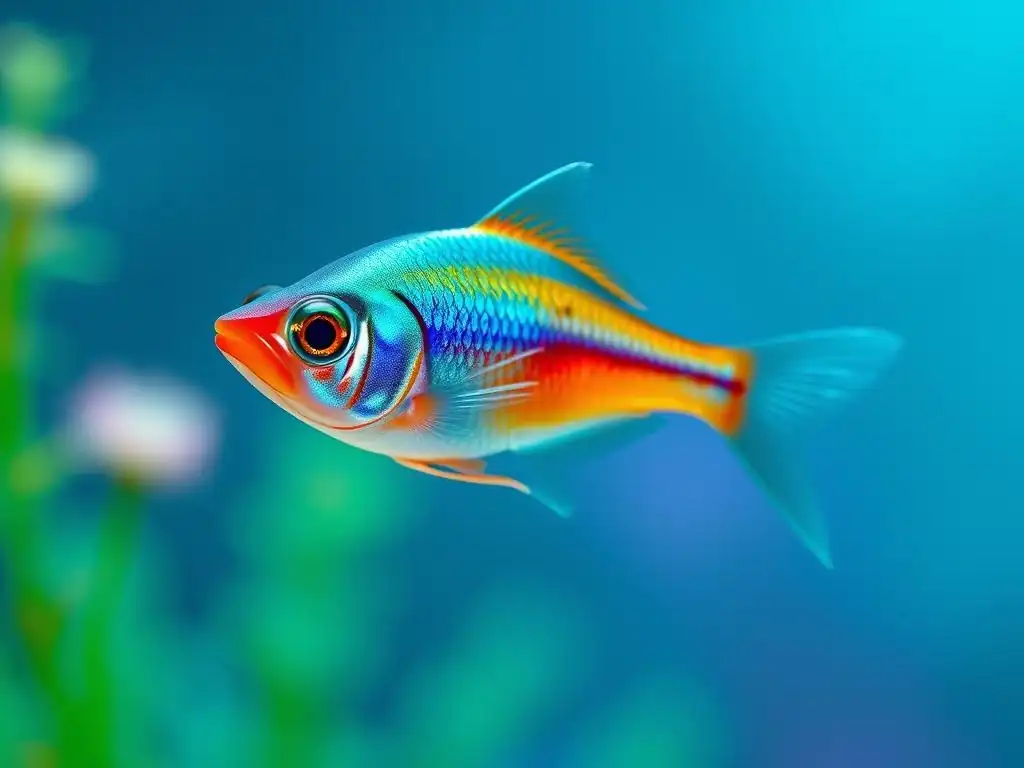
Diet plays an absolutely critical role in maintaining the vibrant coloration of Rummy Nose Tetras. The brilliant red on their noses and the sharp black and white on their tails are largely dependent on pigments, particularly carotenoids, obtained directly from their food. These pigments are absorbed by the fish's digestive system and then deposited into the chromatophores in their skin. A diet lacking these essential color-enhancing nutrients will inevitably lead to sensitive tetras fading colors over time, regardless of other excellent tank conditions.
Carotenoids, such as astaxanthin and canthaxanthin, are responsible for the red, orange, and yellow hues found in many fish. Unlike plants, fish cannot synthesize these compounds internally and must acquire them through their diet. High-quality fish foods often include ingredients like spirulina, krill, shrimp meal, and various algae, which are naturally rich in these color-boosting pigments. For example, a Rummy Nose Tetra fed a diet deficient in spirulina might exhibit a duller red nose compared to one receiving regular supplements.
Best Food Options: Live, Frozen, and High-Quality Flake Foods
To ensure vibrant coloration and prevent sensitive tetras fading colors, a varied and high-quality diet is essential. A staple diet should consist of premium flake or micro-pellet foods specifically formulated for small omnivores. Look for brands that list fish meal, spirulina, and other natural color enhancers high on their ingredient list, such as Hikari Micro Pellets or Omega One Mini Pellets, which are designed to be easily digestible and nutritionally complete for tetras.
Supplementing the staple diet with live and frozen foods is highly recommended. Live foods like bloodworms, brine shrimp, daphnia, and cyclops are excellent sources of protein and natural pigments, closely mimicking their natural diet. Feeding these 2-3 times a week significantly boosts overall health and intensifies the red color of their noses. For instance, a small pinch of frozen bloodworms, thawed properly, can be a weekly treat that visibly enhances the sensitive tetras' coloration.
Vitamin Deficiencies: Supplementation and Dietary Adjustments
Deficiencies in key vitamins can severely impact a Rummy Nose Tetra's overall health and contribute significantly to sensitive tetras fading colors. Vitamins A and E, for instance, are crucial for proper pigment synthesis, immune function, and cellular integrity. A prolonged lack of these essential micronutrients can not only dull their colors but also make them more susceptible to disease and stress.
While a varied and high-quality diet is the primary source of vitamins, occasional supplementation can be beneficial, especially if fish are recovering from illness or exhibiting persistent dullness. Liquid vitamin supplements (e.g., Vita-Chem, Seachem GarlicGuard infused with vitamins) can be soaked into dry foods before feeding. It's also important to note that vitamin content in fish food degrades over time, so always check expiration dates and store food in a cool, dark, airtight container to preserve its nutritional value and ensure your sensitive tetras receive adequate nourishment.
Lighting and Rummy Nose Tetra Color
Lighting and Color: How Light Affects Appearance
While lighting doesn't directly cause pigment loss in the same way poor diet or disease does, it profoundly influences how we perceive the colors of Rummy Nose Tetras. The spectrum and intensity of the aquarium lighting can either enhance or diminish the visual vibrancy of these fish. Incorrect lighting can also indirectly contribute to sensitive tetras fading colors by causing stress or promoting undesirable algae growth.
The interaction between light and the fish's chromatophores is complex. Certain light spectra can stimulate the expansion of pigment cells, making colors appear more vivid, while others might cause them to contract or simply not highlight their natural hues effectively. For instance, a light with a strong blue component might make the red on a Rummy Nose Tetra appear duller, whereas a full-spectrum light with a balanced or slightly warmer tone can make the red pop, creating a more aesthetically pleasing display.
Choosing Appropriate Lighting: Spectrum and Intensity Considerations
When choosing lighting for Rummy Nose Tetras, aim for full-spectrum LED lighting with a color temperature around 6500K. This spectrum is generally considered ideal for plant growth and provides a natural, balanced view of the fish. To specifically enhance the red coloration of sensitive tetras, consider lights that have a bias towards warmer tones (reds and yellows) or include specific red-enhancing LEDs, often found in lights with color temperatures ranging from 7000K to 8000K with a high Color Rendering Index (CRI).
Intensity is equally important. Rummy Noses prefer moderately lit environments and can become stressed by overly bright illumination. If your lighting system is very powerful, consider using a dimmer or strategically placing floating plants (e.g., Dwarf Water Lettuce, Amazon Frogbit) on the surface. These plants diffuse the light, creating dappled patterns and shaded areas below, which makes the sensitive tetras feel more secure and encourages them to display their colors more confidently, preventing sensitive tetras fading colors due to discomfort.
Avoiding Overexposure: Managing Algae and Tetra Stress
Overexposure to light, either through excessive intensity or prolonged duration (more than 10-12 hours per day), can lead to several problems that indirectly contribute to sensitive tetras fading colors. Firstly, it often triggers rapid algae growth, which is unsightly and can compete with live plants for nutrients. Secondly, high light levels can cause significant stress to Rummy Nose Tetras, making them hide more, become skittish, and ultimately appear duller.
To avoid overexposure, use a timer to maintain a consistent photoperiod, typically 8-10 hours per day. If algae becomes an issue, gradually reduce the light duration or intensity. Some aquarists implement a "siesta period" (e.g., 4 hours on, 2 hours off, 4 hours on) to disrupt the algae's photosynthetic cycle while still providing sufficient light for plants. A well-managed lighting schedule contributes to a stable and comfortable environment, which is paramount for the health and vibrant coloration of these sensitive tetras.
Restoring Color in Fading Rummy Nose Tetras: A Step-by-Step Guide
Step 1: Testing and Adjusting Water Parameters: Ammonia, Nitrite, Nitrate, pH
The first and most critical step in restoring color to sensitive tetras fading colors is to thoroughly test your aquarium water. Use a reliable liquid test kit to check for ammonia, nitrite, nitrate, and pH levels. Record your findings meticulously. If ammonia or nitrite are detected (above 0 ppm), perform an immediate 50% water change to dilute these highly toxic compounds. This rapid intervention can significantly reduce acute stress.
Following the initial test, make gradual adjustments to bring all parameters into the optimal range for Rummy Nose Tetras: temperature 75-80°F (24-27°C), pH 6.0-7.0, and hardness 4-8 dGH (70-140 ppm). If nitrates are high (above 20 ppm), perform daily 25% water changes until levels are acceptable. Avoid drastic changes, especially with pH, as sudden shifts can cause more stress. Consistent, stable water conditions are the foundation for color recovery.
Step 2: Reducing Stress: Identifying and Removing Stressors
Once water parameters are stabilized, focus on identifying and eliminating other potential stressors in the tank environment that contribute to sensitive tetras fading colors. Observe your Rummy Noses closely: Are there any aggressive tank mates harassing them? Is the tank overcrowded, leading to competition for space? Do they have enough hiding places to feel secure?
Take action based on your observations. If an aggressive fish is present, consider rehoming it or adding more visual barriers through dense planting or driftwood. If the tank is overcrowded, a larger tank or reducing the fish population might be necessary. Ensure ample live plants and decor are present to provide security and allow the fish to establish territories or retreat. A calm, secure environment directly promotes the return of vibrant colors, as the fish feel safe enough to display their natural hues.
Step 3: Evaluating and Improving Diet: Food Quality and Variety
A sub-optimal diet is a common reason for sensitive tetras fading colors. Evaluate your current feeding regimen. Are you providing a high-quality, varied diet rich in color-enhancing nutrients? Rummy Noses require a diverse diet to maintain their vibrant red noses.
Introduce a rotation of high-quality flake or micro-pellet foods as a staple, supplemented with live or frozen foods 2-3 times per week. Excellent options include bloodworms, brine shrimp, daphnia, and cyclops, which are rich in protein and carotenoids. Ensure the primary food source lists spirulina, krill, or shrimp meal high in its ingredient list. Avoid overfeeding, as this can degrade water quality and contribute to stress. Feeding small amounts multiple times a day is generally better than one large meal.
Step 4: Observing for Disease: Early Detection and Treatment
Even with optimal water and diet, persistent sensitive tetras fading colors can indicate an underlying disease. Closely inspect each Rummy Nose Tetra daily for any subtle signs of illness. Look for white spots (Ich), clamped fins, labored breathing, visible lesions, unusual swimming patterns, or any signs of emaciation or bloating.
If any symptoms are observed, isolate the affected fish in a separate quarantine tank if possible to prevent disease spread. Research the symptoms to identify the probable illness and begin appropriate treatment immediately. Remember that stressed fish are more susceptible to disease, so addressing the underlying water quality and environmental stress factors (Steps 1-3) is crucial for the long-term health and successful color restoration of your Rummy Noses.
Preventing Color Loss in Rummy Nose Tetras: Proactive Measures
Regular Water Testing: Monitoring Key Parameters
Proactive water testing is the cornerstone of preventing sensitive tetras fading colors. Establish a consistent routine for monitoring key water parameters. In newer tanks (first 2-3 months), test ammonia and nitrite weekly to ensure the nitrogen cycle is established. In mature tanks, test nitrates weekly and ammonia/nitrite bi-weekly or monthly. pH should be monitored regularly, especially if you have soft water or use elements that can alter pH.
Keeping a detailed log of your water parameters helps identify trends and allows for early intervention before problems escalate. For example, consistently rising nitrate levels might indicate the need for larger or more frequent water changes. This diligent monitoring empowers you to make proactive adjustments, ensuring a stable environment that supports the vibrant, consistent coloration of your Rummy Nose Tetras, rather than reacting once sensitive tetras fading colors become apparent.
Creating a Stress-Free Environment: Tank Size, Plants, and Tank Mates
Preventing sensitive tetras fading colors hinges on providing a consistently stress-free environment. Ensure your tank size is adequate for a school of Rummy Noses; a minimum of 20 gallons (75 liters) for 6-8 fish allows ample space for swimming and schooling, reducing stress-induced dullness. Incorporate plenty of live plants, such as Cabomba, Rotala, or Java Moss, and driftwood to create a natural, secure habitat with numerous hiding spots and visual breaks.
Careful selection of compatible tank mates is equally important. Avoid housing Rummy Noses with large, aggressive, or fin-nipping species that could harass them. Ideal tank mates include other peaceful small tetras (e.g., Neon Tetras, Cardinal Tetras), Corydoras catfish, Otocinclus, and small peaceful rasboras. A calm, well-populated community tank with appropriate companions reduces stress, allowing Rummy Noses to thrive and maintain their striking red noses and vibrant tail patterns.
Providing a Balanced Diet: Variety and Quality
A balanced, high-quality diet is fundamental to preventing sensitive tetras fading colors and ensuring their overall vitality. Do not rely on a single type of food. Instead, provide a diverse diet consisting of premium flake or micro-pellets as a staple, supplemented regularly with live or frozen foods.
Aim to feed live or frozen options like bloodworms, brine shrimp, and daphnia 2-3 times per week. These foods are not only highly palatable but also rich in essential proteins, vitamins, and natural carotenoids that directly enhance and maintain the red pigmentation. Ensure your staple dry food is specifically formulated for small omnivores and lists natural color enhancers high in its ingredient list. Rotating food types ensures a complete nutritional profile, supporting strong immune systems and the consistently vibrant coloration of your sensitive tetras.
Advanced Troubleshooting for Persistent Color Loss
When to Seek Expert Advice: Veterinarian or Experienced Aquarist
If, despite rigorous adherence to all the above steps—meticulous water parameter management, stress reduction, diet improvement, and disease observation—your sensitive tetras are still fading colors or exhibiting other concerning symptoms, it's time to seek expert advice. This could involve consulting an aquatic veterinarian, a highly experienced local fish store owner with a strong reputation for fish health, or engaging with knowledgeable aquarists on reputable online forums.
When seeking professional help, be prepared to provide detailed information. This should include a comprehensive history of your tank's water parameters (including historical readings), your precise feeding regimen, a complete list of all tank inhabitants, any recent changes made to the aquarium, and specific, detailed observations of the fish's symptoms. A professional can often help diagnose rare diseases, identify subtle environmental issues, or suggest specialized treatments that might be overlooked by a general hobbyist.
Investigating Rare Causes: Internal Parasites, Genetics
In cases of persistent sensitive tetras fading colors without clear external symptoms or obvious environmental stressors, investigating rarer causes becomes necessary. Internal parasites are a common culprit that can lead to chronic emaciation, lethargy, and a gradual, unexplained loss of coloration. These parasites often do not present with external signs like white spots, making them harder to diagnose. Diagnosis typically requires microscopic examination of fecal samples or gill/skin scrapes, a procedure an aquatic veterinarian can perform.
Genetic factors can also play a role in a fish's propensity for vibrant coloration, though this is less common as a primary cause of fading color in established fish. Some fish may simply have weaker color genes from the outset, leading to a less intense hue even under optimal conditions. However, it's crucial to remember that environmental factors, diet, and stress are overwhelmingly the primary reasons for sensitive tetras fading colors. Genetic issues are usually a diagnosis of exclusion, considered only after all other possibilities have been thoroughly investigated and ruled out.
Addressing Persistent Color Loss: Gradual Adjustments and Patience
Addressing persistent sensitive tetras fading colors requires a methodical and patient approach. Understand that restoring full coloration can take time, especially if the fish have been stressed or ill for an extended period. Avoid the temptation to make multiple drastic changes simultaneously, as this can add further stress and make it impossible to pinpoint which adjustment is having an effect. Instead, implement changes gradually and observe the fish's response over several days or even weeks.
Continue meticulous monitoring of water parameters, diet quality, and fish behavior. Sometimes, subtle tweaks to lighting duration, temperature within the optimal range, or even the addition of specific trace elements (e.g., using a high-quality planted tank fertilizer that includes micronutrients) can make a difference. Consistency in providing optimal care, combined with patience, are the most powerful tools in fully restoring the vibrant, iconic hues of your sensitive Rummy Nose Tetras.
Frequently Asked Questions
Why are my Rummy Nose Tetras losing their vibrant red color?
Color loss in Rummy Nose Tetras is often a sign of stress or poor water quality. Common culprits include high ammonia/nitrite levels, incorrect pH, or inadequate oxygen.
What water parameters are crucial for maintaining the color of sensitive tetras like Rummy Noses?
Maintaining stable and optimal water parameters is critical. This includes a pH of around 6.0-7.0, ammonia and nitrite levels at 0 ppm, and nitrate levels below 20 ppm. Consistent water changes are essential for stability.
How does diet impact the color of my Rummy Nose Tetras?
A varied and nutritious diet is vital for vibrant coloration. Ensure your tetras are receiving a high-quality flake food supplemented with live or frozen foods, like bloodworms or daphnia, to provide necessary pigments and nutrients.
Could tank mates be causing my tetras to lose their color?
Yes, aggressive or boisterous tank mates can stress sensitive tetras, leading to color loss. Ensure your Rummy Noses are housed with peaceful companions in a spacious environment to minimize stress and promote natural behavior.
What are some quick fixes I can implement to improve the color of my fading tetras?
Perform a partial water change immediately to address potential water quality issues. Also, check your filter, aeration and temperature to ensure they are in the appropriate range. Then, begin monitoring the water parameters more closely.
Final Reflection: The Vibrant Imperative
The delicate dance of maintaining a thriving aquarium, especially one populated with sensitive tetras facing color loss, serves as a powerful microcosm of our responsibility to nurture and protect the fragile ecosystems around us. What begins as a troubleshooting guide for a common aquarist concern ultimately underscores the vital connection between environmental awareness and the well-being of even the smallest creatures under our care.
The subtle shifts in a rummy nose tetra's coloration are more than just aesthetic concerns; they are a barometer of the overall health of their environment, a silent plea for attention and care. This intimate connection to the well-being of these fish has profoundly shaped my understanding of the interconnectedness of life, reminding me that even seemingly small actions can have significant consequences. The fate of the living world depends on our capacity to embrace the responsibility of care.
- Wangari Maathai. This quote encapsulates the essence of responsible aquascaping and, by extension, our stewardship of the planet.
As you observe the vibrant hues of your own aquarium, consider the lessons learned about water quality, environmental stress, and the importance of creating a balanced ecosystem. Let the fading colors of a sensitive tetra serve as a call to action, prompting you to reflect on your own impact and to strive for a more sustainable and compassionate approach to all living things, both within and beyond the glass walls of your aquatic world.
Ignite Your Tetra's Radiance!
Thanks for diving into the delicate world of Rummy Nose Tetras! We hope you've gained some valuable insights into keeping these beauties vibrant and healthy. Now, let's put that knowledge into action to ensure your tetras are the stars of your aquarium.
Here are a few things you can do right now:
- Prioritize pristine water conditions. Perform a small water change immediately, ensuring the new water is properly treated and matches the existing tank parameters. This is paramount for restoring their color.
- Document your fish! Take pictures of your tetras today and again in a week. Observe and note any changes in coloration or behavior after implementing the steps outlined in this article.
- Share your experiences! Head over to our Aquarium Mastery community forum and discuss your Rummy Nose Tetra challenges and successes with fellow aquarists.
Ready to see your Rummy Noses reclaim their brilliant red hues? What's the very first step you'll take today to revitalize their color?