
Female Featherfins: The Unsung Heroes of Reproduction

Welcome to Aquarium Mastery!
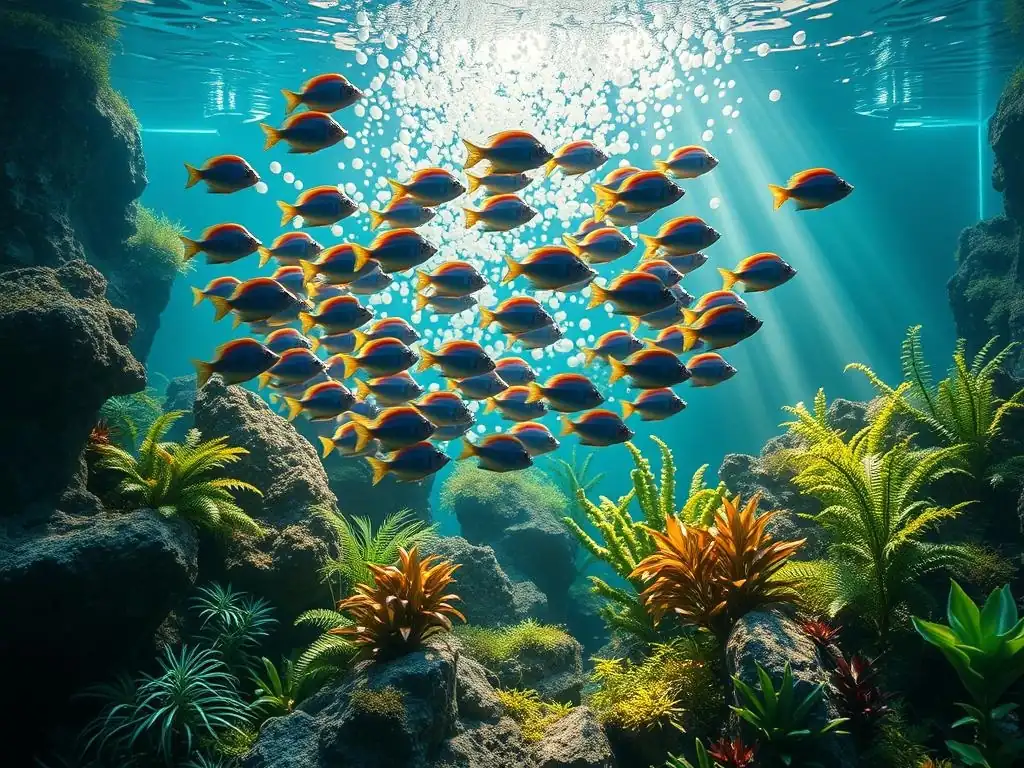
Ever wondered about the secrets behind a thriving aquarium ecosystem? Dive into the fascinating world of freshwater fish breeding, starting with our guide that shines a light on the unsung heroes of reproduction: female Featherfins. Unlock the mysteries of successful spawning and learn the crucial role they play. Intrigued? Let's explore these Featherfin spawning tips and empower you to create a flourishing aquatic haven.
- Understanding the Crucial Role of Female Featherfins in Spawning
- Featherfin Spawning: A Female-Centric Perspective
- Creating the Ideal Spawning Environment for Featherfins
- Featherfin Spawning Behavior: The Female's Role in Detail
- Featherfin Spawning Challenges and Solutions: A Female-Focused Approach
- Maximizing Featherfin Fry Survival: The Female's Legacy
- Featherfin Spawning Tips Guide: Advanced Techniques for Success
- Conclusion: Appreciating the Vital Role of Female Featherfins in Aquarium Breeding
-
Frequently Asked Questions
- How can I identify a female Featherfin Synodontis catfish ready to spawn?
- What water parameters are ideal for triggering Featherfin spawning?
- What kind of environment should I create in the aquarium to encourage Featherfin breeding?
- What should I feed my Featherfins during the spawning period?
- How long does it take for Featherfin eggs to hatch, and what care do the fry require?
- Final Reflection: Celebrating Featherfin Fertility
- Dive Deeper: Empower the Future of Featherfins!
Understanding the Crucial Role of Female Featherfins in Spawning
Introduction to Cyathopharynx furcifer (Featherfin) Breeding
Cyathopharynx furcifer, commonly known as the Featherfin cichlid, is a majestic species originating from the deep, clear waters of Lake Tanganyika in East Africa. These fascinating fish are renowned for their unique mouthbrooding behavior, where the female carries and protects the eggs and fry within her mouth until they are free-swimming.
Successful breeding of Featherfins in a home aquarium requires a deep understanding of their natural behaviors and precise environmental conditions, making a comprehensive Featherfin spawning tips guide invaluable for aquarists. Their natural habitat, characterized by rocky shores and open water, influences their breeding strategies, including the male's elaborate nest-building and the female's critical role in incubation.
The breeding process for Featherfins is a delicate dance, primarily orchestrated by the female's health and readiness. While the male Featherfin displays impressive fins and constructs intricate sand nests to attract a mate, it is the female who undertakes the arduous task of carrying the developing eggs and fry for an extended period, often 21 to 28 days. This significant maternal investment underscores why a successful Featherfin spawning tips guide must place a strong emphasis on the well-being and specific needs of the female Featherfin throughout the entire breeding cycle.
Why Focus on Female Featherfins for Successful Spawning?
The success rate of Featherfin breeding hinges significantly on the female's condition and her ability to perform her mouthbrooding duties. A healthy, well-conditioned female is more likely to accept a male's advances, produce a viable clutch of eggs, and successfully incubate the fry without succumbing to stress or dropping the brood prematurely. Her internal physiological state, including nutrient reserves and hormonal balance, directly impacts egg quality and the subsequent health of the developing fry. Without a robust female, even the most ideal tank setup and aggressive male displays will not yield successful reproduction.
Furthermore, the female Featherfin's post-spawning care is paramount. Once she has released the fry, her body is often depleted, and she requires specific attention to recover. Overlooking the female's needs can lead to poor future breeding outcomes, reduced lifespan, or even death due to exhaustion or stress. Therefore, any effective Featherfin spawning tips guide must provide detailed strategies for supporting the female at every stage, from pre-spawning conditioning to post-brooding recovery, ensuring she remains a vital and productive member of the breeding colony.
Featherfin Spawning: A Female-Centric Perspective
Selecting Healthy Female Featherfins for Breeding
Selecting healthy female Featherfins is the foundational step for any successful breeding program. When choosing potential breeders, observe the fish for signs of vitality: clear eyes, vibrant coloration (even if less pronounced than the males), intact fins without nips or tears, and active swimming behavior. A healthy female should not show signs of emaciation or bloating, and her respiration should be calm and steady. Aim for females that are at least 4-6 inches in length, indicating sexual maturity, which typically occurs around 12 to 18 months of age.
Source your female Featherfins from reputable breeders or specialized aquarium stores that maintain high standards of water quality and fish health. Inquire about their diet and previous breeding history, if available. A female that has successfully spawned before often has a higher likelihood of doing so again, provided she is in good health. This careful selection process is a crucial element of any comprehensive Featherfin spawning tips guide.
Identifying Key Traits of Breeding-Ready Female Featherfins
Identifying a female Featherfin ready for spawning involves observing both her physical attributes and her behavioral patterns. These indicators provide valuable clues for aquarists looking to optimize their breeding efforts. Understanding these subtle signs is a key component of a successful Featherfin spawning tips guide.
Body Shape and Size Indicators for Optimal Spawning
A female Featherfin ready to spawn will typically exhibit a noticeably fuller, more rounded abdomen, a clear sign of developing eggs. This increased girth is particularly evident when viewed from above. While Featherfins are generally slender fish, a gravid female will show a distinct swelling in her lower belly region, often appearing slightly distended.
For a mature female Featherfin, this can mean an increase in abdominal circumference of 10-15% compared to her non-gravid state. The vent area may also appear slightly swollen or more prominent. Optimal size for a breeding female is generally between 4 to 6 inches (10-15 cm), as smaller, younger females may produce fewer eggs or struggle with the stress of mouthbrooding.
Observing Female Featherfin Behavior for Spawning Readiness
Behavioral cues are equally important. A breeding-ready female Featherfin will often become more receptive to the male's advances, lingering near his spawning pit or even entering it briefly. She may exhibit subtle quivering or shimmying motions, a response to the male's courtship display.
In some cases, she might also show increased interest in the substrate, perhaps sifting sand or nipping at it, although this is more characteristic of the male. Observing these interactions within a well-balanced group (e.g., one male to three to five females) can significantly aid in predicting spawning events, helping to refine your Featherfin spawning tips guide.
Creating the Ideal Spawning Environment for Featherfins
Tank Setup Considerations for Encouraging Female Spawning Behavior
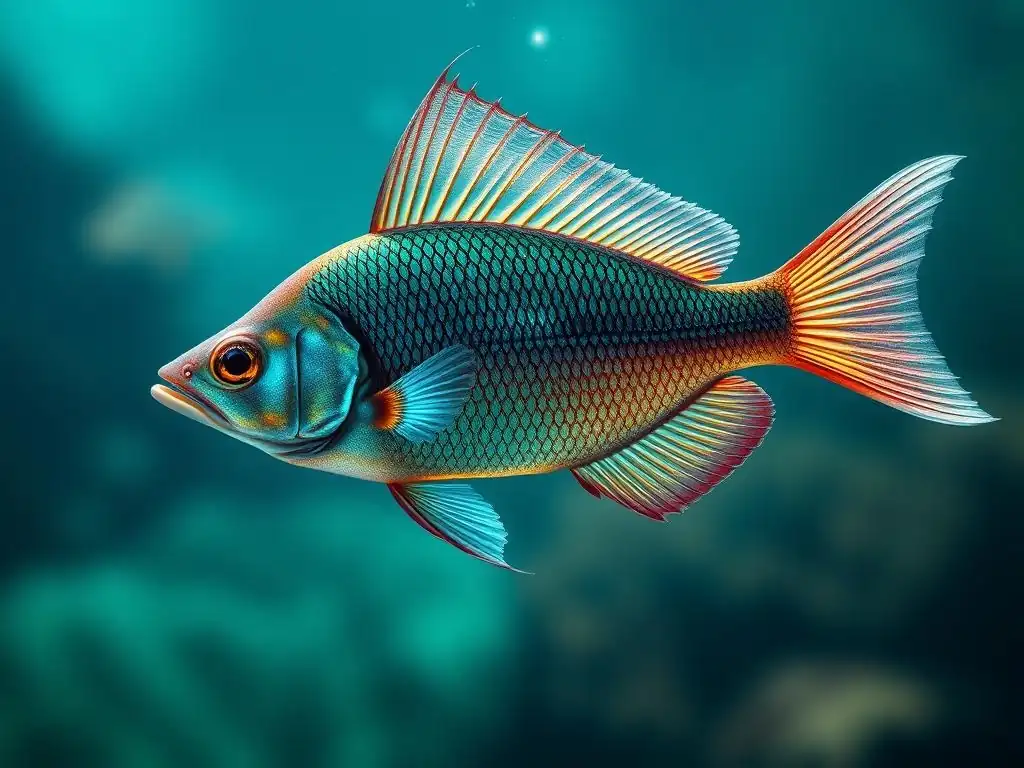
The tank environment plays a critical role in encouraging female Featherfins to spawn. A spacious aquarium is essential; a minimum of 75 gallons (280 liters) is recommended for a breeding colony, with 125 gallons (470 liters) or more being ideal to reduce aggression and provide ample space for spawning pits and female retreats. The layout should mimic their natural Lake Tanganyika habitat, emphasizing specific substrate and stable water parameters. This meticulous setup is a cornerstone of any effective Featherfin spawning tips guide.
Substrate Selection for Female Nesting Preferences
For Featherfins, a deep layer of fine, soft sand is absolutely crucial. Males will meticulously construct large, crater-like spawning pits, sometimes over 12 inches (30 cm) in diameter and several inches deep, into which the female will deposit her eggs. A minimum sand depth of 2-3 inches (5-7.5 cm) is necessary, but 4-6 inches (10-15 cm) is preferable to allow for extensive digging. Crushed coral or aragonite sand can also help buffer the water to the desired high pH. The female needs to feel secure and comfortable with the substrate choice for successful egg deposition and subsequent collection.
Water Parameters that Influence Female Featherfin Spawning
Maintaining stable and appropriate water parameters is non-negotiable for encouraging Featherfin spawning. Lake Tanganyika cichlids thrive in hard, alkaline water with a pH range of 8.0-9.0. The general hardness (GH) should be between 10-20 dGH, and carbonate hardness (KH) between 10-15 dKH, providing essential buffering capacity. The water temperature should be consistently maintained between 76-80°F (24-27°C). Regular water changes, typically 20-30% weekly, using dechlorinated and properly buffered water, are vital to keep nitrates low (below 20 ppm) and ensure overall water quality, which directly impacts the female's health and readiness to spawn.
Providing Shelter and Hiding Places for Female Featherfin Security
Providing ample shelter and hiding places is paramount for the security and well-being of female Featherfins, especially in a breeding setup. After spawning and during the mouthbrooding period, the female becomes vulnerable and needs safe havens to retreat from the male's persistent attention and other tank mates. Without sufficient hiding spots, stress can lead to the female dropping her eggs prematurely or suffering from aggression.
Arrange rocks, caves, or even PVC pipes strategically throughout the aquarium, creating multiple visual breaks and secure crevices. These hiding spots should be large enough for the female to comfortably enter and exit. Flat rocks can also serve as potential spawning sites, although Featherfins typically prefer sand pits. A well-designed aquascape that prioritizes the female's safety is a critical element in a successful Featherfin spawning tips guide, ensuring she can focus on the demanding process of incubation without undue stress.
Featherfin Spawning Behavior: The Female's Role in Detail
The Female Featherfin's Contribution to Fertilization
While the male Featherfin constructs the elaborate spawning pit and performs intricate courtship displays, the female's role in the actual fertilization process is a marvel of efficiency. Once the male has successfully enticed her into his pit, she will deposit her eggs, typically 10-30 at a time, directly onto the sand.
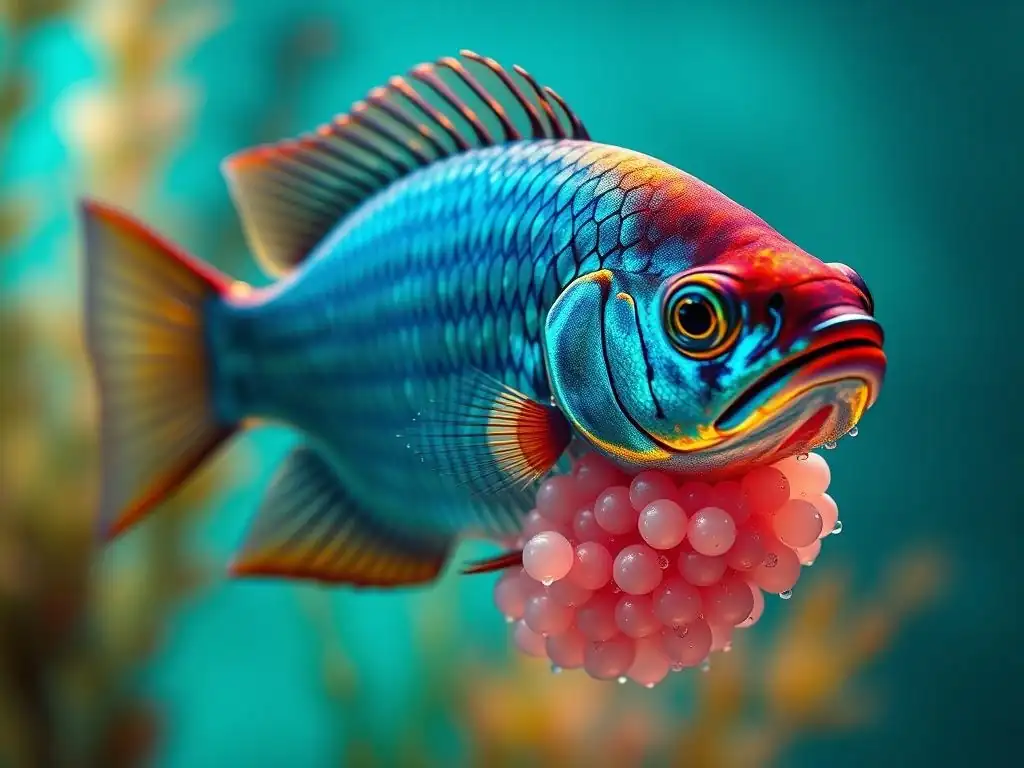
Immediately after laying, the male will swim over the eggs, releasing his milt (sperm) to fertilize them externally. The female then swiftly turns around and scoops the freshly laid and fertilized eggs into her mouth, a process she repeats until her entire clutch, which can range from 20 to over 80 eggs depending on her size and age, is safely secured.
This rapid collection of eggs is critical to prevent them from being eaten by other tank inhabitants or even the male himself. The female's precise timing and natural instinct to gather the eggs ensure that a high percentage are successfully fertilized and protected. Her commitment to this immediate collection highlights her central and active role beyond just egg production, making her the true guardian of the next generation.
Post-Spawning Care: Protecting the Female and Fry
The period immediately following spawning and throughout the mouthbrooding phase is incredibly demanding for the female Featherfin. Proper care during this time is essential to ensure her survival, the successful development of the fry, and her readiness for future breeding cycles. This crucial phase is often overlooked in general fishkeeping but is emphasized in a thorough Featherfin spawning tips guide.
Minimizing Stress on the Female Featherfin Post-Spawning
Once the female is holding eggs, she will typically become reclusive, seeking out the hiding places provided in the aquarium. It is paramount to minimize any disturbances or stressors during this period. Avoid sudden changes in lighting, water parameters, or tank mates.
If the breeding tank is not large enough to diffuse aggression, or if other tank inhabitants are overly aggressive, carefully consider moving the brooding female to a separate, quiet "brooding" tank (e.g., 20-30 gallons). This isolation tank should have identical water parameters to the main tank to avoid shock and stress, which can cause her to spit out or swallow her eggs. Dim lighting and minimal traffic around the tank also contribute significantly to her sense of security.
Ensuring Adequate Nutrition for Female Recovery After Spawning
During the entire mouthbrooding period, which can last up to four weeks, the female Featherfin will typically not eat. This prolonged fasting can significantly deplete her energy reserves, especially if she is a smaller or younger fish. Therefore, pre-spawning conditioning with a high-quality, varied diet is vital. Once she releases the fry, it is crucial to provide her with highly nutritious food to aid in her recovery.
Offer a mix of high-protein flakes, pellets, and frozen foods such as spirulina brine shrimp, mysis shrimp, and daphnia. Feeding smaller, more frequent meals can also help her regain strength without overwhelming her digestive system. A well-nourished female will recover faster and be better prepared for subsequent spawning attempts, a key aspect of any advanced Featherfin spawning tips guide.
Featherfin Spawning Challenges and Solutions: A Female-Focused Approach
Even with optimal conditions, challenges can arise during Featherfin spawning, many of which are directly linked to the female's health and well-being. Proactive identification and resolution of these issues are vital for consistent breeding success. A comprehensive Featherfin spawning tips guide must address these female-centric problems head-on.
Preventing Egg-Binding and Other Female Reproductive Issues
Egg-binding, though less common in mouthbrooders than in egg-laying species, can still occur if a female is unable to release her eggs. This can be caused by poor conditioning, inadequate diet lacking essential nutrients (like calcium and vitamin D), or unsuitable spawning conditions that prevent her from feeling secure enough to lay. Ensuring a diet rich in high-quality proteins and essential vitamins, along with pristine water quality and a stable environment, significantly reduces this risk.
If a female appears gravid for an extended period (weeks beyond typical spawning readiness) without laying, gently increasing the water temperature by 1-2°F (0.5-1°C) or performing a small, slightly cooler water change might stimulate spawning. However, if she remains distended and lethargic, professional veterinary advice may be necessary.
Managing Aggression Towards Females During Spawning
Male Featherfins can be highly territorial and aggressive, especially when trying to entice a female to spawn or if they feel their nest is threatened. This aggression can be particularly stressful for females, potentially leading to injuries or even death if not managed. To mitigate this, maintain an appropriate male-to-female ratio, ideally one male to three to five females. This spreads the male's attention and reduces the focus on a single female.
A large tank with numerous visual barriers and hiding spots is also essential, allowing females to escape and recover from the male's advances. Introducing new females should be done carefully, perhaps by rearranging the tank decor to disrupt established territories. Monitoring fish behavior closely, especially during breeding attempts, is a critical component of any effective Featherfin spawning tips guide.
Maximizing Featherfin Fry Survival: The Female's Legacy
The Female Featherfin's Influence on Fry Quality and Health
The health and genetic makeup of the female Featherfin directly impact the quality, size, and overall health of her fry. A well-nourished, unstressed female produces larger, more robust eggs with ample yolk reserves, which are crucial for the initial development of the fry during the mouthbrooding period. Her genetic contribution also determines inheritable traits such as growth rate, disease resistance, and coloration in the offspring. Furthermore, a female who successfully carries her brood to term without incident demonstrates strong maternal instincts and resilience, qualities that are desirable to perpetuate in future generations.
If a female is stressed, malnourished, or unhealthy, she may produce smaller, weaker eggs, drop her brood prematurely, or even consume the fry. Therefore, focusing on the female's welfare throughout the breeding cycle is not just about getting her to spawn, but about ensuring the viability and long-term success of the Featherfin fry. This direct link between maternal health and offspring quality is a core principle of any comprehensive Featherfin spawning tips guide.
Tips for Raising Featherfin Fry: Learning from the Female's Instincts
While the female Featherfin provides initial protection and incubation, once the fry are released, their survival largely depends on the aquarist's care, mimicking the female's natural instincts for protection and nourishment.
Providing the Right Food for Growing Fry Based on Female's Diet
Newly released Featherfin fry are quite small, typically around 0.2 inches (5 mm) in length, and require very fine, protein-rich food. Their natural diet in the wild would consist of tiny planktonic organisms. In the aquarium, this translates to foods like newly hatched brine shrimp nauplii, microworms, or high-quality, finely crushed spirulina flake food specifically designed for fry.
For the first week or two, brine shrimp nauplii are often considered the gold standard due to their high nutritional value and enticing movement. Feed small amounts several times a day (e.g., 3-5 times) to ensure constant availability without polluting the water. As they grow, within a few weeks, they can transition to finely crushed pellets and larger frozen foods like daphnia or cyclops.
Maintaining Optimal Water Quality for Fry Development
Consistent and pristine water quality is absolutely critical for Featherfin fry development. Their small size makes them highly susceptible to even slight fluctuations in water parameters or the presence of ammonia, nitrite, or high nitrates. Perform small, frequent water changes, typically 10-20% daily or every other day, using aged and temperature-matched water.
A sponge filter is ideal for fry tanks as it provides excellent biological filtration without the risk of sucking up tiny fry. Maintain the same stable water parameters (pH 8.0-9.0, temperature 76-80°F) as the adult tank. Regular monitoring of water parameters with a reliable test kit is essential to ensure a healthy environment for the growing fry, a vital part of any effective Featherfin spawning tips guide.
Featherfin Spawning Tips Guide: Advanced Techniques for Success
Optimizing Spawning Rates in Female Featherfins
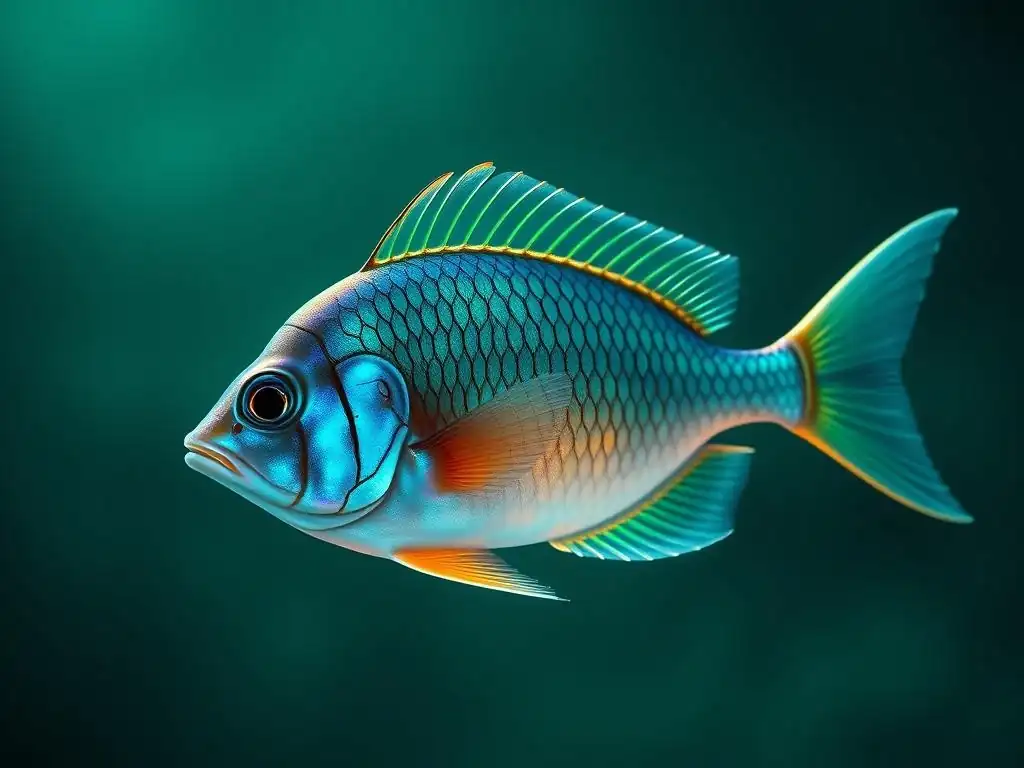
To optimize spawning rates in female Featherfins, several advanced techniques can be employed, building upon the foundational care. Maintaining a consistent male-to-female ratio (e.g., 1 male to 3-5 females) in a large, well-decorated tank minimizes stress and encourages more frequent breeding. Providing a diverse, high-quality diet rich in protein and spirulina, such as a mix of premium flakes, pellets, and frozen foods like mysis shrimp or spirulina-enriched brine shrimp, ensures females are always in peak breeding condition.
A slight increase in water temperature by 1-2°F (0.5-1°C) to the upper end of their preferred range (e.g., 79-80°F) can sometimes act as a trigger, mimicking seasonal changes. Furthermore, a slight increase in carbonate hardness (KH) to around 12-15 dKH can also contribute to their overall well-being and readiness to spawn.
Regular, small water changes (e.g., 15-20% twice a week) with aged, conditioned water not only maintain pristine water quality but also stimulate spawning by introducing fresh minerals and reducing nitrate buildup. Some breeders also report success with a temporary slight drop in water level followed by a refill, simulating natural rainfall, though this should be done cautiously. Ensuring ample, undisturbed spawning sites for the male to prepare is also crucial, as a comfortable male is more likely to attract a willing female. These refined practices are essential components of an advanced Featherfin spawning tips guide.
Enhancing Fertility in Female Featherfins Through Diet and Environment
Enhancing fertility in female Featherfins goes beyond basic nutrition; it involves a holistic approach to their diet and environment. A varied diet that includes live foods, such as blackworms or daphnia, occasionally, can provide essential micronutrients and stimulate natural foraging behaviors, leading to better conditioning and egg production. Supplementing their diet with vitamin-enriched foods or specialized cichlid vitamins can also boost overall health and reproductive vigor. For instance, a diet with higher levels of Omega-3 fatty acids can contribute to healthier egg development.
Environmentally, ensuring the water parameters are not just stable but also consistently within the optimal range (pH 8.0-9.0, GH 10-20 dGH, KH 10-15 dKH) is key. Consistent low stress levels are paramount; this means providing ample hiding spots, maintaining a peaceful community (avoiding overly aggressive tank mates), and minimizing external disturbances.
Low light levels during part of the day can also contribute to a more natural, less stressful environment. A clean, well-oxygenated tank with strong filtration encourages robust health, directly translating to improved fertility and a higher yield of viable eggs, a critical aspect of any comprehensive Featherfin spawning tips guide.
Selective Breeding Strategies to Improve Female Reproductive Traits
Selective breeding is an advanced strategy for aquarists aiming to improve specific reproductive traits in female Featherfins over generations. This involves carefully choosing which females to breed based on desirable characteristics. Key traits to look for include females that consistently produce large broods (e.g., 60+ fry per spawn), exhibit strong maternal instincts (rarely dropping or eating eggs), show excellent health and resilience during and after brooding, and possess superior coloration or finnage. Documenting each female's spawning history, including brood size, incubation period, and fry viability, is essential for informed selection.
By selectively breeding only the most productive and robust females with equally desirable males, aquarists can gradually enhance the overall reproductive capacity and health of their Featherfin line. This long-term approach requires patience and meticulous record-keeping but can lead to significant improvements in breeding success rates and the quality of the offspring. For instance, a breeder might track a specific female that consistently yields 70-80 viable fry per spawn, whereas others only produce 30-40, and prioritize her lineage. This strategic approach is a cornerstone of an advanced Featherfin spawning tips guide for dedicated enthusiasts.
Conclusion: Appreciating the Vital Role of Female Featherfins in Aquarium Breeding
Throughout the intricate process of Featherfin cichlid reproduction, the female stands as the unsung hero. From the initial development of eggs within her body to the meticulous collection and diligent mouthbrooding of her precious fry, her health, resilience, and instinctive behaviors are the cornerstone of successful breeding. A deep understanding of her needs, from precise environmental parameters and nutritional requirements to psychological security, is not merely beneficial but absolutely essential for any aquarist aiming to breed these magnificent Lake Tanganyika cichlids. Without her vital contribution, the vibrant cycle of life that captivates aquarists would simply not be possible.
The Future of Featherfin Breeding: Continued Research and Best Practices
The field of Featherfin breeding is continuously evolving, with dedicated aquarists and researchers constantly refining best practices. The future of Cyathopharynx furcifer breeding lies in a continued commitment to understanding their natural biology, adapting aquarium husbandry to mimic their pristine wild habitat, and sharing knowledge within the hobbyist community.
Further research into specific dietary needs, genetic predispositions to certain conditions, and nuanced behavioral triggers will undoubtedly lead to even higher success rates and healthier fish. Embracing ethical breeding practices that prioritize the well-being of the fish, particularly the often-stressed female, ensures the longevity and genetic diversity of these captivating cichlids for generations to come.
Frequently Asked Questions
How can I identify a female Featherfin Synodontis catfish ready to spawn?
Female Featherfins often appear rounder in the abdomen when carrying eggs. Observe for increased activity around the breeding area and potential nest-building behavior.
What water parameters are ideal for triggering Featherfin spawning?
Maintaining a stable water temperature around 78-82°F (25-28°C) is crucial. Soft, slightly acidic water with a pH of 6.5-7.0 can also stimulate spawning.
What kind of environment should I create in the aquarium to encourage Featherfin breeding?
Provide plenty of hiding places and potential spawning sites like caves or dense plants. A dedicated breeding tank separate from the main aquarium is often beneficial.
What should I feed my Featherfins during the spawning period?
Offer a high-quality, protein-rich diet to both males and females. Live or frozen foods like bloodworms and brine shrimp can help condition the fish for breeding.
How long does it take for Featherfin eggs to hatch, and what care do the fry require?
Featherfin eggs typically hatch within 3-5 days. Fry require small, frequent feedings of infusoria or commercially available fry food and pristine water conditions.
Final Reflection: Celebrating Featherfin Fertility
The journey through the intricate world of female Featherfins reveals not just spawning tips, but a deeper appreciation for their crucial role in aquatic ecosystems. Understanding their reproductive cycles and needs is paramount to successful breeding and, more importantly, to the conservation of these fascinating fish. This knowledge empowers aquarists to become stewards, ensuring the continuation of their lineage in our tanks and, hopefully, beyond.
This exploration of Featherfin spawning has profoundly impacted my perspective, highlighting the delicate balance within our aquariums. It's a constant reminder that responsible fishkeeping goes beyond mere aesthetics; it's about understanding and respecting the biological imperatives of these creatures. In the end, we will conserve only what we love; we will love only what we understand; and we will understand only what we are taught.
- Baba Dioum. This quote resonates deeply, urging us to continue learning and sharing our knowledge to foster a greater appreciation for the natural world.
Now, armed with these Featherfin spawning tips, I invite you to reflect on your own role in the aquarium hobby. Consider how you can further contribute to the well-being of these remarkable fish. Let's move beyond simply keeping them alive and strive to create environments where they can thrive, reproduce, and continue to captivate us with their unique beauty and vital contribution to the aquatic tapestry.
Dive Deeper: Empower the Future of Featherfins!
Thank you for exploring the fascinating world of female featherfins and their vital role in aquatic reproduction. Now, let's channel that knowledge into action!
Here are a few ways you can champion these unsung heroes:
- Prioritize a Balanced Ecosystem: Ensure your aquarium offers ample hiding spots, varied diets, and stable water parameters. Happy moms make for healthy broods!
- Share the Spark: Spread the word about the importance of responsible breeding and the unique needs of female featherfins among fellow aquarium enthusiasts. Start a discussion!
- Observe and Appreciate: Take a moment to simply observe your featherfins. Notice their behaviors, their interactions, and the incredible resilience they display. Understanding leads to better care.
What small change can you implement this week to better support the reproductive success and overall well-being of your female featherfins?