
Red Shoulder Peacock (Aulonocara hansbaenschi): A Subtle Beauty Unveiled

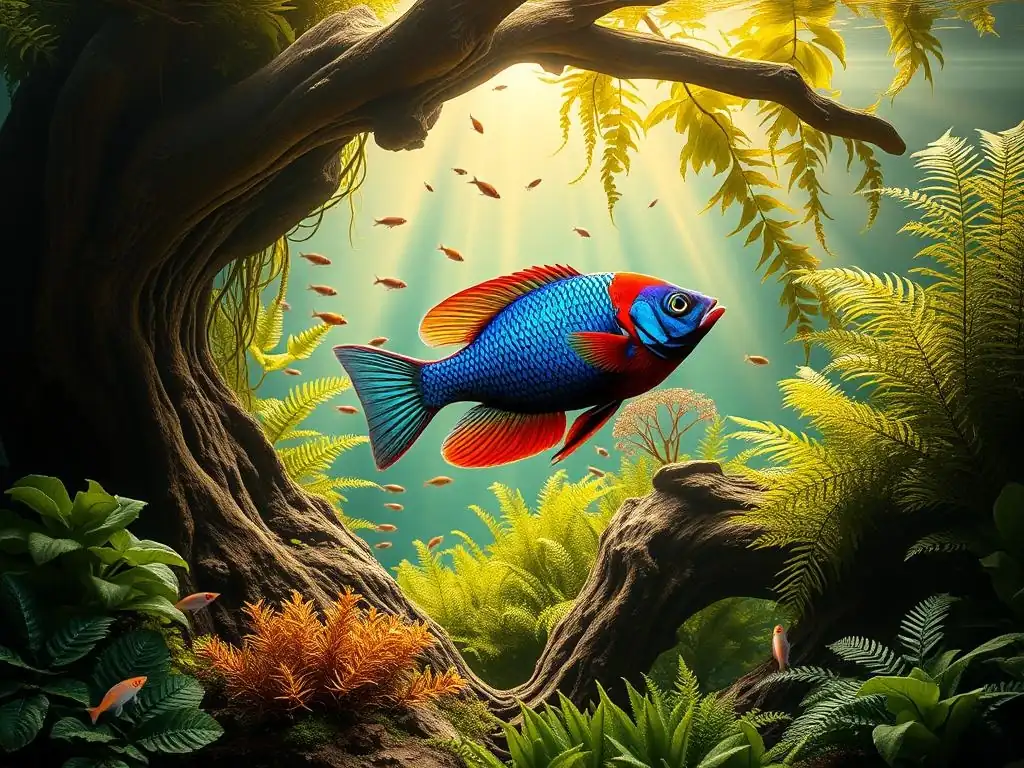
Welcome to Aquarium Mastery, where we delve into the fascinating world of aquariums!
Intrigued by the vibrant colors and unique personalities of freshwater fish? Then you're in the right place. In this article, we'll be unveiling the secrets to successfully keeping one of the most captivating cichlids: the Red Shoulder Peacock. But what does it take to unlock the full potential of its beauty? Dive in and discover essential red shoulder peacock care tips to ensure your Aulonocara hansbaenschi thrives in your freshwater paradise. Let's explore!
- Understanding the Red Shoulder Peacock: An Introduction to Aulonocara hansbaenschi
- Essential Red Shoulder Peacock Care Tips for a Thriving Aquarium
- Red Shoulder Peacock Tank Mates: Compatibility and Social Dynamics
- Red Shoulder Peacock Breeding: Encouraging Reproduction in Captivity
- Common Health Issues and Prevention for Red Shoulder Peacocks
- Enhancing Red Shoulder Peacock Coloration: Tips and Techniques
- Purchasing Red Shoulder Peacocks: What to Look For
- Conclusion: The Allure of the Red Shoulder Peacock and Mastering Their Care
-
Frequently Asked Questions
- How difficult is it to care for a Red Shoulder Peacock Cichlid (Aulonocara hansbaenschi)?
- What size tank is recommended for Red Shoulder Peacock Cichlids?
- What are the ideal water parameters for Red Shoulder Peacock Cichlids?
- What should I feed my Red Shoulder Peacock Cichlids?
- Are Red Shoulder Peacock Cichlids aggressive towards other fish?
- Final Reflection: Appreciating Subtlety in the Aquarium
- Ignite Your Aquarium Passion!
Understanding the Red Shoulder Peacock: An Introduction to Aulonocara hansbaenschi
Origin and Natural Habitat of the Red Shoulder Peacock
The Red Shoulder Peacock, scientifically known as Aulonocara hansbaenschi, originates from the rocky and sandy shores of Lake Malawi in East Africa. This species is endemic to specific regions within the lake, primarily found near the Nkhomo Reef, which lies off the coast of Malawi. In their natural environment, these cichlids inhabit areas where sand meets rocky outcroppings, typically at depths ranging from 5 to 20 meters (approximately 16 to 65 feet). The substrate in these areas consists of fine sand, often interspersed with larger rocks and boulders that provide shelter, foraging grounds, and territories for breeding males.
Their natural habitat's water parameters are remarkably stable, characterized by warm, hard, and alkaline conditions. The water temperature typically hovers between 24°C and 28°C (75°F to 82°F), with a pH consistently ranging from 7.8 to 8.6. The water is also very hard, with a general hardness (GH) often exceeding 200 ppm. Understanding these natural conditions is crucial for providing optimal Red shoulder peacock care tips in a home aquarium, as replicating their native environment significantly contributes to their health and vibrant coloration.
Identifying Characteristics: Spotting the Aulonocara hansbaenschi
The Red Shoulder Peacock is celebrated for its distinctive yet subtle coloration, particularly in mature males. Adult males typically reach a size of about 12-15 cm (5-6 inches), with females remaining slightly smaller, usually around 8-10 cm (3-4 inches).
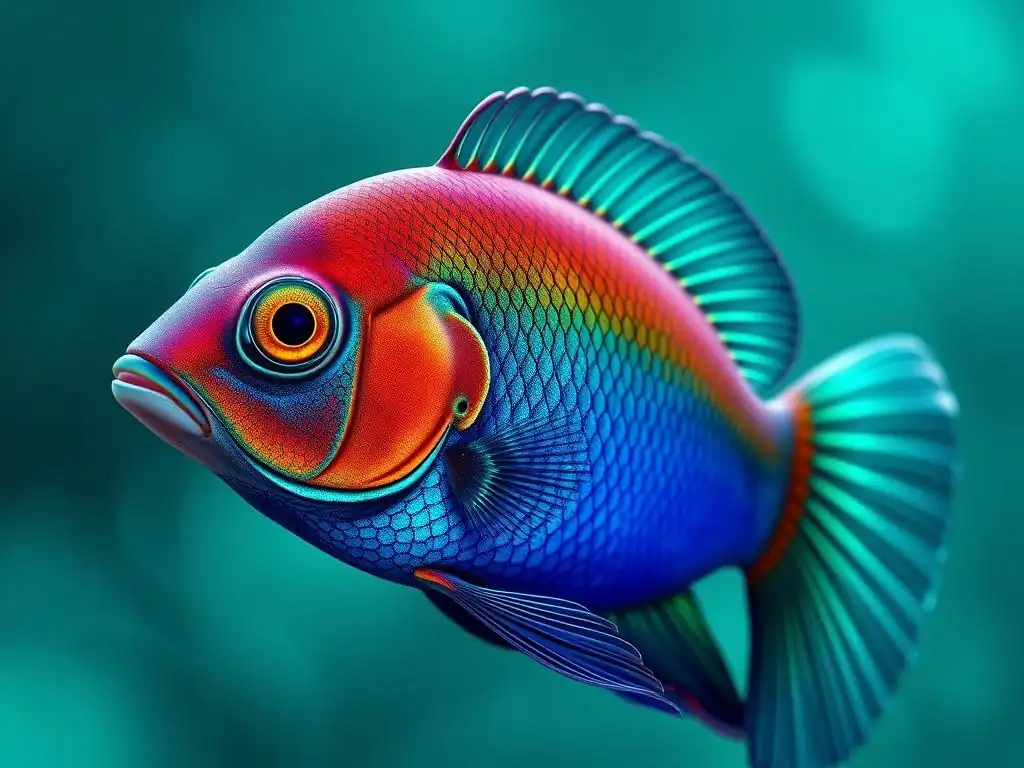
The most striking feature of the male is the prominent reddish-orange band that develops across its shoulder and operculum (gill cover), which becomes more intense during breeding periods or when displaying dominance. The rest of the male's body is typically a shimmering metallic blue, often with vertical barring that can appear or fade depending on the fish's mood and dominance status.
Females and juvenile Red Shoulder Peacocks, in contrast, exhibit a more subdued coloration, generally a silvery-brown or grey with faint vertical bars, making them blend seamlessly into their natural sandy-rocky surroundings. Males also possess elongated dorsal and anal fins, often tipped with orange or yellow, and distinct egg spots on the anal fin, which play a crucial role in their breeding ritual. These identifying characteristics are vital for aquarists looking to acquire this specific species and ensure proper Red shoulder peacock care tips are applied for gender-specific needs.
Red Shoulder Peacock Temperament and Behavior in the Aquarium
Aulonocara hansbaenschi are generally considered one of the more peaceful Peacock cichlid species, making them a popular choice for community cichlid tanks. Unlike the more aggressive Mbuna cichlids, Red Shoulder Peacocks are less prone to constant territorial disputes and tend to be more placid. Males will establish territories, especially during breeding, but their aggression is typically directed towards conspecific males or similarly colored species, rather than broadly attacking other tank inhabitants. They are open-water swimmers and can be observed gracefully navigating the mid-to-lower sections of the aquarium.
However, like all cichlids, individual personalities can vary, and a male might exhibit increased territoriality if the tank is too small or lacks sufficient hiding spots. It's recommended to keep them in a male-to-female ratio of at least 1 male to 3-4 females to help disperse any potential aggression and reduce stress on individual females during breeding attempts. Understanding their social dynamics is a cornerstone of effective Red shoulder peacock care tips, ensuring a harmonious environment for the entire aquarium community.
Essential Red Shoulder Peacock Care Tips for a Thriving Aquarium
Aquarium Setup: Creating the Ideal Environment for Red Shoulder Peacocks
Tank Size Recommendations for Aulonocara hansbaenschi
For optimal Red shoulder peacock care tips, providing an adequately sized aquarium is paramount. A minimum tank size of 75 gallons (approximately 285 liters) is recommended for housing a single male and a small harem of 3-4 females. This volume provides sufficient swimming space and allows for the establishment of territories without excessive conflict. For a community tank featuring multiple Aulonocara species or other compatible Lake Malawi cichlids, a tank of 125 gallons (approximately 475 liters) or larger is highly advisable.
Larger tanks not only dilute aggression but also contribute to greater water volume stability, making it easier to maintain consistent water parameters crucial for their health. Overstocking smaller tanks can lead to increased stress, heightened aggression, and compromised water quality, directly impacting the well-being and lifespan of your Red Shoulder Peacocks.
Substrate and Decor: Mimicking Their Natural Habitat
To mimic their natural Lake Malawi habitat, a fine sandy substrate is ideal for Red Shoulder Peacocks. Sand allows them to engage in their natural sifting behavior, where they sift through the substrate in search of food particles. A depth of at least 2-3 inches (5-7.5 cm) of sand is suitable. Avoid coarse gravel, which can injure their delicate mouths during foraging.
Decor should primarily consist of rocky structures, creating caves, crevices, and visual breaks. These formations serve as crucial hiding spots for subordinate fish and females seeking refuge, as well as territorial markers for dominant males. While rocks are essential, ensure there is also ample open swimming space, particularly in the mid-water column. Use inert rocks like lava rock, Texas holey rock, or slate, ensuring they do not alter water chemistry. Arranging the rocks securely to prevent collapses is also a critical Red shoulder peacock care tip for safety.
Water Parameters: Maintaining Optimal Conditions for Red Shoulder Peacocks
Maintaining stable and appropriate water parameters is one of the most critical Red shoulder peacock care tips. As African cichlids, they thrive in hard, alkaline water. The ideal temperature range is between 24°C and 28°C (75°F to 82°F). The pH level should be maintained within a range of 7.8 to 8.6, with 8.0-8.2 being an excellent target. General hardness (GH) should be high, ideally between 10-20 dGH (180-360 ppm).
Regular testing of these parameters using reliable aquarium test kits is essential. Significant fluctuations in pH or temperature can cause stress and compromise their immune system, making them susceptible to diseases. Using cichlid-specific buffers or crushed coral in the substrate can help maintain the desired high pH and hardness levels over time, providing a stable environment that mirrors their natural Lake Malawi home.
Red Shoulder Peacock Diet and Feeding Guide
What to Feed Your Aulonocara hansbaenschi: A Nutritional Overview
The diet of Aulonocara hansbaenschi in their natural habitat primarily consists of small invertebrates found within the sand and detritus, making them micro-predators. In the aquarium, a high-quality commercial cichlid pellet or flake food should form the staple of their diet. Look for foods specifically formulated for African cichlids, which typically have a protein content of around 40-50% and are low in vegetable matter, as peacocks are not herbivorous like some Mbuna cichlids. Foods containing ingredients like spirulina, krill, and various marine proteins are excellent choices.
Avoid feeding foods high in vegetable content or excessive amounts of terrestrial plant matter, as this can lead to digestive issues, including the dreaded Malawi Bloat. High-quality protein sources are key to their health and vibrant coloration. Adhering to a proper diet is a cornerstone of effective Red shoulder peacock care tips, ensuring their nutritional needs are met.
Feeding Frequency and Portion Control for Healthy Growth
Red Shoulder Peacocks should be fed small amounts 1-2 times per day. The key is to provide only what they can consume within 1-2 minutes. Overfeeding is a common mistake that can lead to poor water quality and health problems, including bloating and fatty liver disease. A general guideline is to feed an amount roughly equivalent to the size of their eye per feeding.
Consistent feeding schedules help establish a routine and reduce stress. If you notice uneaten food accumulating on the substrate, reduce the portion size for subsequent feedings. Proper portion control not only prevents digestive issues but also minimizes waste, contributing to cleaner water and a healthier environment for your Aulonocara hansbaenschi.
Supplementing the Diet: Enhancing Color and Vitality
To enhance the coloration and overall vitality of your Red Shoulder Peacocks, supplementing their staple diet with a variety of frozen or live foods is highly beneficial. Excellent choices include frozen Mysis shrimp, brine shrimp, daphnia, and bloodworms (in moderation). These supplements provide essential nutrients and carotenoids that intensify their natural colors, particularly the vibrant red on the males' shoulders.
For instance, Mysis shrimp are rich in protein and fatty acids, while brine shrimp, though less nutritious, offer excellent enrichment and can stimulate their natural hunting instincts. Feeding these supplements 2-3 times per week, in addition to their staple pellets, will contribute significantly to their health and display. Always thaw frozen foods before feeding to prevent internal chills. This varied diet is a vital component of advanced Red shoulder peacock care tips, promoting robust health and striking aesthetics.
Water Quality and Maintenance for Red Shoulder Peacocks
Importance of Regular Water Changes
Regular water changes are arguably the most crucial aspect of Red shoulder peacock care tips for maintaining pristine water quality. Over time, nitrates, phosphates, and other dissolved organic compounds accumulate in the aquarium, even with efficient filtration. These compounds, if allowed to build up, can stress fish, suppress their immune systems, and lead to disease. A weekly water change of 25-30% of the tank's volume is highly recommended for most setups.
For heavily stocked tanks or those with less robust filtration, slightly larger or more frequent changes might be necessary. Always use a high-quality dechlorinator when adding new water, and ensure the temperature of the new water matches the tank water as closely as possible to prevent temperature shock. Consistent water changes are the primary defense against deteriorating water conditions and are non-negotiable for long-term Red Shoulder Peacock health.
Filtration Needs for Aulonocara hansbaenschi
Robust filtration is indispensable for Red Shoulder Peacocks due to their relatively high bioload and the need for consistently clean water. A combination of mechanical, biological, and chemical filtration is ideal. Canister filters are often preferred for their large media capacity and efficiency, providing excellent biological filtration crucial for breaking down ammonia and nitrites. Aim for a filter system that can turn over the tank's volume at least 5-10 times per hour.
Biological filtration, such as ceramic rings or bio-balls, provides ample surface area for beneficial nitrifying bacteria to colonize. Mechanical filtration (filter floss, sponges) removes particulate matter, while chemical filtration (activated carbon) can absorb odors, discolorations, and some dissolved organics. Redundancy in filtration, such as running two smaller canister filters instead of one large one, can also provide a safety net in case one unit fails, significantly enhancing your Red shoulder peacock care tips regimen.
Monitoring Water Chemistry: pH, Ammonia, Nitrite, and Nitrate Levels
Consistent monitoring of key water chemistry parameters is essential for proactive Red shoulder peacock care tips. Ammonia (NH3) and nitrite (NO2-) levels should always be undetectable (0 ppm). Even small amounts of these highly toxic compounds can be lethal to fish. Nitrates (NO3-), the end product of the nitrogen cycle, should be kept below 20 ppm, ideally closer to 10 ppm, through regular water changes.
The pH level, as mentioned, should be consistently maintained between 7.8 and 8.6. Sudden swings in pH can be more detrimental than a slightly off but stable reading. Regularly testing these parameters, at least once a week or whenever fish appear stressed, allows aquarists to identify and address issues before they become severe. A reliable liquid test kit is a worthwhile investment for any serious aquarist dedicated to the health of their Aulonocara hansbaenschi.
Suitable Tank Companions for Aulonocara hansbaenschi
Choosing appropriate tank mates is a critical aspect of Red shoulder peacock care tips, ensuring a peaceful and thriving community. As relatively peaceful Peacock cichlids, Aulonocara hansbaenschi generally do well with other similarly sized and tempered Lake Malawi cichlids. Excellent choices include other Aulonocara species (e.g., Eureka Red Peacock, Blue Neon Peacock), provided there's sufficient space to prevent inter-species male aggression. It's often best to keep only one male of each Aulonocara species to minimize territorial disputes.
Other compatible species include certain Haps (e.g., Sciaenochromis fryeri "Electric Blue Ahli," Copadichromis species) and non-cichlid bottom dwellers like Synodontis catfish (e.g., Synodontis eupterus or Synodontis multipunctatus), which occupy different sections of the tank and are robust enough to withstand the cichlid environment. These companions should share similar water parameter requirements and not be overly aggressive or overly timid.
Fish to Avoid Housing with Red Shoulder Peacocks
When planning a community tank, it's equally important to know which fish to avoid to prevent stress, injury, or even death. Highly aggressive Mbuna cichlids, such as Maylandia zebra or Pseudotropheus demasoni, are generally not suitable tank mates for Red Shoulder Peacocks. Mbunas are typically more territorial and aggressive, and their herbivorous diets differ significantly from the Peacock's carnivorous leanings, making cohabitation challenging for both diet and temperament.
Similarly, avoid housing Red Shoulder Peacocks with very small, docile, or long-finned fish like guppies, neon tetras, or angelfish. These fish would likely be seen as food or become targets of bullying due to the size and temperament difference. Also, steer clear of overly large or predatory cichlids that could view the peacocks as prey. Adhering to these compatibility guidelines is a fundamental Red shoulder peacock care tip for maintaining a harmonious aquarium.
Managing Aggression in a Peacock Cichlid Community Tank
Even with careful selection of tank mates, aggression can occasionally arise in a Peacock cichlid community tank, particularly among males. Several Red shoulder peacock care tips can help mitigate this. One common strategy is controlled overstocking, where a slightly higher density of fish can diffuse aggression by preventing any single fish from establishing a dominant territory. For instance, in a 125-gallon tank, keeping 15-20 adult Peacock cichlids might lead to less aggression than just 5-6, as aggression is spread thin.
Providing ample hiding spots and visual breaks using rocks and decor is also crucial. This allows subordinate fish to escape the line of sight of dominant individuals. Maintaining appropriate male-to-female ratios (e.g., 1 male to 3-4 females) for each species helps reduce male aggression towards females during breeding attempts. If aggression persists, rearranging the tank decor can sometimes reset territories, or in severe cases, removing the most aggressive individual might be necessary.
Red Shoulder Peacock Breeding: Encouraging Reproduction in Captivity
Setting Up a Breeding Tank for Aulonocara hansbaenschi
For aquarists interested in breeding Red Shoulder Peacocks, setting up a dedicated breeding tank is highly recommended. A tank of 20-30 gallons (75-115 liters) is sufficient for a single male and 2-3 females. The breeding tank should feature a sandy substrate and several flat, smooth rocks or pieces of slate, which will serve as potential spawning sites. A flowerpot laid on its side can also provide an ideal spawning cave.
Maintain the same optimal water parameters as the main display tank: temperature around 26-28°C (79-82°F) and a pH of 8.0-8.2. Good filtration is necessary, but strong currents should be avoided to prevent disturbing the eggs and fry. A sponge filter or a small hang-on-back filter with a pre-filter sponge is often adequate. Proper breeding tank setup is a specialized but rewarding aspect of Red shoulder peacock care tips.
Identifying Male and Female Red Shoulder Peacocks
Identifying the sex of Red Shoulder Peacocks becomes relatively straightforward as they mature, typically around 6-8 months of age. Adult males are significantly more colorful, displaying the vibrant metallic blue body and the characteristic reddish-orange shoulder band, which intensifies during courtship. They are also generally larger and possess more elongated dorsal and anal fins. Furthermore, males exhibit distinct "egg spots" on their anal fins, which are used to entice females during spawning.
Females, in contrast, are much more subdued in coloration, typically appearing silvery-brown or grey with faint vertical barring. They are smaller than males and lack the prominent egg spots on their anal fins. While juveniles can be difficult to sex, observing these key differences in mature fish makes identification reliable for breeding purposes.
The Breeding Process: Spawning and Incubation
Red Shoulder Peacocks are maternal mouthbrooders, meaning the female carries the fertilized eggs and fry in her mouth until they are free-swimming. The breeding process begins when the male displays to a receptive female, flaring his fins and intensifying his colors. He will lead her to a chosen spawning site, usually a flat rock or a depression dug in the sand. The female will lay a small batch of eggs, which she immediately picks up into her mouth.
The male then displays his egg spots on his anal fin, mimicking eggs, which entices the female to mouth them. As she attempts to pick them up, the male releases milt, fertilizing the eggs already in her mouth. This process is repeated until all eggs are laid and fertilized.
The female will then hold the eggs in her buccal cavity for an incubation period of approximately 21-28 days, depending on the water temperature. During this time, she will not eat and will appear to have a distended mouth. It is crucial not to disturb her during this period. After the fry are released, she may continue to guard them, taking them back into her mouth when she perceives danger.
Raising Red Shoulder Peacock Fry: A Guide to Successful Fry Care
Once the female releases the free-swimming Red Shoulder Peacock fry, they are relatively self-sufficient but still require specific care. The fry are typically around 0.5-1 cm (0.2-0.4 inches) long at release. For the first few days, they can survive on their yolk sac, but quickly require external food. Newly hatched brine shrimp (Artemia nauplii) are an excellent first food, providing high protein and essential nutrients for rapid growth. Alternatively, finely crushed high-quality flake food or specialized fry foods can be used.
Feed the fry small amounts multiple times a day (4-6 times) to support their rapid growth. Maintaining pristine water quality is paramount for fry, so small, frequent water changes (e.g., 10-15% every other day) are necessary. Ensure the filtration is gentle enough not to suck in the fry. As they grow, they can transition to larger foods like crushed pellets and eventually adult foods. Successfully raising fry is a rewarding aspect of comprehensive Red shoulder peacock care tips.
Common Health Issues and Prevention for Red Shoulder Peacocks
Recognizing Signs of Illness in Aulonocara hansbaenschi
Early detection of illness is crucial for successful treatment and is a vital component of good Red shoulder peacock care tips. Healthy Red Shoulder Peacocks are active, have vibrant coloration, clear eyes, and intact fins. Signs of illness can include:
- Lethargy or unusual hiding: Fish become listless, spend excessive time hiding, or float near the surface or bottom.
- Loss of appetite: Refusal to eat or spitting out food.
- Abnormal swimming: Erratic movements, darting, spiraling, or difficulty maintaining buoyancy.
- Physical changes:
- Clamped fins: Fins held close to the body.
- Discoloration: Fading colors, darkening, or unusual patches.
- White spots: Small, salt-like spots on the body and fins (Ich).
- Bloating: Swollen abdomen, often with stringy white feces (Malawi Bloat).
- Sores, lesions, or frayed fins.
- Cloudy eyes or unusual growths.
Observing your fish daily allows you to quickly notice any deviations from their normal behavior and appearance, enabling prompt intervention.
Common Diseases Affecting Red Shoulder Peacocks and Their Treatments
While generally robust, Red Shoulder Peacocks can be susceptible to certain diseases, particularly if water quality is poor or diet is improper.
- Malawi Bloat: This is perhaps the most common and dangerous disease for African cichlids. It's often triggered by an inappropriate diet (too much vegetable matter or high fat), stress, or poor water quality. Symptoms include extreme bloating, loss of appetite, stringy white feces, and labored breathing. Treatment involves immediate isolation, Epsom salt baths (1-3 teaspoons per 5 gallons), and broad-spectrum antibiotics like Metronidazole, often administered in food. Prevention through proper diet is key.
- Ich (White Spot Disease): Caused by the parasite Ichthyophthirius multifiliis, it manifests as small white spots resembling salt grains on the body and fins. It often appears due to temperature fluctuations or stress. Treatment typically involves raising the tank temperature slowly to 82-86°F (28-30°C) and using an Ich-specific medication containing malachite green or formalin.
- Fin Rot: Bacterial infection causing fins to appear ragged, frayed, or discolored. Often a secondary infection due to poor water quality or injury. Treatment involves large water changes and broad-spectrum antibacterial medications.
Prompt diagnosis and appropriate treatment are critical for recovery.
Preventing Health Problems Through Proper Care and Quarantine
Prevention is always better than cure, and adhering to strict preventative Red shoulder peacock care tips significantly reduces the risk of disease.
- Maintain Pristine Water Quality: As detailed earlier, regular water changes, robust filtration, and consistent monitoring of parameters (ammonia, nitrite, nitrate, pH, temperature) are paramount. Stable, clean water is the strongest defense against most illnesses.
- Provide a Balanced Diet: Feed high-quality cichlid pellets and varied protein-rich supplements, avoiding excessive plant matter or fatty foods. This is especially crucial for preventing Malawi Bloat.
- Minimize Stress: Avoid overcrowding, provide adequate hiding spots, and ensure compatible tank mates. Stress weakens the immune system, making fish more vulnerable to disease.
- Quarantine New Fish: A dedicated quarantine tank (10-20 gallons) for new arrivals is a non-negotiable Red shoulder peacock care tip. House new fish here for at least 3-4 weeks to observe for signs of disease before introducing them to the main display tank. During this period, you can treat any potential illnesses without exposing your existing fish.
- Avoid Cross-Contamination: Use separate nets, buckets, and equipment for different tanks, or thoroughly sterilize them between uses, especially if you have a sick fish.
By diligently following these preventative measures, aquarists can ensure the long-term health and vitality of their Red Shoulder Peacocks.
Enhancing Red Shoulder Peacock Coloration: Tips and Techniques
Diet and Color Enhancement Foods for Vibrant Peacocks
The vibrancy of a Red Shoulder Peacock's coloration is heavily influenced by its diet. To truly bring out the brilliant blues and intense reds, specific color-enhancing foods should be incorporated into their feeding regimen. Look for high-quality cichlid pellets or flakes that list ingredients rich in natural carotenoids, such as astaxanthin, spirulina, krill, and various marine proteins. For example, some premium cichlid foods are fortified with these compounds, with astaxanthin content sometimes reaching 50-100 ppm, specifically designed to boost red and orange pigments.
Supplementing their diet with frozen foods like Mysis shrimp, krill, and bloodworms (in moderation) also provides essential nutrients and pigments. Mysis shrimp are particularly noted for their ability to enhance reds and oranges due to their high carotenoid content. Feeding these foods 2-3 times per week, alongside a quality staple, will significantly contribute to the depth and intensity of your Red Shoulder Peacock's colors. This dietary focus is a key Red shoulder peacock care tip for aesthetic appeal.
Lighting and its Impact on Red Shoulder Peacock Colors
While diet plays a primary role, appropriate lighting can dramatically enhance the perceived coloration of your Red Shoulder Peacocks. Full-spectrum LED lighting designed for freshwater aquariums often includes specific wavelengths that make blues, reds, and oranges pop. Lights with a color temperature around 6500K-10000K, or those with adjustable blue and red channels, are particularly effective. For instance, specific blue LED wavelengths (around 450-470 nm) can intensify the metallic blue on their bodies, while warmer reds (around 620-660 nm) can highlight the shoulder coloration.
Avoid excessively dim or overly bright lighting, as these can stress the fish or wash out their colors. A consistent photoperiod of 10-12 hours per day is recommended. The right lighting not only makes the fish look their best but also supports any live plants if present, although plants are not a primary focus for Peacock cichlid tanks. Thoughtful lighting choices are an often-underestimated Red shoulder peacock care tip for visual appeal.
Water Quality's Role in Maintaining Color Intensity
Beyond diet and lighting, the overall health and stress levels of your Red Shoulder Peacocks directly impact their color intensity, and this is inextricably linked to water quality. Fish that are stressed, sick, or living in subpar water conditions will often display faded or dull coloration. For instance, high nitrate levels (above 20 ppm) can cause chronic stress, leading to muted colors and a general lack of vibrancy.
Maintaining consistently pristine water parameters—zero ammonia and nitrite, low nitrates (below 20 ppm), stable pH (7.8-8.6), and appropriate temperature (24-28°C)—is therefore fundamental for vibrant colors. Regular water changes (25-30% weekly) and robust filtration ensure that the water remains clean and free of harmful pollutants. A healthy fish is a colorful fish, and thus, impeccable water quality remains one of the most foundational Red shoulder peacock care tips for both health and beauty.
Purchasing Red Shoulder Peacocks: What to Look For
Selecting Healthy Aulonocara hansbaenschi from Reputable Sources
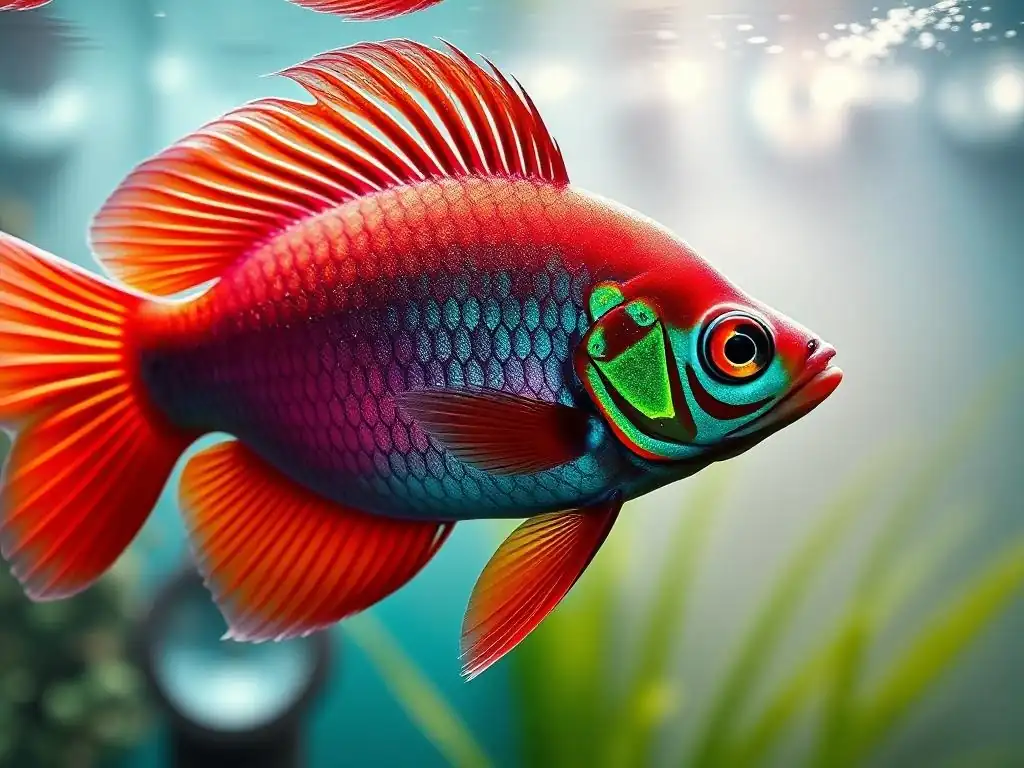
When purchasing Red Shoulder Peacocks, choosing healthy specimens from a reputable source is crucial to their long-term well-being and a key Red shoulder peacock care tip. Look for fish stores or online breeders with clean, well-maintained tanks. Observe the fish carefully before making a purchase. Healthy Aulonocara hansbaenschi should exhibit:
- Active and alert behavior: They should be swimming freely, not hiding excessively or lethargic.
- Vibrant coloration: Males should display their characteristic blue and red, although stress from shipping or new environments might temporarily dull colors. Females should appear clean and healthy.
- Clear eyes: No cloudiness, haziness, or bulging.
- Intact fins: Fins should be fully extended, not clamped, torn, or frayed.
- No visible signs of disease: Check for white spots (Ich), fuzzy growths, bloat, or external parasites.
- Good body condition: No sunken bellies or emaciation.
Ask the seller about their current water parameters and diet to ensure consistency with your home aquarium setup. A reputable dealer will be knowledgeable and willing to provide this information.
Acclimation Process: Introducing New Peacocks to Your Aquarium
Proper acclimation is a critical Red shoulder peacock care tip that minimizes stress and shock when introducing new fish to your aquarium. A sudden change in water parameters (temperature, pH, hardness) can severely stress or even kill new arrivals. The drip acclimation method is highly recommended for sensitive fish like cichlids.
- Dim the lights: Turn off aquarium lights to reduce stress.
- Float the bag: Place the sealed bag containing the fish in the aquarium for 15-20 minutes to equalize temperature.
- Transfer to a bucket: Carefully open the bag and transfer the fish and its water into a clean bucket. Do not add the bag water directly to your tank.
- Drip acclimation: Using airline tubing, start a slow siphon from your aquarium into the bucket, tying a knot in the tubing to regulate the drip rate to about 1-2 drips per second.
- Monitor water volume: Allow the water volume in the bucket to slowly double over a period of 45-60 minutes.
- Transfer to tank: Gently net the fish from the bucket and place it into your aquarium. Discard the water from the bucket; do not add it to your main tank.
This slow acclimation process allows the fish to gradually adjust to your tank's water chemistry, significantly improving their chances of a smooth transition and long-term health.
Conclusion: The Allure of the Red Shoulder Peacock and Mastering Their Care
The Red Shoulder Peacock ( Aulonocara hansbaenschi) truly lives up to its name as a subtle beauty, offering aquarists a captivating glimpse into the vibrant world of Lake Malawi cichlids without the intense aggression often associated with their Mbuna cousins. Their shimmering blue bodies, punctuated by the distinctive reddish-orange shoulder, make them a stunning centerpiece in any appropriately set up African cichlid aquarium. Mastering Red shoulder peacock care tips unlocks their full potential, allowing them to display their natural behaviors and magnificent coloration.
From providing a spacious, rocky environment that mimics their natural sandy-rocky habitat to maintaining pristine, hard, and alkaline water parameters, every aspect of their care contributes to their well-being. A high-quality, protein-rich diet, supplemented with color-enhancing foods, is crucial not only for their health but also for intensifying their already impressive hues.
Regular water changes, robust filtration, and diligent monitoring of water chemistry are non-negotiable for preventing common ailments like Malawi Bloat and ensuring a thriving ecosystem. By diligently implementing these comprehensive Red shoulder peacock care tips, aquarists can enjoy the enduring allure of these magnificent cichlids, fostering a healthy, vibrant, and dynamic aquatic display for years to come.
Frequently Asked Questions
How difficult is it to care for a Red Shoulder Peacock Cichlid (Aulonocara hansbaenschi)?
Red Shoulder Peacocks are generally considered moderately easy to care for, making them a good choice for aquarists with some experience. They require stable water parameters and a well-maintained tank.
What size tank is recommended for Red Shoulder Peacock Cichlids?
A tank of at least 75 gallons is recommended for a group of Red Shoulder Peacocks. This provides enough space for them to establish territories and reduce aggression, especially during breeding.
What are the ideal water parameters for Red Shoulder Peacock Cichlids?
They thrive in water with a pH between 7.8 and 8.6, a temperature of 78-82°F (25-28°C), and a hardness of moderate to high. Regular water changes are crucial to maintain these parameters.
What should I feed my Red Shoulder Peacock Cichlids?
A varied diet is essential for their health and coloration. Offer a high-quality cichlid pellet or flake food as a staple, supplemented with frozen or live foods like bloodworms, brine shrimp, and mysis shrimp.
Are Red Shoulder Peacock Cichlids aggressive towards other fish?
While they are generally peaceful towards other similarly sized and tempered fish, Red Shoulder Peacocks can be aggressive towards conspecifics, especially males. Providing plenty of hiding places and avoiding overcrowding can help minimize aggression.
Final Reflection: Appreciating Subtlety in the Aquarium
The journey into understanding the Aulonocara hansbaenschi, or Red Shoulder Peacock, reveals more than just aquarium care tips; it highlights the profound beauty found in the seemingly subtle aspects of nature. This exploration of their nuanced needs and vibrant, yet understated, coloration underscores the importance of attentive observation and dedicated stewardship in appreciating the delicate balance within our aquatic ecosystems. The Red Shoulder Peacock, often overlooked for its flashier cousins, teaches us that true beauty lies in the details, rewarding those who take the time to truly see.
The influence of responsible aquarium keeping extends beyond the glass walls of our tanks, shaping our understanding of broader ecological principles. My own fascination with these fish has deepened my appreciation for the interconnectedness of all living things, and the responsibility we bear to protect their habitats. In the end, we will conserve only what we love; we will love only what we understand; and we will understand only what we are taught.
- Baba Dioum. This quote resonates deeply, reminding us that education and understanding are the cornerstones of conservation.
Now, consider the lessons learned from the Red Shoulder Peacock. They are not just about water parameters and feeding schedules, but about patience, observation, and a commitment to providing the best possible environment for a living creature. How can you apply this same dedication and attention to detail in other areas of your life? Embrace the subtle beauties around you, cultivate a deeper understanding of the world, and strive to be a responsible steward of the environment, both within and beyond your aquarium.
Ignite Your Aquarium Passion!
Thanks for diving into the subtle beauty of the Red Shoulder Peacock! We hope you discovered new insights and a deeper appreciation for this stunning fish. Now, let's turn that knowledge into action and enhance your aquarium experience.
Here are a few things you can do next:
- Start planning your Red Shoulder Peacock aquarium! Research tank mates and tank size now.
- Share this article with your fellow aquarium enthusiasts and spark a discussion on successful Red Shoulder Peacock setups.
- Explore other fascinating African Cichlids on Aquarium Mastery and broaden your understanding of the underwater world.
What unique aquascaping ideas do you have for a Red Shoulder Peacock tank to truly showcase their subtle beauty?