
Exploring Tetra Hybridization: Possibilities & Ethics with Aquarium Mastery

Welcome to Aquarium Mastery!
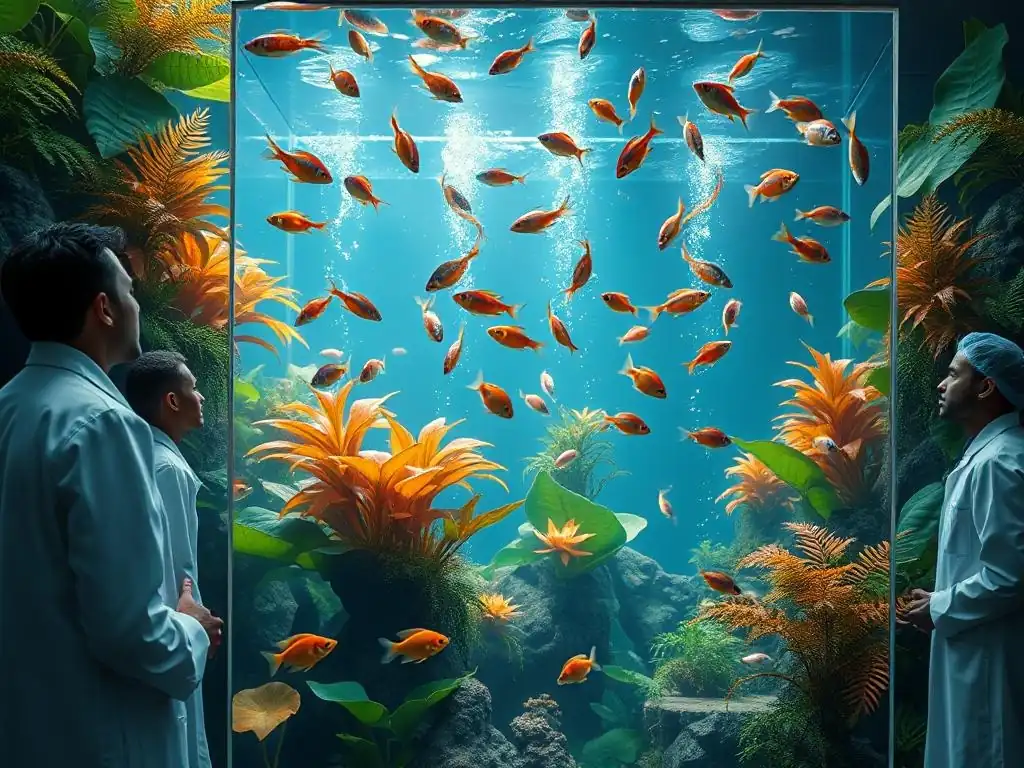
Ever wondered what happens when the vibrant world of Tetras gets a little... experimental? Dive into our comprehensive Tetra Hybridization Breeding Guide and unlock the secrets, possibilities, and ethical considerations of creating unique Tetra varieties. Prepare to explore the fascinating, and sometimes controversial, world of Tetra breeding. Are you ready to discover the potential hidden within these shimmering jewels? Read on to learn more!
- Understanding Tetra Hybridization: An Advanced Breeding Guide
- The Potential of Tetra Hybridization: Creating New Varieties
- Ethical Considerations in Tetra Hybridization Breeding Programs
- Case Studies: Examples of Tetra Hybridization
- Identifying Hybrid Tetra: Key Characteristics and Traits
- Maintaining the Health of Hybrid Tetra
- Tetra Hybridization: Future Directions and Research
- Advanced Tetra Care: Supporting Successful Hybridization
- Conclusion: Tetra Hybridization - A Powerful Tool with Ethical Responsibilities
-
Frequently Asked Questions
- What is tetra hybridization, and why is it a topic of interest for aquarists?
- Is it common for tetras in home aquariums to hybridize naturally?
- What are some of the potential consequences of tetra hybridization?
- What ethical considerations should aquarists consider before attempting tetra hybridization?
- Where can I find more detailed information about tetra species profiles and aquarium maintenance?
- Final Reflection: The Ethical Depths of Creation
- Unveil the Potential of Tetra Hybrids!
Understanding Tetra Hybridization: An Advanced Breeding Guide
What is Tetra Hybridization and Why Does it Matter?
Tetra hybridization refers to the process of cross-breeding two different species of fish within the Tetra family (or closely related genera) to produce offspring with combined genetic traits. This advanced breeding technique is distinct from line breeding or selective breeding, which involve propagating desirable traits within a single species. For seasoned aquarists, tetra hybridization offers a fascinating avenue for scientific exploration and the potential creation of novel ornamental fish varieties.
The significance of tetra hybridization extends beyond mere curiosity; it can lead to the development of fish with enhanced aesthetics, such as unique color patterns or fin shapes not found in purebred lines. Furthermore, it holds potential for improving practical traits like disease resistance or adaptability to varying water conditions, making the resultant fish hardier for both hobbyists and commercial breeders. Understanding the intricate process of hybridization is a crucial step for anyone seeking to delve into advanced tetra hybridization breeding guide principles.
Genetic Basis of Tetra Hybridization: A Primer for Aquarists
At its core, tetra hybridization relies on the principles of genetics. Each fish species possesses a unique set of chromosomes, which carry the genetic information determining its traits. For successful hybridization, the two parent species must be genetically compatible enough for their gametes (sperm and eggs) to fuse and develop into a viable embryo. This compatibility often correlates with how closely related the species are in their evolutionary history.
While some crosses between closely related tetra species can yield fertile F1 (first generation) offspring, many hybridization attempts result in sterile or semi-sterile offspring, particularly in subsequent F2 or F3 generations. This phenomenon, known as hybrid breakdown, occurs due to genetic incompatibilities that prevent proper chromosome pairing during meiosis in the hybrid, leading to non-viable gametes. A thorough grasp of these genetic fundamentals is essential for any aquarist embarking on a tetra hybridization breeding guide journey, helping to manage expectations and understand potential challenges.
The Potential of Tetra Hybridization: Creating New Varieties
Desirable Traits in Hybrid Tetra Offspring: Enhanced Coloration, Fin Shape, Disease Resistance
One of the primary motivations behind tetra hybridization is the pursuit of desirable traits that combine the best characteristics of the parent species or introduce entirely new ones. Enhanced coloration is a common goal; for instance, a hybrid might exhibit a unique iridescent sheen or a novel combination of red and blue hues, unlike anything seen in purebred Neon ( Paracheirodon innesi) or Cardinal Tetras ( Paracheirodon axelrodi). Breeders often aim for more vibrant, stable, or extensive pigmentation.
Beyond aesthetics, hybridization can also target improved fin shape, leading to longer, more elaborate fins, or unique caudal fin structures that differentiate the hybrid from its ancestors. Perhaps most significantly, hybridization holds promise for increasing disease resistance. By crossing two species, each with natural immunities to different pathogens, the offspring may inherit a broader spectrum of resistance, making them more robust against common aquarium ailments such as Ich ( Ichthyophthirius multifiliis) or bacterial infections, thereby contributing valuable insights to a comprehensive tetra hybridization breeding guide.
Techniques for Successful Tetra Hybridization: A Step-by-Step Approach
Selecting Compatible Tetra Species for Hybridization
The cornerstone of any successful tetra hybridization breeding guide is the careful selection of parent species. Genetic proximity is paramount; species from the same genus or closely related genera are significantly more likely to produce viable offspring. For example, while crossing a Neon Tetra with a Congo Tetra ( Phenacogrammus interruptus) is highly improbable, attempts between Paracheirodon innesi and Paracheirodon axelrodi have shown varying degrees of success, though often yielding infertile F1 generations.
Thorough research into the natural habitats, reproductive behaviors, and phylogenetic relationships of potential parent species is crucial. Aquarists should prioritize healthy, robust, and well-conditioned individuals for breeding, as their genetic vitality directly impacts the viability and vigor of hybrid offspring. Observing their natural spawning preferences, such as water parameters and preferred spawning substrates, can provide invaluable clues for successful crosses.
Preparing Breeding Tanks for Hybridization Experiments
Dedicated breeding tanks are essential for controlled tetra hybridization experiments, ensuring optimal conditions and protecting eggs and fry. A 10-gallon (approximately 38-liter) tank is often suitable for a pair of medium-sized tetras. The tank should be meticulously cleaned and set up with water parameters that are ideal for both parent species, typically soft (1-5 dGH) and acidic (pH 5.5-6.5) water, maintained at a stable temperature, often between 24-28°C (75-82°F), depending on the specific tetra species.
To protect the delicate eggs from predation by the parent fish, the tank should include spawning mops, fine-leaved plants like Java moss ( Taxiphyllum barbieri), or a spawning grate placed above the substrate. Gentle filtration, such as an air-driven sponge filter, is critical to maintain pristine water quality without strong currents that could harm eggs or fry. Dim lighting and a quiet environment also contribute to reducing stress and encouraging spawning behavior in the conditioned parent fish.
Inducing Spawning in Hybridization Programs
Inducing spawning in tetra hybridization programs often requires mimicking the environmental cues that trigger reproduction in their natural habitats. Gradual changes in water parameters, such as a slight drop in temperature (1-2°C or 2-4°F) or a series of small, cool water changes to simulate rainfall, can act as powerful stimuli. The introduction of specific live foods, like blackworms, daphnia, or newly hatched brine shrimp, can also condition the fish and encourage them to spawn by providing essential nutrients and mimicking seasonal food abundance.
The conditioning period for parent fish, typically several weeks, is vital. During this time, they should be fed a high-quality, varied diet to ensure they are in peak breeding condition, full of vitality and ready for reproduction. Patience and keen observation are key, as some pairs may take longer to acclimate and respond to spawning cues than others. Consistent monitoring of water parameters and fish behavior helps determine the optimal moment for spawning to occur.
Raising Hybrid Tetra Fry: Special Considerations
Raising hybrid tetra fry presents unique challenges that require specialized care. Hybrid fry are often more delicate and susceptible to environmental fluctuations and diseases compared to their purebred counterparts. Their initial food requirements are microscopic; infusoria, liquid fry food, or green water are necessary for the first few days, transitioning to newly hatched brine shrimp or microworms as they grow.
Maintaining extremely stable and pristine water conditions is paramount. Small, frequent water changes (e.g., 10% daily) are often required to prevent the buildup of nitrates and other pollutants, which can be lethal to sensitive fry. Hybrid fry may also exhibit reduced viability, slower growth rates, or a higher incidence of deformities, especially in early generations, necessitating careful observation and, in some cases, humane culling of non-viable individuals. This meticulous attention is a critical component of any responsible tetra hybridization breeding guide.
Ethical Considerations in Tetra Hybridization Breeding Programs
The Impact of Hybridization on Tetra Genetic Diversity
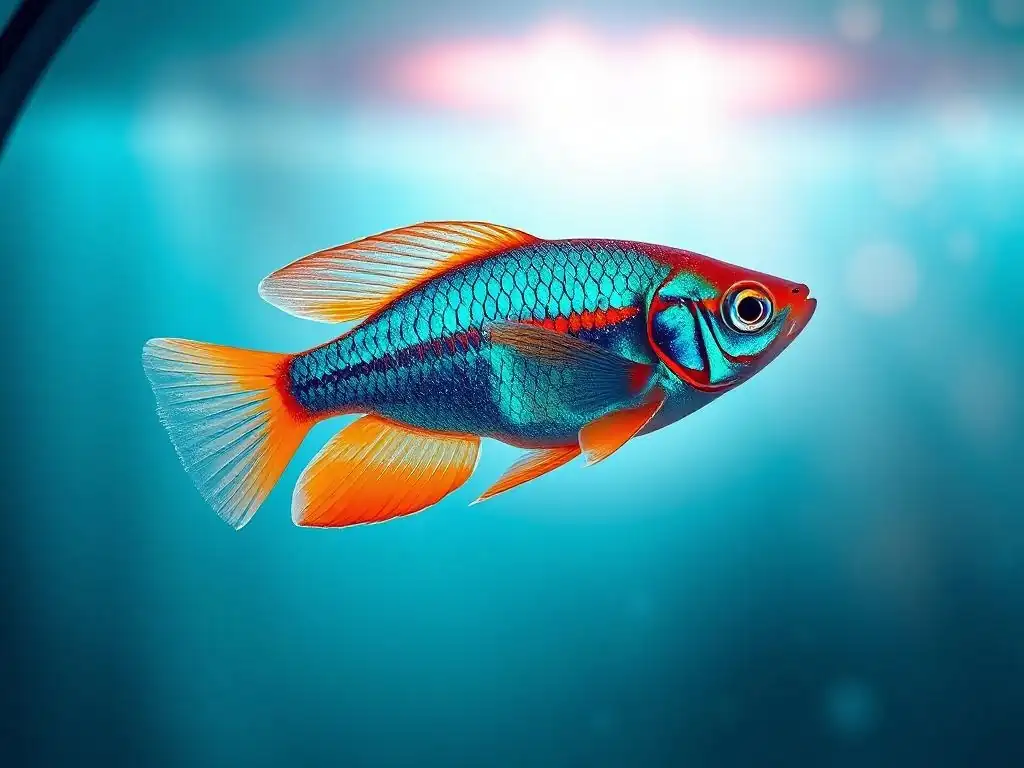
While tetra hybridization offers exciting possibilities, it also carries significant ethical implications, particularly concerning genetic diversity. Uncontrolled or irresponsible hybridization can lead to the dilution or contamination of the gene pools of pure tetra species, especially if hybrids are accidentally released into natural ecosystems or bred indiscriminately within the hobby. This risk is amplified if the hybrids are fertile, as they can backcross with pure populations, potentially leading to outbreeding depression where offspring are less fit than either pure parent species.
Preserving the unique genetic integrity of wild tetra populations is crucial for conservation efforts. Each species possesses adaptations specific to its environment, and the introduction of hybrid genes can erode these distinct characteristics over generations. Responsible aquarists must prioritize the long-term health of species over the fleeting novelty of new varieties, ensuring that any tetra hybridization breeding guide emphasizes the protection of natural genetic lines.
Responsible Breeding Practices to Avoid Unforeseen Consequences
To mitigate the risks associated with tetra hybridization, responsible breeding practices are indispensable. Strict containment of hybrid offspring is paramount to prevent accidental release into natural waterways, where they could compete with or interbreed with native populations. This means ensuring that breeding tanks are secure and that any water changes or disposal of tank water is done responsibly, without risk of introducing fish or eggs into the environment.
Meticulous record-keeping of parentage, breeding attempts, and the viability and health of offspring is also crucial. This data not only aids in understanding successful crosses but also helps identify potential issues like reduced fertility or deformities in subsequent generations. Sharing knowledge within the responsible aquarist community about both successes and failures, including observed health issues, fosters a collective understanding and helps prevent others from repeating detrimental experiments, thereby strengthening the ethical framework of any tetra hybridization breeding guide.
Hybrid Vigor vs. Genetic Weakness: A Balanced Perspective
The concept of "hybrid vigor" or heterosis suggests that F1 hybrids can sometimes be stronger, more disease-resistant, or grow faster than either parent species due to increased genetic diversity. This phenomenon is a desirable outcome in some commercial breeding programs, as it can lead to more robust and marketable fish. For example, a hybrid might exhibit increased vitality against common pathogens that affect purebred lines, making them more resilient.
However, this vigor often comes with a caveat. While F1 hybrids may thrive, subsequent generations (F2, F3, etc.) bred from these hybrids can experience "genetic weakness" or inbreeding depression. This can manifest as reduced fertility, increased susceptibility to disease, developmental abnormalities, or a general decline in overall fitness. This occurs when deleterious recessive genes, masked in the F1 generation, become expressed in later generations due to increased homozygosity. A balanced tetra hybridization breeding guide must address both the potential benefits and the significant risks associated with multi-generational hybrid breeding.
Case Studies: Examples of Tetra Hybridization
Successful Tetra Hybridization Projects: Lessons Learned
While true interspecies tetra hybridization that results in fertile, consistently reproducible offspring is rare, some hobbyists and researchers have observed viable F1 offspring from closely related species, offering valuable insights. For instance, limited reports suggest successful crosses between certain species within the Hyphessobrycon genus, such as Hyphessobrycon amandae (Ember Tetra) and Hyphessobrycon megalopterus (Black Phantom Tetra). These often produce fish with intermediate coloration and fin characteristics, though subsequent generations often face fertility challenges.
Lessons learned from such attempts emphasize the importance of genetic proximity between parent species, meticulous water parameter control, and the selection of exceptionally healthy and vigorous parent stock. Even when viable offspring are produced, breeders must closely monitor for any signs of genetic weakness or deformities in subsequent generations, highlighting the ongoing commitment required for responsible tetra hybridization breeding guide practices.
Unsuccessful Tetra Hybridization Attempts: Avoiding Common Pitfalls
Numerous attempts at tetra hybridization result in failure, which can manifest in several ways: no spawning, non-viable eggs, fry that fail to develop, or sterile offspring. A common pitfall is attempting to cross species that are too genetically distant, leading to incompatible gametes or embryos that cannot develop properly. For example, trying to hybridize a Rummy Nose Tetra ( Hemigrammus rhodostomus) with a species from a different genus like the Congo Tetra would almost certainly yield no viable offspring due to significant genetic divergence.
Another frequent issue is the high mortality rate of hybrid fry, often due to their increased sensitivity to water quality fluctuations or specific nutritional needs that differ from purebred fry. Breeders must also be prepared for the ethical dilemma of dealing with severely deformed or non-viable fry, which should be humanely culled. Understanding these common pitfalls is as important as knowing the successes in any comprehensive tetra hybridization breeding guide, preventing wasted effort and promoting ethical practices.
Identifying Hybrid Tetra: Key Characteristics and Traits
Physical Characteristics of Hybrid Tetra: Intermediate Body Shape, Novel Fin Markings, Unique Color Patterns
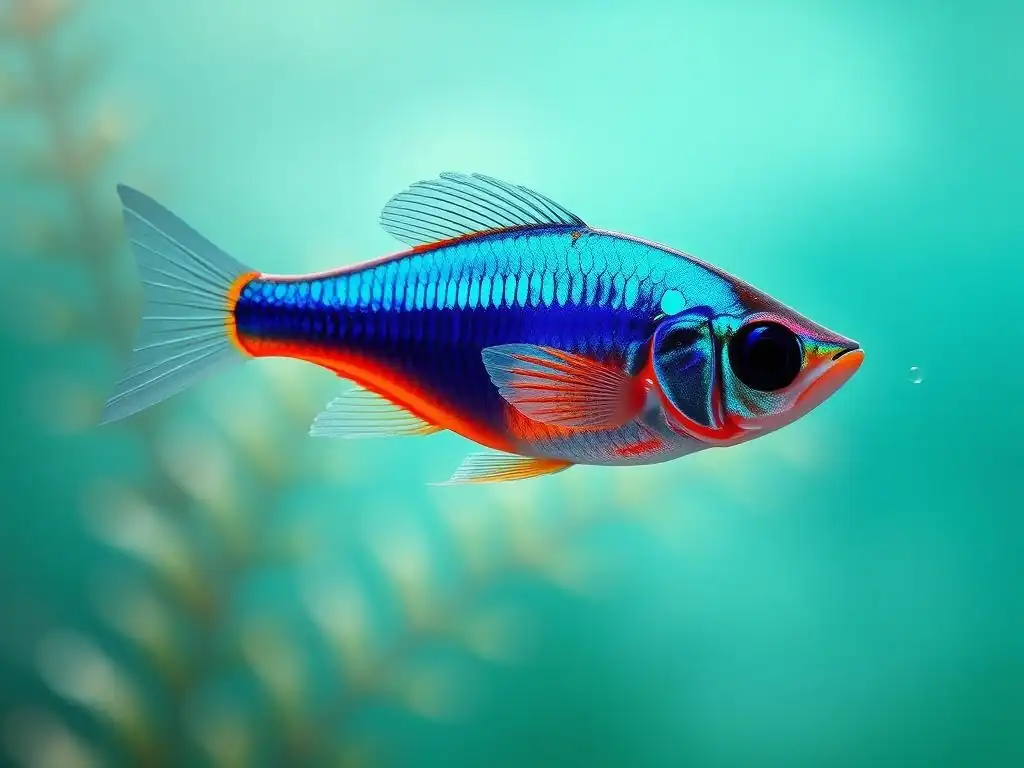
Identifying hybrid tetra often relies on observing a blend of physical characteristics inherited from both parent species. Rather than exhibiting traits exclusively from one parent, hybrids typically display an intermediate body shape, size, or fin morphology. For instance, a hybrid between a slender-bodied species and a deeper-bodied species might have a body profile that falls somewhere in between.
Perhaps most striking are the novel fin markings and unique color patterns that can emerge in hybrids. These might include a combination of iridescent stripes from one parent with a distinct fin coloration from the other, creating a truly unique aesthetic. The intensity and distribution of these colors can vary significantly even within the same clutch of hybrid fry, making visual identification an intriguing, albeit sometimes challenging, aspect of a tetra hybridization breeding guide.
Genetic Testing for Hybrid Tetra Confirmation: When is it Necessary?
While visual identification is often sufficient for hobbyists, definitive confirmation of hybrid tetra parentage sometimes necessitates genetic testing. This is particularly relevant in scientific research, commercial breeding programs aiming to establish new, verifiable lines, or in cases where there is ambiguity regarding the species origin of a fish. Techniques such as DNA sequencing, which analyzes mitochondrial DNA or specific nuclear markers, can accurately trace the genetic lineage and confirm the presence of genetic material from both purported parent species.
For the average aquarist, investing in genetic testing is rarely practical or necessary. However, understanding its role highlights the scientific rigor that can be applied to advanced breeding projects. In most hobbyist contexts, careful observation of physical traits combined with meticulous record-keeping of the parent fish involved in the tetra hybridization breeding guide process provides ample evidence for identification.
Maintaining the Health of Hybrid Tetra
Common Health Issues in Hybrid Tetra and How to Prevent Them
Hybrid tetra, while potentially exhibiting hybrid vigor in some aspects, can also be susceptible to specific health issues due to their mixed genetic makeup. They might inherit sensitivities from both parent lines or experience reduced immune function if genetic incompatibilities are present. Common ailments like Ich ( Ichthyophthirius multifiliis), fin rot, or bacterial infections might affect them with greater severity or frequency.
Prevention is the most effective strategy for maintaining the health of hybrid tetra. This involves providing consistently pristine water quality with stable parameters, a well-balanced and nutritious diet, and minimizing stress factors in their environment. Regular, small water changes, proper filtration, and avoiding overcrowding are crucial. Proactive observation for any signs of illness allows for early intervention, a key aspect of any comprehensive tetra hybridization breeding guide.
Nutritional Needs of Hybrid Tetra: Optimizing Growth and Color
Optimizing the nutritional intake of hybrid tetra is vital for their growth, vitality, and the full expression of their unique coloration. A varied diet consisting of high-quality flakes, pellets, and live or frozen foods (such as brine shrimp, daphnia, or bloodworms) ensures they receive a complete spectrum of vitamins, minerals, and proteins. The specific dietary needs may vary slightly depending on the dominant traits inherited from the parent species.
To enhance and maintain the vibrant color patterns unique to hybrid tetra, incorporating foods rich in natural color enhancers, such as astaxanthin (found in spirulina or krill-based foods), can be highly beneficial. Hybrid vigor might also mean faster growth rates, requiring more frequent feeding or slightly larger food portions than purebred counterparts, while still maintaining strict water quality to manage increased bioload. This dietary precision is a cornerstone of a successful tetra hybridization breeding guide.
Tetra Hybridization: Future Directions and Research
The Role of Technology in Advancing Tetra Hybridization
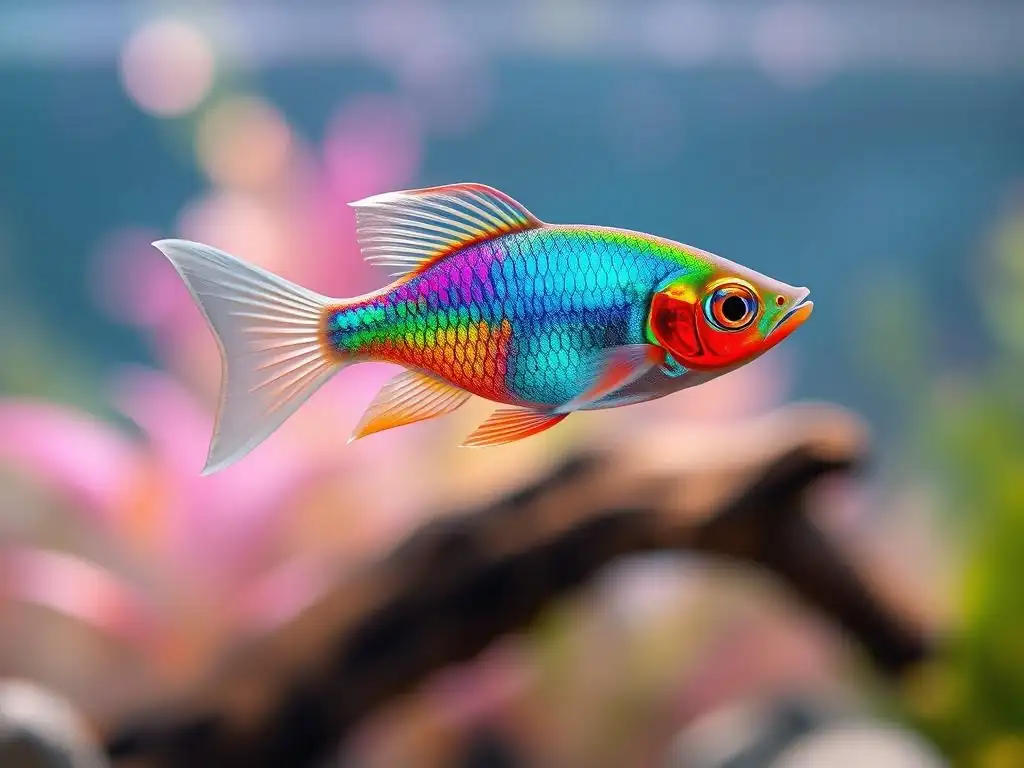
The future of tetra hybridization is poised to benefit significantly from advancements in technology, particularly in the field of genomics. While gene editing remains largely outside the scope of hobbyist aquarists, a deeper understanding of genetic markers can revolutionize selective breeding and hybridization efforts. Identifying specific genes responsible for desirable traits like enhanced coloration, unique fin shapes, or disease resistance can enable more targeted and efficient breeding programs.
Genomic sequencing and analysis can help aquarists and researchers identify compatible species with greater precision, reducing the guesswork and increasing the success rate of viable hybrid crosses. This technological insight could streamline the selection process, making the creation of new, stable hybrid varieties more predictable and ethically sound, thereby pushing the boundaries of what's possible in a tetra hybridization breeding guide.
The Potential for Conservation Through Hybridization: Preserving Endangered Lineages, Enhancing Adaptability
While often viewed with caution due to the risks to genetic purity, hybridization, when managed meticulously, could play a niche role in conservation. In extremely rare cases where a tetra species is critically endangered and faces an extinction vortex due to severe inbreeding or lack of genetic diversity, carefully controlled hybridization with a closely related, more robust species might introduce vital genetic variation. This is a last-resort strategy, aimed at preventing complete extinction rather than creating new varieties for the hobby.
Furthermore, in a world of rapidly changing aquatic environments, hybrids might theoretically possess a broader range of environmental tolerances, enhancing adaptability to fluctuating conditions like temperature shifts. However, such interventions are fraught with ecological risks if hybrids are ever introduced into natural ecosystems. Any consideration of hybridization for conservation must be undertaken with extreme caution, under strict scientific supervision, and with a profound understanding of the long-term ecological consequences, ensuring that any tetra hybridization breeding guide always prioritizes ethical preservation.
Advanced Tetra Care: Supporting Successful Hybridization
Water Parameters for Optimal Tetra Breeding and Hybridization
Achieving successful tetra breeding and hybridization hinges on maintaining precise and stable water parameters. Most popular tetra species thrive and breed in soft (1-5 dGH) and acidic (pH 5.5-6.5) water, mimicking their natural blackwater habitats in South America. The temperature range is also critical, typically between 24-28°C (75-82°F), with specific species having narrower optimal ranges.
Consistency is more important than achieving exact "perfect" numbers; sudden fluctuations in pH, hardness, or temperature can stress fish and inhibit spawning. Regular water testing with reliable kits is indispensable to monitor parameters, and small, frequent water changes using aged or reverse osmosis (RO) water remineralized to the desired specifications are crucial for maintaining stability. These meticulous adjustments are a fundamental part of any advanced tetra hybridization breeding guide.
Tank Setup Considerations for Tetra Hybridization Projects
The physical setup of the breeding tank plays a significant role in encouraging spawning and ensuring the survival of delicate hybrid fry. Dim lighting is often preferred by many tetra species for breeding, as it mimics their shaded natural environments. Dense planting, particularly with fine-leaved plants like Java moss or artificial spawning mops, provides ideal substrates for egg deposition and offers cover for the newly hatched fry.
A dedicated breeding tank, isolated from the main community tank, is highly recommended to minimize stress on the breeding pair and prevent predation of eggs or fry by other tank inhabitants or even the parent fish themselves after spawning. Gentle filtration, such as an air-driven sponge filter, is essential to maintain water quality without creating strong currents that could harm the fragile eggs and larvae. A clean, quiet, and well-structured environment significantly increases the chances of successful tetra hybridization.
Conclusion: Tetra Hybridization - A Powerful Tool with Ethical Responsibilities
The Future of Tetra Breeding: Balancing Innovation and Conservation
Tetra hybridization represents a powerful, albeit complex, tool in the realm of advanced aquarium keeping. It offers an exciting frontier for innovation, allowing aquarists to explore the creation of new varieties with enhanced coloration, unique fin shapes, and potentially improved hardiness. The scientific insights gained from carefully conducted hybridization projects can deepen our understanding of fish genetics and reproductive biology, enriching the broader field of aquatic husbandry.
However, this innovative potential must always be balanced with profound ethical responsibilities. The future of tetra breeding, particularly concerning hybridization, lies in a conscientious approach that prioritizes the long-term health and genetic integrity of pure species. Aquarium Mastery encourages advanced aquarists to embark on their tetra hybridization breeding guide journey with thorough knowledge, meticulous practice, and an unwavering commitment to responsible breeding, ensuring that curiosity and creativity never compromise the welfare of aquatic life or the preservation of genetic diversity.
Frequently Asked Questions
What is tetra hybridization, and why is it a topic of interest for aquarists?
Tetra hybridization refers to the breeding of different tetra species to create hybrid offspring. It's interesting because it can potentially lead to new color variations and behaviors, though it's not always successful or ethical.
Is it common for tetras in home aquariums to hybridize naturally?
No, natural hybridization in home aquariums is relatively uncommon. It requires specific conditions and compatible species. Most often it occurs with closely related species kept in the same tank.
What are some of the potential consequences of tetra hybridization?
Potential consequences include unpredictable offspring characteristics, reduced lifespan, and ethical concerns about diluting the genetic purity of species. There can also be health issues for the hybrid offspring.
What ethical considerations should aquarists consider before attempting tetra hybridization?
Aquarists should consider the potential impact on the gene pool of purebred species. It's important to weigh the desire for novelty against the preservation of natural biodiversity. Also, consider the potential health issues for the hybrid offspring.
Where can I find more detailed information about tetra species profiles and aquarium maintenance?
AquariumMastery.com provides detailed guidance on setting up and maintaining both freshwater and saltwater aquariums. You can find articles on choosing fish, water chemistry, and troubleshooting common tank issues.
Final Reflection: The Ethical Depths of Creation
The exploration of tetra hybridization, as we've seen, presents both fascinating possibilities and complex ethical considerations. The power to reshape life, even on a small scale like the aquarium, demands a profound sense of responsibility. This isn't just about creating aesthetically pleasing fish; it's about understanding the potential consequences of our actions on biodiversity and the well-being of the creatures in our care.
This journey into the world of tetra breeding has highlighted the delicate balance between scientific curiosity and ethical stewardship. The allure of creating something new is undeniable, but it must be tempered with a deep respect for the natural order and the potential for unintended harm. As we continue to push the boundaries of what's possible, we must remember that our actions have ripple effects, impacting not only the immediate environment of our aquariums but also the broader ecosystem. The greatness of a nation and its moral progress can be judged by the way its animals are treated.
- Mahatma Gandhi. This quote resonates deeply when considering the ethics of hybridization, reminding us that our treatment of even the smallest creatures reflects our overall moral compass.
Now, as you embark on your own journey into the world of aquarium mastery, I urge you to consider the lessons we've explored. Let curiosity be your guide, but let ethics be your compass. Embrace the potential of tetra hybridization, but always prioritize the well-being of your fish and the preservation of biodiversity. The future of aquarium keeping, and indeed our relationship with the natural world, depends on our ability to wield our knowledge with wisdom and compassion.
Unveil the Potential of Tetra Hybrids!
Thank you for diving into the fascinating world of tetra hybridization with us. We hope you've gained a deeper understanding of the possibilities and ethical considerations involved. Now, let's put that knowledge into action!
Here are a few ways to explore this topic further:
- Document Your Tetra Observations: Begin closely observing your existing tetra species for unique behaviors or physical traits that could indicate potential hybrid characteristics. Consider sharing photos and descriptions in online forums.
- Research Responsible Breeding Practices: Delve into the ethics of breeding tetra hybrids by reading scholarly articles and consulting with experienced aquarists. Prioritize the well-being of the fish.
- Debate the Ethics in Online Communities: Engage in thoughtful discussions within aquarium hobbyist groups and forums to address the ethical questions surrounding tetra hybridization, considering factors like biodiversity and the welfare of hybrid offspring.
What surprising traits have you observed in your own tetras, and what ethical considerations weigh most heavily on your mind when discussing hybridization?