
The Definitive Swordtail Diet: Fueling Growth and Dazzling Colors

Welcome to Aquarium Mastery!
Dive into the captivating world of freshwater aquariums, where vibrant colors and fascinating creatures await. Ever wondered how to unlock the full potential of your Swordtail fish and witness their dazzling beauty? Uncover the secrets to a thriving tank with our definitive Swordtail fish diet guide – and prepare to be amazed at the transformation! Let's explore the optimal nutrition that fuels growth, enhances coloration, and ensures a long, healthy life for these aquatic gems.
- Understanding the Nutritional Needs of Swordtail Fish
- Best Foods for Swordtail Fish: A Comprehensive Guide
- Creating a Feeding Schedule for Your Swordtails
- Optimizing Swordtail Fish Diet for Color Enhancement
- Special Dietary Considerations for Swordtail Fish
- Potential Problems with Swordtail Diets and How to Avoid Them
- Swordtail Feeding Tips and Tricks
- Conclusion: Mastering the Swordtail Fish Diet for a Thriving Aquarium
- Frequently Asked Questions
- Final Reflection: Cultivating Vibrant Life Through Informed Care
- Ignite Your Swordtails' Vitality!
Understanding the Nutritional Needs of Swordtail Fish
Why a Proper Swordtail Diet is Crucial for Health and Color
A meticulously planned swordtail fish diet is not merely about sustenance; it is the cornerstone of their overall health, vitality, and stunning coloration. Without adequate nutrition, swordtails are prone to a myriad of issues, including stunted growth, weakened immune systems, and dull, lackluster colors. For instance, a swordtail consistently fed a low-quality diet might exhibit less vibrant reds and oranges, and be more susceptible to common diseases like Ich or fin rot, requiring more frequent interventions and potentially shortening their lifespan. A balanced diet ensures robust internal organ function and resilience against environmental stressors.
Furthermore, the vibrancy of a swordtail's colors is directly linked to the pigments they absorb from their food. These fish, particularly the popular red and orange varieties, rely on carotenoids found in their diet to develop and maintain their dazzling hues. A comprehensive swordtail fish diet guide will emphasize foods rich in these natural pigments. Beyond aesthetics, proper nutrition also plays a critical role in reproductive success, ensuring healthy egg development in females and robust offspring, which is vital for any aquarist interested in breeding these captivating livebearers.
Key Nutrients for Swordtails: A Balanced Approach
Swordtails are omnivores, meaning their diet in the wild consists of both plant matter and small invertebrates. To replicate this in captivity, their diet must be rich in proteins, fats, and carbohydrates, alongside essential vitamins and minerals. Proteins, ideally ranging from 35-45% of their diet, are fundamental for growth, tissue repair, and enzyme production. Sources like fish meal, spirulina, and krill provide high-quality protein. Fats (lipids), making up around 5-10%, are crucial for energy storage and the absorption of fat-soluble vitamins. Carbohydrates, while less critical than protein, provide readily available energy and contribute to digestive health.
Beyond macronutrients, a complete swordtail fish diet guide must address micronutrients: vitamins and minerals. Vitamins such as A, C, D, and E are vital for immune function, skeletal development, and reproductive health. Vitamin C, for example, is an important antioxidant that supports stress resistance. Minerals like calcium and phosphorus are essential for strong bones and scales, while trace elements like iron and zinc contribute to various metabolic processes. These micronutrients are typically found in high-quality commercial foods and are further supplemented through a diverse range of live, frozen, and vegetable offerings.
Swordtail Dietary Requirements Based on Life Stage
The nutritional demands of swordtail fish vary significantly throughout their life stages, from tiny fry to mature adults. Newly hatched swordtail fry, being in a period of rapid growth, require a diet exceptionally high in protein. They need to be fed small, highly digestible foods multiple times a day, typically 3-4 times, to support their fast metabolism and development. Foods like newly hatched brine shrimp nauplii, micro-worms, or finely powdered fry food are ideal for this delicate stage.
As swordtails mature into juveniles and then adults, their feeding frequency can decrease to 1-2 times per day. Adult swordtails require a balanced diet that maintains their health, supports their activity levels, and, for breeding pairs, provides the necessary resources for reproduction. During breeding, both males and females benefit from an increased intake of protein and fat to support gamete production and the energy demands of spawning. Senior swordtails, much like older humans, may benefit from easily digestible foods to accommodate slower metabolisms, though a varied diet remains paramount.
Best Foods for Swordtail Fish: A Comprehensive Guide
High-Quality Flake Food: A Staple in the Swordtail Diet
High-quality flake food serves as an excellent foundation for any swordtail fish diet guide, offering a convenient and nutritionally complete staple. When selecting flake food, prioritize brands that list fish meal, spirulina, krill, or other whole proteins as the primary ingredients, rather than excessive fillers. A good quality flake will typically have a protein content exceeding 35% and include essential vitamins and minerals. Look for flakes that incorporate natural color enhancers like astaxanthin, which can further boost your swordtails' vibrant hues.
Proper storage of flake food is crucial to preserve its nutritional value and prevent spoilage. Always store flakes in a cool, dark, and dry place, ideally in an airtight container, to protect them from moisture and oxidation. Oxygen exposure can degrade vital nutrients, especially vitamins. While buying in larger quantities might seem economical, consider the shelf life once opened; it's often better to purchase smaller containers that can be consumed within a few months to ensure maximum freshness and potency.
Live Foods: Enhancing Color and Breeding Behavior
Live foods are an invaluable addition to a swordtail fish diet, providing not only essential nutrients but also stimulating natural hunting behaviors and significantly enhancing color and breeding readiness. The movement of live prey encourages activity and engagement, mimicking their natural foraging instincts. For instance, feeding live blackworms can visibly increase the activity levels of a seemingly lethargic swordtail, prompting more vigorous swimming and interaction. These foods are often rich in natural pigments and highly digestible proteins, which directly contribute to more vibrant coloration and robust health.
However, the use of live foods requires careful consideration regarding sourcing and potential pathogen introduction. Always acquire live foods from reputable suppliers who maintain high hygiene standards, or consider culturing them yourself to minimize risks. A good practice is to rinse live foods thoroughly before feeding to remove any residual culture water or debris. While the benefits are substantial, vigilance in sourcing ensures that you're not inadvertently introducing diseases or parasites into your carefully maintained aquarium environment.
Brine Shrimp for Swordtails: A Nutritional Powerhouse
Brine shrimp (Artemia salina) are an excellent component of a comprehensive swordtail fish diet, particularly for their high protein content and digestibility. Newly hatched brine shrimp nauplii are an ideal first food for swordtail fry due to their small size and nutritional density, promoting rapid growth in the early stages. Adult brine shrimp, while slightly less nutritious than their nauplii counterparts, still offer valuable protein and are eagerly consumed by adult swordtails.
One of the significant advantages of brine shrimp is their ability to be "gut-loaded." By feeding the brine shrimp a nutrient-rich diet, such as spirulina powder or liquid vitamin supplements, before feeding them to your swordtails, you can significantly enhance the nutritional profile they deliver. This method ensures that your swordtails receive an even broader spectrum of vitamins and minerals, directly contributing to their health, vitality, and the intensity of their colors.
Daphnia: Gut-Loading for Enhanced Benefits
Daphnia, often referred to as "water fleas," are small crustaceans that serve as a beneficial and natural part of a swordtail fish diet. They are not only a good source of protein but also act as a natural laxative due to their chitinous exoskeletons, which provide dietary fiber. This roughage aids in digestion and can help prevent common issues like constipation or bloat, especially in fish that are predominantly fed dry foods.
Similar to brine shrimp, Daphnia can be easily gut-loaded. By feeding them spirulina, chlorella, or other phytoplankton before introducing them to the aquarium, you can enrich their nutritional content. This makes them an even more valuable food source, delivering essential vitamins and minerals directly to your swordtails. Offering live Daphnia also encourages natural foraging behaviors, adding an element of environmental enrichment to the aquarium.
Bloodworms: A Treat in Moderation
Bloodworms, the larvae of midge flies (Chironomidae), are a highly palatable and nutritious treat for swordtail fish, rich in both protein and fat. Their high protein content makes them an excellent choice for conditioning breeding pairs, helping to build up energy reserves and support reproductive health. The vibrant red color of bloodworms is also appealing to fish, often stimulating a strong feeding response even in finicky eaters.
However, due to their high fat content, bloodworms should be fed in moderation as part of a varied swordtail fish diet. Overfeeding bloodworms can lead to issues such as obesity, particularly in less active fish, and may contribute to digestive problems if they become the primary food source. A general guideline is to offer bloodworms once or twice a week as a supplemental treat rather than a daily staple, ensuring a balanced nutritional intake.
Frozen Foods: Convenient and Nutritious Options
Frozen foods offer a convenient and often safer alternative to live foods, retaining much of their nutritional value when properly processed and stored. They eliminate the need for live culture maintenance and significantly reduce the risk of introducing parasites or diseases into your aquarium, as the freezing process typically kills most pathogens. Frozen foods also have a much longer shelf life compared to live options, making them a practical choice for many aquarists.
Before feeding, it is crucial to thaw frozen foods thoroughly. Take a small portion and thaw it in a cup of tank water or dechlorinated water for several minutes. Never feed frozen food directly to your swordtails, as it can cause internal chills or digestive distress. Once thawed, any uneaten portion should be discarded promptly to prevent water fouling and bacterial growth, maintaining optimal water quality.
Frozen Bloodworms: Considerations for Swordtail Health
Frozen bloodworms provide the same high protein and fat content as their live counterparts but with the added convenience and reduced risk of pathogen transmission. They are an excellent choice for enhancing the swordtail fish diet, particularly for conditioning breeding fish or providing a highly desired treat. Their nutritional density makes them effective for boosting energy levels and overall vitality.
Despite their benefits, the same caution regarding moderation applies to frozen bloodworms due to their high fat content. Overreliance on bloodworms can lead to an imbalanced diet, potentially causing obesity or liver issues over time. It is best to incorporate them as an occasional supplement, perhaps once or twice a week, within a broader and more varied feeding regimen that includes flakes, pellets, and vegetable matter.
Frozen Daphnia: A Safe Alternative to Live
Frozen Daphnia offer all the digestive benefits of live Daphnia without the need for culturing or the potential risks associated with live collection. They provide valuable roughage, which aids in the digestive process and can help alleviate or prevent constipation in swordtail fish. Their small size makes them suitable for a wide range of fish, including juveniles.
Incorporating frozen Daphnia into your swordtail fish diet is an excellent way to add variety and ensure consistent digestive health. While they may not offer the same level of interactive enrichment as live foods, they are a reliable source of fiber and can be gut-loaded prior to freezing by commercial producers, further enhancing their nutritional profile. They are particularly useful for aquarists who prioritize convenience and safety.
Vegetable Matter: An Essential Part of the Swordtail Diet
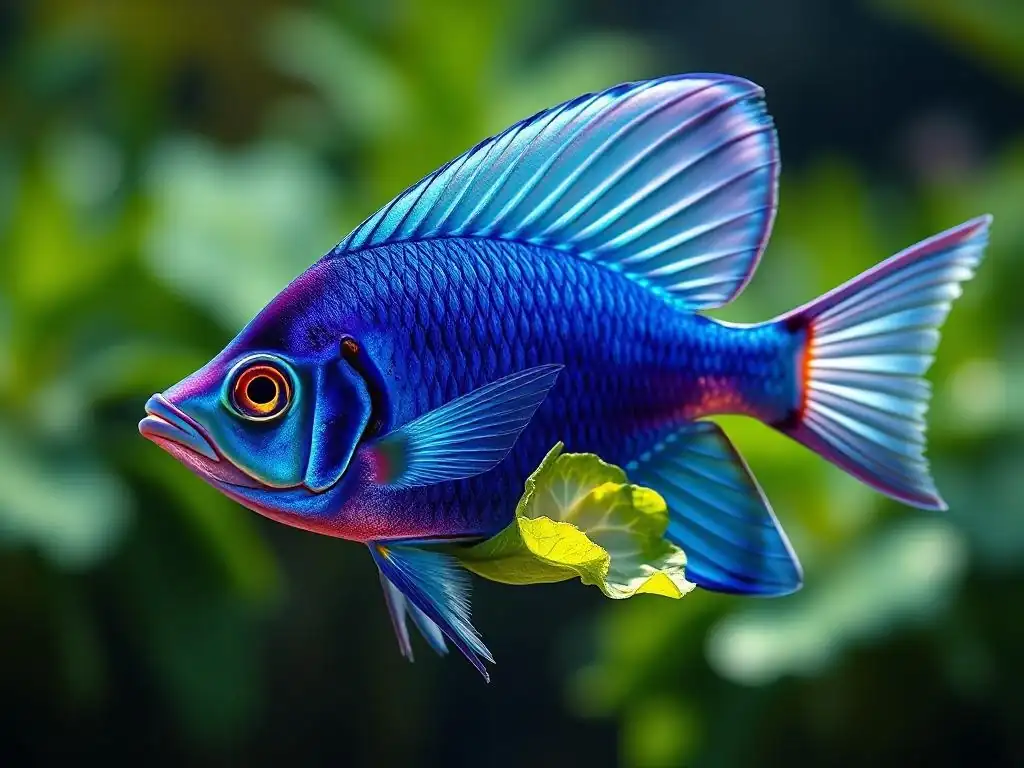
As omnivores, swordtails require a significant portion of vegetable matter in their diet, which is crucial for their digestive health and overall well-being. In their natural habitats, they graze on algae and other aquatic plants. Providing plant-based nutrition helps ensure proper bowel function and prevents issues like constipation, which can arise from a diet too heavy in protein or lacking fiber.
A lack of sufficient vegetable matter in a swordtail's diet can lead to prolonged digestive problems and may even weaken their immune system over time. Incorporating plant-based foods regularly ensures they receive the necessary fiber, vitamins, and minerals that are often less prevalent in purely protein-based foods, contributing to a more robust and complete swordtail fish diet guide.
Algae Wafers: Supplementing Plant-Based Nutrition
Algae wafers, typically designed for bottom-feeding herbivorous fish, can also be a valuable supplement in a swordtail fish diet. While swordtails are mid-water dwellers, they will readily graze on algae wafers as they soften and sink, providing a convenient source of plant-based nutrition. Ensure the wafers you choose are formulated for omnivores or herbivores and contain high-quality ingredients like spirulina and other beneficial algae.
These wafers are particularly useful in tanks where natural algae growth is minimal, or as a way to ensure that all fish, including the more timid ones, have access to plant-based food. Breaking a wafer into smaller pieces before dropping it in can encourage more swordtails to partake and prevent larger fish from monopolizing the food source.
Blanched Vegetables: Options and Preparation
Fresh, blanched vegetables are an excellent way to provide natural and wholesome plant matter to your swordtails. Good options include zucchini, cucumber, shelled peas, spinach, and romaine lettuce. To prepare, briefly blanch the vegetables by boiling them for 30-60 seconds, then immediately immerse them in ice water to stop the cooking process. This softens the cell walls, making them easier for the fish to digest.
Once blanched and cooled, you can offer these vegetables by weighing them down with a veggie clip or a small rock to keep them submerged. Offer small pieces that your swordtails can easily nip at. It is crucial to remove any uneaten vegetable matter from the tank within a few hours (typically 4-6 hours) to prevent decomposition, which can rapidly foul the water and negatively impact water quality.
Commercial Swordtail Food: Specialized Formulations
Beyond general flake foods, many reputable manufacturers offer commercial swordtail food specifically formulated for livebearers or swordtails. These specialized formulations are often designed to meet the unique dietary needs of these fish, typically featuring higher protein content to support their active metabolism and breeding habits, along with specific vitamins and minerals.
When selecting specialized commercial food, always scrutinize the ingredient list. Look for formulations that explicitly state they are "complete and balanced" and list high-quality protein sources as the primary ingredients. These foods often include natural color enhancers like astaxanthin or spirulina, which contribute to the vibrant hues of swordtails. Choosing a specialized swordtail fish diet guide in pellet or flake form can simplify providing optimal nutrition.
Creating a Feeding Schedule for Your Swordtails
How Often Should You Feed Swordtail Fish?
For adult swordtail fish, a feeding frequency of once or twice a day is generally ideal. This schedule allows them sufficient time to digest their food properly between meals and helps prevent overfeeding, which is a common cause of water quality issues. For instance, feeding a small portion in the morning and another in the evening can work well, ensuring consistent nutrient intake throughout the day.
However, the optimal frequency can vary based on several factors. Swordtail fry, due to their rapid growth and high metabolic rate, require more frequent feedings, typically 3-5 times per day, of very small, nutrient-dense portions. Similarly, breeding adult swordtails may benefit from slightly increased feeding frequency or larger portions to support the energy demands of reproduction. Observing your fish's activity levels and body condition will help you fine-tune their feeding schedule.
Determining the Right Amount of Food
A widely accepted guideline for determining the right amount of food for swordtail fish is the "2-3 minute rule." This means you should only offer an amount of food that your swordtails can completely consume within 2 to 3 minutes. Any food left uneaten after this timeframe indicates that you are feeding too much, which can lead to decaying organic matter, increased ammonia and nitrite levels, and subsequent water quality degradation.
Regularly observing your fish during feeding is key to perfecting the portion size. If you notice food lingering at the bottom of the tank, reduce the amount at the next feeding. Conversely, if your swordtails eagerly consume all the food within seconds and continue to search for more, a slight increase in portion size might be warranted. Adjusting based on their behavior ensures a balanced swordtail fish diet guide.
Signs of Overfeeding and Underfeeding in Swordtails
Recognizing the signs of overfeeding and underfeeding is crucial for maintaining a healthy swordtail fish diet and a balanced aquarium environment. Overfeeding often manifests as physical symptoms in the fish, such as a bloated appearance or lethargy. More critically, it leads to poor water quality: cloudy water, excessive algae growth, and dangerously high levels of ammonia and nitrite, which are toxic to fish. If you notice these signs, immediately reduce feeding and perform a partial water change.
Conversely, underfeeding can lead to equally detrimental outcomes. Signs of underfeeding in swordtails include a sunken belly, particularly noticeable near the dorsal fin, and a general lack of energy or lethargy. Underfed fish may also exhibit stunted growth, dull coloration, and increased aggression towards tank mates due to competition for scarce food resources. Consistent observation of your swordtails' body condition and behavior is essential for ensuring they receive adequate nutrition.
Optimizing Swordtail Fish Diet for Color Enhancement
Natural Pigments in Food: Beta-Carotene and Astaxanthin
The vibrant and dazzling colors of swordtail fish, particularly the reds, oranges, and yellows, are primarily due to natural pigments called carotenoids. Two of the most important carotenoids for fish coloration are beta-carotene and astaxanthin. Unlike plants, fish cannot synthesize these pigments themselves; they must obtain them directly from their diet. These pigments are absorbed through the digestive system and then deposited into specialized pigment cells called chromatophores in the fish's skin.
By consistently providing a swordtail fish diet rich in these specific carotenoids, aquarists can significantly enhance and maintain the intensity of their fish's natural coloration. Astaxanthin, in particular, is a powerful antioxidant and is highly effective in promoting red and orange hues. Understanding this biological process allows for targeted dietary strategies to bring out the best in your swordtails' aesthetic appeal.
Foods That Enhance Red, Orange, and Yellow Colors
To specifically enhance the red, orange, and yellow coloration in swordtails, focus on incorporating foods naturally rich in astaxanthin and beta-carotene. Excellent sources include spirulina, krill, shrimp (such as Mysis shrimp or brine shrimp), and certain types of algae. Many high-quality commercial flake and pellet foods are also formulated with added color enhancers, often listing astaxanthin or other carotenoids as key ingredients.
Consistent feeding of these color-enhancing foods over a period of several weeks to months will yield noticeable results. For example, regularly supplementing a standard flake diet with spirulina-enriched flakes or frozen krill can significantly deepen the reds and oranges of a Red Swordtail or a Pineapple Swordtail. It's a gradual process, but the improvements in vibrancy are often striking and long-lasting.
Foods That Enhance Blue and Green Colors
While blue and green colors in swordtails are not as directly linked to specific dietary pigments like carotenoids are for reds and oranges, a healthy, well-nourished fish will generally display its most vibrant and true colors. Therefore, the best approach to enhancing blue and green hues is to ensure an overall high-quality, balanced swordtail fish diet guide. This means providing a diverse range of high-protein foods, essential fatty acids, and a variety of vitamins and minerals.
Spirulina, a blue-green algae, is an excellent food choice not only for its carotenoid content but also for its high protein and broad spectrum of vitamins and minerals. While it directly enhances reds and oranges, its overall nutritional benefits contribute to the general health and vitality of the fish, which in turn supports the expression of all their natural colors, including blues and greens. A robust immune system and optimal health allow the fish's natural iridescence and pigmentation to shine through.
Special Dietary Considerations for Swordtail Fish
Feeding Swordtails During Breeding
When swordtail fish are being conditioned for breeding, their dietary needs increase significantly to support the demanding physiological processes of reproduction. Both males and females require a higher intake of protein and fats to ensure optimal gamete production and energy reserves. Live or frozen foods such as bloodworms, brine shrimp, and daphnia are highly recommended during this period due to their concentrated nutritional value and palatability.
Additionally, supplementing the diet with foods rich in Vitamin E is beneficial, as this vitamin is known to aid fertility in many fish species. A varied and nutrient-dense swordtail fish diet guide during the breeding phase not only increases the likelihood of successful spawning but also contributes to the health and vitality of the resulting fry. Consistent, small, high-quality feedings are more effective than infrequent large ones.
Dietary Needs of Swordtail Fry (Baby Swordtails)
Swordtail fry are born live and are immediately free-swimming, but their tiny size necessitates specific dietary considerations. They require extremely small, high-protein foods that they can easily consume and digest. The first few weeks of a fry's life are critical for rapid growth and development, so consistent and frequent feeding is paramount.
Newly hatched brine shrimp nauplii are considered one of the best first foods for swordtail fry due to their optimal size, high protein content, and ease of digestion. Other suitable options include micro-worms, finely powdered high-quality fry food, or liquid fry food. Feeding should occur 3-5 times a day in very small amounts to ensure continuous nutrient availability without polluting the water. A dedicated swordtail fish diet guide for fry focuses on maximizing growth and survival rates.
Addressing Specific Health Concerns Through Diet
Dietary Adjustments for Constipation
Constipation is a common issue in swordtail fish, often caused by a lack of fiber in their diet or an over-reliance on protein-heavy, dry foods. When a swordtail appears bloated or struggles to pass waste, dietary adjustments can often provide relief. The most effective remedy is blanched, shelled peas. Peas act as a natural laxative and provide much-needed fiber. Offer a small, blanched pea or two, ensuring it's soft enough for them to consume.
To prevent recurrence, integrate more vegetable matter into their regular swordtail fish diet guide. Foods like frozen daphnia, which provide chitinous roughage, or small pieces of blanched zucchini or cucumber, can help maintain regular digestive function. Temporarily reducing high-protein foods and ensuring varied feeding can also aid in preventing future constipations.
Dietary Adjustments for Fin Rot
While fin rot is primarily a bacterial infection, a fish's susceptibility to it is often linked to a weakened immune system, which can be exacerbated by poor nutrition. Dietary adjustments alone cannot cure fin rot, but they play a crucial supportive role in boosting the fish's natural defenses and aiding recovery alongside appropriate medication.
During a fin rot outbreak or recovery, enhance the swordtail fish diet with high-quality, vitamin-enriched foods. Foods rich in Vitamin C, such as certain fortified flakes or specially formulated immune-boosting pellets, are particularly beneficial as Vitamin C is vital for immune function and tissue repair. Providing a diverse and nutrient-dense diet helps the fish recover faster and build stronger resistance against future infections.
Potential Problems with Swordtail Diets and How to Avoid Them
Overfeeding and Water Quality Issues
Overfeeding is arguably the most common and detrimental problem in aquarium keeping, directly leading to severe water quality issues. When swordtail fish are given more food than they can consume within a few minutes, the uneaten portions sink to the bottom of the tank and begin to decompose. This decomposition process releases toxic ammonia and nitrites into the water, which are highly harmful to fish. Additionally, excess nutrients from uneaten food can fuel explosive algae growth and create cloudy, unsightly water conditions.
To avoid these problems, strictly adhere to the "2-3 minute rule" for feeding. If you notice any uneaten food after this time, promptly remove it with a siphon or net and reduce the portion size for subsequent feedings. Regular partial water changes are also essential to dilute any accumulated toxins and maintain a pristine environment, supporting a healthy swordtail fish diet guide.
Introducing New Foods Gradually
Fish, including swordtails, can be hesitant or even refuse new foods initially. Their digestive systems are also accustomed to their regular diet, and sudden, drastic changes can sometimes lead to digestive upset. Therefore, when introducing new items to your swordtail fish diet, it's crucial to do so gradually and patiently.
Begin by offering very small amounts of the new food alongside their familiar staple diet. For instance, if introducing frozen bloodworms, feed a tiny portion mixed with their regular flakes. Observe their reaction; it might take a few days or even a week for them to accept the new item. Persistence is key, but if a particular food consistently goes untouched or causes adverse reactions, it might not be suitable for your fish.
Recognizing and Addressing Food Allergies or Intolerances
Although less commonly discussed than in other pets, fish can exhibit sensitivities or intolerances to certain ingredients in their food. While true "allergies" are rare, a swordtail might react negatively to specific proteins, binders, or fillers found in commercial foods. Symptoms can be subtle, including lethargy, chronic bloating, unusual waste, or even skin irritation or dull coloration that doesn't improve with general care.
If you introduce a new food and notice any of these unusual symptoms, stop feeding that particular item immediately. Revert to a known, safe swordtail fish diet that your fish previously thrived on and observe for improvement. If the symptoms subside, you can then try reintroducing foods one by one, giving several days between each introduction, to pinpoint the problematic ingredient. This methodical approach helps ensure your swordtails are consuming a diet that truly benefits them.
Swordtail Feeding Tips and Tricks
Variety is Key: Mimicking a Natural Diet
In their natural habitat, swordtail fish are opportunistic omnivores, consuming a diverse array of food sources ranging from aquatic insects and their larvae to algae and plant detritus. Replicating this natural variety in your aquarium is paramount for their long-term health, vibrant coloration, and overall well-being. A monotonous swordtail fish diet, even if seemingly complete, can lead to nutritional deficiencies over time and boredom.
Therefore, do not rely solely on one type of food. Instead, create a varied feeding regimen that includes high-quality flakes or pellets as a staple, supplemented regularly with live or frozen foods (like brine shrimp, daphnia, bloodworms), and fresh blanched vegetables. This rotation ensures a broad spectrum of nutrients, stimulates natural foraging behaviors, and keeps your swordtails engaged and thriving.
Observing Feeding Behavior for Insights
Paying close attention to your swordtails' feeding behavior offers invaluable insights into their health, appetite, and the effectiveness of your swordtail fish diet guide. Are your fish eager and active at feeding time, darting to the surface for food? Do they consume all the food quickly, or does some linger? Are all fish getting enough, or are some dominant individuals hogging the food, leaving others underfed?
Any significant change in feeding behavior, such as a sudden loss of appetite, spitting out food, or an unusual lethargy during feeding, can be an early indicator of stress, poor water quality, or an underlying illness. Regular observation allows you to quickly identify potential issues and make timely adjustments to their diet or environment, preventing minor problems from escalating.
Storing Food Properly to Maintain Nutritional Value
The nutritional value of fish food begins to degrade once the package is opened and the food is exposed to air, light, and moisture. Vitamins, especially fat-soluble ones, are particularly susceptible to oxidation and loss of potency. Improper storage can also lead to mold growth or bacterial contamination, rendering the food unhealthy for your swordtails.
To maintain the highest nutritional value, always store dry foods like flakes and pellets in an airtight container in a cool, dark, and dry place. Avoid storing them near heat sources or in direct sunlight. Frozen foods should be kept at a consistent freezing temperature until ready for use. Always check expiration dates and discard any food that smells off, appears discolored, or shows signs of mold, ensuring your swordtail fish diet guide is always fresh and potent.
Conclusion: Mastering the Swordtail Fish Diet for a Thriving Aquarium
Frequently Asked Questions
What is the best staple food for Swordtail fish?
A high-quality flake food formulated for tropical fish is a great starting point. Ensure it contains a variety of nutrients and is small enough for your Swordtails to easily consume. Supplementing with other foods is also beneficial.
How often should I feed my Swordtail fish?
Generally, feed your Swordtails twice a day, providing only as much food as they can consume within 2-3 minutes. Avoid overfeeding, which can lead to water quality issues.
What types of live food can I offer my Swordtails?
Swordtails enjoy a variety of live foods, such as bloodworms, daphnia, and brine shrimp. These provide essential protein and stimulate their natural hunting instincts.
Can I feed my Swordtails vegetables?
Yes! Swordtails benefit from a vegetable-rich diet. Offer blanched spinach, zucchini, or algae wafers to provide essential vitamins and fiber.
How do I ensure my Swordtails get the nutrients they need for vibrant colors?
Provide a varied diet including color-enhancing foods that contain ingredients like spirulina and astaxanthin. Proper water quality and regular tank maintenance also contribute to overall health and coloration.
Final Reflection: Cultivating Vibrant Life Through Informed Care
The journey into understanding the definitive swordtail diet, as explored in this guide, is more than just a scientific exercise; it’s about fostering vibrant life and unlocking the full potential of these captivating creatures. In a world increasingly disconnected from the natural rhythms of life, taking the time to learn and apply best practices in animal care becomes a powerful act of connection and responsibility.
This deep dive into nutritional needs underscores how profoundly our choices impact the health and well-being of the animals in our care. It reminds us that responsible pet ownership extends beyond mere provision; it requires a commitment to understanding and meeting the specific needs of each individual. The greatness of a nation and its moral progress can be judged by the way its animals are treated.
- Mahatma Gandhi. This quote resonates deeply, highlighting the ethical dimension of our relationship with these creatures and the importance of informed, compassionate care.
Now, armed with this knowledge of the definitive swordtail diet, I invite you to reflect on your own approach to animal care. Consider how you can translate these principles of informed nutrition and attentive observation into your own life, enriching the lives of your aquatic companions and deepening your connection with the natural world. Let this guide be a catalyst for continuous learning and a testament to the power of informed, compassionate care.
Ignite Your Swordtails' Vitality!
Thank you for diving into the world of swordtail nutrition with us! Now that you're equipped with the knowledge to optimize their diet, let's turn theory into vibrant reality.
Here are a few things you can do right now to make a difference:
- Implement a varied feeding schedule this week, introducing at least one new, nutritious food item to your swordtails' diet. Watch their colors POP!
- Share your newfound knowledge! Post a picture of your swordtails enjoying their improved diet on social media using #AquariumMasterySwordtails.
- Design your very own swordtail food blend using the nutritional guidelines you've learned and share the recipe in the comments!
What exciting new foods are you most eager to introduce to your swordtails' diet to unlock their full potential?