
Mbuna vs. Peacock Cichlids: Key Differences in Care, Diet & Temperament

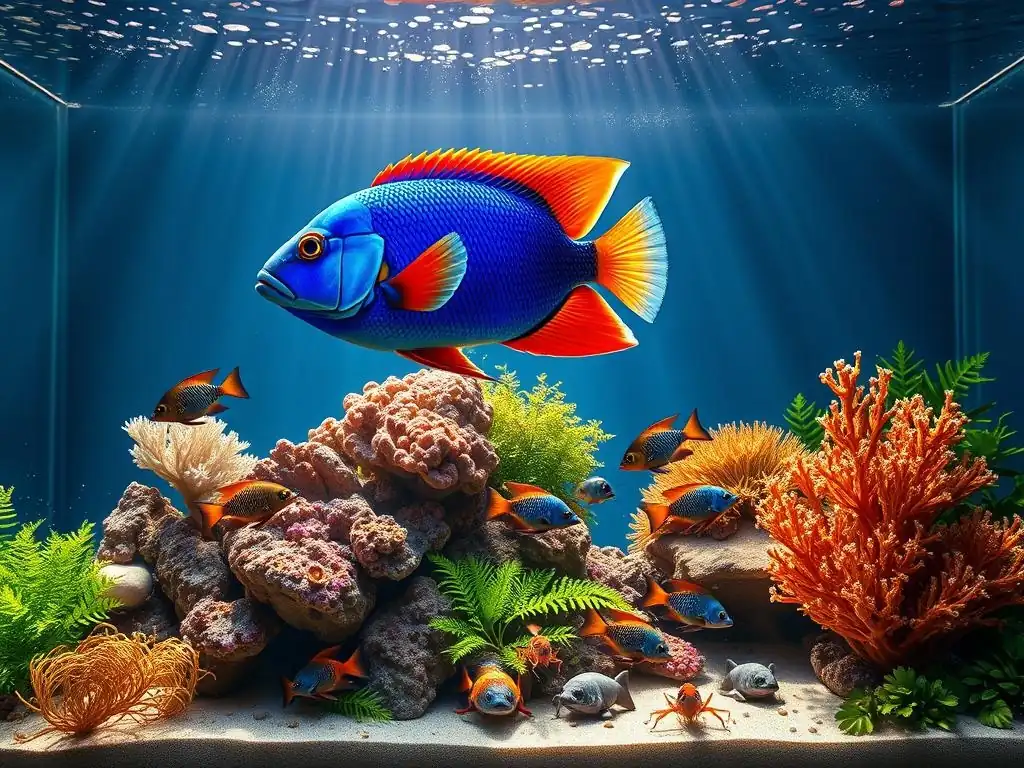
Welcome to Aquarium Mastery!
Are you fascinated by the vibrant world of cichlids but unsure where to start? You've come to the right place! This article dives deep into the captivating lives of Mbuna and Peacock Cichlids, exploring their unique needs and temperaments. But before you jump in, ever wondered what makes providing proper Mbuna cichlid care tips so crucial for a thriving aquarium? Let's uncover the secrets to keeping these stunning fish happy and healthy!
- Introduction: Understanding Mbuna and Peacock Cichlids
-
Mbuna Cichlids: A Comprehensive Overview
- What are Mbuna Cichlids? Defining Characteristics
- Ideal Mbuna Cichlid Tank Setup: Creating the Right Environment
- Mbuna Cichlid Care Tips: Essential Guidelines for a Healthy Aquarium
- Mbuna Cichlid Diet: What to Feed Your Herbivorous Cichlids
- Mbuna Cichlid Temperament and Aggression: Managing Tank Mates
-
Peacock Cichlids: A Detailed Exploration
- What are Peacock Cichlids? Defining Characteristics
- Ideal Peacock Cichlid Tank Setup: Creating the Right Environment
- Peacock Cichlid Care Tips: Essential Guidelines for a Vibrant Aquarium
- Peacock Cichlid Diet: Catering to Their Carnivorous Needs
- Peacock Cichlid Temperament and Compatibility: Choosing Tank Mates
-
Mbuna vs. Peacock Cichlids: Side-by-Side Comparison
- Tank Size and Setup: Mbuna vs. Peacock Cichlid Requirements
- Diet: A Comparative Look at Mbuna and Peacock Cichlid Feeding Habits
- Temperament and Aggression: Understanding the Differences in Behavior
- Water Chemistry: Optimal Parameters for Mbuna and Peacock Cichlids
- Color and Appearance: Comparing the Aesthetics of Mbuna and Peacock Cichlids
- Choosing Between Mbuna and Peacock Cichlids: Factors to Consider
- Advanced Mbuna Cichlid Care: Breeding and Disease Prevention
- Conclusion: Mastering Mbuna and Peacock Cichlid Keeping
-
Frequently Asked Questions
- What are the main differences in care between Mbuna and Peacock Cichlids?
- What type of diet is best for Mbuna Cichlids?
- How does the temperament of Mbuna Cichlids differ from that of Peacock Cichlids?
- What water parameters are ideal for keeping Mbuna Cichlids healthy?
- What are some common health issues that can affect Mbuna Cichlids?
- Final Reflection: Navigating the Cichlid Kingdom
- Unleash Your Cichlid Potential!
Introduction: Understanding Mbuna and Peacock Cichlids
African cichlids from Lake Malawi are among the most vibrant and captivating freshwater fish available to aquarists. Within this diverse group, Mbuna cichlids and Peacock cichlids stand out for their striking colors and distinct personalities. While both originate from the same Great Rift Valley lake, their natural habitats, dietary needs, and temperaments vary significantly, leading to vastly different care requirements.
Understanding these fundamental differences is crucial for any aspiring or experienced aquarist aiming to create a thriving and harmonious cichlid aquarium. This article will delve into the specific characteristics, ideal setups, dietary demands, and behavioral traits of both Mbuna and Peacock cichlids, providing essential insights for successful long-term keeping.
Mbuna Cichlids: A Comprehensive Overview
What are Mbuna Cichlids? Defining Characteristics
Mbuna cichlids, whose name translates to "rock-dweller" in the local Tonga language, are a group of small to medium-sized cichlids endemic to Lake Malawi in East Africa. They are characterized by their robust, torpedo-shaped bodies, vibrant coloration, and often intricate patterns, including vertical barring or horizontal stripes. These fish are typically found inhabiting the rocky, shallow areas of the lake, where they graze on algae and detritus covering the rocks.
Popular examples include the Electric Yellow Lab ( Labidochromis caeruleus), Demasoni Cichlid ( Pseudotropheus demasoni), and various Melanochromis species like Melanochromis johannii. Their natural habitat dictates much of their behavior, including their territorial nature and dietary preferences. Mbuna are known for their high activity levels and often aggressive interactions, making proper tank management and careful planning essential for their well-being.
Ideal Mbuna Cichlid Tank Setup: Creating the Right Environment
Creating an appropriate environment is paramount for Mbuna cichlids, directly influencing their health and behavior. A minimum tank size of 55 gallons (approximately 208 liters) is recommended for a small group, though 75 gallons (284 liters) or larger is significantly better for a diverse Mbuna community, allowing ample space to establish territories and diffuse aggression. The aquascape should mimic their rocky natural habitat, featuring an abundance of rockwork such as limestone or lace rock.
These rocks should be stacked to create numerous caves, crevices, and hiding spots, providing both shelter and visual barriers. It is crucial to ensure the rock structures are stable and secure to prevent collapses. The substrate should be aragonite sand or crushed coral to help maintain the high pH and hardness levels Mbuna require. Robust filtration, such as an oversized canister filter, is essential to manage the high bioload associated with these active fish, along with moderate to strong water flow to simulate their natural, well-oxygenated rocky shores.
Mbuna Cichlid Care Tips: Essential Guidelines for a Healthy Aquarium
Effective Mbuna cichlid care tips revolve around maintaining stable water parameters, providing a species-appropriate diet, and managing their inherent aggression. The optimal water parameters for Mbuna include a pH range of 7.8 to 8.6, a General Hardness (GH) of 10-20 dGH, and a temperature between 76-82°F (24-28°C). Regular and substantial water changes are non-negotiable; a weekly water change of 30-50% is crucial to dilute nitrates and replenish essential minerals, preventing the accumulation of toxins that can lead to health issues like Malawi Bloat.
Furthermore, strategic overstocking, while seemingly counterintuitive, is a common Mbuna cichlid care tip used to diffuse aggression. By housing a larger number of Mbuna in a sufficiently sized tank, aggression is spread out among multiple individuals rather than focused on a few, reducing severe bullying. However, this strategy necessitates even more diligent filtration and water change routines. Providing ample hiding spots and maintaining appropriate male-to-female ratios (typically 1 male to 3-4 females per species) also helps mitigate aggression and stress within the tank.
Mbuna Cichlid Diet: What to Feed Your Herbivorous Cichlids
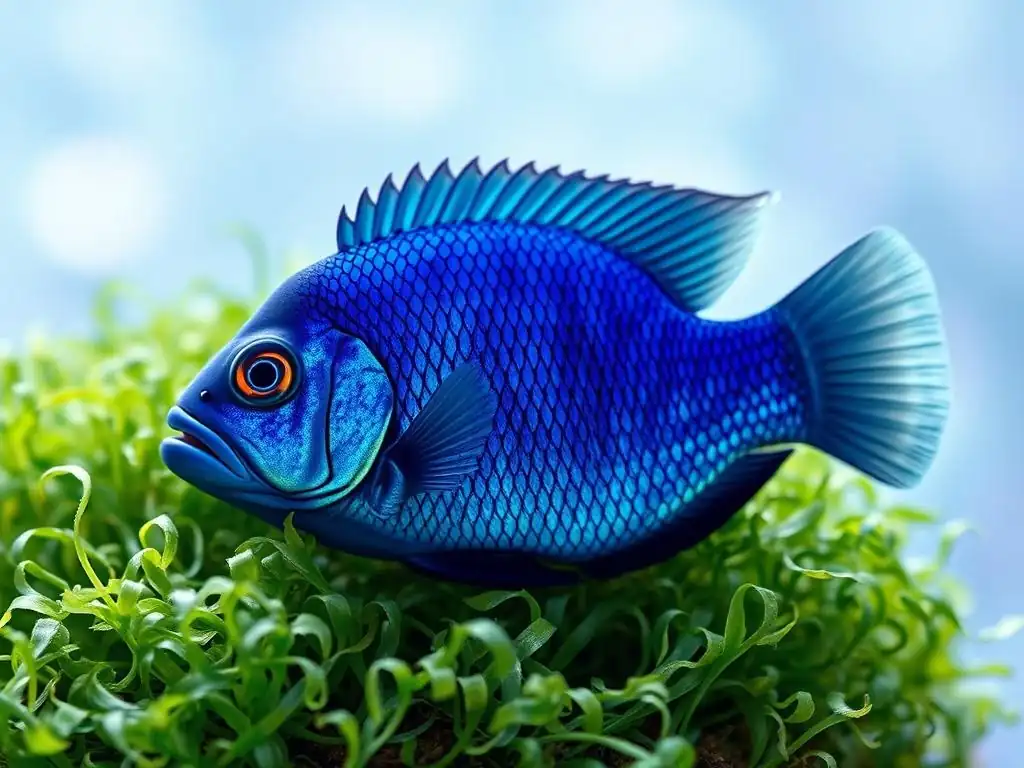
The diet of Mbuna cichlids is one of the most critical aspects of their care, as they are primarily herbivorous in their natural habitat. In Lake Malawi, they graze on the algal bio-film that covers rocks, which also contains various microorganisms and detritus. Therefore, their captive diet must reflect this, focusing on high-quality spirulina-based flakes or pellets as the staple food. These should constitute the majority of their daily intake, providing the necessary plant-based nutrients.
Supplementing their diet with blanched vegetables such as spinach, zucchini, or peas once or twice a week can also be beneficial. It is absolutely crucial to avoid feeding Mbuna cichlids high-protein foods like bloodworms, tubifex worms, or beef heart. Their digestive systems are not designed to process such rich protein, and feeding these can lead to severe gastrointestinal issues, most notably the often-fatal condition known as Malawi Bloat. Small, frequent feedings (2-3 times daily) are preferable to large, infrequent ones to prevent overfeeding and maintain water quality.
Mbuna Cichlid Temperament and Aggression: Managing Tank Mates
Mbuna cichlids are renowned for their highly aggressive and territorial nature, which is a significant factor in their tank mate selection and overall aquarium management. Males are particularly aggressive, especially towards other males of the same species or those with similar coloration, as they compete for territory and breeding rights. This intraspecific aggression can lead to constant skirmishes and stress if not managed correctly.
Interspecific aggression is also common; Mbuna can be assertive towards other Mbuna species if territories are not clearly defined or if the tank is undersized. For these reasons, Mbuna are best kept in species-specific tanks or in a carefully planned, overstocked Mbuna-only community where aggression is spread out. They are generally incompatible with more docile fish, including most Peacock cichlids, as the stress and potential for injury would be too high. Careful observation and understanding of individual fish behavior are essential to maintain a stable and healthy Mbuna community.
Peacock Cichlids: A Detailed Exploration
What are Peacock Cichlids? Defining Characteristics
Peacock cichlids, belonging to the genus Aulonocara, are another stunning group of cichlids native to Lake Malawi. Unlike Mbuna, Peacocks typically inhabit the sandy bottom areas of the lake, often near rocky outcrops, where they hunt for small invertebrates. They are distinguished by their more slender body shape compared to Mbuna, and males are famous for their incredibly vibrant, iridescent, and metallic coloration, which can range from brilliant blues and reds to striking yellows and oranges.
Examples include the Eureka Red Peacock ( Aulonocara jacobfreibergi), Ngara Flametail Peacock ( Aulonocara stuartgranti), and the Benga Peacock ( Aulonocara baenschi). Their coloration is often a key factor in their popularity, as they add a dynamic visual appeal to any cichlid aquarium. While still territorial, their aggression levels are generally much lower than those of Mbuna, making them a more peaceful option for many aquarists.
Ideal Peacock Cichlid Tank Setup: Creating the Right Environment
An ideal tank setup for Peacock cichlids emphasizes open swimming areas and a sandy substrate, reflecting their natural habitat. A minimum tank size of 40-55 gallons (approximately 150-208 liters) is suitable for a small group of Peacocks, with 75 gallons (284 liters) or more being ideal for a mixed Peacock community. The substrate should be fine sand, as Peacocks are natural "sifters" who sift through the sand with their specialized sensory pores to locate food.
While they appreciate some rockwork, it should be less dense than a Mbuna setup, providing a few caves and hiding spots without obstructing large open swimming areas. Smooth rocks or driftwood can be used, but ensure they don't significantly alter water parameters. Good quality filtration is still important to manage bioload, though the water flow can be moderate, mimicking the calmer waters of their sandy habitats. Adequate space and appropriate aquascaping contribute significantly to the overall well-being and vibrant coloration of Peacock cichlids.
Peacock Cichlid Care Tips: Essential Guidelines for a Vibrant Aquarium
Peacock cichlid care tips focus on maintaining stable water parameters, providing a protein-rich diet, and ensuring a peaceful environment. Similar to Mbuna, Peacocks thrive in hard, alkaline water with a pH range of 7.8 to 8.6, a General Hardness (GH) of 10-20 dGH, and a temperature between 76-82°F (24-28°C). Regular water changes are still vital, with a recommended 25-30% weekly change to keep nitrate levels low and water quality pristine.
While Peacocks are generally less aggressive than Mbuna, stress can still be a factor, especially if they are housed with overly dominant tank mates or in tanks that are too small. Providing sufficient space and maintaining appropriate male-to-female ratios (typically 1 male to 2-3 females per species) helps to diffuse any potential aggression among males and reduces stress on females from constant spawning attempts. Consistent monitoring of water parameters and fish behavior is key to ensuring a vibrant and healthy Peacock cichlid aquarium.
Peacock Cichlid Diet: Catering to Their Carnivorous Needs
Unlike their herbivorous Mbuna cousins, Peacock cichlids are primarily carnivorous, feeding on small invertebrates found in the sandy substrate of Lake Malawi. In the aquarium, their diet should reflect this carnivorous preference. High-quality cichlid pellets or flakes with a high protein content should form the staple of their diet. Look for foods that list fish meal or shrimp meal as primary ingredients.
Supplementing their diet with frozen foods such as bloodworms, brine shrimp, mysis shrimp, or daphnia is highly recommended and helps to bring out their best coloration and health. These frozen foods should be offered a few times a week. Live foods can also be offered occasionally, but ensure they are disease-free. It's important to feed them small amounts 2 times daily, as overfeeding can lead to digestive issues and poor water quality. Unlike Mbuna, Peacocks are less susceptible to Malawi Bloat from protein-rich diets, but moderation is still key to prevent health complications.
Peacock Cichlid Temperament and Compatibility: Choosing Tank Mates
Peacock cichlids are generally considered more peaceful than Mbuna, making them a more forgiving choice for many aquarists. While males can exhibit territorial behavior, especially towards other males of similar appearance or within confined spaces, their aggression is typically less intense and more display-oriented than outright violent. Intraspecific aggression can be managed by providing enough space and maintaining a proper male-to-female ratio, ensuring no single male is overly dominant.
In terms of interspecific compatibility, Peacock cichlids are best kept with other Peacock cichlids or other peaceful to moderately aggressive Haplochromine cichlids from Lake Malawi. They are generally not suitable tank mates for Mbuna cichlids due to the significant disparity in aggression levels; Mbuna will often bully and stress Peacocks, leading to injury or death. Compatible non-cichlid tank mates might include certain larger, peaceful catfish species that can tolerate similar water parameters, though a cichlid-only tank is often the most successful approach for Peacocks.
Mbuna vs. Peacock Cichlids: Side-by-Side Comparison
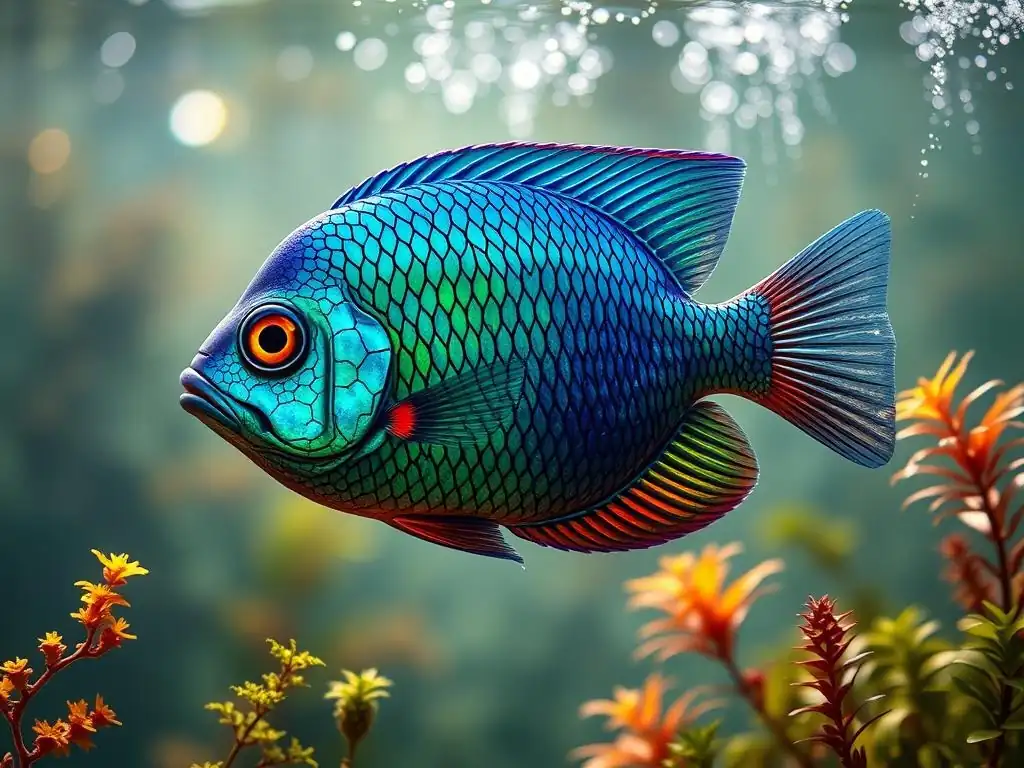
Tank Size and Setup: Mbuna vs. Peacock Cichlid Requirements
The distinct natural habitats of Mbuna and Peacock cichlids dictate significantly different tank setup requirements. For Mbuna, a minimum tank size of 55 gallons (approx. 208 liters) is often cited, but 75 gallons (approx. 284 liters) or more is strongly recommended to accommodate their territorial nature and the necessary rockwork. Their setup requires an abundance of sturdy rock structures, such as limestone or lava rock, meticulously arranged to form numerous caves, tunnels, and visual barriers. This dense aquascaping, often filling 50-70% of the tank volume, provides essential hiding spots and helps diffuse aggression by breaking line of sight.
In contrast, Peacock cichlids can be housed in slightly smaller tanks, with a 40-55 gallon (approx. 150-208 liters) tank being suitable for a small group, though larger tanks (75+ gallons) are always preferable for community setups. Their preferred setup features open swimming areas with a fine sand substrate, reflecting their natural foraging behavior in sandy lakebeds. While some rockwork is appreciated for hiding, it should be less extensive than a Mbuna tank, allowing ample open space for swimming and sifting. The distinction in required aquascaping is a critical "Mbuna cichlid care tip" for setup.
Diet: A Comparative Look at Mbuna and Peacock Cichlid Feeding Habits
The dietary requirements of Mbuna and Peacock cichlids represent one of the most critical differences between the two groups, directly influencing their health and longevity. Mbuna cichlids are primarily herbivorous, adapted to grazing on the algal bio-film found on rocks in Lake Malawi. Their digestive systems are designed to process plant matter and detritus. Therefore, their diet in captivity must consist predominantly of high-quality spirulina-based flakes or pellets. Feeding them foods high in animal protein, such as bloodworms or beef heart, can lead to severe digestive issues, most notably Malawi Bloat, which is often fatal.
Peacock cichlids, on the other hand, are carnivorous, specializing in sifting through sand for small invertebrates and insect larvae in their natural environment. Their captive diet should reflect this, consisting of high-quality cichlid pellets or flakes with a significant protein content. Supplementing their diet with frozen foods like mysis shrimp, brine shrimp, or bloodworms is beneficial and enhances their coloration. Mixing these two types of cichlids in the same tank often leads to dietary compromises, where one or both species receive an inappropriate diet, leading to health problems.
Temperament and Aggression: Understanding the Differences in Behavior
The temperament and aggression levels are perhaps the most significant distinguishing factors when considering Mbuna vs. Peacock cichlids for a community tank. Mbuna cichlids are notoriously aggressive and highly territorial. They are known for their strong intraspecific aggression (towards members of their own species) and interspecific aggression (towards other species), particularly males competing for dominance and breeding rights.
Their aggression often manifests as chasing, fin nipping, and outright physical confrontations, which can lead to severe injury or death for weaker or less aggressive tank mates. Proper "Mbuna cichlid care tips" for aggression include strategic overstocking and abundant rockwork to diffuse aggression.
Peacock cichlids, while still cichlids and capable of territorial displays, are generally much more peaceful. Males may show aggression towards other males, especially those with similar coloration, but this is typically less intense and more ritualistic than Mbuna aggression. They are less likely to inflict serious harm unless severely stressed or housed in an undersized tank. Due to this significant disparity in aggression, mixing Mbuna and Peacock cichlids in the same aquarium is generally strongly discouraged, as the more docile Peacocks would be constantly stressed and bullied by the aggressive Mbuna.
Water Chemistry: Optimal Parameters for Mbuna and Peacock Cichlids
Despite their significant differences in diet and temperament, Mbuna and Peacock cichlids share remarkably similar preferences for water chemistry, a commonality derived from their shared origin in Lake Malawi. Both groups thrive in hard, alkaline water conditions. The ideal pH range for both Mbuna and Peacock cichlids is typically between 7.8 and 8.6, reflecting the naturally high pH of Lake Malawi.
Similarly, both require high mineral content, with a General Hardness (GH) ranging from 10 to 20 dGH (179-358 ppm). The optimal temperature for both species falls between 76-82°F (24-28°C). This shared requirement for specific water parameters simplifies aquarium maintenance in this regard, as aquarists do not need to adjust water chemistry differently if they choose to keep either species. Regular testing of pH, GH, and temperature, along with consistent water changes, is crucial to maintain these stable conditions and ensure the long-term health of both Mbuna and Peacock cichlids.
Color and Appearance: Comparing the Aesthetics of Mbuna and Peacock Cichlids
While both Mbuna and Peacock cichlids are celebrated for their vibrant colors, their aesthetic appeal differs in terms of body shape, pattern, and the quality of their coloration. Mbuna cichlids typically possess a more robust, stocky, and somewhat elongated body shape. Their coloration often features bold patterns, including prominent vertical bars, horizontal stripes, or solid blocks of color, in shades of blue, yellow, orange, and black.
Examples include the electric yellow of Labidochromis caeruleus or the striking blue and black bars of Pseudotropheus demasoni. Their appearance often reflects their rock-dwelling nature, with colors that stand out against the rocky backdrop.
Peacock cichlids, particularly the males, are renowned for their more slender and elegant body shape, often described as more "streamlined." Their most striking feature is their iridescent, metallic sheen, which gives them a shimmering quality under aquarium lights. Their colors are often more nuanced and painterly, featuring brilliant blues, fiery reds, and sunny yellows, sometimes with subtle iridescent spots or washes rather than sharp patterns.
A prime example is the Eureka Red Peacock, with its vibrant red body and contrasting blue face. This difference in coloration often stems from their natural habitat; Peacocks use their vivid displays to attract mates in open, sandy areas, while Mbuna's patterns help them blend into or stand out against rocky substrates.
Choosing Between Mbuna and Peacock Cichlids: Factors to Consider
Experience Level: Are You Ready for Mbuna or Peacock Cichlids?
Your experience level as an aquarist is a significant factor when deciding between Mbuna and Peacock cichlids. Mbuna cichlids, with their high aggression levels and strict dietary requirements, generally demand a more experienced hand. Managing their territorial disputes, ensuring proper tank mate compatibility within an Mbuna-only setup, and diligently adhering to their herbivorous diet to prevent Malawi Bloat require a solid understanding of cichlid behavior and water chemistry. For instance, implementing a controlled overstocking strategy, a common "Mbuna cichlid care tip," requires careful monitoring and robust filtration.
Peacock cichlids, while still requiring specific care, are often considered more suitable for intermediate aquarists. Their generally calmer temperament makes tank mate selection less challenging, and while their carnivorous diet is specific, it carries a lower risk of the severe digestive issues seen in Mbuna with improper feeding. However, beginners should still conduct thorough research and be prepared for the commitment involved in maintaining the hard, alkaline water conditions preferred by both groups.
Tank Size and Capacity: Matching Cichlids to Your Aquarium
The size and capacity of your aquarium are crucial determinants when choosing between Mbuna and Peacock cichlids. As discussed, Mbuna cichlids require larger tanks, with a minimum of 55 gallons (approx. 208 liters) for a small group, and ideally 75 gallons (approx.
284 liters) or more to accommodate their aggressive nature and the extensive rockwork necessary for territory establishment. A general guideline for Mbuna stocking might be around 1 inch of fish per gallon in a heavily filtered, overstocked setup, but this requires very diligent "Mbuna cichlid care tips" like frequent large water changes. For example, a 75-gallon tank could potentially house a community of 10-15 adult Mbuna.
Peacock cichlids can thrive in slightly smaller setups, with a 40-55 gallon (approx. 150-208 liters) tank being adequate for a small bachelor group or a single male with a few females. For a diverse Peacock community, a 75-gallon tank or larger is still highly recommended to provide ample swimming space and reduce male aggression. A 75-gallon tank could comfortably house 15-20 adult Peacock cichlids, given their generally more peaceful disposition. Matching the cichlid species to your tank's physical capacity and layout is fundamental to their long-term health and reduces stress-related issues.
Desired Tank Community: Compatibility Considerations
The type of community you envision for your aquarium is a defining factor in choosing between Mbuna and Peacock cichlids. If your goal is a vibrant, active tank dominated by highly territorial fish with bold personalities, a Mbuna-only setup is likely your best option. Due to their significant aggression, Mbuna are best kept with other Mbuna of similar size and temperament, often in a deliberately overstocked fashion to spread out aggression. Mixing different Mbuna species requires careful planning to avoid excessive bullying, focusing on species with different color patterns to reduce male-on-male aggression.
Conversely, if you prefer a more tranquil cichlid tank with brilliantly colored, yet generally more peaceful fish, Peacock cichlids are the better choice. They cohabitate well with other Aulonocara species and can sometimes be successfully kept with other less aggressive Lake Malawi Haplochromine cichlids. It is critically important to understand that mixing Mbuna and Peacock cichlids in the same aquarium is strongly discouraged for most home aquarists. The vast difference in their aggression levels almost inevitably leads to the Mbuna bullying and stressing the more docile Peacocks, resulting in poor health, faded colors, and potentially death for the Peacocks.
The Role of Rockwork: Creating a Suitable Habitat for Mbuna Cichlids
The strategic placement and quantity of rockwork play a vastly different, yet equally crucial, role in creating suitable habitats for Mbuna and Peacock cichlids. For Mbuna cichlids, rockwork is absolutely indispensable. As their name "rock-dweller" suggests, they rely heavily on intricate rock structures to establish territories, find hiding spots, and provide visual barriers that break up lines of sight, thereby diffusing aggression.
A well-designed Mbuna tank will feature numerous caves, tunnels, and crevices, often built with limestone, lava rock, or other inert stones. This dense aquascaping, covering a significant portion of the tank's footprint and height, is a paramount "Mbuna cichlid care tip" for managing their aggressive tendencies.
For Peacock cichlids, the role of rockwork is less about creating dense territories and more about providing some visual interest and a few modest hiding places. Peacocks prefer open sandy areas for foraging, so while a few scattered rocks or a small rock structure can be beneficial, they should not dominate the tank or impede large open swimming spaces. The substrate for Peacocks should primarily be fine sand, allowing them to sift for food naturally. Understanding these distinct aquascaping needs is essential for ensuring the comfort and natural behavior of each cichlid type.
Advanced Mbuna Cichlid Care: Breeding and Disease Prevention
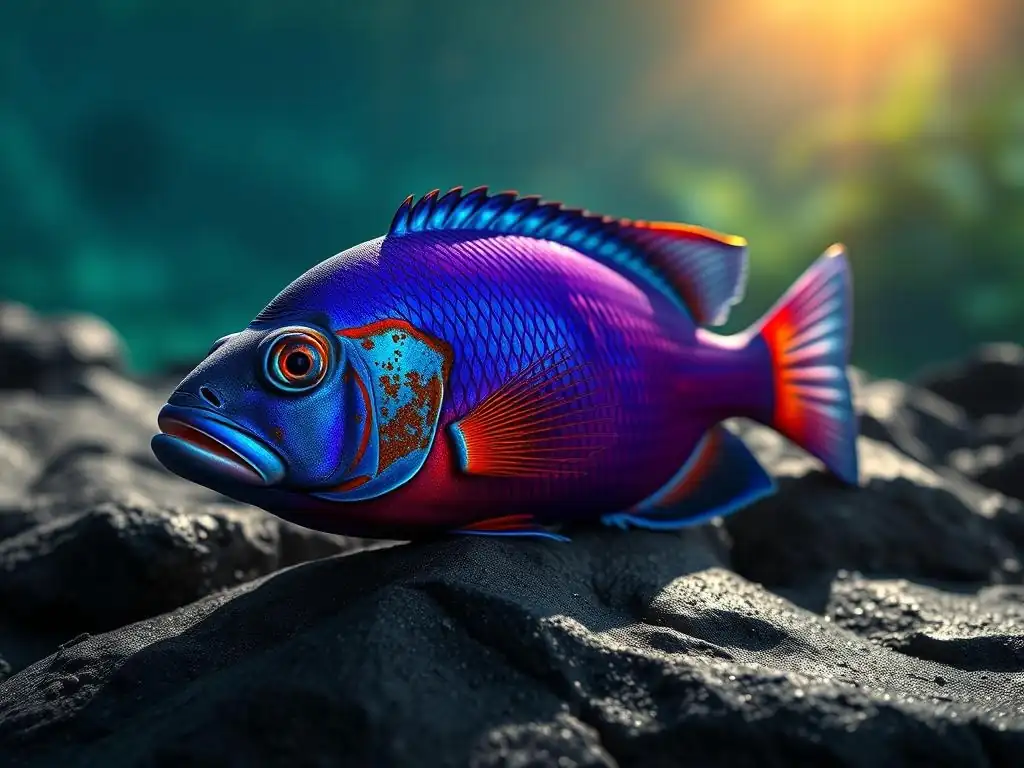
Breeding Mbuna Cichlids: A Guide to Successful Spawning
Breeding Mbuna cichlids can be a rewarding experience, as they are prolific mouthbrooders, meaning the female carries the eggs and fry in her mouth for protection. Successful spawning typically occurs in a well-established tank with stable water parameters (pH 7.8-8.6, temperature 78-80°F or 25-27°C) and a healthy male-to-female ratio, usually one male to three or four females to spread aggression. The male will display vibrant colors and attempt to entice a female to his chosen spawning site, often a flat rock or a depression in the substrate.
During spawning, the female lays eggs, and the male fertilizes them. The female then immediately scoops the fertilized eggs into her mouth. The incubation period typically lasts between 21 to 28 days, during which the female will not eat.
After the fry are released, they can be fed specialized fry foods like crushed high-quality flakes or newly hatched brine shrimp. Some aquarists choose to "strip" the female (gently remove the eggs/fry from her mouth) after about 14-20 days to ensure higher fry survival rates, especially if the community tank is densely populated. Providing ample hiding spots for the fry is a key "Mbuna cichlid care tip" for successful raising.
Common Mbuna Cichlid Diseases and Treatments: Ensuring Fish Health
Despite their hardiness, Mbuna cichlids are susceptible to certain diseases, often linked to improper diet or poor water quality. The most prevalent and often fatal disease is Malawi Bloat. This condition is primarily caused by feeding Mbuna a diet too high in protein or lacking in fiber, leading to internal bacterial infections and organ failure. Symptoms include lethargy, loss of appetite, abdominal swelling, and white, stringy feces. Prevention is paramount: strictly adhere to a spirulina-based diet and maintain pristine water quality. Early stages might be treated with Metronidazole, but success rates vary.
Another common ailment is Ich (White Spot Disease), a parasitic infection often triggered by stress or fluctuating water temperatures. Symptoms include small white spots resembling salt grains on the body and fins. Treatment typically involves gradually raising the tank temperature to 82-86°F (28-30°C) over 24 hours, adding aquarium salt, and using an appropriate Ich medication. Hole-in-the-Head Disease (HITH) can also affect Mbuna, often linked to poor water quality, nutritional deficiencies, or internal parasites.
Symptoms include pitting and lesions around the head and lateral line. Prevention involves maintaining excellent water quality and a balanced diet. Treatment may involve Metronidazole and improving environmental conditions. These "Mbuna cichlid care tips" for disease prevention emphasize stable parameters, a correct diet, and minimizing stress.
Breeding Peacock Cichlids: A Guide to Successful Spawning
Peacock cichlids, like Mbuna, are fascinating mouthbrooders, making their breeding process a captivating aspect of advanced care. Successful breeding typically occurs in a stable aquarium environment with a pH of 7.8-8.6 and a temperature of 78-80°F (25-27°C). To encourage spawning, it's best to keep one male with at least two or three females to distribute his attention and reduce stress on any single female. The male, often displaying his most vibrant colors, will usually dig a shallow pit in the sand or claim a flat rock as his spawning site.
During the courtship, the male will intensely display to a receptive female, quivering and showing off his full coloration. The female will then lay her eggs in the chosen pit, and the male will fertilize them as she immediately scoops them into her mouth. The female will hold the eggs and later the fry in her buccal cavity for approximately 21 to 28 days, refraining from eating during this period.
Once the fry are released, they are free-swimming and can be fed crushed flakes, spirulina powder, or newly hatched brine shrimp. To ensure genetic purity, it is important to avoid mixing different Aulonocara species that could hybridize.
Common Peacock Cichlid Diseases and Treatments: Ensuring Fish Health
While generally hardy, Peacock cichlids can also fall victim to various diseases, often due to stress, poor water quality, or improper diet. Ich (White Spot Disease) is a common parasitic infection that can affect Peacocks, especially if they are stressed or introduced to fluctuating temperatures. Symptoms include small white spots on the body and fins. Treatment involves gradually raising the tank temperature to 82-86°F (28-30°C), adding aquarium salt, and using an appropriate Ich medication.
Bacterial Infections, such as fin rot or body ulcers, can arise from poor water quality, physical injury, or chronic stress. Symptoms include frayed fins, red sores, or slimy patches on the skin. Prevention relies on consistent water changes, stable parameters, and appropriate tank mates to minimize bullying.
Treatment typically involves broad-spectrum antibiotics or antibacterial medications. Although less common than in Mbuna, Malawi Bloat can still occur in Peacocks if their carnivorous diet is neglected or if they are fed excessive plant matter; ensuring a high-quality, protein-rich diet is key to prevention. Overall, maintaining pristine water conditions, providing a species-appropriate diet, and ensuring a low-stress environment are the best preventative measures for Peacock cichlid health.
Conclusion: Mastering Mbuna and Peacock Cichlid Keeping
Mastering the art of keeping Mbuna and Peacock cichlids hinges on a thorough understanding of their distinct needs, temperaments, and natural behaviors. While both originate from the magnificent Lake Malawi, their adaptations to different niches within the lake have led to vastly different care requirements. Mbuna cichlids, the "rock-dwellers," demand a highly structured, rocky environment, a strictly herbivorous diet to prevent devastating conditions like Malawi Bloat, and careful management of their aggressive, territorial nature. Implementing effective "Mbuna cichlid care tips" is crucial for their well-being.
Peacock cichlids, the "sand-sifters," prefer open sandy areas with some scattered rockwork, thrive on a carnivorous diet, and exhibit a generally more peaceful, though still territorial, disposition. The critical takeaway is that due to their fundamental differences in diet and aggression, these two groups are generally not suitable tank mates in a typical home aquarium.
Successful aquarists choose one type or the other, dedicating their setup and care routines to meet the specific needs of their chosen cichlid. By respecting these distinctions, you can provide a thriving habitat that showcases the breathtaking beauty and fascinating behaviors of these iconic African cichlids, ensuring a rewarding and vibrant aquarium experience.
Frequently Asked Questions
What are the main differences in care between Mbuna and Peacock Cichlids?
Mbuna cichlids generally require more aggressive tank mates, a vegetarian-based diet, and a higher pH than Peacock cichlids. Peacock cichlids, on the other hand, are less aggressive and require a diet higher in protein.
What type of diet is best for Mbuna Cichlids?
Mbuna cichlids thrive on a diet primarily consisting of vegetable matter, such as spirulina flakes, algae wafers, and blanched vegetables. Avoid excessive protein to prevent bloat and other health issues.
How does the temperament of Mbuna Cichlids differ from that of Peacock Cichlids?
Mbuna cichlids are known for their aggressive and territorial nature, particularly towards other Mbuna. Peacock cichlids are generally more peaceful and can be kept with a wider variety of tank mates.
What water parameters are ideal for keeping Mbuna Cichlids healthy?
Mbuna cichlids require hard, alkaline water with a pH between 7.8 and 8.6, and a temperature of 76-82°F (24-28°C). Maintaining stable water parameters is crucial for their well-being.
What are some common health issues that can affect Mbuna Cichlids?
Common health problems in Mbuna cichlids include Malawi bloat, which is often linked to improper diet, and ich (white spot disease). Maintaining good water quality is essential for preventing disease.
The intricacies of Mbuna and Peacock cichlid care, as explored in this article, are not merely about keeping fish alive; they represent a deeper understanding of responsible aquarium keeping and the delicate balance of aquatic ecosystems. The differences in their diets, temperaments, and environmental needs highlight the importance of informed decisions when bringing these vibrant creatures into our homes. Ignoring these distinctions can lead to stress, disease, and ultimately, a failure to appreciate the unique beauty each species offers.
The ongoing popularity of cichlids in the aquarium hobby demonstrates a continued fascination with their complex social structures and stunning colors. My own journey into cichlid keeping has taught me patience, observation, and a profound respect for the natural world. As we strive to create thriving aquatic environments, we must remember that these are not just decorations, but living beings with specific needs. In the end, we will conserve only what we love; we will love only what we understand; and we will understand only what we are taught.
- Baba Dioum's words resonate deeply, reminding us that education is the cornerstone of conservation, even within the confines of our aquariums.
Now, take a moment to reflect on your own approach to aquarium keeping. Are you truly meeting the needs of your fish, or are you simply providing the bare minimum? Consider the knowledge you've gained from this article and use it to improve the lives of your Mbuna or Peacock cichlids. By embracing responsible practices and continuing to learn, you can create a thriving underwater world that brings joy to both you and your finned companions.
Unleash Your Cichlid Potential!
Thanks for diving into the world of Mbuna and Peacock Cichlids! We hope you've gained a clearer understanding of what makes these vibrant fish unique. Now, let's put that knowledge into action and create the perfect cichlid aquarium!
Here are a few things you can do next:
- Plan Your Ultimate Cichlid Tank: Carefully consider tank size, rockwork, and filtration based on whether you choose Mbuna or Peacocks, ensuring a happy and healthy environment.
- Dive Deeper:Research compatible tankmates for your chosen cichlid type. Discover surprising combinations that create a harmonious aquarium community!
- Share Your Cichlid Dreams: Connect with fellow enthusiasts on our forum and share your vision for your cichlid aquarium.
What are the first steps you'll take to bring your cichlid aquarium vision to life?