
Troubleshooting Common Danio & Rasbora Breeding Problems and Solutions

Welcome to Aquarium Mastery!
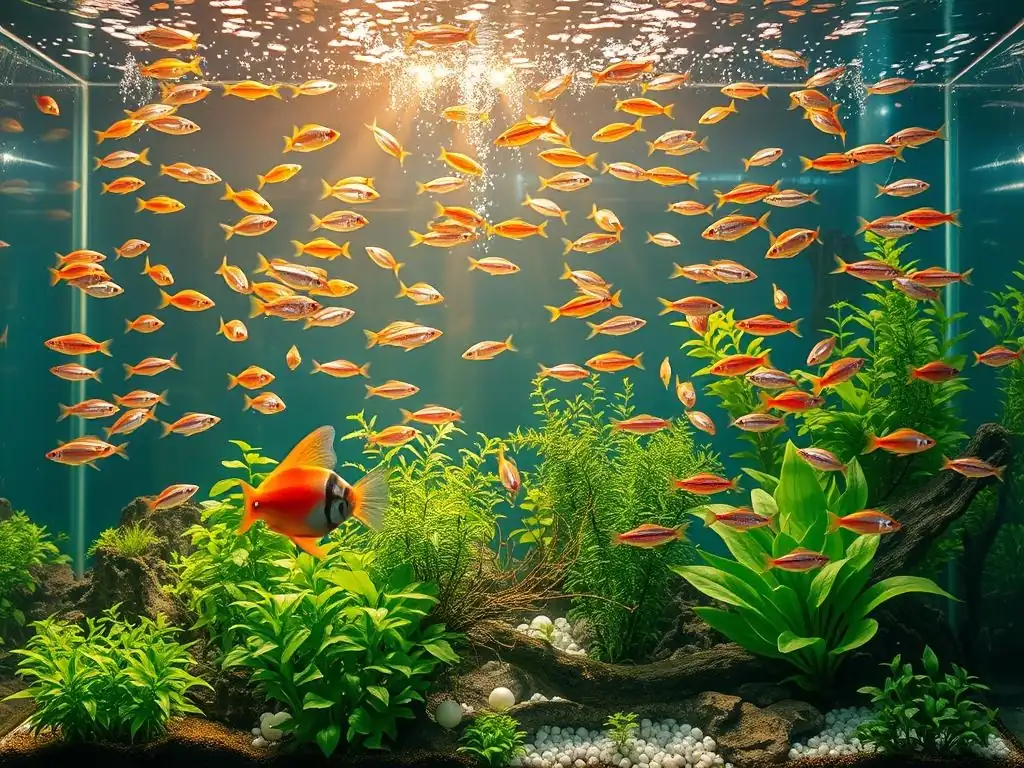
Ever dreamt of seeing your Danios and Rasboras thrive and multiply in your own aquarium? It's an incredible experience, but often comes with unexpected challenges. Dive into our comprehensive Danio & Rasbora breeding troubleshooting guide and unlock the secrets to successful spawning, addressing common issues and offering practical solutions. Curious to learn how to overcome those frustrating hurdles and witness new life in your tank? Let's get started!
- Danio & Rasbora Breeding Troubleshooting Guide: Solving Common Problems
- Introduction: Mastering Danio and Rasbora Breeding
- Understanding Danio and Rasbora Breeding Basics
-
Common Danio and Rasbora Breeding Problems and Their Solutions
- Problem 1: Eggs Not Hatching - Troubleshooting Infertile or Fungused Eggs
- Problem 2: Low Fry Survival Rate - Maximizing Fry Development
- Problem 3: Lack of Spawning Activity - Stimulating Breeding Behavior
- Problem 4: Parental Predation - Protecting Eggs and Fry from Being Eaten
- Problem 5: Disease Outbreaks in Breeding Tanks - Prevention and Treatment
- Advanced Danio and Rasbora Breeding Techniques
- Preventing Future Breeding Problems
- Conclusion: Achieving Consistent Success in Danio and Rasbora Breeding
-
Frequently Asked Questions
- What are some common reasons why my Danio or Rasbora eggs aren't hatching?
- My Danio and Rasbora parents are eating their eggs. How can I prevent this?
- What water parameters are essential for successful Danio and Rasbora breeding?
- How do I know if my Danio or Rasbora are actually spawning and not just displaying aggression?
- What should I feed my Danio and Rasbora fry once they hatch?
- Final Reflection: Nurturing Life's Delicate Dance
- Ignite Your Danio & Rasbora Breeding Success!
Danio & Rasbora Breeding Troubleshooting Guide: Solving Common Problems
Introduction: Mastering Danio and Rasbora Breeding
Breeding popular aquarium fish like Danios and Rasboras can be a rewarding endeavor, offering aquarists the chance to observe intricate natural behaviors and contribute to the hobby. These small, schooling cyprinids, including species like the Zebra Danio ( Danio rerio) and Harlequin Rasbora ( Trigonostigma heteromorpha), are often considered excellent entry points for aspiring breeders due to their relatively straightforward requirements. However, even with seemingly simple species, challenges can arise, turning what should be a straightforward process into a perplexing one.
This comprehensive Danio rasbora breeding troubleshooting guide aims to equip aquarists with the knowledge and practical solutions needed to overcome common obstacles. From understanding the basics of their reproductive biology to diagnosing and rectifying specific issues such as infertile eggs, low fry survival rates, or a complete lack of spawning activity, this guide will provide actionable advice. By addressing these problems systematically, you can significantly increase your success rate and enjoy the vibrant addition of healthy fry to your aquatic community.
Understanding Danio and Rasbora Breeding Basics
Danios and Rasboras are egg-scattering spawners, meaning they typically scatter their adhesive or non-adhesive eggs over substrate, often without significant parental care. Most species are prolific, capable of laying hundreds of eggs in a single spawning event. Successful breeding hinges on providing specific environmental triggers and optimal conditions that mimic their natural habitats, encouraging them to enter a reproductive state.
Essential Conditions for Successful Spawning
Successful spawning for many Danio and Rasbora species often hinges on precise water parameters that mimic their native environments. For instance, Zebra Danios generally prefer slightly cooler water, around 72-78°F (22-26°C), with a pH range of 6.5-7.5 and moderately soft to medium-hard water (5-12 dGH). Harlequin Rasboras, originating from blackwater environments, typically thrive and breed best in softer, more acidic water, with a pH of 6.0-6.5 and very low hardness (1-5 dGH), at temperatures between 75-80°F (24-27°C). Providing these specific ranges helps signal to the fish that conditions are ideal for reproduction.
Beyond water chemistry, environmental cues play a crucial role in stimulating spawning activity. A slight increase in temperature, often by 2-3°F (1-2°C) over a few days, or a significant water change with cooler, fresh water can simulate rainfall, a known spawning trigger for many tropical fish. Additionally, providing ample fine-leaved plants like Java Moss or spawning mops gives the fish a suitable substrate to scatter their eggs, encouraging natural breeding behavior and offering a safe place for the eggs to settle away from potential predators.
Identifying Healthy Breeding Stock: Signs of Readiness
Identifying healthy and reproductively ready breeding stock is a critical step in any Danio rasbora breeding troubleshooting guide. Mature females, typically aged 4-6 months or older, will often appear noticeably plumper and rounder, especially in the abdominal area, indicating they are gravid (full of eggs). For instance, a female Zebra Danio ready to spawn will show a distinctly swollen belly, whereas a male will retain a more streamlined torpedo shape. Males, conversely, will display more vibrant coloration and often exhibit increased chasing and fin-flaring behaviors towards females, signaling their readiness to breed.
Observing these physical and behavioral cues is essential. For example, a male Harlequin Rasbora might intensify its deep red or copper coloration and engage in elaborate courtship dances around a female, attempting to guide her to a spawning site under a broad leaf. It's also important to select fish that are active, free of any visible signs of disease or stress, and have been conditioned on a high-quality diet for several weeks prior to attempting breeding. This ensures they have the energy reserves and nutritional foundation necessary for successful egg production and spawning.
Setting Up a Dedicated Breeding Tank for Danios and Rasboras
A dedicated breeding tank significantly increases the chances of successful spawning and fry survival for Danios and Rasboras. For a small group of 3-5 Danios or a pair of Rasboras, a 5-10 gallon (19-38 liter) tank is often sufficient. This smaller volume allows for easier monitoring of water parameters and quicker detection of eggs. It is crucial to equip this tank with a gentle filtration system, such as a sponge filter, which provides biological filtration without creating strong currents that could harm delicate eggs or newly hatched fry.
The substrate and décor of the breeding tank are also vital considerations. Many breeders opt for a bare-bottom tank for easy cleaning and egg collection, but this requires an alternative method for egg protection.
Layering the bottom with a bed of glass marbles (1-2 inches deep) or a dense clump of spawning mops (made from yarn or synthetic fibers) allows eggs to fall through out of reach of the parents, preventing consumption. Alternatively, a thick mat of fine-leaved plants like Java Moss ( Taxiphyllum barbieri) or Hornwort ( Ceratophyllum demersum) can serve a similar purpose, providing both a spawning medium and a safe haven for eggs and fry.
Common Danio and Rasbora Breeding Problems and Their Solutions
Problem 1: Eggs Not Hatching - Troubleshooting Infertile or Fungused Eggs
One of the most disheartening issues in any Danio rasbora breeding troubleshooting guide is observing eggs that simply fail to hatch. This can stem from two primary causes: infertility or fungal infection. Infertile eggs often appear clear and remain unchanged, while fungused eggs develop a fuzzy, white growth, which can quickly spread to viable eggs, decimating an entire clutch.
Solution: Improving Water Quality and Egg Hygiene
Pristine water quality is paramount for egg viability and preventing fungal outbreaks. High levels of ammonia, nitrite, or nitrate can stress eggs and hinder development. After spawning, perform a small water change, perhaps 10-20% with aged, temperature-matched water, to remove any waste products. Ensure the breeding tank's filtration, such as a gentle sponge filter, is mature and efficiently processing nitrogenous waste.
To directly combat fungus, many aquarists use a prophylactic treatment. Adding a few drops of methylene blue solution (following manufacturer instructions for dosage) to the water can inhibit fungal growth. Alternatively, Indian almond leaves ( Terminalia catappa) can be added to the tank; these leaves release tannins that have mild antifungal and antibacterial properties, mimicking the natural blackwater conditions many Rasboras prefer and improving egg hygiene.
Solution: Optimizing Temperature for Hatching Success
Temperature plays a critical role in the incubation period and hatching success of Danio and Rasbora eggs. While spawning may occur at a range of temperatures, optimal hatching typically requires a slightly warmer and stable environment. For most Danios, maintaining a consistent temperature of 78-80°F (25.5-26.5°C) is ideal for egg development, often leading to hatching within 48-72 hours. Rasbora eggs may prefer similar or slightly higher temperatures, around 79-82°F (26-28°C), depending on the specific species.
Fluctuations in temperature can stress developing embryos and lead to failed hatches. Use a reliable aquarium heater with a thermostat to ensure stable conditions. It's beneficial to slightly increase the temperature after eggs are laid, as this can often accelerate the incubation period and reduce the window during which eggs are susceptible to fungal infection or predation. Consistent temperature is a cornerstone of any effective Danio rasbora breeding troubleshooting guide.
Solution: Addressing Potential Parental Consumption of Eggs
Parental predation is a common reason for eggs disappearing shortly after spawning. Both Danios and Rasboras, being opportunistic feeders, will readily consume their own eggs if given the chance. This instinct is particularly strong if the adults are not well-fed or if the eggs are easily accessible.
The most effective solution is to remove the parent fish immediately after spawning has been observed and completed. If using spawning mops or marbles, simply lift the mops or siphon the eggs from between the marbles into a separate, dedicated hatching tank. For species that lay adhesive eggs on plants, the entire plant can be carefully transferred. This ensures the eggs are protected from consumption and can develop undisturbed, greatly increasing the yield of fry.
Problem 2: Low Fry Survival Rate - Maximizing Fry Development
Successfully hatching eggs is only half the battle; many aquarists face the challenge of a low fry survival rate. Newly hatched Danio and Rasbora fry are incredibly tiny and delicate, making them vulnerable to starvation, poor water quality, and predation.
Solution: Providing Proper First Foods for Danio and Rasbora Fry (Infusoria, Baby Brine Shrimp)
Newly hatched Danio and Rasbora fry have very small mouths and require microscopic food for their first few days. Infusoria, a collective term for various microscopic aquatic organisms, is an ideal first food. Infusoria can be cultured easily by steeping decaying lettuce leaves or a few grains of rice in aged aquarium water for several days. Feed small amounts of infusoria 3-5 times daily to ensure constant availability, as fry have high metabolic rates and need frequent nourishment.
As the fry grow, typically within 4-7 days, they will be large enough to consume slightly bigger foods. Decapsulated brine shrimp eggs, microworms, or newly hatched baby brine shrimp are excellent next steps. Baby brine shrimp are highly nutritious and stimulate strong growth. For example, a 7-day-old Zebra Danio fry can readily consume newly hatched brine shrimp. Continue feeding multiple small meals throughout the day to support rapid development and maximize the number of surviving fry.
Solution: Maintaining Optimal Water Parameters for Fry Growth
Fry are exceptionally sensitive to fluctuations in water parameters and accumulating waste products. Ammonia and nitrite, even in minute quantities, can be lethal. Therefore, maintaining pristine water quality in the fry rearing tank is critical. Implement small, daily water changes, typically 10-20% of the tank volume, using aged and temperature-matched water. This removes waste, replenishes essential minerals, and prevents the buildup of harmful compounds.
Ensure the fry tank has very gentle aeration, such as an air stone set to produce fine bubbles, or a corner filter with minimal flow. Strong currents can exhaust or even injure the tiny fry. A bare-bottom tank is often preferred for fry rearing as it simplifies cleaning and prevents detritus from accumulating, which can lead to bacterial blooms and disease. Regularly siphoning out uneaten food and waste is essential for optimal fry growth.
Solution: Preventing Predation on Fry by Adults or Invertebrates
Even after the initial spawning, the threat of predation on fry remains a significant concern, a common point in any Danio rasbora breeding troubleshooting guide. Adult fish, including the parents, will readily consume their fry if they are housed together. Additionally, certain invertebrates, such as larger snails (e.g., Malaysian Trumpet Snails) or hydra, can also prey on or compete with delicate fry.
The most effective preventative measure is to ensure the fry are raised in a dedicated grow-out tank, completely separate from all adult fish. If a bare-bottom tank is used, it minimizes hiding spots for predatory invertebrates. Regularly inspect the fry tank for any unwanted organisms. If hydra are present, methods like manual removal, reducing feeding, or in severe cases, careful use of fry-safe medications (like Panacur C or No-Planaria, at very low doses) might be necessary, though extreme caution is advised due to fry sensitivity.
Problem 3: Lack of Spawning Activity - Stimulating Breeding Behavior
One of the most frustrating problems for breeders is when fish simply refuse to spawn. This lack of activity often indicates that environmental conditions or dietary factors are not sufficiently triggering their natural breeding instincts.
Solution: Adjusting Water Temperature and Chemistry to Mimic Natural Conditions
To stimulate spawning, it's often effective to mimic seasonal changes that trigger breeding in their natural habitats. For Danios, a slight temperature drop, perhaps by 2-3°F (1-2°C) for a few days, followed by a gradual increase to 78-80°F (25.5-26.5°C) can often initiate breeding. This simulates the onset of a rainy season, a common spawning cue. For Rasboras, especially those from blackwater environments, slightly lowering the pH to 6.0-6.5 and softening the water (e.g., using RO water or peat filtration) can be highly effective.
For instance, Harlequin Rasboras often respond well to a pH shift from neutral to mildly acidic (e.g., 7.0 down to 6.2) and a reduction in hardness from 10 dGH to 3 dGH. This adjustment signals optimal conditions for egg development and survival. Ensure these changes are gradual to avoid stressing the fish, typically over 24-48 hours, as sudden shifts can be detrimental to their health.
Solution: Implementing Water Changes to Trigger Spawning
Large, cool water changes are a powerful stimulant for many fish, including Danios and Rasboras, simulating the influx of fresh rainwater during a breeding season. Replacing 50-70% of the tank water with water that is 2-5°F (1-3°C) cooler than the tank temperature can often trigger spawning within 24-48 hours. This fresh water introduces new minerals and reduces accumulated nitrates, signaling a clean, suitable environment for egg laying and fry survival.
Perform these large water changes in the evening, after the lights have been off for a few hours, and ensure the new water is properly dechlorinated. For example, a 50% water change with water 3°F cooler in a 10-gallon breeding tank can often prompt Zebra Danios to spawn the following morning. Repeating this process daily for a few days, if no spawning occurs initially, can further enhance the effect and is a key strategy in a comprehensive Danio rasbora breeding troubleshooting guide.
Solution: Enhancing Diet with Live Foods to Promote Breeding Condition
A diet rich in high-quality, live foods is crucial for conditioning breeding fish and promoting gonad development. For several weeks leading up to attempted spawning, feed your Danios and Rasboras a varied diet that includes live or frozen foods such as bloodworms, daphnia, brine shrimp, and microworms. These foods are packed with protein and essential nutrients that are vital for egg and sperm production.
For example, feeding live daphnia daily for two weeks can significantly boost the reproductive readiness of both male and female Zebra Danios, making them more likely to spawn. The increased nutritional intake signals to the fish that there is an abundance of food, which is a natural cue for reproduction. Supplementing with high-quality flakes or pellets is still important, but the emphasis should be on the live or frozen components to truly get them into peak breeding condition.
Problem 4: Parental Predation - Protecting Eggs and Fry from Being Eaten
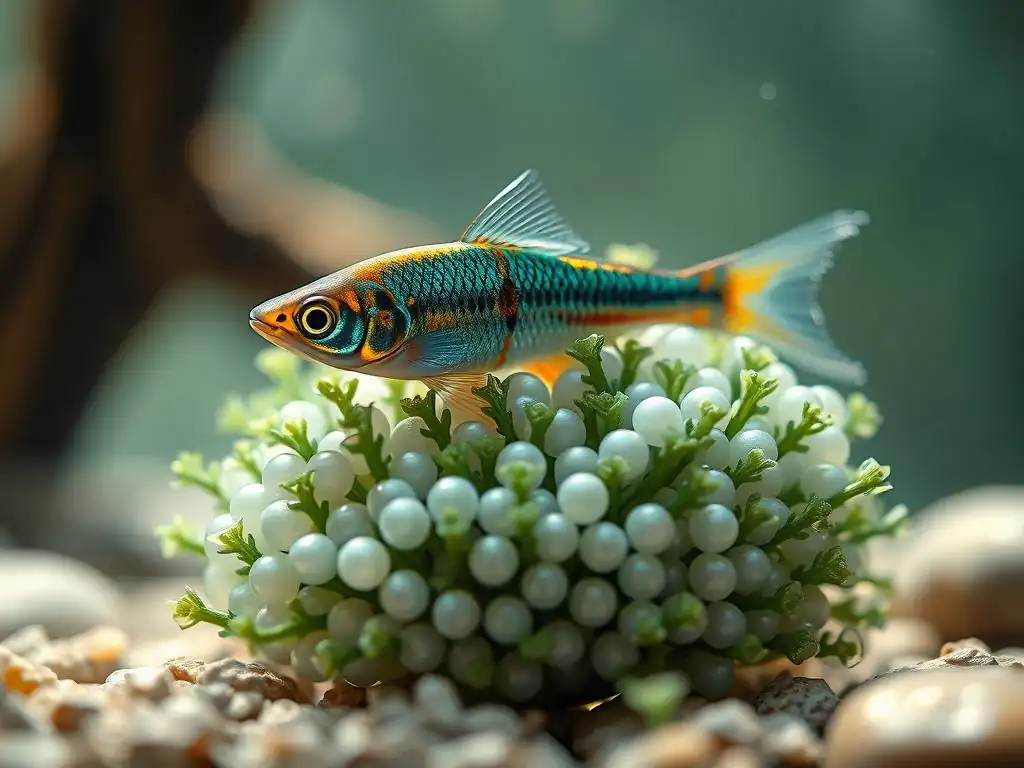
Parental predation is a major cause of low yield in Danio and Rasbora breeding. These fish, like many egg-scattering species, have no parental instinct to protect their offspring and will readily consume eggs and newly hatched fry.
Solution: Using Spawning Mops or Marbles to Provide Egg Protection
One of the most effective strategies to protect eggs from parental predation is to provide a substrate that allows eggs to fall out of reach. Spawning mops, typically made from acrylic yarn, are highly effective. When placed in the breeding tank, eggs are scattered into the fine strands and fall through to the bottom, where the parents cannot access them. A single spawning mop measuring roughly 6-8 inches in length can collect hundreds of eggs from a prolific pair of Danios.
Alternatively, a layer of glass marbles (about 1-2 inches deep) on the tank bottom serves a similar purpose. Eggs fall into the crevices between the marbles, becoming inaccessible to the adult fish. After spawning, the parents can be removed, and the eggs left to hatch in the protected environment. This simple yet effective method is a cornerstone of any Danio rasbora breeding troubleshooting guide focused on maximizing egg survival.
Solution: Separating Parents from Eggs or Fry After Spawning
The most foolproof method to prevent parental predation is the immediate separation of the adult fish from their eggs or fry once spawning has occurred. Once eggs are observed on the spawning mop, marbles, or plants, carefully remove the adult fish from the breeding tank. Transfer them back to their main display tank or a separate holding tank.
This ensures that the eggs are left undisturbed to hatch in a dedicated environment. For example, if Zebra Danios spawn on a mop, gently lift the mop and examine it for eggs. Once confirmed, remove the adults. The eggs will then hatch typically within 48-72 hours, and the fry will emerge into a safe, predator-free zone, significantly increasing their chances of survival.
Problem 5: Disease Outbreaks in Breeding Tanks - Prevention and Treatment
Disease outbreaks can be devastating in a breeding setup, especially for delicate eggs and fry. Stress from breeding, combined with potentially compromised water quality, can make fish more susceptible to pathogens.
Solution: Implementing Quarantine Procedures for New Fish
The single most important preventative measure against disease outbreaks is to quarantine all new fish before introducing them to your breeding stock or main tanks. A dedicated quarantine tank, even a small 5-gallon (19-liter) setup, should be used to house new arrivals for a minimum of 2-4 weeks. During this period, observe the fish closely for any signs of illness, such as clamped fins, lethargy, white spots (Ich), or unusual growths.
If any symptoms appear, treat the fish in the quarantine tank rather than risking contamination of your entire breeding operation. For example, a new batch of Harlequin Rasboras should be quarantined for at least 3 weeks, even if they appear healthy, to ensure they don't carry hidden parasites or bacteria that could wipe out a fragile fry population. This proactive approach is a vital component of a comprehensive Danio rasbora breeding troubleshooting guide.
Solution: Maintaining Excellent Water Quality to Prevent Disease
Stress from poor water quality is a primary trigger for disease in fish. In a breeding tank, where fish are often conditioned with heavy feeding and subsequently produce eggs, maintaining impeccable water quality is paramount. Regularly test water parameters, including ammonia, nitrite, and nitrate, using a reliable test kit. Ammonia and nitrite should always read 0 ppm. Nitrates should be kept below 20 ppm, ideally even lower for breeding purposes.
Perform frequent, small water changes (e.g., 20-30% every 2-3 days) in the breeding tank to dilute waste products and replenish essential minerals. Ensure the filter media is clean and functioning efficiently. For instance, if ammonia begins to rise above 0 ppm, it indicates an issue with the biological filter, potentially leading to stress and disease susceptibility for the breeding pair. Consistent, clean water reduces stress, strengthens the fish's immune system, and minimizes the risk of bacterial or parasitic infections.
Solution: Using Safe Medications for Fry (If Necessary)
Treating disease in a breeding tank, particularly when eggs or fry are present, requires extreme caution. Many common aquarium medications are toxic to fry, even at reduced dosages. Therefore, the first line of defense should always be excellent water quality and environmental improvement. If medication is absolutely necessary, research specific products that are known to be safe for fry or opt for methods that are less harsh.
For example, a mild salt bath (non-iodized aquarium salt, 1 tablespoon per 5 gallons) can sometimes help with external parasites or bacterial infections without severely harming fry, though even this requires careful monitoring. Chemical treatments like copper or malachite green are generally not recommended for tanks with fry. Always prioritize isolating affected adults for treatment in a separate hospital tank if possible, to avoid exposing the delicate fry to harsh chemicals. Prevention through quarantine and pristine water is always superior to treatment in a breeding setup.
Advanced Danio and Rasbora Breeding Techniques
Selective Breeding for Desirable Traits
Selective breeding involves carefully choosing specific individuals from your stock to be parents, based on desirable characteristics you wish to enhance in future generations. This technique allows aquarists to develop strains with more vibrant colors, unique finnage (e.g., long-finned varieties of Zebra Danios), increased size, or even improved disease resistance. For instance, if you have a group of Harlequin Rasboras and one male displays exceptionally deep red coloration and a perfectly triangular body patch, you might choose him as a breeder.
To effectively practice selective breeding, meticulous record-keeping is essential. Document the lineage of your breeding pairs, noting their physical attributes, health, and the characteristics of their offspring. This allows you to track the inheritance of specific traits over multiple generations. For example, by consistently breeding the largest, most active Zebra Danios, you can gradually increase the average size and vigor of your stock over several breeding cycles, potentially yielding fish that are 10-15% larger than their wild-type counterparts within 3-4 generations.
Optimizing Tank Setup for Maximum Fry Production
While a basic breeding tank is sufficient for initial success, optimizing the setup can significantly increase fry production, a common goal for those refining their Danio rasbora breeding troubleshooting guide skills. For prolific species like Zebra Danios, a larger breeding tank (e.g., 20 gallons or more) can accommodate multiple breeding pairs simultaneously, or a larger group of conditioned fish, leading to more widespread egg scattering.
Increasing the surface area available for egg deposition, such as adding multiple spawning mops or a dense carpet of Java moss across the entire tank bottom, can also maximize the number of eggs laid and collected.
Some advanced breeders utilize continuous breeding setups, where a large, well-planted tank houses a colony of breeding fish alongside a designated area where eggs can fall through a grate or dense plants into a separate compartment for hatching, without the need for constant manual separation. Automated feeding systems for both adults and fry can also ensure consistent nutrition, reducing stress and promoting continuous spawning. For example, a system that delivers infusoria or baby brine shrimp multiple times a day to the fry can boost survival rates from 30% to over 70% in high-yield setups.
Understanding Genetic Factors in Danio and Rasbora Breeding
A deeper understanding of basic genetics can unlock advanced breeding possibilities, allowing aquarists to predict and influence the traits of their offspring. Like all living organisms, Danios and Rasboras inherit traits from their parents through genes, which can be dominant or recessive. For example, the long-fin trait in Zebra Danios is typically recessive, meaning a fish must inherit two copies of the long-fin gene (one from each parent) to display the trait. If a long-finned Danio is bred with a short-finned Danio that carries no long-fin gene, all offspring will be short-finned but will carry the long-fin gene.
By understanding these principles, breeders can plan crosses to produce specific color morphs, fin types, or even improve resilience. For instance, if you breed two short-finned Danios that are known carriers of the long-fin gene, approximately 25% of their offspring will be long-finned. This knowledge is crucial for developing stable strains and avoiding undesirable traits like deformities that can arise from inbreeding without proper genetic management. Keeping detailed breeding logs that track parentage and offspring traits becomes even more valuable when applying genetic principles to your Danio rasbora breeding troubleshooting guide.
Preventing Future Breeding Problems
Proactive measures are far more effective than reactive solutions when it comes to fish breeding. By implementing consistent routines and careful observation, many common Danio and Rasbora breeding problems can be entirely avoided.
Regular Water Testing and Maintenance
Consistent water testing and maintenance are the bedrock of successful fish keeping and breeding. Establish a routine for testing key parameters such as pH, general hardness (GH), carbonate hardness (KH), ammonia, nitrite, and nitrate. For example, testing ammonia and nitrite weekly, and nitrates every two weeks, allows you to catch potential issues before they become critical. Fluctuations in pH or spikes in nitrogenous compounds can stress fish, inhibit spawning, and compromise egg and fry health.
Perform regular water changes, typically 25-30% weekly, using dechlorinated, temperature-matched water. This dilutes accumulated nitrates and replenishes essential trace elements. For a breeding setup, slightly more frequent or larger water changes might be necessary depending on feeding levels. By consistently maintaining optimal water quality, you reduce the physiological stress on your breeding stock, making them more robust and less susceptible to disease, thereby preventing common pitfalls outlined in any Danio rasbora breeding troubleshooting guide.
Careful Observation of Fish Behavior
Daily, careful observation of your fish's behavior is an invaluable tool for preventing breeding problems. Fish often exhibit subtle changes in their behavior long before physical symptoms of illness or stress become apparent. Look for signs such as lethargy, clamped fins, unusual swimming patterns, or a lack of appetite, which could indicate underlying health issues that might prevent spawning or affect egg quality.
Beyond health, observing courtship rituals and spawning patterns can help you anticipate breeding cycles. For instance, male Danios intensely chasing females or Harlequin Rasboras pair-bonding and cleaning potential spawning sites are clear indicators of readiness. By recognizing these cues, you can prepare the breeding tank in advance, ensuring optimal conditions are present when spawning occurs. This proactive approach, based on keen observation, is crucial for effective Danio rasbora breeding troubleshooting guide strategies.
Maintaining a Detailed Breeding Log
A detailed breeding log is an indispensable tool for any serious aquarist aiming for consistent breeding success. This log should include dates of spawning, the specific fish involved (if identifiable), water parameters at the time of spawning, estimated number of eggs laid, hatch rates, and the number of fry that survive to a certain age (e.g., 30 days). Also, note feeding schedules, any medications used, and environmental changes (like temperature adjustments or water changes).
By meticulously recording this information, you can identify patterns and correlations between your actions and the breeding outcomes. For example, you might discover that your Zebra Danios consistently have a higher hatch rate when the water temperature is precisely 79°F (26°C), or that a specific live food significantly boosts egg production in your Harlequin Rasboras. This data-driven approach allows you to refine your techniques, troubleshoot recurring issues more effectively, and continuously improve your success rates over time, making your personal breeding log a powerful Danio rasbora breeding troubleshooting guide.
Conclusion: Achieving Consistent Success in Danio and Rasbora Breeding
Breeding Danios and Rasboras, while generally considered accessible, often presents unique challenges that require patience, keen observation, and a systematic approach. From ensuring optimal water parameters and stimulating conditions for spawning to providing proper nutrition and protection for delicate fry, each step is critical for maximizing success. The common problems of unhatched eggs, low fry survival, lack of spawning, parental predation, and disease outbreaks can all be effectively addressed with the right knowledge and proactive strategies.
By applying the principles outlined in this Danio rasbora breeding troubleshooting guide – maintaining pristine water quality, selecting healthy breeding stock, providing appropriate first foods, and utilizing protective measures like spawning mops – aquarists can significantly improve their breeding yields. Furthermore, advanced techniques like selective breeding and meticulous record-keeping empower breeders to not only overcome obstacles but also to refine their practices and contribute to the development of healthier, more robust strains. With dedication and continuous learning, consistent success in Danio and Rasbora breeding is well within reach, offering immense satisfaction and a deeper connection to the aquatic world.
Frequently Asked Questions
What are some common reasons why my Danio or Rasbora eggs aren't hatching?
Several factors can contribute to this, including poor water quality, fungal infections affecting the eggs, or unfertilized eggs. Maintaining optimal conditions is crucial.
My Danio and Rasbora parents are eating their eggs. How can I prevent this?
This is a common issue. You can use a breeding tank or egg crate to separate the eggs from the parents or remove the parents immediately after spawning.
What water parameters are essential for successful Danio and Rasbora breeding?
Ideal conditions include a stable pH, a soft to moderately hard water, and a temperature within the recommended range for the species. Regularly test and adjust your water.
How do I know if my Danio or Rasbora are actually spawning and not just displaying aggression?
Spawning behavior typically involves chasing and circling, often near the bottom of the tank. Aggression is usually more territorial and directed. Look for eggs after the chase.
What should I feed my Danio and Rasbora fry once they hatch?
Newly hatched fry require infusoria or liquid fry food initially. Gradually transition to baby brine shrimp or other small live foods as they grow.
Final Reflection: Nurturing Life's Delicate Dance
The challenges and triumphs of breeding danios and rasboras, as explored in this guide, resonate far beyond the confines of our aquariums. Understanding the delicate balance required for successful breeding mirrors the complexities of nurturing any form of life, be it a plant, an idea, or a relationship. The meticulous attention to detail, the patience in overcoming obstacles, and the joy in witnessing new life emerge are universal experiences that connect us all.
This journey into the world of danio and rasbora breeding has underscored the profound interconnectedness of our actions and their consequences. It's a reminder that even seemingly small adjustments to our environment can have a significant impact on the well-being of others, a lesson applicable to our interactions within our communities and the planet as a whole. The greatest gift you can give the world is to nurture life, to foster growth, and to create an environment where potential can flourish.
This quote encapsulates the essence of responsible stewardship, whether in an aquarium or in the broader world.
As you close this guide, consider how the principles of troubleshooting and problem-solving discussed can be applied to other areas of your life. Take a moment to reflect on the patience, observation, and dedication required to successfully breed these fascinating fish. Let this experience inspire you to cultivate a more nurturing and attentive approach to all your endeavors, fostering growth and resilience in every aspect of your world.
Ignite Your Danio & Rasbora Breeding Success!
Thank you for diving into the world of Danio and Rasbora breeding! Now that you're armed with solutions to common challenges, it's time to put that knowledge into action. Let's turn those breeding aspirations into a thriving reality.
Here are your next steps:
- Immediately implement at least one troubleshooting tip you learned today to address any existing issues in your breeding setup. Remember, small changes can make a big difference!
- Explore our comprehensive guide on creating the perfect spawning environment for Danios and Rasboras on AquariumMastery.com. Unlock even more secrets to successful breeding!
- Share your breeding successes (or challenges!) with other enthusiasts in the comments below. Learning from each other is key!
What's the very first change you're going to make to your breeding tank setup based on what you’ve learned?