
Brown Algae Blues: Will an Ancistrus or Otocinclus Come to the Rescue?

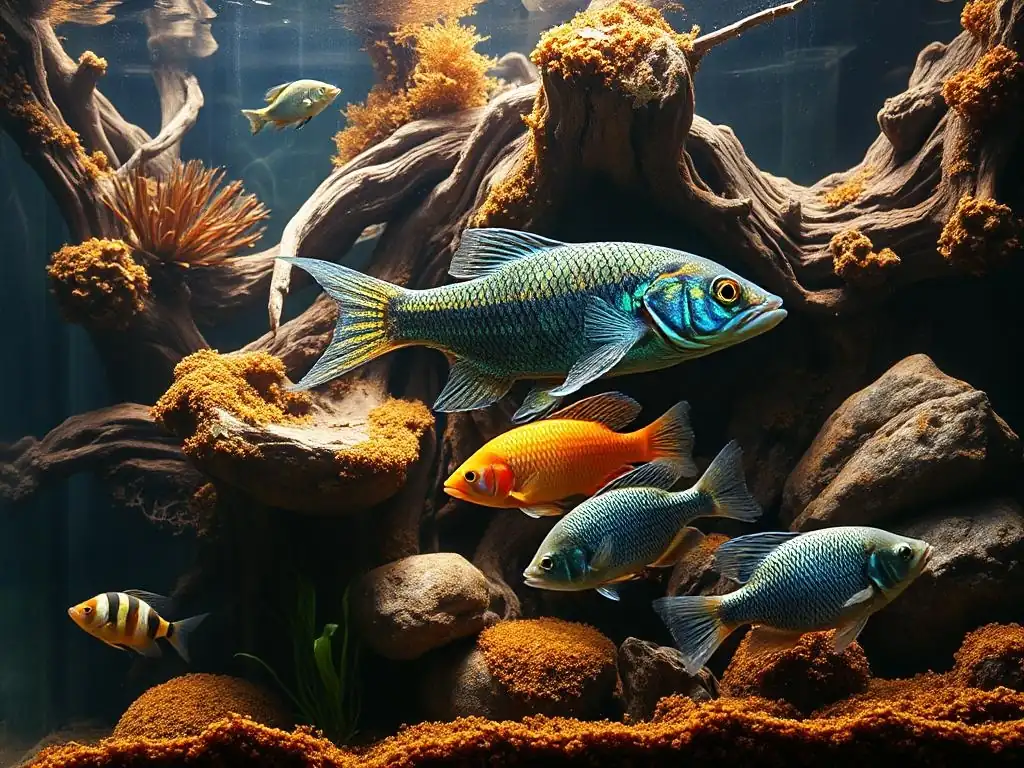
Welcome to Aquarium Mastery!
Are you battling brown algae in your freshwater tank and wondering if an Ancistrus catfish is the key? You've come to the right place! Dive in as we explore effective Ancistrus algae control tips and uncover whether these fascinating fish (or their Otocinclus cousins!) are the perfect algae-eating solution for your aquarium. Get ready to say goodbye to those unsightly blooms and hello to a sparkling, healthy aquatic environment!
- Understanding Brown Algae in Your Freshwater Aquarium
- Ancistrus vs. Otocinclus: Algae-Eating Abilities Compared
- Ancistrus Algae Control Tips: Maximizing Their Effectiveness
- Otocinclus Algae Control Tips: Creating a Thriving Environment
- Ancistrus vs. Otocinclus: Which is Better for Brown Algae Removal?
- Beyond Algae Eaters: Integrated Algae Control Strategies
- Troubleshooting: When Your Algae Eaters Aren't Eating Algae
- Conclusion: Choosing the Right Algae Eater for Your Aquarium Algae Problems
-
Frequently Asked Questions
- Will an Ancistrus really help control brown algae (diatoms) in my aquarium?
- How many Ancistrus do I need for effective algae control in my tank?
- What other algae besides brown algae will an Ancistrus eat?
- Are there any downsides to using Ancistrus for algae control?
- What should I feed my Ancistrus besides algae to ensure they thrive?
- Final Reflection: The Murky Waters of Balance
- Unleash the Brown Algae Fighters!
Understanding Brown Algae in Your Freshwater Aquarium
What Causes Brown Algae (Diatoms) in Fish Tanks?
Brown algae, more accurately known as diatoms, are single-celled organisms that frequently appear in freshwater aquariums. Their primary building block is silicate, often introduced through tap water, new substrates like sand or gravel, or even decorative rocks. Diatoms are particularly common in newly set up tanks, typically within the first 1 to 3 months, as the beneficial bacterial colonies are still establishing, leading to fluctuating nutrient levels and an environment ripe for diatom proliferation.
Beyond silicates, nutrient imbalances, especially elevated nitrates and phosphates, can fuel diatom growth. While diatoms can thrive in lower light conditions compared to true green algae, insufficient lighting for live plants can also indirectly contribute to their appearance by not providing competition for available nutrients. Using reverse osmosis (RO) water can significantly reduce silicate levels, thereby mitigating one of the main causes of these persistent brown films.
Identifying Brown Algae vs. Other Types of Aquarium Algae
Identifying brown algae is crucial for effective treatment. Diatoms manifest as a dusty, brownish film that coats surfaces like glass, plants, and decorations. A key characteristic is how easily it can be wiped away with a finger or siphon, often leaving the surface clean. This distinguishes it from other common types of aquarium algae.
In contrast, green spot algae appears as hard, circular green dots that are difficult to scrape off. Green hair algae is stringy and filamentous, resembling fine green threads. Black beard algae, often appearing in tufts or patches, can be black, dark green, or purplish and is notoriously tough to remove. If the brown film in your tank comes off with minimal effort, you are almost certainly dealing with diatoms, allowing you to focus on appropriate Ancistrus algae control tips or Otocinclus strategies.
Ancistrus vs. Otocinclus: Algae-Eating Abilities Compared
Ancistrus Algae Control: A Detailed Look at the Bristlenose Pleco
Ancistrus species, commonly known as Bristlenose Plecos, are highly popular freshwater aquarium inhabitants renowned for their algae-eating prowess. These hardy catfish typically reach an adult size of 4-6 inches (10-15 cm), making them suitable for tanks of 20 gallons (75 liters) or larger. Their unique rasping mouthparts are incredibly effective at scraping various types of algae, including the soft brown diatoms, green film algae, and even some tougher green spot algae from tank surfaces. Though they are primarily nocturnal, they will often graze during the day, making them a visible and active part of your tank's clean-up crew.
For brown algae, a single adult Bristlenose Pleco can make a noticeable difference in a 20-30 gallon tank, keeping surfaces relatively clear. While they are excellent at consuming biofilm and detritus in addition to algae, it's important to understand they are not a "magic bullet" that eliminates all algae types. Their effectiveness against brown algae, however, is significant, and many aquarists rely on them for consistent brown algae control. Applying targeted Ancistrus algae control tips ensures they remain productive.
Ancistrus Diet: More Than Just Algae?
Despite their reputation as voracious algae eaters, Ancistrus species, particularly Bristlenose Plecos, require a varied diet that extends beyond just the algae found in your tank. They are primarily herbivorous, but also consume some detritus and biofilm. Relying solely on tank algae can lead to malnourishment, especially in tanks with limited algae growth. Supplementation is crucial for their long-term health and continued effectiveness as algae consumers.
Their diet should be supplemented with high-quality sinking algae wafers or spirulina tabs a few times a week. Additionally, blanched vegetables such as zucchini, cucumber slices, peas, or spinach are excellent sources of nutrients and roughage. Providing a diverse diet ensures they receive all necessary vitamins and minerals, preventing them from becoming stunted or susceptible to disease, and promoting optimal Ancistrus algae control.
Ideal Tank Size and Conditions for Ancistrus Algae Eaters
An ideal tank size for a single adult Bristlenose Pleco is a minimum of 20 gallons (75 liters), with larger tanks being preferable for multiple specimens or if they are part of a bustling community. They thrive in stable water parameters: a pH range of 6.5-7.5, a temperature between 72-80°F (22-27°C), and soft to moderately hard water. Stability in these parameters is more important than hitting exact numbers within the range.
Crucially, Ancistrus species require driftwood in their tank setup. They rasp on the wood, which aids in their digestion by providing essential cellulose. Providing plenty of hiding spots, such as caves, rockwork, and dense planting, is also vital as they are shy and appreciate secure retreats. Excellent filtration is necessary to manage their bioload and maintain low nitrate levels, contributing to a healthy environment for effective Ancistrus algae control.
Otocinclus Algae Control: The Gentle Algae Grazers
Otocinclus catfish, often affectionately called "Oto cats," are small, peaceful, and incredibly efficient algae eaters. Reaching a maximum size of only 1.5-2 inches (3.8-5 cm), their diminutive stature allows them to access tight spaces and graze on fine algae films that larger fish might miss. They are schooling fish and prefer to be kept in groups of at least 3-5 individuals, which reduces their stress and encourages more active grazing. Their gentle nature makes them ideal for heavily planted tanks or those with shy community fish.
Otocinclus are particularly specialized in consuming soft, slimy algae, making them exceptionally effective against brown diatoms and soft green film algae. They are less effective against tougher algae types like green spot algae or black beard algae. A small group of 5-6 Otocinclus can effectively manage brown algae in a 10-20 gallon aquarium, diligently cleaning plant leaves, glass, and decorations. Their consistent grazing can quickly turn a brown-tinged tank into a pristine display.
Otocinclus Diet: Focusing on Soft Algae and Diatoms
Otocinclus catfish are primarily micro-predators of algae and biofilm, making them highly dependent on these food sources in their natural habitat and, subsequently, in the aquarium. Their small, sucker-like mouths are perfectly adapted for constantly grazing on surfaces. Unlike many other bottom dwellers, they typically do not consume significant amounts of leftover flake food or pellets from other tank inhabitants, meaning their diet needs to be carefully managed, especially if algae levels are low.
Supplementation is often necessary to ensure Otocinclus receive adequate nutrition. High-quality sinking algae wafers or spirulina tabs designed for herbivorous catfish are suitable, though they may need to be offered after lights out to ensure the timid Otos get their share. Blanched vegetables like spinach, zucchini, or green beans can also be offered. Ensuring a consistent supply of their preferred soft algae or supplemental food is vital, as Otocinclus are highly susceptible to starvation, often indicated by a sunken belly.
Optimal Tank Setup for Otocinclus Algae Control
For optimal Otocinclus algae control, a minimum tank size of 10 gallons (38 liters) is recommended for a small group of 3-5 individuals. They thrive in mature, well-established aquariums (ideally 3-6 months old) that have developed a stable biofilm and a consistent supply of soft algae. Their preferred water parameters include a pH of 6.0-7.5, a temperature range of 72-78°F (22-26°C), and soft to medium-hard water.
Providing a heavily planted environment is highly beneficial for Otocinclus. Plants offer numerous surfaces for grazing and provide essential hiding spots, reducing stress. They are extremely sensitive to poor water quality, particularly high nitrate levels, so pristine, stable water is paramount. Regular partial water changes and good filtration are essential to maintain the low nitrate levels they require to thrive and effectively perform their Otocinclus algae control duties.
Ancistrus Algae Control Tips: Maximizing Their Effectiveness
Choosing the Right Ancistrus Species for Algae Consumption
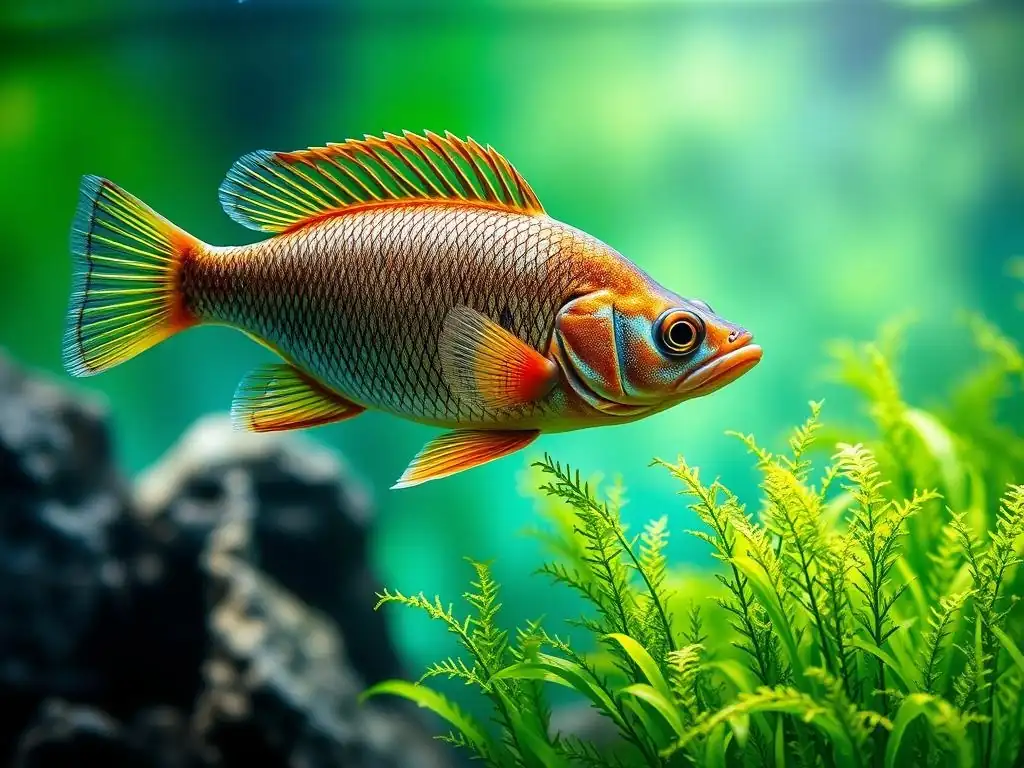
While there are numerous Ancistrus species and color morphs available, the most commonly available and effective for general algae control is the common Bristlenose Pleco ( Ancistrus cirrhosus or various Ancistrus sp.). Varieties like albino, super red, or longfin Bristlenoses share the same excellent algae-eating habits. When selecting an Ancistrus, look for active, curious specimens with a plump, rounded belly, indicating they are well-fed and healthy.
Avoid fish that appear lethargic, have a sunken belly, or show signs of fin damage or disease, as these individuals may struggle to adapt and perform their algae-eating duties effectively. A healthy Bristlenose will readily attach to the glass or decorations and begin grazing shortly after introduction, demonstrating their potential for effective Ancistrus algae control.
Preparing the Tank for Ancistrus Algae Control
Proper tank preparation is fundamental for maximizing the effectiveness of Ancistrus algae control. Ensure your aquarium is at least 20 gallons (75 liters) for a single adult. The tank should be well-cycled and mature before introducing an Ancistrus, as this ensures stable water parameters and a healthy environment. Provide ample hiding spots such as caves, PVC pipes, or rock formations, which are crucial for these shy, bottom-dwelling fish.
Most importantly, include several pieces of driftwood. Ancistrus plecos require driftwood not just for hiding, but also for rasping. The cellulose from the wood aids in their digestion and overall health. Maintaining stable water parameters within their preferred range (pH 6.5-7.5, temperature 72-80°F) and ensuring efficient filtration will create an optimal habitat where your Ancistrus can thrive and diligently graze.
Supplementing the Ancistrus Diet for Optimal Algae Consumption
Even with a tank full of algae, supplementing your Ancistrus's diet is a critical Ancistrus algae control tip for their long-term health and sustained effectiveness. While they consume large quantities of algae, they often benefit from additional nutrition. Offer high-quality sinking algae wafers or spirulina pellets a few times a week, preferably after lights out, to ensure they get enough to eat without competition from faster-moving tank mates.
Beyond commercial foods, blanched vegetables are an excellent dietary addition. Zucchini slices, cucumber, spinach, or shelled peas can be offered several times a week. Secure them with a veggie clip or weigh them down to prevent them from floating. Ensuring your Ancistrus is well-fed prevents them from becoming malnourished and encourages them to continue their valuable algae-grazing activities throughout the tank.
Otocinclus Algae Control Tips: Creating a Thriving Environment
Introducing Otocinclus to a Mature Aquarium
One of the most crucial Otocinclus algae control tips is to introduce them only to mature, well-established aquariums. New tanks typically lack the stable biofilm and consistent soft algae growth that Otocinclus rely on for sustenance, making them highly susceptible to starvation in such environments. Ideally, the tank should have been running for at least 3-6 months with stable water parameters and some visible soft algae.
When introducing Otocinclus, always do so in groups of at least 3-5 individuals, as they are schooling fish and thrive in numbers, which significantly reduces their stress levels. Utilize a slow drip acclimation method over several hours to gradually adjust them to your tank's water parameters, as they are particularly sensitive to sudden changes. This careful introduction process greatly increases their chances of survival and effectiveness as algae eaters.
Maintaining Pristine Water Quality for Otocinclus Health and Algae Consumption
Otocinclus catfish are notoriously sensitive to poor water quality, making pristine conditions paramount for their health and continued algae consumption. They are highly intolerant of ammonia, nitrite, and even elevated nitrate levels. Regular partial water changes, typically 25-30% weekly, are essential to keep these parameters in check and remove excess nutrients that could fuel algae growth.
Consistent monitoring of water parameters using a reliable test kit is also advised. Ensure stable pH (6.0-7.5) and temperature (72-78°F) within their preferred range. Good oxygenation and gentle water flow are also beneficial. By diligently maintaining excellent water quality, you not only ensure the well-being of your Otocinclus but also reduce the underlying causes of algae, enhancing their natural Otocinclus algae control capabilities.
Recognizing Signs of Stress in Otocinclus and Addressing Them
Recognizing signs of stress in Otocinclus early can be critical for their survival and continued algae-eating effectiveness. Common indicators of stress include pale coloration, clamped fins held close to their body, rapid gill movement, erratic darting, or excessive hiding. A sunken belly is a definitive sign of starvation, indicating they are not getting enough food.
If you observe these signs, immediately check your water parameters for any spikes in ammonia, nitrite, or nitrate, or sudden pH or temperature fluctuations. Address any issues promptly with water changes. Ensure they have enough suitable food sources, especially if algae levels are low, by offering supplemental algae wafers or blanched vegetables. Providing plenty of hiding spots and maintaining a peaceful tank environment with appropriate tank mates will also help reduce stress and encourage active grazing.
Ancistrus vs. Otocinclus: Which is Better for Brown Algae Removal?
Algae Eating Efficiency: A Direct Comparison
When it comes to pure brown algae (diatom) removal, Otocinclus catfish generally hold an edge due to their specialized feeding habits and smaller size. Their preference for soft, dusty films and ability to school allows them to meticulously graze large areas, including tight crevices and delicate plant leaves, making them incredibly efficient at clearing diatoms. A group of 5-6 Otos can quickly clean a 10-20 gallon tank of brown algae.
Ancistrus, or Bristlenose Plecos, are more versatile. While excellent at consuming brown algae, they also tackle green film algae, biofilm, and can even scrape some tougher green spot algae or hair algae if other food sources are scarce. They are more robust and can handle a wider range of tank conditions than Otocinclus. For a significant brown algae outbreak, Otocinclus might offer a faster initial cleanup, but Ancistrus provide a broader spectrum of algae control and are more durable long-term inhabitants for larger tanks.
Tank Compatibility: Considering Tank Mates for Ancistrus and Otocinclus
Tank compatibility is a crucial factor when choosing between these two algae eaters. Ancistrus are generally peaceful bottom dwellers, but adult males can be territorial with other male Ancistrus or similar bottom-dwelling species in smaller tanks. They are compatible with most peaceful community fish like tetras, rasboras, gouramis, and larger peaceful cichlids. Avoid highly aggressive or predatory fish that might harass them or view them as food.
Otocinclus, on the other hand, are extremely peaceful and timid. They are ideal for community tanks with small, non-aggressive fish such as neon tetras, chili rasboras, dwarf gouramis, and most livebearers. They are easily stressed by boisterous or large tank mates who might outcompete them for food or simply make them feel unsafe. Keeping them with aggressive fish can lead to chronic stress and early demise.
Long-Term Algae Control: Sustainability and Maintenance
Neither Ancistrus nor Otocinclus should be viewed as a standalone solution for long-term algae control. While they are invaluable allies, relying solely on them without addressing the root causes of algae growth will lead to recurring problems. Algae growth is often a symptom of underlying imbalances in the aquarium ecosystem, such as excessive light, high nutrients (nitrates, phosphates), or high silicates.
The most sustainable approach involves integrating algae eaters into a comprehensive maintenance strategy. This includes consistent tank cleaning, regular partial water changes, controlled lighting cycles (typically 8-10 hours per day), and appropriate feeding practices to prevent nutrient buildup. Combining effective Ancistrus algae control tips or Otocinclus care with these diligent practices offers the best chance for a balanced, clear, and thriving aquarium environment.
Beyond Algae Eaters: Integrated Algae Control Strategies
The Importance of Proper Lighting to Prevent Algae Growth
Lighting plays a pivotal role in algae growth within an aquarium. Excessive light intensity or prolonged light duration is one of the most common culprits behind algae outbreaks. Many aquarists leave their lights on for too long, sometimes 12-14 hours a day, which provides ample opportunity for algae to proliferate. Implementing a consistent lighting schedule, typically 8-10 hours per day, using a timer, can significantly curb algae growth.
Furthermore, ensure the light spectrum and intensity are appropriate for your tank's needs. If you have low-light plants or a fish-only tank, using high-intensity plant grow lights for extended periods can inadvertently fuel algae. Even reducing the light duration by just one or two hours can make a noticeable difference in preventing new algae blooms and making your algae eaters' job much easier.
Regular Water Changes and Substrate Cleaning
Regular partial water changes are paramount in any effective algae control strategy, beyond just relying on algae eaters. Performing weekly or bi-weekly water changes of 25-50% helps to dilute and remove excess nutrients, such as nitrates and phosphates, which serve as primary food sources for algae. This direct removal of nutrients is often more effective than simply waiting for algae to consume them.
Coupled with water changes, thorough substrate cleaning using a gravel vacuum is essential. Uneaten food, fish waste, and decaying plant matter accumulate in the substrate, breaking down into nitrates and phosphates. Regularly siphoning these detritus pockets removes a significant nutrient source for algae, contributing to a cleaner tank and reducing the overall algae load.
Using Algae-Control Chemicals (Use with Caution)
Algae-control chemicals should always be considered a last resort in managing aquarium algae. While they can provide a quick fix by killing existing algae, they often do not address the underlying cause of the problem. This means that once the chemical's effect wears off, the algae is likely to return if the conditions that favored its growth persist. Moreover, many algae-killing chemicals can be harsh on sensitive fish, invertebrates like snails and shrimp, and even some live plants.
If you choose to use an algae-control chemical, always follow the manufacturer's instructions precisely and monitor your tank inhabitants closely for any signs of stress. Consider spot treatments for specific problem areas rather than dosing the entire tank. It's crucial to remember that chemicals are a temporary solution; a sustainable, long-term approach to algae control always involves addressing the fundamental imbalances in your aquarium ecosystem.
Troubleshooting: When Your Algae Eaters Aren't Eating Algae
Identifying Potential Health Problems in Ancistrus and Otocinclus
If your Ancistrus or Otocinclus are not actively grazing on algae, the first step is to assess their health. Observe them closely for any signs of illness: lethargy, clamped fins, discolored patches, rapid breathing, or unusual behavior like darting aimlessly. A fish that is sick or stressed will often lose its appetite and cease its normal activities, including algae consumption.
Additionally, pay close attention to their body condition. A sunken belly is a clear indication of starvation, suggesting they are not getting enough food, whether it's algae or supplemental fare. If you notice these signs, it's crucial to identify and address the underlying health issue, as a healthy fish is a productive algae eater.
Addressing Water Parameter Issues Affecting Algae Consumption
Poor water quality is a frequent cause of reduced activity and appetite in aquarium fish, including algae eaters. High levels of ammonia, nitrite, or nitrate can be toxic, leading to stress, lethargy, and a general disinterest in food. Test your water parameters regularly using a reliable kit. If any levels are elevated, perform immediate partial water changes to bring them back within safe ranges.
Ensure that the pH and temperature of your aquarium water are stable and within the preferred range for your specific species of Ancistrus or Otocinclus. Sudden or significant fluctuations in these parameters can also induce stress, making your fish less likely to graze. A stable, clean, and appropriately conditioned environment is paramount for encouraging active algae consumption.
Preventing Overfeeding to Encourage Algae Grazing
One common reason why your algae eaters might not be consuming algae is simply because they are already full from other food sources. Overfeeding other tank inhabitants often leads to excess food sinking to the bottom, where it becomes an easy meal for Ancistrus and Otocinclus. If supplemental food is readily available, they may prioritize it over the effort of scraping algae from surfaces.
To encourage your algae eaters to focus on their natural diet, feed your other fish only what they can consume within 2-3 minutes. If you consistently see uneaten food on the substrate after feeding time, you are likely overfeeding. Reducing the amount of supplemental food provided to the tank will motivate your Ancistrus and Otocinclus to resume their vital algae-grazing duties, making your Ancistrus algae control tips more effective.
Conclusion: Choosing the Right Algae Eater for Your Aquarium Algae Problems
Key Considerations for Selecting Ancistrus or Otocinclus
When facing brown algae issues, selecting between an Ancistrus (Bristlenose Pleco) and Otocinclus catfish requires careful consideration of your aquarium's specific characteristics. First, evaluate your tank size: Ancistrus typically need a minimum of 20 gallons (75 liters), while Otocinclus can thrive in tanks as small as 10 gallons (38 liters), but always in groups. Second, assess the primary type of algae: Otocinclus are unparalleled for soft, dusty brown diatoms, whereas Ancistrus offer broader utility against various algae types, including some tougher green films.
Furthermore, consider your tank's maturity and stability. Otocinclus are highly sensitive and require a well-established, mature tank with stable water parameters and existing biofilm. Ancistrus are generally more adaptable but still benefit greatly from stable conditions. Finally, evaluate your existing tank mates to ensure compatibility, as timid Otocinclus can easily be stressed by larger, boisterous fish, while Ancistrus can be territorial with other bottom dwellers.
Maintaining a Balanced Ecosystem for Long-Term Algae Control
Ultimately, algae eaters like Ancistrus and Otocinclus are valuable tools in the fight against brown algae, but they are not a complete solution on their own. They serve as an integral part of a balanced ecosystem, working in conjunction with proper aquarium husbandry practices. Relying solely on these fish without addressing the root causes of algae growth will lead to recurring problems and frustration.
For long-term algae control, integrate your chosen algae eaters into a holistic strategy that includes consistent lighting schedules (8-10 hours), regular partial water changes (25-50% weekly), thorough substrate cleaning, and mindful feeding to prevent nutrient buildup. By understanding the causes of algae and implementing comprehensive strategies, including effective Ancistrus algae control tips and Otocinclus care, you can maintain a clear, thriving, and aesthetically pleasing aquatic environment for years to come.
Frequently Asked Questions
Will an Ancistrus really help control brown algae (diatoms) in my aquarium?
Yes, Ancistrus catfish, also known as bristlenose plecos, are generally quite effective at consuming brown algae on surfaces like glass, decorations, and plants. However, their effectiveness can vary depending on the amount of algae present.
How many Ancistrus do I need for effective algae control in my tank?
It depends on the tank size. Generally, one Ancistrus is sufficient for a standard aquarium (20-40 gallons). Overstocking can lead to competition for food and increased bioload.
What other algae besides brown algae will an Ancistrus eat?
While they primarily target brown algae (diatoms), Ancistrus will also consume some green algae when available. They are less effective on other types like hair algae or black beard algae.
Are there any downsides to using Ancistrus for algae control?
Ancistrus can produce a significant amount of waste, so adequate filtration is crucial. Also, as they mature, their algae-eating habits may decrease, requiring supplemental feeding.
What should I feed my Ancistrus besides algae to ensure they thrive?
Supplement their diet with algae wafers, blanched vegetables (zucchini, spinach), and occasional protein sources like sinking pellets to ensure they receive balanced nutrition beyond just the algae in the tank.
Final Reflection: The Murky Waters of Balance
The quest for a pristine aquarium, free from the persistent brown algae bloom, is a microcosm of our broader search for harmony in the natural world. This article, while focused on the practical application of Ancistrus and Otocinclus algae control tips, underscores a deeper truth: sustainable solutions require understanding and respect for the delicate balance within any ecosystem, be it a glass tank or the vast ocean.
The enduring appeal of these algae-eating fish lies not just in their practical function, but also in their symbolic role as natural custodians. My own experiences observing these creatures have instilled a profound appreciation for the interconnectedness of life within an aquarium. In nature, nothing exists alone.
- Rachel Carson. This quote resonates deeply, reminding us that effective algae control isn't simply about eliminating a problem, but about fostering a thriving, self-regulating environment.
As you consider the information shared in this article, I encourage you to reflect on the broader implications of responsible stewardship. Whether you're a seasoned aquarist or just beginning your journey, remember that every action, no matter how small, contributes to the overall health and well-being of your aquatic world. Embrace the challenge, observe with patience, and strive to create an ecosystem where both your fish and your plants can flourish, free from the brown algae blues.
Unleash the Brown Algae Fighters!
Thank you for diving into the world of brown algae and its aquarium inhabitants. We hope you've gained valuable insights into tackling this common aquarium nuisance. Now, it's time to put your knowledge into action and create a cleaner, healthier environment for your aquatic pets!
Here are a few things you can do next:
- Take the plunge and introduce either an Ancistrus or Otocinclus (or both!) to your tank. Observe their algae-eating habits and enjoy a visibly cleaner aquarium.
- Share this article with fellow aquarium enthusiasts who might be struggling with brown algae battles.
- Experiment with reducing your aquarium's lighting duration and intensity to starve the algae at its source. Document your findings!
What's one unique method you'll try this week to combat brown algae, and how do you plan to track its effectiveness in your aquarium?