
Severum Tank Size: Giving Your Gentle Giant the Spacious Home It Deserves

Welcome to Aquarium Mastery!
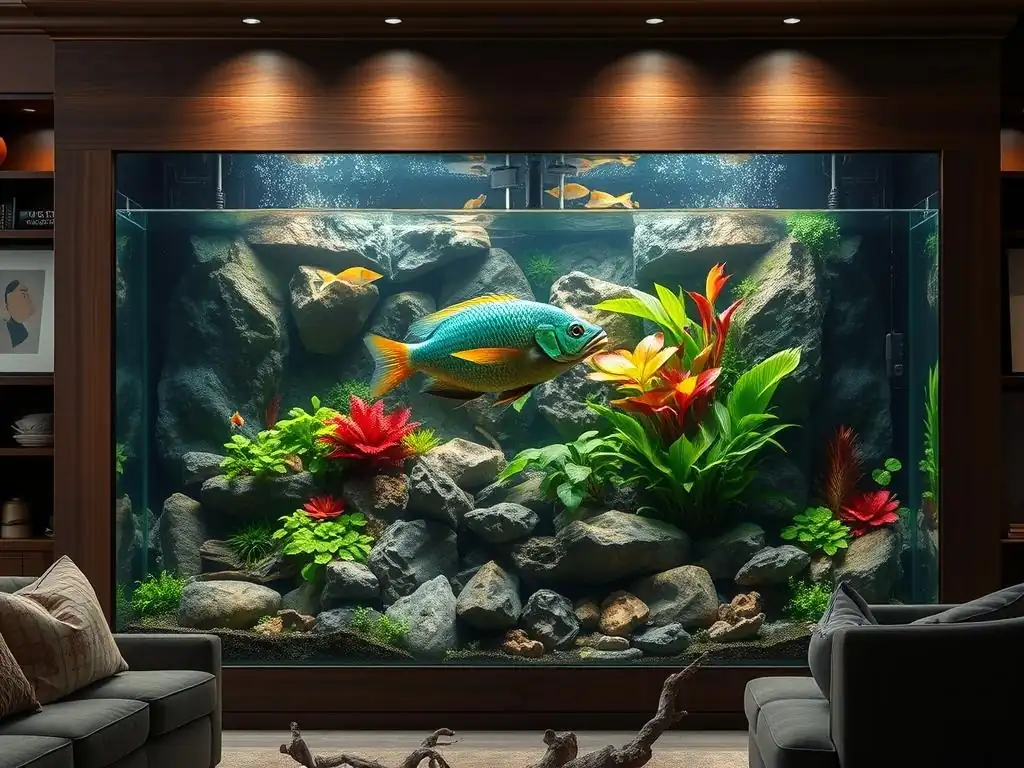
Curious about giving your majestic Severum the thriving environment it deserves? You've come to the right place! Discover everything you need to know about Severum tank size requirements and unlock the secrets to providing these gentle giants with a spacious and happy home. Get ready to dive in and learn how to create the perfect freshwater haven for your Severum – your journey to aquarium mastery starts now!
- Understanding Severum Fish and Their Needs
- Determining the Ideal Severum Tank Size
- Severum Tank Size Recommendations: Single Fish vs. Community
- Setting Up Your Severum Tank: Beyond Size
- Maintaining a Healthy Severum Tank: Water Quality and Care
- Common Mistakes to Avoid When Choosing a Severum Tank
- Upgrading Your Severum Tank: Recognizing the Need for More Space
- Severum Tank Size: A Summary of Key Considerations
-
Frequently Asked Questions
- What is the minimum tank size recommended for keeping a single Severum?
- Why is tank size so important for Severums?
- Can I keep multiple Severums together in a smaller tank if I provide enough hiding places?
- What factors besides the number of Severums should I consider when determining tank size?
- What are the potential consequences of keeping a Severum in a tank that is too small?
- Final Reflection: Cultivating Space, Cultivating Life
- Give Your Severum the Space to Thrive!
Understanding Severum Fish and Their Needs
Introducing the Severum: A Gentle Giant of the Aquarium
The Severum, scientifically known as Heros severus, is a captivating freshwater cichlid native to the Amazon basin and its tributaries in South America. Often referred to as the "Poor Man's Discus" due to its discus-like body shape and calm demeanor, this species is highly prized by aquarists for its striking coloration and generally peaceful temperament, especially when compared to other large cichlids.
Adult Severums typically reach a size of 6 to 8 inches (15-20 cm), with some impressive specimens growing up to 10 inches (25 cm) under optimal conditions. Their potential for a long lifespan, often exceeding 10-15 years with proper care, makes them a significant long-term commitment for any hobbyist.
Despite their substantial size, Severums are known for their relatively placid nature, making them suitable for certain community tank setups, provided their specific needs are met. They are intelligent and can even recognize their owners, displaying curious and engaging behaviors. However, their size and natural behaviors, such as sifting through substrate and occasionally nipping at delicate plants, necessitate a well-thought-out environment. Understanding these fundamental characteristics is the first step in appreciating the critical role that proper Severum tank size requirements play in their overall health and happiness.
Why Proper Tank Size Matters for Severum Health and Well-being
Providing an appropriately sized aquarium for your Severum is paramount to its health, longevity, and behavioral expression. A tank that is too small can lead to a multitude of severe issues, starting with stunted growth. While a fish might appear to stop growing in a cramped environment, its internal organs continue to develop, leading to deformities, organ failure, and a significantly shortened lifespan. This physical stunting is a clear indicator of chronic stress and poor health.
Beyond physical development, inadequate Severum tank size directly impacts the fish's psychological well-being and social dynamics. Severums, even the more peaceful ones, require sufficient territory to feel secure and to minimize aggression, especially when housed with tank mates or other Severums. A confined space intensifies stress, leading to suppressed immune systems and making the fish highly susceptible to common diseases like Ich or Hole-in-the-Head disease.
Furthermore, a larger water volume is inherently more stable in terms of water parameters, allowing for better dilution of waste products and reducing the frequency of drastic fluctuations that can shock and harm these sensitive cichlids. Therefore, meeting the appropriate Severum tank size requirements is not merely about accommodating their physical dimensions but ensuring a thriving, stress-free existence.
Determining the Ideal Severum Tank Size
Minimum Severum Tank Size: A Crucial Starting Point
When considering Severum tank size requirements, the absolute minimum for a single adult Severum is generally considered to be a 55-gallon aquarium. This provides just enough swimming space for an average-sized adult and helps manage their bioload. A 55-gallon tank, typically measuring 48 inches long by 13 inches wide by 21 inches high, offers the necessary linear swimming room that these fish appreciate.
However, it is crucial to understand that "minimum" does not equate to "optimal." This size might be suitable for a juvenile Severum for a limited period, but as they approach their full adult size of 6-8 inches, the space quickly becomes restrictive.
Many experienced aquarists would argue that a 75-gallon tank is a much more humane and practical minimum for a single adult Severum. A 75-gallon tank, often measuring 48 inches long by 18 inches wide by 21 inches high, provides significantly more width, which is vital for Severums to turn comfortably and establish a small territory.
This additional width greatly enhances the fish's quality of life, reduces stress, and contributes to more stable water parameters due to the increased water volume. Investing in at least a 75-gallon tank from the outset for a single Severum is a wise decision that prevents the need for an immediate upgrade as the fish matures.
Factors Influencing Severum Tank Size: Beyond the Bare Minimum
While the minimum Severum tank size provides a baseline, several critical factors must be considered to determine the truly ideal setup. These elements go beyond merely accommodating the fish's physical dimensions and delve into their social behavior, environmental needs, and the overall bioload of the aquarium. Ignoring these factors can lead to an overcrowded, stressful, and unhealthy environment, even if the tank technically meets the "minimum" gallon requirement.
The complexity of a Severum setup increases significantly when planning for multiple fish or a community tank. Each additional inhabitant, whether another Severum or a compatible tank mate, adds to the bioload and requires its own share of space to thrive. Furthermore, the way the aquarium is decorated and organized directly impacts the usable swimming area, highlighting that gallon capacity alone is not the sole determinant of adequate Severum tank size requirements.
Number of Severums: Calculating Space per Fish
When housing multiple Severums, the tank size must increase dramatically to accommodate their territorial needs and reduce potential aggression. While a single Severum can manage in a 75-gallon tank, adding a second Severum typically necessitates an upgrade to at least a 90-gallon or, ideally, a 125-gallon aquarium.
For a small group of 3-4 Severums, a tank of 150 gallons or larger becomes essential. The common "gallon per inch" rule, where each inch of fish requires a certain number of gallons, is often insufficient for large cichlids like Severums, as it fails to account for their body mass, territoriality, and high waste production.
Instead, focus on providing ample linear swimming space and sufficient width for multiple fish to establish their own zones without constant confrontation. For instance, a 125-gallon tank (72" L x 18" W x 22" H) offers a significantly longer footprint than a 75-gallon, allowing a pair or small group to coexist more peacefully. This increased space helps diffuse aggression and provides individual fish with sufficient room to retreat if conflicts arise, which is a crucial aspect of meeting Severum tank size requirements for groups.
Tank Mates: Accounting for Community Fish
If you plan to keep your Severum in a community tank with other species, the overall tank size must be considerably larger than for a Severum-only setup. Each additional fish, regardless of its size, contributes to the bioload and occupies valuable swimming space. For instance, if you intend to house your Severum with a school of large tetras like Congo Tetras or a peaceful pleco such as a Bristlenose Pleco, you should add at least 20-30 gallons to the tank size recommendation for the Severum itself, depending on the number and size of the tank mates.
When selecting tank mates, consider their adult size, activity level, and specific environmental needs to ensure compatibility and prevent overcrowding. Fast-swimming, dither fish can help Severums feel more secure, but they still require their own space. Overlooking the space requirements of companion fish can quickly lead to an overcrowded environment, increasing stress for all inhabitants and making it much harder to maintain stable water quality, directly impacting the Severum tank size requirements.
Aquascaping and Decoration: Providing Adequate Swimming Space
The way you aquascape your Severum tank has a significant impact on the actual usable swimming space available to your fish, regardless of the tank's gallon capacity. Heavily decorated tanks, while aesthetically pleasing and providing hiding spots, can drastically reduce the open water column that Severums need for unobstructed swimming. Severums are active swimmers and require ample horizontal space to cruise around, especially in the mid-to-lower levels of the tank.
Therefore, when planning your aquascape, strike a balance between providing sufficient hiding places (such as caves, driftwood, or rock formations) and maintaining large, open swimming areas. Ensure that any decor is smooth and free of sharp edges to prevent injuries to your fish. If using live plants, opt for hardy, well-rooted species that can withstand being occasionally uprooted by larger Severums, and secure them firmly. Remember that every piece of decor displaces water and occupies space, so carefully consider its placement to maximize the functional Severum tank size.
Severum Tank Size Recommendations: Single Fish vs. Community
Recommended Tank Size for a Single Severum
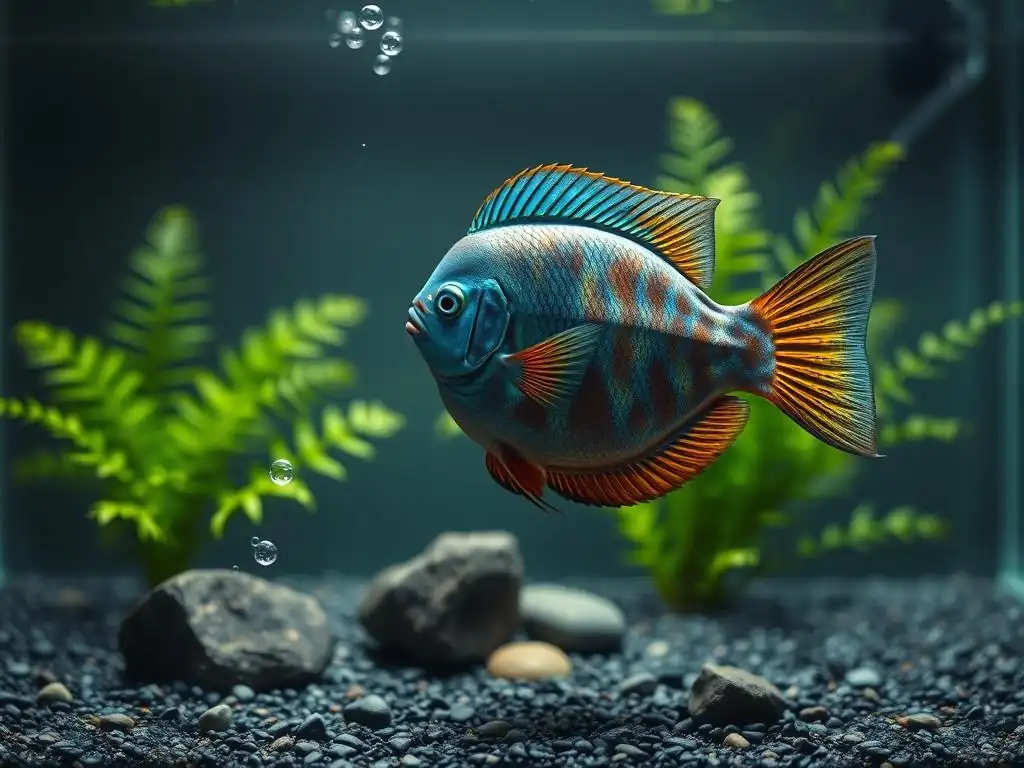
For a single adult Severum, the recommended minimum tank size is 75 gallons. While a 55-gallon tank can temporarily house a smaller juvenile, a 75-gallon aquarium provides the necessary length (typically 48 inches) and, crucially, the additional width (18 inches versus 13 inches for a 55-gallon) that allows a Severum to turn comfortably and establish a small territory without feeling confined. This larger volume also offers greater stability in water parameters, which is vital for reducing stress and promoting the long-term health of your fish.
A 75-gallon tank allows for adequate swimming space, which is essential for these active cichlids, and provides enough room for essential filtration equipment and appropriate aquascaping without feeling cramped. Opting for a 75-gallon or larger from the start is a wise investment that supports the Severum's full growth potential and provides a more enriching environment, aligning perfectly with optimal Severum tank size requirements.
Optimal Tank Size for a Severum Community Tank
If you plan to keep multiple Severums or house them with other compatible large fish, the Severum tank size requirements increase significantly. For a pair of Severums, a 90-gallon to 125-gallon tank is highly recommended. A 125-gallon tank, often measuring 72 inches in length, offers considerably more linear swimming space and depth, which is crucial for diffusing potential aggression between the pair and allowing them to establish distinct territories. This larger footprint minimizes stress and promotes more natural behaviors.
For a larger community of 3-4 Severums or a mixed community with other peaceful large fish (e.g., large tetras, plecos, or other peaceful cichlids), an aquarium of 150 gallons or more is considered optimal. Tanks in this size range, such as 180-gallon or 210-gallon setups, provide ample room for all inhabitants to thrive, reduce territorial disputes, and allow for a much more stable ecosystem. This generous space is key to successful long-term community keeping of Severums, ensuring their well-being and preventing issues related to overcrowding.
Severum Tank Size Considerations for Breeding Pairs
Breeding Severums often necessitates a dedicated setup to ensure success and minimize stress on the spawning pair. While a breeding pair might temporarily coexist in a larger community tank, a separate breeding tank of 75 to 90 gallons is frequently recommended. This isolated environment allows the pair to focus on spawning without the interference or aggression of other tank mates, which can lead to egg consumption or injury.
In a dedicated breeding tank, the pair can establish and defend their chosen spawning site (often a flat rock or piece of slate) and protect their fry more effectively. The smaller, dedicated tank also simplifies the process of managing water parameters specifically for breeding and raising fry, such as slightly softer, more acidic water. Once the fry begin to grow, their own Severum tank size requirements will rapidly increase, necessitating either frequent culling or larger grow-out tanks.
Setting Up Your Severum Tank: Beyond Size
Choosing the Right Tank Dimensions: Length, Width, and Height
While overall gallon capacity is important for Severum tank size, the specific dimensions of the aquarium play an equally crucial role in providing an appropriate environment. For Severums, length and width are far more critical than height. These fish are primarily horizontal swimmers and require ample linear space to cruise and explore. A tank that is tall but narrow will not provide the functional swimming area they need, even if it has a high gallon rating.
Therefore, when selecting an aquarium, prioritize tanks with a longer footprint (e.g., 48 inches for a 75-gallon, 72 inches for a 125-gallon) and a good width (at least 18 inches). The extra width allows Severums to turn comfortably, provides more space for aquascaping without impeding swimming lanes, and offers a larger surface area for gas exchange, benefiting overall water quality. A 6-foot long tank (e.g., 125-gallon or 180-gallon) is ideal for multiple Severums or a robust community, providing abundant horizontal territory.
Essential Equipment for a Healthy Severum Tank: Filtration, Heating, and Lighting
Beyond the Severum tank size itself, robust equipment is non-negotiable for maintaining a healthy environment for these large cichlids. Filtration is paramount; Severums produce a significant bioload, so aim to over-filter. High-quality canister filters (e.g., Fluval FX series, Eheim Professional) are highly recommended, providing excellent mechanical, biological, and chemical filtration. Look for filters rated to turn over the tank's volume 5 to 10 times per hour; for a 75-gallon tank, this means a filter with a flow rate of 375-750 gallons per hour (GPH). Running two smaller filters can also provide redundancy and distributed flow.
Heating is equally crucial, as Severums are tropical fish requiring stable temperatures between 75-82°F (24-28°C). For tanks 75 gallons and larger, it's advisable to use two heaters of appropriate wattage (e.g., two 150W heaters for a 75-gallon tank) positioned at opposite ends of the tank. This ensures even heat distribution and provides a backup in case one heater fails. Lighting for Severums is moderate; they do not require intense light. Full-spectrum LED lights are suitable, providing enough illumination for viewing and plant growth without stressing the fish. Avoid excessively bright lights that can make them skittish.
Creating a Severum-Friendly Environment: Substrate, Decor, and Plants
The internal environment of your Severum tank should be designed to mimic their natural habitat and cater to their behaviors. For substrate, fine sand or smooth, small-grain gravel is highly recommended. Severums are known to sift through the substrate with their mouths in search of food, and coarse or sharp gravel can damage their delicate mouthparts. A substrate depth of 2-3 inches is generally sufficient.
Decorations should provide visual barriers, hiding spots, and territorial markers without impeding swimming space. Smooth river rocks, driftwood, and ceramic caves are excellent choices. Ensure all decor items are free of sharp edges that could injure your fish. Plants can be included, but choose hardy species that can tolerate being occasionally uprooted by digging Severums.
Anubias, Java Ferns, and larger Amazon Swords are good options, especially if anchored to driftwood or rocks. Some aquarists opt for potted plants or those grown emersed to prevent uprooting. Providing a well-structured environment that complements the Severum tank size will significantly enhance your fish's comfort and natural behavior.
Maintaining a Healthy Severum Tank: Water Quality and Care
Importance of Regular Water Changes for Severum Well-being
Regular water changes are arguably the most critical aspect of maintaining optimal water quality for Severums, directly impacting their health and the stability of their environment. Even with excellent filtration and appropriate Severum tank size, metabolic waste products, particularly nitrates, accumulate over time. Nitrates, while less immediately toxic than ammonia or nitrite, become harmful at elevated levels (above 20 ppm) and can lead to chronic stress, suppressed immune function, and a condition known as "hole-in-the-head" disease in cichlids.
Performing frequent, partial water changes dilutes these harmful compounds and replenishes essential trace minerals that are depleted over time. For a well-stocked Severum tank, a weekly water change of 25-30% of the tank volume is highly recommended. For instance, in a 75-gallon tank, this means removing and replacing 18-22 gallons of water each week. In heavily stocked tanks, or if nitrate levels consistently creep up, a 50% bi-weekly change might be necessary. Consistent water changes are fundamental to meeting the Severum tank size requirements for a thriving ecosystem.
Monitoring Water Parameters: Ammonia, Nitrite, and Nitrate Levels
Continuous monitoring of key water parameters is essential for the health of your Severums. Ammonia and nitrite, highly toxic byproducts of the nitrogen cycle, must always be at 0 parts per million (ppm). Any detectable levels indicate an issue with your biological filtration or an overloaded system, requiring immediate attention. Nitrates, the end product of the nitrogen cycle, should ideally be kept below 20 ppm, with many experienced aquarists aiming for below 10 ppm for sensitive fish. Regular testing with a reliable liquid test kit (not test strips, which can be inaccurate) is crucial.
Beyond the nitrogen cycle, Severums thrive in slightly acidic to neutral water with a pH range of 6.0-7.5. Their preferred water hardness is soft to moderately hard, with a General Hardness (GH) of 5-12 dGH and Carbonate Hardness (KH) of 3-8 dKH. Stable parameters are more important than hitting exact numbers; drastic fluctuations in pH or hardness can be more stressful than slightly off but stable readings. Regular testing allows you to identify trends and intervene before problems escalate, reinforcing the importance of diligent care alongside adequate Severum tank size.
Feeding Your Severum: A Balanced Diet for Optimal Growth
Severums are omnivores with a significant preference for plant matter in their diet, a characteristic that differentiates them from many other cichlids. Providing a balanced and varied diet is crucial for their optimal growth, vibrant coloration, and overall health. The primary staple of their diet should be high-quality cichlid pellets or flakes specifically formulated for herbivorous or omnivorous cichlids, ensuring they receive essential vitamins and minerals.
Supplementing their staple diet with blanched vegetables is highly beneficial. Offer items such as blanched peas (shelled), spirulina flakes, zucchini slices, or spinach. These plant-based foods aid digestion and provide necessary fiber. Occasional protein sources like bloodworms, brine shrimp, or earthworms can be given as treats, but should not constitute the majority of their diet. Feed your Severums 2-3 times daily, offering only small amounts that they can consume within a few minutes to prevent overfeeding and water quality degradation. A consistent, high-quality diet, combined with appropriate Severum tank size requirements, will ensure your fish thrives.
Common Mistakes to Avoid When Choosing a Severum Tank
Underestimating Severum Growth Potential
One of the most frequent and detrimental mistakes made by new Severum owners is severely underestimating the fish's adult size and rapid growth rate. Many hobbyists purchase Severums as small, juvenile fish, often only 2-3 inches long, believing they will remain small or grow slowly. In reality, a healthy Severum can quickly reach its adult size of 6-8 inches within 12-18 months with proper feeding and care. A tank that seems adequate for a juvenile, such as a 20 or 30-gallon tank, quickly becomes a severely overcrowded and stressful environment for a growing Severum.
This underestimation often leads to stunted growth, where the fish's external growth ceases, but its internal organs continue to develop, leading to deformities and a shortened, painful life. It also exacerbates aggression, stress, and susceptibility to disease. Always plan your Severum tank size based on the fish's adult size, not its juvenile size, to avoid this common pitfall and ensure your fish has the space it needs to thrive from the beginning.
Overcrowding the Tank: Stress and Disease Risks
Overcrowding is a direct consequence of underestimating Severum tank size requirements or adding too many fish to a seemingly large aquarium. When too many fish are confined to a limited space, several critical issues arise. Firstly, the bioload dramatically increases, leading to rapid accumulation of ammonia, nitrite, and nitrate, even with robust filtration. This constant exposure to toxins severely compromises water quality and stresses the fish.
Secondly, overcrowding intensifies territorial disputes and aggression among Severums and towards other tank mates. This chronic stress weakens the fish's immune system, making them highly susceptible to various diseases, including bacterial infections, fin rot, and parasitic infestations like Ich or Hole-in-the-Head disease. Symptoms often include clamped fins, faded colors, rapid breathing, and lethargy. Avoiding overcrowding by adhering to appropriate Severum tank size recommendations is paramount for preventing these widespread health and behavioral problems.
Neglecting Water Quality: The Consequences of Inadequate Filtration
Even with a generously sized Severum tank, neglecting water quality through inadequate filtration or infrequent maintenance can lead to disastrous consequences. A large water volume helps dilute waste, but it does not eliminate the need for powerful filtration and regular water changes. Without sufficient mechanical filtration, particulate matter builds up, clouding the water and providing breeding grounds for harmful bacteria. Inadequate biological filtration means toxic ammonia and nitrite will not be converted into less harmful nitrates, leading to direct poisoning of your fish.
Persistently high nitrate levels, even if ammonia and nitrite are zero, will cause chronic stress, suppress the immune system, and contribute to health issues over time. Symptoms of poor water quality often include labored breathing, lethargy, loss of appetite, and eventually, organ damage and death. Therefore, investing in high-quality filtration systems and committing to a consistent maintenance schedule, including regular water changes, is as crucial as selecting the correct Severum tank size for long-term fish health.
Upgrading Your Severum Tank: Recognizing the Need for More Space
Signs Your Severum Needs a Larger Tank
Even if you started with a seemingly appropriate Severum tank size, your fish might eventually show signs that it needs more space, especially if it's growing faster than anticipated or if tank mates are added. One of the most common indicators is increased aggression or territorial disputes, even among previously peaceful Severums. If fish are constantly chasing, nipping, or hiding to avoid confrontation, it often signals insufficient territory. Another crucial sign is stunted growth; if your Severum appears disproportionately small for its age, with large eyes relative to its body, it's likely suffering from stunting due to confinement.
Other warning signs include chronic stress symptoms such as faded colors, clamped fins, rapid breathing, constant hiding, or a loss of appetite. Persistent water quality issues, like nitrates rapidly spiking between water changes despite regular maintenance, also indicate that the bioload is too high for the current tank volume. Finally, if your Severum appears to constantly bump into tank walls or decor, or simply lacks open swimming space, it's a clear signal that the current Severum tank size is no longer adequate for its needs.
How to Safely Transfer Your Severum to a New Tank
Safely transferring your Severum to a larger tank is a critical process that requires careful planning to minimize stress and potential harm. First and foremost, the new tank must be fully set up and cycled before the transfer. This means the biological filter is established, and ammonia and nitrite levels are at zero, with nitrates below 20 ppm. The new tank should also be heated to the same temperature as the old tank and have similar water parameters (pH, hardness) to prevent shock.
Once the new tank is ready, dim the lights in both tanks to reduce stress. Use a large, soft net or, ideally, a plastic container to gently scoop the Severum from its old tank. Avoid chasing the fish excessively, as this causes unnecessary stress. Transfer the fish to a separate bucket with water from its old tank.
Then, slowly acclimate the Severum to the new tank's water parameters using the drip acclimation method, gradually adding water from the new tank to the bucket over 1-2 hours. Once acclimated, gently release the fish into its new, spacious home. Monitor the fish closely for signs of stress or discomfort for the first few days, ensuring the new Severum tank size provides the relief it needs.
Severum Tank Size: A Summary of Key Considerations
Ensuring a Happy and Healthy Life for Your Severum
Ensuring a happy and healthy life for your Severum ultimately hinges on meeting its fundamental Severum tank size requirements. Providing ample space is not merely about accommodating their physical dimensions but about creating an environment where these intelligent and beautiful cichlids can thrive behaviorally, physiologically, and psychologically. A properly sized tank prevents chronic stress, reduces aggression, allows for natural swimming patterns, and supports a stable ecosystem.
It is the foundation upon which all other aspects of care—such as pristine water quality, a balanced diet, and appropriate tank mates—are built. When a Severum is given the generous space it deserves, it exhibits more vibrant colors, more natural behaviors, and a greater resistance to disease, ultimately leading to a longer, more fulfilling life in captivity. Prioritizing the correct Severum tank size from the outset is the most impactful decision an aquarist can make for their gentle giant.
Investing in the Right Tank: A Long-Term Commitment to Your Fish
Choosing the appropriate Severum tank size is not just a short-term decision; it's a significant, long-term investment in the well-being of your fish. Given that Severums can live for 10 to 15 years, starting with a tank that can accommodate their full adult size, such as a 75-gallon for a single Severum or a 125-gallon for a pair, saves you the hassle, expense, and stress of an inevitable upgrade down the line. It also prevents the myriad health issues associated with cramped conditions.
This commitment to providing a spacious and suitable habitat reflects a true understanding of the Severum's needs as a large, active cichlid. By investing in the right Severum tank size, you are setting the stage for a rewarding experience, allowing your Severum to grow into the magnificent, gentle giant it is meant to be, flourishing in a home that truly deserves it.
Frequently Asked Questions
What is the minimum tank size recommended for keeping a single Severum?
A single Severum requires a minimum tank size of 55 gallons. However, a 75-gallon tank is preferable to provide ample swimming space and reduce stress.
Why is tank size so important for Severums?
Severums are large-bodied fish that need plenty of room to swim and establish territories. Insufficient space can lead to stress, aggression, and stunted growth.
Can I keep multiple Severums together in a smaller tank if I provide enough hiding places?
While hiding places help, a smaller tank will still limit their swimming space. Keeping multiple Severums together requires a significantly larger tank, typically 125 gallons or more.
What factors besides the number of Severums should I consider when determining tank size?
Consider the potential adult size of the Severums, the addition of other fish species, and the complexity of your aquascape. A larger tank offers more stable water parameters and reduces the impact of waste.
What are the potential consequences of keeping a Severum in a tank that is too small?
A tank that is too small can lead to stress, aggression, disease susceptibility, and a reduced lifespan for your Severum. It can also negatively impact water quality and overall tank health.
Final Reflection: Cultivating Space, Cultivating Life
The information presented throughout this article underscores a crucial point: providing adequate space is not merely a suggestion, but a fundamental requirement for the well-being of Severums. In a world increasingly focused on instant gratification and cost-cutting measures, it's vital to remember that responsible fishkeeping prioritizes the needs of the animals in our care, ensuring they thrive, not just survive.
The impact of understanding and adhering to proper Severum tank size requirements extends far beyond the individual fish. It reflects a broader commitment to ethical animal husbandry and a deeper appreciation for the complexities of aquatic ecosystems. Neglecting these needs not only compromises the health and happiness of the Severum, but also perpetuates a cycle of misinformation and unsustainable practices within the aquarium hobby. The greatness of a nation and its moral progress can be judged by the way its animals are treated.
- Mahatma Gandhi. This quote resonates deeply, reminding us that our treatment of animals, even those in our aquariums, speaks volumes about our character.
Now, consider the lessons learned here. How can you apply this principle of providing ample space and understanding specific needs to other areas of your life? Are you giving yourself, your relationships, or your passions the room they need to flourish? Let this exploration of Severum tank size requirements serve as a catalyst for reflection, inspiring you to cultivate environments, both physical and metaphorical, where growth, health, and happiness can truly thrive.
Give Your Severum the Space to Thrive!
Thanks for diving into the world of Severums with us! We hope you've gained a better understanding of how to provide these magnificent fish with the right environment to truly flourish. Now it's time to take action!
Here are a few things you can do next:
- Calculate the perfect tank size using our custom calculator on AquariumMastery.com to ensure your Severum has ample space to swim and explore. This is the most important step in ensuring a happy and healthy life for your fish.
- Explore different Severum tank setup ideas, experimenting with plants and rocks to create an engaging and natural habitat. Consider the unique personality of your Severum when making design choices.
- Share this guide with fellow aquarium enthusiasts on social media to spread the word about responsible Severum care and create a community of informed fish keepers.
Ready to transform your aquarium and give your Severum the ultimate home?