
From Amazon to Aquarium: Replicating Natural Tetra Biotopes at Home

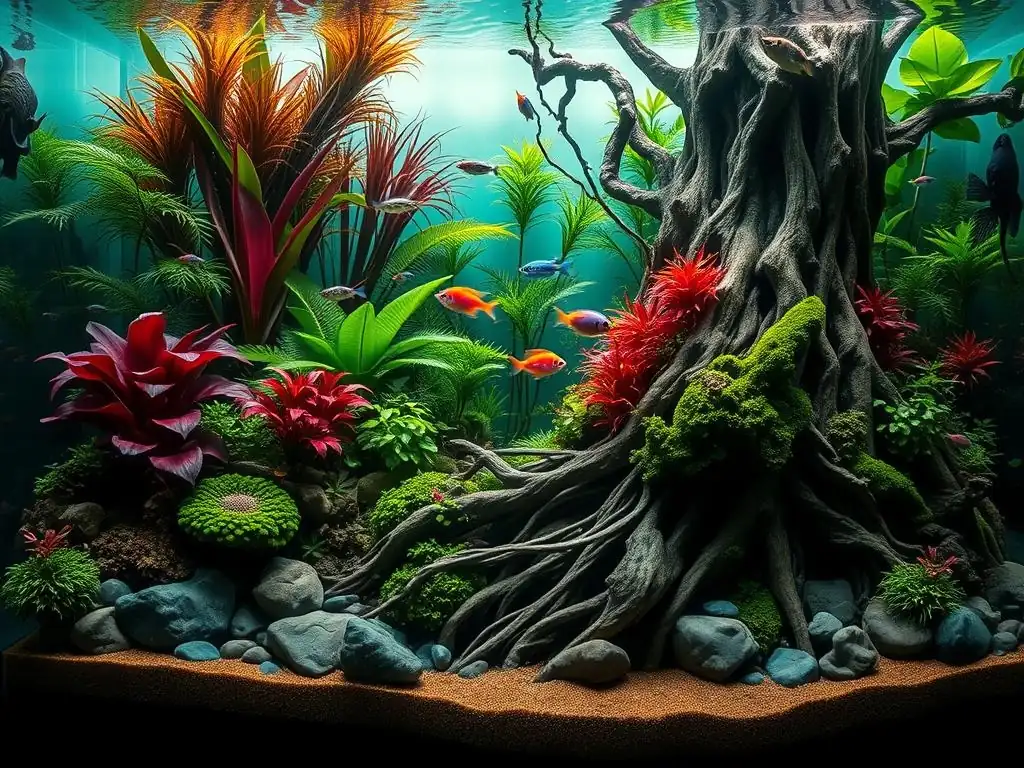
Welcome to Aquarium Mastery! Ever dreamt of bringing a slice of the Amazon rainforest into your living room? Dive in and discover the secrets to setting up a thriving Amazon tetra biotope aquarium. We'll guide you through every step, from choosing the right plants and substrate to recreating the perfect water conditions. Curious how to create a truly authentic and stunning display? Keep reading – your journey to Amazon tetra biotope aquarium setup mastery starts now!
- Understanding the Amazon Tetra Biotope
-
Frequently Asked Questions
- What is a biotope aquarium and why would I want to create one?
- What are the key elements of an Amazon tetra biotope aquarium setup?
- What kind of substrate should I use for my Amazon tetra biotope aquarium?
- What plants are suitable for an Amazon tetra biotope aquarium?
- What other fish species can I keep with Amazon tetras in a biotope aquarium?
- Final Reflection: Embracing the Amazon Within Our Homes
- Rediscover the Amazon in Your Living Room!
Understanding the Amazon Tetra Biotope
What is a Tetra Biotope Aquarium?
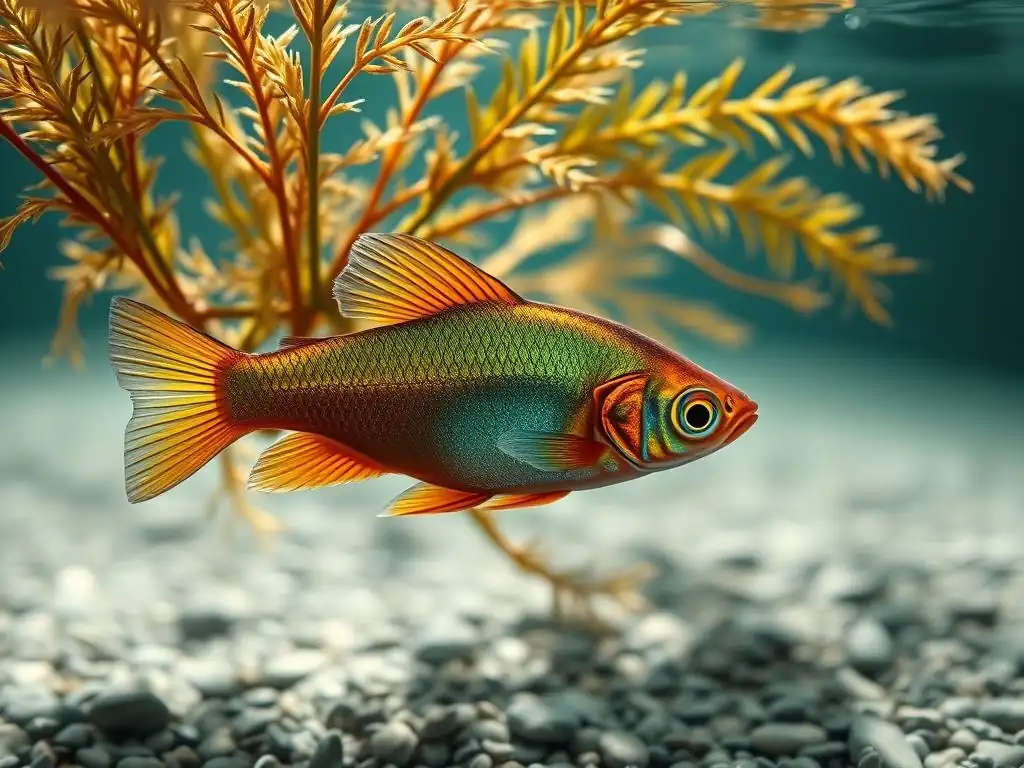
A tetra biotope aquarium is a specialized aquatic setup meticulously designed to replicate a specific natural habitat found within the Amazon basin, tailored to the environmental needs of various tetra species. Unlike a general community tank, a biotope aquarium focuses on mirroring the exact water chemistry, substrate, hardscape, and plant life of a particular geographical location where the target fish naturally occur. The goal is to provide an environment that not only looks natural but also functions ecologically like the wild habitat, promoting the well-being and natural behaviors of the fish.
For instance, an Amazon tetra biotope aquarium setup for Neon Tetras ( Paracheirodon innesi) would emulate a slow-moving, shaded tributary of the Rio Negro. This would involve maintaining soft, acidic water with a pH typically ranging from 4.0 to 6.0 and a general hardness (GH) often below 3 dGH. The substrate would consist of fine, dark sand, extensively covered with leaf litter (such as dried catappa or oak leaves) and tangled driftwood branches, all contributing to the characteristic "blackwater" appearance due to dissolved tannins.
The Importance of Replicating Natural Habitats for Tetras
Replicating natural habitats is crucial for the long-term health, stress reduction, and behavioral enrichment of tetras. When placed in an environment that closely mimics their wild origins, tetras exhibit more vibrant coloration, stronger schooling instincts, and are significantly less prone to stress-related diseases. This optimal environment fosters natural behaviors such as foraging, courtship displays, and even successful breeding, which are rarely observed in generic aquarium setups.
Consider the Cardinal Tetra ( Paracheirodon axelrodi), native to the very soft, acidic blackwater streams of the Orinoco and Rio Negro basins. In a properly established Amazon tetra biotope aquarium setup that mirrors these conditions (e.g., pH 5.0-6.5, GH 1-4 dGH, abundant tannins), these tetras display their brilliant red and blue stripes with exceptional intensity, school tightly, and may even engage in spawning. Conversely, in hard, alkaline water, their colors often fade, they become lethargic, and their immune systems can be compromised, leading to increased susceptibility to common ailments like Ich or fin rot.
Key Characteristics of Amazon River Biotopes for Tetra Keeping
Amazon River biotopes, particularly those favored by many popular tetra species, share several defining characteristics that are essential for a successful Amazon tetra biotope aquarium setup. The water parameters are typically soft to very soft, with a general hardness (GH) often ranging from 0 to 5 dGH, and acidic, with pH levels commonly between 4.5 and 6.8. Many areas are characterized by "blackwater" conditions, where tannins released from decaying organic matter stain the water a tea-like color, reducing light penetration and inhibiting algal growth.
The substrate in these natural settings is predominantly fine, silty sand, often layered with a thick bed of leaf litter from surrounding rainforest trees. Hardscape elements are dominated by driftwood – intricate root systems, fallen branches, and submerged logs – providing shelter, foraging areas, and contributing to the water chemistry.
While some clearwater tributaries host dense aquatic plant growth, many blackwater areas are sparsely vegetated, with plants like Amazon Swords ( Echinodorus species) or floating plants being common near the banks. Lighting is often subdued, either by dense overhead canopy or the dark, tannin-stained water, creating a dim, serene environment ideal for schooling tetras.
Frequently Asked Questions
What is a biotope aquarium and why would I want to create one?
A biotope aquarium aims to replicate a specific natural habitat. Creating one allows you to appreciate the beauty of a particular ecosystem and provides optimal conditions for its inhabitants, leading to healthier and more vibrant fish.
What are the key elements of an Amazon tetra biotope aquarium setup?
Essential elements include soft, acidic water conditions, dim lighting, leaf litter, and driftwood. These mimic the Amazon river environment favored by tetras.
What kind of substrate should I use for my Amazon tetra biotope aquarium?
A dark, fine-grained substrate is ideal. Consider using aquarium soil or sand, as these materials help to maintain the desired water chemistry and provide a natural look.
What plants are suitable for an Amazon tetra biotope aquarium?
Suitable plants include Amazon Swords, Cryptocoryne, and Java Moss. These plants are native to South America and thrive in the conditions preferred by tetras.
What other fish species can I keep with Amazon tetras in a biotope aquarium?
Compatible tankmates include Corydoras catfish, Hatchetfish, and Apistogramma species. Ensure all fish originate from the same region of the Amazon to maintain the biotope's authenticity.
Final Reflection: Embracing the Amazon Within Our Homes
The journey from the vast Amazon rainforest to the confines of a home aquarium might seem like a significant leap, but as we've explored, it's a testament to our ability to recreate miniature ecosystems and connect with the natural world. Understanding the intricacies of the Amazon tetra biotope and replicating it in our own homes allows us not only to appreciate the beauty of these creatures but also to contribute to their conservation through informed and responsible aquarium keeping.
This endeavor transcends mere decoration; it's about fostering a deeper understanding of interconnectedness and the delicate balance of nature. The act of creating and maintaining a biotope aquarium becomes a meditative practice, a constant reminder of the fragility and resilience of life. In nature, nothing exists alone.
- Rachel Carson. This quote perfectly encapsulates the essence of a biotope aquarium, where every element, from the substrate to the lighting, plays a crucial role in the overall health and well-being of the inhabitants.
Now, as you consider your own journey into the world of Amazon tetra biotope aquariums, I encourage you to embrace the spirit of discovery and responsible stewardship. Let the knowledge gained from this exploration inspire you to create not just a beautiful aquarium, but a thriving ecosystem that reflects the magic and wonder of the Amazon.
Consider the impact of your choices, research diligently, and remember that every small action contributes to a larger picture of conservation and appreciation for the natural world. Your aquarium can be a window into the Amazon, a living testament to the beauty and importance of biodiversity.
Rediscover the Amazon in Your Living Room!
Thanks for diving deep into the world of tetra biotopes! We hope you're feeling inspired to recreate a slice of South America in your own aquarium. Ready to bring the magic home?
Here are a few ways to get started:
- Craft Your Perfect Biotope: Design and set up your aquarium with the specific substrate, botanicals, and plants found in a real tetra habitat. Research your chosen locale for accuracy!
- Delve Deeper: Explore advanced techniques for biotope aquariums, focusing on water chemistry and natural filtration methods.
- Share the Beauty: Post a photo of your tetra biotope on social media using #AquariumMasteryBiotope to inspire other enthusiasts!
What unique challenge or exciting discovery have you made in your biotope research, and how will you incorporate it into your aquarium?