
The Allure of Danios: Why These Cyprinids Captivate Aquarists Worldwide

Welcome to Aquarium Mastery!
Ever been mesmerized by the shimmering dance of tiny, vibrant fish in a freshwater aquarium? Prepare to dive deep into the fascinating world of Danios! This article unravels the secrets to successful Danios freshwater aquarium care, exploring everything from their ideal tank setup to their captivating social behaviors. Ready to unlock the full potential of these energetic cyprinids and create a thriving aquatic ecosystem? Let's begin!
- Introduction to Danios: A Freshwater Aquarium Favorite
- Understanding Danio Fish: Species and Characteristics
- Danio Freshwater Aquarium Care: Essential Guidelines
- Danio Tank Mates: Creating a Peaceful Community Aquarium
- Danio Breeding: A Rewarding Aquarium Project
- Common Danio Health Problems and Prevention
- The Benefits of Keeping Danios: Why They're Great for Aquarists
- Advanced Danio Care: Tips and Tricks for Experienced Aquarists
- Conclusion: Embrace the Charm of Danios in Your Freshwater Aquarium
-
Frequently Asked Questions
- What makes Danios such popular freshwater aquarium fish?
- What size aquarium is recommended for a school of Danios?
- What are the key aspects of water chemistry that I need to monitor for Danios?
- What types of food should I feed my Danios to ensure their health and vibrant colors?
- What are some common health issues that can affect Danios, and how can I prevent them?
- Final Reflection: The Enduring Spark of Danios
- Unleash Your Inner Aquarist: Dive Deeper into the Danio World!
Introduction to Danios: A Freshwater Aquarium Favorite
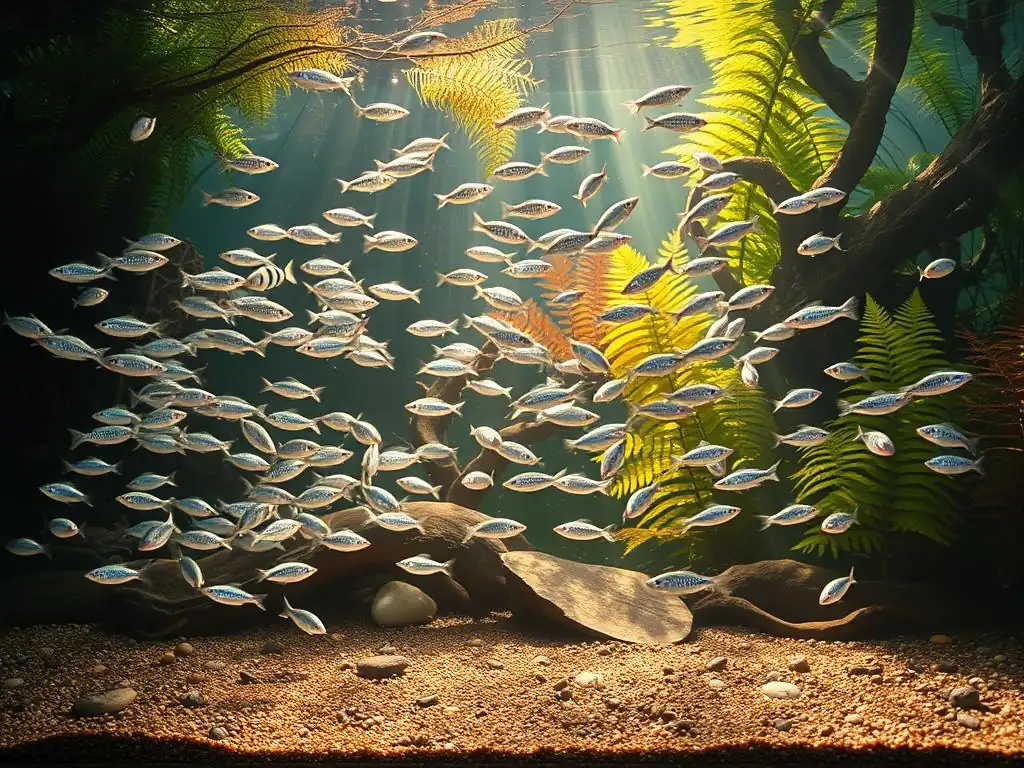
Danios, a diverse group of small, active cyprinids, have long been a cornerstone of the freshwater aquarium hobby. Renowned for their hardiness, vibrant colors, and energetic schooling behavior, they are often among the first fish recommended to budding aquarists. Their adaptability to a wide range of water conditions and their generally peaceful demeanor make them ideal inhabitants for many community tanks, captivating observers with their constant motion and shimmering scales.
From the ubiquitous Zebra Danio to the jewel-like Celestial Pearl Danio, these fish offer a captivating display of natural beauty and engaging social interactions. Their low maintenance requirements, combined with their robust health, solidify their position as a top choice for both novice and experienced aquarists seeking to add life and dynamism to their freshwater setups. The appeal of Danios extends beyond their ease of care, as their fascinating natural behaviors, such as synchronized swimming and playful chasing, provide endless entertainment and a glimpse into the intricate world of aquatic life.
Understanding Danio Fish: Species and Characteristics
Popular Danio Species for Freshwater Aquariums
Zebra Danio ( Danio rerio ): The Classic Choice
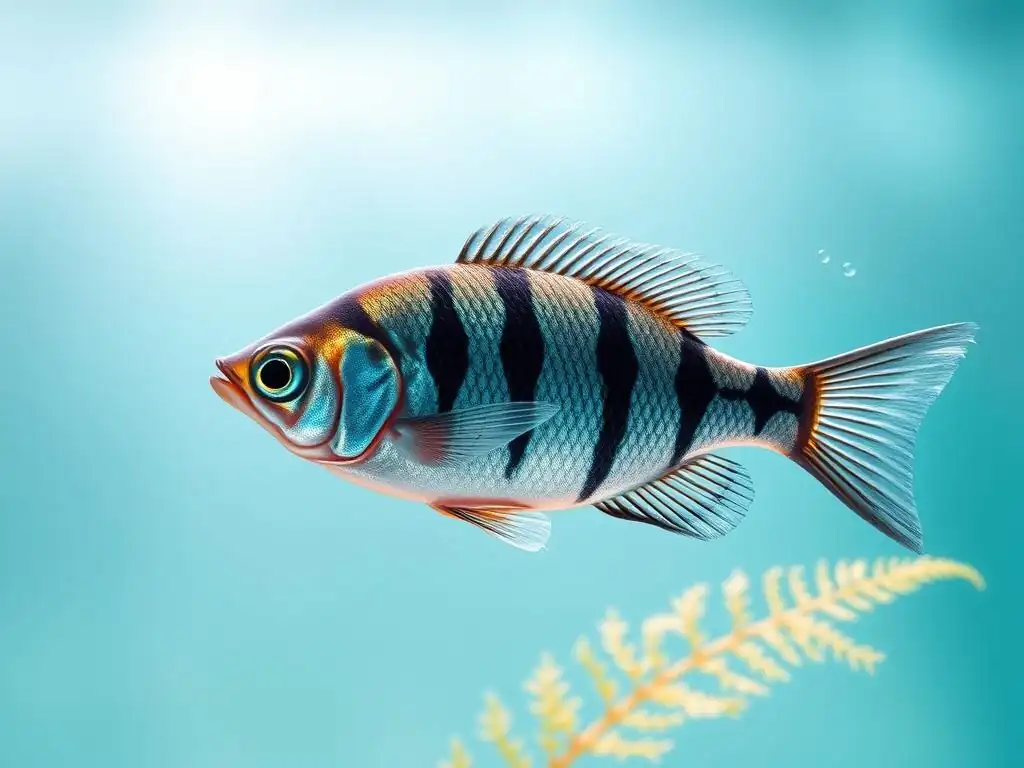
The Zebra Danio, Danio rerio, is arguably the most recognized and widely kept species within the genus, celebrated for its distinctive horizontal blue and silver stripes. Originating from the Ganges region of India and Bangladesh, these small, torpedo-shaped fish typically grow to about 1.5 to 2 inches (approximately 3.8 to 5 cm) in length. Their hardiness and active nature make them an excellent choice for new aquarists, as they readily adapt to various freshwater aquarium care conditions and are highly tolerant of minor fluctuations in water parameters.
Zebra Danios are incredibly active swimmers, preferring to inhabit the upper and middle levels of the aquarium. They are best kept in schools of at least six individuals to encourage their natural schooling behavior and reduce stress. Their constant darting and chasing add a lively dynamic to any community tank, making them a popular choice for their engaging antics and relatively long lifespan, often reaching 3 to 5 years with proper Danio freshwater aquarium care.
Leopard Danio: A Spotted Variation
The Leopard Danio, often considered a spotted variant of the Zebra Danio, exhibits a striking pattern of irregular dark spots over a gold or silver body, rather than the characteristic stripes. While visually distinct, its care requirements and behavior are virtually identical to those of the Zebra Danio, making it an equally robust and adaptable choice for community aquariums. This similarity suggests a close genetic relationship, with some sources classifying it as a selective breeding outcome or a natural mutation of Danio rerio.
Like its striped counterpart, the Leopard Danio is an energetic schooling fish that thrives in groups of six or more. They are active swimmers that appreciate ample open swimming space, making them a vibrant addition to the mid-to-upper water column of a freshwater tank. Their unique spotted pattern provides a beautiful contrast to other striped or solid-colored fish, enhancing the visual diversity of the aquarium while maintaining the benefits of easy Danio freshwater aquarium care.
GloFish Danios: Adding Vibrant Color
GloFish Danios are genetically modified variants of the Zebra Danio ( Danio rerio) that have been enhanced with fluorescent proteins, allowing them to glow vividly under blue or ultraviolet (UV) light. These fish were originally developed for scientific research to detect environmental pollutants, but their striking colors quickly found a place in the aquarium trade. Available in a spectrum of colors including Starfire Red, Electric Green, Sunburst Orange, Cosmic Blue, Galactic Purple, and Moonrise Pink, they offer an unparalleled visual spectacle that appeals to a wide audience.
Despite their genetic modification, GloFish Danios retain the same hardy nature and active schooling behavior as their wild-type ancestors. They require the same Danio freshwater aquarium care, thriving in similar water parameters and social structures. Their unique glow makes them a popular choice for themed aquariums, especially those designed with specialized lighting to maximize their fluorescence, providing a captivating and modern twist on traditional Danio keeping.
Celestial Pearl Danio ( Danio margaritatus ): A Nano Tank Gem
The Celestial Pearl Danio, often affectionately called CPD, is a captivating species discovered relatively recently in Myanmar, quickly becoming a sensation in the nano aquarium hobby. These tiny fish, typically reaching only 0.75 to 1 inch (approximately 1.9 to 2.5 cm) in length, boast an exquisite pattern of iridescent pearl-like spots on a dark blue or black body, complemented by vibrant orange-red fins striped with black. Their diminutive size and stunning coloration make them a perfect fit for smaller desktop tanks where larger Danios might feel cramped.
Despite their small stature, Celestial Pearl Danios are active and social, thriving in schools of at least six to ten individuals. They prefer heavily planted aquariums that offer plenty of hiding spots and visual breaks, mimicking their natural habitat of shallow, densely vegetated ponds. While requiring slightly more specific conditions than Zebra Danios, their Danio freshwater aquarium care is still manageable for intermediate hobbyists, with stable water parameters and a varied diet being key to their health and vibrant display.
Danio Size and Lifespan: What to Expect
The size and lifespan of Danios can vary significantly between species, though most commonly kept varieties are relatively small and have a moderate lifespan in a well-maintained freshwater aquarium. The popular Zebra Danio ( Danio rerio), for instance, typically reaches an adult size of about 1.5 to 2 inches (approximately 3.8 to 5 cm). With optimal Danio freshwater aquarium care, including stable water parameters and a nutritious diet, Zebra Danios can live for an impressive 3 to 5 years, making them a relatively long-term commitment for a small fish.
In contrast, the exquisite Celestial Pearl Danio ( Danio margaritatus) is considerably smaller, usually growing to just 0.75 to 1 inch (approximately 1.9 to 2.5 cm). Their lifespan is also generally shorter than their larger cousins, often ranging from 2 to 3 years. Understanding these differences is crucial for planning your aquarium setup and ensuring you can provide appropriate Danio freshwater aquarium care that aligns with the specific needs and expected longevity of your chosen Danio species.
Danio Freshwater Aquarium Care: Essential Guidelines
Setting Up the Ideal Danio Tank Environment
Tank Size Recommendations for Danios
Providing an appropriately sized tank is fundamental to successful Danio freshwater aquarium care, as these active fish require ample swimming space. For a school of 6-8 common Danios like Zebra or Leopard Danios, a minimum tank size of 10 gallons (approximately 38 liters) is often cited. However, to truly allow for their energetic schooling behavior and provide better water stability, a 20-gallon long (approximately 76 liters) tank is highly recommended. This larger footprint offers more horizontal swimming room, which Danios greatly appreciate.
For smaller species such as the Celestial Pearl Danio, a 5-gallon (approximately 19 liters) tank can house a small group of 6-8 individuals, provided it is heavily planted to offer security. Regardless of the species, remember that Danios thrive in schools, and the more individuals you keep, the larger the tank you will need to maintain optimal water quality and prevent overcrowding. Proper tank sizing is a critical component of effective Danio freshwater aquarium care, directly impacting the fish's health, stress levels, and natural behaviors.
Water Parameters for Thriving Danios: Temperature, pH, and Hardness
Maintaining stable and appropriate water parameters is paramount for the health and longevity of Danios in a freshwater aquarium. For most common Danio species like the Zebra Danio, a water temperature range of 64-74°F (18-23°C) is ideal, although they can tolerate slightly warmer temperatures up to 78°F (26°C) for short periods. Celestial Pearl Danios prefer a slightly warmer range of 72-79°F (22-26°C). Consistency is key; sudden temperature fluctuations can cause significant stress.
In terms of pH, Danios are quite adaptable, generally thriving in a range of 6.0 to 8.0, with a neutral pH of 7.0 being a good target for mixed community tanks. Water hardness (GH) can also be quite broad, typically ranging from 5 to 19 dGH (degrees of general hardness).
While they are tolerant of a wide spectrum, extreme soft or hard water might not be ideal. Regularly testing your aquarium water with a reliable test kit is an essential part of Danio freshwater aquarium care, allowing you to monitor and adjust parameters as needed to ensure a stable and healthy environment.
Substrate and Decoration for a Natural Danio Habitat
The choice of substrate and decorations plays a significant role in creating a comfortable and stimulating environment for Danios, contributing to their overall well-being and natural behavior. A fine-grained substrate like sand or small gravel is suitable, as Danios are not bottom-dwellers that sift through the substrate extensively. A darker substrate can also help to bring out their vibrant colors and reduce stress by minimizing reflections.
Incorporating live plants is highly beneficial for Danio freshwater aquarium care. Species like Hornwort, Anubias, Java Fern, and various stem plants provide natural hiding spots, visual barriers, and resting places, mimicking their natural habitat. Additionally, plants contribute to water quality by absorbing nitrates. Driftwood and smooth rocks can also be added to create interesting aquascapes and further enrich the environment, offering exploration opportunities and enhancing the aesthetic appeal of the Danio tank.
Maintaining Water Quality in Your Danio Aquarium
The Importance of Regular Water Changes
Regular water changes are arguably the most critical aspect of maintaining pristine water quality and ensuring the long-term health of your Danios. Over time, organic waste from fish food, fish waste, and decaying plant matter accumulates in the aquarium, leading to a build-up of nitrates and other undesirable compounds. While a good filtration system helps, it cannot remove all dissolved pollutants.
Performing weekly water changes of 25-30% of the tank's volume is a standard recommendation for effective Danio freshwater aquarium care. This practice replenishes essential trace minerals, removes harmful nitrates, and helps to maintain stable pH levels. Always use dechlorinated water that is temperature-matched to the aquarium water to avoid shocking the fish. Consistent water changes are vital for preventing disease and promoting vigorous health in your Danio school.
Filtration Systems for Danio Tanks
An efficient filtration system is indispensable for maintaining optimal water quality in a Danio aquarium, providing mechanical, chemical, and biological filtration. For most Danio setups, a hang-on-back (HOB) filter or an internal power filter is typically sufficient. HOB filters are popular for their ease of use and good flow rates, while internal filters are compact and effective for smaller tanks.
The key is to select a filter that provides adequate biological filtration, which is the process of beneficial bacteria converting toxic ammonia and nitrite into less harmful nitrate. While Danios prefer some water movement, excessively strong currents can stress them. Therefore, choose a filter with adjustable flow or use a spray bar attachment to diffuse the output, ensuring good water circulation without creating a turbulent environment. Proper filtration is a cornerstone of comprehensive Danio freshwater aquarium care.
Avoiding Common Water Quality Issues
Preventing common water quality issues is crucial for the health and longevity of Danios, as these fish are sensitive to sudden changes or prolonged exposure to poor conditions. One of the most frequent problems is an ammonia or nitrite spike, often caused by overfeeding, overstocking, or an immature biological filter. Ammonia and nitrite are highly toxic to fish, leading to gill damage and death. Always ensure your tank is fully cycled before adding Danios, and monitor these parameters with a test kit.
Another common issue is high nitrate levels, which accumulate over time due to insufficient water changes. While less immediately toxic than ammonia or nitrite, high nitrates can suppress the immune system, leading to chronic stress and increased susceptibility to diseases. Regularly cleaning the substrate to remove uneaten food and detritus, along with consistent partial water changes, are vital practices in Danio freshwater aquarium care to prevent these and other water quality problems, ensuring a clean and stable environment for your fish.
Feeding Danios: A Balanced Diet for Optimal Health
Best Food Choices for Danios: Flakes, Pellets, and Live Foods
Providing a varied and nutritious diet is essential for maintaining the vibrant colors, energetic behavior, and overall health of your Danios. High-quality flake foods designed for tropical fish should form the staple of their diet, offering a balanced blend of proteins, fats, vitamins, and minerals. For smaller species like Celestial Pearl Danios, finely crushed flakes or micro-pellets are more appropriate due to their smaller mouths.
To supplement their diet and provide essential nutrients, incorporate frozen or live foods several times a week. Excellent choices include brine shrimp, daphnia, and bloodworms, which are rich in protein and stimulate their natural hunting instincts. These varied food sources not only enhance their coloration but also boost their immune system, contributing significantly to effective Danio freshwater aquarium care and preventing nutritional deficiencies.
Feeding Frequency and Portion Control
Proper feeding frequency and portion control are vital for preventing overfeeding, which can quickly lead to poor water quality and health issues in a Danio aquarium. Danios have small stomachs and a fast metabolism, so it's generally best to feed them small amounts multiple times a day rather than one large meal. Feeding them once or twice daily is typically sufficient for most home aquariums.
When feeding, offer only an amount that your Danios can consume entirely within 2 to 3 minutes. Any uneaten food that settles to the bottom will quickly decompose, contributing to ammonia and nitrite spikes, which are detrimental to Danio freshwater aquarium care. Observing your fish during feeding will help you gauge the appropriate portion size, ensuring they receive adequate nutrition without compromising water quality.
Danio Tank Mates: Creating a Peaceful Community Aquarium
Compatible Fish Species for Danio Tanks
Choosing appropriate tank mates is crucial for creating a harmonious and stress-free community aquarium for your Danios. Given their generally peaceful and active nature, Danios do well with other similarly sized and tempered fish that prefer similar water parameters. Excellent companions include other small, non-aggressive schooling fish such as Neon Tetras, Cardinal Tetras, Harlequin Rasboras, and other species within the Rasbora genus.
Bottom-dwelling fish like Corydoras catfish and Otocinclus catfish also make suitable tank mates, as they occupy different levels of the aquarium and are peaceful scavengers that won't compete directly for food or space with Danios. Dwarf Gouramis, while slightly larger, can also coexist peacefully if the tank is adequately sized and provides plenty of hiding spots. When selecting tank mates, always prioritize fish with similar temperature and pH requirements to ensure optimal Danio freshwater aquarium care for all inhabitants.
Avoiding Aggressive or Fin-Nipping Tank Mates
To maintain a peaceful and thriving environment for your Danios, it is essential to avoid introducing aggressive or fin-nipping fish species into their aquarium. Danios, particularly the long-finned varieties, can be targets for fish known for nipping fins, which can lead to stress, injury, and increased susceptibility to disease. Species like Tiger Barbs, while often kept with Danios, can be notorious fin-nippers, especially if not kept in large enough schools themselves.
Similarly, larger, more aggressive cichlids (unless dwarf and known to be peaceful community fish), or species that grow significantly larger than Danios, should be avoided. These larger fish can view Danios as prey or intimidate them, causing chronic stress that diminishes their natural vibrancy and shortens their lifespan. Careful selection of tank mates is a vital component of comprehensive Danio freshwater aquarium care, ensuring the safety and well-being of your entire aquatic community.
Invertebrate Companions for Danios
In addition to fish, certain invertebrates can make excellent and beneficial companions for Danios in a freshwater aquarium. Freshwater dwarf shrimp, such as Cherry Shrimp ( Neocaridina davidi) or Amano Shrimp ( Caridina multidentata), are often compatible with Danios. These shrimp are excellent algae eaters and scavengers, helping to keep the tank clean, and their small size generally means Danios will not view them as food, especially if the shrimp have plenty of hiding spots among plants and decor.
Snails, such as Nerite Snails or Mystery Snails, are another suitable invertebrate choice. They are peaceful, non-aggressive, and contribute to the tank's cleanliness by consuming algae and detritus. Their presence adds another layer of interest to the aquarium ecosystem. When considering any invertebrate, ensure that they are not too large or too small to be a threat or prey item, respectively, and that their Danio freshwater aquarium care requirements align with those of your fish.
Danio Breeding: A Rewarding Aquarium Project
Setting Up a Breeding Tank for Danios
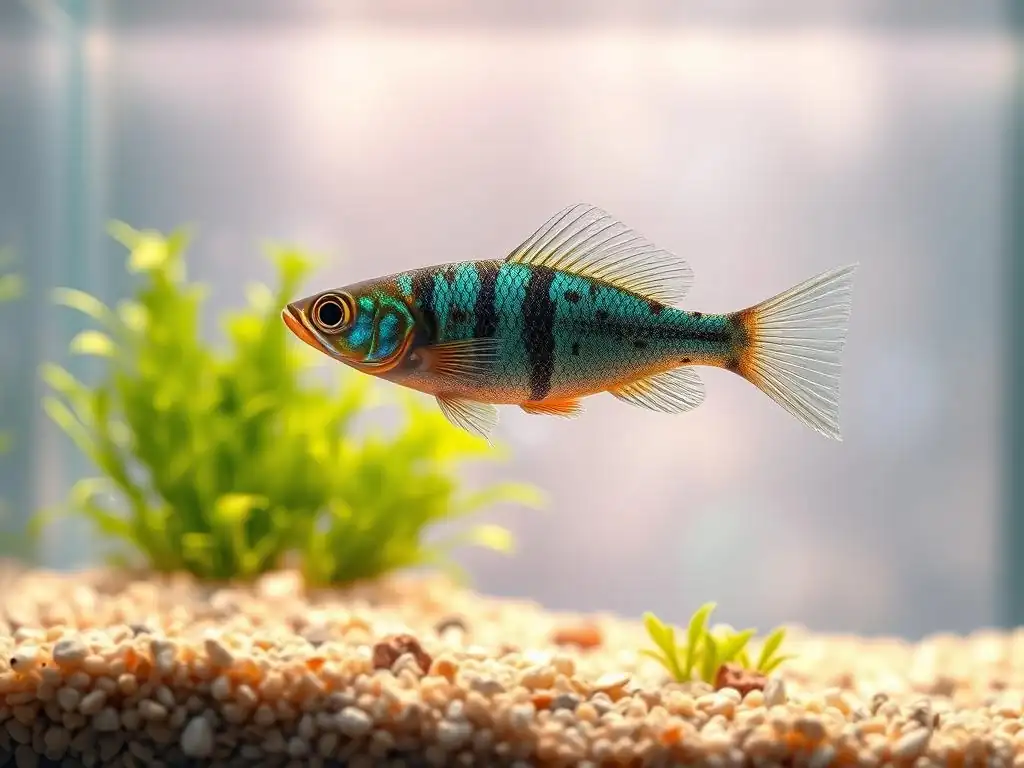
Breeding Danios can be a rewarding experience, and setting up a dedicated breeding tank significantly increases the chances of success. A small aquarium, typically 5 to 10 gallons (approximately 19 to 38 liters), is sufficient for this purpose. The breeding tank should be bare-bottomed or have a mesh false bottom to prevent the adult Danios from eating their eggs, as they are notorious egg-eaters. Alternatively, a layer of marbles or a dense clump of fine-leaved plants like Java Moss or spawning mops can also provide protection for the eggs.
The water parameters in the breeding tank should closely match those of the main aquarium, though slightly softer, slightly acidic water (pH 6.5-7.0) and a temperature around 75-78°F (24-26°C) can sometimes stimulate spawning. A small sponge filter provides gentle filtration and aeration without creating strong currents that could harm delicate eggs or fry. Proper preparation of the breeding environment is a key step in successful Danio freshwater aquarium care for reproduction.
Identifying Male and Female Danios
Distinguishing between male and female Danios is relatively straightforward, especially when they are mature and conditioned for breeding. Male Danios are generally more slender and torpedo-shaped, often exhibiting more vibrant coloration, particularly during breeding periods. Their bodies appear sleeker, and their fins may seem slightly longer or more pointed in some species.
Female Danios, on the other hand, tend to be rounder and plumper, especially when they are gravid (carrying eggs). Their bellies will appear noticeably fuller, giving them a more robust appearance compared to the males. Observing these subtle differences in body shape and coloration is essential for selecting a healthy breeding pair or group, which is a fundamental aspect of Danio freshwater aquarium care for breeding purposes.
Spawning and Raising Danio Fry
Danios are egg-scattering spawners, typically laying their eggs in the early morning light. Once a conditioned pair or group is introduced to the breeding tank, spawning usually occurs within a day or two. The male will chase the female, nudging her to release eggs, which he then fertilizes. The eggs, which are small and transparent, will fall to the bottom of the tank or into the protective substrate/mesh. After spawning, the adult Danios should be removed promptly to prevent them from consuming the eggs.
The eggs typically hatch within 2 to 3 days, depending on the water temperature. The newly hatched fry are tiny and will remain largely immobile for another 2-3 days, absorbing their yolk sacs. Once they become free-swimming, they require extremely fine food. Infusoria or specialized liquid fry food are excellent initial options, followed by newly hatched brine shrimp or micro worms after about a week. Meticulous attention to water quality and feeding is paramount for raising Danio fry successfully, making it the most delicate part of Danio freshwater aquarium care for breeders.
Common Danio Health Problems and Prevention
Recognizing Signs of Illness in Danios
Vigilant observation of your Danios is paramount for early detection of health issues, allowing for timely intervention and better treatment outcomes. Healthy Danios are active, alert, and exhibit vibrant coloration and normal schooling behavior. Any deviation from these norms can signal a problem. Common signs of illness include lethargy or listlessness, where fish spend unusual amounts of time at the bottom or surface.
Other indicators of potential illness include clamped fins (fins held close to the body), labored breathing (rapid gill movement), loss of appetite, or abnormal swimming patterns such as darting, spiraling, or difficulty maintaining balance. Changes in appearance, such as white spots, fuzzy growths, frayed fins, or bloating, also warrant immediate attention. Prompt recognition of these symptoms is a critical aspect of effective Danio freshwater aquarium care, enabling you to address health concerns before they escalate.
Treating Common Danio Diseases
Ich (White Spot Disease) Treatment for Danios
Ich, or White Spot Disease ( Ichthyophthirius multifiliis), is one of the most common and recognizable parasitic infections in freshwater aquariums, appearing as small, white spots resembling grains of salt on the fish's body and fins. If left untreated, Ich can be fatal, especially in small fish like Danios. The good news is that it is highly treatable, particularly if caught early.
The most common treatment method involves gradually raising the aquarium temperature to 82-84°F (28-29°C) over 24 hours, as this accelerates the parasite's life cycle, making it more susceptible to treatment. Concurrently, administer an aquarium-safe Ich medication containing malachite green or formalin, following the manufacturer's instructions precisely. Adding aquarium salt (non-iodized) at a concentration of 1 tablespoon per 5 gallons can also aid in treatment by irritating the parasite.
Continue treatment for at least 7-10 days, even if symptoms disappear, to ensure all stages of the parasite are eradicated. Consistent water changes after treatment are vital for overall Danio freshwater aquarium care.
Fin Rot Treatment for Danios
Fin Rot is a common bacterial infection that causes the fins of fish to appear ragged, frayed, or develop a milky white edge. It is often a secondary infection, meaning it typically occurs in fish that are already stressed due to poor water quality, overcrowding, or injury. If left untreated, the infection can spread to the body, leading to more severe health issues and even death.
Treating Fin Rot primarily involves addressing the underlying cause, which is almost always poor water quality. Begin by performing a significant water change (30-50%) and thoroughly cleaning the tank to remove any decaying organic matter. Ensure your filtration system is functioning optimally and that the tank is not overstocked.
In mild cases, improved water conditions alone may be sufficient for recovery. For more severe cases, a broad-spectrum antibacterial medication designed for aquariums can be used, following the product's instructions carefully. Maintaining pristine water conditions is the cornerstone of preventing and treating Fin Rot, a crucial element of comprehensive Danio freshwater aquarium care.
Preventing Illness in Your Danio Aquarium
Prevention is always better than cure when it comes to fish health, and several key practices can significantly reduce the likelihood of illness in your Danio aquarium. First and foremost, always quarantine new fish in a separate tank for at least 2-4 weeks before introducing them to your main display. This allows you to observe them for signs of disease and treat any issues without risking the health of your established fish.
Secondly, consistent and meticulous Danio freshwater aquarium care, particularly maintaining stable water parameters and performing regular water changes, is paramount. Fluctuations in temperature, pH, or high levels of ammonia, nitrite, or nitrate are major stressors that weaken a fish's immune system. Lastly, avoid overstocking your tank, provide a balanced and varied diet, and ensure your fish have plenty of space and appropriate tank mates. These proactive measures create a robust and resilient environment, making your Danios less susceptible to disease.
The Benefits of Keeping Danios: Why They're Great for Aquarists
Danios as Excellent Community Fish
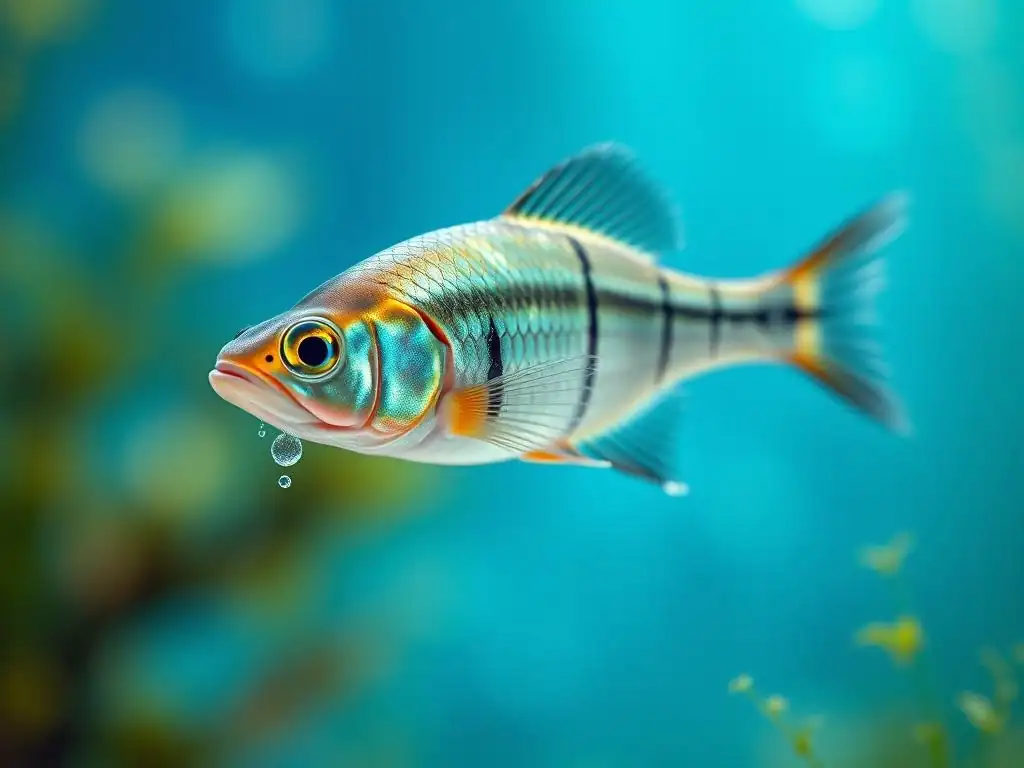
Danios are widely regarded as one of the best choices for a community aquarium due to their inherently peaceful and non-aggressive nature. They coexist harmoniously with a wide variety of other similarly sized, non-predatory freshwater fish, rarely showing aggression or fin-nipping tendencies towards their tank mates. Their active schooling behavior, particularly when kept in groups of six or more, adds a dynamic and visually appealing element to any multi-species setup.
This cooperative temperament makes them ideal companions for popular community fish like Tetras, Rasboras, Corydoras, and Otocinclus catfish. They occupy the mid-to-upper water column, leaving space for bottom dwellers and complementing the activity of other species. Their adaptability to a broad range of water parameters, mirroring those of many other common aquarium fish, further solidifies their status as excellent community fish, simplifying Danio freshwater aquarium care in a mixed environment.
The Active and Engaging Behavior of Danios
One of the most captivating aspects of keeping Danios is their constant, energetic activity. Unlike some fish that might spend much of their time hiding or moving sluggishly, Danios are perpetual motion machines, darting and weaving through the water column with impressive speed and agility. This lively behavior provides continuous entertainment for the aquarist and adds a vibrant pulse to the entire aquarium.
When kept in appropriate schools, Danios exhibit fascinating schooling behaviors, swimming in synchronized patterns that are both beautiful and mesmerizing to observe. They will chase each other playfully, establish a pecking order, and explore every inch of their environment. This engaging behavior, combined with their striking appearance, makes Danios a truly rewarding species to keep, constantly drawing the eye and making the aquarium a focal point of activity, a testament to their appeal in Danio freshwater aquarium care.
Danios as a Beginner-Friendly Freshwater Fish
Danios are frequently recommended as one of the best fish for beginner aquarists, and for good reason. Their remarkable hardiness and adaptability make them forgiving of the minor fluctuations in water parameters that new hobbyists might inadvertently encounter. They are generally robust and less susceptible to common diseases compared to more delicate species, providing a higher chance of initial success for those just starting out.
Their relatively low maintenance requirements, combined with their active and engaging personalities, offer a rewarding entry into the world of fishkeeping without overwhelming the newcomer. They readily accept a variety of prepared foods, are easy to breed, and their clear signs of health or distress make it easier for beginners to learn the nuances of Danio freshwater aquarium care. This combination of resilience, beauty, and engaging behavior firmly establishes Danios as a premier choice for anyone embarking on their aquatic journey.
Advanced Danio Care: Tips and Tricks for Experienced Aquarists
Enhancing Danio Colors and Activity
For experienced aquarists looking to take their Danio freshwater aquarium care to the next level, several strategies can significantly enhance the fish's natural colors and activity levels. A high-quality diet is paramount; while flakes are a staple, regularly supplementing with live or frozen foods such as bloodworms, brine shrimp, and daphnia provides essential nutrients and pigments that intensify their hues. Feeding a varied diet stimulates their natural hunting instincts and contributes to overall vitality.
Optimizing the aquarium environment also plays a crucial role. Providing ample swimming space, particularly in a longer tank, encourages their natural schooling and darting behaviors, making them more active. Strategic lighting that highlights their iridescence, alongside a darker substrate that reduces reflections, can make their colors pop. Furthermore, incorporating live plants not only offers hiding spots and reduces stress but also contributes to better water quality, which directly impacts a fish's health and vibrancy.
Creating a Biotope Aquarium for Danios
For the dedicated aquarist, creating a biotope aquarium offers an advanced and deeply rewarding approach to Danio freshwater aquarium care by meticulously replicating their natural habitat. For instance, a Zebra Danio biotope would aim to mimic the shallow, slow-moving streams and ponds of South Asia, particularly the Ganges and Brahmaputra river basins. This would involve using a substrate of fine sand or small, smooth gravel, perhaps with some larger river stones and smooth pebbles.
Planting would focus on species native to the region, such as various Vallisneria species, Hygrophila, or even floating plants like Limnophila. Driftwood branches and leaf litter could be added to simulate natural detritus and provide tannins, which slightly tint the water and can benefit the fish. Maintaining specific water parameters, such as a temperature range of 64-74°F (18-23°C) and a pH between 6.5-7.5, within these carefully chosen elements, creates an authentic and thriving environment that truly showcases the Danios in their most natural state.
Conclusion: Embrace the Charm of Danios in Your Freshwater Aquarium
Frequently Asked Questions
What makes Danios such popular freshwater aquarium fish?
Danios are popular because they are hardy, active, and relatively easy to care for, making them excellent choices for beginners. Their vibrant colors and schooling behavior also add visual interest.
What size aquarium is recommended for a school of Danios?
A minimum of a 10-gallon aquarium is generally recommended for a small school of Danios (6 or more). Larger tanks are preferable to allow them to school comfortably and exhibit their natural behaviors.
What are the key aspects of water chemistry that I need to monitor for Danios?
Maintaining stable water parameters is crucial. Danios thrive in slightly acidic to neutral water (pH 6.5-7.5) and require regular water changes to keep ammonia and nitrite levels at zero.
What types of food should I feed my Danios to ensure their health and vibrant colors?
Danios are omnivores and will readily accept a variety of foods, including high-quality flake food, frozen foods like bloodworms, and live foods. A varied diet ensures they receive all the necessary nutrients.
What are some common health issues that can affect Danios, and how can I prevent them?
Common issues include Ich (white spot disease) and bacterial infections. Maintaining good water quality, providing a balanced diet, and avoiding overcrowding are essential for preventing these problems.
Final Reflection: The Enduring Spark of Danios
The journey through the world of Danios, from their vibrant colors to their active schooling behavior, reveals a captivating truth: simplicity and beauty often intertwine to create profound experiences. Their ease of care, coupled with their undeniable charm, has cemented their place as a cornerstone of the freshwater aquarium hobby, a testament to their enduring appeal in a world often obsessed with complexity.
The influence of Danios extends beyond the glass walls of aquariums; they represent a gateway into the broader world of aquatic life and responsible pet ownership. My own fascination with these fish began with a single Zebra Danio, a tiny spark that ignited a lifelong passion for aquascaping and fishkeeping. The best things in life are often the simplest, and the same holds true for the aquarium hobby. Danios embody this principle perfectly.
This enduring legacy highlights the importance of accessible entry points in fostering a love for nature and conservation.
As we conclude our exploration of Danios, I invite you to reflect on the lessons these small fish offer. Consider how their resilience and adaptability can inspire you to embrace simplicity and find joy in the everyday wonders of life. Whether you're a seasoned aquarist or a curious beginner, let the allure of Danios remind you of the beauty that exists in the natural world and the responsibility we share in preserving it.
Unleash Your Inner Aquarist: Dive Deeper into the Danio World!
Thanks for exploring the captivating world of danios with us! We hope you've gained a new appreciation for these active and colorful fish. Now, it's time to take your danio passion to the next level.
Here are a few ways to continue your danio journey:
- Start Your Own Danio School: Consider introducing a group of danios to your aquarium. Witness their natural schooling behavior and add a vibrant splash of activity to your underwater world.
- Explore Rare Danio Varieties: Delve into the less common danio species, such as the Celestial Pearl Danio or the Glowlight Danio, and discover their unique charm.
- Share Your Danio Discoveries: Connect with fellow aquarists on forums or social media and share your danio experiences, tips, and photos to inspire others.
What's the most surprising thing you've learned about danios today, and how will it influence your next aquarium adventure?