
Barometric Pressure & Tetra Spawning: An Aquarium Mastery Advanced Theory

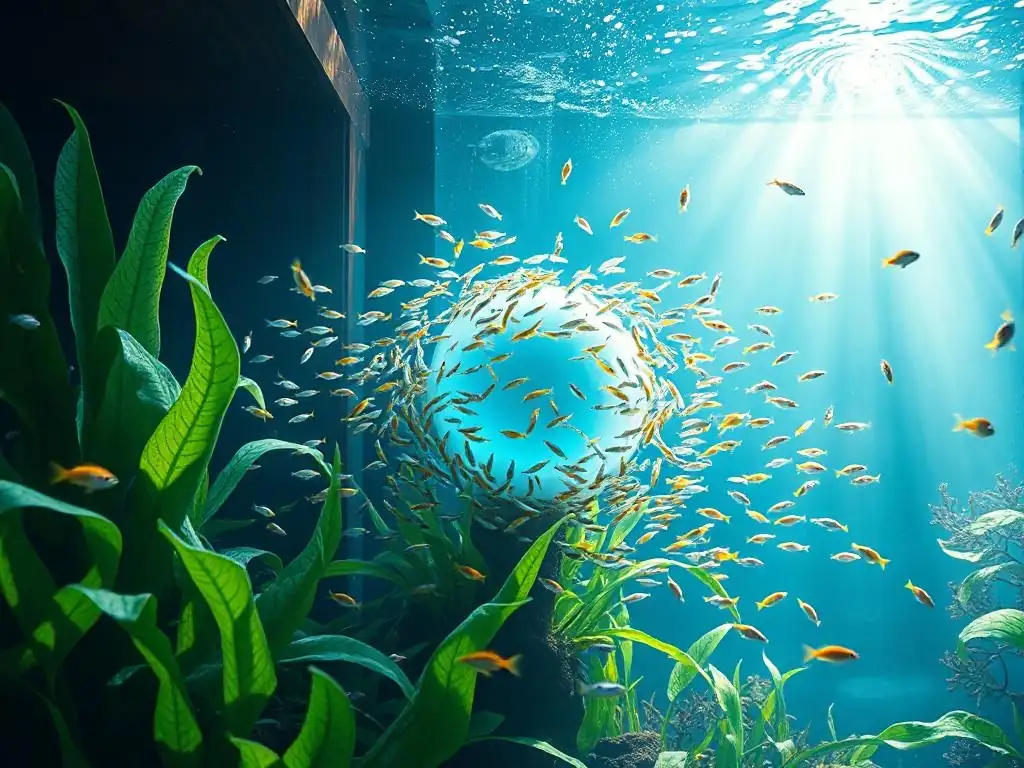
Welcome to Aquarium Mastery, your ultimate guide to thriving aquatic ecosystems! Ever wondered if the weather outside could influence the life inside your aquarium? Dive into this fascinating article to uncover the secrets of how barometric pressure affects spawning in tetra and other freshwater fish. Get ready to unlock advanced aquarium knowledge and elevate your fishkeeping game. Intrigued? Let's explore!
- Understanding the Link Between Barometric Pressure and Tetra Spawning Success
- The Science Behind Barometric Pressure Influence on Tetra Reproduction
- Identifying Ideal Barometric Pressure Conditions for Tetra Spawning
- Mimicking Natural Barometric Pressure Fluctuations in the Aquarium
- Case Studies: Successful Tetra Spawning Using Barometric Pressure Control
- Troubleshooting Barometric Pressure-Related Spawning Issues
- Advanced Techniques: Combining Barometric Pressure Control with Other Breeding Methods
- Ethical Considerations in Manipulating Tetra Spawning Conditions
- Conclusion: Mastering Tetra Spawning Through a Deep Understanding of Barometric Pressure and Environmental Factors
-
Frequently Asked Questions
- How does barometric pressure affect the spawning behavior of tetras in an aquarium?
- Why is understanding barometric pressure important for aquarium breeders?
- What type of barometric pressure change is most likely to induce spawning in tetras?
- Besides barometric pressure, what other factors influence tetra spawning?
- How can I artificially simulate barometric pressure changes in my aquarium to encourage tetra spawning?
- Final Reflection: Riding the Atmospheric Tide
- Unleash the Secrets of Tetra Breeding!
Understanding the Link Between Barometric Pressure and Tetra Spawning Success
Introduction to Advanced Tetra Breeding and Environmental Factors
Breeding tetras, while rewarding, often presents challenges beyond simply providing suitable water parameters and adequate nutrition. While fundamental factors like pristine water chemistry, appropriate temperature, and a high-quality diet are indispensable, advanced aquarists recognize that subtle environmental cues play a pivotal role in triggering successful spawning. These cues, often overlooked, mimic the natural conditions found in the tetras' native habitats, prompting them to reproduce.
For instance, many popular tetra species, such as the Neon Tetra ( Paracheirodon innesi) or Cardinal Tetra ( Paracheirodon axelrodi), originate from the Amazon basin, a region characterized by distinct wet and dry seasons. The transition between these seasons brings about significant environmental shifts, including changes in water levels, food availability, and atmospheric conditions. Understanding and replicating these nuanced triggers is key to elevating tetra breeding from sporadic occurrences to consistent success, truly embodying an "Aquarium Mastery" approach.
Why Barometric Pressure Matters in Tetra Spawning
One of the most powerful yet often underestimated environmental cues is barometric pressure. In nature, a significant drop in atmospheric pressure typically precedes rainfall, signaling the onset of the wet season. This period brings with it a flood of fresh, often softer water, an abundance of new food sources, and increased cover from predators due to rising water levels. For many fish species, including tetras, this change represents an optimal window for reproduction, ensuring the highest survival rates for their offspring.
Consequently, tetras have evolved a keen sensitivity to these barometric shifts, using them as a primary signal to initiate spawning. When barometric pressure affects spawning, it's not just a coincidence; it's a deeply ingrained biological response. Aquarists who learn to monitor and, where possible, simulate these pressure changes can significantly increase their breeding success rates, providing their fish with the precise environmental triggers they need to reproduce.
The Science Behind Barometric Pressure Influence on Tetra Reproduction
How Atmospheric Pressure Changes Impact Aquatic Environments
Atmospheric pressure, the weight of the air above a given point, directly influences the pressure exerted on the surface of an aquarium. While the direct pressure change on the water itself might seem negligible to a human, it can be profoundly significant for aquatic life. A drop in barometric pressure, for example, subtly reduces the downward force on the water, which can lead to minor changes in dissolved gas saturation, though this is often less critical than the direct sensory input the fish receive.
More importantly, a falling barometric pressure often precedes weather events like thunderstorms or prolonged rainfall in tropical regions. These events introduce large volumes of fresh, often cooler and softer water into rivers and streams, diluting mineral content and creating ideal conditions for egg development and fry survival. Fish have evolved to interpret these pressure drops as a reliable indicator of these impending favorable conditions, making it a potent spawning trigger.
Tetra Physiology and Sensitivity to Environmental Fluctuations
Tetras, like many fish, possess sophisticated sensory systems that allow them to perceive subtle changes in their environment. Their lateral line system, a series of neuromasts along the sides of their body, is incredibly sensitive to water movement and pressure waves. Similarly, their inner ear structures are designed to detect minute changes in pressure. These mechanoreceptors are exquisitely tuned to pick up even slight shifts in atmospheric pressure transmitted through the water column.
This heightened physiological sensitivity means that tetras can detect pressure changes that are imperceptible to humans. When barometric pressure affects spawning, it's because these sensory organs relay the information to the fish's brain, initiating a cascade of hormonal responses. This intricate biological mechanism ensures that tetras are primed to reproduce precisely when environmental conditions are most conducive to the survival of their delicate eggs and vulnerable fry.
The Role of the Pineal Gland in Tetra Spawning and Barometric Pressure Detection
The pineal gland, often referred to as the "third eye" in fish, is a light-sensitive organ located in the brain. While primarily known for its role in regulating circadian rhythms and seasonal reproduction based on photoperiod (light cycles), emerging research suggests its broader involvement in integrating environmental cues. It is plausible that sensory information from the lateral line and inner ear regarding barometric pressure changes could be relayed to the pineal gland or other associated brain regions.
This integration of multiple environmental signals – such as light intensity, temperature, water chemistry, and barometric pressure – allows the fish to form a comprehensive picture of its surroundings. The pineal gland, in concert with the hypothalamus and pituitary gland, then orchestrates the release of key reproductive hormones, such as gonadotropins. This hormonal cascade ultimately stimulates the gonads, leading to the maturation of eggs and sperm, and ultimately, the spawning behavior itself. Thus, while direct causal links are still being fully elucidated, it is clear that barometric pressure affects spawning by contributing to this complex neuro-hormonal signaling pathway.
Identifying Ideal Barometric Pressure Conditions for Tetra Spawning
Recognizing Tetra Spawning Behaviors Linked to Atmospheric Changes
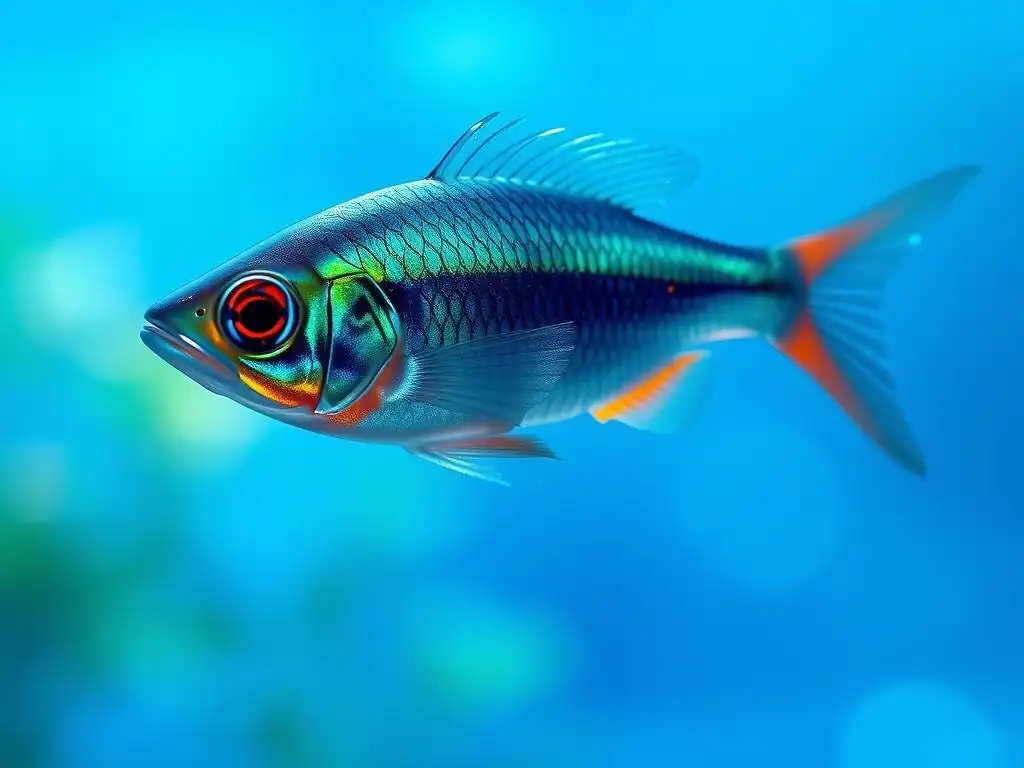
Observing tetra behavior in the breeding tank can provide crucial clues about impending spawning, especially when correlated with barometric pressure changes. Prior to spawning, tetras often exhibit heightened activity, with males actively chasing females, displaying intensified coloration, and flaring their fins in courtship rituals. These behaviors frequently become more pronounced 12-24 hours before a significant drop in atmospheric pressure.
For instance, many successful tetra spawns have been reported to coincide with a steady decline in pressure, perhaps from 1015 millibars (mbar) down to 1000 mbar over a day or two. This mimics the natural conditions where a prolonged drop precedes heavy rainfall. A sudden, sharp drop, indicative of an approaching thunderstorm, can also act as a potent trigger, signaling an immediate and temporary influx of favorable conditions. Documenting these behavioral shifts alongside pressure readings can help aquarists identify specific patterns for their target species.
Monitoring Barometric Pressure: Tools and Techniques for Aquarium Keepers
For the dedicated aquarist, monitoring barometric pressure is a straightforward process. Digital barometers, often integrated into home weather stations, provide precise readings in hectopascals (hPa) or millibars (mbar), which are equivalent units. Many smartphone weather applications also offer local barometric pressure data and historical trends, though direct readings from a dedicated device are generally more accurate for pinpointing subtle changes.
The key is not necessarily to look for a specific absolute pressure value, but rather a trend of falling pressure. A consistent drop of 5-10 mbar (or 0.15-0.30 inches of mercury, inHg) over a 24-hour period is often sufficient to trigger a response. Maintaining a detailed log of pressure readings, alongside water parameters, feeding schedules, and observed fish behavior, will enable aquarists to identify the specific pressure conditions where barometric pressure affects spawning most effectively for their particular tetra species.
Cardinal Tetra: Barometric Pressure Preferences
The Cardinal Tetra ( Paracheirodon axelrodi), renowned for its vibrant coloration and popularity, is also known for being one of the more challenging tetras to breed consistently in captivity. Anecdotal evidence and successful breeding reports strongly suggest that Cardinal Tetras are particularly responsive to barometric pressure changes, perhaps more so than their Neon Tetra cousins. They seem to thrive on a pronounced and sustained drop in pressure, closely mimicking the torrential downpours of their native Amazonian floodplains.
Many experienced breeders have noted successful Cardinal Tetra spawns occurring when the barometric pressure drops below 1005 hPa (approximately 29.68 inHg) and continues to fall. This significant pressure dip, coupled with very soft (GH 0-1 dGH) and acidic (pH 5.0-5.5) water, and a slight temperature reduction (from 26°C to 24°C), creates an almost perfect storm of environmental cues. For Cardinal Tetras, understanding how barometric pressure affects spawning is not just an advantage, but often a prerequisite for consistent breeding success.
Mimicking Natural Barometric Pressure Fluctuations in the Aquarium
Utilizing Technology to Control and Simulate Atmospheric Pressure Changes
Directly controlling atmospheric pressure within a home aquarium setup is largely impractical for the average hobbyist. Creating a sealed, vacuum-controlled environment would require highly specialized and expensive equipment, making it an unfeasible approach for most. However, aquarists can indirectly simulate the effects or leverage the timing of natural barometric pressure drops to their advantage.
The most accessible and effective method involves performing large, sudden water changes with cooler, very soft water. This technique is often timed to coincide with a naturally occurring drop in barometric pressure. The sudden influx of fresh, cool water mimics the onset of rainfall, a natural trigger for spawning in many species. While not a direct manipulation of pressure, this strategy capitalizes on the natural correlation between falling pressure and precipitation, amplifying the spawning cue.
Creating a Stable Aquarium Environment While Replicating Natural Fluctuations
The paradox of advanced aquarium keeping lies in the need for both stability and specific fluctuations. For breeding tetras, this means maintaining consistently optimal baseline water parameters, but introducing controlled "shocks" or cues when attempting to trigger spawning. The goal is not chaotic fluctuation, but rather targeted environmental signaling.
When a natural barometric pressure drop is observed, a controlled large water change—for example, 50-70% with reverse osmosis (RO) water that is 2-3°C cooler than the tank water—can be performed. This sudden infusion of pristine, soft, and slightly cooler water, combined with the natural pressure cue, acts as a powerful stimulant. The stability of the base parameters ensures the fish are healthy enough to respond, while the controlled change provides the necessary trigger, demonstrating how barometric pressure affects spawning when combined with other elements.
The Importance of Water Chemistry Stability During Simulated Barometric Changes
While leveraging barometric pressure as a spawning trigger is an advanced technique, it must always be performed within the context of stable and appropriate water chemistry. Sudden, drastic shifts in pH or hardness, unrelated to a controlled water change, can stress fish and negate any positive effects of pressure changes. For most tetras, this means maintaining very soft water (0-4 dGH) and an acidic pH (5.0-6.5), often achieved through the exclusive use of RO water reconstituted with specific minerals or softened tap water.
The deliberate water change, timed with a pressure drop, should introduce water that already matches the ideal parameters for spawning, merely at a slightly different temperature. This ensures that the eggs, once laid, have the best chance of hatching in an environment free from osmotic stress. Without this fundamental stability in water chemistry, even the most perfectly timed barometric pressure drop will likely result in infertile eggs or high mortality rates for delicate tetra fry.
Case Studies: Successful Tetra Spawning Using Barometric Pressure Control
Case Study 1: Cardinal Tetra, RO Water Setup, High Hatch Rate
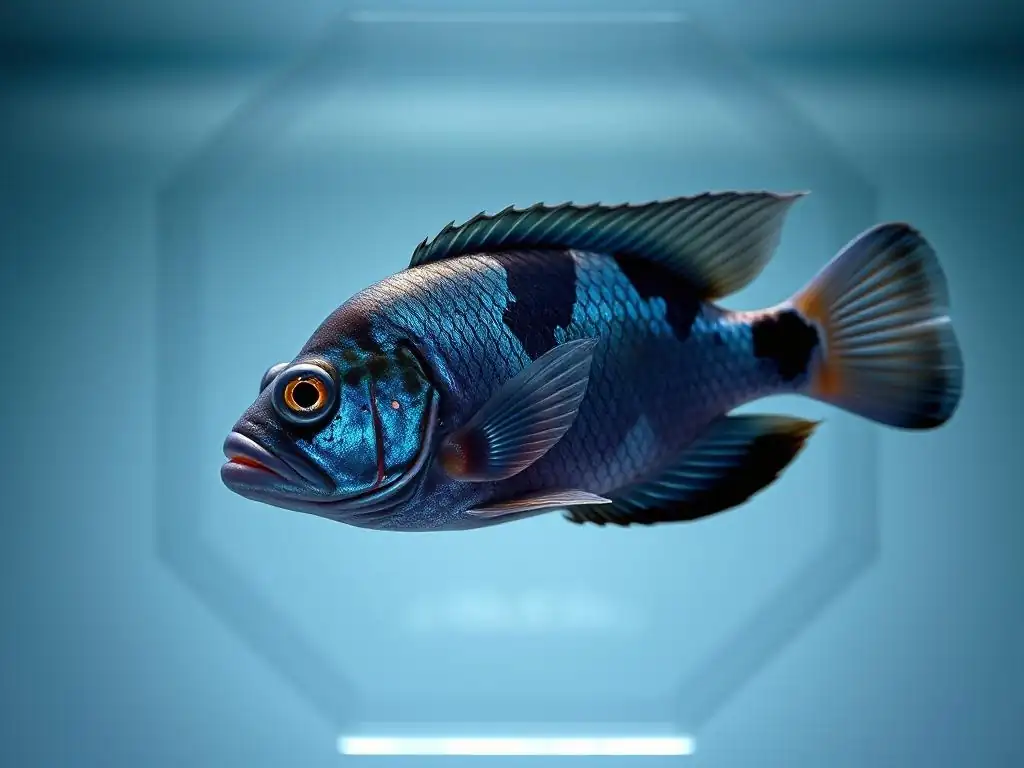
A dedicated aquarist, aiming to breed Cardinal Tetras, set up a 10-gallon breeding tank. The tank was densely planted with Java Moss and filled exclusively with RO water, resulting in near-zero hardness (GH 0, KH 0) and a pH of 5.5, maintained at a consistent 25°C. The breeding pair, conditioned for several weeks on a diet of live blackworms and frozen daphnia, was introduced. The aquarist meticulously monitored local barometric pressure using a digital weather station.
Upon observing a steady pressure drop from 1012 hPa to 998 hPa over an 18-hour period, coinciding with a forecasted significant rain event, the aquarist performed a 70% water change with fresh RO water at 23°C. Within 24 hours of this combined environmental cue, the Cardinal Tetras engaged in vigorous spawning activity. An estimated 80-100 eggs were laid among the Java Moss, and an impressive 70-75% hatch rate was observed within 36 hours. Fry were free-swimming and consuming infusoria by day 5, demonstrating how effectively barometric pressure affects spawning when coupled with pristine conditions.
Case Study 2: Neon Tetra, Blackwater Extract, Moderate Success
Another hobbyist, focusing on Neon Tetra breeding, prepared a 5-gallon breeding tank with a fine mesh bottom to protect eggs. They used conditioned tap water softened with peat filtration, achieving a pH of 6.2 and a GH of 4 dGH, maintained at 24°C. A small amount of commercial blackwater extract was added to further mimic natural conditions. A healthy breeding pair was introduced after a week of conditioning. The aquarist noted a natural barometric pressure drop from 1008 hPa to 1002 hPa over a 12-hour window.
Responding to the pressure drop, the hobbyist performed a 50% water change with prepared water that was slightly cooler at 22°C. Spawning was observed within 36 hours of the water change and pressure shift. Approximately 40-50 eggs were laid, with an estimated 45-50% hatch rate. While the success was moderate compared to the Cardinal Tetra case, it still represented a significant improvement over previous attempts without considering barometric pressure. This case further illustrates that barometric pressure affects spawning, even for slightly less demanding species, contributing to overall breeding success.
Analyzing the Data: Key Takeaways from Successful Breeding Attempts
These case studies highlight several critical insights. Firstly, a dropping barometric pressure, rather than a specific absolute value, appears to be the most potent environmental trigger for tetra spawning. This mimics the natural onset of the wet season or a significant rain event. Secondly, the success rate is profoundly influenced by the quality and precise parameters of the water – soft, acidic, and pristine conditions are non-negotiable for high egg viability and fry survival.
Furthermore, large, sudden water changes, particularly with cooler water, significantly enhance the effect of a natural pressure drop. This combined approach leverages multiple natural cues simultaneously. Even if direct barometric pressure control is beyond a hobbyist's means, timing other spawning triggers (like water changes) with observed natural pressure shifts demonstrably improves breeding outcomes. The data strongly suggests that understanding how barometric pressure affects spawning is a crucial component of advanced tetra breeding.
Common Problems and Solutions in Tetra Breeding
Despite efforts to utilize barometric pressure as a trigger, aquarists may still encounter issues. A common problem is the absence of spawning even during a significant pressure drop. This often indicates that other fundamental factors are not optimally met. Solutions include re-evaluating water parameters (pH, GH, temperature), ensuring the breeding pair is well-conditioned with a high-quality, varied diet, and checking for any underlying stress or disease. Sometimes, the pressure drop might not be sustained enough, or the fish may simply not be in peak breeding condition.
Another frequent issue is spawning occurring, but eggs failing to hatch or succumbing to fungus. This usually points to water quality issues in the breeding tank or infertile males. Solutions involve improving overall water purity through more frequent small water changes in the breeding setup, ensuring the breeding males are mature and healthy, and promptly removing the parent fish after spawning to prevent egg consumption. While some may consider antifungal agents, pristine water quality is the primary defense against egg fungusing.
Addressing Inconsistent Spawning Despite Ideal Pressure Conditions
Inconsistent spawning, even when barometric pressure conditions seem ideal, can be frustrating. It's crucial to remember that barometric pressure is one powerful factor, but rarely the only one. Genetic factors play a role; not all individual fish, even from healthy stock, will be prime breeders. Ensuring the breeding stock is young, healthy, and has been properly conditioned for several weeks on a diverse diet of live and frozen foods is paramount.
Additionally, stress reduction is key. Minimize disturbances around the breeding tank, provide ample hiding spots (like spawning mops or dense plants), and ensure the breeding pair is not overly stressed by tank mates or an inappropriate male-to-female ratio. Sometimes, allowing a group of 3-4 tetras (e.g., two males, two females) to condition together, then selecting the most active pair for the breeding tank, can improve consistency. Meticulous logging of all environmental parameters and fish behavior can help identify subtle patterns or missing triggers.
The Impact of Other Environmental Factors on Tetra Spawning (Temperature, pH, etc.)
While barometric pressure affects spawning, it does so within a broader framework of essential environmental parameters. Temperature is crucial; a slight drop of 1-2°C (e.g., from 26°C down to 24°C), mimicking the cooler water from rainfall, can significantly stimulate spawning when combined with a pressure drop. pH and General Hardness (GH) are non-negotiable for egg viability; most tetras require soft (0-4 dGH) and acidic (pH 5.0-6.5) water for successful egg development and hatching.
Lighting also plays a role; a consistent 12-hour light cycle with dim, naturalistic illumination in the breeding tank can reduce stress and encourage spawning activity, especially for shyer species. Finally, the quality and variety of food offered to the breeding pair cannot be overstressed. A diet rich in live foods (e.g., infusoria, microworms, brine shrimp nauplii) and high-quality frozen foods ensures the fish are in peak physical condition to produce viable eggs and sperm. All these factors synergistically contribute to or detract from successful reproduction, even when barometric pressure affects spawning positively.
Advanced Techniques: Combining Barometric Pressure Control with Other Breeding Methods
Optimizing Lighting and Water Parameters for Tetra Spawning
For advanced tetra breeding, a holistic approach that integrates barometric pressure cues with optimized lighting and precise water parameters yields the highest success rates. A consistent 12-hour on/12-hour off lighting cycle is fundamental, but the intensity of light in the breeding tank should be kept low, mimicking the dim, shaded conditions of their natural spawning grounds. Some breeders even use a gradual dawn/dusk simulation to ease fish into the light cycle, reducing stress.
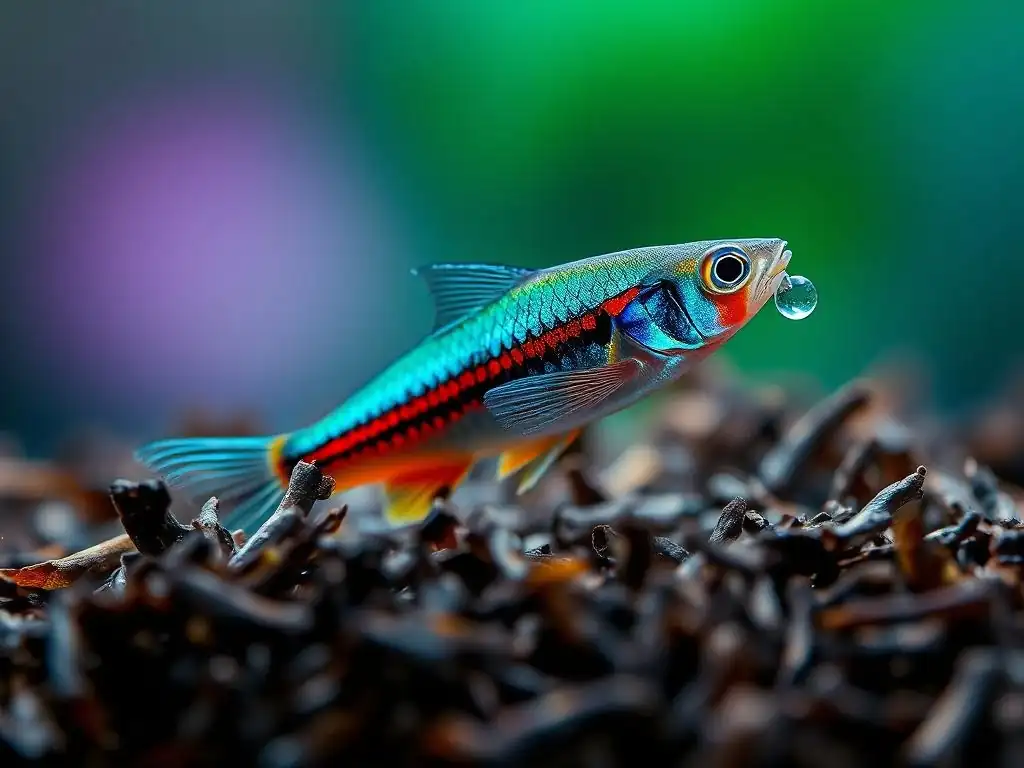
Water parameters must be meticulously controlled. For species like the Black Neon Tetra ( Hyphessobrycon herbertaxelrodi), maintaining a pH of 5.8 with a General Hardness (GH) of 1 dGH, often achieved using pure RO water and peat filtration, is critical for egg survival. When barometric pressure affects spawning, it acts as the primary trigger, but these precise water conditions ensure the eggs, once laid, are viable and can develop successfully. This combination of environmental stimuli primes the fish for optimal reproductive output.
Utilizing Spawning Mops and Other Breeding Aids
To maximize the yield from a successful, pressure-triggered spawn, utilizing appropriate breeding aids is essential. Spawning mops, typically constructed from synthetic yarn or fine acrylic fibers, provide an excellent substrate for tetras to deposit their adhesive eggs. Their design allows eggs to fall deep within the fibers, protecting them from being consumed by the parent fish, who are often voracious egg-eaters.
Alternatively, fine-leaved plants like Java Moss ( Taxiphyllum barbieri), Cabomba, or Myriophyllum can serve a similar purpose, offering a natural-looking and effective egg-catching medium. Some breeders also use a mesh bottom in the breeding tank, allowing eggs to fall through to a safe space below. These aids are crucial for increasing the number of viable eggs collected, ensuring that the effort put into understanding how barometric pressure affects spawning translates into a higher number of fry.
The Synergistic Effect of Multiple Environmental Controls
The pinnacle of tetra breeding mastery lies in understanding the synergistic effect of combining multiple environmental controls. It's not merely about recognizing that barometric pressure affects spawning, but how this powerful cue interacts with and is amplified by other carefully managed factors. For example, a significant drop in barometric pressure, coupled with a large, sudden water change using cooler, pristine RO water, performed on a well-conditioned pair in a tank with optimal lighting and dense spawning mops, creates an almost irresistible urge to reproduce.
This integrated approach mimics the complex suite of changes that signal the perfect breeding season in the wild. Each factor reinforces the others, leading to higher spawning frequency, greater egg production, and ultimately, superior hatch rates. By orchestrating these elements, the advanced aquarist moves beyond simple maintenance to actively guiding and optimizing the reproductive processes of their fish, achieving consistent and impressive breeding results.
Ethical Considerations in Manipulating Tetra Spawning Conditions
Balancing Breeding Success with the Welfare of the Fish
While the desire for breeding success is a strong motivator for advanced aquarists, the welfare of the fish must always remain the paramount concern. Manipulating environmental conditions, even with the intention of triggering spawning, carries the potential for stress if not done thoughtfully. Avoid over-stressing breeding pairs by constantly moving them, subjecting them to overly aggressive water parameter shifts, or attempting to spawn them too frequently without adequate recovery time.
Ensure that conditioning periods are sufficient, providing ample high-quality nutrition and a stable, comfortable environment for the fish to build up their energy reserves. While barometric pressure affects spawning positively, its manipulation should never compromise the long-term health and vitality of the breeding stock. A healthy, unstressed fish is a more willing and successful breeder in the long run.
Sustainable Practices in Tetra Breeding
Engaging in responsible tetra breeding contributes significantly to sustainable aquarium keeping. By successfully breeding common species like Neon or Cardinal Tetras, hobbyists can reduce the demand for wild-caught specimens, which often undergo stressful collection and shipping processes that contribute to wild population declines. Furthermore, breeding can help maintain genetic diversity within captive populations, preventing inbreeding depression.
Part of sustainable practice also includes responsible management of fry. While high hatch rates are desirable, aquarists must have a plan for the offspring, whether it's raising them to sell to local fish stores, trade with other hobbyists, or simply enjoy in their own tanks. Responsible culling of deformed or weak fry, while difficult, is also an important aspect of maintaining strong, healthy genetic lines in subsequent generations.
Responsible Aquarium Keeping and Conservation
The journey of mastering tetra spawning through an understanding of barometric pressure and other environmental factors extends beyond the individual tank. It fosters a deeper appreciation for the intricate biology of aquatic life and their natural habitats. This knowledge can inspire broader conservation efforts, as aquarists become more aware of the delicate balance of ecosystems from which their fish originate.
Responsible aquarium keeping also entails preventing the release of non-native species into local waterways and ensuring proper disposal of aquarium water to avoid introducing pathogens or unwanted chemicals into the environment. By embracing these ethical considerations, the pursuit of advanced breeding techniques like understanding how barometric pressure affects spawning becomes a valuable contribution to both the hobby and the wider natural world, fostering a more informed and responsible community of aquarists.
Conclusion: Mastering Tetra Spawning Through a Deep Understanding of Barometric Pressure and Environmental Factors
The Future of Tetra Breeding: Research and Innovation
The field of aquarium husbandry is constantly evolving, driven by the passion and ingenuity of hobbyists and researchers alike. As technology advances, more precise and accessible methods for environmental control, including subtle atmospheric changes, may become available to the average aquarist. Continued research into the specific neuro-hormonal pathways that link external environmental cues like barometric pressure to internal reproductive processes in tetras will further refine breeding techniques.
The future of tetra breeding lies in a deeper, more scientific understanding of these intricate biological responses. By sharing observations, meticulously documenting results, and collaborating within the aquarist community, hobbyists can collectively push the boundaries of what's possible, unlocking the secrets to consistent and successful reproduction of even the most challenging tetra species.
Resources for Further Learning on Tetra Care and Breeding Techniques
For those committed to mastering tetra spawning, continued education is key. AquariumMastery.com serves as a comprehensive resource, offering detailed guidance on all aspects of freshwater fish care, including species-specific profiles, advanced breeding techniques, and troubleshooting common issues. Exploring specialized forums, reputable aquarium books, and scientific journals can also provide invaluable insights into the nuanced world of fish reproduction.
Embracing the knowledge that barometric pressure affects spawning is a significant step towards becoming a truly advanced aquarist. By diligently applying this understanding, alongside precise water chemistry, optimal nutrition, and a keen eye for fish behavior, aquarists can achieve remarkable success in breeding these captivating fish, enriching their hobby and contributing to the sustainability of the aquatic trade.
Frequently Asked Questions
How does barometric pressure affect the spawning behavior of tetras in an aquarium?
Changes in barometric pressure, often associated with weather patterns, can trigger spawning in some tetra species. This is because these changes mimic natural environmental cues that signal optimal spawning conditions.
Why is understanding barometric pressure important for aquarium breeders?
Knowing how barometric pressure influences spawning allows breeders to predict and encourage spawning events more effectively. This can lead to more successful breeding programs and a better understanding of tetra behavior.
What type of barometric pressure change is most likely to induce spawning in tetras?
A drop in barometric pressure, typically associated with approaching storms, is often the trigger. This simulates the rainy season in their natural habitat, which is a key cue for spawning.
Besides barometric pressure, what other factors influence tetra spawning?
Other crucial factors include water parameters (temperature, pH, hardness), lighting conditions, and the presence of suitable spawning sites like fine-leaved plants or spawning mops.
How can I artificially simulate barometric pressure changes in my aquarium to encourage tetra spawning?
While difficult to directly manipulate, you can focus on mimicking the resulting environmental conditions, such as slightly lowering the water temperature and performing a partial water change to simulate rainfall.
Final Reflection: Riding the Atmospheric Tide
The intricate dance between barometric pressure and tetra spawning, as explored in this article, transcends mere aquarium hobbyism. It highlights a fundamental truth: even in controlled environments, nature's subtle cues hold immense power. Understanding these cues, and specifically how barometric pressure affects spawning, allows us to move beyond simple maintenance and truly cultivate thriving aquatic ecosystems.
This exploration has profoundly impacted my own understanding of aquarium keeping, moving it from a task-oriented activity to a deeply connected practice. It underscores the importance of observation, patience, and a willingness to learn from the natural world. Look deep into nature, and then you will understand everything better.
- Albert Einstein. This quote perfectly encapsulates the essence of this journey, reminding us that true mastery lies in recognizing and respecting the delicate balance of the environment we strive to replicate.
Now, I invite you to consider how this understanding of barometric pressure and its influence on tetra spawning can be applied more broadly. How can we, as stewards of our planet, become more attuned to the subtle signals of the environment? By embracing observation, experimentation, and a deep respect for the natural world, we can unlock new levels of understanding and create a more harmonious relationship with the ecosystems around us, both within our aquariums and beyond.
Unleash the Secrets of Tetra Breeding!
Thank you for diving into the fascinating world of barometric pressure and its impact on Tetra spawning! Now that you're armed with this knowledge, it's time to put it into practice and witness the miracle of life unfold in your aquarium.
- Boldly experiment by closely monitoring barometric pressure and adjusting your Tetra breeding tank conditions accordingly. Observe and document everything!
- Delve deeper into understanding optimal water parameters that maximize Tetra spawning success rates for your specific species.
- Share your Tetra spawning adventures and insights in the Aquarium Mastery community forum – help fellow aquarists unlock the same success!
Ready to become a Tetra breeding guru and share your insights with the world?