
Advanced Strategies for Propagating the Ornate Tetra with Aquarium Mastery

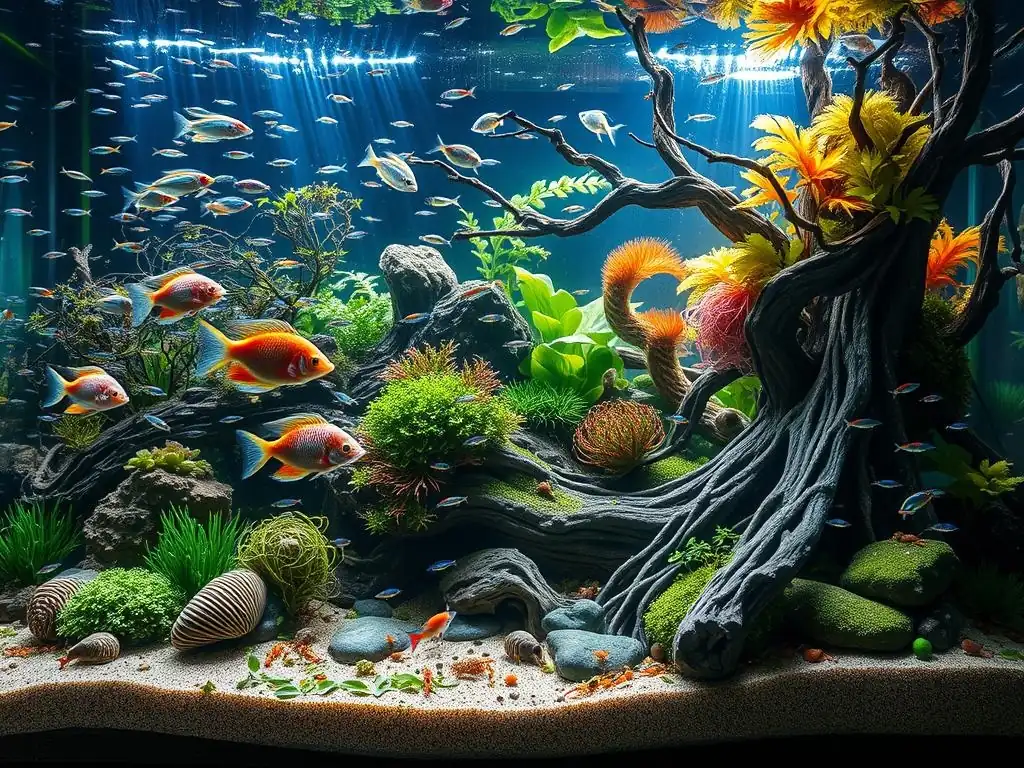
Welcome to Aquarium Mastery!
Ever wondered about the secrets to successfully breeding the dazzling Ornate Tetra in your own aquarium? Dive in! We're unlocking the mysteries of Ornate Tetra propagation techniques in this in-depth guide. Prepare to go beyond the basics and discover advanced strategies that will transform you from hobbyist to Aquarium Master. Let's explore the fascinating world of breeding these beautiful fish!
- Advanced Strategies for Propagating Cardinal Tetras with Aquarium Mastery
- Understanding the Cardinal Tetra for Successful Breeding
- Setting Up a Dedicated Cardinal Tetra Breeding Tank
- Spawning Cardinal Tetras: Techniques and Best Practices
-
Raising Cardinal Tetra Fry: From Hatching to Juvenile
- Caring for Newly Hatched Cardinal Tetra Fry: Initial Feeding Strategies
- Feeding Cardinal Tetra Fry: Live Foods and Micro-Foods for Optimal Growth
- Maintaining Water Quality for Cardinal Tetra Fry: Preventing Common Issues
- Gradual Transition to Adult Food: Weaning Cardinal Tetra Fry
- Monitoring Growth and Development of Cardinal Tetra Fry: Identifying Potential Problems
-
Troubleshooting Common Cardinal Tetra Breeding Challenges
- Addressing Unsuccessful Spawning Attempts: Identifying and Resolving Issues
- Preventing Fungal Infections in Cardinal Tetra Eggs: Treatment Options
- Managing Water Quality Problems in the Breeding Tank: Solutions for Ammonia and Nitrite Spikes
- Dealing with Predation: Protecting Cardinal Tetra Fry from Parents and Other Tank Inhabitants
- Advanced Cardinal Tetra Breeding Techniques for Aquarium Hobbyists
- Maintaining a Healthy Cardinal Tetra Colony
- Conclusion: Mastering Cardinal Tetra Propagation for the Dedicated Aquarist
-
Frequently Asked Questions
- How difficult is it to propagate Ornate Tetras in a home aquarium?
- What are the ideal water parameters for spawning Ornate Tetras?
- What type of breeding tank setup is recommended for Ornate Tetras?
- What do Ornate Tetra fry eat, and how often should they be fed?
- How long does it take for Ornate Tetra eggs to hatch and for the fry to become free-swimming?
- Final Reflection: Nurturing Life, Mastering the Art
- Unleash Your Inner Tetra Breeder!
Advanced Strategies for Propagating Cardinal Tetras with Aquarium Mastery
Understanding the Cardinal Tetra for Successful Breeding
Cardinal Tetra (Paracheirodon axelrodi) Species Overview: Requirements for Propagation
The Cardinal Tetra ( Paracheirodon axelrodi ) is a highly sought-after freshwater fish, renowned for its vibrant iridescent blue and red stripe. Native to the clear and blackwater streams of the Orinoco and Negro rivers in South America, these delicate characins thrive in soft, acidic water conditions, which are crucial for successful Cardinal tetra propagation techniques. They are schooling fish, preferring to be kept in groups of at least six, which reduces stress and encourages natural behaviors, including breeding attempts.
For optimal breeding success, understanding their natural habitat is key. Cardinal Tetras typically spawn during the wet season, when water parameters become even softer and more acidic, mimicking the influx of rainwater. Replicating these conditions in an aquarium, particularly the water chemistry and the presence of suitable spawning sites like fine-leaved plants or spawning mops, significantly increases the likelihood of spawning. Their relatively small size, averaging about 2 inches (5 cm), also means that even moderately sized breeding tanks can be effective.
Identifying Male and Female Cardinal Tetras: Key Differences for Breeding Pairs
Distinguishing between male and female Cardinal Tetras, while subtle, is crucial for setting up successful breeding pairs. Females are generally fuller-bodied and noticeably rounder, especially when gravid (carrying eggs), often appearing more robust than males. Their ventral area will visibly swell, giving them a plumper appearance compared to the more streamlined profile of the males.
Males, on the other hand, tend to be thinner and more slender. While both sexes display the striking blue and red coloration, the male's colors might appear slightly more intense during courtship, though this is not a definitive indicator. Observing a group of Cardinal Tetras from above, the difference in body shape, particularly the breadth of the abdomen, becomes more apparent, aiding in the selection of a healthy, egg-laden female and a vigorous male for your breeding endeavors.
Optimizing Water Parameters for Cardinal Tetra Breeding: Temperature, pH, and Hardness
Optimizing water parameters is perhaps the most critical factor for successful Cardinal tetra breeding. These fish require very specific conditions to induce spawning and ensure egg viability. The ideal temperature range for breeding is slightly elevated, typically between 78-82°F (25.5-27.8°C), which signals to the fish that spawning conditions are favorable, mimicking the warmer temperatures of their natural spawning season.
Even more crucial are pH and water hardness. Cardinal Tetras are soft water spawners, requiring a pH between 5.0 and 6.0, and extremely low general hardness (GH) and carbonate hardness (KH), ideally below 4 dGH (70 ppm) and often as low as 1-2 dGH. Achieving these parameters often necessitates the use of reverse osmosis (RO) water, deionized (DI) water, or rainwater, conditioned with peat or specialized buffering agents to lower pH and hardness. Consistency in these parameters is paramount, as sudden fluctuations can stress the fish and inhibit spawning.
Setting Up a Dedicated Cardinal Tetra Breeding Tank
Choosing the Right Size and Filtration for a Tetra Breeding Tank
Selecting the appropriate tank size for Cardinal tetra propagation is vital for minimizing stress and maximizing spawning success. A dedicated breeding tank of 5-10 gallons (approximately 19-38 liters) is generally sufficient for a single breeding pair or a small group of 2-3 males and 1-2 females. This smaller volume allows for easier control over water parameters, which is essential for these sensitive fish. Larger tanks, while providing more space, can make it harder to locate and collect the tiny, transparent eggs.
Filtration in a Cardinal tetra breeding tank should be minimal and gentle to prevent eggs and newly hatched fry from being sucked in or disturbed. A simple sponge filter, air-driven for gentle circulation, is ideal. The sponge filter provides biological filtration without creating strong currents, and its porous surface offers an additional area for beneficial bacteria to colonize. Avoid powerful hang-on-back or canister filters, as their flow can be detrimental to delicate Cardinal tetra eggs and fry.
Preparing the Breeding Tank Environment: Plants, Substrate, and Lighting for Cardinal Tetras
The breeding tank environment for Cardinal Tetras should closely mimic their natural spawning grounds, focusing on providing suitable sites for egg deposition and a sense of security. A bare bottom tank is often preferred by experienced aquarists as it makes egg collection easier and prevents detritus buildup, which can foul the water. However, if using a substrate, a very thin layer of fine, dark sand can reduce light reflection and make the fish feel more secure, encouraging spawning.
For spawning sites, fine-leaved plants are indispensable. Java moss ( Taxiphyllum barbieri ), water sprite ( Ceratopteris thalictroides ), or even synthetic spawning mops made from nylon yarn provide excellent surfaces for the Cardinal Tetras to scatter their adhesive eggs. These dense structures also offer protection for the eggs from potential predation by the parents. Lighting should be dim and subdued, as Cardinal Tetra eggs are light-sensitive. Covering the tank with a dark cloth or placing it in a dimly lit room can help prevent fungal growth on the eggs and improve hatch rates.
Maintaining Water Quality in the Breeding Tank: Essential for Cardinal Tetra Egg Survival
Maintaining pristine water quality in the Cardinal tetra breeding tank is absolutely essential for the survival of their delicate eggs and fry. Given the specific water parameters required (soft, acidic water), regular monitoring is critical. Daily checks of pH, GH, and temperature are advisable, particularly in the days leading up to and immediately following spawning. Any deviation from the optimal range can significantly reduce egg viability or lead to fry mortality.
Small, frequent water changes using pre-conditioned, aged water that matches the breeding tank's parameters are recommended. For instance, a 10-20% water change every few days can help remove waste products without causing undue stress. It's also crucial to ensure the water is free of chlorine, chloramines, and heavy metals. Many successful Cardinal tetra propagation techniques involve the use of RO/DI water re-mineralized to the desired parameters, which offers the highest level of control over water chemistry and minimizes the risk of introducing harmful contaminants.
Spawning Cardinal Tetras: Techniques and Best Practices
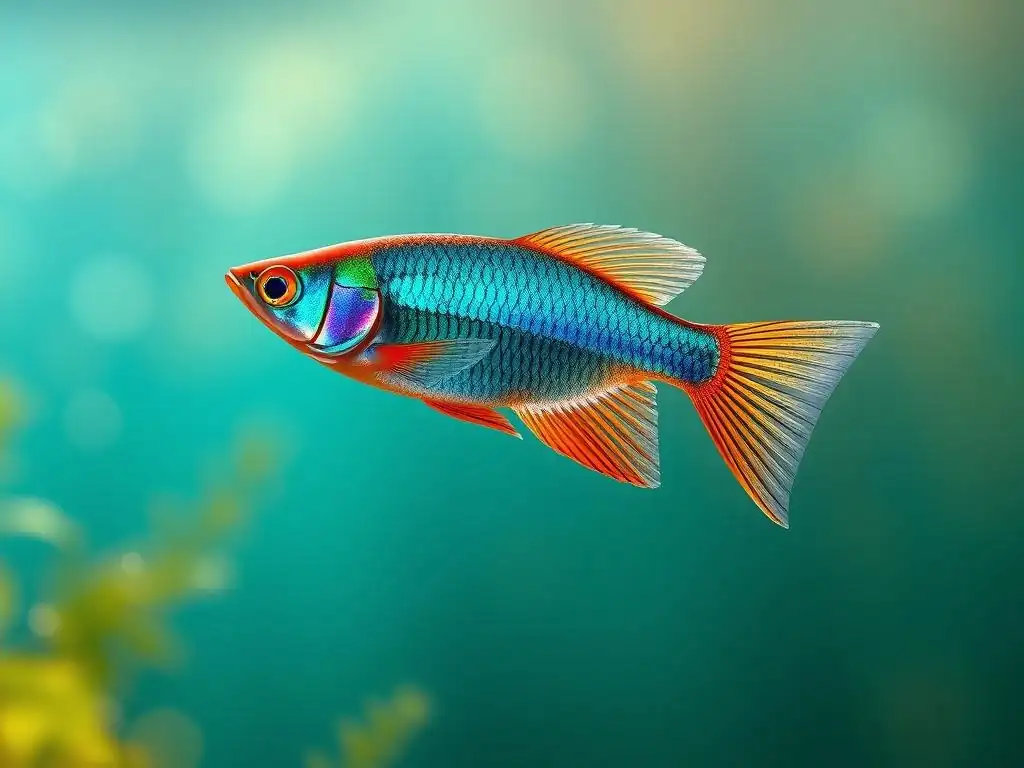
Inducing Spawning in Cardinal Tetras: Diet and Water Changes
Inducing spawning in Cardinal Tetras often requires a combination of conditioning and environmental cues. A high-quality, varied diet rich in live and frozen foods is paramount for conditioning the breeding pair. Foods such as bloodworms, daphnia, brine shrimp, and microworms provide essential proteins and nutrients, helping the females develop eggs and the males produce viable milt. Feeding these foods several times a day for a week or two prior to attempting spawning can significantly increase their readiness.
Once conditioned, a series of small, cool water changes can often trigger spawning. Gradually lowering the water temperature by a degree or two (e.g., from 80°F to 78°F) with cooler, soft, acidic water can simulate the onset of the rainy season in their natural habitat. Performing these 10-15% water changes daily or every other day, combined with the ideal water chemistry, often encourages the fish to spawn, typically in the early morning hours.
Observing Cardinal Tetra Spawning Behavior: Recognizing the Signs of Successful Breeding
Observing Cardinal tetra spawning behavior requires patience and a keen eye, as they are often shy spawners. Spawning usually occurs at dawn or in the very early morning, often before the main lights of the room are on. The male will typically chase the female, nudging her towards the spawning site, such as a clump of Java moss or a spawning mop. This courtship can involve a trembling or vibrating motion from the male.
The female will then release a small clutch of eggs, usually 5-10 at a time, which are immediately fertilized by the male. The eggs are tiny, clear, and adhesive, often sticking to the plants or falling to the bottom. A single female can lay anywhere from 50 to 150 eggs over several hours. Once spawning is complete, the parents may attempt to eat the eggs, making it crucial to remove them promptly or separate the parents from the spawning tank.
Protecting Cardinal Tetra Eggs: Spawning Mops and Egg Separators
Protecting Cardinal tetra eggs is critical for a successful hatch, as the parents are notorious egg eaters. The use of spawning mops or dense clumps of fine-leaved plants like Java moss serves as excellent substrates for egg deposition and provides some level of protection. The eggs will adhere to these materials, making them easier to transfer.
Immediately after spawning, or once you observe eggs, it is best practice to remove the parents from the breeding tank. Alternatively, if using a bare-bottom tank, a fine mesh "egg crate" or a layer of marbles at the bottom can allow eggs to fall through, out of reach of the parents. The spawning mops or plants with attached eggs can then be gently moved to a separate hatching tank containing water with identical parameters to the breeding tank. This isolation greatly increases the number of eggs that will hatch successfully.
Raising Cardinal Tetra Fry: From Hatching to Juvenile
Caring for Newly Hatched Cardinal Tetra Fry: Initial Feeding Strategies
Cardinal tetra fry are incredibly small and delicate upon hatching, which typically occurs within 24-36 hours at 78-82°F (25.5-27.8°C). For the first 2-3 days, they will absorb their yolk sac and do not require external feeding. During this period, they often remain motionless, clinging to surfaces or the bottom of the tank. Once the yolk sac is absorbed, which is evident when they become free-swimming, the critical phase of initial feeding begins.
Their microscopic size necessitates the use of infusoria or other micro-foods as a first food source. Infusoria can be cultured easily at home using decaying plant matter or specialized starter cultures. A common method involves placing a banana peel or a few dried leaves in a jar of aged tank water a few days prior to the fry hatching. Feeding should be done sparingly but frequently, about 3-5 times a day, to ensure a constant supply of food without fouling the water.
Feeding Cardinal Tetra Fry: Live Foods and Micro-Foods for Optimal Growth
As Cardinal tetra fry grow, their diet needs to transition to larger, more nutritious live foods to support their rapid development. After the initial infusoria stage (typically 5-7 days), they can be introduced to newly hatched brine shrimp nauplii, microworms, and vinegar eels. These live foods are highly nutritious and stimulate the fry's natural hunting instincts.
The key to optimal growth is providing a continuous supply of these live foods. For instance, hatching brine shrimp daily ensures fresh, highly motile food. A feeding schedule of 2-3 times a day with these live foods will promote robust growth and coloration. It's crucial to avoid overfeeding, as uneaten food can quickly decompose and degrade water quality, which is detrimental to the sensitive fry.
Maintaining Water Quality for Cardinal Tetra Fry: Preventing Common Issues
Maintaining impeccable water quality is even more critical for Cardinal tetra fry than for adult fish. Their small size makes them extremely vulnerable to even minute fluctuations in parameters or the presence of toxins. Ammonia and nitrite, which are lethal even in small concentrations, are major concerns due to the high frequency of feeding and the fry's delicate nature.
Daily, small water changes are imperative, typically 10-15% using aged, temperature-matched, and parameter-identical water. A turkey baster or a thin airline tubing can be used to siphon out any uneaten food or detritus from the bottom of the tank, preventing ammonia spikes. A gentle sponge filter is usually sufficient for biological filtration, but consistent monitoring with liquid test kits for ammonia, nitrite, and nitrate is non-negotiable to ensure the fry's survival and healthy development.
Gradual Transition to Adult Food: Weaning Cardinal Tetra Fry
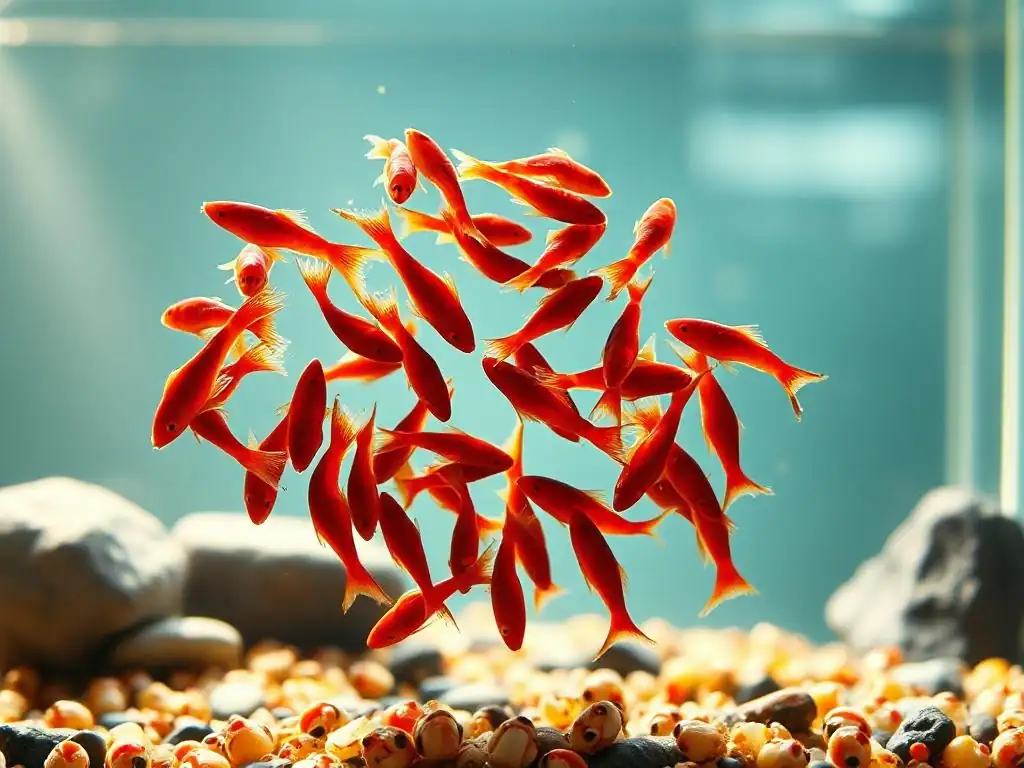
As Cardinal tetra fry grow, usually around 3-4 weeks old, they can gradually be transitioned to finely crushed flake food or high-quality micro-pellets. This weaning process should be slow and gradual to ensure they accept the new food source. Start by offering very small amounts of the crushed dry food mixed with their live foods.
Over the course of a week or two, slowly increase the proportion of dry food while decreasing the live food. Observe their feeding behavior closely to ensure they are actively consuming the dry food. By the time they are 6-8 weeks old, they should be readily accepting finely crushed flakes or micro-pellets as their primary diet, though occasional live or frozen foods will always be beneficial for their health and vibrant coloration.
Monitoring Growth and Development of Cardinal Tetra Fry: Identifying Potential Problems
Regularly monitoring the growth and development of Cardinal tetra fry is crucial for identifying and addressing potential problems early. Healthy fry will show consistent growth, increasing in size and developing their characteristic coloration over time. At around 6-8 weeks, they should begin to resemble miniature adults, displaying the vibrant blue and red stripe.
Slow growth, lack of coloration, or abnormal swimming behavior can indicate underlying issues such as insufficient feeding, poor water quality, or disease. It's important to keep a close eye on their overall health and activity levels. If problems are noted, re-evaluate feeding practices, conduct immediate water parameter tests, and ensure the tank environment is stable. Early intervention is key to preventing widespread mortality in a batch of fry.
Troubleshooting Common Cardinal Tetra Breeding Challenges
Addressing Unsuccessful Spawning Attempts: Identifying and Resolving Issues
Unsuccessful spawning attempts are a common frustration in Cardinal tetra propagation, but most issues can be resolved through careful diagnosis. If your conditioned pair isn't spawning, re-evaluate your water parameters: ensure pH is truly acidic (5.0-6.0), GH is very low (below 4 dGH), and temperature is consistently in the 78-82°F range. Often, the water is not soft or acidic enough. Using 100% RO/DI water re-mineralized to precise levels can often make the difference.
Another common issue is insufficient conditioning. Ensure the breeding pair has been fed a high-quality, varied diet of live and frozen foods for at least 1-2 weeks prior to introduction to the breeding tank. Stress can also inhibit spawning; ensure the breeding tank is in a quiet, dimly lit area with minimal disturbances. Sometimes, simply trying a different male or female from your conditioned group can also yield success, as individual fish may vary in their breeding readiness.
Preventing Fungal Infections in Cardinal Tetra Eggs: Treatment Options
Fungal infections are a significant threat to Cardinal tetra eggs, especially unfertilized ones, which are more susceptible. To prevent fungal outbreaks, maintaining pristine water quality in the hatching tank is paramount. Any decaying organic matter or uneaten food should be promptly removed. Dim lighting is also beneficial, as strong light can encourage fungal growth.
If fungal infections appear, visible as white, fuzzy growths on the eggs, prompt action is needed. Unfertilized eggs should be removed immediately using a pipette or fine forceps to prevent the fungus from spreading to healthy, fertilized eggs. Some aquarists use very dilute methylene blue or acriflavine solutions as a prophylactic measure in the hatching tank, but this should be done with extreme caution as chemicals can also harm sensitive eggs. A few drops of a commercial antifungal agent designed for fish eggs can also be used, following manufacturer instructions carefully.
Managing Water Quality Problems in the Breeding Tank: Solutions for Ammonia and Nitrite Spikes
Water quality problems, particularly ammonia and nitrite spikes, are lethal to Cardinal tetra eggs and fry. These issues commonly arise from overfeeding, insufficient filtration, or infrequent water changes. The best solution is prevention: feed sparingly, remove uneaten food promptly, and ensure gentle biological filtration (e.g., a seasoned sponge filter) is in place.
If an ammonia or nitrite spike occurs, immediate action is required. Perform a small (10-20%) water change using perfectly matched, aged water. Avoid large water changes as they can shock the fry. Adding an ammonia-neutralizing product designed for sensitive fry can offer a temporary solution, but it is not a substitute for addressing the root cause. Increase aeration if possible, as oxygen can help detoxify nitrites. Regular testing with a liquid test kit is crucial for early detection and intervention.
Dealing with Predation: Protecting Cardinal Tetra Fry from Parents and Other Tank Inhabitants
Predation is a primary concern in Cardinal tetra propagation, as parents are known to consume their own eggs and fry. The most effective method to prevent this is to remove the adult fish immediately after spawning. Once eggs are observed on spawning mops or scattered on the bottom, gently transfer the parents back to their main display tank.
If eggs are laid on a substrate like marbles or an egg crate, ensuring the gaps are small enough for eggs to fall through but too small for parents to reach is key. For fry, the breeding tank should be entirely free of other tank inhabitants, including snails or other fish, as even seemingly harmless creatures can prey on the microscopic fry. Keeping the breeding tank isolated and dedicated solely to the fry until they are large enough to be safe from predation is essential.
Advanced Cardinal Tetra Breeding Techniques for Aquarium Hobbyists
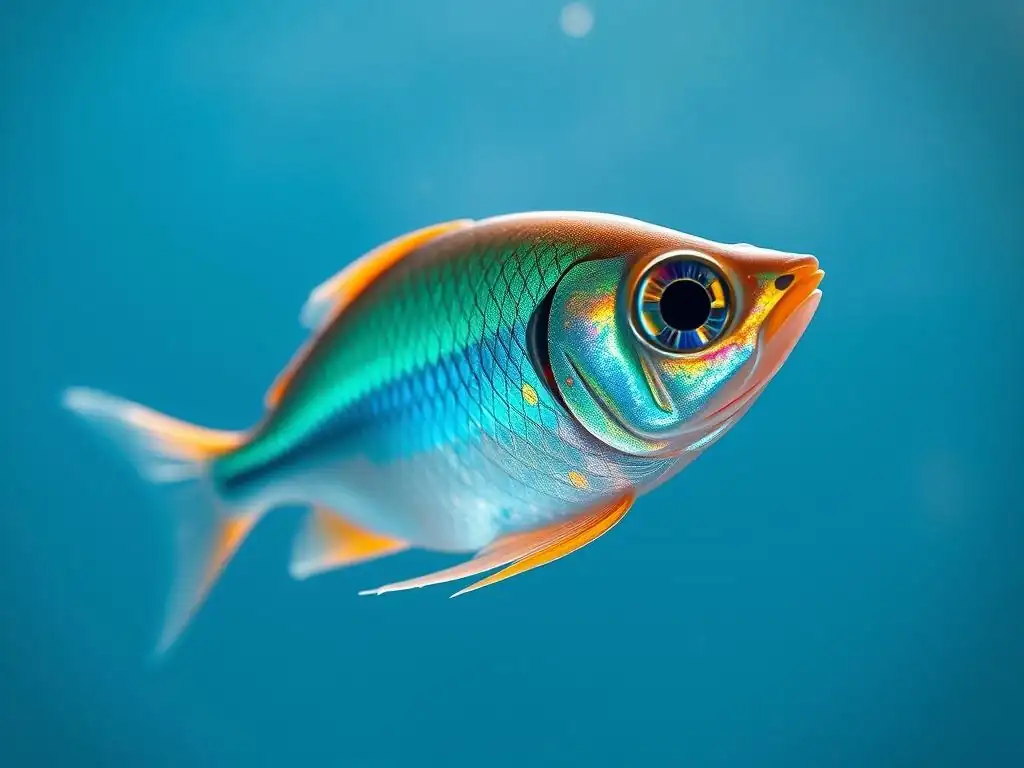
Selective Breeding for Desirable Traits in Cardinal Tetras: Enhancing Color and Finnage
For the dedicated aquarist, selective breeding offers an opportunity to enhance desirable traits in Cardinal Tetras, such as vibrant coloration or improved finnage. This involves carefully selecting the healthiest, most colorful, and robust individuals from each spawning batch to be the next generation of breeders. For instance, if a particular male consistently displays more intense blue iridescence, or a female has a particularly deep red stripe, these are candidates for future breeding pairs.
This process requires meticulous record-keeping, documenting the parentage and characteristics of each batch of fry. Over several generations, consistent selection for specific traits can lead to noticeable improvements in the captive-bred population, potentially yielding Cardinal Tetras with even more striking appearances than their wild counterparts. However, it's crucial to maintain a broad genetic pool to avoid inbreeding depression, which can lead to weakened immune systems and reduced fertility.
Implementing a Breeding Rotation: Maintaining Genetic Diversity in Your Cardinal Tetra Stock
Implementing a breeding rotation is a sophisticated technique to maintain genetic diversity within your captive Cardinal tetra stock, preventing the negative effects of inbreeding such as reduced fertility, susceptibility to disease, and deformities. Instead of continuously breeding the same few pairs, a breeding rotation involves using a wider pool of individuals from different lineages.
For example, you might have several breeding groups, each descended from different initial wild-caught or distinct batches. When selecting breeders for the next generation, choose individuals from different groups to cross-breed, introducing new genetic material. If you have limited stock, occasionally acquiring new, unrelated individuals from a reputable source can also help refresh the gene pool. This systematic approach ensures the long-term health and vigor of your Cardinal tetra colony.
Utilizing Hormonal Treatments (Advanced): [Detailed Explanation and Cautions]
The use of hormonal treatments to induce spawning in Cardinal Tetras is an advanced technique, typically reserved for experienced aquarists or professional breeders. This method involves injecting fish with specific hormones, such as human chorionic gonadotropin (HCG) or luteinizing hormone-releasing hormone analog (LHRHa), to stimulate egg maturation and spawning. These hormones mimic the natural hormonal surges that occur during the breeding season.
Cautions: This technique carries significant risks and requires precise knowledge of dosage, injection sites, and fish physiology. Incorrect administration can cause severe stress, injury, or even death to the fish. Furthermore, the long-term effects of hormonal manipulation on the fish's health and the viability of subsequent generations are not fully understood. Hormonal treatments should only be considered as a last resort for particularly difficult-to-spawn species or for scientific research, and never without proper training and ethical considerations. Beginners should strictly avoid this method.
Maintaining a Healthy Cardinal Tetra Colony
Regular Water Changes and Tank Maintenance for Long-Term Success
Regular water changes and consistent tank maintenance are the cornerstones of maintaining a healthy Cardinal tetra colony for long-term success, whether for breeding or general enjoyment. For adult Cardinal Tetras, a weekly water change of 25-30% is generally recommended. This helps to dilute nitrates, replenish essential minerals, and remove accumulated organic waste that can degrade water quality over time.
Beyond water changes, routine maintenance includes siphoning the substrate to remove detritus, cleaning filter media (gently, in old tank water, to preserve beneficial bacteria), and wiping down tank glass to prevent algae buildup. Consistent monitoring of water parameters (pH, temperature, GH, KH, ammonia, nitrite, nitrate) is also crucial. A stable, clean environment significantly reduces stress on the fish, enhances their vibrant coloration, and makes them more resilient to disease, contributing to overall Cardinal tetra propagation success.
Preventing Disease and Parasites in Your Cardinal Tetra Population
Preventing disease and parasites is paramount for the health and longevity of your Cardinal tetra population. The most effective prevention strategy is maintaining optimal water quality and providing a nutritious diet. Stress, often caused by poor water conditions, overcrowding, or incompatible tank mates, weakens the fish's immune system, making them susceptible to pathogens.
When introducing new fish, plants, or equipment, always quarantine them in a separate tank for at least 2-4 weeks. This allows you to observe for signs of disease and treat any issues before introducing them to your main display or breeding tanks, preventing the spread of infections. Regular observation of your fish for changes in behavior, appetite, or appearance can help detect potential health issues early, allowing for prompt intervention before an outbreak affects the entire colony.
Monitoring Cardinal Tetra Behavior: Early Detection of Health Issues
Monitoring Cardinal tetra behavior is an invaluable tool for the early detection of health issues, which is critical for preventing widespread problems in your colony. Healthy Cardinal Tetras are active, school tightly, display vibrant coloration, and have a strong appetite. They swim fluidly and their fins are held erect.
Any deviation from these normal behaviors should raise a red flag. Signs of distress or illness include:
- Loss of color: Fading or dulling of their vibrant stripes.
- Erratic swimming: Jerky movements, shimmying, or rubbing against objects.
- Isolation: Hiding more than usual or separating from the school.
- Loss of appetite: Refusing food.
- Physical signs: Clamped fins, white spots (Ich), fuzzy growths (fungus), or red streaks.
- Rapid breathing: Gill movements appear faster than normal.
Promptly addressing these signs by checking water parameters, observing tank mates, and considering potential treatments can save your fish and ensure the continued success of your Cardinal tetra propagation efforts.
Conclusion: Mastering Cardinal Tetra Propagation for the Dedicated Aquarist
Frequently Asked Questions
How difficult is it to propagate Ornate Tetras in a home aquarium?
Ornate Tetra propagation is considered moderately challenging. It requires specific water parameters and a separate breeding tank to be successful.
What are the ideal water parameters for spawning Ornate Tetras?
The ideal water parameters include a slightly acidic pH (around 6.0-6.5), a soft water hardness, and a temperature between 78-82°F. Maintaining stability is also crucial.
What type of breeding tank setup is recommended for Ornate Tetras?
A breeding tank with fine-leaved plants or a spawning mop is recommended. Dim lighting and a gentle sponge filter are also beneficial for the delicate eggs and fry.
What do Ornate Tetra fry eat, and how often should they be fed?
Ornate Tetra fry initially require infusoria or liquid fry food. As they grow, transition to baby brine shrimp or microworms. Feed them small amounts several times a day.
How long does it take for Ornate Tetra eggs to hatch and for the fry to become free-swimming?
Ornate Tetra eggs typically hatch within 24-36 hours. The fry become free-swimming after about 3-4 days, at which point they need to be actively fed.
Okay, here's a final reflection designed to close your article "Advanced Strategies for Propagating the Ornate Tetra with Aquarium Mastery," optimized for the keyword "Ornate tetra propagation techniques" and following the structure you provided:
Final Reflection: Nurturing Life, Mastering the Art
The intricate dance of life within our aquariums, particularly the successful propagation of the Ornate Tetra, is more than just a technical achievement; it's a testament to our dedication to understanding and replicating the delicate balance of nature. The techniques we've explored, from water chemistry manipulation to fry rearing strategies, represent a commitment to responsible aquascaping and the preservation of this captivating species.
The journey of mastering Ornate Tetra propagation is a continuous learning process, one that deeply connects us to the rhythms of the natural world. This connection fosters a profound respect for the fragility and beauty of aquatic ecosystems, reminding us of our role as stewards of these miniature worlds. In every drop of water, there is a story of life, a testament to the resilience and beauty of nature.
This quote encapsulates the essence of our endeavor, highlighting the profound responsibility we undertake when we choose to cultivate life within our tanks.
Now, armed with these advanced Ornate Tetra propagation techniques, I invite you to reflect on your own aquascaping journey. Consider how you can further refine your practices, share your knowledge with others, and contribute to the sustainable enjoyment of this magnificent fish. Embrace the challenge, celebrate the successes, and remember that each new generation of Ornate Tetras you nurture is a testament to your dedication and a vibrant contribution to the aquatic world.
Unleash Your Inner Tetra Breeder!
Thanks for diving into the fascinating world of Ornate Tetra propagation! We hope you've gained valuable insights to elevate your aquarium game. Now, let's put that knowledge into action and truly master the art of tetra breeding.
- Embark on Your First Breeding Attempt: Don't wait, set up your breeding tank and carefully select your healthiest Ornate Tetra pair.
- Share Your Experiences: Head to our forum and document your propagation journey – success or setbacks! Your insights can help others.
- Try the Unexpected: Experiment with different spawning media – have you considered fine-leaved aquatic plants besides the standard spawning mops?
What unique strategy will you employ to achieve the perfect Ornate Tetra spawn?