
Beyond the Ordinary: Exploring the Fascinating World of Specialized Tanganyikan Cichlids

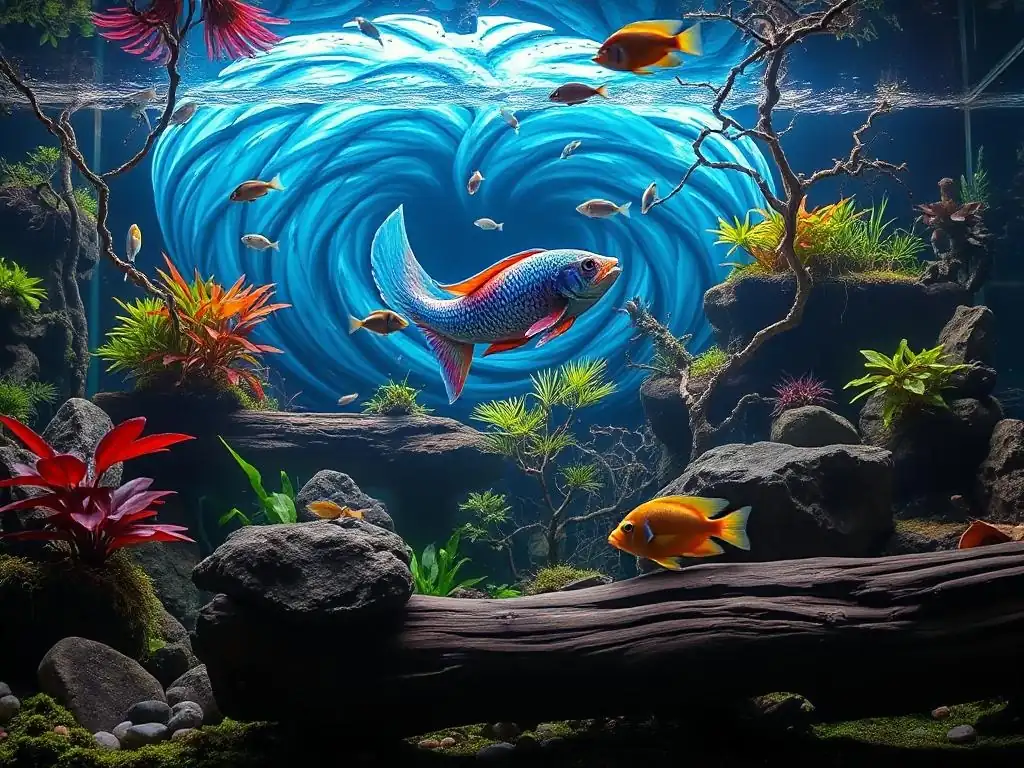
Welcome to Aquarium Mastery!
Dive into the captivating realm of aquarium keeping, and prepare to go beyond the ordinary. Are you ready to unlock the secrets of thriving, vibrant Tanganyika cichlids? This article explores essential Tanganyika cichlid care tips, offering insights you won't find anywhere else. Curious how to create the perfect environment for these unique fish? Let's explore together!
- Understanding the Unique Appeal of Specialized Tanganyikan Cichlids
- Tanganyika Cichlid Care Tips: Essential Considerations for Success
- Exploring Specific Groups of Specialized Tanganyikan Cichlids
- Feeding Specialized Tanganyikan Cichlids: Meeting Their Dietary Needs
- Breeding Specialized Tanganyikan Cichlids: A Rewarding Challenge
- Common Health Issues in Specialized Tanganyikan Cichlids and How to Address Them
- Choosing Tank Mates for Specialized Tanganyikan Cichlids: Compatibility and Considerations
- Advanced Tanganyikan Cichlid Care: Going Beyond the Basics
-
Frequently Asked Questions
- What makes Tanganyikan cichlids different from other freshwater fish?
- What are the key water parameters needed for successful Tanganyika cichlid care?
- What kind of tank setup is best suited for Tanganyika cichlids?
- What are some common health issues that affect Tanganyika cichlids?
- What are some suitable tank mates for Tanganyika cichlids, and which should be avoided?
- Final Reflection: Embracing the Complexity of Life
- Unleash Your Inner Aquarist: Transform Your Tank!
Understanding the Unique Appeal of Specialized Tanganyikan Cichlids
Why Choose Specialized Cichlids from Lake Tanganyika?
Choosing specialized cichlids from Lake Tanganyika offers aquarists a unique opportunity to observe truly remarkable adaptations and behaviors not commonly found in other freshwater fish. These species have evolved over millions of years to thrive in specific ecological niches within the lake, leading to highly specialized feeding habits, intricate social structures, and distinctive breeding strategies.
Unlike the more commonly kept Malawian cichlids, Tanganyikan species often exhibit more subtle yet equally captivating interactions, from the communal living of shell dwellers to the graceful open-water schooling of Cyprichromis. Their distinct appearances and fascinating life cycles present a rewarding challenge for dedicated aquarists seeking to expand their expertise beyond conventional setups.
Furthermore, the appeal lies in recreating a piece of one of the world's oldest and deepest lakes within your home aquarium. The stable, hard, and alkaline water conditions of Lake Tanganyika have shaped these fish, making them particularly sensitive to environmental fluctuations but incredibly vibrant when their needs are met.
Successfully providing the precise Tanganyika cichlid care tips required allows enthusiasts to witness behaviors such as complex pair bonding, intricate territorial displays, and unique mouthbrooding techniques, providing an unparalleled glimpse into a truly ancient aquatic ecosystem. This deep immersion into their natural history is what makes specialized Tanganyikan cichlids a truly "beyond the ordinary" choice for the discerning hobbyist.
Defining "Specialized" in the Context of Tanganyikan Cichlids
In the realm of Tanganyikan cichlids, "specialized" refers to species that have developed highly specific adaptations to exploit particular resources or habitats within Lake Tanganyika. This often translates to unique morphological features, dietary requirements, or behavioral patterns that set them apart from more generalized cichlid species. For instance, shell dwellers like Lamprologus ocellatus are obligate users of empty snail shells for shelter and breeding, a specialization that dictates their habitat needs. Similarly, Tropheus species are highly specialized herbivores, relying almost exclusively on scraping algae (aufwuchs) from rocks, making their dietary needs very precise and intolerant of high-protein foods.
These specializations are a direct result of the lake's ancient origins and stable environment, which allowed for extensive adaptive radiation. Understanding these unique adaptations is paramount for successful Tanganyika cichlid care tips. For example, the planktivorous Cyprichromis species require ample open water for schooling and feeding on small suspended particles, while rock-dwelling Julidochromis need intricate rock formations with crevices for territory and spawning. Recognizing and accommodating these inherent specializations, rather than treating them as generic cichlids, is the cornerstone of providing an environment where these remarkable fish can truly thrive and display their full range of natural behaviors.
Tanganyika Cichlid Care Tips: Essential Considerations for Success
Water Parameters: Replicating Lake Tanganyika's Environment
Replicating the precise water parameters of Lake Tanganyika is arguably the most critical aspect of successful Tanganyika cichlid care tips. The lake's water is famously stable, hard, and alkaline, with a typical pH range of 7.8 to 9.0, a general hardness (GH) between 10 and 18 dGH, and a carbonate hardness (KH) often ranging from 16 to 20 dKH.
These specific conditions are vital for the physiological well-being of the fish, as their internal body chemistry has evolved to function optimally within this narrow range. Deviations can lead to osmotic stress, weakened immune systems, and increased susceptibility to various diseases, including the dreaded bloat, even if other factors seem ideal.
Maintaining this stability is more important than hitting exact numbers, as sudden fluctuations are far more detrimental than slightly off but consistent parameters. Regular testing with reliable liquid test kits for pH, GH, KH, ammonia, nitrite, and nitrate is non-negotiable. For instance, a weekly check of pH and hardness, alongside bi-weekly checks for nitrogenous compounds, provides a clear picture of the tank's chemical stability. Understanding and diligently managing these water parameters sets the foundation for a thriving Tanganyikan cichlid aquarium, allowing the fish to exhibit their natural vitality and color.
Maintaining Proper pH and Hardness for Tanganyikan Cichlids
To consistently maintain the high pH and hardness required for Tanganyikan cichlids, several methods can be employed. The most common approach involves incorporating buffering agents into the substrate or filter. Using substrates like crushed coral, aragonite sand, or specialized cichlid sands that contain calcium carbonate can naturally elevate and stabilize both pH and hardness.
For instance, a layer of aragonite sand 2-3 inches deep in a 75-gallon tank can significantly contribute to maintaining a pH of 8.2 and a GH of 12 dGH over time. Additionally, commercially available Tanganyika buffer salts can be added during water changes to precisely adjust parameters.
The importance of carbonate hardness (KH) cannot be overstated, as it acts as a buffer against pH swings. A robust KH level, ideally above 10 dKH, prevents the sudden drops in pH (pH crashes) that can occur as organic acids accumulate in the aquarium.
Without sufficient buffering capacity, even minor changes like feeding or adding tap water with different parameters can cause severe stress. Monitoring KH weekly and supplementing as needed, perhaps by dissolving 1-2 teaspoons of sodium bicarbonate per 10 gallons during water changes, ensures that the water remains stable and within the optimal range for these sensitive fish, making it a cornerstone of effective Tanganyika cichlid care tips.
The Importance of Water Changes for a Healthy Cichlid Tank
Regular and substantial water changes are paramount for maintaining a healthy environment for specialized Tanganyikan cichlids, irrespective of filtration quality. Even the most efficient filtration systems cannot remove all dissolved organic compounds, nitrates, and phosphates that accumulate from fish waste and uneaten food. Weekly or bi-weekly water changes of 25-30% are generally recommended for most Tanganyikan setups.
For example, in a 75-gallon tank, this equates to removing and replacing 18-22 gallons of water, significantly diluting pollutants and replenishing essential minerals. This consistent dilution prevents the buildup of toxins that can lead to chronic stress, weakened immune systems, and susceptibility to diseases like bloat.
Beyond toxin removal, fresh water reintroduces vital trace elements and minerals that are depleted over time through biological processes and fish uptake. It also helps in maintaining the desired hardness and pH levels, especially if the replacement water is adjusted to match the lake's parameters. Furthermore, the act of performing water changes, combined with gravel vacuuming, physically removes detritus from the substrate, further contributing to overall tank cleanliness. Neglecting this crucial maintenance step is a common pitfall in Tanganyika cichlid care tips, often leading to a decline in fish health and vibrancy over the long term.
Tank Setup: Creating the Ideal Habitat for Specialized Species
Creating the ideal habitat for specialized Tanganyikan cichlids involves more than just selecting an appropriately sized tank; it requires thoughtful consideration of the aquascape to mimic their natural lake environment and cater to their specific behavioral needs. For instance, while a 20-gallon long tank might suffice for a small colony of shell dwellers like Neolamprologus multifasciatus, larger open-water species such as Cyprichromis or Featherfins demand a minimum of 75 to 125 gallons to accommodate their schooling behavior and active swimming.
The tank dimensions are also critical; taller tanks are beneficial for species that utilize the water column, while longer tanks provide ample horizontal swimming space and territory boundaries.
Effective filtration is another cornerstone of a successful Tanganyikan cichlid setup. Given their often high bioload and sensitivity to water quality, robust mechanical, biological, and chemical filtration is essential. External canister filters are highly recommended due to their large media capacity and strong flow rates, often capable of turning over the tank's volume 4-6 times per hour.
For example, a Fluval FX4 or FX6 on a 125-gallon tank provides excellent filtration and circulation. Additionally, incorporating powerheads can enhance water flow in specific areas, benefiting species that prefer stronger currents, while ensuring excellent water clarity and oxygenation, which are fundamental Tanganyika cichlid care tips.
Substrate Selection: Mimicking the Lake Bottom
The choice of substrate is a critical component in mimicking the natural environment of Lake Tanganyika and directly impacts the well-being of specialized cichlids. Fine sand, such as silica sand, play sand, or aragonite sand, is the preferred substrate. This is because many Tanganyikan species, particularly shell dwellers ( Neolamprologus and Lamprologus species) and sand sifters ( Xenotilapia), naturally sift through sand for food particles or excavate it to create territories and breeding sites. A substrate of fine sand approximately 2-4 inches deep allows for these natural behaviors, preventing injuries that could occur with coarser or sharp gravel.
Aragonite sand offers the added benefit of contributing to the water's hardness and buffering capacity, helping to maintain the desired high pH and GH levels characteristic of Lake Tanganyika. While silica or play sand are inert, they provide the correct texture for burrowing and sifting. Regardless of the type, ensure the sand is thoroughly rinsed before adding it to the aquarium to prevent cloudiness. Providing the correct substrate not only supports natural behaviors but also contributes to the overall stability of the water chemistry, making it a key element of effective Tanganyika cichlid care tips.
Rockwork and Aquascaping for Tanganyikan Cichlids: Providing Shelter and Territory
Rockwork is indispensable for creating the ideal habitat for most specialized Tanganyikan cichlids, as it provides essential shelter, establishes territories, and reduces aggression. Lake Tanganyika is renowned for its rocky shores and deep-water rock formations, which serve as crucial habitats for numerous cichlid species. Using inert rocks like limestone, Texas holey rock, slate, or lava rock, aquarists can construct intricate cave systems, vertical rock walls, and individual territories. For example, species like Julidochromis or Neolamprologus brichardi are rock-dwellers that require numerous crevices and caves for hiding, spawning, and establishing their domains.
When designing the rockwork, ensure stability by stacking rocks securely, perhaps even using aquarium-safe silicone to prevent collapses, especially with burrowing species. The design should also consider the specific inhabitants: for rock-dwelling species, densely packed rock formations are beneficial, while open-water swimmers like Cyprichromis need ample clear swimming space, with rockwork confined to the perimeter or background. Providing visual barriers between territories is a crucial Tanganyika cichlid care tip to minimize aggression and allow fish to retreat when stressed, fostering a harmonious and natural environment for these fascinating cichlids.
Exploring Specific Groups of Specialized Tanganyikan Cichlids
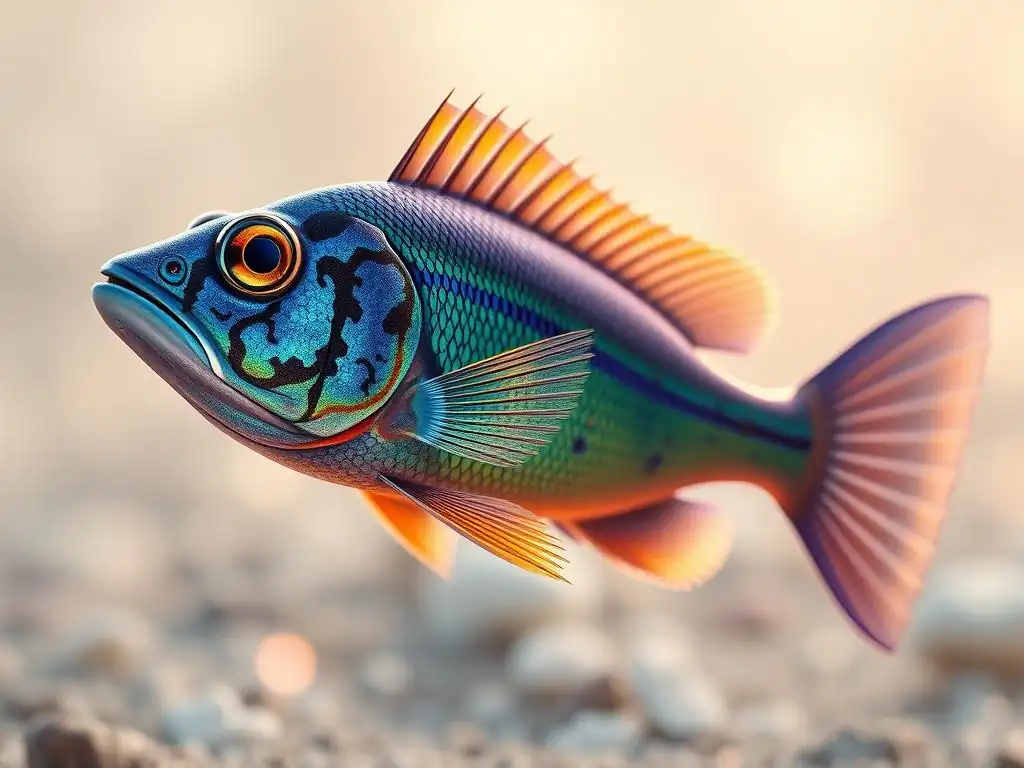
Shell Dwellers: Miniature Wonders of the Cichlid World
Shell dwellers are a captivating group of specialized Tanganyikan cichlids defined by their unique reliance on empty snail shells for shelter, breeding, and territorial defense. These diminutive fish, typically ranging from 1 to 3 inches (2.5-7.5 cm) in length, exhibit complex social behaviors within and around their chosen shells. Species like Neolamprologus multifasciatus (Multies), Lamprologus ocellatus, and Neolamprologus similis are prime examples, each displaying distinct personalities and shell preferences. Their small size makes them suitable for smaller aquarium setups compared to other cichlids, with a minimum of 10-20 gallons often being sufficient for a small colony or pair.
What makes shell dwellers truly miniature wonders is their intricate social dynamics. N. multifasciatus, for instance, are known for forming bustling colonies where individuals cooperate in digging and defending shell beds. Males often oversee a harem of females, each with her own shell, while L. ocellatus are more solitary, with pairs fiercely defending a single shell. Observing their constant sand-sifting, shell-moving, and territorial skirmishes provides endless fascination. Providing the right environment, as detailed in specific Tanganyika cichlid care tips, allows these tiny yet tenacious fish to showcase their full repertoire of natural behaviors.
Caring for Neolamprologus multifasciatus (Multi Cichlids)
Neolamprologus multifasciatus, affectionately known as "Multies," are perhaps the most popular shell-dwelling cichlids due to their engaging colony-forming behavior. For a thriving colony of Multies, a minimum of a 20-gallon long aquarium is recommended, though larger tanks (e.g., 40-gallon breeder) will allow for more extensive colony development and reduced aggression. The substrate must be fine sand, at least 2-3 inches deep, to facilitate their constant digging and re-arrangement of shells. Crucially, provide an abundance of clean, empty snail shells – ideally 1.5 to 2 times the number of fish, such as escargot shells, which are perfectly sized.
Water parameters for Multies should align with general Tanganyikan requirements: pH 7.8-8.5, GH 10-15 dGH, and temperature around 76-80°F (24-27°C). Their diet should consist of high-quality small sinking pellets or flakes, supplemented with frozen foods like brine shrimp, daphnia, and cyclops. Feed small amounts multiple times a day. Multies are prolific breeders, and once established, a colony will readily produce fry. Consistent water changes (20-25% weekly) are essential for maintaining pristine water quality, which is a key Tanganyika cichlid care tip for preventing disease and encouraging breeding in these active little fish.
Providing Shells and Territory for Shell Dwelling Cichlids
The provision of appropriate shells and the careful arrangement of their territory are paramount for the successful keeping and breeding of shell-dwelling cichlids. The most commonly used shells are empty escargot shells, which are readily available and provide the ideal size and shape for most species. Other suitable options include small apple snail shells or even artificial ceramic shells.
The key is to offer a generous quantity, typically at least one shell per fish, plus several spares, scattered across the sandy substrate. For colony-forming species like Neolamprologus multifasciatus, arranging shells in clusters or a "shell bed" will encourage natural colony expansion.
For more solitary or pairing species like Lamprologus ocellatus, shells can be more spaced out, allowing each pair to establish a distinct territory around their chosen dwelling. Many shell dwellers will actively bury or move their shells, so ensure the sand substrate is deep enough to accommodate this behavior. The shells serve not only as hiding spots but also as vital breeding sites.
Females lay their eggs inside the shells, and both parents (or just the female, depending on species) will defend the entrance. This specialized housing setup is perhaps the most unique and important of all Tanganyika cichlid care tips for this fascinating group, directly influencing their comfort, behavior, and reproductive success.
Featherfins ( Cyathopharynx and Ophthalmotilapia): Graceful Open-Water Swimmers
Featherfins, primarily represented by the genera Cyathopharynx and Ophthalmotilapia, are among the most graceful and visually striking cichlids from Lake Tanganyika. These species are characterized by their elongated, flowing fins, particularly in mature males, which are used in elaborate courtship displays. Unlike many other Tanganyikan cichlids that are tied to rocky or sandy substrates, Featherfins are predominantly open-water swimmers, often found schooling in the mid to upper water column. They are micro-predators or planktivores, feeding on tiny organisms suspended in the water, which dictates their dietary needs in captivity.
Their impressive adult size, with some species reaching 8-10 inches (20-25 cm), necessitates large aquariums, typically a minimum of 75-125 gallons for a small group. Keeping them in groups of 5-7 individuals or more is crucial, as this reduces individual aggression and encourages their natural schooling behavior, allowing them to display their full beauty and social interactions. The tranquil elegance of Featherfins, combined with their unique feeding and swimming habits, makes them a captivating choice for aquarists willing to provide the specific Tanganyika cichlid care tips required for these open-water beauties.
Tank Size and Water Flow Requirements for Featherfin Cichlids
Given their active, open-water swimming nature and considerable adult size, Featherfin cichlids such as Cyathopharynx furcifer or Ophthalmotilapia ventralis require substantial aquarium real estate. A minimum tank size of 75 gallons is recommended for a small group (e.g., 5-7 individuals), but a 125-gallon or larger tank is ideal to provide ample horizontal and vertical swimming space. The aquascape for Featherfins should prioritize open areas over dense rockwork, with any decorations confined to the periphery or background to avoid impeding their movement.
In their natural habitat, Featherfins often inhabit areas of Lake Tanganyika with moderate to strong water currents. Replicating this water flow in the aquarium is a critical Tanganyika cichlid care tip. High-quality filtration systems that provide robust water circulation, such as powerful canister filters, are essential. Supplementing with powerheads can create additional localized currents, mimicking the natural flow and ensuring adequate oxygenation. This dynamic water movement is not just for cleanliness; it directly contributes to the Featherfins' health, activity levels, and natural behaviors, preventing lethargy and encouraging their graceful movements.
Feeding Featherfin Cichlids: A Specialized Diet
Feeding Featherfin cichlids correctly is a highly specialized aspect of their care, as they are primarily micro-predators or planktivores in the wild. Their natural diet consists of zooplankton and phytoplankton, which they filter from the water column. In the aquarium, their diet should reflect this, emphasizing small, high-quality foods. Suitable commercial options include spirulina flakes, small sinking pellets formulated for omnivorous or planktivorous cichlids, and freeze-dried or frozen daphnia, cyclops, and finely crushed brine shrimp. Feeding small amounts multiple times a day (e.g., 2-3 times) is beneficial, as it simulates their natural grazing behavior.
Crucially, avoid feeding Featherfins high-protein, meat-based foods typically designed for predatory cichlids or larger carnivores. Foods rich in animal fat or large, indigestible proteins can lead to severe digestive issues, including bloat, which can be fatal. For example, feeding bloodworms or large meaty pellets designed for Malawian carnivores is highly discouraged. Always prioritize foods with a significant vegetable or plankton component. Adhering to these precise dietary Tanganyika cichlid care tips is fundamental to preventing illness and ensuring the long-term health and vibrant coloration of these delicate open-water swimmers.
Cyprichromis: Schooling Beauties from the Depths
Cyprichromis species are among the most elegant and unique cichlids from Lake Tanganyika, renowned for their slender, torpedo-shaped bodies, vibrant colors, and distinctive schooling behavior. Unlike most cichlids, they spend the vast majority of their time in the open water column, typically in the mid to upper levels, where they feed on plankton. Popular species include Cyprichromis leptosoma and Cyprichromis microlepidotus, each exhibiting stunning sexual dimorphism, with males displaying brilliant blues, yellows, and oranges, especially during courtship.
These fish thrive when kept in large schools, ideally 10-15 individuals or more. Keeping them in smaller numbers can lead to increased stress, shyness, and even aggression among males as they struggle to establish territories without the safety in numbers. While generally peaceful towards other species that occupy different tank levels, their unique social structure within their own kind means that providing a large group is a fundamental Tanganyika cichlid care tip for their well-being and for observing their natural, mesmerizing schooling patterns. Their beauty and unique behavior make them a highly sought-after species for dedicated Tanganyikan enthusiasts.
Maintaining a School of Cyprichromis leptosoma
Maintaining a healthy school of Cyprichromis leptosoma requires specific attention to tank size, group dynamics, and water column utilization. For a robust school of 10-15 individuals, a minimum of a 75-gallon aquarium is recommended, with larger tanks (e.g., 125 gallons or more) being ideal, especially if housing multiple male color morphs or other tank mates. The tank should ideally be taller rather than just long, providing ample vertical swimming space that these fish naturally utilize. Maintaining a good male-to-female ratio, such as 1 male for every 2-3 females, helps disperse male aggression and encourages natural breeding behaviors.
Water parameters must be consistently stable, mimicking Lake Tanganyika's conditions: pH 7.8-8.5, GH 10-18 dGH, and temperature around 76-80°F (24-27°C). They are highly sensitive to fluctuating water quality, so frequent and consistent water changes (e.g., 25% weekly) are crucial to keep nitrates low and maintain pristine conditions. A diet of high-quality spirulina flakes, small sinking pellets, and frozen planktonic foods like cyclops and daphnia should be offered several times a day in small amounts. These specific Tanganyika cichlid care tips are essential for observing the vibrant colors and fascinating schooling behaviors of Cyprichromis leptosoma.
Creating the Right Water Column Environment for Cyprichromis
Creating the optimal water column environment is paramount for the health and natural behavior of Cyprichromis species, as they primarily inhabit the upper and middle layers of the aquarium. Unlike rock-dwelling cichlids, Cyprichromis require extensive open swimming space. Aquascaping should therefore be minimalistic in the central water column, with any rockwork or decorations concentrated along the back or sides of the tank. Tall, vertical rock structures or slender pieces of driftwood can provide visual breaks and a sense of security without obstructing their schooling paths.
Strong filtration providing good water turnover and moderate water flow is beneficial, as Cyprichromis originate from areas with gentle currents. Ensure the tank is well-oxygenated. Their diet, as planktivores, should consist of small, high-quality foods that slowly drift in the water column, allowing them to graze naturally. Avoid large, sinking pellets that fall quickly to the bottom, as Cyprichromis rarely feed there. This focus on the water column and appropriate feeding methods is a distinguishing feature of effective Tanganyika cichlid care tips for these schooling beauties, ensuring they thrive and display their full, mesmerizing potential.
Other Notable Specialized Tanganyikan Cichlids: Tropheus duboisi, Julidochromis marlieri
Beyond the shell dwellers, featherfins, and Cyprichromis, Lake Tanganyika is home to many other highly specialized cichlids that demand tailored care. Tropheus duboisi, for example, is an iconic species known for its dramatic color transformation from a striking black body with white polka dots as a juvenile to a dark body with a broad yellow or blue band as an adult.
They are obligate herbivores, strictly feeding on aufwuchs (algae and associated microorganisms) scraped from rocks. This dietary specialization means their diet in captivity must be almost exclusively vegetable-based, high in spirulina and devoid of animal protein, making them highly susceptible to bloat if fed improperly.
Another fascinating specialized cichlid is Julidochromis marlieri, often called "Marlier's Julie." This is a rock-dwelling cichlid characterized by its distinctive horizontal stripes and elongated body. Julidochromis species are known for their strong pair bonds and are cave spawners, requiring extensive rockwork with numerous crevices and hiding spots to establish territories and breed. While generally peaceful among themselves once a pair is established, they can be highly territorial towards other rock-dwelling cichlids. Both Tropheus duboisi and Julidochromis marlieri exemplify the diversity of specialized niches within Lake Tanganyika, underscoring the necessity of species-specific Tanganyika cichlid care tips for their successful keeping.
Feeding Specialized Tanganyikan Cichlids: Meeting Their Dietary Needs
Meeting the precise dietary needs of specialized Tanganyikan cichlids is as crucial as maintaining their water parameters. Unlike generalist fish, many Tanganyikans have evolved highly specific feeding strategies, from the herbivorous Tropheus to the planktivorous Cyprichromis and the insectivorous shell dwellers. Providing the wrong type of food can lead to severe digestive issues, nutrient deficiencies, or the dreaded bloat, which is often fatal. Therefore, understanding the natural diet of your specific species is the first and most important step in their feeding regimen.
A balanced diet for most specialized Tanganyikan cichlids typically involves a combination of high-quality commercial foods specifically formulated for cichlids, supplemented with appropriate live or frozen foods. For herbivorous species, spirulina-rich flakes and pellets are paramount, while carnivorous or omnivorous species might benefit from small, protein-rich options. Feeding small amounts multiple times a day (e.g., 2-3 times) is generally preferred over one large meal, as it mimics their natural grazing or foraging patterns and helps prevent overfeeding, which can quickly degrade water quality and impact health.
Live Foods and Frozen Foods: Supplementing Their Diet
Live and frozen foods play a vital role in supplementing the diet of specialized Tanganyikan cichlids, providing essential nutrients, stimulating natural hunting behaviors, and enhancing coloration. For planktivorous species like Cyprichromis and Featherfins, frozen cyclops, daphnia, and finely crushed brine shrimp are excellent choices, mimicking the small organisms they consume in the wild. Shell dwellers and other smaller insectivorous cichlids can benefit from occasional feedings of frozen mysis shrimp or blackworms, which provide a rich source of protein and fat.
When offering live foods, such as newly hatched brine shrimp or daphnia, ensure they are sourced from reputable suppliers to minimize the risk of introducing diseases or parasites into your aquarium. Frozen foods should always be thawed thoroughly before feeding to prevent digestive upset. While these supplemental foods are highly beneficial, they should generally not form the sole basis of the diet but rather be offered as enriching treats a few times a week. Incorporating these varied foods is a key Tanganyika cichlid care tip for promoting robust health and vibrant activity in your specialized cichlids.
Commercial Cichlid Pellets: Choosing the Right Formula
Choosing the right commercial cichlid pellets or flakes is fundamental to the long-term health of specialized Tanganyikan cichlids. The market offers a wide array of cichlid foods, but it is crucial to select formulations that align with the specific dietary needs of your species. For primarily herbivorous grazers such as Tropheus species, spirulina-rich flakes and pellets, with a high percentage of vegetable matter (often 30-50% spirulina), are absolutely essential. Feeding these species foods high in animal protein can lead to severe digestive issues and bloat.
For omnivorous or carnivorous Tanganyikan cichlids (e.g., many Neolamprologus or Julidochromis species), look for high-quality sinking pellets with a balanced protein-to-fat ratio, derived from sources like fish meal, krill, or spirulina. Avoid generic "cichlid foods" that might be formulated for Malawian carnivores, as their protein content can be too high or the protein sources inappropriate. Always check the ingredient list carefully. Reputable brands often offer specialized formulas for African cichlids or herbivorous fish. This meticulous selection of commercial food is a critical Tanganyika cichlid care tip that directly impacts the health and longevity of your fish.
Avoiding Overfeeding: Maintaining Water Quality
Overfeeding is one of the most common and detrimental mistakes in aquarium husbandry, particularly with sensitive specialized Tanganyikan cichlids. Excess food quickly decomposes, leading to a rapid deterioration in water quality, characterized by elevated ammonia, nitrite, and nitrate levels. This not only stresses the fish and compromises their immune systems but also directly contributes to digestive problems, most notably bloat, which can be lethal. The general rule of thumb is to feed only what your fish can consume within 2-3 minutes.
Instead of one large daily meal, it is far better to feed smaller amounts 2-3 times a day. This approach mimics natural foraging patterns, reduces the amount of uneaten food decaying in the tank, and allows for better digestion. Any uneaten food should be promptly removed from the aquarium to prevent further water pollution. Consistent adherence to this simple yet profound Tanganyika cichlid care tip, coupled with regular water changes, is paramount for maintaining pristine water conditions, preventing disease, and ensuring the long-term vitality of your specialized Tanganyikan cichlids.
Breeding Specialized Tanganyikan Cichlids: A Rewarding Challenge
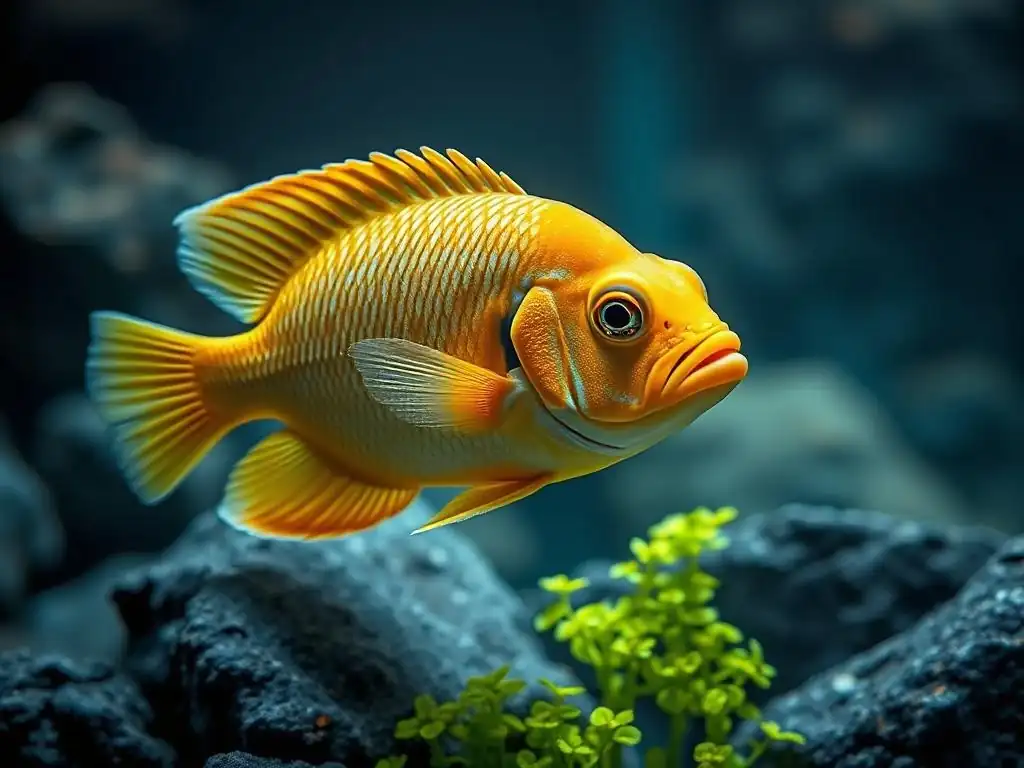
Breeding specialized Tanganyikan cichlids is a highly rewarding aspect of the hobby, offering a deeper insight into their complex behaviors and life cycles. While some species are relatively straightforward to breed, others present a significant challenge, requiring precise environmental conditions and dedicated care. Successful breeding often signifies that the aquarist has provided an optimal environment, mimicking their natural habitat closely. Many Tanganyikan cichlids are mouthbrooders, where the female (or sometimes both parents) carries the eggs and fry in her mouth, providing protection until they are free-swimming.
Achieving breeding success typically hinges on several key factors: stable and pristine water parameters, a species-appropriate diet to condition the fish, a properly aquascaped tank providing suitable spawning sites and territories, and a compatible group or pair of mature fish. Observing the intricate courtship rituals, the careful mouthbrooding, and the eventual release of fry provides an unparalleled experience for the dedicated aquarist. Each group of specialized Tanganyikan cichlids has its unique breeding strategy, requiring specific Tanganyika cichlid care tips to encourage reproduction.
Creating Breeding Conditions for Shell Dwellers
Creating the ideal breeding conditions for shell dwellers is relatively straightforward, making them a popular choice for aspiring Tanganyikan cichlid breeders. The cornerstone is providing an ample supply of clean, appropriately sized empty snail shells, such as escargot shells. These shells serve as both shelter and crucial breeding sites. A sandy substrate, at least 2-3 inches deep, allows the fish to dig and arrange the shells to their liking, a behavior essential for spawning. Maintaining stable water parameters within the optimal Tanganyikan range (pH 7.8-8.5, GH 10-15 dGH, temperature 76-80°F or 24-27°C) is vital.
Once a compatible pair or colony is established and comfortable, shell dwellers are often prolific breeders. The female will typically lay her eggs inside a chosen shell, and the male will then fertilize them. Both parents, or primarily the female, will guard the shell entrance.
Fry, often numbering 10-30 per spawn, are tiny but can be fed newly hatched brine shrimp or finely crushed flake food once free-swimming. Providing plenty of shells for the fry to eventually claim as their own is also important. These precise Tanganyika cichlid care tips ensure a high success rate for breeding these miniature marvels.
Spawning Behavior and Fry Care in Featherfin Cichlids
Featherfin cichlids, like Cyathopharynx furcifer, exhibit fascinating mouthbrooding spawning behavior. During courtship, the male will display his elaborate fins, attempting to entice a female to his chosen spawning site, often a flat rock or a cleared area on the sand. The female will lay a small batch of eggs, which she immediately picks up into her mouth.
The male then presents his anal fin, which has egg spots (ocelli), to the female. As she attempts to pick up these "eggs," the male releases sperm, fertilizing the eggs already in her mouth. This process is repeated until all eggs are laid and collected.
After spawning, the female will brood the eggs and subsequent fry in her buccal cavity for approximately 21-28 days, depending on water temperature. During this period, she may refuse to eat and become reclusive. It is crucial to provide a calm, secure environment for the brooding female to prevent stress, which could lead to her spitting out or swallowing the eggs/fry prematurely.
Once the fry are released, they are relatively large and can be fed newly hatched brine shrimp, finely crushed flake food, or micro-pellets. Protecting these delicate fry from larger tank mates is a key Tanganyika cichlid care tip for successful rearing.
Breeding Cyprichromis: A Unique Mouthbrooding Strategy
Cyprichromis species, such as Cyprichromis leptosoma, also employ a mouthbrooding strategy, but with a unique open-water spawning ritual. Unlike many cichlids that spawn on a substrate, Cyprichromis males will establish a temporary territory in the open water column, often near a vertical rock face or a clear area. The male will display to a female, and the pair will engage in a "T-position" spawning embrace. The female releases her eggs, which she immediately collects in her mouth. The male then releases sperm into the water, and the female ingests it along with the eggs, fertilizing them internally.
To encourage breeding, maintain a well-established school of 10-15 individuals or more with a healthy male-to-female ratio (e.g., 1 male to 2-3 females) in a spacious aquarium (minimum 75 gallons). Provide stable, pristine water conditions and a high-quality, varied diet. The female will brood the eggs and fry for about 3-4 weeks. When the fry are released, they are relatively large and free-swimming, capable of consuming newly hatched brine shrimp, daphnia, or finely crushed flake food. Successfully breeding Cyprichromis is a testament to advanced Tanganyika cichlid care tips, showcasing their fascinating and distinct reproductive behaviors.
Common Health Issues in Specialized Tanganyikan Cichlids and How to Address Them
Despite their hardiness when kept correctly, specialized Tanganyikan cichlids are susceptible to a range of health issues, often stemming from poor water quality, improper diet, or stress. Recognizing the early signs of illness and understanding their causes is vital for prompt treatment and prevention. The most commonly feared ailment is "bloat," a term that can encompass several underlying conditions. Other issues include parasitic infections (internal and external) and bacterial infections. Maintaining a clean, stable environment and providing a species-appropriate diet are the best preventative measures.
Early detection is key to successful treatment. Observe your fish daily for changes in behavior, appetite, coloration, or physical appearance (e.g., clamped fins, labored breathing, abdominal swelling, white stringy feces). A quarantine tank is an invaluable tool for isolating new fish or treating sick individuals without exposing the entire tank to medication. While specific treatments exist, the overarching Tanganyika cichlid care tip for health is prevention through meticulous husbandry and understanding the unique sensitivities of these specialized fish.
Malawi Bloat vs. Tanganyikan Bloat: Understanding the Differences
While both "Malawi Bloat" and "Tanganyikan Bloat" manifest as abdominal swelling and often lead to similar fatal outcomes, their primary causes and typical presentations can differ. Malawi Bloat is almost exclusively linked to dietary issues, specifically feeding high-protein, easily digestible foods to herbivorous Mbuna cichlids, leading to an imbalance in their gut flora. Tanganyikan Bloat, often referred to as "Tanganyika Cichlid Disease" (TCD), is more complex and frequently associated with internal flagellate parasites like Hexamita (related to Spironucleus) or opportunistic bacterial infections, though stress and poor diet can certainly exacerbate it.
Symptoms of Tanganyikan Bloat typically include lethargy, loss of appetite, dark coloration, rapid breathing, and crucially, white, stringy feces, often preceding severe abdominal swelling. Treatment usually involves medicated foods containing Metronidazole (for flagellates) or broad-spectrum antibiotics (for bacterial infections), or direct bath treatments in severe cases. While proper diet is a preventative for both, TCD often requires specific anti-parasitic or antibiotic intervention. Understanding this distinction is a crucial Tanganyika cichlid care tip for accurate diagnosis and effective treatment.
Treating Parasitic Infections in Tanganyikan Cichlids
Specialized Tanganyikan cichlids can be susceptible to various parasitic infections, both internal and external, if water quality is poor, new fish are not quarantined, or they are otherwise stressed. Common external parasites include Ich ( Ichthyophthirius multifiliis), manifesting as white spots resembling salt grains on the body and fins, and flukes, causing flashing or scratching against tank decor. Internal parasites, such as intestinal worms or flagellates (like Hexamita, often linked to Tanganyikan Bloat), present with symptoms like weight loss despite eating, listlessness, or white, stringy feces.
Treatment depends on the specific parasite. Ich can often be treated by slowly raising the water temperature (if species-appropriate, e.g., to 82-84°F or 28-29°C) combined with aquarium salt or commercial Ich medications. Flukes may respond to Praziquantel. Internal flagellates are typically treated with Metronidazole, often administered through medicated food for better efficacy. Always remove activated carbon from the filter during medication. A critical preventative Tanganyika cichlid care tip is to quarantine all new fish for at least 4-6 weeks to observe for signs of illness and treat proactively before introduction to the main display tank.
Poor water quality is the single most significant stressor and cause of illness in specialized Tanganyikan cichlids. High levels of ammonia, nitrite, or nitrate, as well as fluctuating pH, can severely compromise a fish's immune system, making it highly susceptible to opportunistic bacterial infections, parasitic infestations, and bloat. Ammonia and nitrite are acutely toxic, causing gill damage and suffocation, while chronically elevated nitrates lead to long-term stress and organ damage. A sudden pH crash, often due to insufficient buffering capacity (low KH), can be fatal.
The cornerstone of preventing water quality-related illnesses is diligent and consistent husbandry. This includes performing regular water changes (e.g., 25-30% weekly) to dilute nitrates and replenish essential minerals, thorough gravel vacuuming to remove decaying organic matter, and routine cleaning of filter media (rinsed in old tank water to preserve beneficial bacteria).
Daily monitoring of fish behavior and weekly testing of water parameters (ammonia, nitrite, nitrate, pH, GH, KH) allows for early detection of issues. Maintaining stable, pristine water conditions is the most impactful of all Tanganyika cichlid care tips for ensuring the long-term health and vibrancy of your specialized Tanganyikan cichlids.
Choosing Tank Mates for Specialized Tanganyikan Cichlids: Compatibility and Considerations
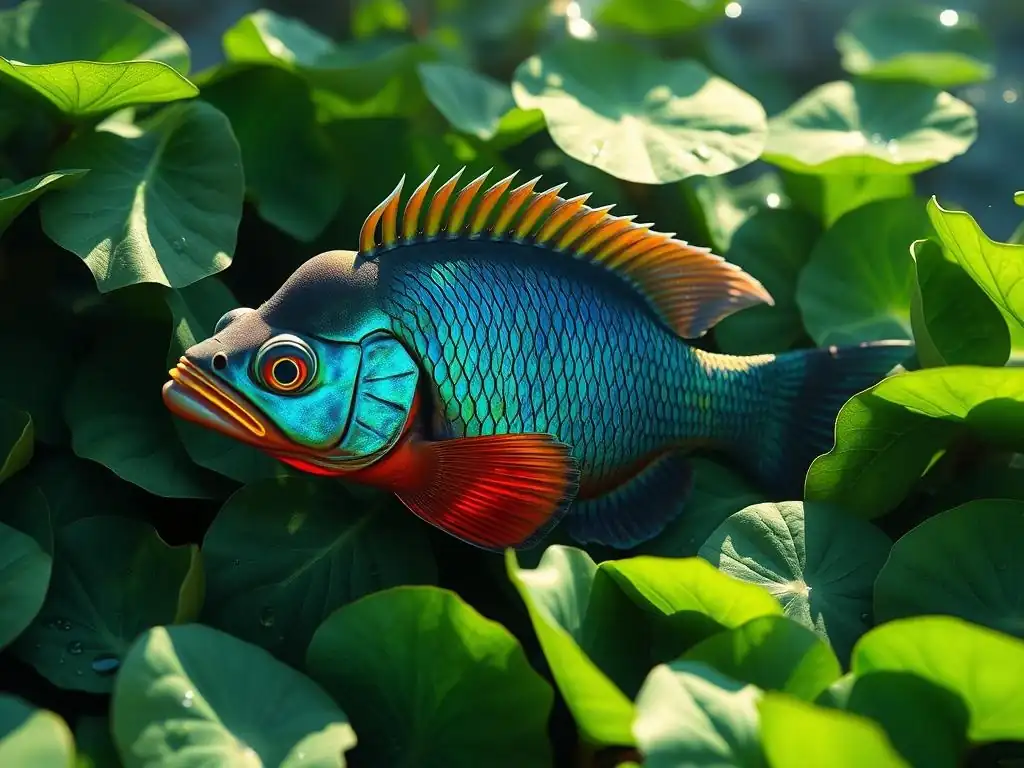
Choosing appropriate tank mates for specialized Tanganyikan cichlids is crucial for maintaining a peaceful and thriving aquarium. While many cichlids are known for their aggression, many Tanganyikan species are relatively peaceful, especially when kept in appropriate group sizes and with sufficient space. However, their specific habitat requirements and social structures mean that careful consideration of compatibility is paramount. Mixing species that occupy different ecological niches within the tank (e.g., a sand dweller with a rock dweller and an open-water swimmer) often works best, as it minimizes direct competition for resources and territory.
The key to successful cohabitation lies in extensive research into each species' temperament, adult size, dietary needs, and preferred water parameters. Avoid overcrowding, as this is a primary driver of aggression and stress. Providing ample hiding spots and visual barriers is also essential. A well-planned community of Tanganyikan cichlids can be incredibly rewarding, showcasing the diverse behaviors of Lake Tanganyika's inhabitants without undue conflict. Adhering to specific Tanganyika cichlid care tips for tank mate selection ensures a harmonious environment.
Avoiding Aggressive Tank Mates: Maintaining Peace in the Aquarium
To maintain peace in a specialized Tanganyikan cichlid aquarium, it is crucial to avoid tank mates that are overly aggressive, significantly larger, or possess contrasting temperaments that could lead to stress or injury. While some Tanganyikan cichlids are territorial, few are as relentlessly aggressive as certain Malawian Mbuna. Mixing these two groups is generally discouraged due to differing dietary needs and aggression levels. Even within Tanganyikan species, highly aggressive individuals or pairs, particularly during breeding, can cause problems for more docile tank mates.
Researching the specific aggression levels and territorial requirements of each species before introduction is vital. For instance, a pair of highly territorial Neolamprologus brichardi might dominate a smaller tank, while a larger group could spread out aggression. Overcrowding can also exacerbate aggression, turning normally peaceful fish hostile. Providing ample hiding spots and visual breaks with rockwork helps to diffuse tension. Ultimately, a balanced approach to stocking, prioritizing species that can coexist without undue competition for space or resources, is a fundamental Tanganyika cichlid care tip for a harmonious display.
Suitable Tank Mates for Shell Dwellers
For the small and often shy shell-dwelling cichlids, selecting appropriate tank mates is essential to prevent them from being intimidated or outcompeted. Ideal tank mates are small, peaceful Tanganyikan species that primarily occupy the upper or middle water column, thus avoiding direct competition for the limited bottom space and shells. Excellent choices include small schooling Cyprichromis species, such as Cyprichromis leptosoma "Kitumba" or "Jumbo", which are graceful open-water swimmers and pose no threat to the shell dwellers.
Other suitable options include small, peaceful Synodontis catfish, such as Synodontis lucipinnis (dwarf upside-down catfish), which are bottom dwellers but are generally non-aggressive and occupy a different niche. Some smaller, less territorial rock-dwelling Julidochromis species might also be compatible in larger tanks with ample rockwork, provided they do not directly compete for the shell dwellers' sandy territory. Avoid large, boisterous, or predatory fish that could stress or prey on the shell dwellers or their tiny fry. Thoughtful selection of tank mates is a key Tanganyika cichlid care tip for the well-being of these fascinating, diminutive cichlids.
Tank Mate Options for Featherfin and Cyprichromis Species
Featherfin and Cyprichromis species are open-water schooling cichlids that thrive in large groups and require ample swimming space. When choosing tank mates for these elegant fish, the focus should be on species that are similarly peaceful, occupy different parts of the tank, and do not compete directly for food or territory. Good options include other peaceful, open-water Tanganyikan cichlids like certain Callochromis or Xenotilapia species that are also planktivores or sand sifters. These species tend to stay closer to the bottom or in the mid-water, complementing the Cyprichromis' preference for the upper water column.
Peaceful rock-dwelling cichlids such as Julidochromis species (e.g., J. transcriptus) or certain Neolamprologus species (e.g., N. leleupi or N. brichardi) can also be excellent tank mates, provided the tank is sufficiently large (minimum 75-125 gallons) and offers distinct rock-based territories separate from the open water column. These rock dwellers will utilize the aquascape's caves and crevices, minimizing interaction with the schooling fish. The key is to ensure all inhabitants have enough space to establish their niche without direct competition or excessive aggression, making careful selection a vital Tanganyika cichlid care tip for a balanced and beautiful Tanganyikan community.
Advanced Tanganyikan Cichlid Care: Going Beyond the Basics
Advanced Tanganyikan cichlid care transcends routine maintenance, delving into a deeper understanding of their biology, environment, and long-term well-being. It involves a commitment to replicating their natural biotope as closely as possible, meticulously monitoring water parameters, and understanding the intricate dynamics of the aquarium ecosystem. This level of care is often pursued by dedicated aquarists who seek not just to keep fish alive, but to see them thrive, breed naturally, and exhibit their full range of fascinating behaviors. It requires patience, continuous learning, and a proactive approach to tank management.
Going beyond the basics means fine-tuning every aspect of the aquarium, from selecting the specific geological materials for aquascaping to understanding the nuances of the nitrogen cycle in a high-pH environment. It involves a commitment to long-term water quality monitoring and adapting maintenance strategies based on the specific needs of the fish and the evolving dynamics of the tank. This detailed approach is essential to ensure that the article is not only informative and accurate but also appealing and useful to readers, offering the most comprehensive Tanganyika cichlid care tips.
Setting Up a Dedicated Tanganyikan Cichlid Biotope Aquarium
Setting up a dedicated Tanganyikan cichlid biotope aquarium is an advanced endeavor that aims to replicate a specific natural habitat from Lake Tanganyika as accurately as possible. This involves selecting fish species that naturally co-exist in the same microhabitat (e.g., sandy shore, rocky littoral, open water) and then designing the aquascape, substrate, and water parameters to precisely match that environment.
For a rocky biotope, this would involve extensive stacking of inert rocks like limestone or slate, creating numerous caves and crevices for rock-dwelling species. A sandy biotope, on the other hand, would feature vast expanses of fine sand, perhaps with scattered shells or minimal rockwork, for shell dwellers or sand sifters.
The benefits of a biotope aquarium are numerous: it reduces stress on the fish by providing their preferred environment, encourages more natural behaviors (such as foraging, territorial displays, and breeding), and often leads to more vibrant coloration. For example, a biotope replicating the shell beds of the lake would exclusively house shell dwellers with hundreds of shells, allowing for the observation of their complex colony dynamics. This meticulous attention to detail in replicating the natural environment is a pinnacle of Tanganyika cichlid care tips, offering the most enriching experience for both fish and aquarist.
Understanding the Nitrogen Cycle in a Tanganyikan Cichlid Tank
A thorough understanding and meticulous management of the nitrogen cycle are absolutely fundamental to advanced Tanganyika cichlid care tips. The nitrogen cycle is the biological process by which toxic ammonia (from fish waste and decaying food) is converted into less toxic nitrite, and then into relatively harmless nitrate by beneficial bacteria.
In a Tanganyikan cichlid tank, with its high pH and often high bioload, maintaining a robust and efficient nitrogen cycle is critical. Proper cycling of a new tank, which typically takes 4-6 weeks, is essential before introducing fish, ensuring that a stable colony of nitrifying bacteria is established in the filter media and substrate.
Regular testing for ammonia, nitrite, and nitrate levels is non-negotiable. Ammonia and nitrite should always be undetectable (0 ppm), as even trace amounts can be highly toxic and stress fish, leading to disease. While nitrates are less immediately harmful, levels should be kept below 20 ppm through consistent and adequate water changes. A sudden spike in ammonia or nitrite indicates a problem with the biological filter or overfeeding, requiring immediate action like large water changes and reducing feeding. Mastering the nitrogen cycle is the foundational knowledge upon which all other successful Tanganyika cichlid care tips are built.
Long-Term Maintenance and Water Quality Monitoring.
Long-term success with specialized Tanganyikan cichlids is not achieved through a single setup, but through consistent, diligent, and proactive maintenance and water quality monitoring. This involves establishing a routine that addresses all aspects of tank health. Weekly or bi-weekly water changes of 25-30% are paramount for diluting nitrates and replenishing essential minerals.
During these changes, thorough gravel vacuuming is crucial to remove detritus and uneaten food trapped in the substrate, which can otherwise decompose and negatively impact water quality. Filter maintenance, such as rinsing filter media in old tank water (never tap water, which contains chlorine that kills beneficial bacteria), should be performed monthly or as needed to prevent clogging without disrupting the biological filter.
Beyond physical cleaning, continuous monitoring of water parameters is vital. Keeping a detailed log of weekly test results for pH, GH, KH, and nitrates allows aquarists to identify trends, anticipate potential issues, and adjust their maintenance routine proactively. For instance, a gradual drop in KH might indicate the need for more frequent buffering, while consistently high nitrates could signal insufficient water changes.
Regularly checking equipment (heaters, filters, air pumps) for proper function also prevents unexpected failures. This comprehensive and consistent approach to long-term maintenance and monitoring is the ultimate Tanganyika cichlid care tip, ensuring the health, stability, and longevity of your specialized Tanganyikan cichlid aquarium.
Frequently Asked Questions
What makes Tanganyikan cichlids different from other freshwater fish?
Tanganyikan cichlids are highly specialized fish endemic to Lake Tanganyika. Their unique adaptations and behaviors make them fascinating to observe and require specific tank parameters to thrive. They also exhibit a wide range of social structures.
What are the key water parameters needed for successful Tanganyika cichlid care?
Maintaining stable and alkaline water conditions is crucial. Aim for a pH between 7.8 and 9.0, a KH (carbonate hardness) between 10-20 dKH, and a GH (general hardness) between 10-25 dGH. Regular water changes are also essential.
What kind of tank setup is best suited for Tanganyika cichlids?
A species-specific tank is often recommended to avoid aggression issues. Provide plenty of rockwork and caves to mimic their natural habitat, offering territories and spawning sites. The aquarium substrate should be aragonite sand or crushed coral.
What are some common health issues that affect Tanganyika cichlids?
Malawi bloat, also known as African bloat, is a common and potentially fatal condition. Ich (white spot disease) and other parasitic infections can also occur. Quarantine new fish and maintain excellent water quality to prevent disease.
What are some suitable tank mates for Tanganyika cichlids, and which should be avoided?
Certain shell-dwelling cichlids and Synodontis catfish can be suitable tank mates. Avoid keeping them with aggressive or overly active fish, as these can stress the cichlids and lead to health problems.
Final Reflection: Embracing the Complexity of Life
The journey into the specialized world of Tanganyikan cichlids, as we've explored, reveals not just the intricacies of aquarium keeping, but also a profound lesson about the beauty found in niche ecosystems. Understanding their specific needs, as detailed in these care tips, is more than just a guide to keeping fish alive; it's an invitation to appreciate the delicate balance of life and the rewards of dedicated observation.
This exploration has undoubtedly deepened our understanding of the aquarium hobby, but more importantly, it highlights the interconnectedness of all living things. My own fascination with these unique creatures stems from their resilience and the microcosm of the natural world they represent. In the end, we will conserve only what we love; we will love only what we understand; and we will understand only what we are taught.
- Baba Dioum. This quote perfectly encapsulates the responsibility we have to learn about and protect the biodiversity around us, even within the confines of our own homes.
Now, I encourage you to take these insights beyond the aquarium. Consider how the principles of specialized care – attention to detail, understanding specific needs, and fostering a balanced environment – can be applied to other aspects of your life. Whether it's nurturing relationships, pursuing a passion, or contributing to a larger cause, remember that embracing complexity and dedicating yourself to understanding the nuances of a system can unlock extraordinary results. Let the vibrant world of Tanganyikan cichlids inspire you to cultivate your own unique ecosystem, both within and beyond the glass.
Unleash Your Inner Aquarist: Transform Your Tank!
Thank you for diving into the captivating realm of Tanganyikan cichlids! We hope you've gained valuable insights into these extraordinary fish and their unique needs. Now, it's time to turn that knowledge into action and create a truly exceptional aquarium.
- Start Designing Your Tanganyikan Paradise: Research specific tank layouts, rock formations, and substrate options ideal for your chosen cichlid species. Prioritize creating a natural and enriching environment that promotes their well-being and showcases their vibrant colors.
- Share your newfound expertise: Educate fellow aquarium enthusiasts about the wonders of Tanganyikan cichlids by sharing this article on social media. Let's spread the word and inspire others to explore these amazing fish.
- Visit a local aquarium society or fish store specializing in African Cichlids: Ask about rare variations and local expert advice.
What specific rock formation or substrate are you most excited to incorporate into your Tanganyikan cichlid tank design, and why?