
Symphysodon Secrets: A Deep Dive into Discus Fish Varieties & Origins

Welcome to Aquarium Mastery!
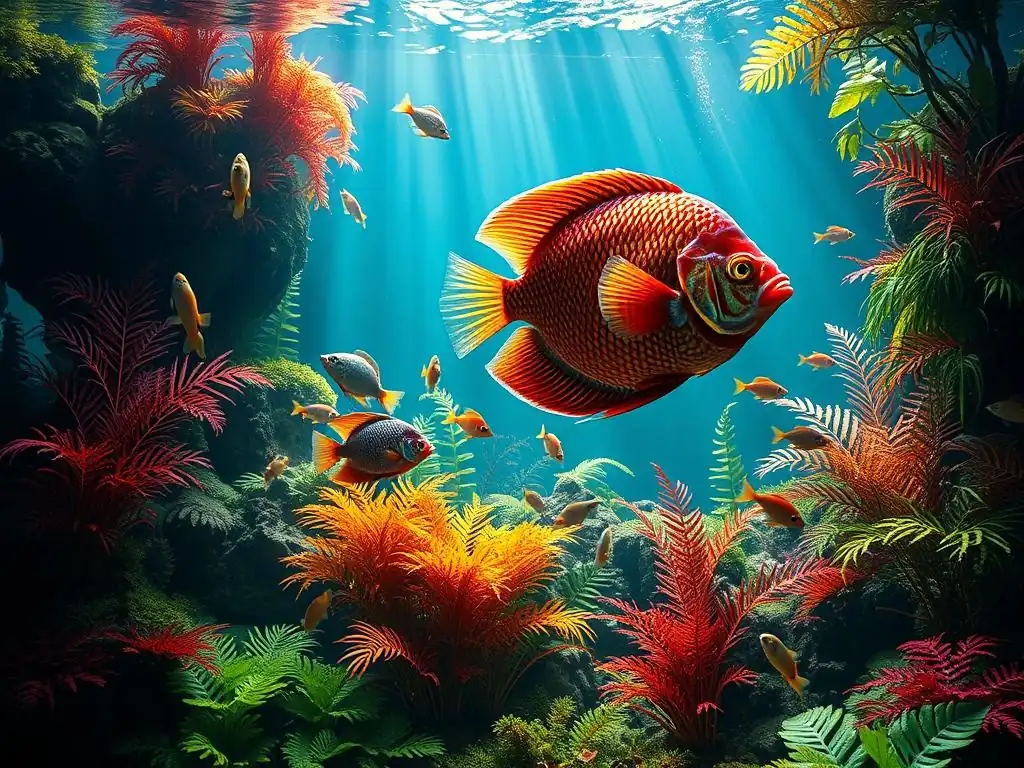
Dive into the captivating world of freshwater aquariums and unlock the secrets to thriving aquatic ecosystems. Ever wondered how to truly master the art of keeping Discus fish? Symphysodon Secrets awaits, offering a deep dive into these majestic creatures, starting with a must-read guide on essential Discus fish care tips. Get ready to transform your tank into a vibrant underwater paradise!
- Understanding Discus Fish: An Introduction to the King of the Aquarium
- Discus Fish Origins: Tracing the Symphysodon's Roots
-
Exploring Discus Fish Varieties: A Visual Guide
- Heckel Discus (Symphysodon heckel): Identifying Traits and Care
- Blue Discus (Symphysodon haraldi): Characteristics and Aquarium Setup
- Green Discus (Symphysodon aequifasciatus): Maintaining Their Vibrant Colors
- Brown Discus (Symphysodon aequifasciatus axelrodi): A Hardy and Popular Choice
- Pigeon Blood Discus: A Selectively Bred Color Variant
- Albino Discus: A Recessive Genetic Mutation
- Red Melon Discus: A Popular Red Variant
- Turquoise Discus: A Classic and Vibrant Choice
- Essential Discus Fish Care Tips for a Thriving Aquarium
- Advanced Discus Fish Care and Breeding
- Common Mistakes in Discus Fish Care and How to Avoid Them
- The Future of Discus Fish Keeping: Trends and Innovations
- Conclusion: Mastering Discus Fish Care for a Rewarding Aquarium Experience
-
Frequently Asked Questions
- How sensitive are Discus fish to water parameters, and what range is ideal?
- What are some common diseases that affect Discus fish, and how can I prevent them?
- What is the best diet for Discus fish to ensure vibrant colors and healthy growth?
- How frequently should I perform water changes in a Discus aquarium, and what percentage of water should I change?
- What tank size is recommended for a group of Discus fish, and how many Discus can I keep together?
- Final Reflection: Unveiling the Majesty of Discus
- Unleash Your Discus Dreams!
Understanding Discus Fish: An Introduction to the King of the Aquarium
Why Discus Fish Are So Captivating for Aquarium Keepers
Discus fish, often hailed as the "King of the Aquarium," captivate enthusiasts with their distinctive, disc-shaped bodies, vibrant coloration, and graceful swimming patterns. Their elegant movements and often inquisitive nature make them a mesmerizing centerpiece in any freshwater setup. Beyond their striking aesthetics, their complex social behaviors and the challenge they present in terms of discus fish care contribute to their allure, drawing in dedicated aquarists worldwide.
The appeal of discus extends to their diverse array of patterns and hues, ranging from solid blues and reds to intricate spotted and striped varieties. Each fish often displays a unique personality, and observing their interactions, particularly their parental care for fry, adds another layer of fascination. This combination of beauty, intelligence, and the rewarding experience of mastering their specific needs firmly establishes their regal status in the aquatic hobby.
Discus Fish in the Freshwater Aquarium: A Brief Overview
Discus fish (genus Symphysodon) are freshwater cichlids native to the Amazon River basin, renowned for their specific environmental requirements. They thrive in warm, soft, and acidic water conditions, parameters that closely mimic their natural habitat. Successful discus fish care hinges on maintaining pristine water quality and stable temperatures, making them a pursuit for intermediate to advanced aquarists.
While their care can be demanding, the rewards of keeping healthy, vibrant discus are immense. They are schooling fish and generally do best in groups of at least five or six, which helps mitigate stress and allows for natural social dynamics to unfold. Providing them with a spacious, well-filtered aquarium and a high-quality diet are fundamental discus fish care tips that contribute to their longevity and brilliant coloration.
Discus Fish Origins: Tracing the Symphysodon's Roots
The Amazon River Basin: Discus Fish Natural Habitat
The natural habitat of discus fish is exclusively the Amazon River basin in South America, encompassing various tributaries across Brazil, Colombia, and Peru. Wild discus are typically found in slow-moving blackwater or clearwater rivers, streams, and flooded forests, particularly during the wet season. Specific regions include the Rio Negro, Rio Tapajós, Rio Xingu, and the Peruvian Amazon, each hosting distinct wild populations.
These environments are characterized by incredibly soft water, with a General Hardness (GH) often ranging from 0 to 3 dGH (0-54 ppm) and a pH between 4.5 and 6.5. Water temperatures are consistently warm, usually between 27°C and 31°C (80°F and 88°F). The presence of decaying leaf litter and submerged driftwood releases tannins, staining the water a tea-like color, which provides cover and helps maintain the low pH.
Wild Discus vs. Domesticated Discus: Key Differences
Wild discus, often referred to as "true" species like Symphysodon heckel or Symphysodon haraldi, typically exhibit more subdued, natural color patterns and possess a greater sensitivity to fluctuating water parameters. They are accustomed to very specific, pristine conditions of their Amazonian home and can be more challenging to acclimate to aquarium life. Their diet in the wild consists primarily of insect larvae, small crustaceans, and detritus.
In contrast, domesticated discus, resulting from decades of selective breeding, display an astonishing array of vibrant colors and intricate patterns not found in nature. These tank-bred varieties are generally more robust and tolerant of a wider range of water parameters, making their discus fish care slightly less stringent than their wild counterparts. They are also more accustomed to a varied aquarium diet, including commercial flakes and pellets, and tend to be less shy, adapting more readily to human presence.
Exploring Discus Fish Varieties: A Visual Guide
Heckel Discus (Symphysodon heckel): Identifying Traits and Care
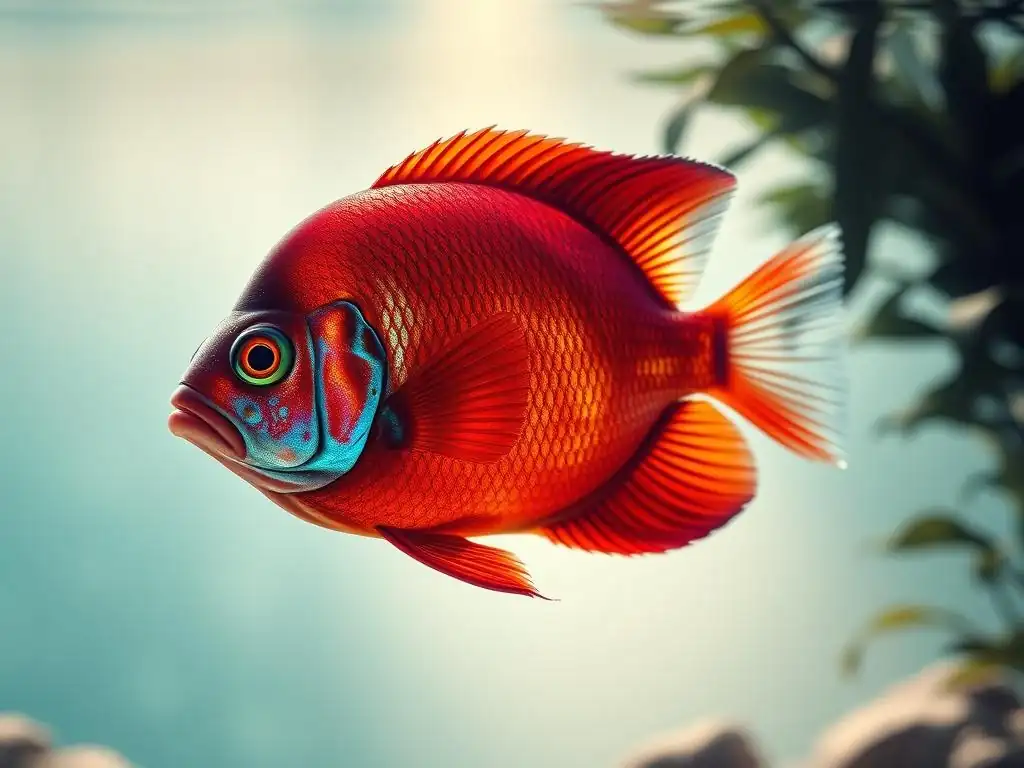
The Heckel Discus ( Symphysodon heckel) is one of the classic wild types, primarily found in the Rio Negro region of Brazil. Its most distinguishing feature is a prominent, thick, and dark fifth vertical stress bar, often referred to as the "Heckel bar," which is noticeably darker and wider than the other eight bars. Their base coloration typically ranges from brown to blue, often with iridescent blue or green striations.
Caring for Heckel Discus requires a meticulous approach to water quality, even more so than domesticated varieties. They thrive in very soft (GH 0-1 dGH), acidic (pH 4.5-6.0), and warm water (29-31°C or 84-88°F), closely mimicking their blackwater origins. Due to their specific needs and sensitivity, these discus fish care tips are often recommended for highly experienced aquarists committed to replicating their natural environment.
Blue Discus (Symphysodon haraldi): Characteristics and Aquarium Setup
The Blue Discus ( Symphysodon haraldi), also known as the Common Discus, encompasses a wide spectrum of blue-patterned wild forms and is the progenitor of many popular domesticated blue strains, such as the Royal Blue. Their coloration can range from solid blue to intricate blue striations or spots over a brown or reddish base. They are widely distributed across the Amazon basin.
For aquarium setup, Blue Discus generally appreciate stable water conditions with a pH between 6.0 and 7.0, a GH of 1-5 dGH, and temperatures around 28-30°C (82-86°F). A spacious tank, at least 75 gallons for a small group, with plenty of hiding spots provided by driftwood or broad-leafed plants like Amazon Swords, is ideal. Consistent water changes, at least 25-30% two to three times a week, are paramount for their discus fish care.
Green Discus (Symphysodon aequifasciatus): Maintaining Their Vibrant Colors
The Green Discus ( Symphysodon aequifasciatus) originates from the Peruvian Amazon and is characterized by a greenish body coloration, often adorned with striking red spots or vermiculated (worm-like) patterns. Some specimens exhibit a vibrant lime green hue, while others lean towards an olive tone. This species is also foundational to many captive-bred varieties, particularly those with red spotting.
To maintain the vibrant green and red coloration of these discus, a high-quality diet rich in natural color enhancers, such as spirulina and astaxanthin, is crucial. Their discus fish care involves maintaining stable water parameters similar to the Blue Discus: pH 6.0-7.0, GH 1-5 dGH, and temperatures around 28-30°C. Regular, significant water changes are essential to prevent the accumulation of nitrates, which can dull their colors and compromise their health.
Brown Discus (Symphysodon aequifasciatus axelrodi): A Hardy and Popular Choice
The Brown Discus ( Symphysodon aequifasciatus axelrodi) is a subspecies of the Green Discus, primarily found in the central Amazon, and is considered one of the hardier wild forms. They typically display earthy brown tones, often with iridescent blue or green flecks and sometimes a subtle red wash. Their robust nature makes them a relatively forgiving choice for aquarists looking to keep wild discus.
Despite their hardiness compared to other wild types, proper discus fish care for Brown Discus still necessitates clean, stable water conditions. A pH range of 6.0-7.0, GH 1-5 dGH, and temperatures of 28-30°C are recommended. Their adaptability has also made them a popular choice for breeding programs, contributing to the genetic diversity of many captive-bred strains seen today.
Pigeon Blood Discus: A Selectively Bred Color Variant
The Pigeon Blood Discus is a landmark selectively bred variety, first developed in Thailand in the late 1980s. Its most striking feature is the absence of the typical dark vertical stress bars, replaced by a vibrant red-orange base color, often with white or yellow highlights and sometimes fine black speckling, referred to as "pepper." This pepper can increase or decrease based on water quality and stress levels.
Due to their tank-bred origins, Pigeon Blood Discus are generally more adaptable to a wider range of water parameters than wild forms, typically thriving in pH 6.5-7.5, GH 5-10 dGH, and temperatures of 28-30°C. Their popularity stems from their striking, consistent coloration, which is maintained through high-quality diet and excellent water conditions, essential discus fish care tips for keeping their colors brilliant.
Albino Discus: A Recessive Genetic Mutation
Albino Discus are a unique and visually stunning variety characterized by a complete lack of melanin, resulting in a white or yellowish-white body color and distinctive red eyes. This albinism is a recessive genetic mutation, making them more challenging to breed consistently. Their translucent skin often allows for visibility of underlying blood vessels, adding to their delicate appearance.
While beautiful, Albino Discus can be more sensitive to bright lighting due to their lack of protective pigmentation. Therefore, their discus fish care includes providing subdued lighting and ample shaded areas within the aquarium. Like other domesticated strains, they generally thrive in stable water parameters of pH 6.5-7.5, GH 5-10 dGH, and temperatures of 28-30°C, with pristine water quality being paramount to their overall health.
Red Melon Discus: A Popular Red Variant
The Red Melon Discus is a highly sought-after, solid red-orange color variant that typically exhibits minimal or no patterning, offering a smooth, intense hue. This variety was selectively bred from brown or red-spotted discus lines, with breeders focusing on intensifying the red pigmentation across the entire body. Its uniform color makes it a striking addition to any discus aquarium.
To achieve and maintain their deep, rich red coloration, Red Melon Discus require a diet specifically formulated with high levels of natural carotenoids, such as astaxanthin, which enhances red pigments. These discus fish care tips often involve feeding specialized color-enhancing flakes or pellets alongside frozen foods. Regular water changes and stable parameters (pH 6.5-7.5, GH 5-10 dGH, 28-30°C) are crucial to support their health and color intensity.
Turquoise Discus: A Classic and Vibrant Choice
Turquoise Discus are one of the oldest and most classic domesticated varieties, known for their brilliant iridescent blue-green coloration. They typically display either a vibrant solid turquoise body or intricate horizontal striations of iridescent blue over a reddish-brown base. This classic pattern is highly recognizable and remains a favorite among discus enthusiasts.
Their vibrant colors are best maintained through excellent water quality and a balanced diet. Standard discus fish care tips apply to Turquoise Discus, emphasizing consistent temperatures (28-30°C), stable pH (6.5-7.5), and moderate hardness (GH 5-10 dGH). Their robust nature, compared to some wild types, makes them a suitable choice for aquarists ready to commit to the advanced care requirements of discus.
Essential Discus Fish Care Tips for a Thriving Aquarium
Water Quality: The Cornerstone of Discus Fish Health
Maintaining Ideal Water Parameters for Discus (pH, Temperature, Hardness)
Maintaining precise and stable water parameters is the single most critical aspect of discus fish care. For most domesticated strains, a pH range of 6.0-7.0 is ideal, though some wild types prefer more acidic conditions, down to pH 4.5. The water temperature should consistently be between 28°C and 30°C (82°F and 86°F), as lower temperatures can suppress their immune system and higher temperatures can reduce oxygen levels.
Water hardness (GH) should be soft to moderately soft, typically between 1-5 dGH (18-90 ppm) for most species, with wild discus preferring even softer water. Carbonate Hardness (KH) also plays a role in pH stability and should generally be kept low, around 1-3 dKH. Regular testing with reliable liquid test kits for pH, ammonia, nitrite, nitrate, GH, and KH is indispensable for monitoring and adjusting these parameters, ensuring optimal conditions for your discus.
Regular Water Changes: A Must for Discus Fish Care
Frequent and substantial water changes are non-negotiable for successful discus fish care, as they are highly sensitive to accumulated nitrates and other dissolved organic compounds. For juvenile discus, daily water changes of 25-50% are often recommended to promote rapid growth and maintain pristine conditions. For adult discus, a minimum of 25-30% water change two to three times per week is generally sufficient, though daily changes are still beneficial if feasible.
When performing water changes, it is crucial to use water that is dechlorinated and matched as closely as possible in temperature and pH to the tank water to avoid shocking the fish. Using a dedicated water aging barrel or a system with a slow drip to acclimate new water can further reduce stress. This consistent replenishment of fresh water is arguably the most impactful of all discus fish care tips for preventing disease and ensuring long-term health.
Discus Fish Diet and Feeding: Ensuring Optimal Nutrition
High-Quality Foods for Discus: What to Feed
A varied and high-quality diet is fundamental for the health, growth, and vibrant coloration of discus fish. Their primary diet should consist of high-protein foods specifically formulated for discus, such as specialized flakes or pellets (typically 45-55% protein content). Supplementing with frozen foods like bloodworms, brine shrimp, Mysis shrimp, and beef heart mixes (commercial or homemade, finely minced) provides essential nutrients and enrichment.
It is advisable to soak dry foods before feeding to prevent potential bloating. Additionally, incorporating spirulina-based foods or supplements can enhance their coloration and provide necessary vitamins and minerals. Avoid low-quality, generic fish foods, as they often lack the nutritional profile required for discus and can contribute to water pollution.
Feeding Frequency and Portion Control for Discus Fish
The frequency of feeding depends on the age and size of your discus. Juveniles, which are in a rapid growth phase, should be fed small meals 3-5 times per day. Adults can thrive on 2-3 feedings per day. The key is to provide small portions that can be consumed entirely within 3-5 minutes, preventing uneaten food from decaying and fouling the water.
Overfeeding is a common mistake in discus fish care that can lead to poor water quality and digestive issues. It is better to underfeed slightly than to overfeed. Observing your discus's appetite and waste production can help you fine-tune the feeding schedule and portion sizes, ensuring optimal nutrition without compromising water parameters.
Discus Fish Tank Setup: Creating the Perfect Environment
Tank Size Recommendations for Discus Fish Keeping
Discus fish require ample space to thrive, primarily due to their size, schooling behavior, and sensitivity to water quality. A minimum tank size of 75 gallons (approximately 280 liters) is recommended for a group of 4-6 juvenile discus. As they grow, or if you plan to keep a larger group of adults, a 125-gallon (473 liters) or even larger aquarium (e.g., 180-gallon or 680 liters) is ideal for 6-8 adult fish.
The "gallon per fish" rule is often cited, suggesting 10-15 gallons per adult discus, but overall tank volume and diligent maintenance are more critical. Larger tanks offer greater water volume, which inherently provides more stability in water parameters, making the overall discus fish care regimen more manageable. For breeding pairs, a smaller, dedicated 30-40 gallon (113-150 liters) tank is usually sufficient.
Substrate and Decorations: What's Best for Discus?
For optimal discus fish care, especially with juveniles or in breeding setups, a bare-bottom tank is often preferred. This simplifies cleaning, allowing for easy removal of waste and uneaten food, which is crucial for maintaining pristine water quality. If a substrate is desired for aesthetic reasons or to support plants, a fine, smooth sand is the best choice, as it is less likely to trap detritus and is gentle on their delicate bodies.
Decorations should be chosen carefully to avoid sharp edges that could injure discus. Smooth driftwood, particularly Malaysian or Mopani wood, is an excellent choice as it releases tannins that can help buffer pH and mimic their natural blackwater environment. Broad-leafed plants like Amazon Swords ( Echinodorus amazonicus), Anubias, and Java Fern are suitable as they tolerate the warm temperatures discus require and provide natural hiding spots without obstructing swimming space.
Filtration and Aeration for a Healthy Discus Aquarium
Robust filtration is paramount in discus fish care to maintain the high water quality they demand. Over-filtration is generally recommended. Canister filters are a popular choice due to their large media capacity for mechanical, biological, and chemical filtration. Sponge filters are also highly effective, particularly in breeding tanks or bare-bottom setups, as they provide excellent biological filtration and gentle water flow. Sump systems are ideal for very large tanks, offering maximum filtration volume and stability.
While powerful filtration is needed, discus prefer calm water. Therefore, ensure that the filter outflow does not create strong currents. Gentle aeration, provided by an air stone or a powerhead set to a low flow, is important to ensure adequate oxygen levels in the warm water. Regular cleaning of filter media and equipment is a vital part of the maintenance routine to prevent nitrate buildup and ensure efficient operation.
Discus Fish Health and Disease Prevention
Recognizing Common Discus Fish Diseases (e.g., Hole-in-the-Head)
Discus fish are susceptible to various diseases, often exacerbated by poor water quality, stress, or inadequate nutrition. Recognizing symptoms early is a crucial aspect of discus fish care. One common ailment is Hole-in-the-Head (HITH), characterized by pitting lesions and erosions on the head and lateral line. This is frequently associated with Hexamita parasites, poor water conditions, or nutritional deficiencies (e.g., lack of essential vitamins).
Other prevalent issues include internal parasites, manifesting as white, stringy feces, loss of appetite, darkening of the body, and emaciation. Discus Plague (also known as Discus Pox or Black Discus Disease) involves rapid darkening of the skin, clamped fins, and labored breathing, often caused by viral or severe bacterial infections triggered by stress. Fin Rot, typically bacterial, causes fins to appear frayed or disintegrated. Prompt diagnosis and treatment are essential for recovery.
Quarantine Procedures for New Discus Fish
Implementing a strict quarantine procedure for all new discus arrivals is a non-negotiable discus fish care tip to prevent the introduction of diseases into your established display tank. A dedicated quarantine tank, ideally 30 gallons or larger for a few fish, should be set up with a heater, sponge filter, and basic decor. This tank should run for a minimum of 4-6 weeks before any new fish are introduced to the main aquarium.
During quarantine, observe the fish daily for any signs of illness, such as clamped fins, labored breathing, lesions, or unusual behavior. Perform small, frequent water changes (e.g., 10-20% daily) to keep the water pristine and minimize stress. Some aquarists opt for prophylactic treatments (e.g., general antiparasitic or antibacterial medications) during this period, though careful observation is often sufficient. This isolation period allows new fish to acclimate and ensures they are healthy before joining the main community.
Metronidazole Treatment for Hexamita
Metronidazole (Metro) is a widely recognized and effective medication for treating Hexamita (also known as Spironucleus), an internal flagellate parasite that commonly affects discus fish. Symptoms of Hexamita infection include white, stringy feces, loss of appetite, darkening of the body, and in severe cases, can contribute to Hole-in-the-Head disease. Early detection and treatment are vital for successful recovery.
The typical dosage for Metronidazole is around 250mg per 10 gallons of water, administered daily for 3-5 days. It is crucial to perform a significant water change (e.g., 50%) before each new dose to remove accumulated medication and waste. Metronidazole can be added directly to the water or, more effectively, mixed with food (e.g., frozen beef heart mix) to ensure ingestion. Always follow specific product instructions and consult with an experienced aquarist or aquatic veterinarian for precise dosing and diagnosis.
Advanced Discus Fish Care and Breeding
Setting up a Discus Breeding Tank
Setting up a dedicated breeding tank is crucial for successful discus fish propagation. A 30 to 40-gallon (113-150 liters) bare-bottom tank is ideal, as it allows for easy cleaning and maintenance, which is paramount for raising delicate fry. Essential equipment includes a reliable heater to maintain a stable temperature of 29-31°C (84-88°F) and a gentle sponge filter, which provides excellent biological filtration without creating strong currents that could harm fry.
A spawning cone or slate should be placed in the tank to provide a suitable surface for egg deposition. Water parameters are critical: aim for very soft water (GH 1-3 dGH) and an acidic pH (5.5-6.5), which mimics their natural breeding conditions and increases egg fertility. Daily small water changes (10-20%) are often performed to keep the water pristine, stimulating spawning and ensuring optimal conditions for egg and fry development.
Identifying Male and Female Discus Fish
Sexing discus fish visually can be challenging, especially when they are not in breeding condition. Males are often slightly larger, may exhibit a more pointed dorsal and anal fin, and sometimes develop a more prominent nuchal hump (forehead). Females tend to have a rounder body shape. However, these are not definitive indicators and can vary significantly between individuals and strains.
The most reliable method for identifying male and female discus is by observing their behavior during spawning. When a pair is ready to breed, the female will extend a short, blunt, and rounded ovipositor to lay her eggs, while the male will extend a longer, narrower, and more pointed genital papilla to fertilize them. This distinct difference in their breeding tubes is the only truly accurate way to differentiate between the sexes.
Discus Fish Spawning and Raising Fry
Once a breeding pair is established and conditions are optimal, discus spawning typically involves the pair meticulously cleaning a chosen vertical surface, such as a spawning cone or the side of the tank. The female then deposits rows of adhesive eggs, usually ranging from 100 to 500, which the male promptly fertilizes. Both parents diligently guard and fan the eggs, ensuring proper oxygenation and preventing fungal growth.
After approximately 2-3 days, the eggs hatch into wrigglers, which remain attached to the spawning surface. After another 2-3 days, the wrigglers become free-swimming fry. At this crucial stage, the fry begin to feed exclusively on a nutritious mucous secretion produced by the parents' skin, a unique and vital aspect of discus fish care. After about 7-14 days, as the fry grow, they can be supplemented with finely powdered dry food and newly hatched baby brine shrimp, gradually transitioning them off the parents' mucus.
Common Mistakes in Discus Fish Care and How to Avoid Them
Overcrowding and its Impact on Discus Fish Health
One of the most detrimental mistakes in discus fish care is overcrowding the aquarium. Discus are large cichlids that produce a significant bioload, and inadequate space leads to a rapid accumulation of nitrates and other waste products. This results in poor water quality, which is the primary stressor and cause of disease in discus. Overcrowding also increases aggression among tank mates, leading to stress, fin nipping, and stunted growth.
To avoid this, ensure your tank size is appropriate for the number of discus you intend to keep, adhering to the guideline of at least 10-15 gallons (38-57 liters) per adult discus. It is often recommended to start with a group of 5-6 juveniles in a larger tank (75 gallons or more) to allow for natural social hierarchies to form and to ensure a compatible pair can emerge without excessive bullying. Adequate space significantly contributes to their long-term health and vibrant appearance.
Neglecting Water Quality: The Biggest Discus Fish Killer
Neglecting water quality is undeniably the single biggest killer of discus fish in captivity. Discus are exceptionally sensitive to fluctuations in water parameters and the accumulation of dissolved organic compounds, particularly nitrates. High levels of ammonia, nitrite, and nitrate, combined with unstable pH or temperature, cause severe stress, suppress their immune system, and make them highly susceptible to various diseases, including bacterial infections and internal parasites.
To avoid this critical error, consistent and rigorous water quality management is paramount. This includes performing frequent, substantial water changes (e.g., 25-50% several times a week for juveniles, 25-30% 2-3 times a week for adults) using dechlorinated, temperature-matched water. Daily monitoring of pH, temperature, ammonia, nitrite, and nitrate levels with reliable test kits is essential. Investing in a robust filtration system and maintaining it regularly are indispensable discus fish care tips for preventing this common and fatal mistake.
Incompatible Tank Mates: Choosing the Right Companions for Discus
Choosing incompatible tank mates is a common mistake that can severely impact the well-being of your discus fish. Discus are naturally peaceful, shy, and slow-moving fish that prefer calm, unaggressive companions. Introducing aggressive, fin-nipping, or overly boisterous species will cause immense stress, leading to clamped fins, hiding behavior, refusal to eat, and increased susceptibility to disease. Furthermore, tank mates that require significantly different water parameters (e.g., cooler temperatures, harder water) are unsuitable.
Ideal tank mates for discus include small, peaceful schooling fish that thrive in warm, soft, and acidic water conditions. Excellent choices include Cardinal Tetras ( Paracheirodon axelrodi), Rummy-Nose Tetras ( Hemigrammus rhodostomus), and other small, docile tetras. Peaceful bottom dwellers like Corydoras catfish (e.g., Panda Corys, Sterba's Corys) and Bristlenose Plecos are also suitable. Dwarf cichlids such as German Blue Rams ( Mikrogeophagus ramirezi) can coexist if their individual temperaments are peaceful. Always research compatibility thoroughly as part of your discus fish care routine.
The Future of Discus Fish Keeping: Trends and Innovations
Selective Breeding and New Discus Varieties
The future of discus fish keeping is continuously shaped by ongoing advancements in selective breeding, which consistently introduces new and exciting varieties to the hobby. Breeders worldwide dedicate immense effort to developing novel color morphs, intricate patterns, and improved body shapes, pushing the boundaries of what is aesthetically possible. International discus shows and competitions serve as platforms to showcase these innovations, driving further research and development in the field.
Beyond purely aesthetic traits, selective breeding efforts are increasingly focusing on developing hardier, more disease-resistant strains of discus. This includes cultivating fish that are more tolerant of a wider range of water parameters and less prone to common ailments, thereby making discus fish care more accessible to a broader audience of aquarists. Genetic research is also beginning to play a role, potentially leading to breakthroughs in understanding and enhancing discus health and vigor.
Sustainable Discus Fish Collection and Conservation
As the demand for discus fish continues, there is a growing global emphasis on sustainable collection practices and the conservation of wild Symphysodon populations in their native Amazonian habitats. Concerns about over-collection and habitat degradation have prompted efforts to promote responsible sourcing, ensuring that wild-caught fish are harvested in a manner that does not deplete natural stocks or harm their ecosystems.
A significant trend contributing to conservation is the increasing dominance of tank-bred discus in the aquarium trade. The vast majority of discus available to hobbyists today are captive-bred, which significantly reduces pressure on wild populations. Tank-bred discus are also generally hardier, more adaptable to aquarium conditions, and less prone to parasites, making them a more ethical and often more successful choice for aquarists. This shift towards aquaculture is a positive step for both the hobby and the long-term survival of these magnificent fish.
Conclusion: Mastering Discus Fish Care for a Rewarding Aquarium Experience
Mastering discus fish care is a journey that demands dedication, patience, and a deep understanding of their unique requirements. From maintaining pristine water quality and precise parameters to providing optimal nutrition and a stress-free environment, every aspect of their husbandry plays a critical role in their health and vitality. While challenging, the effort invested is profoundly rewarding, transforming your aquarium into a living masterpiece.
The unparalleled beauty, graceful movements, and engaging personalities of healthy discus fish make them the undisputed "King of the Aquarium." By adhering to the essential discus fish care tips, recognizing common pitfalls, and embracing continuous learning, aquarists can enjoy a truly enriching experience, ensuring these magnificent Symphysodon thrive and bring vibrant life to their aquatic world for years to come.
Frequently Asked Questions
How sensitive are Discus fish to water parameters, and what range is ideal?
Discus fish are known for being quite sensitive. They require stable and pristine water conditions. The ideal range is a pH of 6.0-7.0, a temperature of 82-88°F (28-31°C), and very low levels of ammonia and nitrites.
What are some common diseases that affect Discus fish, and how can I prevent them?
Common diseases include Hexamita (hole-in-the-head disease), bacterial infections, and parasite infestations. Prevention involves maintaining excellent water quality, providing a balanced diet, and quarantining new fish.
What is the best diet for Discus fish to ensure vibrant colors and healthy growth?
A varied diet is crucial for Discus. Offer a mix of high-quality flake food specifically formulated for Discus, frozen bloodworms, beef heart (in moderation), and live foods.
How frequently should I perform water changes in a Discus aquarium, and what percentage of water should I change?
Regular water changes are vital. Aim for 25-50% water changes weekly, or even more frequently if the bioload is high. This helps to remove nitrates and replenish essential minerals.
What tank size is recommended for a group of Discus fish, and how many Discus can I keep together?
Discus need ample space. A minimum of 75 gallons is recommended for a group of 5-6 Discus. Overcrowding can lead to stress and disease.
Final Reflection: Unveiling the Majesty of Discus
The journey into the world of Symphysodon, as we've explored, is more than just understanding Discus fish care tips; it's about appreciating the intricate beauty and delicate balance of an ecosystem reflected within our own aquariums. The enduring allure of these "Kings of the Aquarium" lies not only in their vibrant colors and graceful movements but also in the responsibility we undertake to provide them with the optimal environment to thrive. This responsibility, in turn, mirrors our larger obligation to protect the natural habitats from which they originate.
The ongoing fascination with Discus fish underscores a deeper human connection with the natural world. This connection, for me, is a constant reminder of the power of observation and the importance of meticulous care, not just for these magnificent creatures, but for all living things. In the end, we will conserve only what we love; we will love only what we understand; and we will understand only what we are taught.
- Baba Dioum. This quote perfectly encapsulates the essence of responsible Discus keeping and its potential to foster a broader appreciation for biodiversity.
As you embark on, or continue, your journey with Discus fish, remember that each tank is a miniature world, a testament to your dedication and understanding. Let the knowledge shared here inspire you to not only provide exceptional Discus fish care but also to become an advocate for responsible aquarium keeping and environmental stewardship. Consider how your actions, however small, can contribute to the preservation of these incredible creatures and the delicate ecosystems they call home.
Unleash Your Discus Dreams!
Thank you for exploring the captivating world of Discus fish! We hope this deep dive has ignited your passion and provided valuable insights into these majestic creatures. Now, let's transform that knowledge into action!
- Plan your dream Discus tank! Research the specific needs of your chosen variety and design a thriving aquatic haven for them.
- Share your newfound Discus knowledge! Start a conversation online about discus variations and help other aquarists.
- Visit your local fish store and marvel at the diversity of Discus available – maybe you'll even find your next aquatic companion!
What's the first step you'll take to bring the beauty of Discus into your aquarium?