
Dangerous Liaisons: Fish That Will Harm Your Precious Discus

Welcome to Aquarium Mastery!
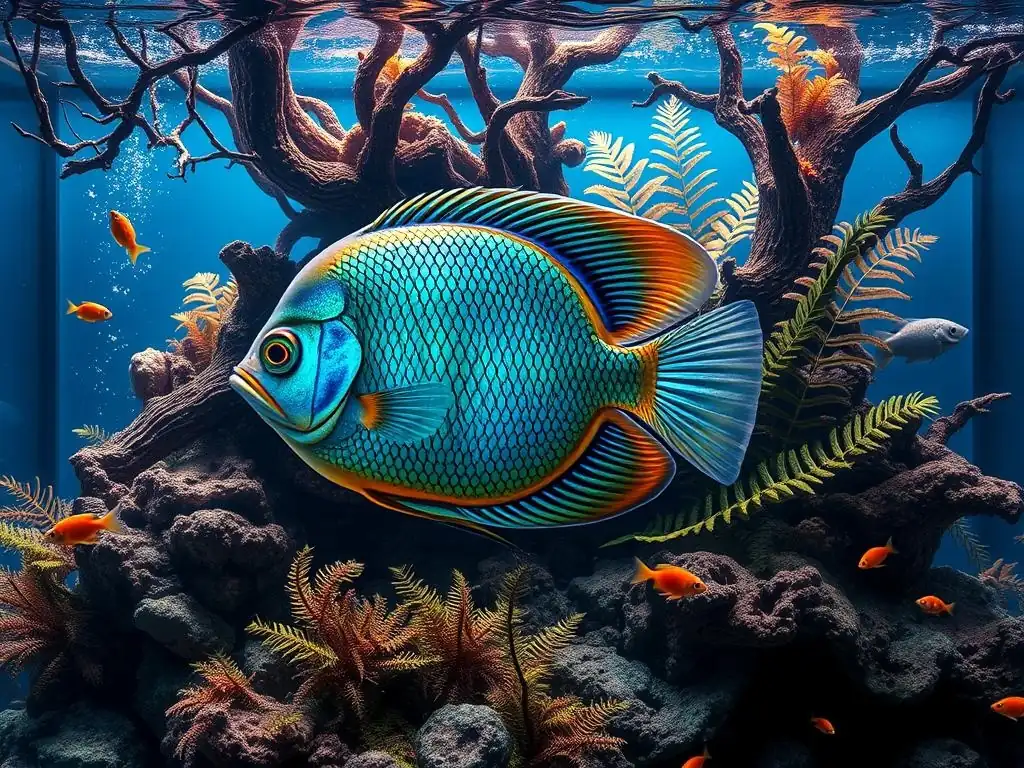
Ever wondered if your dream of a tranquil Discus tank is being threatened by a hidden aggressor? Dive in to explore the potential dangers lurking within your aquarium and uncover the surprising list of fish that can turn your Discus paradise into a battleground. Let's tackle those Discus fish aggression problems head-on and ensure a peaceful underwater haven for your finned friends!
- Understanding Discus Fish Temperament and Tank Mate Compatibility
- Identifying Potential Threats: Fish to Avoid Keeping with Discus
- Specific Fish Species to Avoid for a Peaceful Discus Tank
- Recognizing Signs of Discus Stress Caused by Incompatible Tank Mates
- Creating a Safe and Harmonious Environment for Discus
- Alternative Solutions: Managing Aggression in a Discus Tank
- Preventive Measures: Researching Tank Mate Compatibility Before Introducing New Fish
- Addressing Existing Discus Fish Aggression Problems: A Step-by-Step Guide
- Conclusion: Prioritizing Discus Well-being Through Careful Tank Mate Selection
-
Frequently Asked Questions
- What types of fish are most likely to cause aggression problems with Discus?
- How can I identify if my Discus are being bullied by other fish?
- What size tank is recommended to minimize aggression among Discus and their tank mates?
- What are some suitable tank mates for Discus that are less likely to cause aggression?
- What steps can I take to reduce existing aggression problems in my Discus tank?
- Final Reflection: Harmony in the Aquarium
- Transform Your Discus Tank: Take the Next Step!
Understanding Discus Fish Temperament and Tank Mate Compatibility
Why Choosing the Right Tank Mates is Crucial for Discus Health
Discus fish, often hailed as the "King of the Aquarium," are renowned for their majestic appearance and graceful swimming. However, beneath their regal exterior lies a sensitive and peaceful temperament that makes them highly susceptible to stress.
Unlike many hardy community fish, Discus thrive only in very specific, stable water parameters—typically warm temperatures between 82-86°F (28-30°C), soft water with a low GH (1-5), and slightly acidic pH (6.0-7.0). Any deviation, especially chronic stress induced by incompatible tank mates, can severely compromise their immune system, leading to common ailments such as fin rot, Ich, or bacterial infections, and ultimately, even death.
The investment in Discus fish is also significant, often ranging from $50 to $200 or more per fish, making their well-being a primary concern for aquarists. Beyond the financial aspect, the sheer beauty and unique behavior of a healthy Discus group are rewards in themselves. Therefore, meticulous selection of tank mates is not merely a recommendation but a critical necessity to safeguard their health, vibrant coloration, and natural behaviors, ensuring they can flourish and display their full potential without succumbing to Discus fish aggression problems.
The Impact of Aggressive Fish on Discus Stress Levels
Aggressive or overly active fish introduce constant harassment and competition, directly impacting Discus stress levels. When subjected to persistent chasing, fin nipping, or food competition, Discus exhibit a physiological stress response characterized by elevated cortisol levels. This chronic stress manifests visibly through faded colors, the appearance of prominent "stress bars" (vertical dark stripes), clamped fins, and a noticeable reduction in appetite. Over time, this sustained state of anxiety can lead to severe health deterioration, as the fish's energy is diverted from immune function and growth towards coping with perceived threats.
Furthermore, prolonged exposure to aggressive tank mates can stunt the growth of juvenile Discus, preventing them from reaching their full size potential, which can exceed 8 inches in diameter. In adult Discus, chronic stress can inhibit natural breeding behaviors, making successful spawning and rearing of fry highly unlikely. For instance, a group of Discus that would typically consume a healthy portion of beef heart mix or high-quality flakes might refuse food entirely when constantly intimidated, leading to malnutrition and further weakening their resilience against Discus fish aggression problems.
Identifying Potential Threats: Fish to Avoid Keeping with Discus
Common Aquarium Fish Known for Discus Fish Aggression Problems
When considering tank mates for Discus, aquarists must be acutely aware of species known for their problematic behavior. These often fall into categories such as fast-moving, fin-nipping, or highly territorial fish. Common culprits include many species of Barbs (e.g., Tiger Barbs, Rosy Barbs), certain Tetras (e.g., Serpae Tetras, Black Skirt Tetras), some Gouramis, and even some smaller, more aggressive cichlids. While some of these fish might appear small or unassuming, their cumulative effect on the peaceful Discus can be devastating, leading to significant Discus fish aggression problems within the tank.
The fundamental issue lies in the stark contrast between the Discus's slow, deliberate movements and the rapid, often erratic swimming patterns of these aggressive species. Fast swimmers not only outcompete Discus for food, leading to malnutrition, but their constant, darting movements can also startle and stress the Discus. Even seemingly minor interactions, when persistent, chip away at the Discus's delicate equilibrium, forcing them into a state of perpetual anxiety and making the aquarium an inhospitable environment.
Fin-Nipping Species and Their Effect on Discus
Fin-nipping species pose a direct and visible threat to Discus, whose large, flowing dorsal, anal, and caudal fins make them prime targets. Fish like Tiger Barbs and Serpae Tetras are notorious for their tendency to nip at the fins of slower, long-finned tank mates. This behavior is not merely aesthetic; torn or frayed fins are open wounds, providing easy entry points for bacterial and fungal infections such as fin rot, which can quickly spread and debilitate the fish.
Beyond the physical damage, the constant harassment from fin-nippers causes immense psychological stress. A Discus with damaged fins is not only more vulnerable to disease but also experiences difficulty swimming and maintaining balance, further exacerbating its stress levels. Such continuous attacks prevent the Discus from displaying its natural behaviors, often forcing it to hide or remain clamped, thereby diminishing its overall health and vitality, and severely contributing to Discus fish aggression problems.
Territorial Fish That Will Bully Discus
Territorial fish, even those not typically considered aggressive, can become significant bullies in a Discus tank, especially if the tank is not adequately sized or lacks sufficient hiding spots. Many smaller cichlids, such as certain Dwarf Cichlids (e.g., some Apistogramma species if not chosen carefully, or Kribensis if not paired ideally), or even some larger, more robust Tetras, will establish and fiercely defend their chosen territories. Discus, being non-confrontational and preferring to retreat rather than fight, will be constantly chased, harassed, and denied access to food or preferred resting spots by these territorial species.
This constant bullying forces Discus into a state of perpetual fear and anxiety, hindering their ability to feed properly and interact naturally with their own kind. For example, a single territorial fish might claim a prime feeding spot or a favored piece of driftwood, effectively excluding the Discus and leading to chronic stress and malnutrition. The presence of such persistent aggression significantly increases Discus fish aggression problems, making a peaceful cohabitation impossible and leading to a rapid decline in the Discus's health.
Specific Fish Species to Avoid for a Peaceful Discus Tank
The Dangers of Keeping Tiger Barbs with Discus
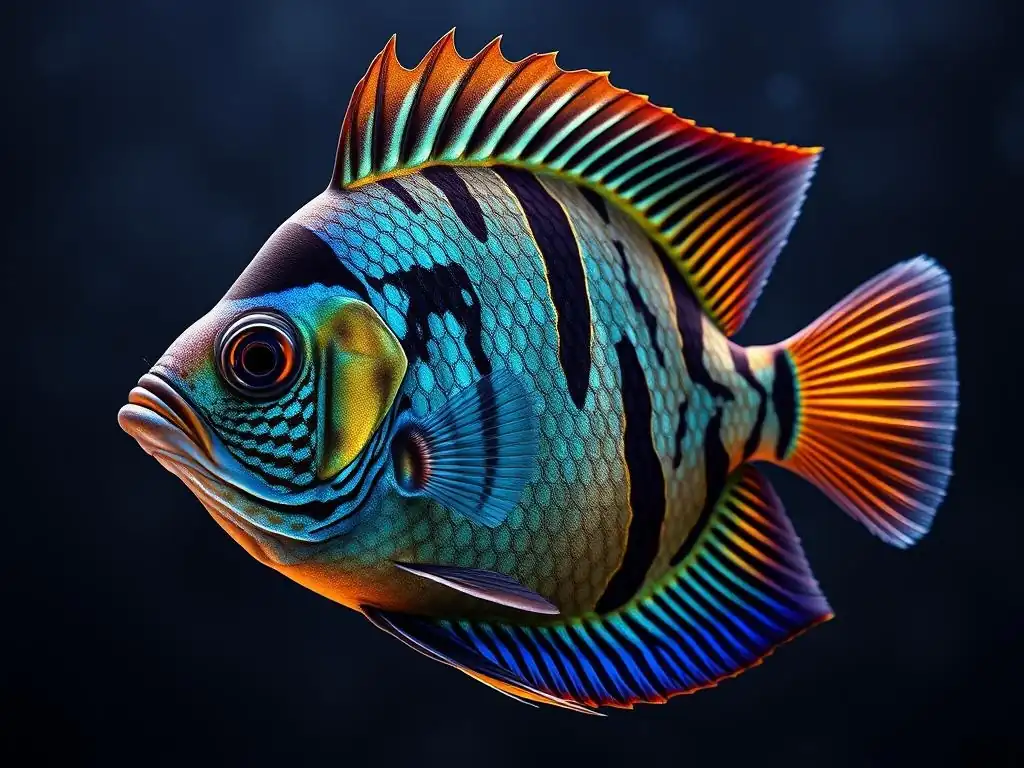
Tiger Barbs ( Puntigrus tetrazona ) are perhaps one of the most commonly cited examples of unsuitable tank mates for Discus, and for good reason. Their hyperactive, boisterous, and highly nippy nature makes them a direct threat to the calm, slow-moving Discus. Tiger Barbs are notorious for relentlessly chasing and nipping the flowing fins of other fish, and the large, delicate fins of Discus are an irresistible target. This constant harassment leads to severe fin damage, persistent stress, and an increased susceptibility to secondary infections for the Discus.
Furthermore, the environmental needs of Tiger Barbs differ significantly from those of Discus. Tiger Barbs prefer cooler water temperatures, typically between 72-78°F (22-26°C), whereas Discus require warmer temperatures of 82-86°F (28-30°C). Attempting to cohabitate these species forces one or both to live outside their ideal temperature range, compromising their immune systems and overall health. This fundamental incompatibility in temperament and environmental requirements makes keeping Tiger Barbs with Discus a recipe for disaster, exacerbating Discus fish aggression problems.
Why Serpae Tetras Are Unsuitable Tank Mates
Serpae Tetras ( Hyphessobrycon eques ) are another species frequently mistaken for a peaceful community fish, but they are notoriously problematic for Discus tanks. These semi-aggressive tetras are known fin-nippers, especially when not kept in sufficiently large schools (ideally 8-10 individuals or more). In smaller groups, their aggression often escalates, and they will target the vulnerable fins of slower-moving fish like Discus. The constant nipping not only causes physical injury but also instills a perpetual state of fear and stress in the Discus.
Beyond their fin-nipping tendencies, Serpae Tetras are fast and competitive eaters. Discus, being slow and deliberate feeders, often struggle to compete for food with such voracious tank mates. This competition can lead to malnutrition and stunted growth for the Discus, as they simply cannot consume enough food before the faster tetras devour it. The combination of fin damage and nutritional deficiencies significantly compromises the health and longevity of Discus, making Serpae Tetras highly unsuitable due to the Discus fish aggression problems they cause.
Rosy Barbs ( Pethia conchonius ) are often marketed as peaceful or semi-aggressive, leading many aquarists to believe they might be suitable for a community tank. However, for a Discus tank, they pose a hidden threat. While generally less aggressive than Tiger Barbs, larger specimens or those not kept in very large schools (10+ individuals) can become surprisingly boisterous and nippy. Their energetic swimming style and occasional aggressive bursts can easily overwhelm and intimidate the calm and shy Discus.
During feeding times or breeding periods, Rosy Barbs can become particularly assertive, chasing other fish and outcompeting them for food. This constant activity and occasional aggression can prevent Discus from feeding adequately and cause them to hide, leading to chronic stress and a decline in their vibrant coloration. Although not as overtly aggressive as Tiger Barbs, the cumulative effect of their energetic nature and potential for nipping makes Rosy Barbs an unsuitable choice, contributing significantly to Discus fish aggression problems in a shared environment.
Recognizing Signs of Discus Stress Caused by Incompatible Tank Mates
Identifying Symptoms of Discus Stress and Bullying
Recognizing the early signs of stress and bullying in Discus is crucial for intervention and preventing long-term health issues. The most common indicators include faded or darkened body colors, often accompanied by the prominent display of "stress bars" – vertical dark stripes that become more pronounced when the fish is under duress. Additionally, stressed Discus will often exhibit clamped fins, where their dorsal, anal, and caudal fins are held tightly against their body instead of being spread wide. They may also breathe rapidly (fast gilling) and become lethargic or unresponsive, indicating significant physiological strain.
A healthy Discus is typically vibrant, active (though calm), and curious, readily approaching the front of the tank during feeding times. Any deviation from this normal behavior, especially after the introduction of new tank mates, should be considered a red flag. For instance, if a Discus consistently hides behind decor, refuses to feed, or appears withdrawn from the group, it is likely experiencing significant stress due to perceived threats or direct bullying, highlighting the presence of Discus fish aggression problems.
Behavioral Changes in Discus Due to Aggression
Beyond general stress symptoms, Discus subjected to aggression from tank mates will display specific behavioral changes. They may constantly dart around the tank, attempting to escape perceived threats, or conversely, they might become extremely reclusive, spending most of their time hiding behind driftwood, plants, or in tank corners.
A healthy group of Discus typically forms a loose school, but stressed individuals or groups might break formation, with bullied fish isolating themselves from the others. In extreme cases, a Discus that is usually peaceful might even become uncharacteristically territorial towards its own kind, attempting to establish a small, defended space if continuously harassed.
These behavioral shifts directly impact the Discus's natural social structure and well-being. For instance, if a breeding pair is constantly stressed, they will cease courtship rituals and are highly unlikely to successfully spawn or care for fry. The chronic fear and constant need to evade aggression override their natural instincts, leading to a breakdown in their social interactions and overall quality of life, which are clear indicators of severe Discus fish aggression problems.
Physical Signs of Stress in Discus Fish
Physical signs of stress resulting from incompatible tank mates are often the most alarming and require immediate action. The most obvious indicators are torn, frayed, or missing fins, particularly the delicate dorsal and anal fins, which are common targets for fin-nipping species. In severe cases, parts of the caudal (tail) fin may be completely bitten off. Beyond fin damage, Discus might develop missing scales or abrasions on their bodies from darting into tank decor in an attempt to escape aggressive pursuers.
These physical injuries are not merely cosmetic; they serve as open wounds, making the Discus highly susceptible to secondary bacterial and fungal infections. For example, a minor fin tear can quickly escalate into a severe case of fin rot if not addressed promptly. Additionally, chronic stress compromises the Discus's immune system, making them more vulnerable to parasitic infestations like Ich (white spot disease) or velvet. Such visible damage and subsequent infections are clear, undeniable evidence of ongoing Discus fish aggression problems within the aquarium environment.
Creating a Safe and Harmonious Environment for Discus
Ideal Tank Mates for Discus: Peaceful Community Fish
Creating a harmonious environment for Discus begins with selecting tank mates that complement their peaceful nature and specific environmental requirements. Ideal companions are typically peaceful schooling fish that are not overly active, do not nip fins, and thrive in the same warm, soft, acidic water conditions as Discus. Excellent choices include various species of peaceful schooling tetras, such as Cardinal Tetras ( Paracheirodon axelrodi), Rummy-Nose Tetras ( Hemigrammus rhodostomus), and peaceful Neon Tetras ( Paracheirodon innesi). These species are generally non-aggressive, occupy different water columns, and do not compete aggressively for food.
Other suitable options include various Corydoras catfish species (e.g., Panda Corydoras, Sterbai Corydoras), which are peaceful bottom dwellers that help keep the substrate clean without disturbing the Discus. Otocinclus catfish ( Otocinclus affinis) are excellent algae eaters that are small and unobtrusive. Some peaceful Loricariids, like certain smaller, non-aggressive Pleco species (e.g., Clown Plecos or Bristlenose Plecos, ensuring they don't become too large or territorial), can also be compatible. The key is to choose species that are slow-moving, calm, and won't outcompete Discus for food, thereby minimizing potential Discus fish aggression problems.
Choosing Tank Mates That Complement Discus Behavior
Beyond general peacefulness, the best tank mates for Discus are those whose behavior patterns align with the Discus's calm and deliberate movements. Fast, darting fish can startle and stress Discus, so species that exhibit a more sedate swimming style are preferred. It's also important to select fish that are not too small to be perceived as food, nor too large or boisterous to intimidate the Discus. For instance, while some smaller rasboras might be peaceful, their tiny size could make a large Discus uncomfortable.
Crucially, all tank mates must thrive in the specific water parameters that Discus demand: consistently warm temperatures of 82-86°F (28-30°C), soft water (GH 1-5), and a slightly acidic pH (6.0-7.0). Any species requiring cooler temperatures or harder water will be stressed in a Discus tank, leading to health issues for them, and potentially introducing disease or erratic behavior that can, in turn, stress the Discus. Ensuring all inhabitants share these fundamental environmental needs is paramount to preventing Discus fish aggression problems and fostering a truly harmonious aquarium.
Tank Setup Considerations to Minimize Discus Fish Aggression Problems
The physical layout of the Discus tank plays a significant role in minimizing stress and potential Discus fish aggression problems. A spacious tank is essential; a minimum of 55-75 gallons is recommended for a small group of 3-5 juvenile Discus, with larger tanks (100 gallons or more) being ideal for adult groups or a more diverse community. Ample hiding places and visual barriers are also critical. These can be created using tall, broad-leafed plants (like Amazon Swords or Cryptocoryne species), large pieces of driftwood, or smooth, rounded rocks.
These elements serve multiple purposes: they provide safe zones where Discus can retreat if they feel threatened, and they break up lines of sight, preventing constant visual contact between fish, which can reduce territorial disputes even among Discus themselves. While some aquarists prefer bare-bottom Discus tanks for ease of cleaning, a well-planned aquascape with plenty of cover can significantly reduce stress and improve the overall well-being of the Discus. Thoughtful aquascaping is a proactive step in preventing Discus fish aggression problems from developing.
Alternative Solutions: Managing Aggression in a Discus Tank
Increasing Tank Size to Reduce Territorial Disputes
One of the most effective solutions for managing existing Discus fish aggression problems, especially if they stem from territorial disputes or perceived overcrowding, is to increase the tank size. Inadequate space is a primary driver of aggression, even among otherwise peaceful species. A larger aquarium provides more territory for each fish, diluting the perceived competition for resources and personal space. For example, upgrading from a 75-gallon tank to a 125-gallon tank for a group of six adult Discus can dramatically reduce internal squabbles and stress, as each fish now has significantly more room to establish its own area.
While Discus are generally peaceful, even they can exhibit minor aggression towards each other, particularly during feeding or if a pecking order is being established, especially in cramped conditions. Providing at least 10-15 gallons of water per adult Discus is a common guideline, but more space is always beneficial. A larger tank volume also helps stabilize water parameters, further contributing to the overall well-being and reducing the likelihood of stress-induced Discus fish aggression problems.
Providing Ample Hiding Places and Visual Barriers
For tanks where aggression is observed, strategically adding more hiding places and visual barriers can significantly alleviate stress and reduce direct confrontations. Large pieces of driftwood, such as Mopani or Manzanita wood, can offer numerous crevices and tunnels for fish to retreat into. Similarly, dense plantings of tall, robust aquarium plants like Amazon Swords, Vallisneria, or even artificial plants if live plants are not feasible, can create effective screens.
These elements work by breaking up lines of sight within the aquarium, preventing constant visual contact between fish. This allows bullied or submissive Discus to escape the direct view of aggressors, providing them with safe zones and a much-needed respite from harassment. By reducing the opportunities for constant interaction and allowing fish to feel secure, the overall stress levels in the tank decrease, which can effectively de-escalate existing Discus fish aggression problems and promote a more peaceful environment.
Re-evaluating Tank Stocking Levels for Discus Compatibility
A critical step in managing Discus fish aggression problems is a thorough re-evaluation of the entire tank's stocking levels, not just in terms of total fish count, but more importantly, in terms of species compatibility and temperament. Even if a tank is not "overstocked" by volume, it can be functionally overstocked if the combination of species is incompatible. For instance, a 100-gallon tank with six Discus and a dozen Tiger Barbs will inevitably face aggression issues, despite the generous space.
This re-evaluation might necessitate the removal of any fish identified as a persistent source of aggression. Sometimes, even a single problematic individual can disrupt the harmony of an entire Discus tank. Removing such a fish, whether through rehoming or setting up a separate tank for it, can restore peace and allow the Discus to recover. It is essential to be objective and prioritize the well-being of the Discus over keeping a problematic species.
Preventive Measures: Researching Tank Mate Compatibility Before Introducing New Fish
The Importance of Quarantine and Observation
Before introducing any new fish into a Discus tank, the implementation of a strict quarantine protocol is paramount. A separate, fully cycled quarantine tank, typically 10-20 gallons, should be used to house new arrivals for a period of 2-4 weeks. This isolation period serves two critical purposes: first, it prevents the introduction of diseases (like Ich, fin rot, or internal parasites) from the new fish into the established Discus tank, which is highly susceptible to pathogens when stressed.
Second, the quarantine period allows for crucial observation of the new fish's temperament and behavior. During this time, you can assess if the fish exhibits any signs of aggression, excessive activity, or fin-nipping tendencies that might be detrimental to your Discus. For example, a group of seemingly peaceful tetras might reveal a hidden nipping habit when kept in a smaller, isolated environment. This proactive observation is an invaluable step in preventing future Discus fish aggression problems in your main display tank.
Consulting with Experienced Discus Keepers
Leveraging the knowledge of experienced Discus keepers is an invaluable preventive measure. These seasoned aquarists often possess first-hand insights into the subtle temperamental traits and specific needs of various fish species that might not be immediately apparent from general compatibility charts. Engaging with Discus enthusiasts through online forums, local aquarium clubs, or reputable specialty fish stores can provide practical advice and specific recommendations based on real-world experience.
For instance, an experienced keeper might advise against a fish that is generally listed as "peaceful" but has a known tendency to become nippy in a specific tank setup or when not kept in a sufficiently large school. Their collective wisdom can help you avoid common pitfalls and make more informed decisions about tank mate selection, significantly reducing the likelihood of encountering Discus fish aggression problems down the line.
Using Online Resources to Research Fish Compatibility
In today's digital age, a wealth of online resources can be utilized for researching fish compatibility. Reputable aquatic websites, specialized forums, and comprehensive fish databases provide detailed species profiles, including preferred water parameters, typical size, and known behavioral traits. Cross-referencing information from multiple reliable sources is essential to ensure accuracy and get a well-rounded understanding of a species' suitability for a Discus tank.
However, it is crucial to exercise caution, as not all online information is equally accurate or up-to-date. Some general aquarium sites might oversimplify compatibility or provide outdated advice. Always prioritize sources that specialize in Discus or have a strong reputation for scientific accuracy in aquatics. Diligent research using these tools allows aquarists to proactively identify and avoid potential tank mates that could contribute to Discus fish aggression problems, ensuring a peaceful and thriving environment.
Addressing Existing Discus Fish Aggression Problems: A Step-by-Step Guide
Separating Aggressive Fish into a Quarantine Tank
If you observe active harassment or significant Discus fish aggression problems in your tank, the immediate priority is to remove the aggressor. The most effective first step is to carefully net the aggressive fish and transfer it to a separate quarantine tank. This action provides immediate relief for the bullied Discus, allowing them a safe space to recover from stress and injuries.
The quarantine tank also serves as an observation unit for the aggressor. By isolating the problematic fish, you can confirm its aggressive tendencies without it impacting the main display tank. This separation allows you to decide on the aggressor's long-term placement, whether it's rehoming, setting up a dedicated tank for it, or reintroducing it later under different conditions if its behavior improves. This decisive action is crucial for stabilizing the main Discus tank environment.
Re-arranging the Tank Decor to Disrupt Established Territories
For instances where aggression is internal (between Discus) or mild, and particularly if it's territorial in nature, a complete re-arrangement of the tank's decor can often diffuse tension. Fish, especially territorial ones, establish comfort zones and perceived territories based on the layout of decorations, plants, and rocks. By significantly altering the aquascape, you effectively "reset" these established boundaries.
This forces all fish, including any previous aggressors, to re-evaluate their surroundings and establish new territories from scratch. Moving driftwood, re-positioning plants, or shifting rock structures can create new visual barriers and hiding spots, disrupting existing pecking orders and reducing the likelihood of immediate territorial disputes. This simple, non-invasive method can often alleviate minor Discus fish aggression problems by creating a novel environment that encourages a fresh start for all inhabitants.
Monitoring Discus Behavior After Introducing Changes
After implementing any changes to address Discus fish aggression problems, whether it's removing an aggressive fish or re-arranging decor, close and consistent monitoring of your Discus's behavior is critical. Observe them for several days to weeks, looking for signs of improvement. This includes a return to vibrant coloration, the disappearance of stress bars, more active feeding behavior, and a reduction in hiding.
Pay attention to their interactions with other tank mates; ideally, you should see less chasing, nipping, and general harassment. Discus should appear calm, confident, and exhibit their natural schooling behaviors. If aggression persists or new issues arise, it indicates that further measures are necessary, such as permanent removal of incompatible species or a more comprehensive re-evaluation of the entire tank's stocking and setup. This ongoing observation ensures that the solutions implemented are effective and that your Discus remain healthy and stress-free.
Conclusion: Prioritizing Discus Well-being Through Careful Tank Mate Selection
Frequently Asked Questions
What types of fish are most likely to cause aggression problems with Discus?
Certain species like large, boisterous cichlids, aggressive barbs, and fin-nipping tetras are notorious for harassing Discus. It's best to avoid keeping these in the same tank.
How can I identify if my Discus are being bullied by other fish?
Signs of bullying include hiding, loss of appetite, torn fins, and darkened coloration. Observe your tank regularly for these indicators.
What size tank is recommended to minimize aggression among Discus and their tank mates?
A larger tank, ideally 75 gallons or more, is crucial. This provides ample space for Discus to establish territories and avoid constant confrontation.
What are some suitable tank mates for Discus that are less likely to cause aggression?
Peaceful species like cardinal tetras, rummy-nose tetras, and corydoras catfish are generally compatible with Discus, provided the tank is large enough.
What steps can I take to reduce existing aggression problems in my Discus tank?
Try rearranging the tank decor to disrupt established territories, increasing the number of Discus to spread aggression, and removing the offending fish if possible.
Okay, here's a final reflection designed to conclude your article "Dangerous Liaisons: Fish That Will Harm Your Precious Discus," optimized for the keyword "Discus fish aggression problems," and following the structure you requested:
Final Reflection: Harmony in the Aquarium
The insights shared throughout this article underscore a critical truth: maintaining a peaceful Discus aquarium demands careful consideration of tankmate compatibility. The potential for "Discus fish aggression problems" is very real, and as we've seen, the wrong choices can lead to stress, injury, and even death for these magnificent creatures. Ignoring these potential conflicts is not only detrimental to the fish themselves but also undermines the joy and tranquility that a well-managed aquarium should provide.
The delicate balance within an aquarium ecosystem is a powerful metaphor for the interconnectedness of life itself. Understanding and respecting the needs of each species, especially the sensitive Discus, is paramount to creating a thriving environment. This extends beyond just selecting compatible tankmates; it's about fostering an environment of respect and understanding within our own lives. The greatness of a nation and its moral progress can be judged by the way its animals are treated.
- Mahatma Gandhi. This quote, though broad, speaks to the responsibility we have as caretakers of any living being, whether human or fish.
Now, armed with this knowledge, I invite you to reflect on your own aquarium practices. Are you truly creating a harmonious environment for your Discus? Take a moment to re-evaluate your tank's inhabitants and consider any potential sources of stress or aggression. By making informed choices and prioritizing the well-being of your Discus, you can transform your aquarium from a potential battleground into a sanctuary of peace and beauty. Let's all strive to create aquariums where Discus thrive, not just survive.
Transform Your Discus Tank: Take the Next Step!
Thank you for exploring the world of discus care with us! We hope you've gained valuable insights into safeguarding your discus from potential tank mate threats. Now, let's put that knowledge into action.
Here are a few things you can do right now to ensure a thriving discus aquarium:
- Review your current tank setup and immediately isolate or re-home any fish species identified as a threat. This is the most crucial step for protecting your discus' health and well-being.
- Delve deeper into compatible tank mates by researching peaceful community fish that won't compete with your discus for food or territory. Consider species known for their calm temperament.
- Share this article with fellow discus enthusiasts! Helping others avoid common pitfalls contributes to a stronger and more informed community.
What specific steps will you take today to improve the safety and harmony of your discus aquarium? Share your plans in the comments below!