
Acclimation Perfection: Avoiding Shock and Disease with New Tank Mates

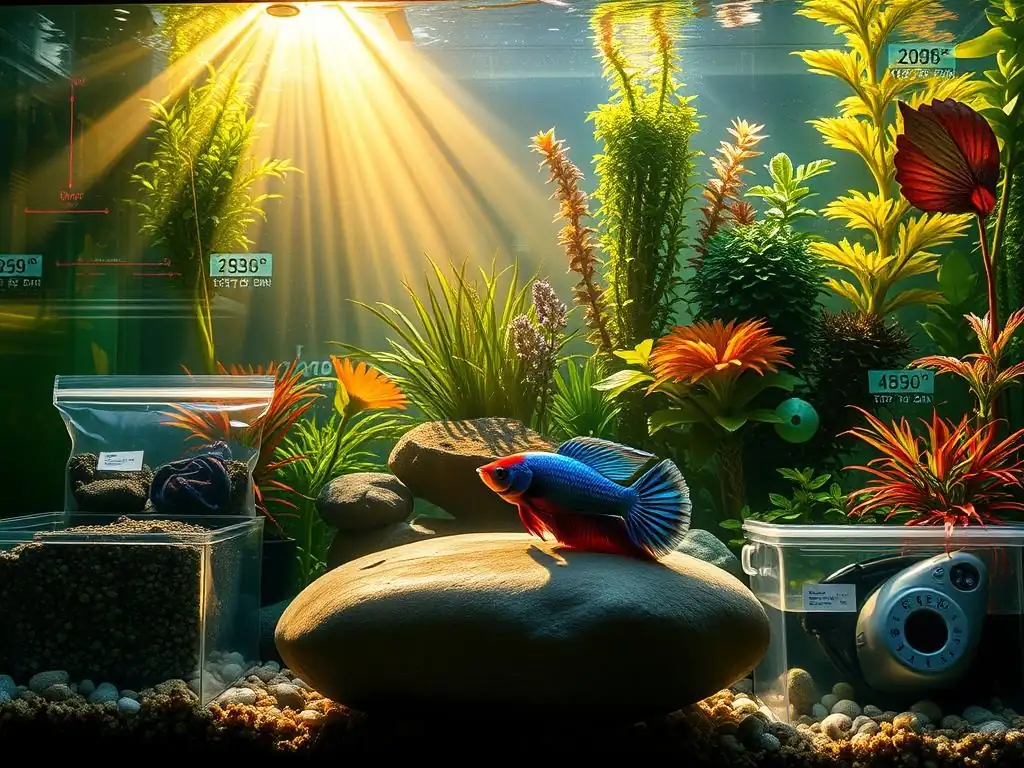
Welcome to Aquarium Mastery, where your aquatic dreams come to life!
Thinking of adding some vibrant new life to your underwater world? Bringing new fish home is exciting, but it's crucial to get the new fish acclimation process right to prevent stress and disease. Dive in and discover our expert advice on ensuring a smooth transition for your new tank mates. Curious about avoiding common pitfalls? Let's explore the secrets to acclimation perfection!
- Understanding the New Fish Acclimation Process: A Crucial First Step
- The Dangers of Acclimation Shock in New Fish
- Step-by-Step Guide to the Perfect New Fish Acclimation Procedure
- Quarantine Protocols: Preventing Disease Transmission from New Fish
- Post-Acclimation Care: Ensuring the Long-Term Health of Your New Fish
- Troubleshooting Common Acclimation Problems
- Advanced Acclimation Techniques for Sensitive Fish Species
- Choosing Healthy Fish: Before You Even Acclimate
- Maintaining a Healthy Aquarium Environment to Support Acclimation Success
- Conclusion: Mastering the New Fish Acclimation Process for a Thriving Aquarium
-
Frequently Asked Questions
- How long should the new fish acclimation process ideally take?
- What are the primary benefits of properly acclimating new fish?
- What are the two main methods of acclimating new fish, and when should each be used?
- Why is it important to turn off the aquarium lights during the new fish acclimation process?
- What are some signs that a newly acclimated fish is experiencing stress or illness?
- Final Reflection: The Delicate Dance of New Beginnings
- Dive Deeper: Transform Your Tank into a Thriving Ecosystem!
Understanding the New Fish Acclimation Process: A Crucial First Step
Why Proper Acclimation is Essential for New Aquarium Fish
When new fish arrive from a local fish store or online vendor, they have typically endured significant stress from capture, transport, and fluctuating water conditions. Their original environment in the holding tank at the store, or even the water in their transport bag, will invariably differ from your home aquarium's parameters, including temperature, pH, salinity, and dissolved solids.
A sudden transition without proper acclimation can overwhelm a fish's delicate osmoregulation system, leading to severe physiological stress and a weakened immune response. For instance, a pH difference of even 0.5 to 1.0 points can cause irreparable gill damage or organ failure if a fish is introduced too quickly.
The goal of a meticulous new fish acclimation process is to gradually introduce the new aquatic inhabitant to your tank's specific water chemistry and temperature. This gradual adaptation allows the fish's body to slowly adjust its internal balance, minimizing the shock of the environmental change.
Successfully acclimated fish are significantly less prone to illness and often exhibit more stable behavior and vibrant coloration much sooner after introduction. For example, aquarists who diligently follow a slow drip acclimation method often report a survival rate exceeding 90% for new arrivals, compared to less than 50% for those simply "plopped" into a new tank.
The Risks of Ignoring Proper Acclimation Techniques
Bypassing a careful new fish acclimation process carries immediate and long-term risks for your new aquatic companions and your entire aquarium ecosystem. Immediately, fish can suffer from severe acclimation shock, manifesting as erratic swimming, gasping at the surface, loss of color, or even sudden death within minutes to hours of introduction. This acute stress directly impacts vital organs and can lead to irreversible damage. Many new aquarists mistakenly attribute these deaths to "bad fish" when, in reality, the abrupt environmental change was the primary culprit.
Beyond immediate fatalities, inadequate acclimation leaves fish highly vulnerable to various diseases. Stress suppresses a fish's immune system, making them an easy target for opportunistic pathogens already present in the tank or those carried by the new fish itself.
Common diseases like Ich ( Ichthyophthirius multifiliis), Velvet ( Oodinium), and various bacterial or fungal infections frequently emerge in tanks where new fish were improperly acclimated. A single disease outbreak, potentially triggered by a stressed new addition, can decimate an entire established tank, leading to significant financial loss in livestock and the emotional toll of dealing with sick or dying fish, often costing hundreds of dollars in medication and lost specimens.
The Dangers of Acclimation Shock in New Fish
What is Acclimation Shock and How Does it Affect Fish?
Acclimation shock, also known as osmotic shock or pH shock, is a severe physiological stress response experienced by fish when they are abruptly moved from one aquatic environment to another with significantly different water parameters. This rapid change can include temperature, pH, hardness (GH/KH), and salinity. Fish constantly regulate their internal salt and water balance through a process called osmoregulation, primarily via their gills and kidneys. When water parameters change too quickly, their osmoregulation system is overwhelmed, leading to cellular damage as water either rushes into or out of their bodies uncontrollably.
For example, a sudden shift in pH from an acidic transport bag (e.g., pH 6.0) to a more alkaline tank (e.g., pH 8.0) can cause severe acid-base imbalance in the fish's blood, leading to gill tissue damage that impairs oxygen uptake and waste excretion. Similarly, a rapid temperature drop of just 5°F (2.8°C) can cause thermal shock, slowing metabolic processes and leading to organ failure. The cumulative effect of these stressors can result in internal bleeding, organ dysfunction, and a complete collapse of the fish's homeostatic mechanisms, often culminating in death if not addressed immediately.
Identifying Symptoms of Acclimation Shock in Newly Introduced Fish
Recognizing the symptoms of acclimation shock early is crucial for intervention, although severe cases may offer little opportunity for recovery. The signs typically manifest within minutes to a few hours after a fish is introduced to a new environment. Common indicators include:
- Rapid, labored breathing: Gills moving quickly, often gasping at the surface or near an air stone.
- Erratic swimming: Darting uncontrollably, swimming into tank walls, or swimming upside down.
- Lethargy and hiding: Lying motionless on the bottom, wedged in decor, or exhibiting extreme shyness.
- Loss of color: Fish may appear pale, dull, or even translucent as stress affects their chromatophores.
- Clamped fins: Fins are held tightly against the body rather than fanned out naturally.
- Shaking or shivering: Small, rapid body tremors, particularly noticeable in smaller species.
- Loss of appetite: Refusal to eat, even preferred foods.
Observing these symptoms in a newly introduced fish necessitates immediate re-evaluation of your new fish acclimation process and potentially a slow return to a more stable environment if possible, or immediate corrective action on your tank's water parameters.
Minimizing Acclimation Shock: Key Factors to Consider
Minimizing acclimation shock hinges on the principle of gradual adaptation, allowing the fish's physiology sufficient time to adjust to its new surroundings. Several key factors are paramount in achieving this. Firstly, temperature matching is critical; even a difference of a few degrees can be highly stressful. Floating the transport bag in the destination tank for 15-30 minutes allows the water temperature inside the bag to slowly equalize with the tank water, preventing thermal shock.
Secondly, gradual water chemistry adjustment is even more vital, especially for sensitive species or when significant differences in pH, hardness, or salinity exist. The drip acclimation method, where tank water is slowly dripped into the fish's transport container over an hour or more, is the gold standard for this. This process allows for minute, incremental changes in water parameters, enabling the fish's osmoregulation system to adapt without being overwhelmed.
Finally, minimizing overall stress during the entire new fish acclimation process, from transport to release, is important. This includes keeping lights dim, providing hiding spots, and avoiding sudden movements around the tank. A fish that has endured a 24-hour shipping journey will be far more susceptible to shock than one transported for 30 minutes, highlighting the cumulative effect of stressors.
Step-by-Step Guide to the Perfect New Fish Acclimation Procedure
Step 1: Preparing Your Quarantine Tank (Highly Recommended)
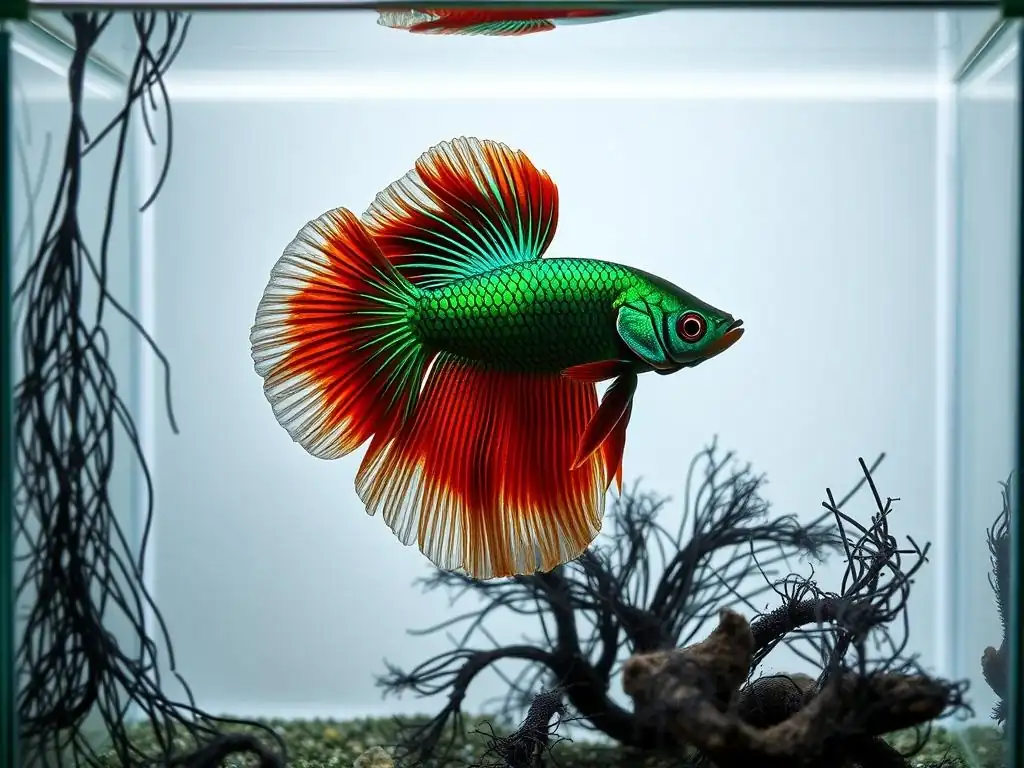
Before any new fish arrives, setting up a dedicated quarantine tank (QT) is arguably the most critical step in the entire new fish acclimation process. A quarantine tank serves as an isolation ward, allowing you to observe new fish for signs of disease, administer treatments if necessary, and ensure they are healthy before introducing them to your main display aquarium. This crucial step prevents the potential introduction and spread of pathogens to your established fish population, which can be devastating. For most small to medium-sized fish, a 10-gallon or 20-gallon tank is usually sufficient as a quarantine setup.
The quarantine tank should be equipped with essential life support: a reliable heater to maintain stable temperature, a thermometer, and a simple filter. A sponge filter, which provides both mechanical and biological filtration and is easy to clean, is often preferred for QTs due to its gentle flow and ease of seeding with beneficial bacteria from an established tank. While it's ideal to have the QT fully cycled, in a pinch, using filter media from your main tank's filter or a bacterial starter product can provide some immediate biological filtration.
Avoid substrate or complex decorations, as they can harbor parasites and make observation and cleaning difficult. A simple PVC pipe elbow or a small plastic plant can offer a necessary hiding spot for the fish.
Step 2: Temperature Acclimation: Floating the Bag
Once your new fish arrives in its transport bag, the very first step in the hands-on new fish acclimation process is to equalize the water temperature. Thermal shock from a sudden temperature change can be incredibly stressful, even fatal, for fish. Begin by dimming the lights in the room where your aquarium is located, as bright lights can further stress the fish. Then, place the sealed transport bag directly into your quarantine tank (or main tank if you are skipping quarantine, though this is not recommended).
Allow the bag to float undisturbed for approximately 15 to 30 minutes. This period provides ample time for the water temperature inside the bag to slowly adjust and match the temperature of your aquarium water. During this time, resist the urge to open the bag or disturb the fish. The goal is a gradual, gentle temperature exchange. A difference of more than 2-3°F (1-1.5°C) between the bag water and tank water can be enough to trigger a stress response, making this seemingly simple step incredibly important for the fish's initial well-being.
Step 3: Gradual Water Acclimation: The Drip Method Explained
After temperature acclimation, the next crucial phase of the new fish acclimation process addresses water chemistry differences using the drip method. This technique is vastly superior to simply floating and netting because it allows for a very slow, incremental adjustment of the fish to your tank's pH, hardness (GH/KH), and total dissolved solids (TDS).
Rapid shifts in these parameters can cause severe osmotic shock, impacting the fish's internal fluid balance and gill function. The drip method minimizes this risk by gradually diluting the transport water with your aquarium water over an extended period, giving the fish's osmoregulation system time to adapt.
To perform the drip method, carefully open the transport bag and gently pour the fish and its water into a clean, appropriately sized container (like a small bucket or a large measuring cup). Ensure the container is large enough for the fish to swim comfortably but small enough to allow for a significant increase in water volume. The goal is to slowly introduce your tank water into this container, thereby gradually changing the water parameters around the fish. This method is particularly vital for sensitive species, saltwater fish, and invertebrates, which are highly intolerant of rapid environmental changes.
Setting up a Drip Acclimation System
Setting up a drip acclimation system is straightforward and requires minimal equipment. You will need a length of airline tubing, typically 3-5 feet, and a small control valve or a simple knot to regulate the flow. First, place the bucket or container holding your new fish and its original water on the floor, positioned lower than your aquarium. This creates the necessary height difference for a siphoning effect.
Next, place one end of the airline tubing into your aquarium water and use suction (or a clean turkey baster) to start a siphon. Once water is flowing, gently pinch the tubing or use the control valve to adjust the flow rate to a slow, steady drip, typically 1-2 drips per second. Direct the other end of the tubing into the bucket containing your new fish.
Allow the water to drip for 30 minutes to 2 hours, or even longer for very sensitive species like shrimp or corals. The aim is to slowly double the original volume of water in the bucket by adding water from your tank. This gradual dilution ensures the fish adapts slowly and comfortably to its new water chemistry.
Monitoring Water Parameters During Drip Acclimation
While the drip method is designed to slowly equalize water parameters, it's beneficial to monitor the process, especially when dealing with particularly sensitive species or significant parameter differences. Before starting the drip, test the pH, temperature, and specific gravity (for saltwater) of both the transport water in the bucket and your aquarium water. This will give you a baseline understanding of the disparity.
During the drip acclimation process, you can periodically test the water in the bucket. While it's not strictly necessary to test every 15 minutes, taking a reading after 30 minutes and then again before completion can help confirm that the parameters are indeed shifting gradually towards your tank's levels.
For example, if your tank has a pH of 7.5 and the transport water started at 6.8, you should observe the pH in the bucket slowly rising towards 7.5. This monitoring provides reassurance that the new fish acclimation process is proceeding effectively and allows you to adjust the drip rate if necessary for extremely slow adaptation.
Step 4: Releasing Your New Fish into the Quarantine Tank (or Main Tank)
Once the drip acclimation is complete and the water volume in the bucket has approximately doubled (or more for sensitive species), it's time for the final release. This step is critical, as you must avoid introducing the water from the transport bag into your quarantine or main display tank. The water from the fish store or shipping facility can contain high levels of ammonia, nitrates, medications, or even parasites and bacteria that you absolutely do not want in your established aquarium.
Carefully net the fish from the acclimation bucket, making sure to avoid excessive handling or chasing. Gently transfer the netted fish directly into your prepared quarantine tank. Immediately discard all the water remaining in the acclimation bucket. Do not pour any of it into your aquarium. This diligent final step in the new fish acclimation process significantly reduces the risk of introducing unwanted pathogens and ensures your main display tank remains healthy and free from external contaminants.
Quarantine Protocols: Preventing Disease Transmission from New Fish
Why Quarantine is Vital for a Healthy Aquarium
Quarantine is an indispensable component of responsible fishkeeping, serving as a critical barrier against the introduction and spread of diseases within your aquarium. Even seemingly healthy fish purchased from a reputable store can carry dormant parasites, bacteria, or viruses that may not manifest symptoms until they are stressed by a new environment.
Introducing such a fish directly into your main display tank risks exposing your entire established population to pathogens they may have no immunity against, potentially leading to a devastating outbreak. For instance, a single new fish carrying Ich can infect an entire 50-gallon tank of established fish within days, leading to weeks of treatment and significant stress for all inhabitants.
A dedicated quarantine period, typically lasting 4 to 6 weeks, allows new fish to recover from the stress of transport and acclimation, enables you to closely observe them for any signs of illness, and provides an opportunity for proactive treatment if necessary. During this time, any potential diseases can be identified and addressed in an isolated environment, preventing them from spreading to your main aquarium.
This proactive approach not only protects your existing fish but also saves considerable time, effort, and money that would otherwise be spent on treating a widespread tank-wide infection. Data suggests that aquarists who consistently quarantine new fish experience a significant reduction in overall disease incidents, often by 90% or more.
Setting Up an Effective Quarantine Tank: Essential Equipment and Considerations
An effective quarantine tank doesn't need to be elaborate or expensive, but it must be functional and easy to maintain. For most small to medium-sized fish, a 10 or 20-gallon glass aquarium is sufficient. Essential equipment includes:
- Heater: To maintain stable water temperature, crucial for reducing stress and supporting the fish's immune system.
- Thermometer: To monitor temperature accurately.
- Filter: A simple sponge filter is ideal for a QT. It provides gentle biological filtration, is easy to clean, and won't trap medications. If you don't have an established sponge filter, you can "seed" it by running it in your main tank for a week or two, or by squeezing some media from your main filter onto it.
- Air Stone and Air Pump: For adequate oxygenation, especially important if medications are used.
- Lighting: A simple clip-on light is sufficient, as intense lighting is not necessary and can cause stress.
- Hiding spots: A PVC pipe elbow, a clean plastic plant, or a ceramic pot provides essential security for stressed fish.
Avoid using substrate in a quarantine tank, as it can harbor parasites and make cleaning and observation difficult. Similarly, minimal decorations are best. The focus is on functionality, ease of cleaning, and clear visibility of the fish. Keep the environment stable and consistent, as any further fluctuations can hinder the new fish acclimation process and recovery.
Quarantine Observation: What to Look For
During the 4-6 week quarantine period, daily observation of your new fish is paramount. Dedicate at least 10-15 minutes each day to carefully watch their behavior, physical appearance, and feeding habits. Look for any deviations from normal, healthy fish behavior.
Key indicators to monitor include:
- Behavior: Are they swimming normally, or are they lethargic, hiding excessively, flashing (rubbing against objects), or gasping at the surface? Are they interacting with their environment appropriately?
- Appearance: Closely examine their fins (are they clamped, frayed, or torn? ), scales (are they raised, missing, or discolored? ), eyes (are they clear, cloudy, or bulging? ), and body shape (is it emaciated, bloated, or do you see any lesions, sores, or white spots?). Check for any unusual growths or fuzziness.
- Feeding: Are they eating readily? Refusal to eat for more than 24-48 hours can be a significant sign of stress or illness.
- Feces: While difficult to observe consistently, unusual color or consistency of waste can indicate internal issues.
Keeping a small log of your daily observations can be helpful, noting down any changes, no matter how subtle. Early detection of symptoms allows for timely intervention, often leading to more successful treatment outcomes. This dedicated observation period is a crucial extension of the new fish acclimation process, ensuring long-term health.
Common Diseases Introduced by New Fish and How to Identify Them
New fish are notorious carriers of common aquarium diseases, often without showing symptoms until stressed. Recognizing these ailments early in quarantine is vital.
Ich (White Spot Disease)
Ich, caused by the parasite Ichthyophthirius multifiliis, is perhaps the most common and recognizable fish disease. It appears as small, white spots resembling grains of salt scattered across the fish's body and fins. Fish may also exhibit "flashing" behavior, rubbing their bodies against tank decorations or substrate in an attempt to dislodge the irritating parasites. In severe cases, the fish may become lethargic, gasp at the surface, or develop clamped fins. Ich has a complex life cycle, with free-swimming stages that can quickly infect an entire tank.
Velvet Disease (Oodinium)
Velvet, caused by dinoflagellates like Oodinium or Amyloodinium, is often mistaken for Ich but presents as a finer, yellowish-brown "dusting" or shimmer on the fish's skin, particularly visible under direct light. It can be more challenging to spot than Ich. Affected fish may exhibit rapid gill movements (gasping), clamped fins, lethargy, and scratching. Velvet is highly contagious and can be more virulent than Ich, quickly causing extensive gill damage and suffocating fish if not treated promptly.
Fungal Infections
Fungal infections, primarily caused by Saprolegnia species, typically appear as white, cotton-like growths on the fish's skin, fins, or eyes. These infections are often secondary, meaning they capitalize on existing injuries, stress, or weakened immune systems. They are not usually primary pathogens but rather opportunistic. Fish with fungal infections may show lethargy, loss of appetite, and the affected areas may appear fuzzy or slimy. Prompt treatment is crucial to prevent the infection from spreading and causing deeper tissue damage.
Bacterial Infections
Bacterial infections are a broad category that can manifest in numerous ways, often as a result of poor water quality, stress, or injury. Common signs include:
- Fin Rot: Frayed, ragged, or disintegrating fins, often with a white or red edge.
- Body Ulcers/Sores: Open wounds, red patches, or lesions on the body.
- Pop-eye (Exophthalmia): One or both eyes protruding from the head.
- Dropsy: A swollen body with scales sticking out like a pinecone, indicating internal organ failure and fluid retention.
- Red Streaks/Hemorrhages: Red lines or blotches on the body or fins.
These infections are highly varied in their presentation and can be internal or external. Early identification and appropriate antibiotic treatment are essential, as many bacterial infections can quickly become fatal.
Post-Acclimation Care: Ensuring the Long-Term Health of Your New Fish
Monitoring Water Parameters After Introduction
The successful completion of the new fish acclimation process and quarantine is a significant milestone, but the care for your new aquatic inhabitant doesn't end there. After introducing your new fish to the main display tank (or a permanent smaller setup), continued vigilance regarding water parameters is crucial. New fish add to the biological load of your aquarium, potentially increasing ammonia and nitrite levels as your filter adjusts to the new inhabitants. Furthermore, even after acclimation, fish can still be sensitive to fluctuations as they fully settle into their new home.
For the first week or two post-introduction, it is highly recommended to test your water parameters daily or every other day, focusing on ammonia, nitrite, and nitrate. While ammonia and nitrite should remain at zero in a cycled tank, any detectable levels indicate stress on your biological filter and a potential threat to your fish.
Be prepared to perform small, targeted water changes (e.g., 10-20%) if these levels rise. Consistent monitoring ensures that the water quality remains pristine, providing the best possible environment for your new fish to thrive and further solidifying the success of the new fish acclimation process.
Feeding Your Newly Acclimated Fish: Diet and Frequency
When introducing new fish, their feeding habits require careful consideration. Initially, new fish may be shy or stressed and might not eat immediately. It's best to offer food sparingly for the first 24 hours after introduction to avoid polluting the water with uneaten food. Once they show interest, offer small, high-quality portions once or twice a day. Provide a varied diet that caters to their specific needs, whether it's flake food, pellets, frozen foods (like brine shrimp or bloodworms), or live foods.
Avoid overfeeding at all costs. Overfeeding not only leads to uneaten food decaying and fouling the water, but it can also cause digestive issues in stressed fish. Observe how quickly they consume the food; if it's not eaten within a few minutes, you're likely feeding too much. A well-fed, nutritious diet is essential for bolstering their immune system and helping them recover from the stresses of the new fish acclimation process and relocation, ensuring their long-term health and vibrant coloration.
Observing Behavior: Signs of Stress or Illness
Even after a successful new fish acclimation process and quarantine, continuous observation of your new fish's behavior is vital for their long-term health. Fish can develop stress-related issues or illnesses days or even weeks after being introduced to a new environment. Regular daily checks will help you catch any problems early, when they are most treatable.
Look for any changes in their normal behavior:
- Hiding: While some fish are naturally shy, excessive or prolonged hiding (especially if they were active during quarantine) can indicate stress or illness.
- Lethargy: Lack of movement, lying on the bottom, or not responding to stimuli.
- Loss of appetite: Refusing food for more than 24 hours.
- Abnormal swimming: Erratic movements, darting, spiraling, or swimming against the current excessively.
- Color changes: Significant paling or darkening of colors.
- Physical signs: Clamped fins, frayed fins, white spots, fuzzy patches, bloating, or visible lesions.
Any of these signs warrant immediate investigation of water parameters and consideration of a potential illness. Early detection is often the difference between a minor issue and a full-blown disease outbreak.
Troubleshooting Common Acclimation Problems
Fish Gasping at the Surface After Acclimation
If your new fish is gasping at the surface after the new fish acclimation process, it's a critical sign of distress, usually indicating a lack of oxygen or the presence of harmful toxins in the water. The most common causes are:
- Low Dissolved Oxygen (DO): This can be due to high water temperatures (warm water holds less oxygen), insufficient surface agitation, or an overcrowded tank.
- High Ammonia/Nitrite: Even trace amounts of these nitrogenous waste products are toxic to fish, impairing their ability to absorb oxygen.
- pH Shock: While the drip method aims to prevent this, a significant, rapid pH shift can still damage gills, reducing oxygen uptake.
Solutions:
- Increase Aeration: Immediately add an air stone or increase surface agitation with your filter outflow to maximize oxygen exchange.
- Test Water Parameters: Perform urgent tests for ammonia, nitrite, and nitrate. If ammonia or nitrite are detected, perform an immediate 25-50% partial water change using temperature-matched, dechlorinated water.
- Reduce Temperature (if high): Gradually lower the temperature if it's excessively high, ensuring not to cause further thermal shock.
- Observe for pH Shock Symptoms: If other symptoms of pH shock (erratic swimming, loss of color) are present, it may indicate gill damage.
Fish Hiding and Not Eating
It's common for new fish to be shy and hide for the first few days after the new fish acclimation process, especially if they are naturally timid species or if the tank is brightly lit. Refusal to eat can also be a stress response.
Possible Causes:
- Stress: From transport, new environment, or aggressive tank mates.
- Fear: Lack of hiding spots, bright lighting, or too much activity around the tank.
- Adjustment Period: Some fish simply need time to feel secure in their new home.
- Aggressive Tank Mates: Being bullied by existing fish.
Solutions:
- Provide Hiding Spots: Ensure ample caves, plants, or decor where the fish can feel secure.
- Dim Lighting: Keep tank lights off or dim for the first 24-48 hours.
- Patience: Give the fish time to adjust. Avoid constantly checking on them.
- Offer Palatable Food: Try offering small amounts of varied, high-quality foods. Live or frozen foods often entice shy eaters.
- Observe Tank Mates: Ensure no existing fish are harassing the new arrival. If so, consider temporary separation or rehoming.
Cloudy Water After Introducing New Fish
Cloudy water after introducing new fish can be disconcerting but is often a temporary issue related to biological processes or minor disturbances.
Possible Causes:
- Bacterial Bloom: The most common cause. The sudden increase in bio-load from the new fish can overwhelm the existing beneficial bacteria in your filter, leading to a temporary spike in heterotrophic bacteria that feed on organic waste.
- Disturbed Substrate: If the substrate was disturbed during the new fish acclimation process or release, fine particles can temporarily cloud the water.
- Uneaten Food: Overfeeding new fish can lead to decaying food, contributing to bacterial blooms.
- Dissolved Organic Compounds (DOCs): Stress from the new fish or their transport water can release DOCs that cause cloudiness.
Solutions:
- Partial Water Change: Perform a 25-30% water change to remove some of the organic load and dilute suspended particles.
- Reduce Feeding: Temporarily reduce or stop feeding for a day or two to minimize organic waste.
- Monitor Filter: Ensure your filter is clean and functioning efficiently. Avoid cleaning filter media excessively during a bacterial bloom, as this can remove beneficial bacteria.
- Patience: Bacterial blooms usually resolve themselves within a few days to a week as your filter catches up.
- Test Water Parameters: Check ammonia and nitrite levels. If elevated, more frequent small water changes may be necessary.
Advanced Acclimation Techniques for Sensitive Fish Species
Acclimating Invertebrates: Special Considerations
Invertebrates, such as freshwater shrimp (e.g., Amano, Cherry shrimp), snails, and especially saltwater corals and marine invertebrates (e.g., anemones, starfish), are exquisitely sensitive to changes in water parameters. Their osmoregulation systems are often less robust than those of fish, making them highly susceptible to osmotic shock. Even minor fluctuations in pH, salinity, or temperature can be fatal. For instance, a sudden change in specific gravity of just 0.001 in saltwater can lead to irreversible damage for delicate corals.
Therefore, the new fish acclimation process for invertebrates must be significantly slower and more meticulous. The drip method is not just recommended but absolutely essential, and the duration should be extended considerably. For most freshwater shrimp, a drip acclimation of 1-2 hours is standard.
For saltwater invertebrates, particularly corals, the process can take 2-4 hours, or even longer for highly sensitive species or if there's a significant difference in water parameters. During this extended period, it's crucial to periodically remove excess water from the acclimation container to prevent it from overflowing, while maintaining a consistent drip rate. This ensures a truly gradual transition to the new environment, maximizing their chances of survival and long-term health.
Acclimating Brackish Water Fish: Specific Requirements
Acclimating brackish water fish, which thrive in environments with a salinity level between freshwater and saltwater (e.g., mollies, puffers, gobies), presents unique challenges that require a specialized new fish acclimation process. These fish are typically purchased from either freshwater or low-salinity brackish setups, but their ideal long-term environment might be at a higher specific gravity. A rapid change in salinity can cause severe osmotic shock, similar to freshwater or saltwater species, but with the added complexity of a constantly varying environment.
The key to successfully acclimating brackish fish is a very slow, incremental adjustment of salinity over days or even weeks, depending on the magnitude of the change. If you are moving a brackish fish from a lower salinity to a higher salinity tank, use the drip method initially for temperature and general water chemistry, but then continue to gradually increase the salinity in their quarantine tank.
For example, if you are transitioning a fish from freshwater (0 ppt salinity) to a brackish tank with a specific gravity of 1.005, you might start the quarantine tank at 1.001 and increase the specific gravity by no more than 0.001 per day using small, measured additions of marine salt mix dissolved in RO/DI water.
This multi-step new fish acclimation process allows the fish's kidneys and gills to slowly adapt to the changing osmotic pressure, preventing stress and ensuring their long-term health in their new brackish home.
Choosing Healthy Fish: Before You Even Acclimate
Observing Fish Behavior at the Store
The best new fish acclimation process begins long before you bring a fish home – it starts at the fish store. Dedicate at least 10-15 minutes to observe the fish you intend to purchase. Look for active, alert individuals that are swimming naturally for their species. Healthy fish should generally be curious and responsive to their environment. For schooling fish, observe if they are swimming together cohesively. Avoid fish that are isolated from the group, listless, or hiding excessively (unless it's a naturally shy species, in which case observe its overall health when it does emerge).
Also, pay attention to their swimming patterns. Are they swimming erratically, darting, or struggling to maintain buoyancy? Do they appear to be flashing or rubbing against the tank bottom or decor? These behaviors can be early indicators of stress or parasitic infections. A fish that looks stressed or behaves abnormally at the store is already at a disadvantage and will be far more susceptible to acclimation shock and disease once introduced to your home aquarium, regardless of how meticulously you follow the new fish acclimation process.
Checking for Visible Signs of Disease
Beyond behavior, a thorough visual inspection for physical signs of disease is crucial when selecting new fish. Look closely at every fish in the tank from which you plan to make a purchase, not just the one you've chosen, as disease can spread quickly.
Specific red flags include:
- White Spots: Resembling salt grains on the body or fins (indicative of Ich).
- Fuzzy Growths: Cotton-like patches on the body, fins, or mouth (suggesting fungal infections).
- Clamped Fins: Fins held tightly against the body, not fanned out naturally.
- Frayed or Torn Fins: Often a sign of fin rot or aggression.
- Cloudy or Bulging Eyes: Can indicate internal bacterial infection or poor water quality.
- Discoloration or Pale Patches: Loss of vibrant color or unusual blotches.
- Bloating or Emaciation: An overly swollen belly (dropsy) or a sunken, starved appearance.
- Rapid Gill Movement: Excessive or labored breathing.
If you spot any of these signs on any fish in the tank, even if the fish you want appears healthy, it's best to avoid purchasing from that tank. The disease may be present but not yet visible on all individuals, and you risk bringing it home, undermining all your efforts with the new fish acclimation process and quarantine.
Selecting Reputable Fish Suppliers
The source of your fish significantly impacts their health and, consequently, the success of your new fish acclimation process. Choosing a reputable fish supplier is paramount. A good fish store will prioritize the health of their livestock and maintain clean, well-maintained tanks.
Look for a store that:
- Has clean, well-maintained tanks with clear water and no strong, unpleasant odors.
- Has knowledgeable staff who can answer your questions about fish care, compatibility, and the origin of their fish.
- Quarantines new arrivals themselves before putting them up for sale. While not all stores do this, those that do significantly reduce your risk of bringing home sick fish.
- Has a low number of dead or obviously sick fish in their tanks. A tank with multiple deceased fish is a clear sign of poor husbandry or an active disease outbreak.
- Provides accurate information about the fish's specific needs, adult size, and compatibility.
Establishing a relationship with a trusted local fish store or a reputable online vendor known for their healthy stock can save you considerable heartache and expense in the long run. A healthy fish from a good source is already halfway to a successful new fish acclimation process in your home aquarium.
Maintaining a Healthy Aquarium Environment to Support Acclimation Success
The Importance of Stable Water Parameters
The success of any new fish acclimation process is fundamentally dependent on the stability and quality of the environment into which the fish is being introduced. Stable water parameters are paramount, even more so than achieving "perfect" numbers. Fish are incredibly sensitive to fluctuations in their environment.
While a pH of 7.0 might be ideal for some species, a consistent pH of 7.2 is far better than a pH that swings wildly between 6.5 and 7.5. These rapid shifts, often caused by inconsistent water changes, overfeeding, or inadequate buffering, are a major source of stress for all fish, especially new arrivals.
Consistently monitoring and maintaining stable levels of temperature, pH, hardness (GH/KH), and salinity (for brackish/saltwater setups) reduces chronic stress on all aquarium inhabitants. This, in turn, strengthens their immune systems and makes them more resilient to the minor stresses inherently involved in the new fish acclimation process. An aquarium with stable parameters provides a consistent, predictable environment that allows new fish to settle in quickly and thrive, minimizing the chances of post-acclimation illness.
Proper Filtration and Water Changes
Robust filtration and a diligent water change schedule are the cornerstones of a healthy aquarium environment, directly supporting the success of the new fish acclimation process. Effective filtration – mechanical, biological, and chemical – works tirelessly to remove physical debris, convert toxic ammonia and nitrite into less harmful nitrate, and absorb undesirable chemicals or odors. A well-maintained filter ensures that water quality remains high, preventing the buildup of toxins that can stress even fully acclimated fish, let alone vulnerable newcomers.
Regular partial water changes are equally vital. They serve to dilute accumulated nitrates, replenish essential trace minerals, and remove dissolved organic compounds that filtration alone cannot fully address. For most freshwater aquariums, a 25% weekly water change is a good starting point.
For example, in a 50-gallon tank, replacing 12.5 gallons of water weekly with temperature-matched, dechlorinated water significantly reduces nitrate levels and refreshes the aquatic environment. This consistent maintenance ensures that the water your new fish are acclimating into is not only free of immediate threats but also conducive to long-term health, reinforcing the positive outcomes of a careful new fish acclimation process.
Appropriate Tank Mates and Avoiding Overcrowding
The composition of your existing fish community and the overall stocking density play a significant role in how well a new fish acclimates and thrives. Introducing a new, often stressed, fish into an aggressive or overcrowded environment can negate all the benefits of a meticulous new fish acclimation process. Aggressive tank mates can bully, nip, and constantly stress new arrivals, preventing them from eating or finding adequate hiding spots, ultimately leading to illness or death. Researching species compatibility before purchase is essential.
Overcrowding, even with compatible species, creates a host of problems. More fish mean a higher biological load, leading to faster accumulation of nitrates and a greater demand on your filtration system, potentially causing spikes in ammonia or nitrite. A general rule of thumb for smaller fish is "one inch of fish per gallon" for common community fish, but this is a very rough guideline and varies greatly with species activity level and waste production.
A tank that is already at its carrying capacity will leave little room for a new fish to establish itself without undue stress. Ensuring appropriate tank mates and avoiding overstocking provides a low-stress environment where new fish can integrate smoothly and flourish after their new fish acclimation process.
Conclusion: Mastering the New Fish Acclimation Process for a Thriving Aquarium
Mastering the new fish acclimation process is not merely a recommendation; it is a fundamental pillar of responsible and successful fishkeeping. From the moment a new fish is acquired, every step, from initial observation at the store to the final release into a quarantine tank, plays a critical role in its survival and long-term well-being. Diligently following practices like gradual temperature equalization, the precise drip method for water chemistry adjustment, and the non-negotiable quarantine period significantly minimizes the risks of acclimation shock and disease transmission.
By prioritizing the health and comfort of your new aquatic companions through a meticulous new fish acclimation process, you protect not only the individual fish but also the entire established ecosystem of your aquarium. This detailed approach ensures that new additions settle in with minimal stress, allowing them to display their natural behaviors and vibrant colors. Ultimately, a thriving aquarium is a testament to the aquarist's patience, knowledge, and commitment to providing the best possible environment for all its inhabitants.
Frequently Asked Questions
How long should the new fish acclimation process ideally take?
The acclimation process should ideally take between 30 minutes to an hour. This allows the fish to gradually adjust to the water temperature and chemistry. Rushing this process can cause undue stress.
What are the primary benefits of properly acclimating new fish?
Proper acclimation minimizes stress and osmotic shock. This reduces the risk of disease outbreaks and increases the fish's survival rate in the new aquarium.
What are the two main methods of acclimating new fish, and when should each be used?
The two main methods are floating the bag (temperature acclimation) and drip acclimation (water chemistry acclimation). Drip acclimation is recommended for sensitive species or when there's a significant difference in water parameters.
Why is it important to turn off the aquarium lights during the new fish acclimation process?
Turning off the lights helps reduce stress on the new fish. The reduced light environment offers a sense of security and allows them to adjust more comfortably.
What are some signs that a newly acclimated fish is experiencing stress or illness?
Signs of stress or illness include lethargy, erratic swimming, clamped fins, and loss of appetite. Monitor new fish closely for these symptoms after acclimation.
Final Reflection: The Delicate Dance of New Beginnings
The journey of introducing new life into an established ecosystem, as we've explored in the new fish acclimation process, is far more than just a simple transfer. It's a delicate dance, a carefully orchestrated symphony of patience and precision that determines not only the survival of the newcomers but also the health and harmony of the entire aquatic community. Understanding and implementing these best practices is now more crucial than ever, as responsible aquarists strive to create thriving and sustainable environments for their finned companions.
This understanding extends beyond the technical aspects of water parameters and temperature adjustments. It speaks to a deeper respect for the fragility of life and the interconnectedness of ecosystems, even those contained within the glass walls of our aquariums. My own experiences have taught me that the extra time and care invested in proper acclimation are always rewarded with healthier, happier fish and a more resilient aquarium. The best time to plant a tree was 20 years ago. The second best time is now.
This ancient proverb resonates deeply with the acclimation process; the sooner we embrace best practices, the better the long-term outcome for our aquatic friends.
So, as you prepare to welcome new members into your underwater world, remember the lessons we've discussed. Take a moment to reflect on the responsibility you're undertaking and the profound impact your actions will have. Let patience be your guide, knowledge your tool, and compassion your motivation. Embrace the new fish acclimation process not as a chore, but as an opportunity to nurture life and cultivate a thriving ecosystem. Your dedication will not only ensure the well-being of your fish but also enrich your own connection to the natural world.
Dive Deeper: Transform Your Tank into a Thriving Ecosystem!
Thanks for exploring the secrets of acclimation and setting your new aquatic friends up for success. Now, let's turn knowledge into action!
Here are a few steps you can take right now to further enhance your aquarium hobby:
- Boldly implement a quarantine tank for all new arrivals. This is the single most important step in safeguarding your established aquarium.
- Unveil the hidden world of your aquarium's microfauna. Research beneficial bacteria and explore ways to promote their growth for a healthier ecosystem.
- Share your own acclimation success stories and challenges in the comments below – let's learn from each other!
What's the most surprising lesson you've learned about fish acclimation, and how has it changed your approach?