Aquarium Biosecurity 101: Building an Impenetrable Fortress Against Pathogens
🐠 Protect your aquatic paradise with expert tips on preventing fish diseases in aquariums. Learn essential biosecurity measures to keep your tanks…
Read article
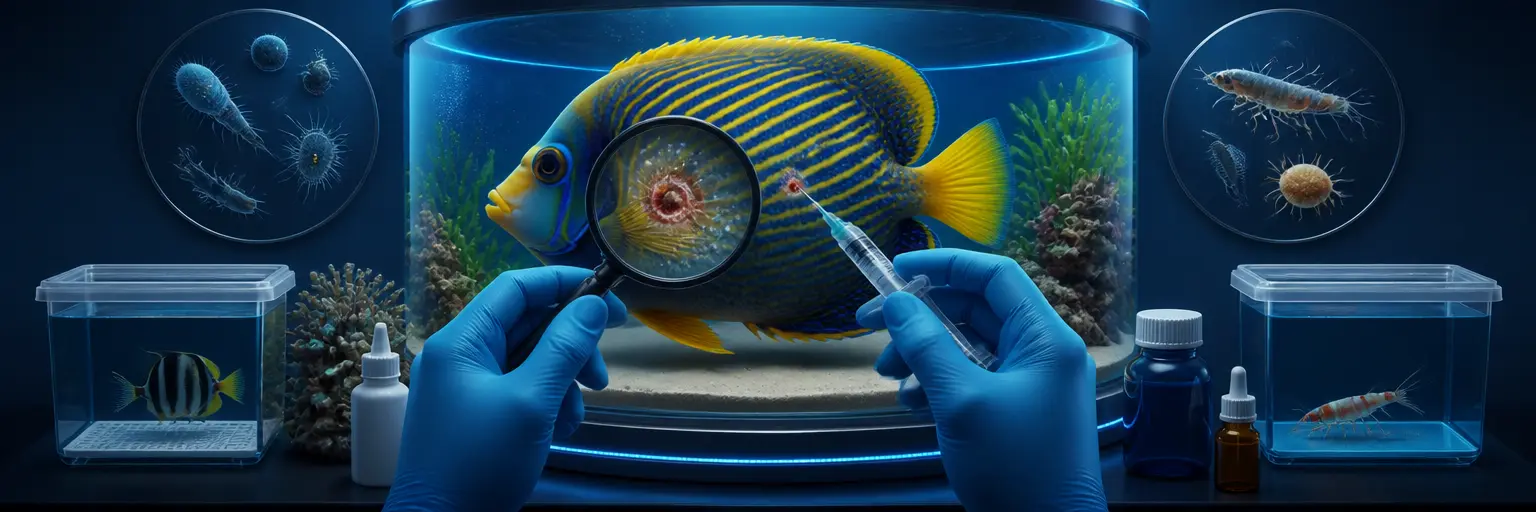
Explore expert guidance for fish and invertebrate diseases and health in freshwater and saltwater aquariums. Learn to identify symptoms, understand common illnesses, and choose safe, effective treatments, medications, and dips while protecting sensitive tank inhabitants. Discover practical quarantine protocols, prevention strategies, and water-quality checks to support faster recovery and long-term aquatic health. 🐠🦐 With Aquarium Mastery’s trusted diagnosis and care resources, aquarists can troubleshoot health problems confidently and maintain a thriving, disease-resistant aquarium.
🐠 Protect your aquatic paradise with expert tips on preventing fish diseases in aquariums. Learn essential biosecurity measures to keep your tanks…
Read article
🌟 Discover the truth behind fish disease treatment myths and learn effective, evidence-based methods to keep your aquatic pets healthy. AquariumMastery.com debunks…
Read article
🌊 Discover how "Cloudy water causes fish sick" and other common aquarium issues. AquariumMastery.com offers expert advice on diagnosing water problems, preventing…
Read article
🌟 Proper fish nutrition is essential for disease prevention, ensuring vibrant, healthy aquatic life. AquariumMastery.com offers expert guidance on maintaining optimal water…
Read article
🌊 Ensure a smooth New fish acclimation process to prevent shock and disease. Proper gradual adjustment promotes healthier, happier tank mates, safeguarding…
Read article
🐟 Ensure a healthy aquarium by following our proactive checklist for preventing freshwater fish diseases. AquariumMastery.com offers expert guidance on water quality,…
Read article
🛡️ Preventing tank disease spread is crucial for a healthy aquarium. Discover clever strategies to break contamination chains, safeguard your aquatic life,…
Read article
😊 Master the art of shrimp snail disease treatment with expert tips on delicate care and effective strategies to ensure your aquatic…
Read article
🌊 Ensure vibrant, healthy marine life with our comprehensive Saltwater Fish Disease Prevention checklist, covering essential tips on water quality, quarantine procedures,…
Read article
🌟 Discover essential insights on freshwater fish disease diagnosis, identifying common and cryptic conditions that threaten your aquarium's health. AquariumMastery.com offers expert…
Read article
🌟 Fish anxiety causes disease, compromising aquatic health. Understanding stress factors in aquariums is essential for preventing illnesses, ensuring vibrant, healthy fish,…
Read article
🌟 Achieving a pristine water aquarium is essential for your fish's health and longevity. Pristine water aquarium maintenance ensures a disease-free environment,…
Read articleFish & Invertebrate Diseases & Health is your practical resource for identifying, treating, and preventing common aquarium health problems in freshwater and saltwater systems. At Aquarium Mastery, you’ll find clear guidance on fish disease diagnosis, invertebrate health, aquarium medications, quarantine protocols, treatment dips, water-quality troubleshooting, and long-term disease prevention.
Healthy aquarium animals depend on more than medication alone. Symptoms such as white spots, fin damage, unusual swimming, rapid breathing, loss of appetite, molting problems, or sudden deaths may be linked to parasites, bacterial infections, fungal growth, poor water chemistry, stress, aggression, or incompatible tank conditions. Our disease and health guides help aquarists connect visible symptoms with possible causes while emphasizing safe, responsible treatment decisions.
Use this category to learn how to assess sick fish and invertebrates, isolate new arrivals, select appropriate treatments, and protect beneficial biological filtration. You’ll also discover how water testing, quarantine tanks, observation, sanitation, nutrition, and stable aquarium conditions work together to reduce outbreaks and support recovery.
This subcategory focuses on recognizing and responding to health problems in freshwater fish, marine fish, shrimp, snails, crabs, corals, and other aquarium invertebrates. Expect detailed explanations of common symptoms, including white patches, spots, ulcers, frayed fins, bloating, flashing, lethargy, abnormal buoyancy, labored breathing, color loss, and unexplained behavior changes. Guides are designed to help you distinguish between parasites, bacterial disease, fungal infections, viral conditions, poisoning, injury, stress, and environmental causes.
You’ll also find practical advice on treatment planning, medication safety, freshwater and saltwater dips, quarantine tank setup, isolation procedures, and disease prevention. Articles explain how to read medication labels, avoid dangerous combinations, protect sensitive invertebrates, maintain oxygenation, monitor ammonia and nitrite, and determine when treatment should be adjusted. Because many aquarium diseases are linked to husbandry problems, prevention guidance covers stable water parameters, proper acclimation, biosecurity, nutrition, stocking, filtration, and routine observation.
Look for changes from normal behavior, including hiding, loss of appetite, rapid breathing, rubbing against objects, clamped fins, unusual swimming, pale coloration, swelling, sores, spots, or fin deterioration. Test ammonia, nitrite, nitrate, pH, temperature, and salinity where applicable, because poor water quality is a common cause of fish stress and disease-like symptoms.
In many cases, yes. A separate hospital or quarantine aquarium makes observation and treatment easier while reducing the risk of spreading contagious disease. Use a cycled, appropriately heated and filtered setup, provide hiding places, maintain strong aeration, and monitor water parameters frequently. Avoid transferring contaminated equipment between tanks without cleaning and disinfecting it.
Not all medications are safe for invertebrates. Products containing copper are particularly dangerous to many shrimp, snails, crabs, and other invertebrates, and medication can also affect live rock, biological filtration, or corals. Always read the product label, research species-specific risks, and treat sensitive animals in a separate system whenever possible.
Water changes may reduce toxins, improve water quality, and lower stress, but they do not cure every infection or parasite. They are an essential supportive measure and may be sufficient when symptoms are caused by ammonia, nitrite, nitrate accumulation, or other environmental problems. Confirm the diagnosis before selecting a targeted medication or treatment.
Purchase healthy animals from reputable sources, quarantine new fish and invertebrates, acclimate them carefully, avoid overstocking, provide a suitable diet, and maintain stable water chemistry. Use dedicated nets and equipment for quarantine tanks, inspect livestock daily, and keep a written maintenance schedule. Prevention through quarantine and consistent husbandry is safer and more effective than treating repeated outbreaks.