
Murky Waters or Sick Fish? Pinpointing the True Culprit of Aquarium Troubles

Welcome to Aquarium Mastery!
Is your aquarium water looking a little… murky? And are you worried it might be making your fish sick? You're in the right place! We'll help you unravel the mystery. Get ready to dive deep into the potential causes of cloudy water, separate fact from fiction, and learn how to pinpoint the true culprit behind your aquarium troubles. Let's get started!
- Understanding the Interplay Between Cloudy Water and Fish Health in Your Aquarium
- Decoding Cloudy Aquarium Water: Identifying the Root Cause
- Recognizing Signs of Fish Illness: Beyond Cloudy Water
- Differentiating Between Water Quality Issues and Fish Diseases
- Treatment Strategies: Addressing Both Cloudy Water and Sick Fish
-
Prevention is Key: Maintaining a Healthy Aquarium Ecosystem
- Regular Water Testing and Maintenance: Proactive Measures for Clear Water
- Choosing Healthy Fish: Selecting Reputable Sources
- Proper Acclimation: Minimizing Stress During Introduction
- Avoiding Overcrowding: Providing Adequate Space for Your Fish
- Maintaining a Balanced Ecosystem: Promoting Beneficial Bacteria and Plant Growth
- Conclusion: Achieving Crystal Clear Water and Healthy Fish
-
Frequently Asked Questions
- Why is my aquarium water cloudy, and could it be making my fish sick?
- How can I tell if the cloudiness is directly contributing to my fish's illness?
- What are the common causes of bacterial blooms that lead to cloudy water?
- What water parameters should I test if my aquarium water is cloudy and my fish seem unwell?
- What are some immediate steps I can take to address cloudy water and potentially prevent fish illness?
- Final Reflection: Clarity Beyond the Glass
- Dive Deeper: Transform Your Aquarium Today!
Understanding the Interplay Between Cloudy Water and Fish Health in Your Aquarium
The Vital Connection: Water Quality's Impact on Aquatic Life
Water quality is the single most critical factor in maintaining a healthy aquarium ecosystem and preventing fish illness. Every aspect of a fish's physiology, from respiration to digestion and immune response, is directly influenced by the chemical and physical properties of the water it inhabits.
For instance, even slightly elevated ammonia levels, as low as 0.25 parts per million (ppm), can cause gill irritation and damage, making fish highly susceptible to bacterial infections and parasitic infestations. Prolonged exposure to poor water conditions, such as high nitrate concentrations (consistently above 40-80 ppm) or unstable pH, leads to chronic stress, which suppresses a fish's immune system, effectively opening the door for opportunistic pathogens to cause disease.
This foundational connection means that any deviation from optimal water parameters can quickly translate into stressed or sick fish. A stable environment, characterized by consistent temperature, appropriate pH for the species, and negligible levels of harmful nitrogen compounds, allows fish to thrive and resist illnesses. Conversely, neglected tanks with fluctuating water parameters or accumulating toxins create a constant battle for survival for their inhabitants, often resulting in outbreaks where cloudy water causes fish sick symptoms to manifest.
Common Misconceptions: Is Cloudy Water Always a Sign of Sick Fish?
It's a common misconception among aquarists that cloudy water automatically means their fish are sick. While cloudy water can be a strong indicator of underlying issues that will eventually lead to fish illness if unaddressed, it doesn't always signify immediate sickness. For example, a newly set up aquarium often experiences a "bacterial bloom" during the cycling process, which makes the water appear hazy or milky. This bloom, while visually unappealing, is usually a natural part of establishing beneficial bacteria and doesn't directly cause fish to become sick, though the accompanying ammonia and nitrite spikes during cycling certainly can.
However, if cloudy water persists or appears suddenly in an established tank, it signals an imbalance that does pose a significant risk to fish health. This type of cloudiness is often due to excessive organic waste, inadequate filtration, or nutrient imbalances that foster the growth of harmful bacteria or algae.
In such cases, while the cloudy water itself might not be the direct pathogen, it's a symptom of conditions that severely stress fish, weaken their immune systems, and make them highly vulnerable to diseases like fin rot or Ich. Therefore, while not every instance of cloudy water means fish are already sick, it always warrants investigation and correction to prevent future health problems.
Decoding Cloudy Aquarium Water: Identifying the Root Cause
Bacterial Blooms: A Frequent Cause of Murky Aquarium Water
Bacterial blooms are one of the most common culprits behind murky or milky white aquarium water. These occur when there's a rapid proliferation of heterotrophic bacteria, which feed on organic compounds in the water. While often harmless in themselves, they indicate an imbalance in the tank's ecosystem that can indirectly lead to fish health issues.
Understanding Bacterial Bloom Dynamics in New Aquariums
In new aquariums, bacterial blooms are an almost inevitable part of the "New Tank Syndrome" or nitrogen cycle establishment. When fish are introduced, their waste and uneaten food break down, releasing ammonia. As nitrifying bacteria (Nitrosomonas and Nitrobacter) slowly colonize the filter media and surfaces, heterotrophic bacteria, which reproduce much faster, capitalize on the abundant organic matter.
This rapid population explosion of heterotrophic bacteria causes the water to appear hazy or milky white, sometimes lasting from a few days up to two or three weeks. While the bloom itself is typically benign, the underlying ammonia and nitrite spikes during this period are highly toxic and can quickly make fish sick, emphasizing why proper cycling is crucial.
Bacterial Blooms in Established Tanks: Causes and Prevention
In established aquariums, a sudden bacterial bloom is a red flag, indicating a significant increase in the organic load. Common causes include overfeeding, which leaves excess food to decay; overstocking, leading to an abundance of fish waste; decaying plant matter or dead fish that haven't been removed; or a disruption to the beneficial nitrifying bacteria, such as over-cleaning the filter with tap water.
For instance, if an aquarist consistently feeds 20-30% more food than their fish consume, the resulting uneaten food quickly breaks down, providing a massive food source for heterotrophic bacteria. Prevention involves meticulous tank maintenance: feeding appropriate amounts, avoiding overstocking, promptly removing dead organisms, and performing regular partial water changes (e.g., 25% bi-weekly) to dilute organic pollutants and keep the bacterial population in check.
Algae Blooms: Green Water and Its Effects on Fish
Algae blooms, commonly known as "green water," are another pervasive cause of cloudy aquarium water, distinct from bacterial haziness. This phenomenon is characterized by a rapid multiplication of microscopic, single-celled algae (phytoplankton) suspended in the water column, giving the entire tank a distinct green tint.
Different Types of Algae Blooms and Their Contributing Factors
The most common form of algae bloom in aquariums is caused by free-floating green algae. The primary contributing factors are excess light and excess nutrients. Excessive light can come from placing the aquarium in direct sunlight, leaving artificial lights on for too long (often more than 8-10 hours per day), or using lights that are too powerful for the tank's plant density.
Nutrient overload typically stems from overfeeding, infrequent water changes that allow nitrates and phosphates to accumulate (e.g., nitrate levels consistently above 20 ppm and phosphate above 0.1 ppm), or even high nutrient content in the tap water used for changes. While not directly toxic in small amounts, severe algae blooms can lead to significant diurnal oxygen depletion (as algae consume oxygen at night) and pH swings, both of which can stress fish and potentially make them sick.
Controlling Algae Blooms: Effective Strategies for Clear Water
Controlling algae blooms requires addressing the root causes of light and nutrient excess. Effective strategies include reducing light exposure through shorter photoperiods (e.g., 6-8 hours daily) or even a complete blackout for 3-5 days. Nutrient control is paramount: avoid overfeeding, perform regular and substantial partial water changes (e.g., 30-50% weekly) to dilute accumulated nitrates and phosphates, and ensure decaying organic matter is promptly removed.
Introducing fast-growing live plants can help by outcompeting algae for nutrients. In severe cases, a UV sterilizer can effectively kill suspended algae cells, clearing the water within a few days, but it's a temporary solution if the underlying light and nutrient issues aren't resolved.
Suspended Particulate Matter: Physical Cloudiness Explained
Beyond biological blooms, cloudy water can also be caused by suspended particulate matter – fine physical debris floating in the water column. This type of cloudiness often appears brownish, yellowish, or simply hazy rather than milky white or green.
Overfeeding and Uneaten Food: A Major Source of Particulate Matter
Overfeeding is a leading contributor to suspended particulate matter. When fish are given more food than they can consume within a few minutes, the uneaten flakes or pellets begin to break down, releasing tiny particles into the water.
For instance, if an aquarist feeds a pinch of flakes that are too large or too much for the tank's inhabitants, a significant portion will settle and disintegrate, contributing directly to the physical cloudiness. This decaying organic matter not only creates visible particles but also adds to the biological load, potentially fostering bacterial growth and further exacerbating the "cloudy water causes fish sick" problem by degrading overall water quality.
Inadequate Filtration: The Role of Mechanical Filtration in Water Clarity
Inadequate or poorly maintained mechanical filtration is another major reason for particulate cloudiness. Mechanical filter media, such as sponges, filter floss, or ceramic rings, are designed to physically trap suspended debris. If the filter is undersized for the tank's volume (e.g., a filter rated for a 20-gallon tank being used on a 50-gallon tank), or if the media becomes clogged with detritus and isn't cleaned or replaced regularly, it loses its ability to effectively remove particles.
This results in a continuous buildup of fine material in the water, leading to persistent haziness. A general guideline for filtration is that the filter should process the entire tank volume at least 4-5 times per hour.
Substrate Disturbances: How Vacuuming Can Release Particles
Disturbing the aquarium substrate can also temporarily cloud the water with suspended particles. During routine gravel vacuuming or when rearranging decorations, fine detritus, sand, or even substrate material can be stirred up and released into the water column.
While this cloudiness is usually temporary and resolves within a few hours with proper filtration, improper or aggressive vacuuming can release a significant amount of trapped organic waste, potentially contributing to a longer-lasting haze. To minimize this, it's recommended to vacuum slowly and methodically, avoiding sudden movements, and to clean only a portion of the substrate (e.g., 30-50%) during each maintenance session to prevent excessive disturbance.
Chemical Imbalances: The Impact of Ammonia, Nitrite, and Nitrate on Water Clarity
While not always directly causing visible cloudiness themselves, chemical imbalances in aquarium water are fundamental drivers of conditions that lead to cloudy water and, more critically, make fish sick. The nitrogen cycle is central to understanding these imbalances.
The Nitrogen Cycle: A Foundation for Clear and Healthy Water
The nitrogen cycle describes the biological process by which toxic fish waste (ammonia) is converted into less harmful substances. Fish excrete ammonia (NH3/NH4+), which is highly toxic even at low concentrations (e.g., 0.5 ppm can be lethal). Beneficial bacteria (Nitrosomonas) in the filter and substrate convert ammonia into nitrite (NO2-), which is also highly toxic (e.g., 1.0 ppm can cause severe stress).
Another group of bacteria (Nitrobacter) then converts nitrite into nitrate (NO3-), which is significantly less toxic, though high levels (e.g., above 20-40 ppm) can still stress fish and contribute to algae blooms. An established and efficient nitrogen cycle is paramount for maintaining clear, healthy water, as it prevents the accumulation of these invisible yet deadly compounds. When this cycle falters, ammonia and nitrite spike, leading to fish stress and often triggering bacterial blooms that make the water visibly cloudy.
Water Changes: Maintaining Chemical Balance and Preventing Cloudiness
Regular partial water changes are the most effective and essential method for maintaining chemical balance and preventing conditions that lead to cloudy water and sick fish. Tap water, properly dechlorinated, dilutes accumulated nitrates, phosphates, and other dissolved organic compounds that can fuel bacterial or algae blooms. For instance, a weekly 25% water change can reduce nitrate levels by approximately 25% with each change, preventing them from reaching stressful concentrations.
Without consistent water changes, these compounds build up, increasing the organic load and creating an environment where cloudy water causes fish sick by compromising their immune systems and allowing opportunistic diseases to take hold. This routine maintenance is a cornerstone of proactive aquarium health.
Recognizing Signs of Fish Illness: Beyond Cloudy Water
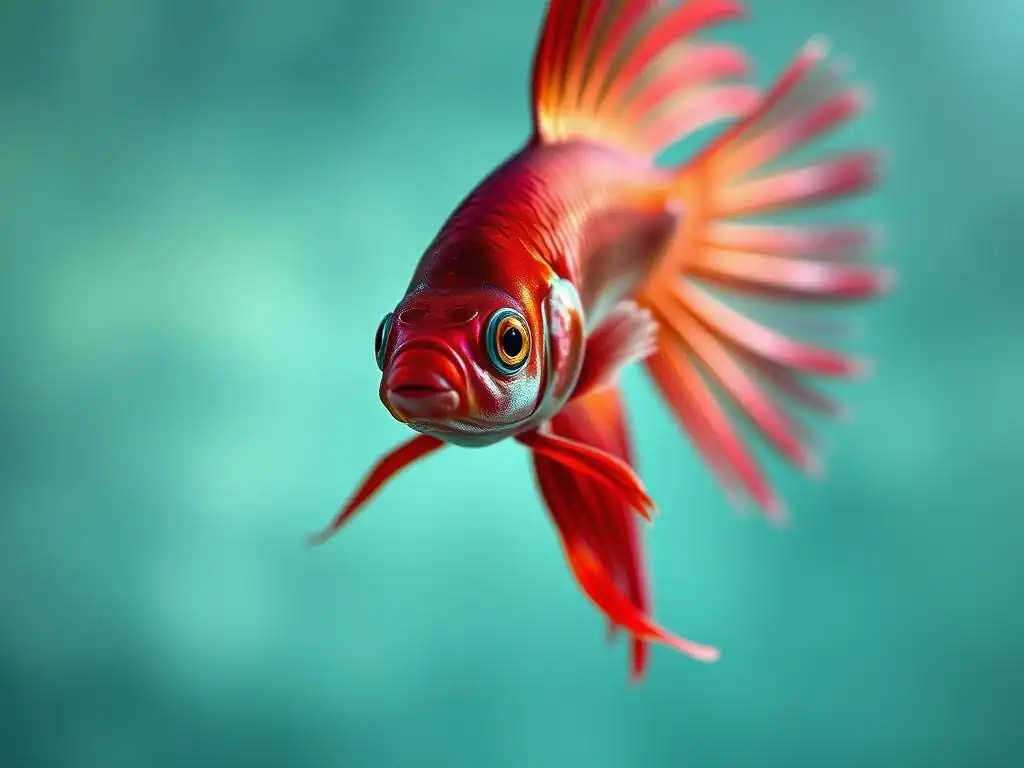
While cloudy water can indicate an environment detrimental to fish health, true fish illness often manifests through specific behavioral and physical symptoms that go beyond just water clarity. Recognizing these signs early is crucial for successful treatment.
Observing Fish Behavior: Early Warning Signs of Disease
Changes in a fish's normal behavior are often the first and most subtle indicators of underlying health issues. A vigilant aquarist can pick up on these cues long before physical symptoms become apparent.
Changes in Swimming Patterns: Lethargy, Erratic Movements, or Clamped Fins
Healthy fish typically exhibit active, purposeful swimming patterns characteristic of their species. Early signs of illness can include lethargy, where fish become unusually inactive, resting at the bottom or near the surface for prolonged periods without apparent reason. Conversely, erratic movements such as darting, flashing (rubbing against decor or substrate), or rapid, uncoordinated swimming can indicate irritation from parasites or poor water quality.
A particularly common and concerning sign is "clamped fins," where fish hold their fins tightly against their bodies rather than fanning them out naturally. This behavior is a general stress response, often seen in fish experiencing ammonia burns, parasitic infestations, or bacterial infections, making it a critical warning that "cloudy water causes fish sick" or another issue is at play.
Loss of Appetite and Weight Loss: Indicators of Underlying Health Issues
A healthy fish is usually an eager eater. A significant and sustained loss of appetite, where a fish refuses to eat or shows little interest in food for more than 24-48 hours, is a strong indicator of illness. This can be due to internal parasites, bacterial infections, or severe stress from poor water conditions.
Over time, prolonged refusal to eat will lead to visible weight loss, characterized by a sunken belly or a general emaciated appearance. For example, a healthy adult Neon Tetra should have a full, rounded body; if it starts to look thin or hollow behind the gills, it's a clear sign of a chronic problem. Monitoring feeding habits closely allows aquarists to identify internal issues that might not have immediate external symptoms.
Isolation and Hiding: Signs of Stress or Illness
While some fish species are naturally reclusive, a sudden change in social behavior, such as isolation or excessive hiding, often signals stress or illness. Fish that are normally active and social may withdraw from the group, spending most of their time tucked away behind decorations, in corners, or near the heater. For instance, a schooling fish like a Zebra Danio that suddenly separates from its group and hovers listlessly is likely unwell.
This behavior is a survival instinct, as sick fish often become targets for aggression from tank mates. It's a clear indication that the fish feels unwell or threatened, potentially due to factors like poor water quality, bullying, or the onset of a specific disease.
Physical Symptoms: Identifying Common Fish Diseases
Beyond behavioral changes, specific physical symptoms are direct indicators of various fish diseases. Recognizing these helps in accurate diagnosis and targeted treatment.
White Spots (Ich): A Common Parasitic Infection
Ich, short for Ichthyophthirius multifiliis, is one of the most common and easily recognizable parasitic infections in freshwater aquariums. The hallmark symptom is the appearance of small, salt-like white spots (approximately 1mm in diameter) scattered across the fish's body, fins, and sometimes gills. Infected fish may also exhibit flashing or scratching against objects in the tank due to irritation.
Ich thrives in unstable conditions, often appearing after new fish introductions without proper quarantine, or when fish are stressed by sudden temperature fluctuations (e.g., a drop of 5°F or more within a day) or poor water quality. It's highly contagious and can quickly decimate a tank if not treated promptly.
Fin Rot: Bacterial Infections and Water Quality
Fin rot is a common bacterial infection characterized by the deterioration of a fish's fins. The edges of the fins appear ragged, frayed, or torn, and in severe cases, the entire fin may be eaten away down to the body. The affected areas might also develop a white or reddish inflamed appearance.
Fin rot is almost always a secondary infection, meaning it typically occurs when a fish's immune system is compromised, most frequently by prolonged exposure to poor water quality (such as consistently high ammonia or nitrite levels above 0.25 ppm), overcrowding, or physical injury. For instance, a Betta fish in a small, unfiltered bowl with infrequent water changes is highly susceptible to fin rot. Addressing the underlying water quality issues is paramount for successful treatment and preventing recurrence.
Cloudy Eyes: Potential Causes and Treatments
Cloudy eyes, where one or both of a fish's eyes appear hazy, opaque, or develop a whitish film, can be a symptom of several underlying issues. Common causes include bacterial infections, often exacerbated by poor water quality; fungal infections; physical injury from bumping into decor or aggressive tank mates; or internal parasitic infections. In some cases, it can also be a sign of a vitamin deficiency.
For example, a fish kept in water with consistently high nitrate levels (e.g., above 60 ppm) might develop cloudy eyes as a symptom of chronic stress and bacterial vulnerability. Treatment depends on the cause but often involves improving water quality through significant water changes, and if bacterial, treating with broad-spectrum antibacterial medications.
Bloating and Dropsy: Symptoms and Possible Causes
Bloating refers to a swollen abdomen in a fish, which can be caused by various factors including constipation from overfeeding, internal parasites, or bacterial infections. Dropsy, however, is a more severe condition characterized by extreme bloating accompanied by the "pinecone" effect, where the scales protrude outwards from the body. This is not a disease itself but rather a symptom of severe internal organ failure, most commonly kidney failure, leading to fluid retention.
Dropsy is often associated with long-term exposure to poor water quality, chronic stress, or internal bacterial infections that overwhelm the fish's system. For instance, an Oscar fish living in a tank with infrequent water changes and high organic load might develop dropsy. Unfortunately, dropsy is often fatal due to the advanced stage of internal damage.
Differentiating Between Water Quality Issues and Fish Diseases
Accurately differentiating between water quality issues and specific fish diseases is the cornerstone of effective aquarium problem-solving. Misdiagnosing can lead to incorrect treatments, wasting time and resources, and potentially worsening the situation.
Testing Your Aquarium Water: Essential Parameters to Monitor
The first and most crucial step in diagnosing any aquarium problem, especially when "cloudy water causes fish sick" is suspected, is to test your aquarium water. A reliable liquid test kit is an indispensable tool for any aquarist.
Ammonia, Nitrite, and Nitrate Levels: Key Indicators of Water Quality
Monitoring ammonia, nitrite, and nitrate levels is fundamental. Ammonia (NH3/NH4+) and nitrite (NO2-) should always be at 0 parts per million (ppm) in a healthy, cycled aquarium. Even trace amounts, such as 0.25 ppm, indicate a problem with the biological filtration or an overwhelming organic load, and can quickly stress fish, making them susceptible to illness.
Nitrate (NO3-) is the end product of the nitrogen cycle and, while less toxic, should ideally be kept below 20 ppm for most freshwater species, though sensitive fish like Discus prefer less than 10 ppm. High nitrate levels (e.g., consistently over 40 ppm) contribute to algae growth and chronic stress, often leading to lethargy and weakened immune systems in fish. Regularly testing these parameters (e.g., weekly) provides an immediate snapshot of the aquarium's health.
pH Levels: Maintaining Optimal pH for Your Fish Species
pH measures the acidity or alkalinity of the water and is expressed on a scale from 0 to 14, with 7.0 being neutral. Different fish species have specific pH requirements; for example, most livebearers and African cichlids thrive in alkaline water (pH 7.5-8.5), while many South American tetras and angelfish prefer acidic conditions (pH 6.0-7.0).
Maintaining a stable pH within the appropriate range for your specific fish is crucial. Rapid fluctuations in pH (e.g., a drop or rise of more than 0.5 within 24 hours), often caused by insufficient buffering capacity (low KH) or large, unconditioned water changes, are highly stressful to fish and can lead to symptoms like labored breathing, erratic swimming, and increased susceptibility to disease.
Water Hardness: Understanding GH and KH
Water hardness is typically measured in two ways: General Hardness (GH) and Carbonate Hardness (KH). GH refers to the concentration of dissolved mineral ions, primarily calcium and magnesium, which impacts fish osmoregulation and overall well-being. KH, also known as alkalinity, measures the concentration of carbonate and bicarbonate ions, which act as buffers to prevent drastic pH swings.
A low KH (e.g., below 4 dKH or 70 ppm) means the water has poor buffering capacity, making it vulnerable to sudden pH crashes, which are extremely dangerous for fish. For instance, an aquarium with a KH of 2 dKH is at high risk of a pH crash if organic acids accumulate from decaying matter. Understanding and maintaining appropriate GH and KH levels for your fish species is vital for their long-term health and preventing stress-related illnesses.
Analyzing Fish Symptoms in Relation to Water Parameters
Once water parameters are known, comparing them with observed fish symptoms allows for a more accurate diagnosis, helping to determine if "cloudy water causes fish sick" directly or if another factor is at play.
Ruling Out Water Quality as the Primary Cause
If your water test results show optimal conditions—0 ppm ammonia, 0 ppm nitrite, low nitrates (below 20 ppm), and stable pH within the appropriate range for your species—then it's likely that water quality is not the primary cause of your fish's illness. In such cases, the problem is more likely a specific pathogen (bacteria, virus, parasite, fungus), a genetic predisposition, or an environmental factor unrelated to chemistry (e.g., bullying, inadequate diet).
For instance, if your water is crystal clear and parameters are perfect, yet your fish has distinct white spots, it's almost certainly Ich, requiring specific parasitic treatment rather than just water changes. This distinction is vital to avoid unnecessary or harmful interventions.
Identifying Potential Diseases Based on Symptoms and Water Conditions
Conversely, if water parameters are poor—for example, ammonia or nitrite are detectable, nitrates are excessively high (e.g., over 80 ppm), or pH is unstable—then water quality is almost certainly a contributing factor, if not the direct cause, of the fish's symptoms. Fish with clamped fins, lethargy, or fin rot in a tank with high ammonia are likely suffering from water quality stress. While a bacterial infection (like fin rot) might be present, treating the underlying water quality issue is paramount.
For instance, if you observe cloudy water and your fish are sick with symptoms like labored breathing or dull coloration, and your ammonia test reads 0.5 ppm, the "cloudy water causes fish sick" connection is strong, and immediate water changes are required before considering medications. This integrated approach ensures both the environment and the fish are addressed.
Treatment Strategies: Addressing Both Cloudy Water and Sick Fish
Effective treatment of aquarium problems requires a two-pronged approach: first, correcting any water quality issues that contribute to cloudiness and stress, and second, addressing specific fish diseases with targeted therapies.
Correcting Water Quality Issues: A Step-by-Step Approach
Addressing water quality is the fundamental first step in resolving most aquarium problems, as poor water is a primary stressor that makes fish vulnerable to disease and often causes cloudy water.
Performing Water Changes: The Importance of Regular Maintenance
Regular partial water changes are the most effective and immediate way to improve water quality and combat cloudiness. For instance, if ammonia or nitrite levels are detectable (e.g., 0.25 ppm or higher), or nitrates are excessively high (e.g., above 40 ppm), an immediate 25-50% water change (using dechlorinated water matched to the tank's temperature) is crucial. This dilutes toxins and removes accumulated organic matter.
For persistent cloudiness or mild chemical imbalances, a weekly 25% water change is a standard maintenance practice. In cases of severe cloudiness due to bacterial blooms or heavy organic load, performing smaller, more frequent water changes (e.g., 20% daily for several days) can help stabilize the environment without causing undue stress to the fish.
Improving Filtration: Choosing the Right Filter for Your Tank
Adequate and efficient filtration is essential for maintaining clear water and healthy fish. Ensure your filter is appropriately sized for your tank's volume and stocking level; a common guideline is that the filter should turn over the tank's entire volume at least 4-5 times per hour. For instance, a 50-gallon tank should ideally have a filter with a flow rate of 200-250 gallons per hour (GPH).
Regularly clean or replace mechanical filter media (like sponges or floss) to prevent it from becoming clogged and releasing trapped debris back into the water. Ensure biological media (like ceramic rings or bio-balls) are well-established and providing ample surface area for beneficial bacteria. If your current filter is insufficient, upgrading to a larger model or adding a second filter can significantly improve water clarity and overall health, preventing instances where "cloudy water causes fish sick" due to inadequate waste processing.
Adjusting Feeding Habits: Preventing Overfeeding and Waste Buildup
Overfeeding is a leading cause of cloudy water and poor water quality. Uneaten food quickly breaks down, contributing to particulate matter, increasing organic load, and fueling bacterial blooms. To prevent this, feed your fish only what they can consume completely within 2-3 minutes, once or twice a day.
For example, if you notice flakes settling on the substrate after 5 minutes, you are likely overfeeding. If the water is cloudy due to excess organic matter, consider fasting your fish for 24-48 hours to allow the filter to catch up and reduce the biological load. Adjusting feeding portions and observing your fish during feeding ensures minimal waste, leading to clearer water and a healthier environment.
Using Water Clarifiers: When and How to Use Them Effectively
Water clarifiers are chemical additives designed to clear cloudy water by causing tiny suspended particles to clump together into larger particles that can then be easily removed by mechanical filtration. While they can provide a quick cosmetic fix, they are not a substitute for addressing the root cause of the cloudiness. Use them only after performing water tests and correcting any underlying issues like overfeeding or inadequate filtration.
For instance, if you've done a water change and cleaned your filter, but a slight haze remains, a clarifier might help. Follow the product instructions precisely; overdosing can harm fish. Always view clarifiers as a temporary aid, not a long-term solution to preventing cloudy water or improving fish health.
Treating Fish Diseases: Targeted Medications and Quarantine Protocols
Once water quality issues are addressed, or if a specific pathogen is identified as the primary problem, targeted treatment for fish diseases becomes necessary.
Identifying the Specific Disease: Accurate Diagnosis is Crucial
Accurate identification of the specific disease is paramount for effective treatment. Misdiagnosis can lead to using the wrong medication, which is not only ineffective but can also stress fish further, harm beneficial bacteria, or be toxic to certain invertebrates or plants.
For example, treating a bacterial infection with an anti-parasitic medication will yield no results and could even worsen the fish's condition. Resources like detailed symptom charts, reputable aquarium forums, and even consulting with an aquatic veterinarian or experienced local fish store staff can help in pinpointing the exact ailment, whether it's Ich, fin rot, or a more complex internal issue.
Selecting Appropriate Medications: Researching and Following Instructions
Once a diagnosis is made, select an appropriate medication specifically formulated for aquarium fish and the identified disease. For instance, Malachite Green or Formalin are common treatments for Ich, while broad-spectrum antibiotics like Furan-2 or Erythromycin are used for bacterial infections like fin rot. Always research the medication's compatibility with your specific fish species, plants, and invertebrates (e.g., copper-based medications are toxic to most invertebrates and some plants). Crucially, follow the manufacturer's instructions precisely regarding dosage, duration of treatment, and any necessary water changes or carbon removal. Overdosing can be lethal, while underdosing can lead to resistant pathogens.
Quarantine Tanks: Isolating Sick Fish to Prevent Spread of Disease
A quarantine tank is an invaluable tool for treating sick fish and preventing the spread of disease to the main display tank. This is a separate, smaller aquarium (e.g., 5-10 gallons for most single fish) with basic filtration (sponge filter), a heater, and no substrate or complex decorations, making it easy to clean. When a fish shows signs of illness, especially if contagious like Ich, move it to the quarantine tank for observation and treatment.
This allows you to administer medication without exposing healthy fish, beneficial bacteria in the main filter, or sensitive plants to chemicals. For instance, treating a single fish with a strong antibiotic in a 10-gallon quarantine tank is far safer and more effective than medicating an entire 50-gallon community tank, which could crash the nitrogen cycle.
Prevention is Key: Maintaining a Healthy Aquarium Ecosystem
Proactive measures are far more effective and less stressful than reactive treatments. A well-maintained and balanced aquarium ecosystem is the best defense against both cloudy water and sick fish.
Regular Water Testing and Maintenance: Proactive Measures for Clear Water
Consistent water testing and maintenance are the cornerstones of a healthy aquarium. Regularly testing parameters such as ammonia, nitrite, nitrate, and pH (e.g., weekly or bi-weekly) allows you to catch imbalances before they escalate and cause visible cloudiness or stress fish. For instance, if nitrate levels start creeping up above 20 ppm, it signals that an additional water change is needed.
Performing routine partial water changes (e.g., 25% of the tank volume every 1-2 weeks) ensures the dilution of accumulated toxins and organic waste, preventing the conditions that lead to cloudy water and compromised fish health. Cleaning filter media regularly (rinsing sponges in old tank water) also maintains filtration efficiency, actively preventing "cloudy water causes fish sick" scenarios.
Choosing Healthy Fish: Selecting Reputable Sources
The health of your aquarium starts with the health of the fish you introduce. Always purchase fish from reputable sources, such as well-regarded local fish stores or trusted online suppliers, that maintain clean tanks and healthy stock. Before purchasing, observe the fish carefully: they should be active, alert, have clear eyes, unblemished fins, and no visible spots, lesions, or signs of wasting.
Avoid buying fish from tanks that contain dead or obviously sick fish, as disease can spread rapidly. For example, if you see a tank with multiple fish showing clamped fins or white spots, it's best to avoid purchasing any fish from that store entirely, as even seemingly healthy fish from that system could be carriers.
Proper Acclimation: Minimizing Stress During Introduction
Proper acclimation is crucial for minimizing stress when introducing new fish to your aquarium. The sudden change in water parameters (temperature, pH, hardness) between the fish bag and your tank can cause severe shock, weakening their immune systems and making them highly susceptible to disease. The drip acclimation method, where tank water is slowly dripped into the bag over 30-60 minutes, is ideal for sensitive species like shrimp or discus, allowing for gradual adjustment.
For hardier fish, floating the bag for 15-20 minutes to equalize temperature, then slowly adding small amounts of tank water over another 15 minutes before netting the fish into the tank (discarding the bag water), can suffice. This careful process significantly reduces stress, helping to prevent the new fish from becoming sick and potentially introducing pathogens to the established tank.
Avoiding Overcrowding: Providing Adequate Space for Your Fish
Overcrowding is a common mistake that severely compromises water quality and fish health. Too many fish in a limited space lead to an excessive biological load, meaning more waste and higher levels of ammonia, nitrite, and nitrate. This creates an environment where cloudy water is almost inevitable, and fish are constantly stressed, leading to weakened immune systems and aggression.
While the "one inch of fish per gallon" rule is a simplistic guideline, it's often insufficient, especially for larger or more active species. For example, a 20-gallon tank can comfortably house a small school of 6-8 Neon Tetras, but adding a single adult Angelfish would be overstocking due to its size and territorial needs. Research the adult size and territorial requirements of each species before purchasing to ensure adequate space, promoting a stable environment and preventing the "cloudy water causes fish sick" cycle.
Maintaining a Balanced Ecosystem: Promoting Beneficial Bacteria and Plant Growth
A thriving aquarium is a balanced ecosystem. Central to this balance is a robust colony of beneficial nitrifying bacteria in your filter and substrate, which are responsible for the nitrogen cycle. Ensure ample surface area for these bacteria to colonize (e.g., ceramic rings, bio-balls). Live plants also play a vital role; they absorb nitrates, phosphates, and other waste products directly from the water, naturally helping to keep nutrient levels low and combat algae.
For instance, a heavily planted tank with fast-growing species like Anacharis or Hornwort can significantly reduce nitrate accumulation, helping to maintain clearer water and a healthier environment. Plants also provide oxygen and hiding places, reducing stress for fish. A well-balanced ecosystem, with a healthy bacterial colony and thriving plants, is inherently more stable and resilient against issues like cloudy water and disease outbreaks.
Conclusion: Achieving Crystal Clear Water and Healthy Fish
Combining Water Quality Management and Disease Prevention for a Thriving Aquarium
Achieving a truly thriving aquarium, characterized by crystal clear water and vibrant, healthy fish, is not a matter of luck but the direct result of a holistic and proactive approach. It necessitates a deep understanding of the intricate relationship between water quality and fish health. Effectively managing your aquarium means consistently monitoring essential water parameters like ammonia, nitrite, nitrate, and pH, and taking immediate corrective action through regular partial water changes and proper filtration maintenance.
Simultaneously, it involves implementing rigorous disease prevention strategies, from careful fish selection and proper acclimation to avoiding overcrowding and maintaining a balanced ecosystem with beneficial bacteria and live plants. Only by combining diligent water quality management with robust disease prevention protocols can you create an environment where fish flourish, and concerns like "cloudy water causes fish sick" become a rarity.
Seeking Expert Advice: Consulting with Aquarium Professionals When Needed
Even the most experienced aquarists encounter challenging situations. When faced with persistent cloudy water that defies your troubleshooting efforts, or when fish exhibit symptoms of a complex or rapidly progressing illness, don't hesitate to seek expert advice. Consulting with knowledgeable staff at reputable local fish stores can provide valuable insights and specific product recommendations.
For more severe or unusual cases, an aquatic veterinarian can offer precise diagnoses, prescribe specialized medications, and provide advanced care. Leveraging the experience of aquarium professionals can save your fish, prevent widespread disease outbreaks, and ultimately ensure the long-term success and enjoyment of your aquatic hobby, providing peace of mind when your own efforts aren't enough to solve the mystery of murky waters or sick fish.
Frequently Asked Questions
Why is my aquarium water cloudy, and could it be making my fish sick?
Cloudy water is often caused by a bacterial bloom, excessive algae growth, or suspended particulate matter. While not directly making fish sick, it can indicate underlying problems stressing your fish and weakening their immune systems.
How can I tell if the cloudiness is directly contributing to my fish's illness?
Observe your fish for symptoms like lethargy, loss of appetite, or labored breathing. Elevated ammonia or nitrite levels, common in cloudy water situations, are a direct threat to fish health.
What are the common causes of bacterial blooms that lead to cloudy water?
Bacterial blooms typically occur due to overfeeding, poor filtration, or a disrupted nitrogen cycle. Introducing new fish too quickly can also overwhelm the biological filter.
What water parameters should I test if my aquarium water is cloudy and my fish seem unwell?
Immediately test for ammonia, nitrite, and nitrate levels. Also, check the pH and temperature to ensure they are within the appropriate range for your fish species.
What are some immediate steps I can take to address cloudy water and potentially prevent fish illness?
Perform a partial water change (25-50%), reduce feeding, and ensure your filtration system is functioning correctly. Consider adding a water clarifier or activated carbon to your filter.
Final Reflection: Clarity Beyond the Glass
The journey through the intricacies of aquarium health, as we've explored, reveals that cloudy water is rarely the sole villain. It's a symptom, a flashing warning light on a complex machine, pointing towards deeper imbalances within the aquatic ecosystem. Understanding this distinction is crucial, not just for the well-being of our fish, but for a more holistic approach to problem-solving in any environment.
This exploration has profoundly impacted how I view seemingly simple problems. It's a reminder that surface-level observations often mask underlying complexities, and that true understanding requires diligent investigation and a willingness to look beyond the obvious. The significant problems we face cannot be solved at the same level of thinking we were at when we created them.
- Albert Einstein. This quote resonates deeply, urging us to move beyond reactive fixes and embrace proactive, systemic solutions.
Now, I invite you to consider the "cloudy water" in your own life. What seemingly simple problem might be masking a deeper, more systemic issue? Take a moment to reflect on the underlying causes, the hidden imbalances, and the proactive steps you can take to create a clearer, healthier ecosystem, not just for yourself, but for the world around you. Let's strive for clarity, not just in our aquariums, but in our understanding of the world.
Dive Deeper: Transform Your Aquarium Today!
Thank you for exploring the depths of aquarium troubleshooting with us! We hope this article has equipped you with the knowledge to diagnose and address common issues. Now, it's time to put that knowledge into action!
Here are a few steps you can take right away:
- Prioritize a thorough water test to identify any imbalances that may be stressing your aquatic life.
- Share your aquarium's unique challenges and successes in our community forum. Let's learn from each other!
- Brainstorm a list of 3 potential root causes for any recurring problems in your tank, encouraging a fresh perspective.
What one small adjustment could drastically improve the health of your aquarium this week?