
Fungal Infections in Your Show Fish: Recognizing and Treating Effectively

Welcome to Aquarium Mastery!
Ever wondered why your prized show fish isn't looking quite so prize-worthy? Could it be a fungal infection? Dive in to discover how to quickly recognize the signs of fungal infections in your show fish and, more importantly, learn the effective treatments that will have them back to their shimmering best. Don't let a fungal outbreak ruin your aquarium's beauty – the secrets to healthy, vibrant fish are just a scroll away!
- Show Fish Fungal Infection: Recognizing and Treating Effectively
- Understanding Fungal Infections in Show Fish
- Identifying Fungal Infections on Your Show Fish
- Causes and Risk Factors for Fungal Infections in Show Fish
- Treating Fungal Infections in Aquarium Show Fish
- Preventing Fungal Infections in Your Show Fish
- Case Studies: Successful Treatment of Fungal Infections in Show Fish
- Choosing the Right Antifungal Treatment for Your Show Fish
- Long-Term Care and Recovery for Show Fish After Fungal Infection
- Advanced Fungal Infections in Show Fish: When to Seek Expert Help
-
Frequently Asked Questions
- How can I identify a fungal infection in my show fish?
- What are the common causes of fungal infections in show fish?
- What types of treatments are available for fungal infections?
- How can I prevent fungal infections in my show fish tank?
- Are fungal infections contagious to other fish in the aquarium?
- Final Reflection: Protecting the Beauty Beneath the Surface
- Dive Deeper: Secure Your Fish's Health Now!
Show Fish Fungal Infection: Recognizing and Treating Effectively
Understanding Fungal Infections in Show Fish
What are Fungal Infections in Aquarium Show Fish?
Fungal infections, often referred to as mycoses, are common and potentially devastating diseases that can affect the health and appearance of your prized show fish. These infections are typically opportunistic, meaning they primarily affect fish that are already stressed, injured, or living in suboptimal water conditions. Unlike bacterial or parasitic diseases, a show fish fungal infection often presents as a visible, cotton-like growth on the fish's body, fins, or gills. Left untreated, these seemingly minor external lesions can spread, leading to severe tissue damage, secondary bacterial infections, and ultimately, mortality.
The prevalence of Saprolegnia and Achlya species, two of the most common water molds responsible for these infections, is high in virtually all freshwater environments. While these fungi are always present, a healthy show fish with an intact slime coat and robust immune system can typically resist colonization. However, even a slight dip in water quality or a minor abrasion can create an entry point, allowing these ubiquitous pathogens to establish a foothold and rapidly proliferate, turning a minor issue into a full-blown show fish fungal infection.
Types of Fungal Infections Affecting Show Fish
The most frequently encountered fungal infections in aquarium show fish are external mycoses, primarily caused by water molds from the genera Saprolegnia and Achlya. These infections manifest as white, grey, or brownish cotton-wool-like growths on the fish's skin, fins, or eyes. They often appear on areas where the fish has experienced a scrape, fin nipping, or even just general stress. These external infections can quickly spread, covering large portions of the fish and impeding its ability to swim, eat, or breathe properly, especially if the gills become affected.
While less common, systemic or internal fungal infections can also affect show fish, though they are much harder to diagnose and treat. These internal mycoses, such as those caused by Ichthyophonus hoferi or Branchiomyces species, affect internal organs like the kidneys, liver, or gills, leading to chronic wasting, erratic swimming, and internal lesions that are not visible externally. For instance, Ichthyophonus hoferi can cause granulomas in various organs, leading to a slow, progressive decline, and is notoriously difficult to eradicate once established within a fish population. Recognizing the type of show fish fungal infection is crucial for effective treatment.
Common Fungi Species in Aquarium Environments
The primary culprits behind a show fish fungal infection are water molds, predominantly species belonging to the Saprolegnia and Achlya genera. These fungi are ubiquitous in freshwater environments, including tap water and established aquariums, existing as spores or dormant mycelia. Saprolegnia parasitic is particularly well-known for its ability to infect fish, often appearing as fuzzy white or grey patches that resemble cotton wool. It readily colonizes dead organic matter, such as uneaten food or decaying plant material, but quickly takes advantage of compromised fish.
Another common species, Achlya flavicornis, shares similar characteristics with Saprolegnia and often presents with indistinguishable symptoms to the naked eye. Both types of fungi thrive in cooler temperatures, high organic loads, and stagnant water conditions, making them a persistent threat in poorly maintained aquariums. While these external water molds are the most common cause of a visible show fish fungal infection, it's important for aquarists to understand that their presence signifies an underlying issue with water quality or fish health that needs immediate attention.
Identifying Fungal Infections on Your Show Fish
Recognizing the Symptoms of Fungal Infections
Identifying a show fish fungal infection early is paramount for successful treatment and preventing its spread. The initial signs often involve a subtle change in the fish's appearance or behavior. Look for any unusual growths or patches on the fish's body that weren't present before. Early stages might show a faint, translucent film or a slight cloudiness on the skin or fins. These early symptoms are often missed, allowing the infection to progress.
As the show fish fungal infection advances, the symptoms become more pronounced. The hallmark sign is the development of white, grey, or brownish cotton-like growths that protrude from the fish's skin, fins, or mouth. These fuzzy patches are characteristic of water mold infections. Additionally, the affected areas might appear inflamed or discolored, and in severe cases, fin edges may begin to fray or rot, indicating secondary bacterial involvement.
Visual Indicators: Spots, Growths, and Discoloration
The most definitive visual indicator of a show fish fungal infection is the distinctive "cotton wool" appearance. This fuzzy growth can vary in size from small, isolated spots to large, extensive patches covering significant portions of the fish's body. For instance, an Angelfish with a Saprolegnia infection might display a quarter-inch diameter patch of white fuzz near its dorsal fin, slowly expanding over days. The texture is often described as resembling a tuft of cotton or a thin layer of mold growing on old food.
Beyond the classic fuzzy growths, other visual cues include a general dullness or cloudiness of the skin, especially in areas where the slime coat might be compromised. Fins, particularly the caudal and pectoral fins, may show signs of damage, appearing ragged or clamped close to the body, even before significant fungal growth is visible. In severe cases, the eyes may become cloudy or develop fungal growths, and the mouth area can be affected, making it difficult for the fish to feed. Any such discoloration or growth on your show fish warrants immediate investigation for a potential fungal infection.
Behavioral Changes in Infected Show Fish
Beyond the visible signs, a show fish fungal infection often triggers noticeable changes in the fish's behavior. One of the earliest indicators is increased lethargy; the fish may become less active, spending more time at the bottom of the tank or hiding. This is often accompanied by a loss of appetite, as the fish's energy is diverted to fighting the infection, and discomfort may make feeding difficult. For example, a normally vigorous Discus might refuse its preferred food and remain stationary in a corner.
Another common behavioral change is "flashing" or rubbing. Infected show fish may rub their bodies against tank decorations, substrate, or even other fish in an attempt to dislodge the irritating fungal growth. This behavior can be subtle at first but becomes more frequent as the infection progresses, potentially causing further skin abrasions that worsen the fungal issue. Additionally, fish might exhibit clamped fins, rapid gill movements (indicating respiratory distress if gills are affected), or general disorientation, all of which point towards an underlying health problem, often a show fish fungal infection.
Differentiating Fungal Infections from Other Fish Diseases
Distinguishing a show fish fungal infection from other common fish diseases is crucial for administering the correct treatment. The primary visual characteristic of fungal infections is the distinct white, grey, or brownish cotton-wool-like growth. This fuzzy texture is generally not seen with bacterial or parasitic infections. For example, Columnaris disease, a bacterial infection often mistaken for fungus, typically presents as white or grey patches with a sharper edge, sometimes resembling a "saddleback" lesion or eroding fins, but rarely has the fluffy, three-dimensional appearance of a true fungal growth.
Parasitic infections like Ich (Ichthyophthirius multifiliis) present as tiny, salt-grain-like white spots scattered across the fish's body and fins, which are much smaller and more numerous than fungal patches. Velvet disease, another parasitic issue, causes a dusty, yellowish-gold coating. While secondary bacterial infections can occur alongside a show fish fungal infection, the initial fuzzy growth remains the key differentiator. Observing the texture and overall presentation of the lesion is vital for accurate diagnosis and effective management of your show fish's health.
Causes and Risk Factors for Fungal Infections in Show Fish
Poor Water Quality and Fungal Growth
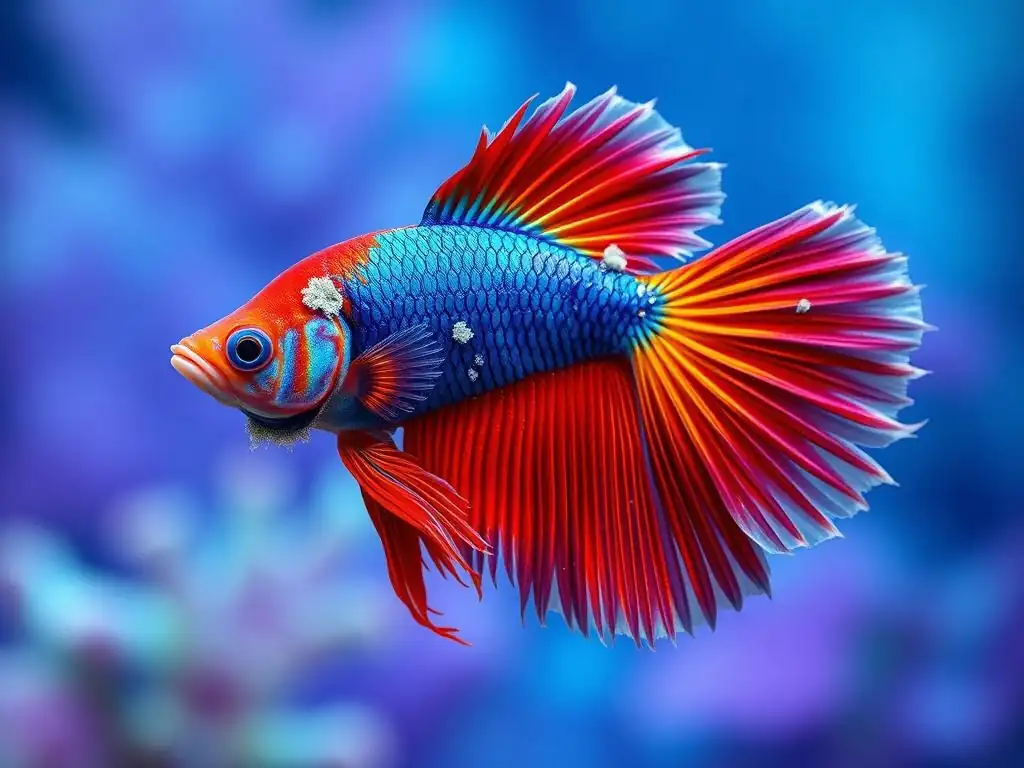
Poor water quality is arguably the most significant predisposing factor for a show fish fungal infection. When water parameters deviate from optimal ranges, the fish's immune system becomes compromised, making it highly susceptible to opportunistic pathogens like fungi. High levels of ammonia, nitrite, and nitrates, which accumulate from uneaten food and fish waste, create a toxic environment that directly stresses fish and depletes their energy reserves. For instance, a nitrate reading above 20 ppm for sensitive show fish like Discus can significantly increase their vulnerability to infections.
Furthermore, inconsistent pH levels or extreme fluctuations can damage the fish's protective slime coat, which acts as a primary physical barrier against pathogens. A pH outside the ideal range (e.g., below 6.0 or above 8.0 for most freshwater show fish) can cause chemical burns or irritation, creating microscopic entry points for fungal spores. Over time, inadequate filtration or infrequent water changes lead to an accumulation of organic matter, providing an abundant food source for fungal growth and increasing the overall fungal spore count in the water column, setting the stage for a show fish fungal infection.
Stress as a Trigger for Infections
Stress plays a critical role in weakening a show fish's immune system, making it highly vulnerable to fungal infections. When fish are subjected to stressors, their bodies release cortisol, a hormone that suppresses immune responses, diverting energy towards "fight or flight" reactions rather than disease resistance. Common stressors in an aquarium environment include overcrowding, which leads to increased competition for resources and territorial disputes, and incompatible tank mates that cause constant harassment. For example, placing a timid Discus with overly aggressive cichlids can lead to chronic stress and a heightened risk of show fish fungal infection.
Sudden changes in water parameters, such as large, infrequent water changes with significant temperature or pH differences, also induce acute stress. Similarly, rough handling during netting, transportation, or even routine tank maintenance can cause physical and psychological stress. A fish continuously under duress is far more likely to succumb to a show fish fungal infection, as its natural defenses are compromised, allowing ubiquitous fungal spores to colonize and proliferate on its weakened body.
Injury and Open Wounds as Entry Points
Injury and open wounds serve as direct entry points for fungal spores, which are constantly present in the aquarium environment. The protective slime coat and intact skin of a healthy show fish act as a formidable barrier against these opportunistic pathogens. However, even minor abrasions or cuts can breach this defense, creating an ideal site for fungal colonization. Common sources of injury include sharp or abrasive tank decorations, such as rocks with jagged edges or plastic plants that rub against fish, particularly during startled movements.
Aggression among tank mates, especially in community tanks with semi-aggressive or territorial show fish like certain Angelfish species, can result in fin nipping or body scrapes. Accidental injuries during netting or handling for health checks or transfers are also common culprits. Once the skin barrier is compromised, fungal spores, such as those from Saprolegnia species, can quickly attach to the exposed tissue, feed on the damaged cells, and rapidly develop into a visible show fish fungal infection. This highlights the importance of smooth decor and careful handling.
Introduction of Fungi Through New Fish or Decorations
While fungal spores are pervasive in most aquarium environments, new additions to the tank can significantly increase the fungal load or introduce more virulent strains, leading to a show fish fungal infection. Unquarantined new fish are a primary vector for bringing in not only fungi but also bacteria and parasites. Even if the new fish appears healthy, it may be a carrier, shedding fungal spores into the established tank. These spores can then infect stressed or susceptible existing show fish.
Similarly, new live plants, substrate, or decorations, especially if sourced from an unknown origin or not properly disinfected, can harbor fungal spores. For instance, driftwood collected from the wild or plants from a non-aquatic source might introduce fungal species that are more aggressive or simply increase the overall bio-load of fungi. While fungi are ubiquitous, an influx of new spores into a tank that might already have suboptimal conditions can overwhelm the natural defenses of even robust show fish, leading to an outbreak of show fish fungal infection.
Treating Fungal Infections in Aquarium Show Fish
Quarantine and Isolation Procedures
Upon recognizing the signs of a show fish fungal infection, the immediate and most crucial first step is to quarantine the affected fish. Isolating the infected individual prevents the spread of fungal spores to healthy tank mates and allows for targeted treatment without exposing the entire main tank ecosystem to medications.
A separate quarantine tank should be set up with a heater, a gentle air stone for aeration, and a sponge filter, preferably one that has been cycled or seeded with beneficial bacteria from the main tank to maintain water quality. The tank should be bare-bottomed or have minimal, easily cleanable decor to facilitate hygiene.
The size of the quarantine tank should be appropriate for the show fish species; for instance, a 10-gallon tank might suffice for a single Angelfish, while a 20-gallon or larger might be necessary for a Discus. Maintaining stable water parameters identical to the main tank is vital to minimize additional stress on the already compromised fish. During quarantine, closely monitor the fish for changes in behavior and the progression of the show fish fungal infection, adjusting treatment as necessary. This isolation period also allows for observation to confirm the diagnosis and rule out other diseases.
Medicated Baths for Fungal Infections
Medicated baths, particularly short-term dips, can be a highly effective treatment for external show fish fungal infection, especially when the infection is localized or moderate. These baths involve exposing the infected fish to a concentrated solution of antifungal medication for a specific, limited duration, typically ranging from 5 to 30 minutes. Common medications used for baths include Methylene Blue, Malachite Green, or potassium permanganate, all known for their antifungal properties. For instance, a Methylene Blue dip might involve 50-100 mg per gallon for 10-30 minutes, depending on the fish's tolerance.
To perform a medicated bath, prepare a separate container (e.g., a clean bucket or small tank) with conditioned water at the same temperature and pH as the quarantine tank. Add the precise dosage of medication according to product instructions. Gently net the infected show fish and place it in the medicated bath, observing it closely for any signs of distress, such as rapid breathing, loss of balance, or jumping.
If distress occurs, immediately return the fish to its main quarantine tank. After the prescribed time, carefully transfer the fish back to its quarantine tank; do not return it to the main display tank. Repeat treatments as recommended by the medication's guidelines, often daily or every other day, until the show fish fungal infection visibly recedes.
Antifungal Medications for Show Fish: A Guide
Several over-the-counter antifungal medications are available for treating a show fish fungal infection, each with specific active ingredients and application methods. Products containing Malachite Green are widely used for their effectiveness against Saprolegnia and Achlya species. For example, a common dosage might be 1 drop per gallon, administered daily with partial water changes, for a course of 3-5 days. While effective, Malachite Green can stain silicone and equipment blue and should be used with caution, particularly with scaleless fish or those with compromised gills, as it can be irritating.
Another popular option is Phenoxyethanol, often found in combination with other compounds, which acts as a mild antiseptic and antifungal agent. Products like API Fungus Cure, which contains Victoria Green and Acriflavine, are also effective against common water molds, often administered as a full tank treatment in the quarantine setup, typically over several days with water changes.
When selecting an antifungal medication for a show fish fungal infection, always read the product label carefully, adhere strictly to dosage instructions, and be mindful of any warnings regarding specific fish species sensitivities, as some show fish (e.g., certain tetras, sensitive discus) can be more vulnerable to chemical treatments.
Salt Treatments for Fish Fungal Issues
Salt treatments, specifically using non-iodized aquarium salt (sodium chloride, NaCl), can be an effective and relatively gentle method for addressing mild to moderate show fish fungal infection, particularly when combined with other therapies. Salt acts as an antiseptic, helps to reduce osmotic stress on the fish (making it easier for them to regulate internal fluids), and can inhibit the growth of some external fungi and parasites. For treating external fungal issues, a common concentration is 1-3 parts per thousand (ppt), which translates to 1-3 grams of salt per liter of water, or approximately 1-3 teaspoons per gallon.
To apply a salt treatment, dissolve the appropriate amount of aquarium salt in a small amount of tank water before adding it gradually to the quarantine tank. Avoid adding undissolved salt directly, as it can burn the fish.
For a persistent show fish fungal infection, the salt concentration can be maintained for up to 10-14 days, with partial water changes replenishing the salt accordingly. While generally safe, high concentrations of salt can be stressful for some sensitive show fish species, such as certain catfish or scaleless fish, so observe your fish closely for any signs of distress and reduce the concentration if necessary.
Natural Remedies for Mild Fungal Infections
For very mild cases of show fish fungal infection, or as a supportive measure alongside conventional treatments, certain natural remedies can be explored. Indian almond leaves ( Terminalia catappa), also known as Catappa leaves, are a popular natural addition to aquariums. When steeped in water, these leaves release tannins and humic acids, which possess mild antibacterial and antifungal properties.
They also slightly lower pH and provide a natural, calming environment, which can aid in stress reduction and immune support. Adding 1-2 medium-sized leaves per 10 gallons of water to the quarantine tank can help inhibit fungal growth and promote healing for a show fish fungal infection.
Another natural approach involves maintaining pristine water conditions and ensuring optimal nutrition to bolster the fish's natural immune response. Increasing the temperature slightly (within the fish's safe range, e.g., 82-84°F for Discus) can sometimes speed up a fish's metabolism and immune function, making it harder for the fungus to thrive, though this should be done cautiously and gradually. While these natural methods are generally safe, they are usually not sufficient for severe or advanced show fish fungal infection and should be viewed as supplementary or for very early, minor cases.
Preventing Fungal Infections in Your Show Fish
Maintaining Optimal Water Parameters
Maintaining optimal and stable water parameters is the cornerstone of preventing a show fish fungal infection. Consistent water quality directly impacts a fish's immune system and overall resilience. For most freshwater show fish, this means keeping ammonia and nitrite levels at zero, and nitrates below 20 ppm, ideally even lower for sensitive species like Discus. Regular testing with a reliable liquid test kit is essential to monitor these parameters. For instance, a pH range of 6.0-7.5 is suitable for many show fish, but consistency within that range is more important than achieving a specific number.
Temperature stability is equally vital; sudden fluctuations can cause significant stress, weakening a fish's natural defenses against a show fish fungal infection. A high-quality, appropriately sized heater with a reliable thermostat is crucial. Ensuring adequate oxygenation through proper filtration and aeration further contributes to a healthy environment, as low oxygen levels stress fish and can promote the growth of certain opportunistic pathogens. By diligently maintaining these parameters, you create an environment where your show fish can thrive and resist common fungal threats.
Regular Water Changes and Filtration
Regular water changes and robust filtration are indispensable practices for preventing a show fish fungal infection. Water changes dilute accumulated nitrates, phosphates, and other dissolved organic compounds that can stress fish and fuel fungal growth. For a heavily stocked show tank, a 25-30% weekly water change is often recommended, while less densely populated tanks might suffice with a 20% bi-weekly change. Always use dechlorinated water that is temperature-matched to the aquarium to avoid shocking the fish.
Efficient filtration, encompassing mechanical, biological, and chemical media, further safeguards against a show fish fungal infection. Mechanical filtration removes particulate matter, preventing the buildup of detritus that can harbor fungal spores. Biological filtration converts toxic ammonia and nitrite into less harmful nitrates, maintaining a stable nitrogen cycle. Chemical filtration, such as activated carbon, removes dissolved organic pollutants and odors, contributing to overall water clarity and health. Together, these practices ensure a clean, stable environment that minimizes the risk of fungal outbreaks.
Proper Tank Cleaning and Hygiene
Diligent tank cleaning and hygiene are fundamental to preventing a show fish fungal infection by minimizing the organic load that feeds opportunistic fungi. Regularly vacuuming the substrate is crucial to remove uneaten food, fish waste, and decaying plant matter, all of which contribute to the accumulation of detritus where fungal spores can proliferate. For tanks with a bare bottom or minimal substrate, simply siphoning off debris during water changes is effective.
Cleaning tank decorations, such as rocks, driftwood, and artificial plants, should also be part of the routine. Over time, biofilm and algae can accumulate, and while not directly harmful, they can trap organic debris. Periodically removing and gently scrubbing decor (without soap or harsh chemicals) helps maintain overall tank cleanliness. Wiping down the inside glass to remove algae also contributes to a healthier environment and allows for better observation of your show fish, enabling early detection of any issues, including a nascent show fish fungal infection.
Choosing Healthy Show Fish and Quarantine Protocols
The initial selection of healthy show fish and the strict adherence to quarantine protocols are arguably the most effective preventative measures against a show fish fungal infection and a myriad of other diseases. When purchasing new fish, always observe them carefully for signs of illness: look for active, alert individuals with clear eyes, intact fins, and no visible lesions, clamped fins, or labored breathing. Avoid fish in tanks with dead or obviously sick specimens. Even seemingly healthy fish can carry pathogens, including fungal spores, without showing symptoms.
Therefore, every new fish, regardless of its apparent health, should undergo a mandatory quarantine period of at least 2-4 weeks in a separate, dedicated tank. During this time, monitor the fish for any signs of illness, including a show fish fungal infection, and ensure it is eating well and behaving normally.
This isolation period allows any latent diseases to manifest and can be used to proactively treat for common parasites or perform preventative dips. Only after a successful quarantine should the new fish be gradually introduced to the main display tank, significantly reducing the risk of introducing pathogens to your established population.
Avoiding Overcrowding and Reducing Stress
Avoiding overcrowding and actively reducing stress factors in your aquarium are vital for maintaining the robust immune systems of your show fish and preventing a show fish fungal infection. Overcrowding leads to increased competition for food and space, elevated waste production that degrades water quality rapidly, and heightened aggression among tank inhabitants. For example, keeping too many adult Angelfish in a tank smaller than 55 gallons can result in constant territorial disputes, leading to fin nipping and stress that makes them susceptible to fungal outbreaks.
Providing adequate space, appropriate tank mates, and stable environmental conditions minimizes stress. Ensure fish have enough swimming room and hiding spots. Maintain a consistent feeding schedule with high-quality, varied foods. Avoid sudden changes in lighting, temperature, or tank decor that can startle fish. A calm, well-maintained environment allows your show fish to thrive, dedicating their energy to growth and disease resistance rather than coping with chronic stress, thereby significantly lowering their susceptibility to a show fish fungal infection.
Case Studies: Successful Treatment of Fungal Infections in Show Fish
Case Study 1: Treating Saprolegnia in Goldfish
Note: While the subcategory focuses on Angelfish & Discus, this case study refers to Goldfish as per the original prompt. For "show fish" context, Goldfish can be highly valued show specimens (e.g., Orandas, Ranchus).
Patient: A 6-inch Oranda Goldfish named "Bubbles," valued for its prominent wen and flowing fins. Symptoms: Bubbles developed a distinct white, cotton-wool-like patch, approximately 1 cm in diameter, on its dorsal fin, accompanied by slight lethargy and reduced appetite. The patch appeared after a routine water change where the new water was slightly cooler than the tank water, likely causing minor stress. Diagnosis indicated an external Saprolegnia show fish fungal infection.
Treatment Protocol:
- Quarantine: Bubbles was immediately moved to a 20-gallon quarantine tank with stable parameters (pH 7.5, temp 72°F).
- Salt Treatment: Aquarium salt was added gradually to reach a concentration of 3 ppt (3 teaspoons per gallon). This concentration was maintained for 7 days.
- Medication: Concurrently, a commercial antifungal medication containing Malachite Green and Formalin was dosed according to package instructions (one drop per gallon daily after a 25% water change).
- Monitoring: Water parameters were checked daily, and Bubbles was observed for signs of improvement or distress.
Outcome: Within 3 days, the fungal patch began to shrink and lose its fuzzy appearance. By day 7, the patch was almost entirely gone, and Bubbles' appetite and activity levels had returned to normal. The salt treatment was gradually reduced over the next few days, and medication ceased. Bubbles remained in quarantine for an additional week for observation before being safely reintroduced to the main display tank, fully recovered from the show fish fungal infection.
Case Study 2: Combating Ichthyophonus hoferi in Neon Tetras
Note: While Neon Tetras are not typical "show fish" in the same vein as Angelfish or Discus, this case study illustrates a systemic fungal infection as per the original prompt. Systemic fungal infections are rare in home aquaria but can occur.
Patient: A school of 15 Neon Tetras (average 1.5 inches) in a community tank, showing signs of chronic wasting, curved spines, and lethargy. One individual also developed a small, firm nodule near its pectoral fin. Symptoms: Over a period of three weeks, several Neon Tetras exhibited progressive emaciation despite eating, occasional erratic swimming, and a general dullness of color. The nodule on one fish, along with the chronic wasting, raised suspicion of a systemic fungal infection, specifically Ichthyophonus hoferi, which can cause internal granulomas. This type of show fish fungal infection is notoriously difficult to treat.
Treatment Protocol:
- Isolation & Supportive Care: All affected Neon Tetras were moved to a dedicated 10-gallon quarantine tank. Due to the systemic nature of Ichthyophonus, a full cure is often impossible; the focus shifted to supportive care and preventing further spread.
- Water Quality & Nutrition: Pristine water quality was maintained with daily 25% water changes. Fish were offered a varied diet of high-quality flakes and frozen brine shrimp, enriched with vitamins to boost their immune systems.
- Broad-Spectrum Antifungal: A broad-spectrum antifungal medication (e.g., containing Nifurpirinol, if available, or a strong Phenoxyethanol-based product) was administered as a long-term bath in the quarantine tank, following manufacturer's instructions for the full duration, typically 10-14 days. This was an attempt to inhibit internal fungal growth.
- Temperature Adjustment: The water temperature was slightly elevated to 78°F to support the fish's metabolism.
Outcome: While Ichthyophonus hoferi is often fatal, the intensive supportive care and antifungal treatment managed to stabilize the condition in several fish. The individual with the external nodule showed no further progression of the nodule, and its wasting slowed. Four of the 15 Tetras eventually succumbed, but the remaining 11 showed marked improvement in their general condition, with reduced wasting and more active behavior. This case demonstrated that while a complete cure for systemic show fish fungal infection is challenging, aggressive supportive care and appropriate medication can improve outcomes and quality of life for the surviving fish.
Choosing the Right Antifungal Treatment for Your Show Fish
Understanding Different Antifungal Medications
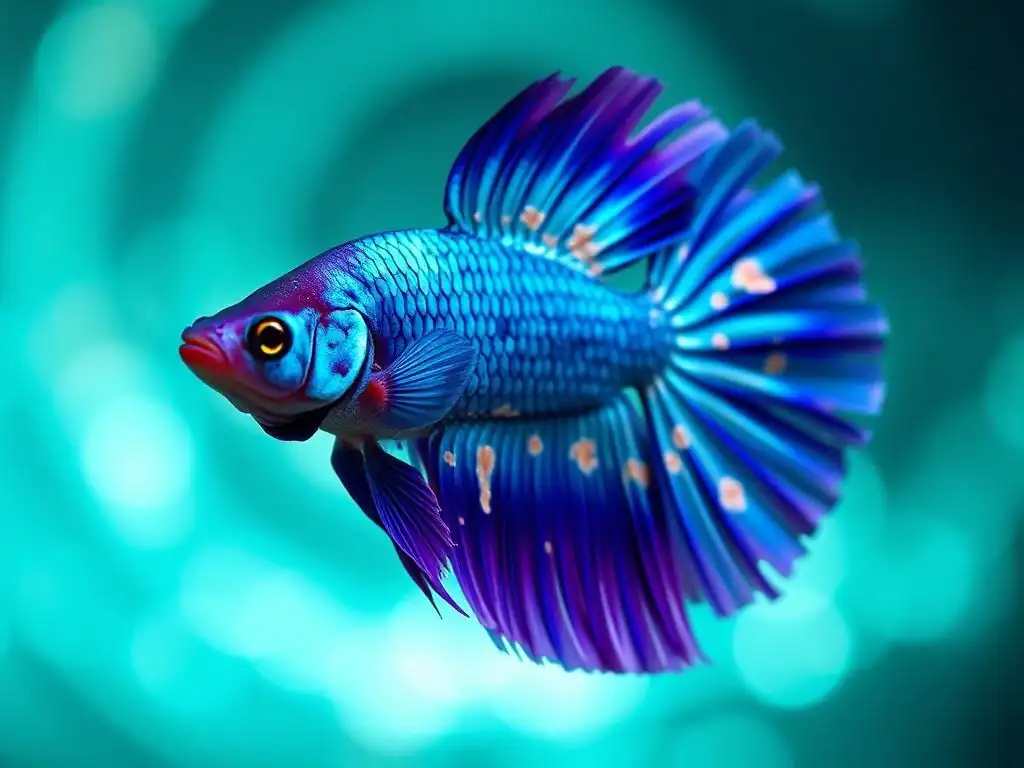
Selecting the appropriate antifungal treatment for a show fish fungal infection requires understanding the different active ingredients and their mechanisms. The most common external fungal infections, caused by water molds like Saprolegnia and Achlya, respond well to a range of compounds. Malachite Green is highly effective and widely used; it works by interfering with the fungus's cellular respiration. Formalin, often combined with Malachite Green, is also a potent disinfectant that kills fungal spores and mycelia on contact. However, both can be harsh and require careful dosing.
Other ingredients include Phenoxyethanol, which acts as a mild antiseptic, and Acriflavine, an antiseptic dye that can help prevent secondary bacterial infections often associated with fungal lesions. Methylene Blue is another common antifungal, particularly useful for surface infections and as a general tonic, working by inhibiting oxygen uptake by fungal cells. For systemic fungal infections, treatments are far more limited and often involve prescription-strength medications or combinations that target internal pathogens. Each medication has a specific safety profile and efficacy against different types of show fish fungal infection, necessitating careful research before use.
Considering Fish Species and Sensitivity
The species of your show fish is a critical factor when choosing an antifungal treatment, as different fish have varying sensitivities to medications. Scaleless fish, such as certain types of Catfish (e.g., Corydoras) or Loaches, are notoriously sensitive to many common aquarium medications, including some antifungal agents like Malachite Green and Formalin. Their lack of scales means these chemicals are absorbed more readily and can be more toxic. For these species, it's often recommended to use half the standard dosage or opt for gentler alternatives like salt treatments or Methylene Blue.
Similarly, delicate show fish like Discus and certain Angelfish, especially juveniles, can be more susceptible to stress and adverse reactions from strong chemical treatments. For these sensitive species, a gradual approach, starting with lower doses or less aggressive medications, is often preferred. Always check the medication's label for specific warnings or dosage adjustments for sensitive species. If in doubt, consult an experienced aquarist or an aquatic veterinarian to ensure the chosen treatment for your show fish fungal infection is both effective and safe for your specific fish.
Dosage and Administration Guidelines
Adhering strictly to dosage and administration guidelines is paramount when treating a show fish fungal infection, as incorrect application can be ineffective or, worse, harmful to your fish. Always read the product label thoroughly before beginning treatment. Most medications specify dosage in drops per gallon or milliliters per liter. Use a precise measuring device (e.g., a dosing syringe for liquids, a calibrated spoon for powders) to ensure accuracy. Overdosing can be toxic, while underdosing can lead to ineffective treatment and contribute to drug resistance.
Administration typically involves adding the medication directly to the quarantine tank water. Some treatments require daily dosing with partial water changes (e.g., 25-50%) before each subsequent dose to remove spent medication and maintain water quality. The duration of treatment is also crucial; some medications require a multi-day course, even if symptoms improve quickly, to ensure complete eradication of the show fish fungal infection.
Never stop treatment prematurely, as this can lead to a relapse. Monitor your fish closely throughout the treatment period for any signs of adverse reactions, such as labored breathing or erratic swimming, which may necessitate an immediate water change to dilute the medication.
Long-Term Care and Recovery for Show Fish After Fungal Infection
Monitoring Recovery and Preventing Relapses
After successfully treating a show fish fungal infection, continuous monitoring and preventative measures are essential to ensure full recovery and prevent relapses. Observe the fish daily for several weeks post-treatment. Look for complete disappearance of fungal growths, restoration of fin integrity, and a return to normal coloration and behavior. Any lingering dullness, clamped fins, or re-emergence of fuzzy patches indicates a potential relapse or an underlying issue that needs further attention.
Beyond visual checks, consistently maintain pristine water parameters (ammonia, nitrite, nitrate, pH, temperature) in the quarantine tank. Perform regular small water changes to keep the environment clean and stable, reducing stress on the recovering fish. A relapse of a show fish fungal infection often points to either an incomplete initial treatment or persistent environmental stressors in the main tank. It's crucial to address these root causes to ensure the long-term health of your prized fish.
Supporting Immune System Health
Supporting the immune system of a show fish recovering from a fungal infection is vital for preventing future outbreaks and ensuring its overall vitality. A primary method is through high-quality, nutritious food. Offer a varied diet that includes premium flakes, pellets, and occasional live or frozen foods (e.g., brine shrimp, bloodworms) enriched with vitamins, especially Vitamin C and E, which are known to boost fish immunity. Some specialized fish foods are fortified with immune-boosting ingredients like beta-glucans.
Maintaining a stress-free environment is equally important. Ensure the tank is not overcrowded, provide adequate hiding spots, and keep lighting cycles consistent. Stable water parameters, as discussed previously, are fundamental. A fish that is well-fed, free from stress, and living in optimal conditions will naturally have a robust immune system, making it far more resilient to opportunistic pathogens like those that cause a show fish fungal infection. Consider adding a small amount of Indian almond leaves to the quarantine or main tank, as their tannins can have mild beneficial effects on fish health and stress reduction.
Reintroducing Fish to the Main Tank
Reintroducing a show fish to the main tank after it has fully recovered from a fungal infection requires careful planning to prevent stress and potential relapse. Do not rush this step. The fish should be completely symptom-free for at least one to two weeks, eating well, and behaving normally in the quarantine tank. Before transfer, ensure the main tank's water parameters (temperature, pH, hardness) are identical to those of the quarantine tank to avoid shocking the fish.
A gradual reintroduction process is highly recommended. One common method is to float the fish in a bag within the main tank for 30-60 minutes to equalize temperatures. Then, slowly add main tank water to the bag over another 30-60 minutes, allowing the fish to acclimate to the main tank's water chemistry.
This minimizes stress from sudden environmental changes. Once released, continue to observe the fish closely for the next few days for any signs of stress, aggression from tank mates, or a return of the show fish fungal infection symptoms. Ensure the main tank is pristine and well-maintained to support its continued health.
Advanced Fungal Infections in Show Fish: When to Seek Expert Help
Recognizing Signs of Severe Infection
Recognizing signs of a severe or advanced show fish fungal infection is crucial for knowing when standard home treatments may no longer suffice and professional intervention is needed. While mild fungal infections present as superficial cottony growths, advanced cases might show deep tissue necrosis, where the fungal growth has penetrated beyond the skin, causing significant tissue damage, ulceration, or even bone exposure. The affected area may appear red, inflamed, and swollen, often accompanied by a foul odor.
Behavioral indicators of severe infection include extreme lethargy, complete refusal to eat for extended periods (e.g., over 48 hours), severe respiratory distress (rapid gill movements, gasping at the surface), or complete loss of balance and erratic swimming. If the infection appears to be internal (e.g., causing abdominal swelling, popeye without external injury, or chronic wasting despite good water quality), this signals a much more serious systemic show fish fungal infection that is beyond the scope of typical over-the-counter remedies.
Consulting with an Aquatic Veterinarian
When faced with a severe or persistent show fish fungal infection that does not respond to standard treatments, or if you suspect a systemic fungal issue, consulting with an aquatic veterinarian is the best course of action. These specialized veterinarians have the expertise and diagnostic tools to accurately identify the specific pathogen and recommend targeted, often prescription-strength, treatments. They can differentiate between fungal, bacterial, and parasitic infections that may present similarly, ensuring your show fish receives the correct medication.
An aquatic veterinarian can perform diagnostic tests such as skin scrapes, fin biopsies, or even necropsies (if a fish has unfortunately passed) to identify the exact species of fungus involved. This precision diagnosis is invaluable, especially for unusual or recurrent show fish fungal infection cases. They can also advise on appropriate dosages for sensitive species and provide guidance on managing complex tank-wide outbreaks that might require more sophisticated approaches than a typical home aquarist can manage.
Diagnostic Tests and Advanced Treatments
For advanced or undiagnosed show fish fungal infection, an aquatic veterinarian can utilize a range of diagnostic tests to pinpoint the exact cause. A common procedure is a skin scrape or fin clip, where a small sample of the affected tissue is gently removed and examined under a microscope. This allows for direct visualization of fungal hyphae or spores, confirming a fungal presence and sometimes even identifying the genus.
In cases of suspected internal infection, a biopsy of affected organs (if possible in a live fish) or a necropsy of a deceased fish can provide definitive answers. Fungal cultures can also be performed to grow and identify the specific fungal species present, which helps in selecting the most effective antifungal agent.
Based on these diagnostic findings, the veterinarian can prescribe advanced treatments not available over-the-counter. These may include systemic antifungal medications administered orally or via injection, which are more effective against internal show fish fungal infection. They might also recommend specialized medicated baths or long-term treatments with compounds that are more potent but require professional supervision due to their potential toxicity. These advanced interventions offer the best chance of recovery for show fish suffering from severe or complex fungal diseases.
Frequently Asked Questions
How can I identify a fungal infection in my show fish?
Look for cotton-like growths on the body, fins, or mouth. Other signs include lethargy and loss of appetite. Observing these symptoms early is crucial for effective treatment.
What are the common causes of fungal infections in show fish?
Fungal infections often arise from poor water quality or stress weakening the fish's immune system. Injuries can also provide entry points for fungal spores.
What types of treatments are available for fungal infections?
Treatment options include antifungal medications available at aquarium stores. Saltwater dips for freshwater fish can also be effective in some cases. Always follow product instructions carefully.
How can I prevent fungal infections in my show fish tank?
Maintain excellent water quality through regular water changes and filtration. Avoid overcrowding and provide a stress-free environment. Quarantine new fish before introducing them to the main tank.
Are fungal infections contagious to other fish in the aquarium?
Yes, fungal infections can be highly contagious. It's essential to isolate infected fish immediately to prevent the spread of the disease.
Final Reflection: Protecting the Beauty Beneath the Surface
The insights shared in this article about "Show fish fungal infection" are not merely academic; they are a vital lifeline for the dedicated aquarist and the vulnerable creatures under their care. The prevalence of fungal infections in show fish, often exacerbated by the stress of competition and transport, underscores the urgent need for proactive prevention and effective treatment strategies. Ignoring these threats risks not only the health of individual fish but also the integrity and reputation of the entire show fish community.
This topic has profoundly influenced, and continues to shape, the way we approach fishkeeping, moving beyond simple aesthetics to a deeper understanding of aquatic health. My own experiences in the hobby have taught me that vigilance and informed action are the best defenses against these insidious infections. The health of your fish reflects the health of your commitment.
This quote encapsulates the responsibility we bear as caretakers, urging us to prioritize the well-being of our aquatic companions above all else.
Now, as you close this article, I invite you to reflect on your own role in safeguarding the health of show fish. Consider how you can implement the knowledge gained here to create a more nurturing and resilient environment for your finned friends. Let us all strive to be more informed, more proactive, and more compassionate stewards of these beautiful creatures, ensuring their continued health and vibrancy for generations to come.
Dive Deeper: Secure Your Fish's Health Now!
Thanks for investing your time in learning about fungal infections in show fish! We hope you’re now feeling more confident in your ability to recognize and address these issues effectively. Ready to take the next step in ensuring the well-being of your prized fish?
Here are a few actions you can take right away:
- Immediately inspect your fish for any early signs of fungal infection. Early detection is key!
- Research specific antifungal treatments suitable for your fish species and the type of infection. Consider natural remedies as a first line of defense, alongside commercial medications.
- Share this article with fellow aquarium enthusiasts to spread awareness and help them protect their show fish.
What preventative measures will you implement this week to create a healthier environment for your fish and minimize the risk of fungal infections?